
Tweet fixado
ONE
53 posts

ONE
@one_sqlana
The first NFT collection of the first meta protocol on Solana
Solana Beach Entrou em Ocak 2024
4 Seguindo1.5K Seguidores
gm
Brace yourselves $ME airdrop is coming soon
x.com/analysoor/stat…
Analysoor@analysoor
gm ONE is the only NFT that didn't lose value this year ONE holder will receive 100% of $ME airdrop generated by the bid wallets ONE has an infinite bid at 2.5 SOL, every NFT sold into that bid is burned Collection size went from 10k to 2817 NFTs, more $ME for holders
English
gm
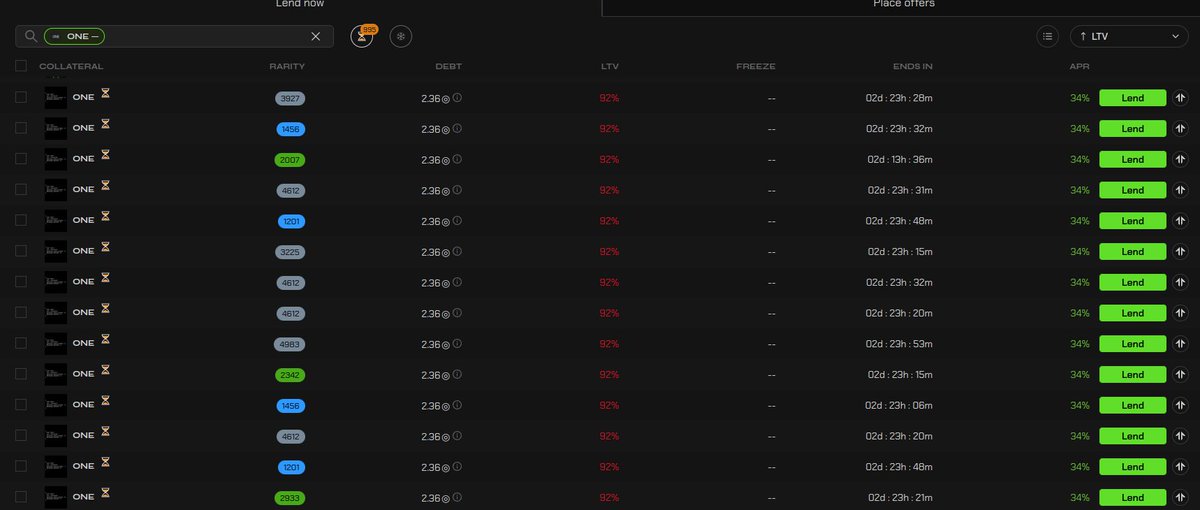
BANX loans will be terminated within 24h
All liquidated loans will be burned to reduce collection size
All paid SOL from loans will be used to offers loans at 1.5 SOL while marketplace bids stays at 2.5 SOL
ONE@one_sqlana
gm BANX loans for ONE have been recalled, borrowers have 3 days to either payback or let it be liquidated All ONEs returned will be burned, there is currently about 995 ONE on BANX We will do another reminder 24h before the deadline
English
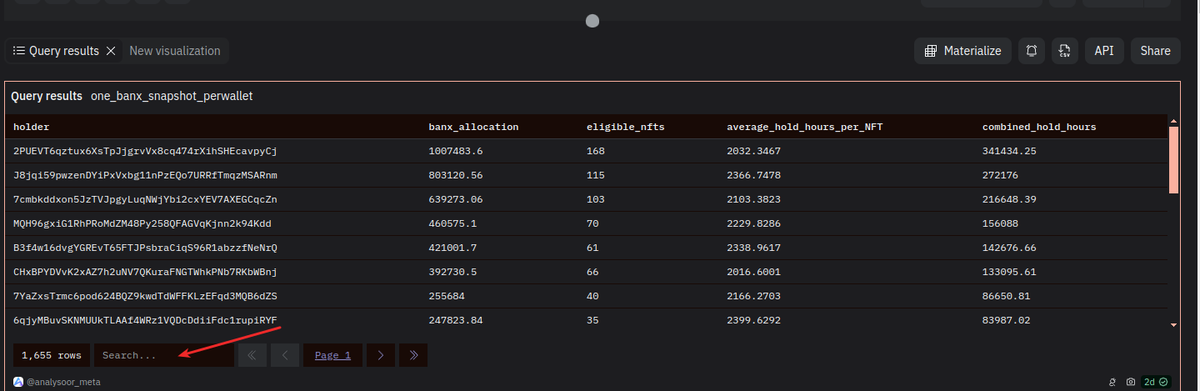
Claim Website : banxclaim.analysoor.com
Dune Query : dune.com/queries/3569124
English

gm
Thanks again to the @banx_gg team for including ONE holders on the snapshot
Don't forget to claim, mark the date
twitter.com/banx_gg/status…
Banx.gg 💵 Loans & Yield@banx_gg
Degen ladies and Degentlemen: 💸 𝗧𝗛𝗘 $BANX 𝗥𝗨𝗡 𝗜𝗦 𝗢𝗡 💸 📅 March 25 ⏱️ 4:20 PM UTC 📌 launch.banx.gg This isn't your average airdrop mfers... This is the $BANX run, and you're just not ready. So bookmark this and study on 👇
English
Our frens at @banx_gg have taken a snapshot of all ONE holders📷
Can you guess what it is? 👀
Banx.gg 💵 Loans & Yield@banx_gg
The time has come. It's set in stone. It's fun. It's fair. It's... 𝗧𝗛𝗘 $𝗕𝗔𝗡𝗫 𝗥𝗨𝗡 Strap in mfers, WE'RE GOING TO ONE TRILLION Deets 👇
English
Google sheet will all sales into the bid wallets : docs.google.com/spreadsheets/d…
English


gm
A new bid wallet for ONE was created :
- 1k SOL on @hadeswap (no fees and can be seen on Tensor)
- 720 SOL bid on @MagicEden (gib diamonds)
Bids will replenish if close to 1k SOL and NFTs burned
The previous bid wallet absorbed 1 062 ONE NFT (burn)
Collection size : 8 218


English
Analysoor@analysoor
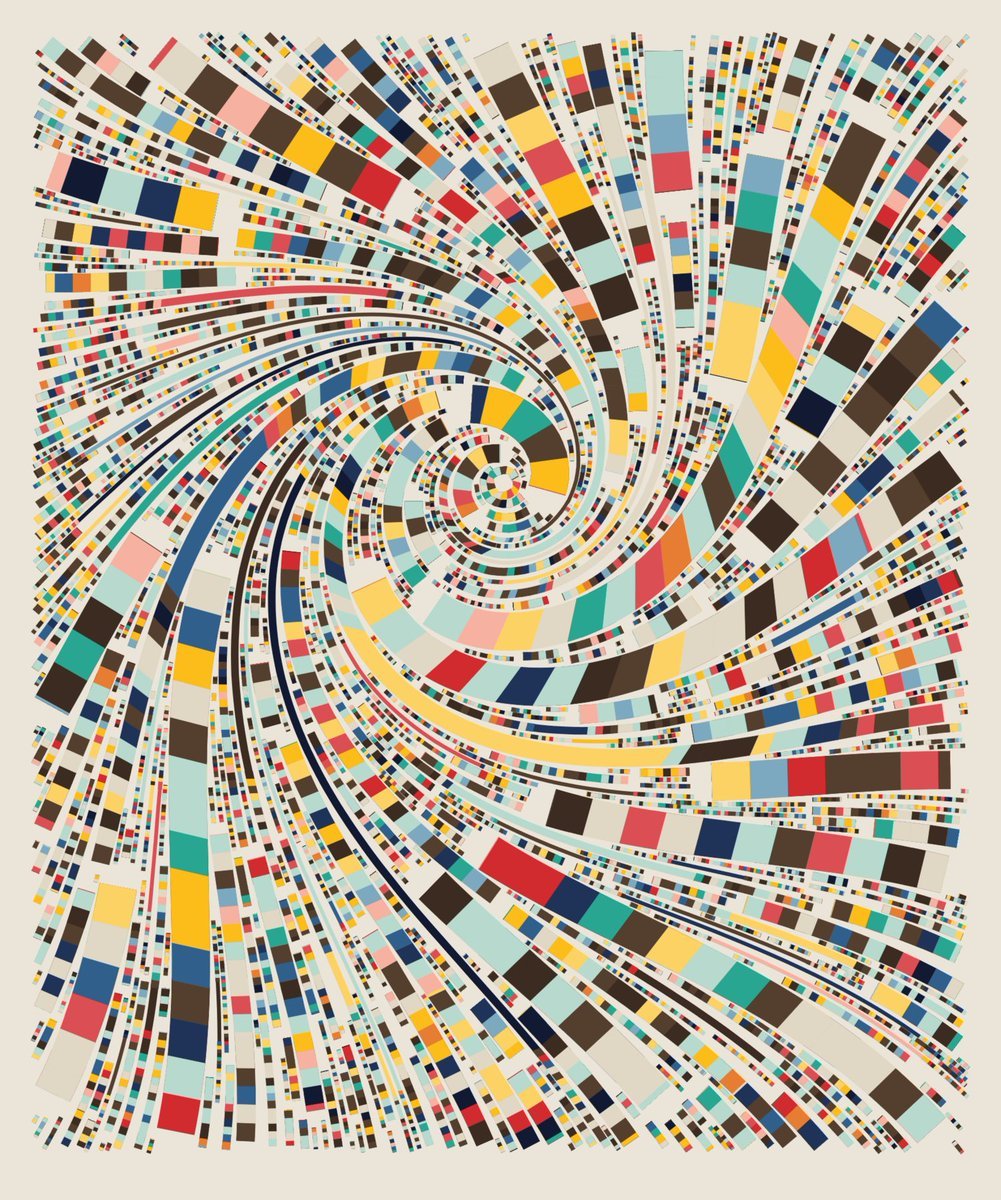
wen art? Right meow Both @orkhan and @TimortUnchained have submitted the full art set (HTML) Metadata and a new Webiste will be live this sunday to display both art set We can’t thank them enough for all the effort they have put into Both have been paid 50k USDC each(transaction recipe on second tweet) and will get 0.25% of royalties going forward What’s the concept behind the art? Full On-Chain Data, Zero Randomness The art stands unparalleled in its use of on-chain data. It's not just another generative art; it's the leader in integrating the full depth of blockchain transactions. Every piece in this collection is crafted entirely from on-chain data, making it the most data-rich art ever created across all blockchains to this time. We bypass random algorithms entirely, ensuring each artwork faithfully represents the block and story of its own creation, mirroring the journey of its minting process. This collection redefines generative block art, offering a visual narrative of blockchain history with zero randomness. It's where data becomes art, and art becomes a story. 100k Bounty: 52 artists participated on the bounty with 73 submission Voting was done by holders on our gated discord We were supposed to only have one winner, but due to how close both proposal were at the end, after speaking with both artists we decided to 2 winners So ONE art won’t have 1 but 2 completely different set of art Thanks again to all the artist that participated, it was a close race, and you did an amazing job @subaruimpreza09 @kler_btc @bigpaperhand and many more that didn’t post their twitter handle, a total of 52 artists submitted

ONE retweetou

The last few months on Solana have been full of metaprotocols and, although they are incredible technological milestones, I want to dedicate a thread to the bridge between technological innovation and pure art, generative art.
A post on generative art on Solana
First of all, why should you care about generative art at all?
Gen art is a great indicator of maturity in an ecosystem, as it's the perfect balance between technological innovation and artistic drive.
Just looking at how Artblocks pushed the scene on ETH back in 2020 and how Fidenza became such a massive hit on its release the following year adding to the NFT boom of '21.
With all the innovative changes in Solana over the last few months, and some recent incentives to push gen art, this is a good time to shed some light on the topic while showcasing the OnlyPossibleOnSolana features for generative art and its pioneers.
First of all, a bit of history behind gen art and an explanation of what it is.
The History of Generative Art
Generative art is created by an autonomous system, usually an algorithm, for which the artist creates the rules, system, and general idea of what they want their art to be.
The beauty of it is these systems have a high degree of randomness built in that leads to different scenarios for every generation.
Usually, crypto-related gen art uses the block hashes of blocks yet to be mined for this randomness.
This is because they allow to generation of a fair, random, and verifiable seed for each artwork.
This means that the results can be completely unexpected despite the initial generational parameters, not even the artist can know how every piece will look like - and sometimes, not even the algorithm can, as it can be influenced by itself.
Anyway, despite it becoming more well-known in the last few years, generative art is not new nor exclusive to crypto. It has been around for as long as computers have.
The most famous example of this that you have probably heard about (or even played) is John Conway's Game of Life as it's a showcase of the complexity that can arise from a simple set of rules.
Although gen art has a lot of overlap with crypto nowadays, a few events such as Genuary incentivize and push generative art for everyone.
I promise I will get to the Solana part in a bit, in the meantime, those who want to check more on the current generative art ecosystem over at ETH should definitely check out ArtBlocks site and the pages of incredible artists such as TylerHobbs, Snowfro, Dmitri Cherniak, Ben Kovach and many more!
They are truly a great part of what pushes innovation like this forward.
Back to the topic at hand, and what probably interests most of you.
OPOS Generative Art
I briefly mentioned how most generative art in crypto uses block hashes to create unique pieces tied to a block.
Unfortunately, this can also be a limiting factor at times as some blocks take a long time to get solved!
Although this is not the only factor, it's limiting if you want to release a big or dynamic collection.
For example, to generate 10k blocks on ETH you would spend an average of 42 hours, while this becomes 69 days on BTC!
In the scenario above, it would only take you 50 minutes to generate 10k blocks on SOL, pretty fast!
This pairs extremely well with the capacity to generate massive collections for cheap and for little time.
A few things that sound impossible elsewhere are more than doable here, 100k+ generative collections, dynamically updatable data, and compressed NFTs to name a few.
All of these values make generating art on Solana at bigger scales than before completely feasible, cheap, and honestly a refreshing experience given the vastness of collections - remember, each generation would be unique and notoriously different from the other.
Not to mention the cherry on top being the possibility to deploy all of this on-chain entirely.
I could keep writing about this but I actually have the great opportunity to showcase something that has used all of the above.
Solana Generative Art Pioneers
Before I get to that showcase, I'd love to mention the guys that - to my knowledge - are currently pushing for this on Solana. All of them are really wonderful people!
@CodeCanvas_Art is the first Solana generative art platform, made by ExchangeArt's team.
They have been empowering artists and pushing generative art to the Solana space for almost a year now!
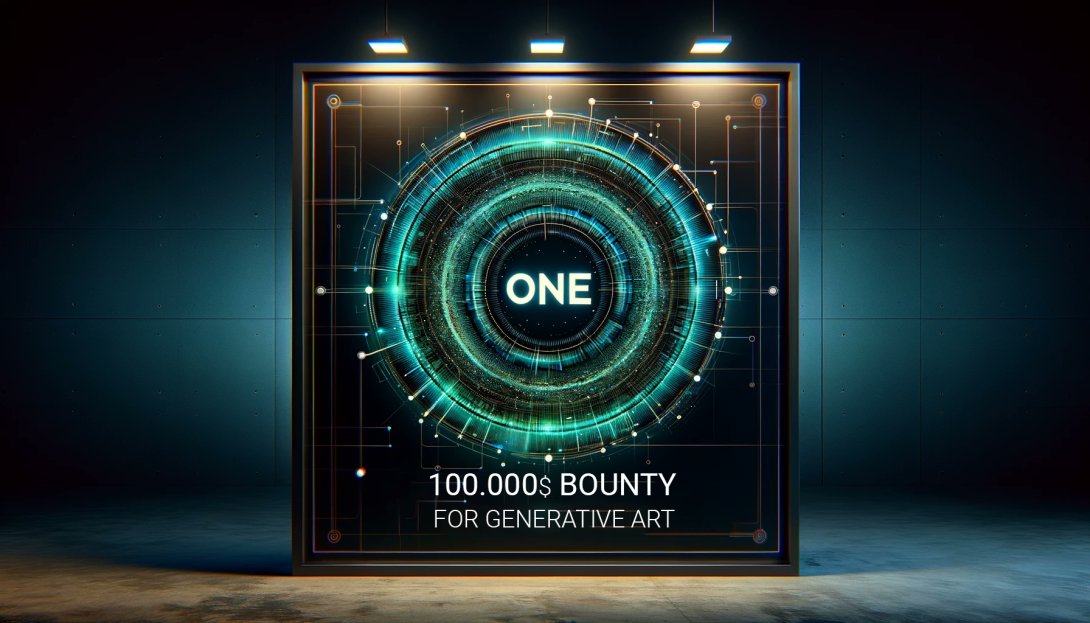
@analysoor did a bounty of $100k for their metaprotcol's collection @one_sqlana's art to encourage and give back to the generative art community on Solana under a competition.
@NewFrontierArt opened its doors earlier this month as a launchpad for generative artists to release their work on Solana
They were so kind to share their vision and thoughts:
"We have been big fans of gen art for a long time. Something about the calculated randomness intertwined with blockchain is such an interesting idea to explore...
Solana offers very low fees, near-instant transactions, and the loudest/largest blockchain art community.
We wanted to create a space for all gen artists to explore their creativity without boundaries and gain exposure to [...] Solana.
At the same time, the user experience on-chain is unbeatable - we are able to mint your nft, run the art code, and update nft metadata all in less than 30 seconds. This is truly OPOS. Welcome to the New Frontier"
And an honorable mention to Matrica for using generative art for their collection and Y00ts who features glasses inspired by generative art such as Mondrian Squares.
I had the chance to speak with @TimortUnchained, one of the two winners of Analysoor's bounty. He walked me through his art and how he implemented the OPOS features mentioned above, and helped me understand the complexity and technological aspect of gen art.
Note: Sorry if I didn't mention someone in particular who advocating for this. I tried to look for everything but if I missed you please shoot me a message!
A 10k Solana generative art collection
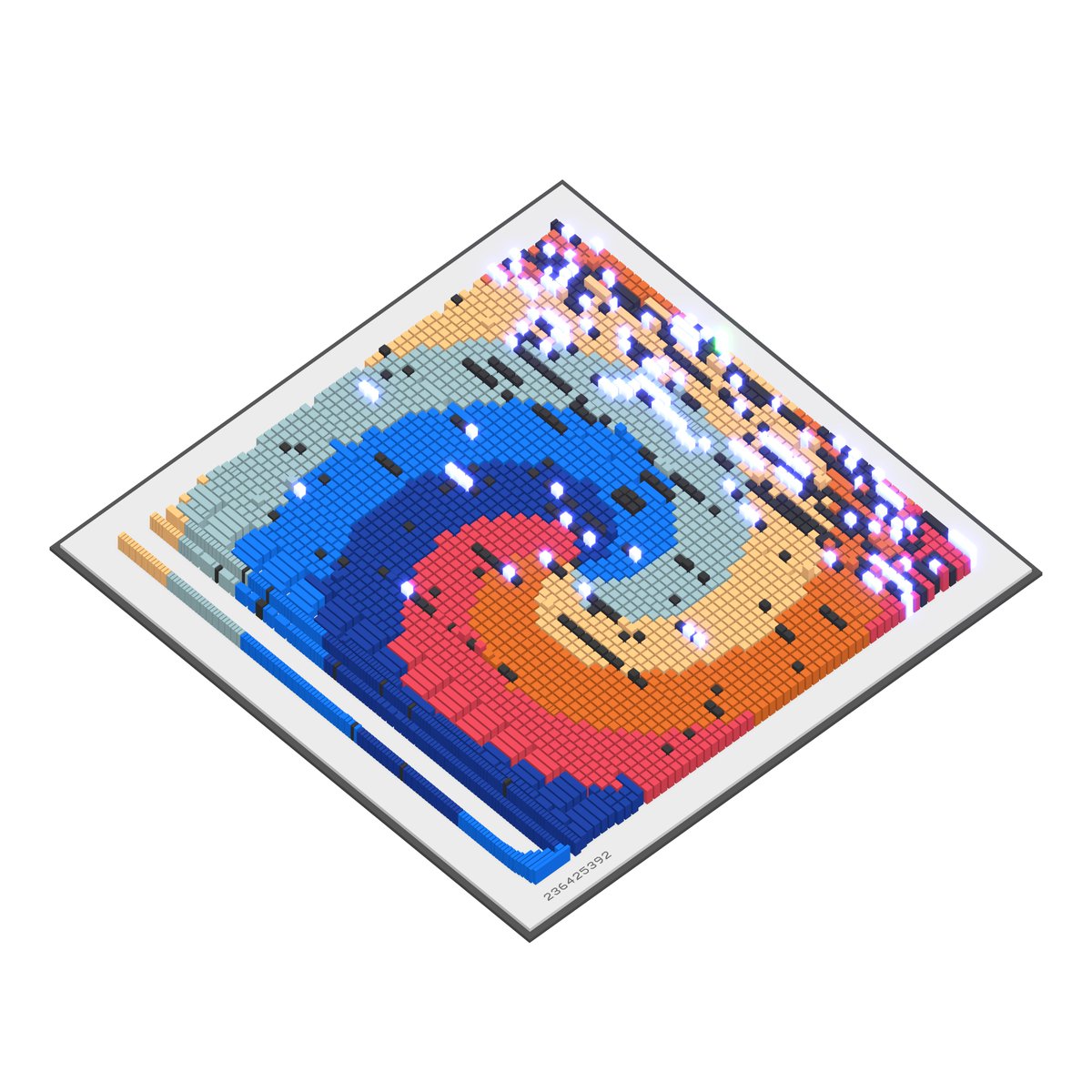
Introspection is the name of the art of the 10k collection ONE. Generative art that takes a look inside every Solana block where an NFT was minted.
A bit of context for those who didn't follow the mint, ONE was the first release of Analysoor's metaprotocol. The details are way too complex for me to explain, but what you need to know is only one NFT could get minted in each block - despite the number of attempts to mint.
However, the larger the supply, the more challenging it is to create a cohesive collection that has enough controlled chaos for each piece to feel unique while feeling part of the same collection.
Timort's take on this was to take a look at Solana's block data and make use of all its information.
Namely: Block Hashes, Block Height, TX size, Transacted SOL Volume, Number of instructions per TX, Gas fees, and more.
Introspection leveraged ONE's unique mint protocol with the unique elements present in Solana's block data.
- "My first idea was to create a minimalistic representation of Solana Block and its transactions"
Introspection is, to our knowledge, the first and only visualization of block data on Solana.
Each of the ONE NFTs was revealed into an introspective generated based on the block its respective NFT was minted in, with each being a representation of the actual block's state.
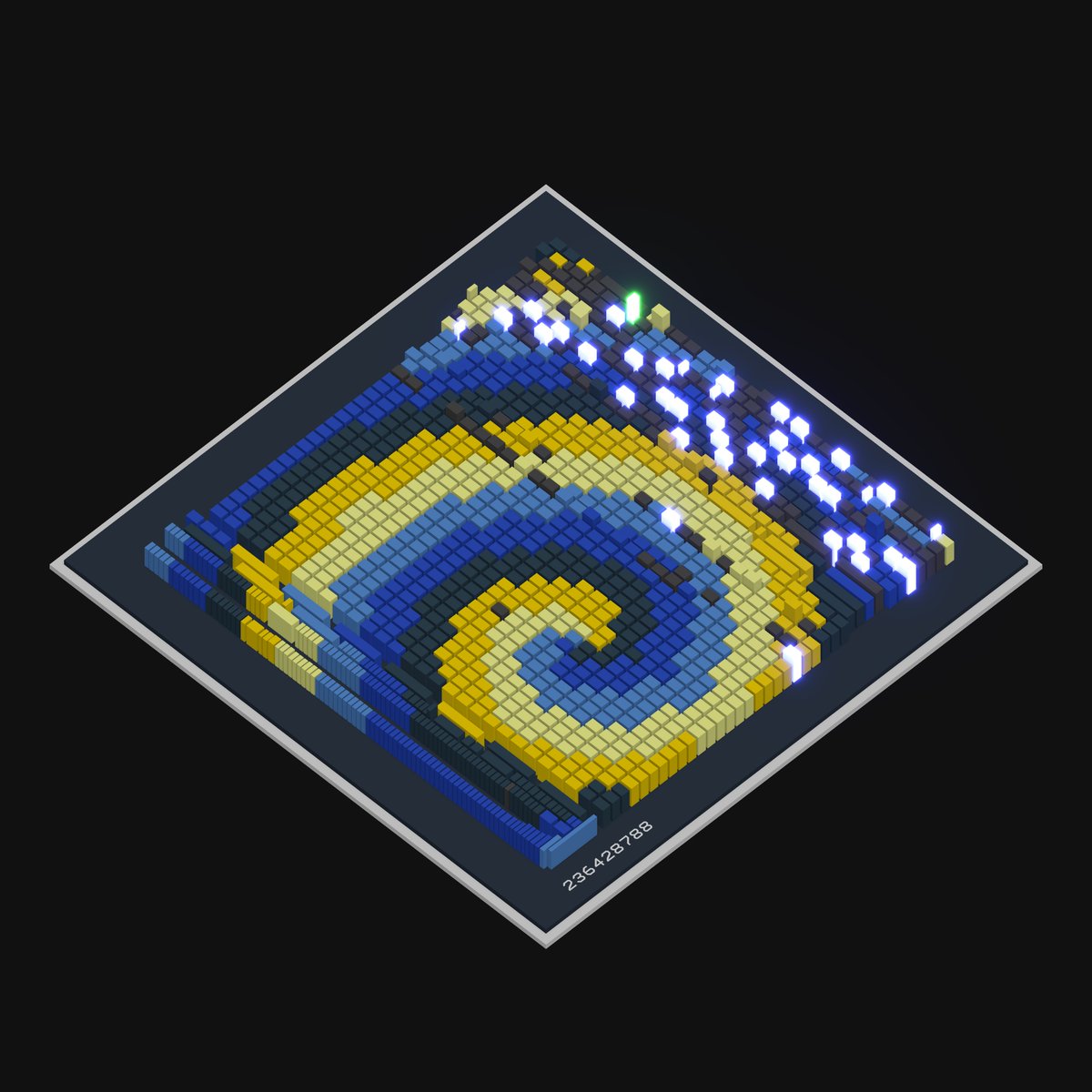
Each cube in an Introspection represents an individual TX, for which its width, height, and length vary depending on the TX's byte site, number of instructions, and volume of Solana exchange, respectively.
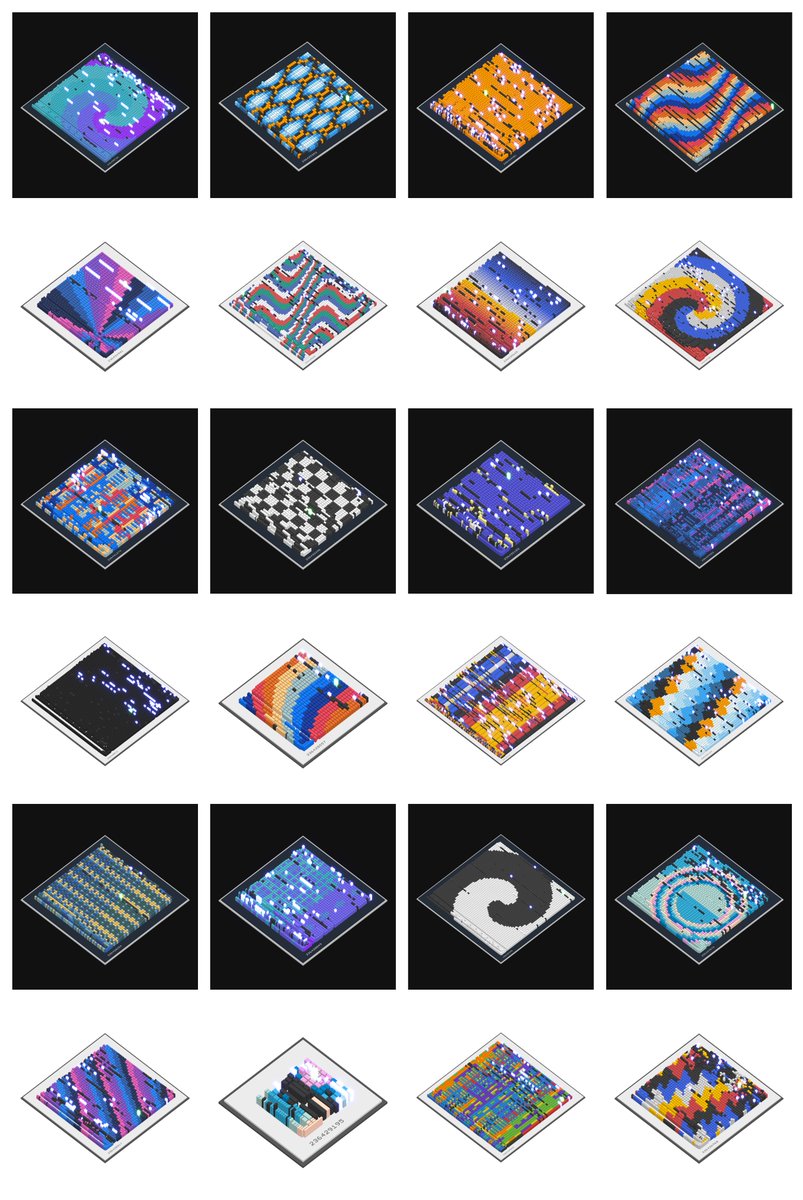
Moreover, it also relies on the block number itself to generate special NFTs for those blocks which are Prime Numbers, Perfect Numbers, Fibonacci Numbers, and Triangular Numbers.
Finally, it even uses the metaprotocol's mint TXs attempts and pictures them as lit-up blocks - blue for failed attempts and green for the singular successful one.
Despite each of their palettes and patterns being derived from a modulo and mathematically weighted distributions that make use of the pseudo-random block data, each block is meaningful and a representation of itself.
Sometimes, they can even generate recognizable patterns despite them not being hard-coded.
The algorithmic rules of the generation, in combination with the data of the block, can create really meaningful and recognizable art.
The Introspection shown above is a perfect showcase of just that. It resembles the famous Van Gogh's Starry Night as a result of the block's data.
These types of results can, and often are a surprise to the artists themselves.
More examples below:
It's worth noting that although I couldn't feature it here, ONE's collection also features the generative art Solaris by @orkhan
You can check out more introspection and Solaris art on the ONE's explorer in the comments.
Closing thoughts
I think Art as a whole still is in an incredibly early stage in Solana, however, with all the new innovations in the space lately, I'm more than optimistic about it and about the space pushing artists and developers forward.
For the degens out there, I do think it's worth paying attention to the bag full of possibilities that we have on Solana, both in development and in art.
Thank you for reading this all the way!
I know it's different than my typical informational "alpha" posts but I genuinely enjoy art and tech innovations in the space, and genuinely enjoy writing about them too.
English
ONE retweetou

We hope we can kickstart a new trend :
OPOS Generative Art
YupiG@YupiG_Crypto
The last few months on Solana have been full of metaprotocols and, although they are incredible technological milestones, I want to dedicate a thread to the bridge between technological innovation and pure art, generative art. A post on generative art on Solana First of all, why should you care about generative art at all? Gen art is a great indicator of maturity in an ecosystem, as it's the perfect balance between technological innovation and artistic drive. Just looking at how Artblocks pushed the scene on ETH back in 2020 and how Fidenza became such a massive hit on its release the following year adding to the NFT boom of '21. With all the innovative changes in Solana over the last few months, and some recent incentives to push gen art, this is a good time to shed some light on the topic while showcasing the OnlyPossibleOnSolana features for generative art and its pioneers. First of all, a bit of history behind gen art and an explanation of what it is. The History of Generative Art Generative art is created by an autonomous system, usually an algorithm, for which the artist creates the rules, system, and general idea of what they want their art to be. The beauty of it is these systems have a high degree of randomness built in that leads to different scenarios for every generation. Usually, crypto-related gen art uses the block hashes of blocks yet to be mined for this randomness. This is because they allow to generation of a fair, random, and verifiable seed for each artwork. This means that the results can be completely unexpected despite the initial generational parameters, not even the artist can know how every piece will look like - and sometimes, not even the algorithm can, as it can be influenced by itself. Anyway, despite it becoming more well-known in the last few years, generative art is not new nor exclusive to crypto. It has been around for as long as computers have. The most famous example of this that you have probably heard about (or even played) is John Conway's Game of Life as it's a showcase of the complexity that can arise from a simple set of rules. Although gen art has a lot of overlap with crypto nowadays, a few events such as Genuary incentivize and push generative art for everyone. I promise I will get to the Solana part in a bit, in the meantime, those who want to check more on the current generative art ecosystem over at ETH should definitely check out ArtBlocks site and the pages of incredible artists such as TylerHobbs, Snowfro, Dmitri Cherniak, Ben Kovach and many more! They are truly a great part of what pushes innovation like this forward. Back to the topic at hand, and what probably interests most of you. OPOS Generative Art I briefly mentioned how most generative art in crypto uses block hashes to create unique pieces tied to a block. Unfortunately, this can also be a limiting factor at times as some blocks take a long time to get solved! Although this is not the only factor, it's limiting if you want to release a big or dynamic collection. For example, to generate 10k blocks on ETH you would spend an average of 42 hours, while this becomes 69 days on BTC! In the scenario above, it would only take you 50 minutes to generate 10k blocks on SOL, pretty fast! This pairs extremely well with the capacity to generate massive collections for cheap and for little time. A few things that sound impossible elsewhere are more than doable here, 100k+ generative collections, dynamically updatable data, and compressed NFTs to name a few. All of these values make generating art on Solana at bigger scales than before completely feasible, cheap, and honestly a refreshing experience given the vastness of collections - remember, each generation would be unique and notoriously different from the other. Not to mention the cherry on top being the possibility to deploy all of this on-chain entirely. I could keep writing about this but I actually have the great opportunity to showcase something that has used all of the above. Solana Generative Art Pioneers Before I get to that showcase, I'd love to mention the guys that - to my knowledge - are currently pushing for this on Solana. All of them are really wonderful people! @CodeCanvas_Art is the first Solana generative art platform, made by ExchangeArt's team. They have been empowering artists and pushing generative art to the Solana space for almost a year now! @analysoor did a bounty of $100k for their metaprotcol's collection @one_sqlana's art to encourage and give back to the generative art community on Solana under a competition. @NewFrontierArt opened its doors earlier this month as a launchpad for generative artists to release their work on Solana They were so kind to share their vision and thoughts: "We have been big fans of gen art for a long time. Something about the calculated randomness intertwined with blockchain is such an interesting idea to explore... Solana offers very low fees, near-instant transactions, and the loudest/largest blockchain art community. We wanted to create a space for all gen artists to explore their creativity without boundaries and gain exposure to [...] Solana. At the same time, the user experience on-chain is unbeatable - we are able to mint your nft, run the art code, and update nft metadata all in less than 30 seconds. This is truly OPOS. Welcome to the New Frontier" And an honorable mention to Matrica for using generative art for their collection and Y00ts who features glasses inspired by generative art such as Mondrian Squares. I had the chance to speak with @TimortUnchained, one of the two winners of Analysoor's bounty. He walked me through his art and how he implemented the OPOS features mentioned above, and helped me understand the complexity and technological aspect of gen art. Note: Sorry if I didn't mention someone in particular who advocating for this. I tried to look for everything but if I missed you please shoot me a message! A 10k Solana generative art collection Introspection is the name of the art of the 10k collection ONE. Generative art that takes a look inside every Solana block where an NFT was minted. A bit of context for those who didn't follow the mint, ONE was the first release of Analysoor's metaprotocol. The details are way too complex for me to explain, but what you need to know is only one NFT could get minted in each block - despite the number of attempts to mint. However, the larger the supply, the more challenging it is to create a cohesive collection that has enough controlled chaos for each piece to feel unique while feeling part of the same collection. Timort's take on this was to take a look at Solana's block data and make use of all its information. Namely: Block Hashes, Block Height, TX size, Transacted SOL Volume, Number of instructions per TX, Gas fees, and more. Introspection leveraged ONE's unique mint protocol with the unique elements present in Solana's block data. - "My first idea was to create a minimalistic representation of Solana Block and its transactions" Introspection is, to our knowledge, the first and only visualization of block data on Solana. Each of the ONE NFTs was revealed into an introspective generated based on the block its respective NFT was minted in, with each being a representation of the actual block's state. Each cube in an Introspection represents an individual TX, for which its width, height, and length vary depending on the TX's byte site, number of instructions, and volume of Solana exchange, respectively. Moreover, it also relies on the block number itself to generate special NFTs for those blocks which are Prime Numbers, Perfect Numbers, Fibonacci Numbers, and Triangular Numbers. Finally, it even uses the metaprotocol's mint TXs attempts and pictures them as lit-up blocks - blue for failed attempts and green for the singular successful one. Despite each of their palettes and patterns being derived from a modulo and mathematically weighted distributions that make use of the pseudo-random block data, each block is meaningful and a representation of itself. Sometimes, they can even generate recognizable patterns despite them not being hard-coded. The algorithmic rules of the generation, in combination with the data of the block, can create really meaningful and recognizable art. The Introspection shown above is a perfect showcase of just that. It resembles the famous Van Gogh's Starry Night as a result of the block's data. These types of results can, and often are a surprise to the artists themselves. More examples below: It's worth noting that although I couldn't feature it here, ONE's collection also features the generative art Solaris by @orkhan You can check out more introspection and Solaris art on the ONE's explorer in the comments. Closing thoughts I think Art as a whole still is in an incredibly early stage in Solana, however, with all the new innovations in the space lately, I'm more than optimistic about it and about the space pushing artists and developers forward. For the degens out there, I do think it's worth paying attention to the bag full of possibilities that we have on Solana, both in development and in art. Thank you for reading this all the way! I know it's different than my typical informational "alpha" posts but I genuinely enjoy art and tech innovations in the space, and genuinely enjoy writing about them too.
English
Explorer link : one-explorer.analysoor.com
Marketplace : sniper.xyz/collection/one
English
gm
Metadata has been updated and more than 400 NFTs were burned in the last couple of days
Thanks again for the amazing work @TimortUnchained and @orkhan
The collection size was reduce from 9.7k to 9.2k
Collection explorer link and marketplace link on the second tweet
English
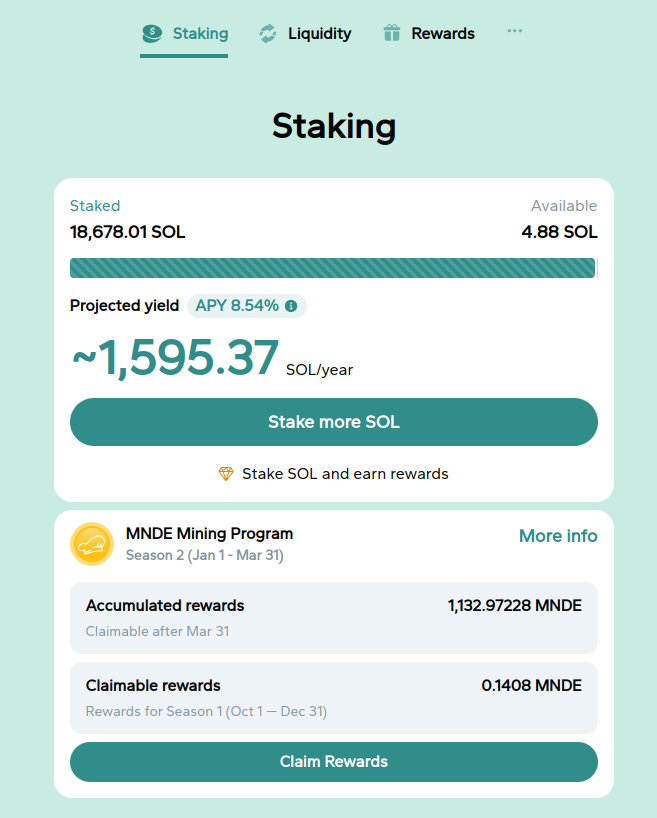

Yes 🤝
We might be the number ONE collection on Solana with that ranking
This also isn't creator SOL, but the SOL used to have an infinite bid for the collection at 2.5 SOL
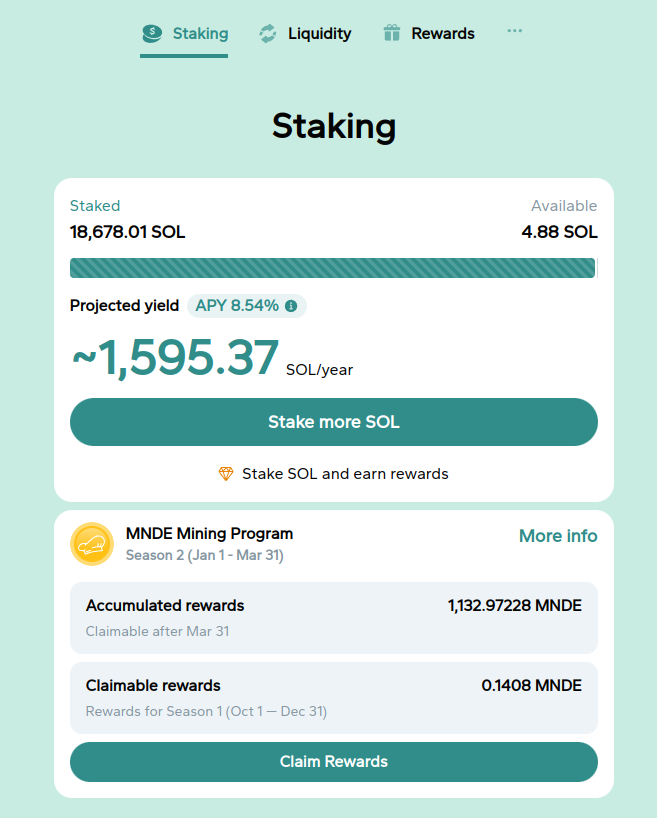
korg.sol@levicook
You're going to hate it, but I'll probably experiment with sorting and filtering NFTs based on the amount of sol staked by the creators.
English