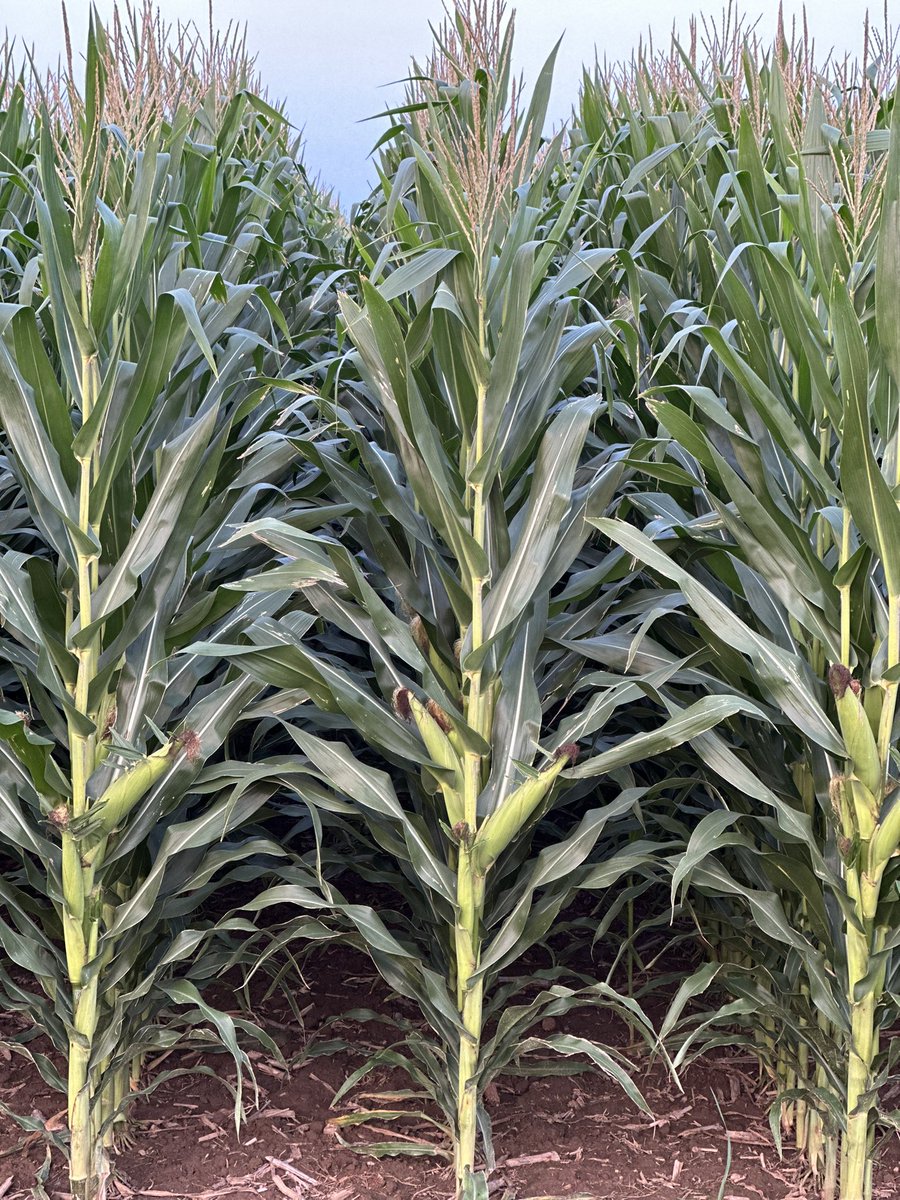
I would agree with this comment, N deficiency limits the potential gain in soil carbon, it also limits a system from creating a healthy plant, so it’s a double whammy on WEOC. ***Microbes need N. They don’t like excessive N. most farms have excessive N at a minimum for at least an extended period of time. Lower N rates favor fungal-dominated communities, which efficiently incorporate C into stable WEOC fractions. High N shifts to bacteria, which respire more C as CO₂, reducing WEOC by 10-20%. High N accelerates microbial breakdown of labile C, depleting WEOC as microbes mineralize organic matter faster for energy. Lower N limits this “priming effect,” preserving WEOC. A 2019 study in Midwest maize systems showed N fertilization suppressed SOM mineralization by 13-21% at optimal rates but increased overall C turnover at excess levels, leading to 10-15% lower WEOC in high-N plots. This is from papers, our data which is much deeper and has more years to it, shows high N usage has even greater destruction of Weoc than the above papers. I only respond as I think what you shared is good, but it doesn’t tell the story. It only captures the eye of N is good for soil carbon.