
The Pentagon is moving a Marine expeditionary unit to the Middle East, as Iran steps up its attacks on the Strait of Hormuz, according to two U.S. officials. Expeditionary units typically consist of up to 2,500 Marines. on.wsj.com/4sNYxhg
e2open
9.3K posts


The Pentagon is moving a Marine expeditionary unit to the Middle East, as Iran steps up its attacks on the Strait of Hormuz, according to two U.S. officials. Expeditionary units typically consist of up to 2,500 Marines. on.wsj.com/4sNYxhg


MSC adds war surcharge starting March 5. MSC has introduced a new war risk surcharge on some shipments to Africa and Indian Ocean islands starting March 5. The added cost can reach $2,000 for a 20-ft container, $3,000 for a 40-ft, and up to $4,000 for reefers on certain Gulf routes. This highlights how quickly geopolitics affects actual shipping costs for cargo owners, forwarders, and operators. Freight rates increase when maritime risk increases. A line item on the maritime bill that was once a remote security concern is now clearly visible. #shipping #maritime #logistics #supplychain #containershipping #freight #globaltrade #maritimerisk


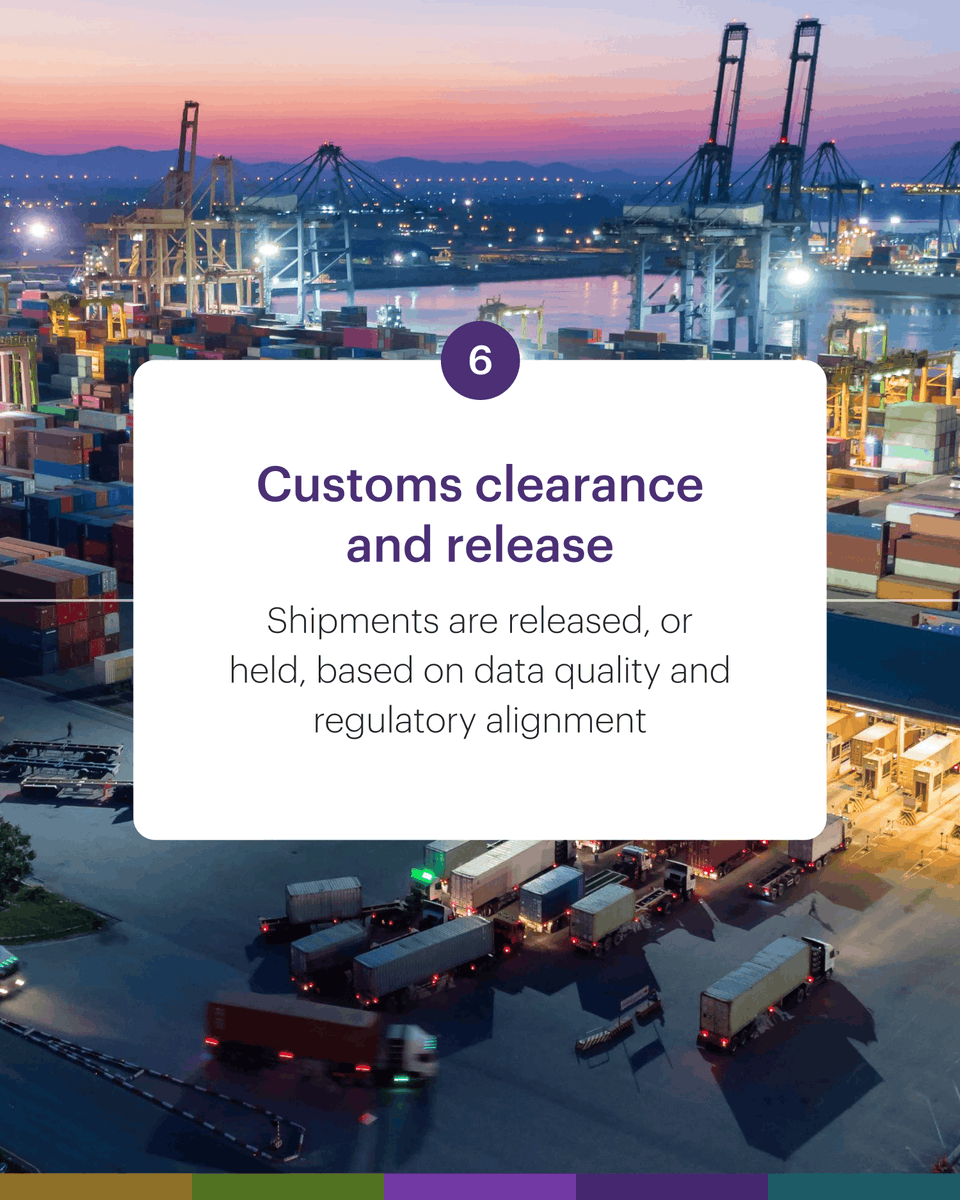
Policy updates don’t usually cause delays. Handoffs do. Classification reviews, screening follow-ups, misaligned documents, and late broker coordination all decide whether a shipment clears or sits waiting.


Right now, the exports markets are slow. People are spending less money. Season is off so Brands are ordering less stock. So we are seeing: - fewer new orders - slower payments - more price pressure (metals) But, this doesn't mean the business is bad. Instead, this slowdown gives us some downtime to: - clear old stocks - do our housekeeping - fix leakages - improve systems - do R&D - design new products Basically: When the war slows down, we sharpen the sword.