Brainy Science

393 posts

Brainy Science banner
Brainy Science

Brainy Science

@BrainyScience

Mind-blowing science 🧠🚀 Space • Tech • Everyday Science • Follow for crazy facts and discoveries!

Lost in Space-Time ⏳ انضم Kasım 2025
3.8K يتبع9.3K المتابعون
Brainy Science
Brainy Science@BrainyScience·
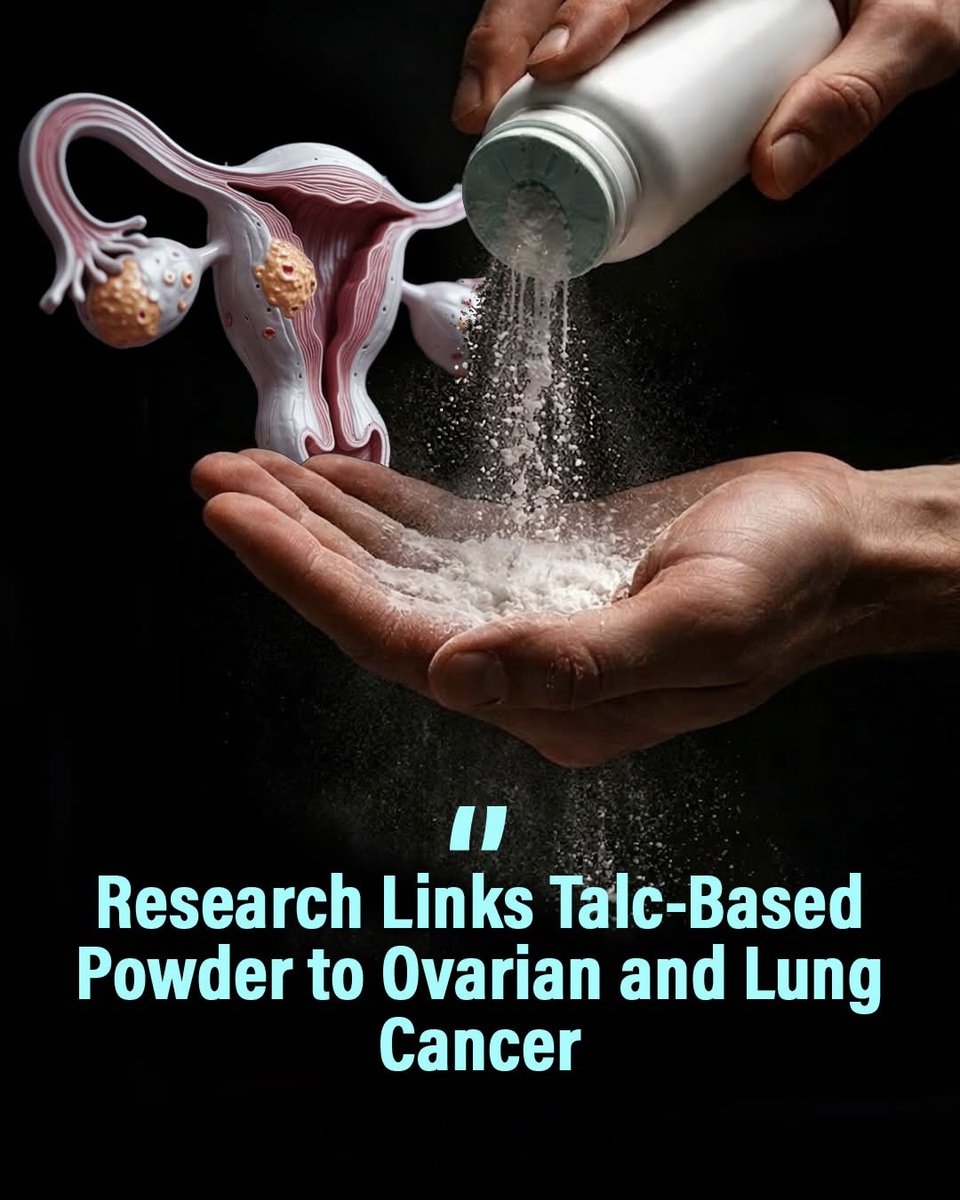
⚠️ Baby Powder: Safe… or Something to Rethink? Baby powder has been trusted for generations, but recent discussions have raised some questions. The International Agency for Research on Cancer classifies talc used in the genital area as “possibly carcinogenic,” meaning there is limited evidence of a potential risk. There are also concerns that natural talc deposits can sometimes be contaminated with harmful substances like asbestos. At the same time, major health organizations, including the American Cancer Society, emphasize that the overall evidence is **not conclusive**. Some studies suggest a possible link, while others do not. This uncertainty has led companies such as Johnson & Johnson to shift toward cornstarch-based powders.So, what should you take from this? There is **no clear proof of harm**, but some experts suggest being cautious, especially with long-term use in sensitive areas. Source American Cancer Society. (2024). Talcum powder and cancer
Brainy Science tweet media
English
0
0
0
61
Brainy Science
Brainy Science@BrainyScience·
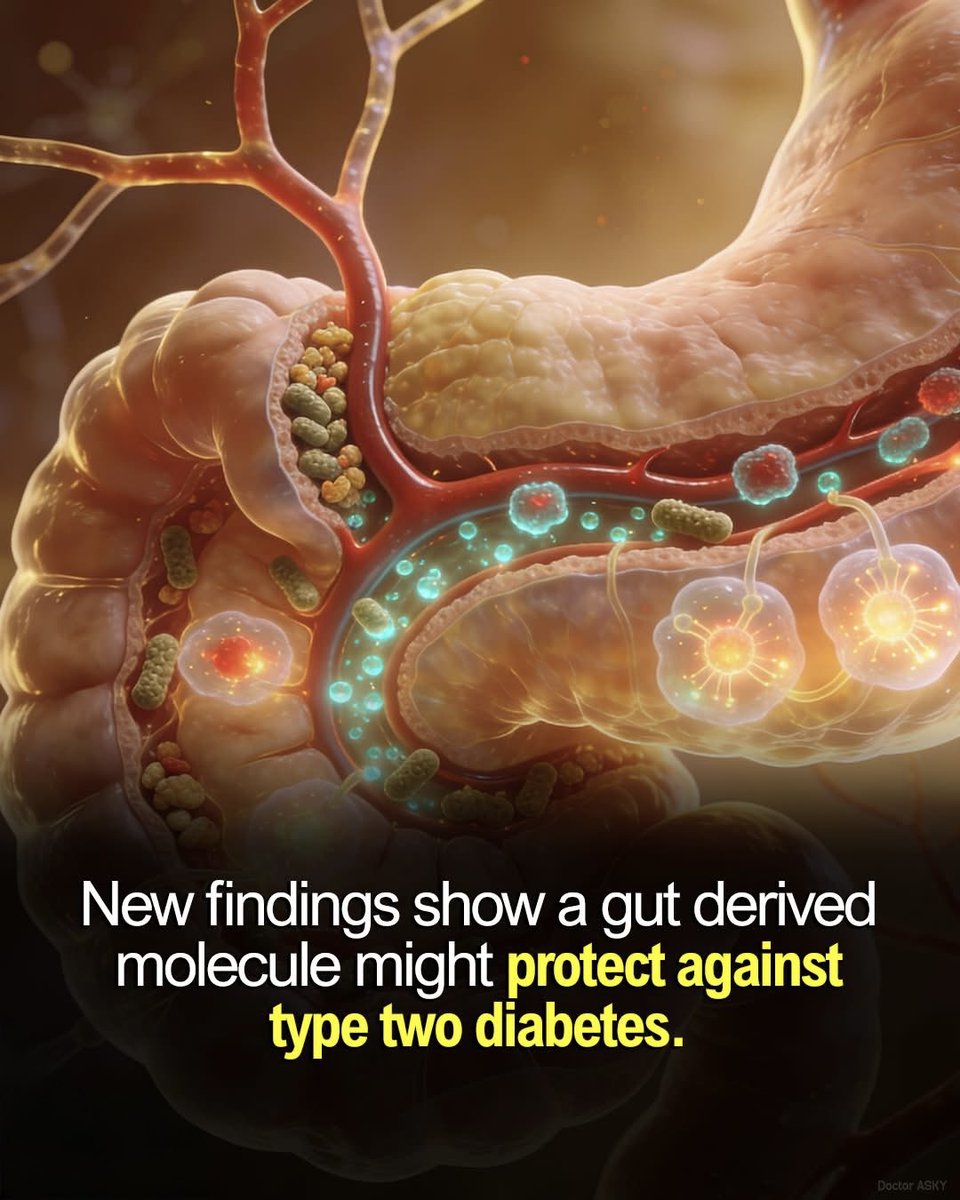
🚨 The Secret in Your Gut That Could Fight Diabetes What if the key to preventing type 2 diabetes wasn’t in a pill, but inside your own body? Scientists are now discovering a mysterious molecule made by the bacteria living in your gut — and early studies suggest it might protect against high blood sugar and insulin problems. This tiny chemical seems to calm inflammation, boost your body’s natural insulin response, and guard your cells from damage. In lab experiments and animal studies, the results are astonishing — it’s like a hidden guardian inside you, quietly working to keep diabetes at bay. Could this be the future of diabetes prevention? While humans haven’t been fully tested yet, researchers are racing to understand how our gut bacteria and this molecule might hold the answer to one of the world’s fastest-growing health crises. Your next meal might be more powerful than you think… because the fight against diabetes could start inside your own gut. Source: Medical News Today. (2023). Diabetes-fighting gut molecule may help lower insulin resistance.
Brainy Science tweet media
English
2
15
45
976
Brainy Science
Brainy Science@BrainyScience·
⏳ Neuroscience Reveals: What If Time Isn’t Moving the Way You Think… Ever felt like a single moment lasts forever… but whole days vanish in seconds? The clock stays the same. But your brain doesn’t. In neuroscience, time is experienced in two ways — measured time and emotional time. When something is new or meaningful, your brain stores more detail, making it feel longer. But when life becomes routine, fewer memories are formed… and time seems to slip away faster. That’s why childhood feels slow and full… and adulthood feels like it’s racing.Time isn’t speeding up.Your mind is changing how you experience it. Source 
Wittmann, M. (2011). Moments in time. Frontiers in Integrative Neuroscience, 5, 66.
Brainy Science tweet media
English
8
8
33
617
Brainy Science
Brainy Science@BrainyScience·
🔥 Deleting a Single Memory Can Heat the Universe! What if I told you that every time you hit “delete,” the universe notices? Sounds crazy, right? But according to cutting-edge quantum physics, erasing even a single piece of data isn’t invisible—it releases a tiny burst of heat into the world. Scientists call this Landauer’s principle, and experiments with quantum systems have actually measured it. Think about it: every deleted file, every cleared email, every erased memory comes with a real, physical cost. The energy might be tiny, almost invisible—but it’s there, whispering that information is never truly free. The next time you hit delete, remember… the universe just felt it. (Source: Bérut, A., et al. (2012). Experimental verification of Landauer’s principle linking information and thermodynamics. Nature, 483, 187–189.
Brainy Science tweet media
English
15
31
90
2.7K
Brainy Science
Brainy Science@BrainyScience·
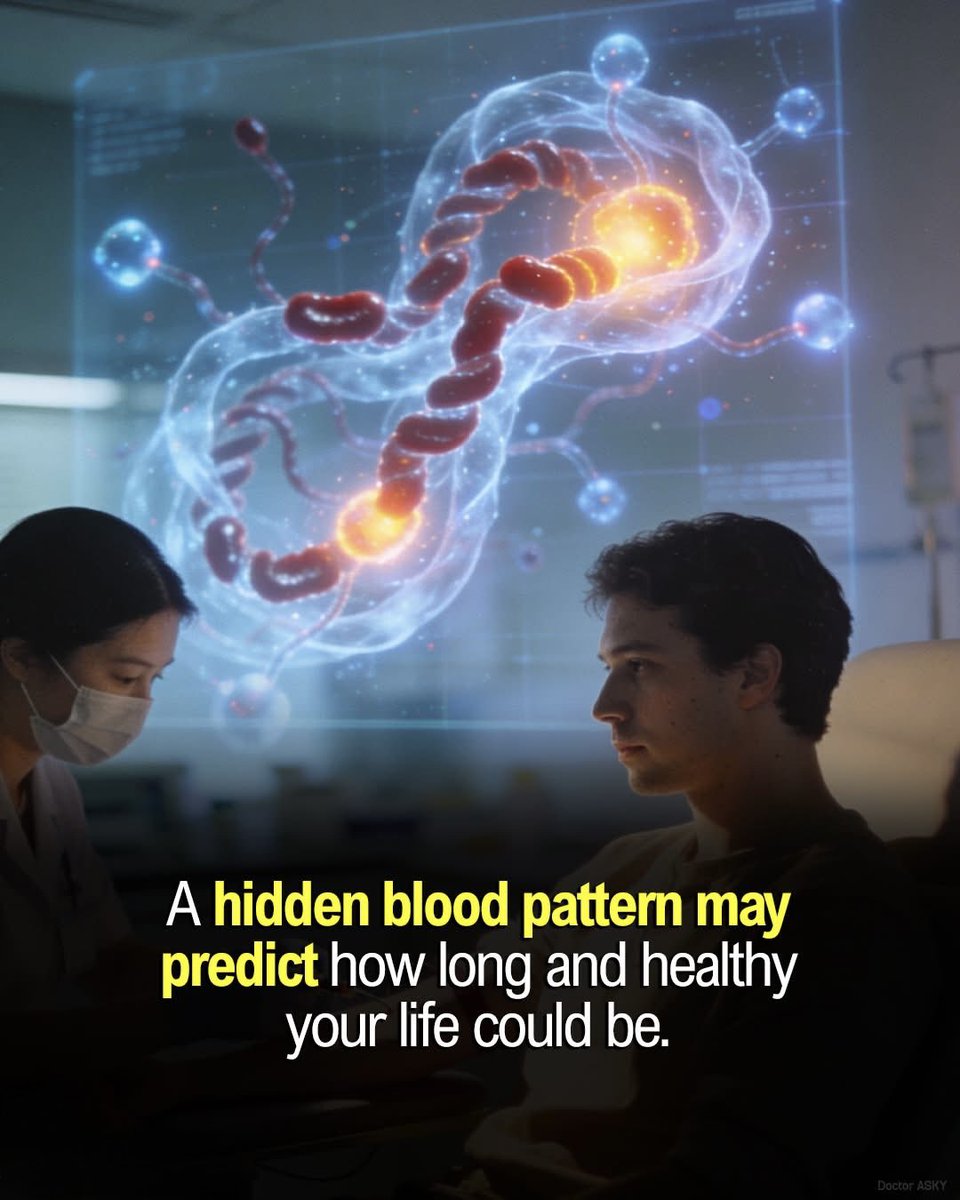
🩸 Could Your Blood Predict Your Future? What if your blood could tell secrets about your health years before anything shows up? Scientists are finding that hidden patterns in blood proteins — the tiny molecules that keep your body running — can reveal risks of serious diseases and even hint at lifespan. Some patterns signal hidden stress or inflammation, while others suggest resilience and longer health. It’s not a crystal ball yet, but it’s a glimpse into a future of early detection and prevention. Source: Johnson, A. et al. (2022). Protein signatures in blood predict mortality risk. PLOS ONE, 17(9), e0336845.
Brainy Science tweet media
English
2
16
38
896
Brainy Science
Brainy Science@BrainyScience·
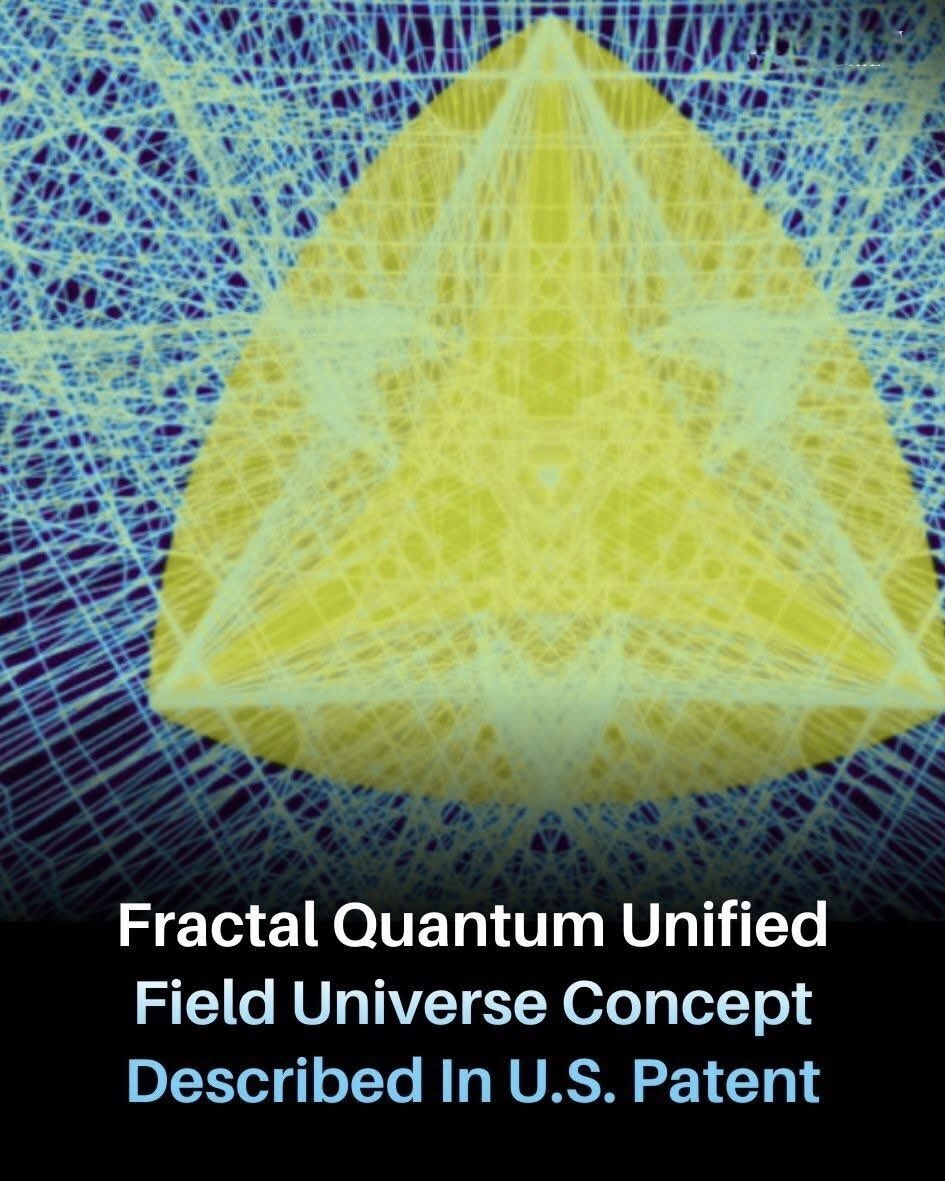
🌀 The Patent That Claims to Hold the Secrets of the Universe What if someone told you that a U.S. patent might describe the universe in a way you’ve never imagined? Hidden in the pages of Patent Application 20250244743 are words like fractal dimensions, quantum fields, and universal patterns. It sounds like science fiction—but it’s real, filed with the U.S. Patent Office. The inventors claim a method to map the universe using fractals—those infinite, repeating patterns you’ve seen in nature, from snowflakes to galaxy clusters. Could this be a glimpse into a hidden order of reality, a way to understand the cosmos at its deepest levels? Or is it just a bold mathematical idea with no proof yet? The mystery is thrilling: a patent that hints at the universe itself behaving like a fractal, a puzzle that challenges what we think we know about space, time, and matter. The lines between science, imagination, and possibility blur—and one thing is certain: reading this could make you look at the cosmos in an entirely new way. Source: United States Patent Application 20250244743
Brainy Science tweet media
English
35
62
209
7.8K
Brainy Science
Brainy Science@BrainyScience·
💔 A Weight-Loss Drug… Helping the Heart Heal? What if a medicine made for weight loss could quietly help the heart recover after a heart attack? It may sound surprising, but scientists have discovered something interesting. Drugs like Ozempic might improve blood flow in tiny damaged blood vessels, possibly helping the heart heal after an attack. Even more surprising… these drugs are already known to reduce the risk of heart attacks and strokes, beyond just helping with weight loss. But here’s the twist—this possible “healing effect” is still in early stages and mostly tested in animals. Scientists are hopeful, but more research is needed to confirm it in humans.So now the real question is: Are we seeing the start of a medical breakthrough… or just the beginning of a mystery? Source: University of Bristol. (2026, March 4). Ozempic-like weight loss drugs may help the heart recover after a heart attack. ScienceDaily.
Brainy Science tweet media
English
0
3
15
384
Brainy Science
Brainy Science@BrainyScience·
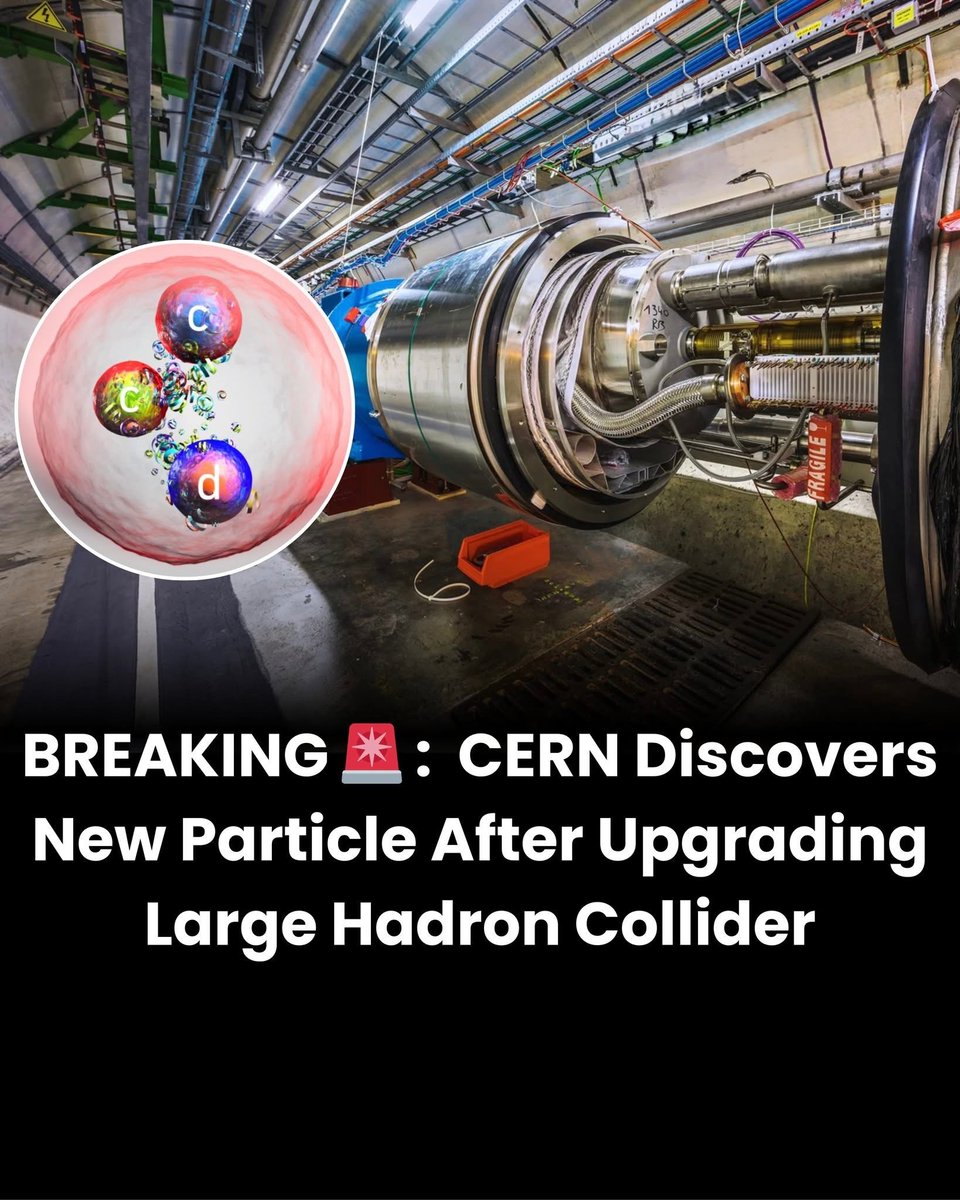
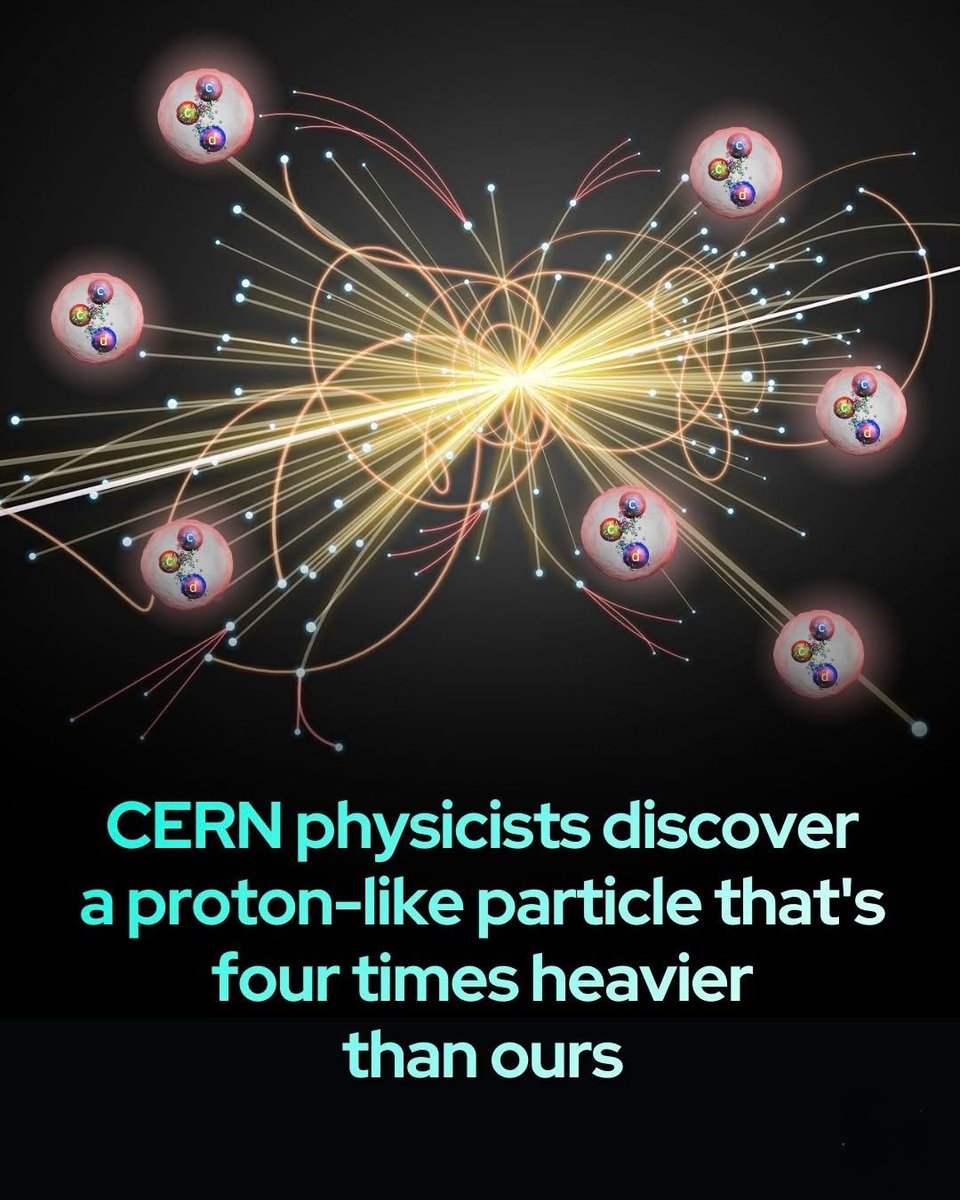
⚡ Scientists Just Found a Particle That Could Rewrite Physics! Deep underground at CERN, scientists discovered a new particle called Xi‑cc‑plus — a rare cousin of the proton that is four times heavier. Made of two “charm” quarks and one “down” quark, it exists for only a tiny fraction of a second. This fleeting particle could help scientists unlock the secrets of the quantum world and understand how the tiniest pieces of matter behave. It’s a glimpse into a universe stranger than we ever imagined. Source: ScienceAlert. (2026, March 17). CERN discovers new particle after upgrading Large Hadron Collider.
Brainy Science tweet media
English
2
16
38
919
Brainy Science
Brainy Science@BrainyScience·
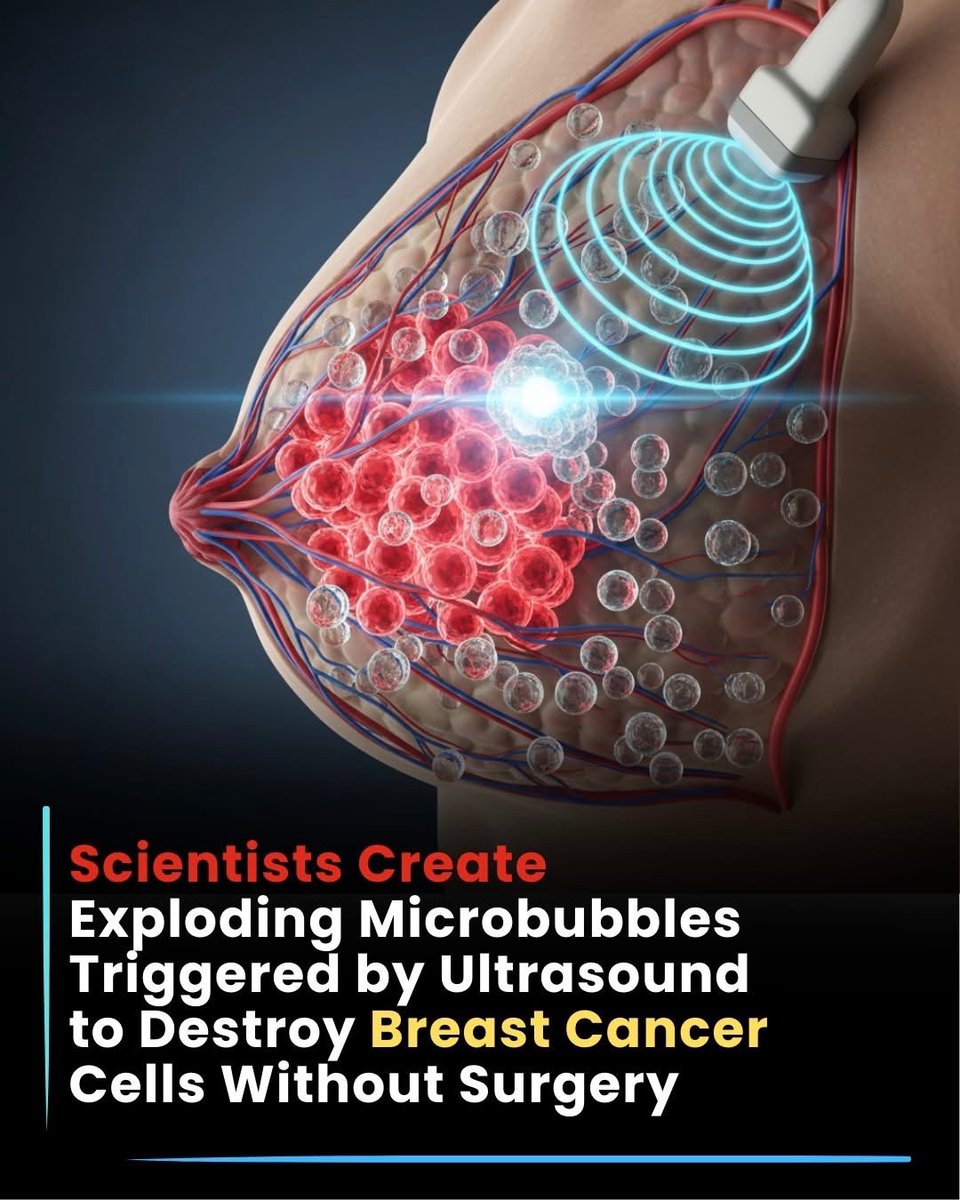
🚨 Sound vs Cancer What if cancer could be treated without surgery? Researchers at Tel Aviv University, led by Tali Ilovitsh, are testing tiny microbubbles that travel through the bloodstream to tumors. When activated by ultrasound, these bubbles collapse in a powerful reaction called Cavitation, helping destroy cancer cells. Then it gets even more interesting. The same sound waves create tiny openings in the remaining cells — known as Sonoporation — allowing scientists to send signals that help the immune system attack what’s left. In early animal studies, results are promising. No surgery. Just sound. It’s not available for humans yet — but it could change how we fight cancer in the future. Source Ilovitsh, T., et al. (2022). Ultrasound-mediated microbubble cavitation for targeted cancer therapy and immune activation. Tel Aviv University
Brainy Science tweet media
English
3
73
209
4.6K
Brainy Science
Brainy Science@BrainyScience·
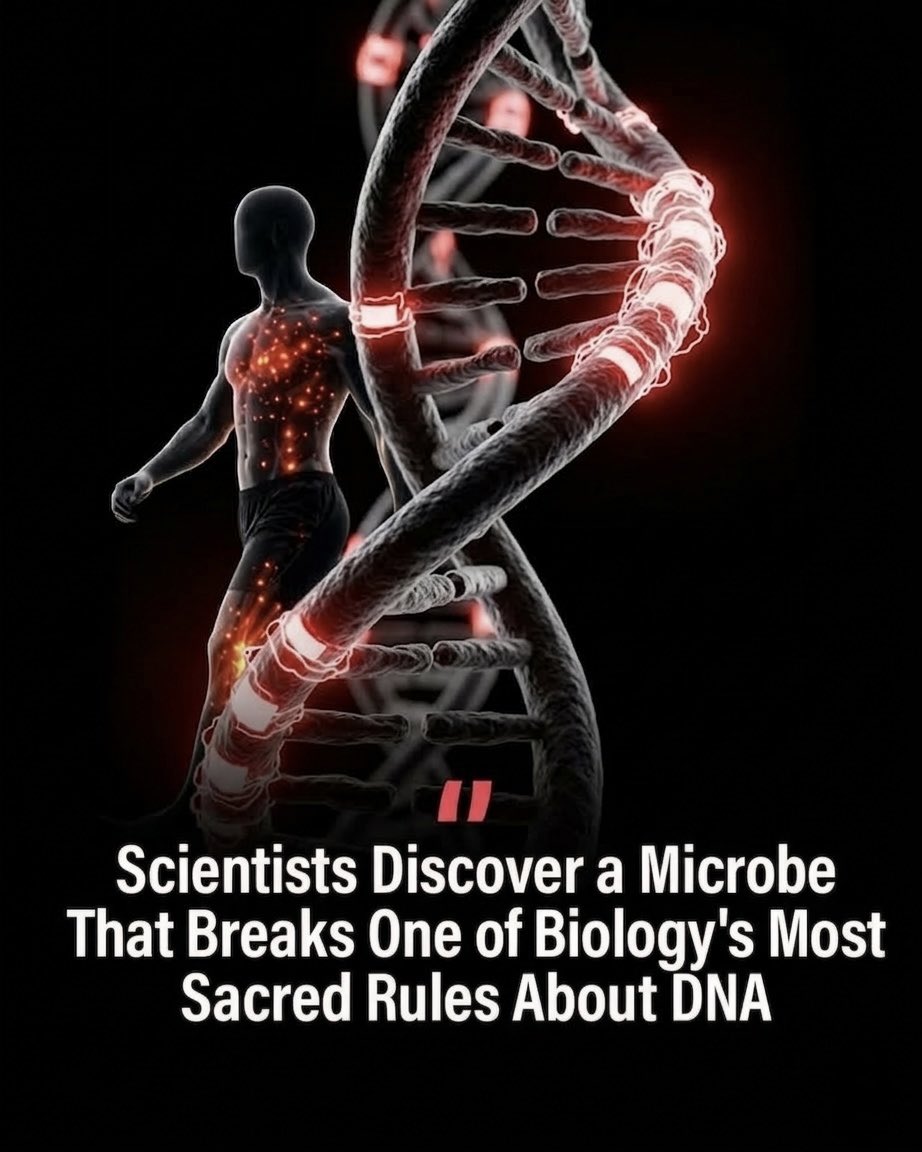
🔥 THIS MICROBE JUST BROKE THE RULES OF DNA Biology textbooks say one DNA code always means one thing. But a microbe discovered by UC Berkeley flips the rules. The same codon can stop protein building or add a rare amino acid, making two proteins from the same gene. Up to 300 genes do this. It’s a natural feature, not a mutation—and it could help fight diseases like cystic fibrosis. Source: UC Berkeley. (2026, February). Microbe reads DNA codons in two ways. PNAS.
Brainy Science tweet media
English
1
20
50
1.6K
Brainy Science
Brainy Science@BrainyScience·
🌌 The Universe Might Never Truly End… What if the story of our universe isn’t just a single beginning and a final end? Some scientists believe that the universe is part of a much larger, eternal cycle. According to a theory called Conformal Cyclic Cosmology, the end of everything we know—the fading of stars, the cooling of galaxies, the spreading of matter—could actually plant the seeds for a brand new universe. In this mysterious loop, each “ending” transforms into a “beginning,” and the dance of light and matter keeps going forever. Imagine a cosmic story with no final chapter, where time itself is a circle, and each aeon is just one act in a much grander drama. Could our universe’s death be the birth of the next? Science is exploring this very idea—and the answers might change how we see reality itself. Source: Penrose, R. (2010). Cycles of Time: An Extraordinary New View of the Universe. Bodley Head.
Brainy Science tweet media
English
4
16
43
3.2K
Brainy Science أُعيد تغريده
Next Science
Next Science@NextScience·
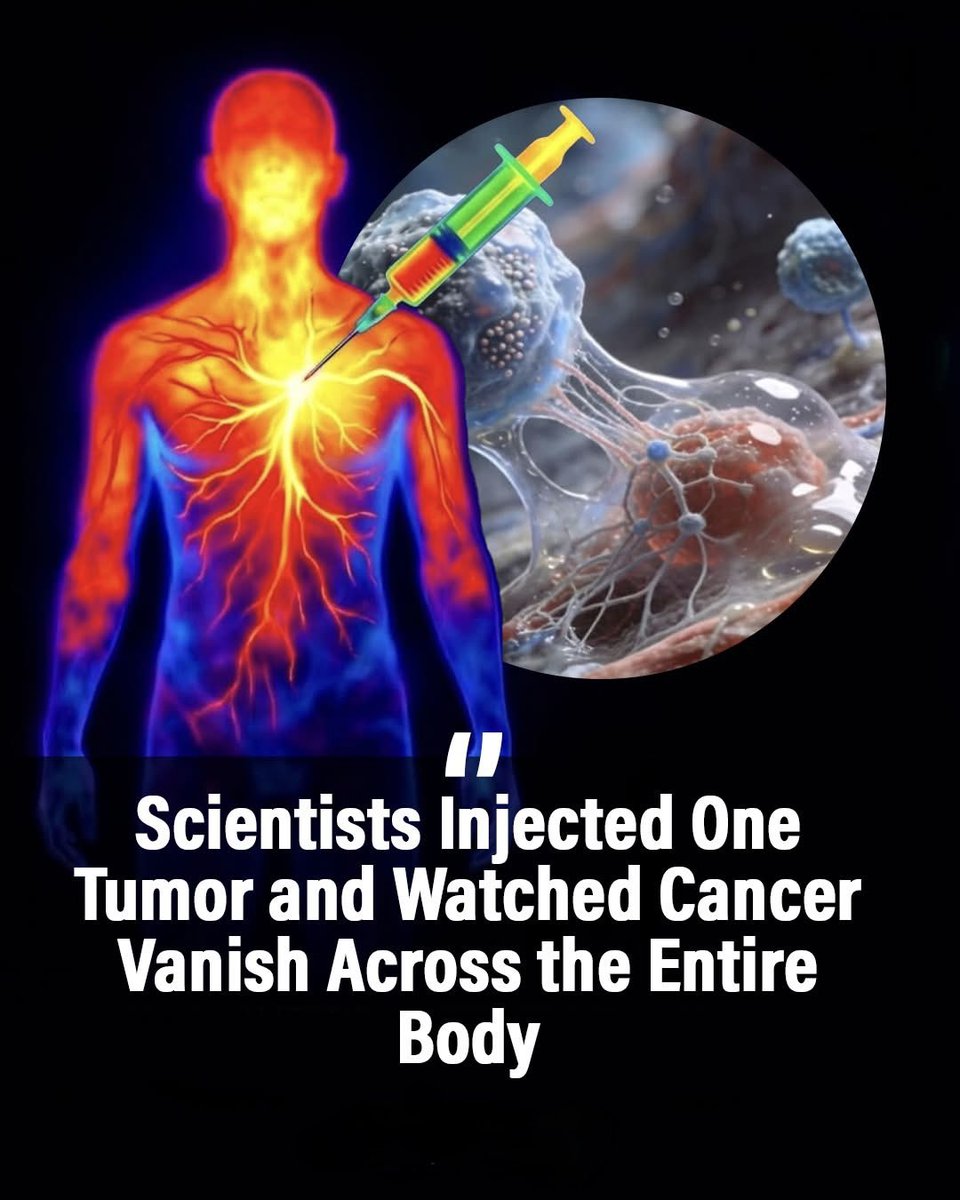
🚨 Breaking Cancer News Imagine this: doctors inject one tumor, and suddenly the body’s immune system starts attacking cancer everywhere. Not just the tumor that got the shot, all tumors in the body. Sounds like science fiction… but early trials suggest it’s real. A redesigned CD40 immunotherapy is being tested. Instead of giving the drug through the bloodstream (which caused severe side effects before), scientists inject it directly into a single tumor. That tumor acts as a training ground for the immune system. Immune cells learn to recognize the cancer and then hunt down other tumors throughout the body. In a small trial of 12 patients with metastatic cancers, six saw their tumors shrink, and two experienced complete disappearance of all detectable cancer. Minimal side effects were reported. One injection, whole-body response — a possible game-changer for cancer treatment. Source: ScienceDaily. (2026, March 15). Inject one tumor, immune system attacks all: Early trial shows promise for redesigned cancer therapy.
Next Science tweet media
English
62
867
2.8K
114.8K
Brainy Science
Brainy Science@BrainyScience·
😴 Why You Suddenly Feel Sleepy Around Someone You Love… Ever notice that being near someone you love can make you feel calm or even sleepy? Science explains why. When you feel safe with someone, your brain releases oxytocin and serotonin, chemicals that relax your body, slow your heart, and ease your muscles. Feeling drowsy around someone you trust is your body’s way of showing complete comfort and emotional safety. Source: Carter, C. S. (2014). Oxytocin pathways and the evolution of human behavior. Annual Review of Psychology, 65, 17–39
Brainy Science tweet media
English
4
36
148
3K
Brainy Science
Brainy Science@BrainyScience·
⚛️ A Proton But 4 Times Heavier? Scientists Found It! Deep inside CERN’s labs, scientists have spotted a particle like a proton — but four times heavier. Made of rare “charm” quarks, it exists for only a tiny moment, yet it could reveal hidden secrets of the universe. This discovery helps us understand how matter really works and hints at mysteries we’ve never seen before.The universe just got a little stranger and a lot more exciting. Source: CERN. (2026). LHCb collaboration discovers new proton particle. Retrieved from
Brainy Science tweet media
English
5
11
52
952
Brainy Science
Brainy Science@BrainyScience·
🚨 Itchy Skin… But Nothing’s There? What if the itch you feel isn’t coming from your skin at all?For many people with fibromyalgia, the scratching never seems to help. That’s because scientists believe the real cause may be hidden deep in the nervous system. The brain can send powerful itch signals—even when the skin looks completely normal. It sounds strange… but your body might be creating sensations that aren’t really there.So next time your skin feels like it’s crawling, ask yourself…Is it your skin—or your nerves playing tricks on you? Source Oaklander, A. L., Herzog, Z. D., Downs, H. M., & Klein, M. M. (2013). Objective evidence that small-fiber polyneuropathy underlies some illnesses currently labeled as fibromyalgia. *Pain*, 154(11),
Brainy Science tweet media
English
3
3
21
689
Brainy Science
Brainy Science@BrainyScience·
⏳ Scientists May Have Found a Way to “Reverse Time”! What if mistakes could be undone… at the tiniest level of reality? Scientists have discovered a way to rewind quantum particles, making them go back to a previous state and fix errors — without knowing what went wrong. It’s not time travel like in movies, but it could change quantum computing and technology forever. Source: Xu, X., et al. (2023). Reversing unknown quantum dynamics.
Brainy Science tweet media
English
11
23
68
1.6K
Brainy Science
Brainy Science@BrainyScience·
🧬 Zombie Cells Could Be Hiding in Your Body… Scientists have found a new DNA tool that can spot “zombie cells” — aging cells that refuse to die and may fuel Alzheimer’s, arthritis, and other diseases. Detecting these cells could change how we fight aging. The question is… what if your body already has them? Science is just beginning to uncover the hidden secrets inside you. Source The Brighter Side. (2026, March 16). New DNA tool detects zombie cells linked to Alzheimer’s and arthritis.
Brainy Science tweet media
English
4
23
87
2.9K
Brainy Science
Brainy Science@BrainyScience·
🚨 Are Your Sleep Habits Secretly Harming Your Heart? You might think staying up late just makes you tired, but new research suggests it could be silently putting your heart at risk. Scientists found that people with irregular bedtimes—going to sleep at different hours each night—have a higher chance of developing heart problems, even if they sleep enough overall. Why? Your body’s internal clock controls everything from blood pressure to hormone release, and when it’s constantly disrupted, your heart pays the price. Could something as simple as picking a regular bedtime actually protect you from serious health issues? The answer might surprise you. Tonight, look at your clock—and ask yourself: is your heart on schedule? Source: Huang, T., Mariani, S., & Redline, S. (2020). Sleep irregularity and risk of cardiovascular events: The Multi-Ethnic Study of Atherosclerosis. Journal of the American College of Cardiology, 75(9), 991–999.
Brainy Science tweet media
English
0
9
24
739
Brainy Science
Brainy Science@BrainyScience·
🌀 Atoms in Chaos: A Quantum Mystery Discovered! Scientists found a weird new quantum state when atoms inside a crystal get “frustrated” they can’t settle down and yet create something entirely new. This tiny, invisible chaos could change the future of technology and even quantum computers. A hidden world of atomic secrets is waiting… are you ready to see it?
Brainy Science tweet media
English
6
12
44
935