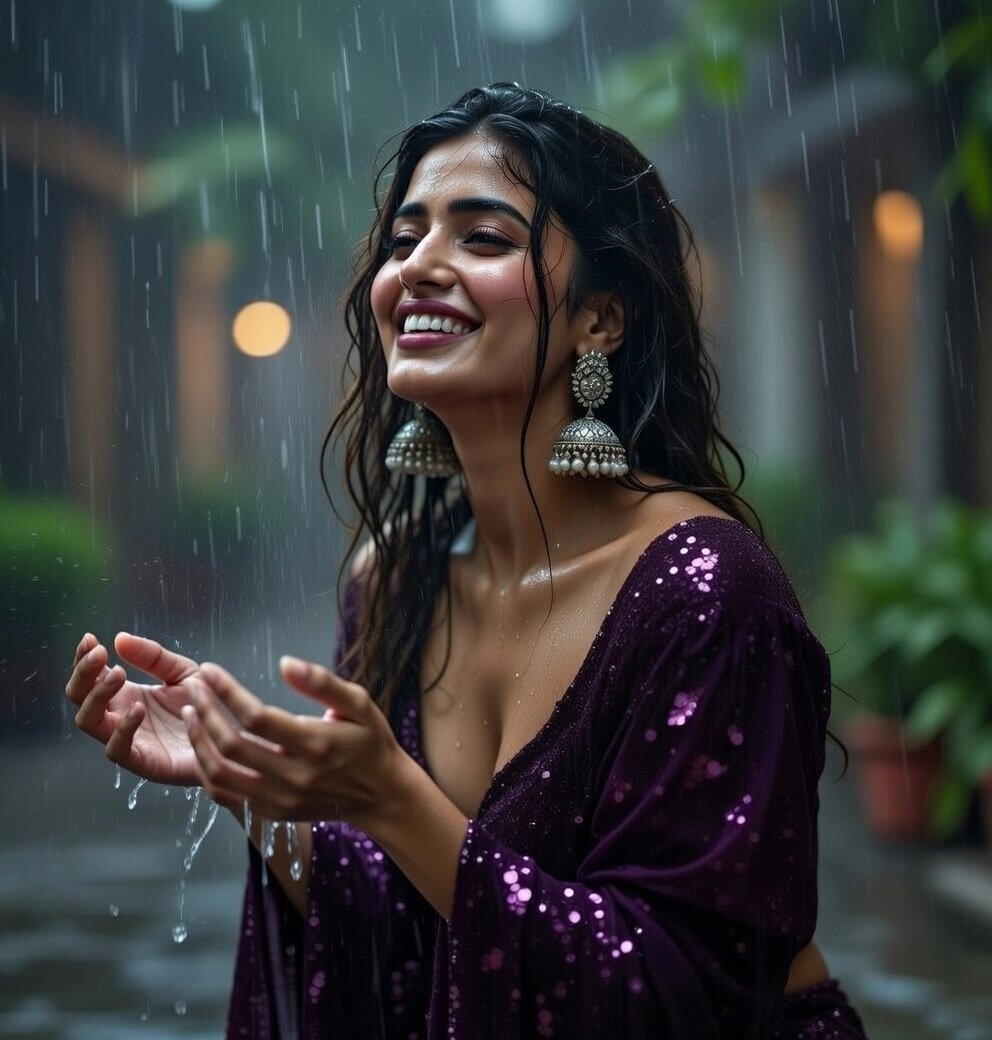
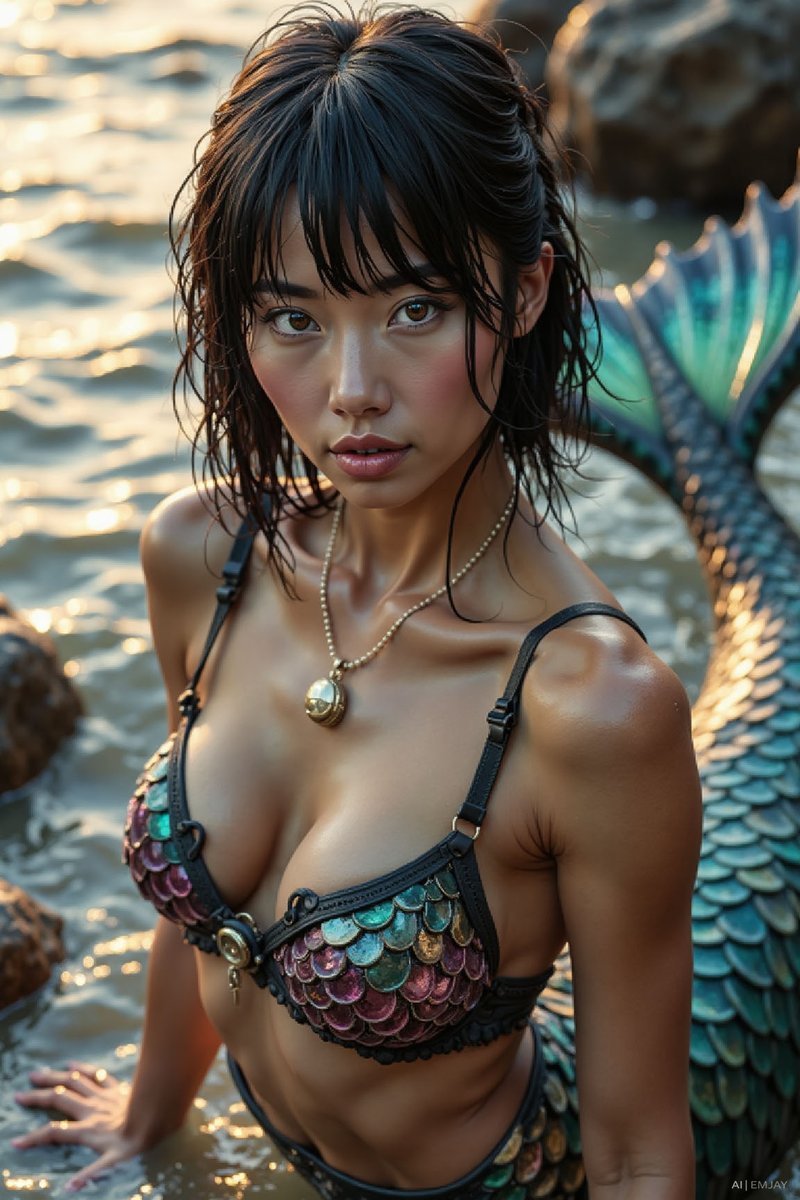
“Some days you just sit with the flowers and let time forget you exist.”
D W
5.5K posts


“Some days you just sit with the flowers and let time forget you exist.”


Dark thoughts?


『♦♠ゴシックトランプドレス♥♣』 #風恋のプロンプト 不思議の国のアリスの世界観をイメージして作りました💕 ➤ALTに衣装プロンプト #AIイラスト︎︎


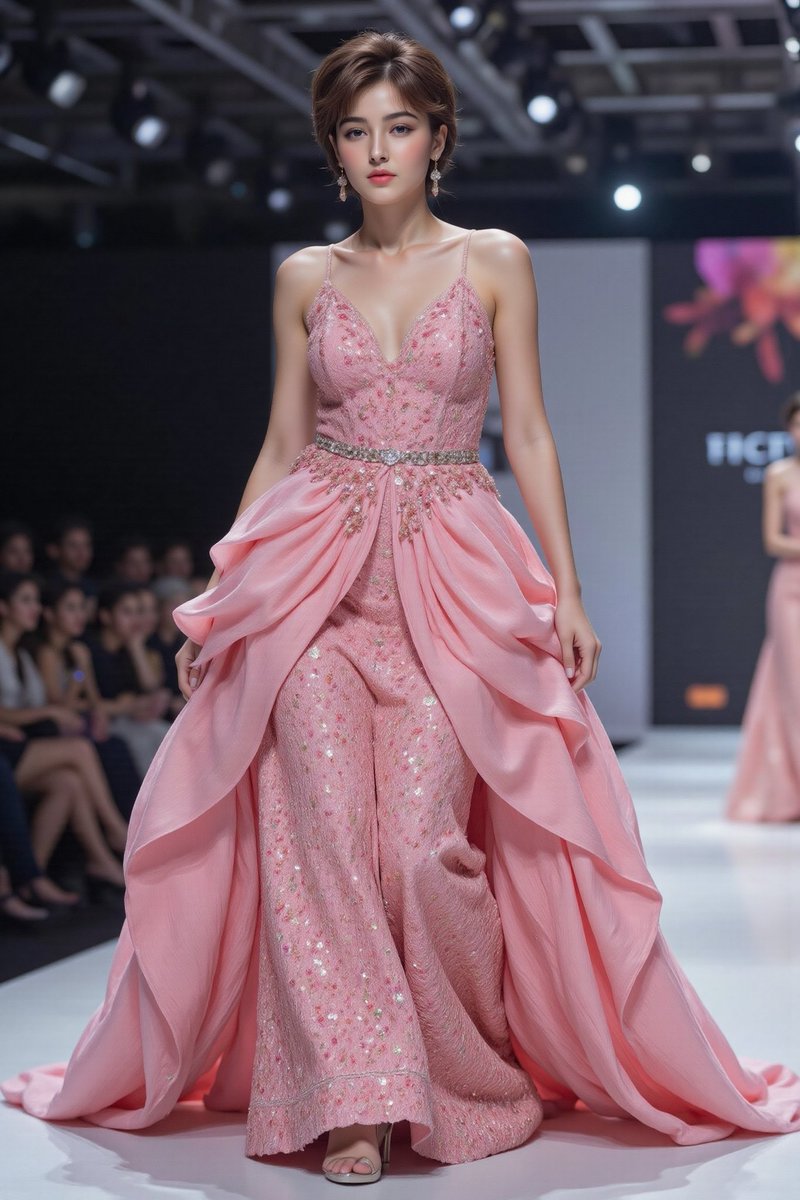
GuGu Fashion Friday Italy Edition 🇮🇹 With your Hosts @JasonVitale14 & @MikaMilaniX Special Guest Host this week @AiDreamGirls01 Everyone Welcome Italian fashion has evolved from Renaissance luxury and artisan mastery to a modern powerhouse defined by craftsmanship, innovation, and global influence. Today it blends heritage with cutting‑edge design, and its future points toward sustainability, technology, and hyper‑personalized style. Renaissance to Early Modern (14th–17th Century) • Italian cities like Florence, Venice, and Milan were leaders in producing silk, velvet, and fine wool, making Italy a fashion capital long before Paris. • Clothing was ornate, colorful, and status‑driven, reflecting wealth and artistic ideals. Wikipedia Decline & Rebirth (18th–Early 20th Century) • Industrialization shifted textile dominance elsewhere, causing a decline in Italy’s fashion leadership. • Late 19th and early 20th centuries saw the birth of future icons like Gucci, Prada, and Ferragamo, laying the foundation for a revival. Wikipedia +1 Post‑WWII Renaissance (1950s–1960s) • Italy re‑emerged globally with “Made in Italy”—synonymous with elegance, tailoring, and luxury craftsmanship. • Rome and Florence became hubs for couture and Hollywood glamour. Wikipedia Late 20th Century (1970s–1990s) • Designers like Armani, Versace, and Dolce & Gabbana pushed bold silhouettes, sensuality, and modern minimalism. • Milan rose as a global fashion capital, known for sleek tailoring and high-end ready‑to‑wear. Tag Vault 21st Century to Today • Italian fashion balances heritage craftsmanship with modern innovation. • Brands continue to dominate luxury markets through leatherwork, tailoring, and iconic design. Oscalito The Future of Italian Fashion • Sustainability: eco‑friendly materials, circular production, and artisanal preservation. • Tech integration: smart textiles, digital fashion, AI‑driven design. • Global fusion: blending traditional Italian aesthetics with multicultural influences. • Personalization: bespoke and semi‑custom luxury becoming more accessible. #CreativeAiSpace #CRThemes


GuGu Fashion Friday Italy Edition 🇮🇹 With your Hosts @JasonVitale14 & @MikaMilaniX Special Guest Host this week @AiDreamGirls01 Everyone Welcome Italian fashion has evolved from Renaissance luxury and artisan mastery to a modern powerhouse defined by craftsmanship, innovation, and global influence. Today it blends heritage with cutting‑edge design, and its future points toward sustainability, technology, and hyper‑personalized style. Renaissance to Early Modern (14th–17th Century) • Italian cities like Florence, Venice, and Milan were leaders in producing silk, velvet, and fine wool, making Italy a fashion capital long before Paris. • Clothing was ornate, colorful, and status‑driven, reflecting wealth and artistic ideals. Wikipedia Decline & Rebirth (18th–Early 20th Century) • Industrialization shifted textile dominance elsewhere, causing a decline in Italy’s fashion leadership. • Late 19th and early 20th centuries saw the birth of future icons like Gucci, Prada, and Ferragamo, laying the foundation for a revival. Wikipedia +1 Post‑WWII Renaissance (1950s–1960s) • Italy re‑emerged globally with “Made in Italy”—synonymous with elegance, tailoring, and luxury craftsmanship. • Rome and Florence became hubs for couture and Hollywood glamour. Wikipedia Late 20th Century (1970s–1990s) • Designers like Armani, Versace, and Dolce & Gabbana pushed bold silhouettes, sensuality, and modern minimalism. • Milan rose as a global fashion capital, known for sleek tailoring and high-end ready‑to‑wear. Tag Vault 21st Century to Today • Italian fashion balances heritage craftsmanship with modern innovation. • Brands continue to dominate luxury markets through leatherwork, tailoring, and iconic design. Oscalito The Future of Italian Fashion • Sustainability: eco‑friendly materials, circular production, and artisanal preservation. • Tech integration: smart textiles, digital fashion, AI‑driven design. • Global fusion: blending traditional Italian aesthetics with multicultural influences. • Personalization: bespoke and semi‑custom luxury becoming more accessible. #CreativeAiSpace #CRThemes