MA in Sociology, Research, and Practice أُعيد تغريده
MA in Sociology, Research, and Practice
215 posts

MA in Sociology, Research, and Practice
@DoResearchMA
At @AmericanU working with @Immigration_Lab and @AU_CLALS. Housed at @Sociology_u and @AUCollege. Graduate Program Director @DrErnestoCast
Washington, DC انضم Şubat 2023
47 يتبع47 المتابعون
MA in Sociology, Research, and Practice أُعيد تغريده

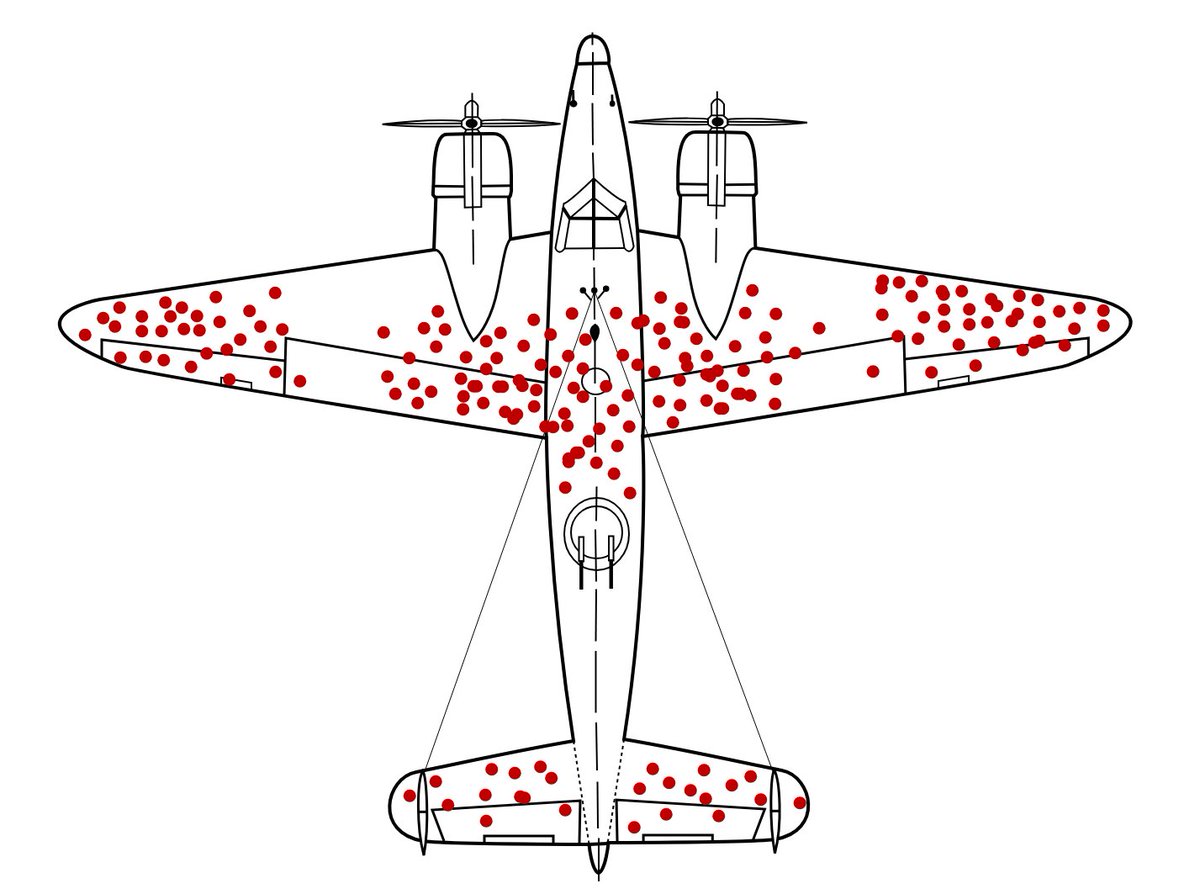
There are largely two types of academics: A and B. Their worlds are so different, so insular they don't even know the other type exists.
Type A:
> Comes from a middle, upper-middle class family
> Well-educated parents (with advanced degrees including PhDs)
> Parents map out their kid's career trajectory
> Parents teach academia's hidden curriculum: applications, admission essays, extracurriculars, and so on.
> Send the kid to a "good" school (private or private tutoring)
> Kid gets good grades
> Goes to Ivy League or Oxbridge or a similar top school for undergrad
> Decides to do a PhD
> Gets into another top program in a top school because of top undergrad school, duh
> Gets a well-connected supervisor during PhD
> Gets a tenure-track job offer from another top university in the final year of PhD even before graduation because of the supervisor, duh
> Fully understands the tenure clock
> Publishes papers, monographs on time
> Gets tenure
> Thinks PhD is easy, tenure is easy, academia is easy
> Marries a colleague in the same university
> Has kids
> The cycle repeats
Type B:
> Comes from a dysfunctional, working-class family
> Parents who barely graduate high school
> Parents with no idea what kind of education their kids need
> Goes to a no-name shit school with underqualified teachers
> Then goes to a community college or some such institution if lucky, joins the military if unlucky (KIA.exe)
> Reads a lot, become autodidact, becomes a half-decent writer
> Someone suggests, do a PhD, become a professor
> Likes the idea of academic life, starts applying to PhD programs
> Gets rejected from top programs because don't have good recommendation letters or connections
> Goes to a third tier PhD program in a university located in the middle of nowhere
> PhD stipend is not enough, has to work part-time to make ends meet
> Lives in a shitty apartment, sometimes eats at the soup kitchen
> Still works hard and publishes a bunch of papers
> Thinks I'll write my way out of poverty
> Sees a bunch of Type A PhDs in conferences, tries to "network" with them, Type A folks recognize Type B PhDs and stay away from them.
> Defends PhD where the committee says this is excellent work and imminently publishable
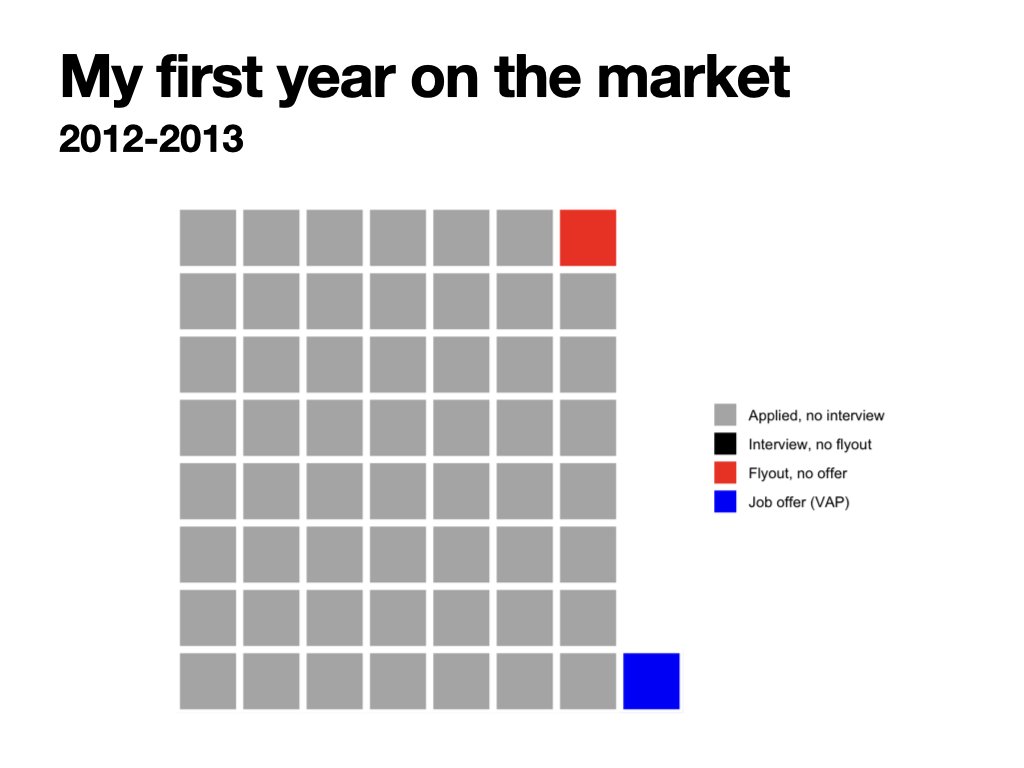
> Applies to tenure-track jobs left, right, and center. Gets rejected from everywhere
> Idea of being unemployed with a PhD causes desperation
> Gets a temporary teaching job, gets paid per course basis with no health benefits
> Spends a few years as adjunct with semester to semester renewal of job contract
> Barely survives, has to take up part-time jobs
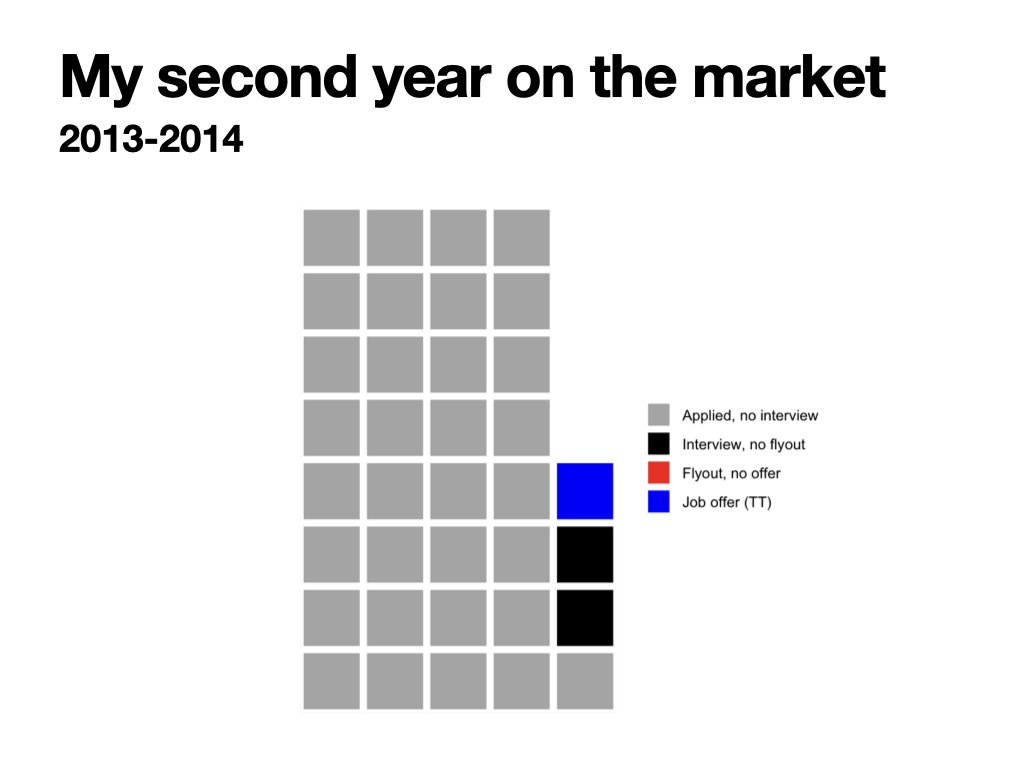
> Get a one-year postdoc, decides to turn PhD dissertation into a monograph in the hopes it will get tenure-track job
> Postdoc ends, back to temporary adjunct jobs
> Monograph stays incompelete, no time to work on it
> Tries moving out of academia, is considered over-qualified
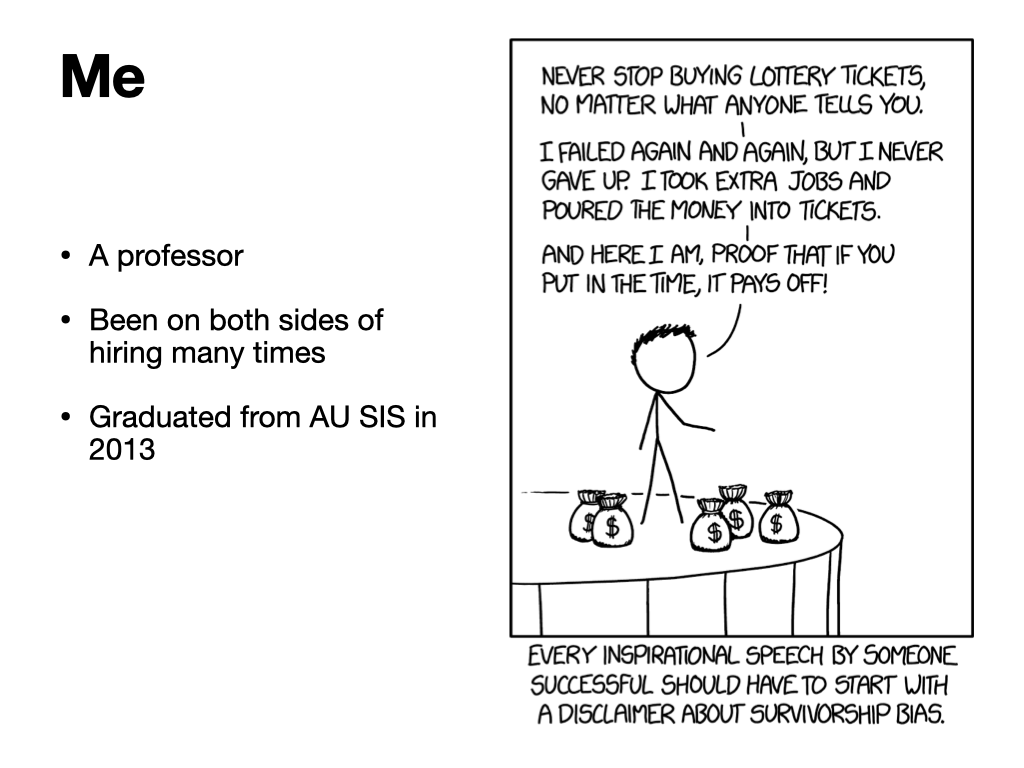
> Reads social media posts by Type A academics saying PhD is easy, academia is easy
> Thinks, what could I have done better?
English

MA in Sociology, Research, and Practice أُعيد تغريده

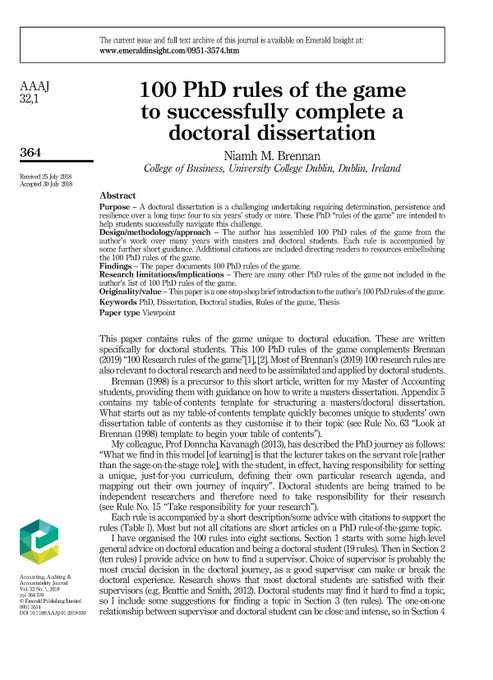
100 Rules for Successful Completion of PhD.
Here are the 100 essential rules that can make the difference.
1. Enjoy your doctoral studies
2. Open your mind
3. Develop your critical thinking skills
4. Have confidence
5. Be determined, dogged, and persistent
6. Be resilient
7. Manage the highs and lows
8. Focus
9. Be disciplined
10. Be methodological
11. Understand your philosophy
12. Don’t do too much teaching or grading
13. Look for help
14. Learn the literature
15. Take responsibility for your research
16. Talk to other doctoral students in your university
17. Find a study buddy
18. Learn from others
19. Understand the importance of finishing
22. Pick a research-active supervisor
23. Choose a supervisor who shares your research interests
24. Choose a supervisor you will get on with
25. Work with your supervisor for a time before registering
26. Maintain a good relationship with your supervisor
27. Check whether your supervisor is likely to stay in your university
28. Check out your supervisor
29. Understand the role of supervisor
30. Find a topic/research question that interests you
31. Avoid fad-du-jour topics
33. Put three bricks on the wall of knowledge
35. Choose a topic in an area you are likely to teach
36. Write a dissertation proposal
37. Write ten dissertation proposals
38. Summarise ten articles
39. Avoid the flounder factor
40. Have regular meetings with your supervisor
42. Take notes of your supervisor’s advice
43. Play tennis with your supervisor
44. Listen and respond to your supervisor’s advice
45. Have a doctoral-completion plan
46. Make sure your plan is comprehensive
47. Meet your own deadlines
48. Identify key milestones in your plan
49. Complete your course work as fast as possible
50. Become a world expert on your theory
52. Be familiar with your university’s policies on research
53. Find opportunities to present your work
54. Find opportunities to get feedback
56. Attend departmental seminars
58. Learn to write
59. Know how to make an argument
62. Start your dissertation with a table of contents
63. Look at Brennan’s (1998) template to begin your table of contents
65. Prepare a dissertation master document
66. Keep backup copies of your dissertation
67. Read a bit, write a bit; Write a bit, read a bit
68. Read other dissertations
69. Write (almost) every day
70. Choose a great title
72. Write a great abstract
73. Provide lots of signposts for your readers
76. Pay special attention to the first and last chapters
78. Complete a literature review
79. Judge what to put into appendices
80. Write to tell a story
82. Copy edit and proofread your dissertation
85. Your PhD examiner can help you to get published
87. Know your audience
88. Understand the purpose of a viva voce
90. Do a mock viva voce
91. Take notes of the questions
92. Be confident and authoritative
93. Defend but don’t be defensive
95. Publish your doctoral research
96. Play snakes and ladders
97. Enjoy your doctoral studies
#phdlife #phdtips

English
MA in Sociology, Research, and Practice أُعيد تغريده

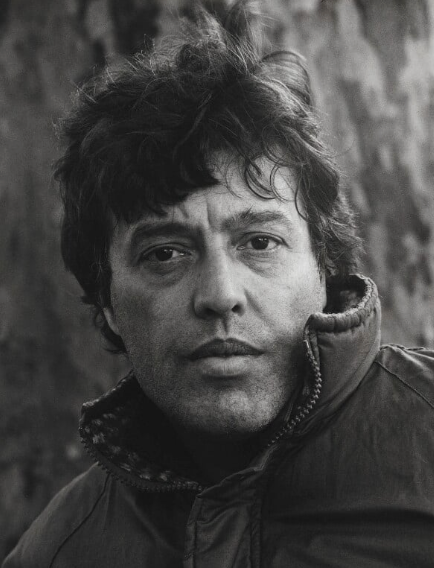
I keep this on my desktop: “Words are innocent, neutral, precise, standing for this, describing that, meaning the other, so if you look after them you can build bridges across the incomprehension and chaos. But when they get their corners knocked off, they’re no good anymore.
“I don’t think writers are sacred, but words are. They deserve respect. If you get the right ones in the right order, you can nudge the world a little or make a poem which children will speak for you when you’re dead.”
Tom Stoppard

English
MA in Sociology, Research, and Practice أُعيد تغريده

Key stats about six major academic publishers
Elsevier
Founded:1880
Headquarters: Amsterdam
Annual Revenue: $3.9 billion
Publishes 2,900 journals a year
Springer Nature
Springer founded: 1842 in Berlin
Nature founded: 1869 in London
Merger: 2015
Headquarters: London, Berlin
Annual Revenue: $2 billion
Publishes 3,000 journals a year
Taylor & Francis
Founded: 1852
Headquarters: Abingdon, England
Annual Revenue: 800 million
Publishes 2,700 journals a year
Wiley
Founded: 1807
Headquarters: New York
Annual Revenue: $1.8 billion
Publishes 1,600 journals a year
Wolters Kluwer
Wolters founded in 1836
Mereger: 1987
Annual Revenue: $1.6 billion
Headquarters: Alphen aan den Rijn, Netherlands
Publishes 300 journals a year
Sage
Founded: 1965
Headquarters: New York
Annual Revenue: $500 million
Publishes 1,000 journals a year
English
MA in Sociology, Research, and Practice أُعيد تغريده

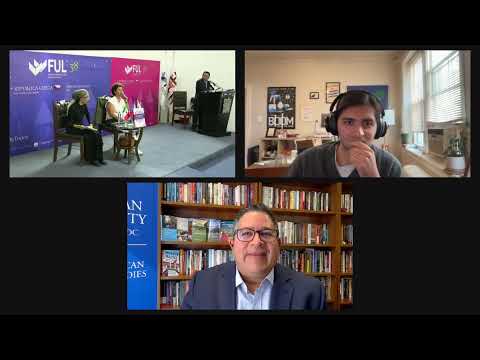
Presentation of "Reunidos: Separación Familiar y Migración de Menores" en la Feria Universitaria del Libro 2025, Mexico, you can listen live here:
youtube.com/watch?v=O6XzYn…

YouTube


Español

English version here:
a.co/d/1ZlMsll
Ernesto Castañeda@DrErnestoCast
Get your copy of newly released REUNIDOS in paperback, hardcover and Kindle. If you prefer the book in English, it is also on Amazon. Let us know if you are teaching it or reading it your bookclub, happy to do a Q&A via Zoom. #asa2025 f.mtr.cool/ddmxxvuvqt
English
MA in Sociology, Research, and Practice أُعيد تغريده

“You don't start out writing good stuff. You start out writing crap and thinking it's good stuff, and then gradually you get better at it. That's why I say one of the most valuable traits is persistence.”
― Octavia E. Butler
#AcWri #GetYourManuscriptOut #AmWriting
English
MA in Sociology, Research, and Practice أُعيد تغريده

Fleeing hunger, corruption, and violence, Venezuelans seek safety—only to face new barriers in the U.S. Firsthand accounts from D.C.-area migrants reveal how U.S. immigration policy continues to fail those most in need. Read more here: aulablog.net/2025/07/31/fle…

English
MA in Sociology, Research, and Practice أُعيد تغريده

"Migration and Migration Status: Key Determinants of Health and Well-Being." NEW Special Issue edited by Dr. Maria de Jesus and Dr. Ernesto Castañeda. Free e-book here: f.mtr.cool/asksdfgzws


English
MA in Sociology, Research, and Practice أُعيد تغريده

"Migration and Migration Status: Key Determinants of Health and Well-Being." NEW Special Issue edited by Dr. Maria de Jesus and Dr. Ernesto Castañeda. Free e-book here: f.mtr.cool/lbpuiwhegm


English
MA in Sociology, Research, and Practice أُعيد تغريده

Panel on immigration policies and their effects on communities and the economy.
Thanks to all the panelists and co-sponsors.
You can register here:
f.mtr.cool/eoksplvnnh


English
MA in Sociology, Research, and Practice أُعيد تغريده

ICYMI: @DrErnestoCast, @AmericanU @sociology_u prof. & director of the @AU_CLALS, co-authored an article for @ConversationUS about the U.S. immigration process. bit.ly/42xltHy @aumedia
English