๐™ณ๐šŠ๐šŸ๐š’๐š ๐š๐šŽ๐š’๐š—๐šœ๐š๐šŽ๐š’๐š—

4.5K posts

๐™ณ๐šŠ๐šŸ๐š’๐š ๐š๐šŽ๐š’๐š—๐šœ๐š๐šŽ๐š’๐š— banner
๐™ณ๐šŠ๐šŸ๐š’๐š ๐š๐šŽ๐š’๐š—๐šœ๐š๐šŽ๐š’๐š—

๐™ณ๐šŠ๐šŸ๐š’๐š ๐š๐šŽ๐š’๐š—๐šœ๐š๐šŽ๐š’๐š—

@GivingTools

https://t.co/YfcrnyV3jJ #unjournal (https://t.co/UX8Sn5SYGZ): see more on Bluesky. Research tools. #openscience, #econtwitter, effective philanthropy
Massachusetts, USA ุงู†ุถู… AฤŸustos 2017
682 ูŠุชุจุน635 ุงู„ู…ุชุงุจุนูˆู†
John B. Holbein
John B. Holbein@JohnHolbein1ยท
Love the research process; hate the publication process
English
28
246
1.6K
62.2K
๐™ณ๐šŠ๐šŸ๐š’๐š ๐š๐šŽ๐š’๐š—๐šœ๐š๐šŽ๐š’๐š— ุฃูุนูŠุฏ ุชุบุฑูŠุฏู‡
Ryan Briggs
Ryan Briggs@ryancbriggsยท
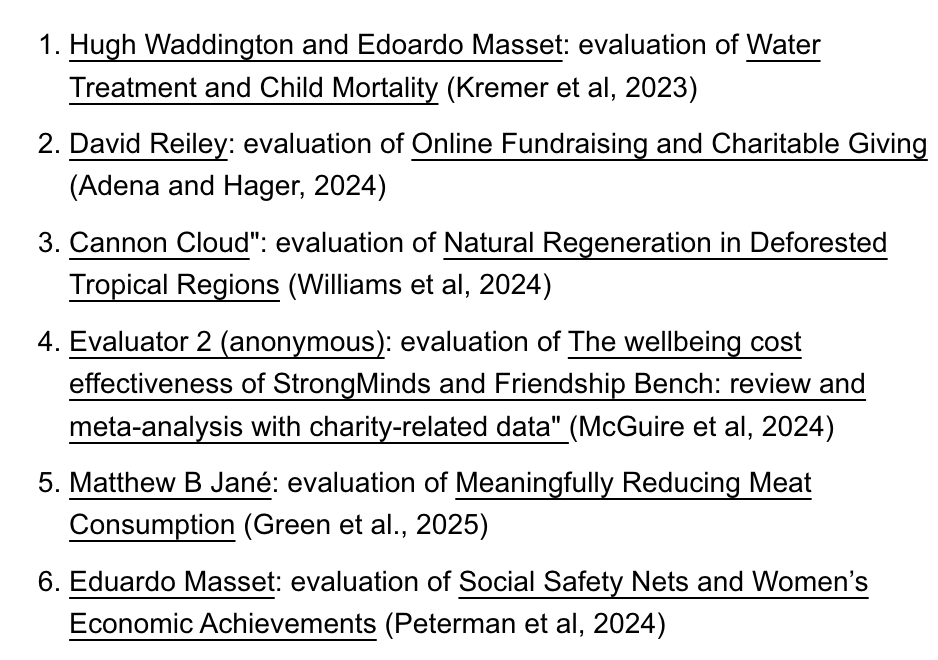
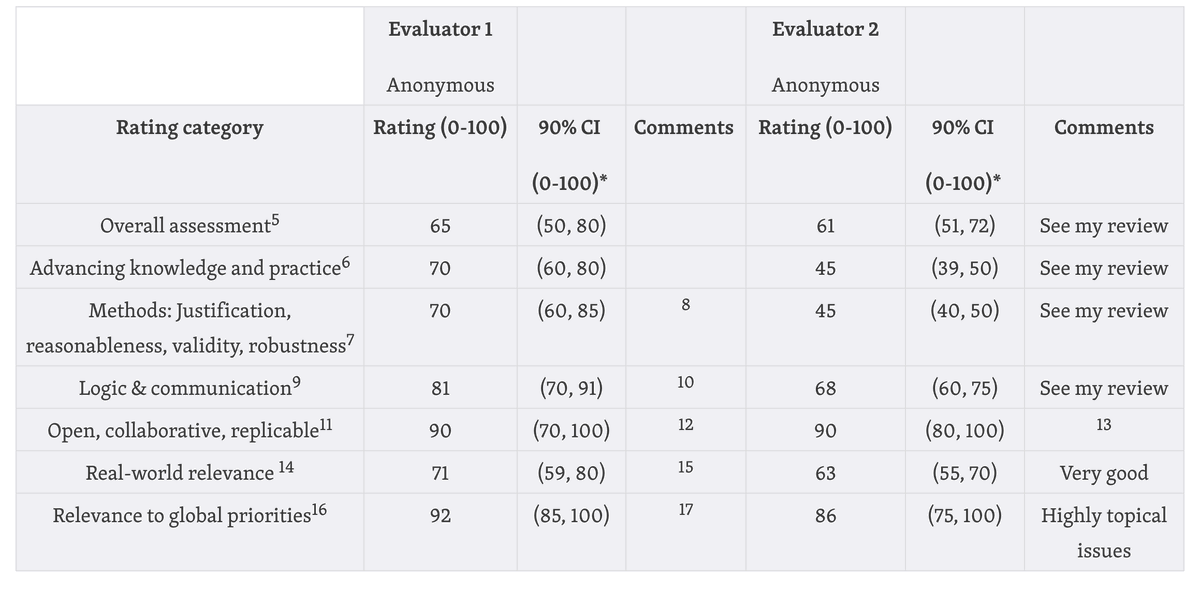
This interested me! and GiveWell (blog.givewell.org/2024/06/26/resโ€ฆ)! But I was also skeptical. Thankfully I'm an evaluation manager at The Unjournal (unjournal.pubpub.org), where we do open evaluations of impactful research, so we evaluated it.
English
1
2
27
1.5K
๐™ณ๐šŠ๐šŸ๐š’๐š ๐š๐šŽ๐š’๐š—๐šœ๐š๐šŽ๐š’๐š—
@ryancbriggs Unjournal.org proposed policy on AI use -- eager for feedback #heading=h.ri8bve8d64rk" target="_blank" rel="nofollow noopener">docs.google.com/document/d/14fโ€ฆ Sketching out AI use policy, tools and suggestions in a draft of our new evaluation form here: daaronr.github.io/unjournal_toolโ€ฆ Love any suggestions/feedback! Thanks
English
0
0
1
29
๐™ณ๐šŠ๐šŸ๐š’๐š ๐š๐šŽ๐š’๐š—๐šœ๐š๐šŽ๐š’๐š— ุฃูุนูŠุฏ ุชุบุฑูŠุฏู‡
Ryan Briggs
Ryan Briggs@ryancbriggsยท
I've noticed when submitting peer reviews that some journals now have a box you have to check that pledges that you didn't use AI when doing the review. This seems dumb to me. I do use AI when I do peer reviews. I do the following: 1. Write my review as I always have, 2. Upload the paper to a frontier model and ask it to do a review as well. (I have settings set up so this data is not retained e.g. for training), 3. I compare the LLM review against mine, and I add to mine things that the LLM caught that I did not if such things exist. I think this produces a strictly better peer review.
English
31
11
308
38.6K
๐™ณ๐šŠ๐šŸ๐š’๐š ๐š๐šŽ๐š’๐š—๐šœ๐š๐šŽ๐š’๐š— ุฃูุนูŠุฏ ุชุบุฑูŠุฏู‡
Ryan Briggs
Ryan Briggs@ryancbriggsยท
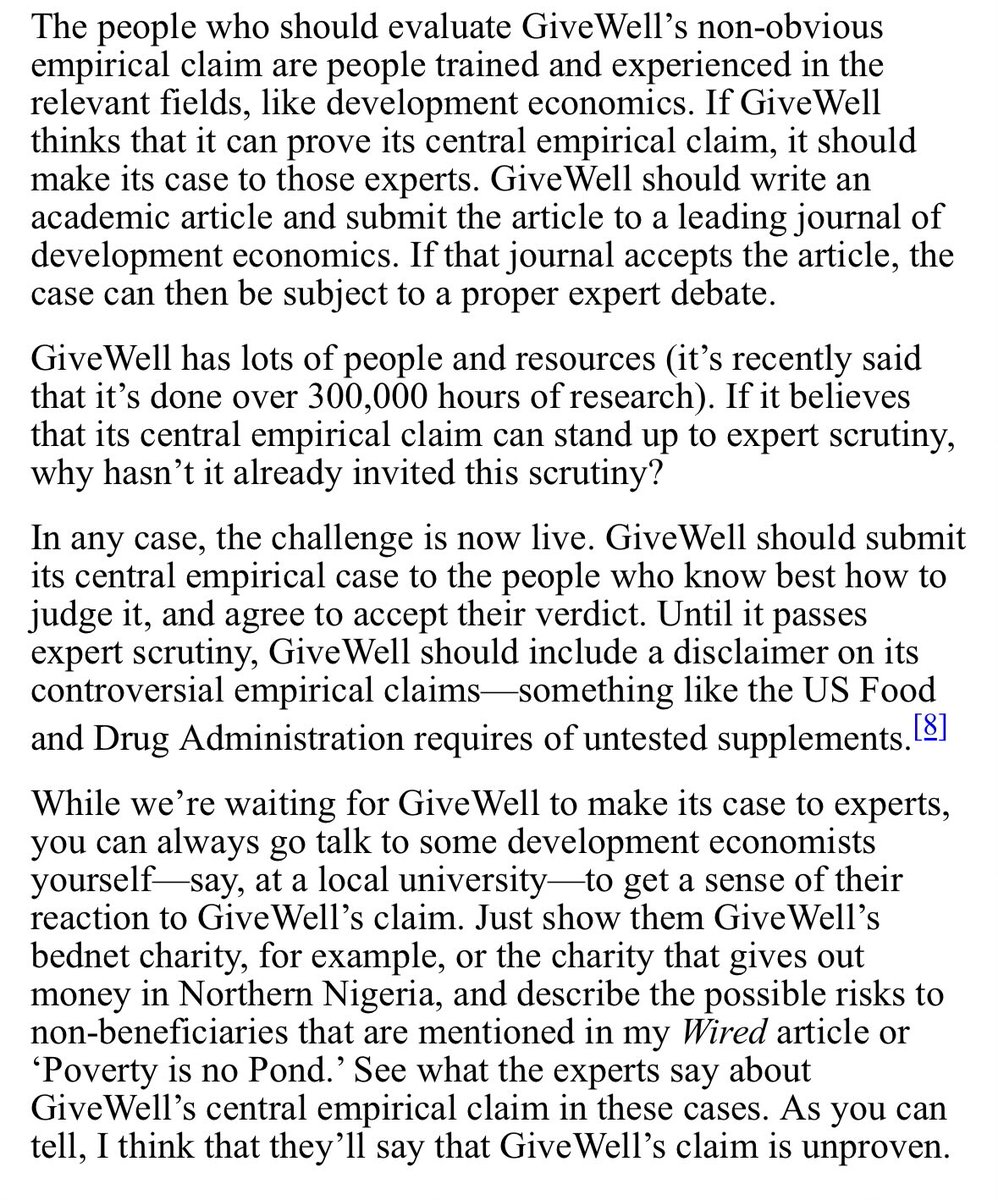
GiveWell literally funded research by a Nobel prize winning development economist on a question GW cared about. They then flagged it for an open peer review process (unjournal.pubpub.org/pub/evalsumwatโ€ฆ). And yet Leif writes this ๐Ÿ‘‡
Ryan Briggs tweet media
Leif Wenar@LeifWenar

In March I published a critique of Effective Altruism in Wired. After reading the responses, especially from young EAs, I've written a long open letter to young EAs that I hope they'll find useful. docs.google.com/document/d/1ytโ€ฆ

English
9
21
249
31.8K
Andy Hall
Andy Hall@ahall_researchยท
I built a tool to imagine how AI can help us create better, more transparent research. Instead of only seeing the tiny number of analyses the author chooses to ossify in a static pdf, imagine being able to talk to the papers you read and ask for different analyses. That's what I built. This early prototype uses our vote-by-mail extension. You get to see the initial analyses we thought made sense, but you can ask the LLM to show you way more! e.g., "what would the results look like if we excluded Utah" or "what would the results look like if we excluded Washington and used linear trends" etc. With research agents like Claude code, researchers are going to be able to automatically search across millions of potential analyses. Our current paradigm is not equipped to transmit this complexity effectively or make sure we don't end up with all p-hacked results. My lab and I are thinking about how we can transform the way we do and disseminate research to adjust for this new world. This visualizer is the first of what will hopefully be a wide range of ideas. Big props to Janet Malzahn for suggesting this one. Check out the tool at the link below.
English
8
17
167
70.4K
Ryan Briggs
Ryan Briggs@ryancbriggsยท
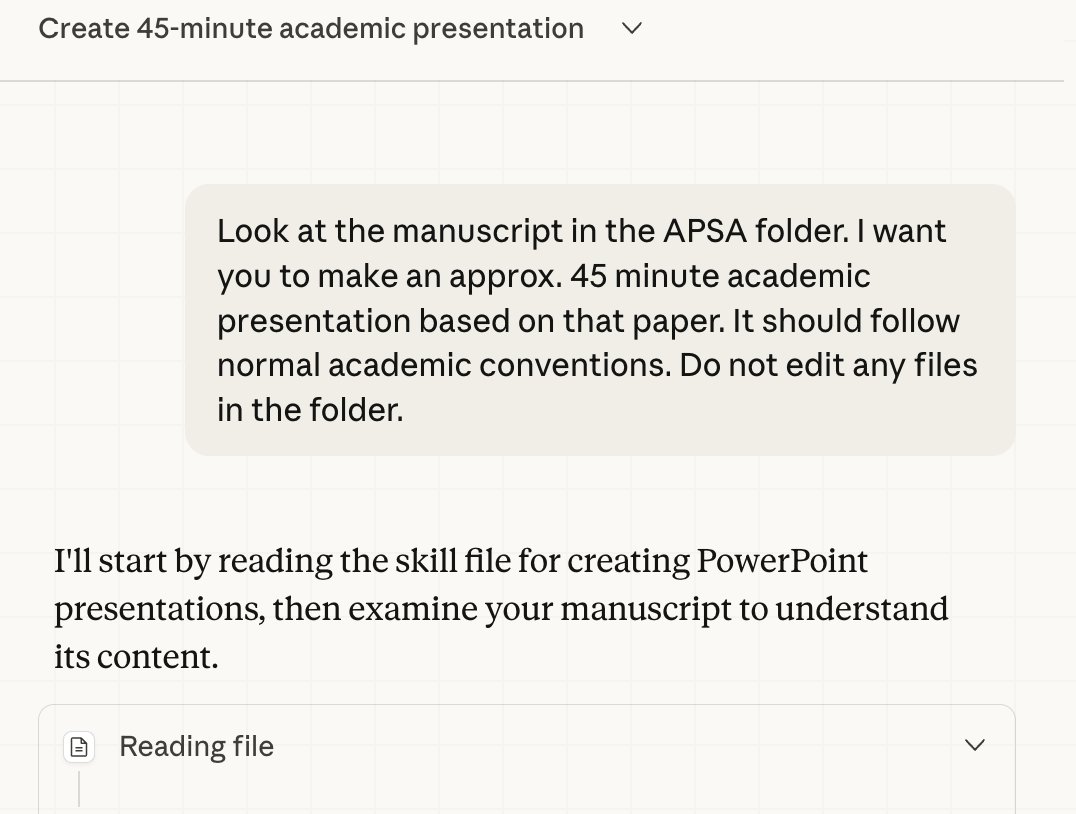
I can't imagine this is going to lead to a good result, but it feels silly not to explore what Opus can do. I just pointed it at a directory that has all of the documents that go into compiling a .pdf of a paper I wrote recently and I gave Cowork the simplest prompt...
Ryan Briggs tweet media
English
9
3
76
22.8K
Isabella Di Filippo
Isabella Di Filippo@Isa_DiFilippoยท
#econtwitter Does anyone have good suggested readings on weighting in regressions and when it should be used? ๐Ÿ™๐Ÿป
English
3
5
86
23.2K
Yale School of Management
Yale School of Management@YaleSOMยท
Congratulations to Prof. Stefano Giglio and his co-authors for winning the inaugural Berkeley Haas Sustainable Business Research Prize for paper on biodiversity risk! Read more: yalesom.io/4869eB2
Yale School of Management tweet media
English
1
1
2
409