Jess Kane
277 posts

Jess Kane
@JessKBerman
Co-owner & Chief Brand Officer of BodyBio - focused supplements for cellular health. Mom of 3, CGP/wellness angel investor.
New Jersey, USA انضم Ağustos 2021
225 يتبع383 المتابعون

You can save 15-30% on the Pregnancy Bundle when you shop during the launch promotion. Plus, it's HSA/FSA eligible!
Full Details Here:
bodybio.com/products/pregn…
English

Pregnancy is one of the most biologically demanding experiences a woman will ever go through.
And yet… the conversation around nutrition during this time is often reduced to taking a single prenatal vitamin.
That never sat right with me.
Pregnancy is about building a human being from the ground up.
Every organ. Every neuron. Every cell membrane.
That requires more than a dried powder crammed into a capsule.
The launch of our new Pregnancy Bundle is incredibly close to my heart because it reflects how I think about pregnancy at the deepest level and it’s rooted in my own experience.
When I was pregnant and breastfeeding, I felt strong. Clear. Energized.
And looking back, it didn't happen by accident. It happened because I was focused on giving my body the actual building blocks it needed, not just checking a box.
Here's what that involved...
CHOLINE
Choline is critical for fetal brain development, neural tube formation, and long-term cognitive health.
But the form matters. And you can't get meaningful, bioavailable choline from a dried powder.
Phosphatidylcholine (PC) delivers choline in the way the body actually uses it, as part of the cell membrane itself.
FATTY ACIDS
You also can't get properly balanced, functional essential fatty acids from a freeze-dried prenatal vitamin.
Fats are fragile. They oxidize. They degrade. And the ratio matters just as much as the presence.
The structure of the cell membrane and the signaling that happens through it depends on getting the right fats, in the right form, in the right balance.
HYDRATION
You can't support hydration, circulation, and energy with water alone.
Pregnancy increases blood volume by up to 50 percent. That’s an enormous demand on the circulatory system.
Without adequate electrolytes and trace minerals, the body cannot maintain proper fluid balance, nerve signaling, or cellular energy production.
INFLAMMATION
Pregnancy is a dynamic, shifting inflammatory state.
The goal isn't to suppress it, it’s to properly resolve it. That’s where DHA and specialized pro-resolving mediators come in, especially in the later stages of pregnancy when demand spikes.
There's no way for a single prenatal vitamin to address all four of this pillar pieces. So we started with a different question:
What does the body actually need to build a baby well?
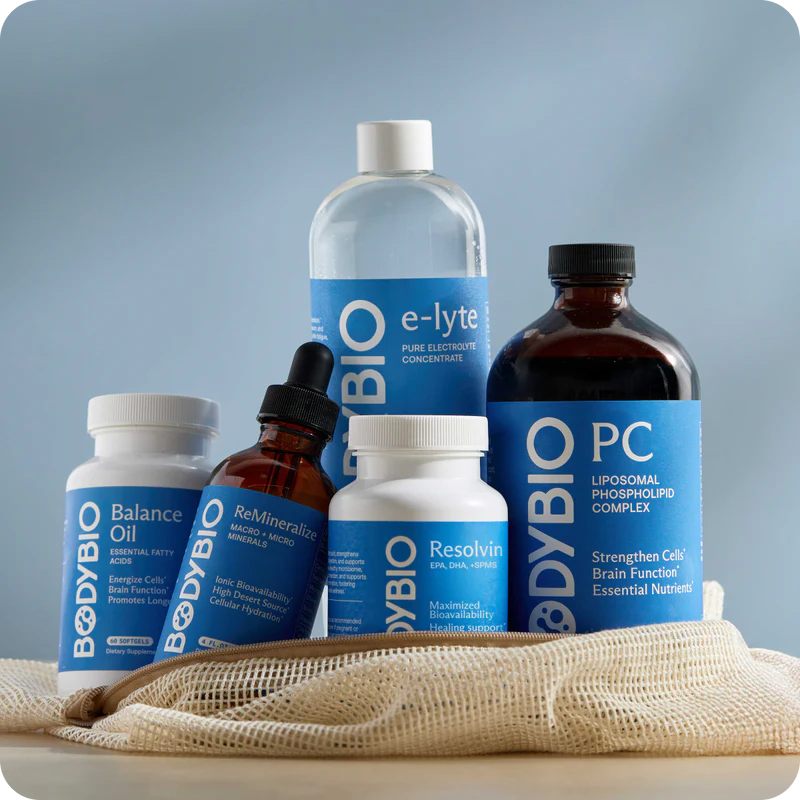
The answer helped us build our new Pregnancy Bundle around five core systems:
1. Cell membranes and choline delivery
2. Essential fatty acid balance and signaling
3. Brain development and inflammation resolution
4. Hydration and electrolyte balance
5. Trace mineral repletion and cellular communication
Pregnancy is the most important cellular construction project of your life.
And what you give your body quite literally becomes what your baby is made of.
We wanted to create something that's more effective than a prenatal, but just as easy to fit into your lifestyle — and I think we nailed it.
This one means a lot to me. 🤍

English

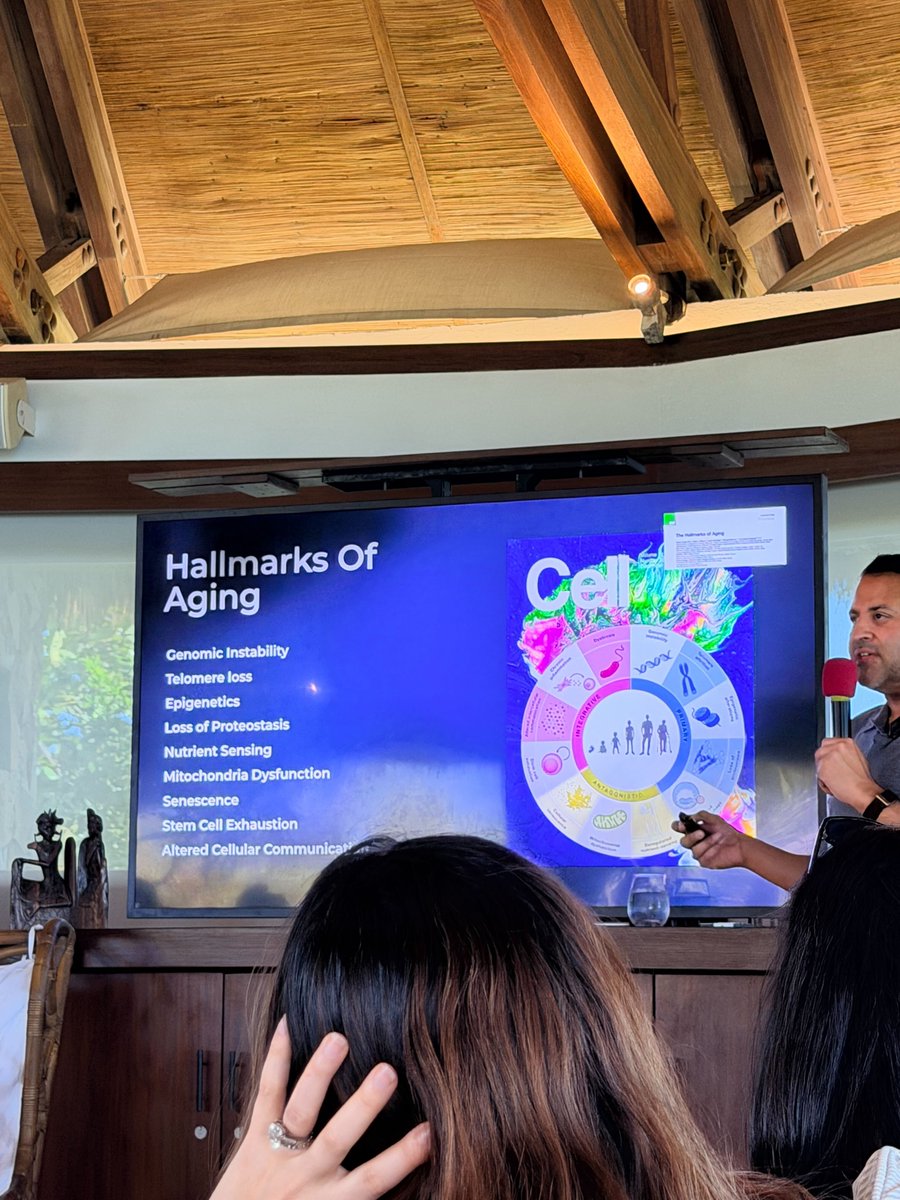
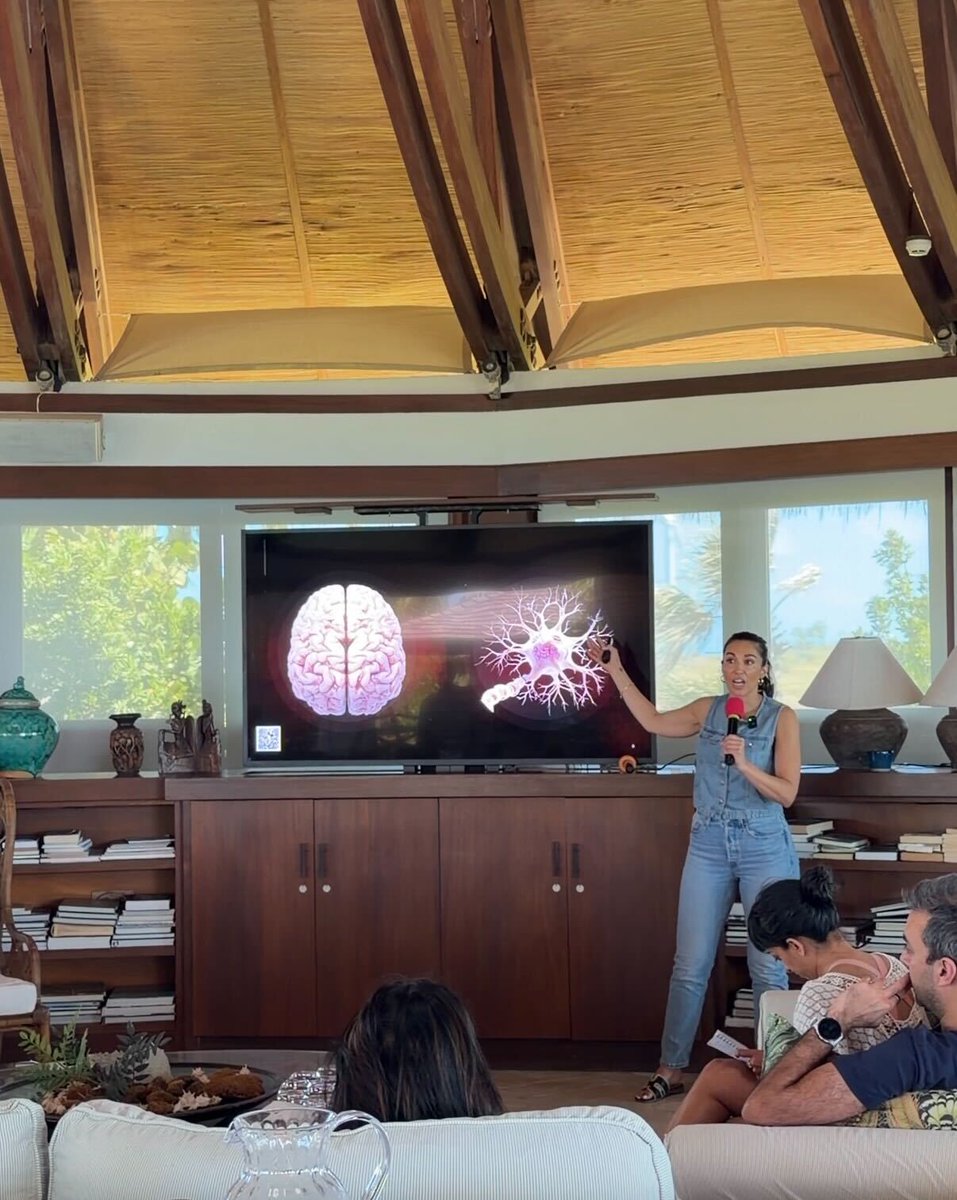
I spent four days on Necker Island with some of the most forward-thinking physicians focused on health and longevity. Here are five things I learned — and one reminder that has nothing to do with medicine at all.
One central idea connected every conversation I had:
The goal is to preserve function, not just to live longer. You want your strength, cognition, hormonal resilience, and nervous system to keep operating efficiently for as long as possible.
And, most importantly, the decisions we make in our 30s and 40s are what's going to shape how we'll experience our 60s, 70s, and beyond.
Here are a few ideas I'm still thinking about several days later...
On hormones — with @JShepherd_MD
Perimenopause doesn't arrive as a distinct phase. Estradiol begins fluctuating as early as your late 30s.
Practitioners are now intervening proactively — supporting a gradual decline rather than trying to save the day when symptoms are already severe. If you want better cognition, stronger bone density, and improved metabolic health, when you intervene is just as important as how.
On strength and healthspan — with @DrVondaWright
Muscle provides metabolic protection. It improves insulin sensitivity, mitochondrial health, and bone density. Lean muscle mass in the lower body is one of the most consistent predictors of independence in later life.
We should think about resistance training like retirement savings. Start early, stay consistent, and let the results compound. Wait too long, and it will be almost impossible to catch up.
On brain energy — with @louisanicola_
I knew creatine as an athletic supplement, but I didn't fully appreciate its role in brain energy metabolism. Louisa taught me about how much ATP the brain demands, and how creatine supports that system when it's under stress. Came home and immediately added it back to my coffee routine.
On micro-stressors — with @drchatterjeeuk
It's not always the big stressors that tax the nervous system most. The constant hum of low-grade inputs like notifications, unread emails, and doomscrolling can be harmful too.
I've started keeping my phone out of my hands for the first hour of the morning. It's quieter than I expected, and surprisingly enjoyable.
On emerging therapies — with @DarshanShah_MD
Some of the most clinically interesting conversations of the weekend happened here. I learned so much about apheresis, peptides and cutting edge stem cell therapies.
What inspired me most about these physicians was that they are completely allopathic trained and experienced but they have added functional into their repertoire and are so excited about what they are seeing clinically.
They've spent years studying what separates people who age well from people who don't. The answer is less dramatic and more actionable than you'd expect.
Small decisions. Unshakable discipline. Long time horizons.


English

When I was young, I didn't understand what my grandfather was building.
I just knew his homemade “lab” smelled like curiosity.
There was a bunch of equipment I couldn't name. Conversations I couldn't follow. A quiet intensity that I now know was someone chasing something they felt truly mattered.
Ed Kane wasn't trying to build a supplement company. He was trying to answer a question: What do cells actually need to function their best?
That question led him down paths that weren't popular at the time.
He studied phospholipids when most people could barely pronounce the word.
He obsessed over cellular membranes when the rest of the industry was chasing the next fad diet.
But my grandfather chose to follow the science instead of following the trends.
Decades later, that same curiosity still drives everything we do at BodyBio.
The tools have changed. We’ve broadened our research. There are more people contributing to the mission. But the core belief remains exactly the same:
When you understand the cell, you understand health.
When I think about my grandfather’s “lab,” I’m usually filled with a sense of responsibility, not nostalgia.
Because carrying a legacy forward isn't just about preserving the past. It's about staying true to the questions that started everything, even as the answers continue to evolve.
English

Nobody posts about day 47 of the same routine.
But that’s where the change actually happens.
The wellness industry loves to promote a good transformation story. Dramatic before and after pictures. Testimonials highlighting the breakthrough moment. A checklist featuring the proven protocol that changed everything.
But they never talk about the boring middle.
The days when nothing felt different. The weeks when progress was invisible. The quiet repetition that doesn't make good content, but makes incredible results.
Here’s the thing most people overlook:
Your cells don't respond to one perfect day. They require steady inputs over time.
The membranes you're trying to repair?
They have to rebuild one phospholipid at a time.
The mineral balance you're trying to restore?
It not going to stabilize overnight.
The energy you're chasing?
It comes from thousands of small deposits, not one big intervention.
Cellular biology doesn't reward intensity. It rewards consistency.
Can you experience life-changing transformations?
Absolutely. We’ve got hundreds of case studies to prove it.
But the transformations people want — more energy, clearer thinking, better resilience — don't come from dramatic gestures.
They come from a lifelong dedication to showing up every single day, even when it “feels” like nothing is changing.
English

If your feed is full of posts calling linoleic acid (LA) "metabolic poison," read this before making any decisions about what you eat.
I'm not here to comment on any particular brand, but the conversation about LA is heading in a dangerous direction.
It's being treated like a toxin when it's not.
It's actually an essential fatty acid your body needs to maintain the integrity of cellular membranes, help your skin barrier function properly, and power the biological signaling processes that keep inflammation in check.
And, more importantly, it's impossible for your body to produce.
You HAVE to get it from food. If an egg had zero linoleic acid, that would actually be a problem.
We've spent decades researching how dietary fats influence cellular health and we've landed on one core insight:
The fats you eat become the fats your cells are made of.
The context matters. The source matters. And the condition matters.
That's where the mainstream conversation is drifting into dangerous territory while chasing more likes, follows, and comments.
There's a meaningful difference between the linoleic acid in whole foods and the oxidized linoleic acid in industrial seed oils.
Egg yolks contain LA in an unoxidized form, protected by a matrix of cholesterol, phospholipids, choline, and carotenoids. That's important biological context that changes everything about how your body processes it.
Oxidized seed oils like the ones found in ultra-processed foods behave very differently. They drive lipid peroxidation. They disrupt mitochondrial membranes. They add to the inflammatory load that many people are already carrying around with them every single day.
Being concerned about high levels of OXIDIZED linoleic acid is justified.
But equating the NATURAL linoleic acid in an egg yolk with linoleic acid in repeatedly heated soybean oil is like blaming blueberries for high levels of fructose. The dose, the source, and the condition make all the difference.
Excessive omega-6 intake has nothing to do with pastured eggs and everything to do with the industrial oils hiding in foods that most people don't think twice about eating.
I understand the content creator's instinct to simplify...
"High levels of linoleic acid are bad!"
...is a message that hits much harder than...
"Oxidized linoleic acid in processed foods is bad, while unoxidized linoleic acid in whole foods is a necessary component of proper cellular function."
But simplification isn't the same as clarity.
And what I'm seeing online are a ton of fear-based messages that are essentially telling people to avoid nutrient-dense whole foods while the actual culprits are hiding ten feet away in their pantry.
So if you're afraid of consuming "metabolic poison," start by getting rid of the potato chips, not the eggs.
English

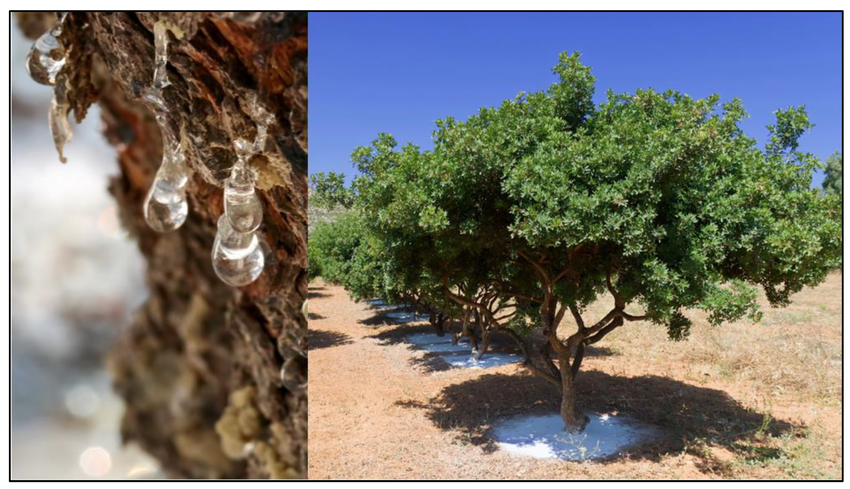
What mastic gum does in the gut:
- Protective effects on mucous layer
- Supports gut lining integrity
- Antifungal & antibacterial
- Helps prevent permeability-driven inflammation
One of the most underrated compounds for gut protocols. Was a necessity in the @tryparadym formula.

English
Jess Kane أُعيد تغريده

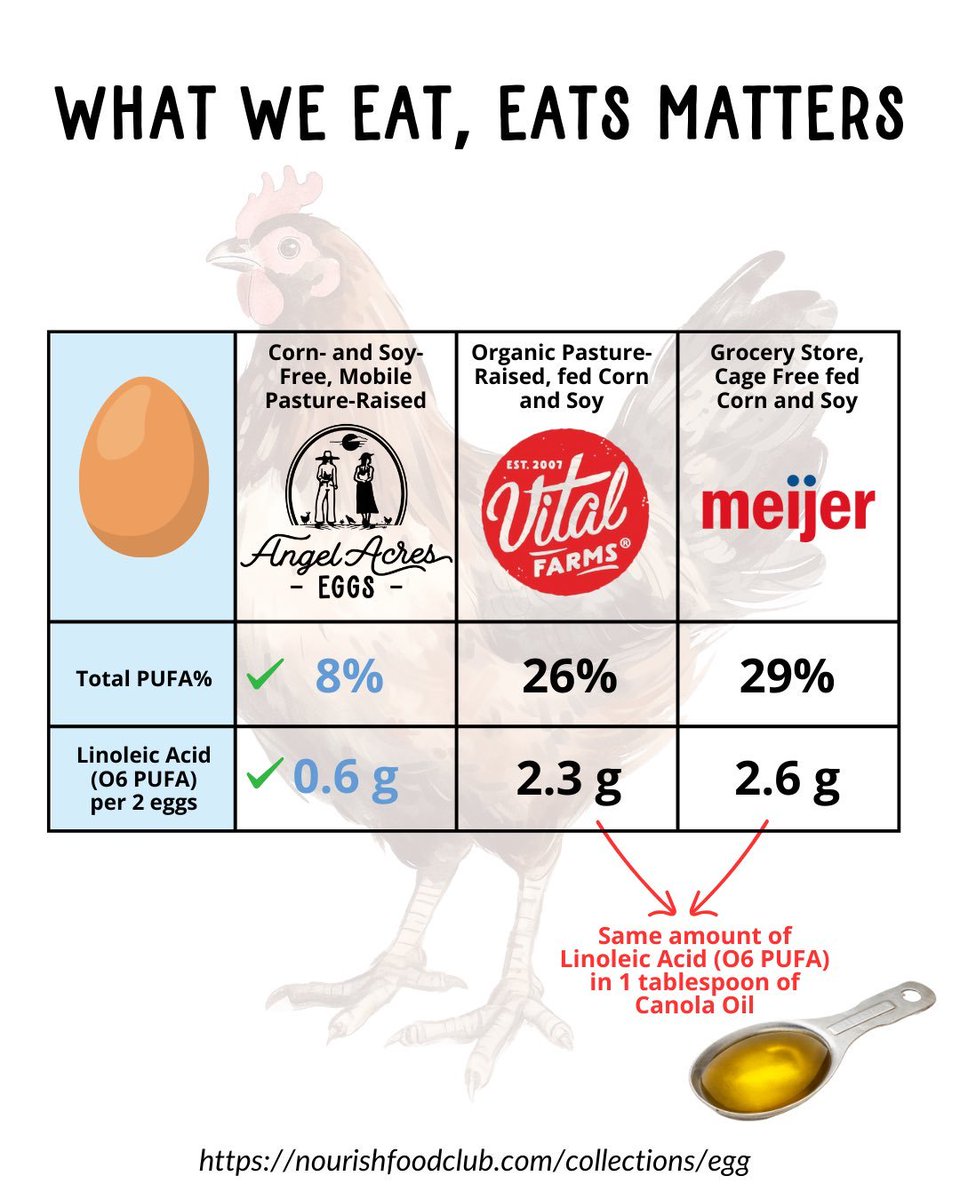
Even human breast milk contains linoleic acid. It is an essential fatty acid for humans.
Omega-6 fats are not the problem. The real issue is a poor omega-6 to omega-3 balance.
Linoleic acid in pasture-raised eggs is not a concern.
Carnivore Aurelius ©🥩 ☀️🦙@AlpacaAurelius
2 vital farms eggs have the same linoleic acid content as 1 tablespoon of canola oil Eggs are basically seed oils today graphic from @strong_sistas
English

@AlpacaAurelius @strong_sistas Eggs are not seed oils.
English

2 vital farms eggs have the same linoleic acid content as 1 tablespoon of canola oil
Eggs are basically seed oils today
graphic from @strong_sistas

English

My team flagged Bryan Johnson's sauna post for me this week.
Sounds like he reduced microplastics in his body by 85%, and he credits daily sauna as the primary driver.
Sauna is a powerful tool. I'm not disputing that. And his commitment to tracking and transparency is genuinely impressive.
But there's an important scientific distinction worth making:
Sauna mobilizes toxins. But it does not, by itself, eliminate them.
This distinction matters a lot for your long-term health.
During heat exposure, the body increases lipolysis, circulation, and sweating. All of this pushes stored toxicants like pollutants, pesticide residues, heavy metals, and microplastics out of tissues and into the bloodstream.
But when toxin levels rise in the bloodstream, that's movement. That's not detox.
We recently had a clinical discussion with environmental medicine expert Dr. Lyn Patrick, and she made this point clearly:
Sauna is excellent for liberating toxicants, but without proper support, these chemicals simply recirculate rather than being eliminated.
Her exact words were: "You cannot get anything out of the cell unless the membrane is functioning properly."
Here's the nuance that Bryan's post doesn't account for...
Most environmental toxicants are fat-soluble. That means they naturally bind to cell membranes and adipose tissue.
To actually get them out of the body, you need healthy cell membranes, bile production and flow, glutathione for conjugation, and binding in the intestine.
Without that infrastructure, toxins mobilized by sauna just return back to your circulatory system and often end up in sensitive tissues like the brain, endocrine glands, reproductive organs, mitochondria, etc.
That's why many people actually feel worse after completing a sauna session — their detox pathways aren't properly supported.
Here's something else we all need to remember...
Bryan Johnson is not the average physiology:
• He's running extreme nutrient repletion cycles
• He has a precise system for hydration and electrolytes
• He's running multiple detox protocols simultaneously
• He's obssessively tracking his biomarkers
In other words, he has the biochemical infrastructure to actually handle and excrete the toxins his sauna sessions liberate. Most people don't.
The takeaway isn't that sauna doesn't work. It's that adding sauna to your health regimen isn't enough to remove toxins from your body on its own.
Sauna is the accelerator.
Phospholipids are the transport system.
Glutathione and binders are the exit route.
Electrolytes are the glue that keeps the system stable.
Bryan's results are remarkable, but they only tell half the story.
Using the sauna to mobilize toxins without having the right physiological conditions required to actually eliminate them isn't detoxification, it's just redistribution.
SOURCE:
x.com/bryan_johnson/…
English

My team sent me this article yesterday.
The headline: Sephora is exiting supplements. Again.
This is actually their second attempt at the category. They tried back in the 2010s with brands like Hum Nutrition and The Beauty Chef. Those quietly disappeared.
They jumped back into wellness in 2022. Now they're pulling out entirely.
I'm not one to dance on anyone's grave, but I'm also not surprised by the news.
Here's why...
Unless a customer is coming in through a strong recommendation, a practitioner prescription, or a trusted source they've already followed for years, supplements are rarely an impulse buy. They're more of a slow burn.
They require education, consistency, and above all, TRUST.
Supplements aren't the same as fashion or cosmetics. You can't swatch a supplement, and you can't demo its benefits in 60 seconds with a quick "before and after" experience.
A consumer has to not only understand what outcome they're working toward, but why it matters and what's truly required get results.
To make supplements successful in a beauty-first retail environment, Sephora would have had to fundamentally change its approach.
Not just market around trust, but actually build it.
That takes a lot of time. Full stop. And you can't accelerate the process with merchandising, packaging, or influencer campaigns.
Trust grows slowly, steadily, and only through consistency. Which is why multi-generational brands like BodyBio have an advantage.
We don't chase quick wins, hype products, or fleeting virality. Instead, we invest in education, clinical science, practitioner partnerships, and customer success. Not because they're flashy, but because they're timeless.
We choose to play the long game, because we understand the nature of this category: credibility compounds.
You earn it inch by inch, conversation by conversation, customer by customer. It can feel daunting, discouraging, or even painful at times.
But once established, trust becomes an engine for exponential growth.
Any success we have today is the cumulative result of hundreds of people doing the quiet, unglamorous work of trust-building over a period of 20+ years.
If Sephora had stuck it out when they first started 15 years ago, or if they were willing to invest another decade from here, I believe they'd actually see real traction.
But their decision to pull out reinforces a principle we talk about daily in the BodyBio office...
When it comes to selling something people are putting into their bodies, you need to establish trust. And there's no way to shortcut that process.
SOURCE:
beautyindependent.com/making-sense-s…
English

It's December, which means immunity is on everyone's mind.
And honestly, that makes sense. Holiday parties, viruses rampant in kids schools, crowded airports, shared appetizers, long dinners in warm rooms with lots of people.
This is the season when "boosting" your immune system sounds like exactly what you need to be doing.
But at BodyBio, we don't really think about immunity that way.
Not because we don't care about staying healthy through the holidays, but because your immune system isn't a dial you can turn up when you need it and forget about the rest of the year.
The cells that make up your immune system need the same things every other cell in your body needs: strong membranes, balanced minerals, and the ability to communicate clearly.
When those foundations are solid, your immune system has what it needs to respond well, no matter what time of year it is.
That's why we focus on building long-term resilience, not chasing seasonal fixes.
Here's what that looks like in practice:
1. Start with real food
Fruits, vegetables, quality proteins, and healthy fats give your cells the raw materials they need. No single ingredient checks all the boxes, but having the right combination of foods makes all the difference.
2. Move consistently.
Thirty minutes of moderate activity most days helps regulate stress and supports healthy immune function. It doesn't need to be intense to be effective.
This gets harder with inclement weather, so sometimes you need to get creative about what kind of "movement" suits your schedule.
3. Prioritize mineral balance.
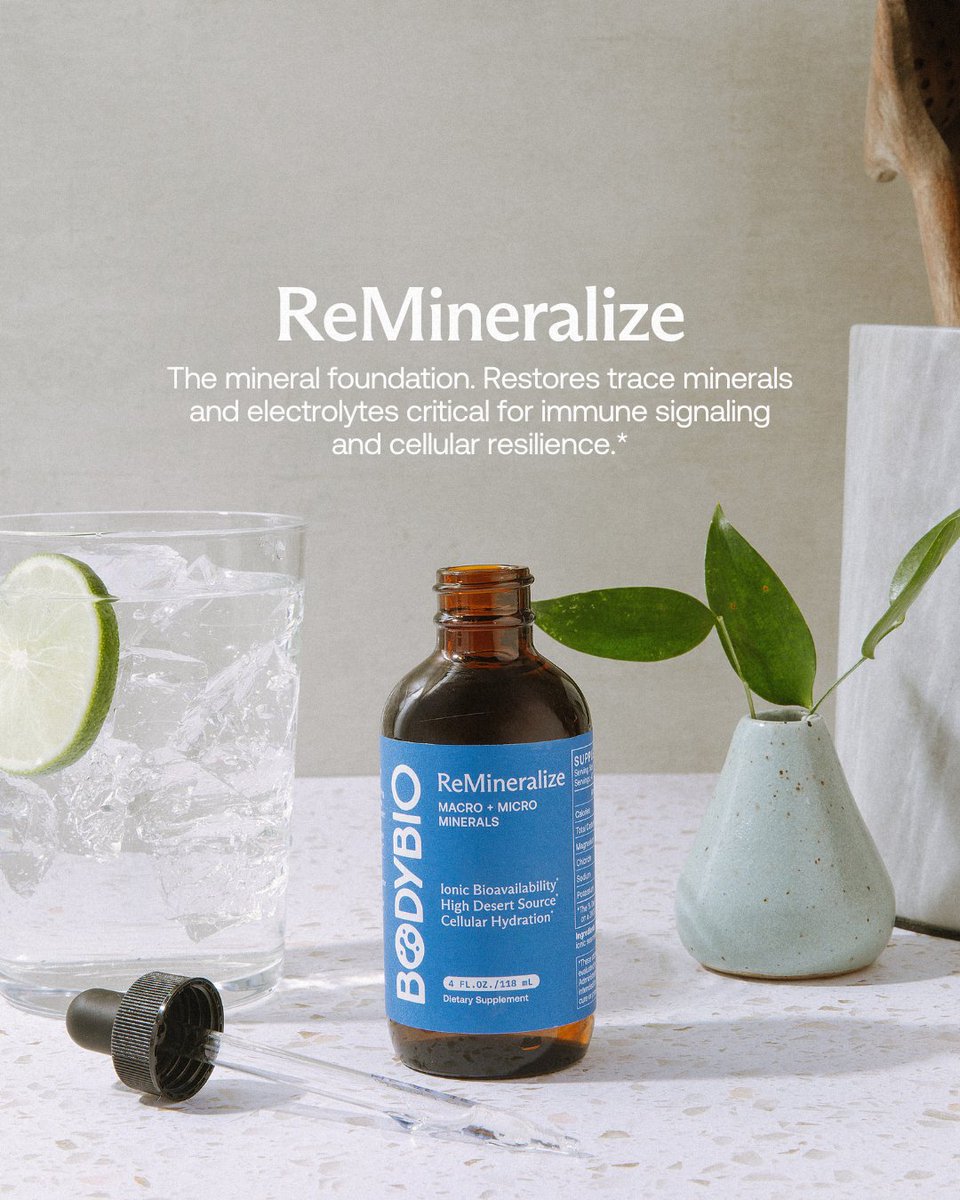
Your cells run on electricity, and minerals are the conductors. Hydration without electrolytes is only half the equation.
4. Support your gut.
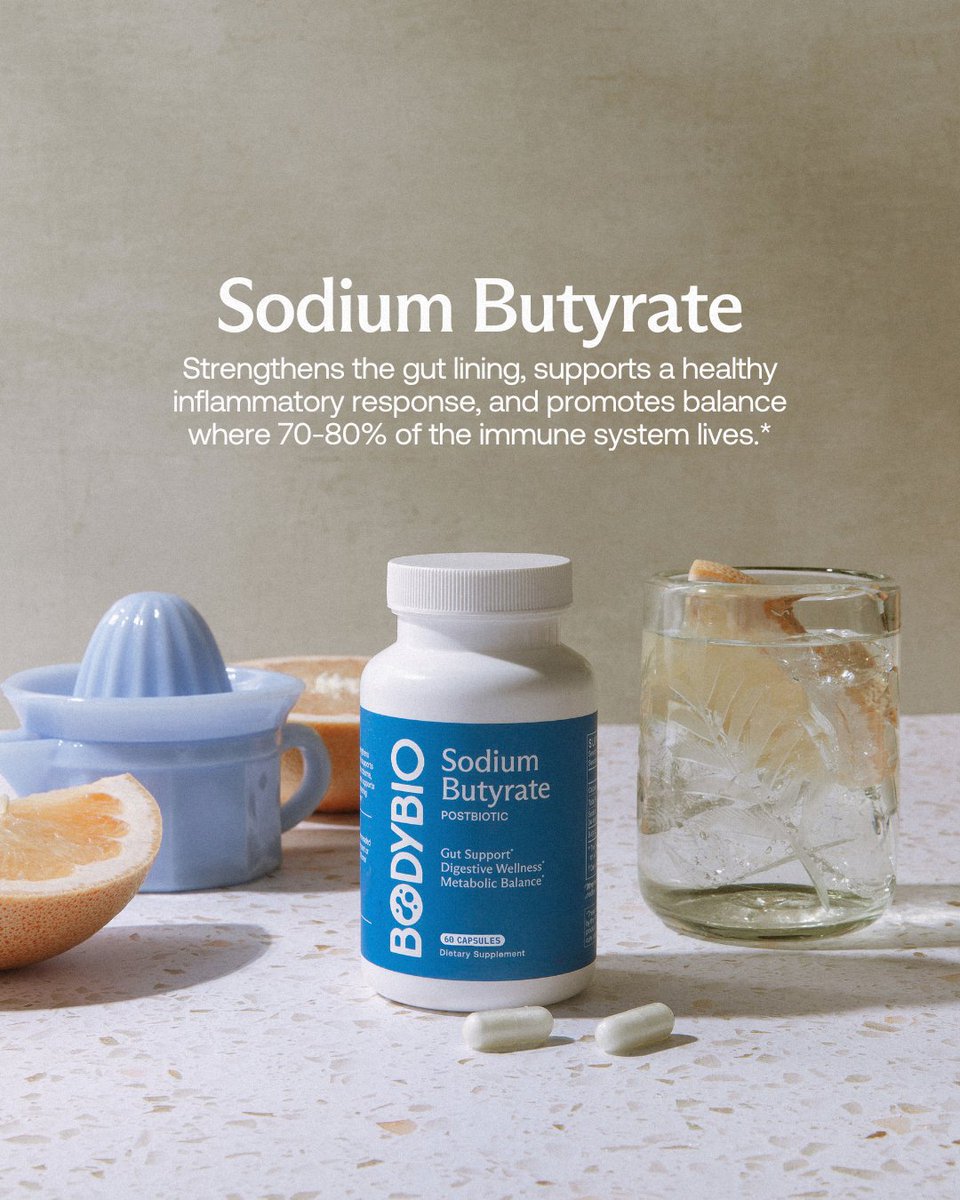
Around 70-80% of your immune system lives in your gut. Managing your microbiome isn't just about improving digestion; it's a foundational step toward building whole-body resilience.
5. Fill the gaps intentionally.
Even with a solid diet, some nutrients are hard to get enough of from food alone.
Consider giving your body extra Vitamin C (supports antioxidant defense), Butyrate (strengthens the gut-immune connection), and trace minerals (keeps cellular signaling intact) to get the best results.
The goal shouldn't be to "prepare your immune system for winter," it should be to to build a body that's ready to defend itself against anything, at any time.
You can't just add immune resilience at the last minute like a stocking stuffer. It's something you need to maintain all throughout the year during the ordinary moments when nothing feels urgent.


English


If you're spending money on omega-3 supplements, consider this: fish roe delivers the same nutrients in their most absorbable form for a lower cost.
People have been eating fish roe to improve their fertility, vitality, and longevity for thousands of years. It's not a delicacy to them. It's medicine.
And there's science to back this up.
Whether it's caviar, salmon roe, or trout roe, fish roe is loaded with omega-3 fatty acids, choline, B12, and trace minerals like selenium, iron, and zinc.
The omega-3s support cardiovascular health, reduce inflammation, and help build cell membranes.
Choline supports brain function, liver health, and cell membrane integrity.
B12 and those trace minerals are essential for everything from hormone production to immune function and cellular repair.
But here's what makes it different from other nutrient-dense foods:
The nutrients in fish roe are already in forms your body can use immediately.
No conversion required. No breakdown needed.
Your cells recognize it as exactly what they need to build membranes, produce energy, and support hormone synthesis.
This is why cultures that included fish roe in their diets, like the Inuit people of the Arctic region or the coastal communities of Japan, had remarkably low rates of the degenerative diseases we see so commonly today.
Now, I know what you're probably thinking: caviar is expensive.
Here's the good news...
You don't need expensive caviar to get the health benefits.
And if the texture turns you off, you'll adjust faster than you think. A small spoonful a few times a week is all you need.
Here are a few easy ways to work it into your diet:
• Add it to your rice bowls
• Mix it into scrambled eggs or an omelet
• Pair it with avocado toast or cucumber slices
• Eat it straight with a squeeze of lemon and sea salt
If texture is the only thing stopping you, it's worth getting past it.
People have been eating fish roe for thousands of years. Modern science backs up the health benefits. And it's both more accessible and more affordable than many of the supplements in your cabinet.
English

If there’s one detox trend people are overusing, it’s zeolite. Here’s why I’m not on board.
Using zeolite for detox has become one of those wellness trends people reach for daily — sprinkled into smoothies, taken every morning, added to the “detox stack” — believing it's quietly sweeping toxins out of the body.
But here’s the truth no one talks about:
Zeolite doesn’t get to decide what it binds and what it leaves behind.
It’s not scanning for toxins. It’s binding whatever fits its structure, including minerals your cells actually need.
So when someone takes zeolite every day as a wellness routine, they’re not just targeting heavy metals. They’re also pulling out magnesium, potassium, trace minerals, and electrolytes that fuel cellular energy and detox enzymes
The very building blocks your body needs to detox in the first place.
You think you're supporting detoxification, but you’re quietly draining the raw materials your liver, kidneys, and cells rely on to do the job naturally.
You’re creating the deficiency while trying to solve the problem.
Now, does that make zeolite “bad”?
No.
There are legitimate uses. It can bind certain compounds effectively in specific, targeted situations.
But daily detoxing with zeolite as if it's a nutrient-neutral tool? That’s where the wellness world gets it wrong.
Your body already comes equipped with the most sophisticated detox system on the planet. It’s happening right now — your liver, kidneys, lymphatic system, and gut are constantly clearing waste, metabolizing hormones, neutralizing toxins.
They don’t need zeolite to do that. They need:
- Minerals to power enzyme pathways
- Phospholipids to strengthen cell membranes so toxins can actually move out
- Hydration and electrolytes for lymphatic flow and filtration
- Butyrate + gut repair to reduce endotoxin load
When those foundations are strong, your body detoxes quietly, efficiently, every single day — no binders required.
When they’re not, no amount of zeolite will magically fix it.
And taken the wrong way, it may even make things worse.
True detox isn’t about forcing the body to purge.
It’s about restoring the cellular environment so your system can clear waste the way it was designed to.
English

@NoahRyanCo Or just take BodyBio PC and then you may not need binders…
English

Use different binders for different toxins:
Cholestyramine: mold
Modified citrus pectin: heavy metals
Shilajit (fulvic/humic acid): pesticides
Activated charcoal: plastics/general toxins
Enterosgel: endotoxin
Chitosan: estrogen
Apple pectin: industrial toxins/radiation
Lots of overlap between mechanisms and often used best in conjunction with one another
Noah Ryan@NoahRyanCo
Binder + sauna is OG detox stack. Heat mobilizes toxins from fat stores and dumps them into GI tract. Binders sponge them up and prevent them from getting reabsorbed. 30 minutes before sauna on an empty stomach
English

Coming off birth control shouldn’t wreck your body, but for many women, myself included, it does. And it often comes down to nutrient depletion no one ever told them about.
Hormonal birth control works by suppressing your body’s natural hormone production. But that suppression doesn’t happen in a vacuum. It also influences how your body absorbs, stores, and utilizes key nutrients.
Research shows that hormonal birth control can lower levels of B vitamins, magnesium, zinc, and certain essential fatty acids.
These aren’t minor details. They’re foundational cofactors for energy production, neurotransmitter synthesis, hormone metabolism, and cell-to-cell communication: all the things that directly impact your mood, focus, and overall vitality.
When those nutrients dip, your body does its best to compensate. But over months or years, those gaps can widen.
That’s when you may notice more dramatic energy crashes. Less emotional resilience. Trouble concentrating. And when you eventually come off birth control, your cycle may feel more chaotic or difficult than expected.
None of this means birth control is “bad.” It simply means your physiology needs more support while you’re on it.
Replenishing what’s being depleted is a smart place to start:
• B-complex vitamins — especially B6, B9, and B12
• Magnesium — highly absorbable forms like glycinate
• Zinc — essential for enzymatic pathways and hormone synthesis
• Clean, unoxidized essential fatty acids — critical for membrane health and cellular signaling
If you’re coming off birth control, the same principles apply.
Your body will need time, nutrients, and cellular support to re-establish its natural hormone rhythms. The better nourished those pathways are, the smoother the transition tends to be.
This isn’t an anti–birth control message. It’s a pro-information message.
You deserve to understand what’s happening inside your body: the benefits, the trade-offs, and the tools that help you feel your best through every phase.
The more informed you are, the more empowered your choices become.
English

If NAD+ made you feel worse instead of better, the problem wasn't the supplement. It was the sequence.
I've heard the same story dozens of times now...
Someone starts taking NMN or NR, expecting more energy and better focus. Instead, they feel jittery, anxious, and still completely exhausted.
That's not a bad reaction. It's your body providing feedback.
NAD+ precursors support cellular energy production at the mitochondrial level, but if your cells don't have the cofactors they need to actually use that NAD+, the system can't function efficiently.
It's like revving your engine while the car is in neutral. You're using the fuel, but you're not going anywhere.
That's because NAD+ production depends on methylation pathways, which require B vitamins, magnesium, and adequate phospholipid support for proper cellular signaling.
Without those foundations in place, NAD+ can't convert efficiently into the forms your mitochondria are actually able to use for energy production.
So instead of clean, sustained cellular energy, you get all the stimulation without any of the functionality.
This is why I'm so adamant about taking care of your foundations first.
Minerals. Fats. Hydration.
When those are dialed in, NAD+ can do what it's designed to do. When they're not, you're just adding stress to an already strained system.
So if you tried NAD+ and it didn't work, don't give up yet.
You probably don't need a different protocol. You need to give your cells the foundational support they were asking for all along.
English

My grandfather was a biohacker before “biohacking” had a name.
He took us to farms to find specific meats, drove across multiple counties to get organic produce before it was carried in stores, and kept us connected to the idea that food is nutrition and food is medicine.
But that didn’t make his breakfast any less unusual to my 10-year-old brain.
He would take raw cottage cheese, mix in six egg yolks, then top it with flax seeds and pumpkin seeds.
That was his morning meal. Every. single. day.
I didn't understand it then. But now I do.
He was feeding his cells what they needed. Phospholipids from the dairy. Essential fatty acids from the seeds.
It wasn’t particularly appealing, but it was functional. And most importantly, it was a daily ritual that was easy to stick to.
That memory came back recently when I was asked about fish oil.
The question was direct: Is fish oil really as beneficial as we've been told?
And the answer's complicated.
The science on omega-3s is strong. Studies highlight tons of health benefits. The challenge is in the processing.
Many fish oils on the market today are extracted using heat, heavy solvents, and chemicals. Some estimates suggest that up to 90% of fish oil supplements are rancid or oxidized before they even reach the shelf.
Which means they’re useless when it comes to fueling your body.
So the question isn't whether omega-3s are important. They are.
The question is: Are we getting them in the right form?
My grandfather understood something most supplement companies still don't.
Nutrients work best when they come in their whole food matrix, with all the co-factors intact.
That’s why when we talk about fish oil today, I always bring the conversation back to source.
If you can eat wild salmon, do that. If you can access caviar or fish roe, even better.
Those foods provide EPA, DHA, and something called ETA, a lesser-known omega-3 that may be even more anti-inflammatory than the ones you see in the headlines.
They come with phospholipids, astaxanthin, and a full spectrum of nutrients your body knows how to use.
If you are going to supplement, choose something less processed. A high-quality cod liver oil. Fish roe powder. Sources that haven't been stripped of everything that makes them effective.
I’m not here to vilify all fish oil. I want to help people understand that not all sources are equal.
And when you start thinking about nutrition this way, at the cellular level, it changes everything.
Your body doesn't just need more omega-3s. It needs the right fats, in the right ratio, with the right support. It needs minerals. It needs phospholipids.
It needs to be fed like a system, not an attempt to treat a symptom.
That's what my grandfather was doing all those years ago. He was feeding his cells. And in doing that, he laid a foundation that was built to last.
I think about that breakfast a lot now. Not because it was perfect, but because it was intentional.
English