LiquidityFlows
126 posts

LiquidityFlows
@LiquidityFlows
Observing liquidity, structure, and market behaviour.
انضم Şubat 2026
39 يتبع3 المتابعون
تغريدة مثبتة

@CoinAnk Price goes nowhere if the fundamentals are not aligned behind the scenes.
English

Most people trade altcoins by watching the price.
That's the last thing smart money wants you to do.
Three numbers actually matter: OI, Volume, and Funding Rate.
Here's what they're telling you:
OI ↑ Price ↑ → Real accumulation. They're building. Follow.
OI ↓ Price ↑ → Shorts covering or distribution. Start watching the exit.
OI ↓ Price ↓ → Shakeout. Weak hands leaving. Wait.
OI ↑ Price ↓ → Shorts being baited. The trap is being set. Buy the dip.
Funding confirms it all. Negative funding while price holds = shorts paying to be wrong.
That's not analysis. That's just reading what the market is already telling you.
Track all three in real time on CoinAnk.

English

@CoinMarketCap $1T prediction markets sound great until you realise most of that volume will be bots unless platforms fix their incentives.
Humans can’t compete in 50ms arenas.
And without humans, prediction markets stop being prediction markets.
English

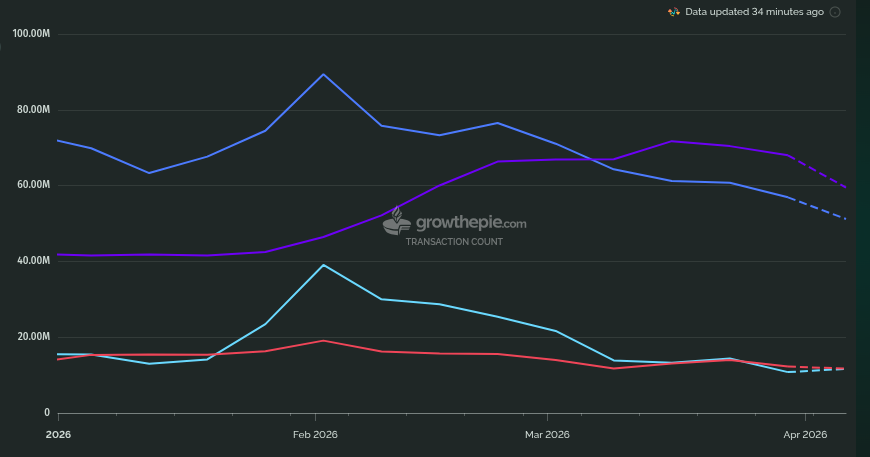
@CryptoKaleo Sharing the usage data for context, about 3.8k transactions this week on Ethereum. The numbers look a lot smaller than the messaging suggests.

English


This Week in Crypto
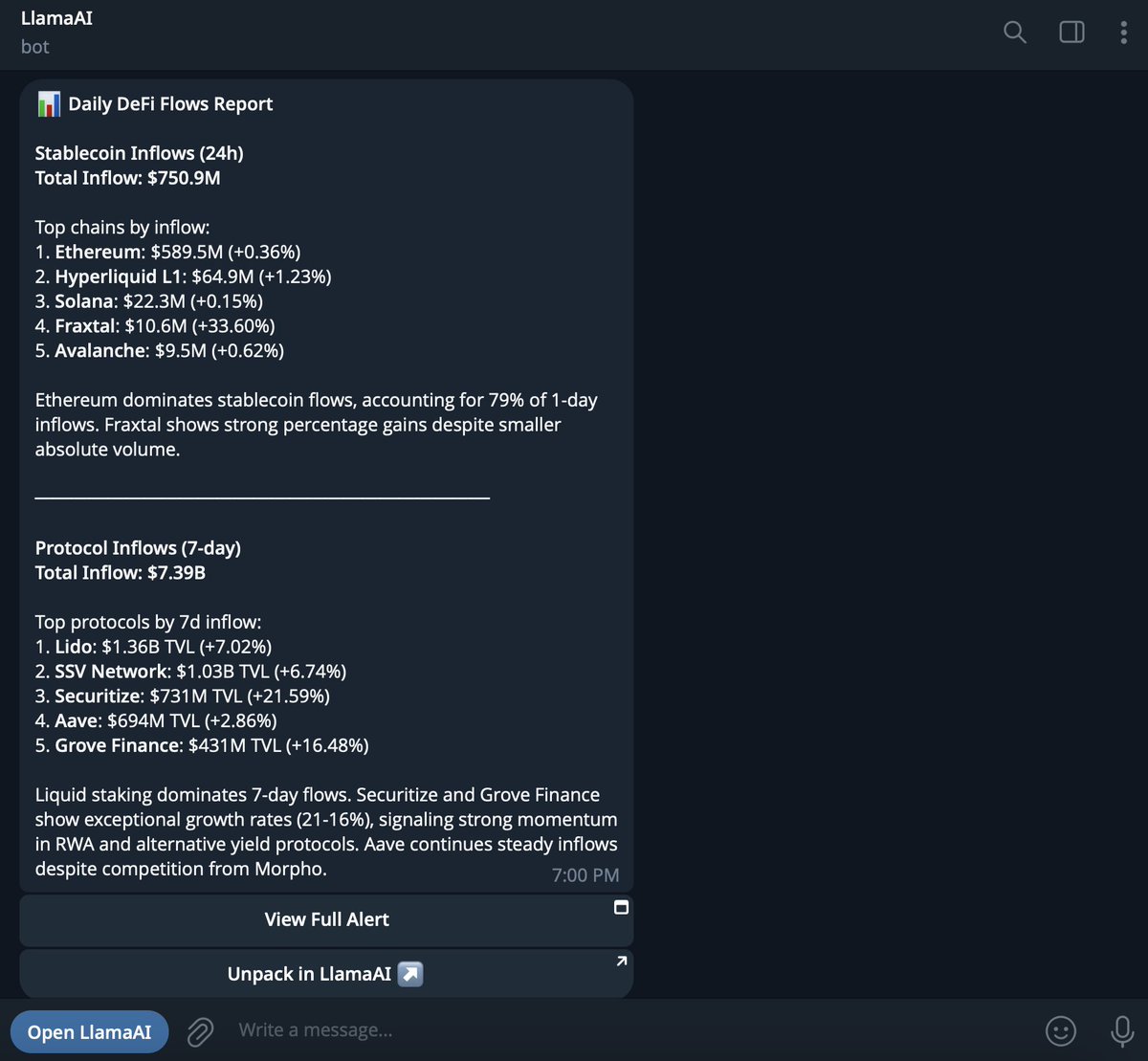
Stablecoins: USDC mints in the billions. USDT supply climbing. Stablecoin rails heating up fast.
L2s: Arbitrum, Base, Solana all seeing strong inflows. Real usage, not noise.
Cross‑Chain: Bridge flows turning positive again. Liquidity is moving with intent.
Geopolitics: Iran exploring crypto payments and regulators instantly watching and freezing wallets. Crypto is now part of state‑level strategy.
Takeaway: Retail sees price. Industry sees infrastructure. This week, the infrastructure side was on fire.
English

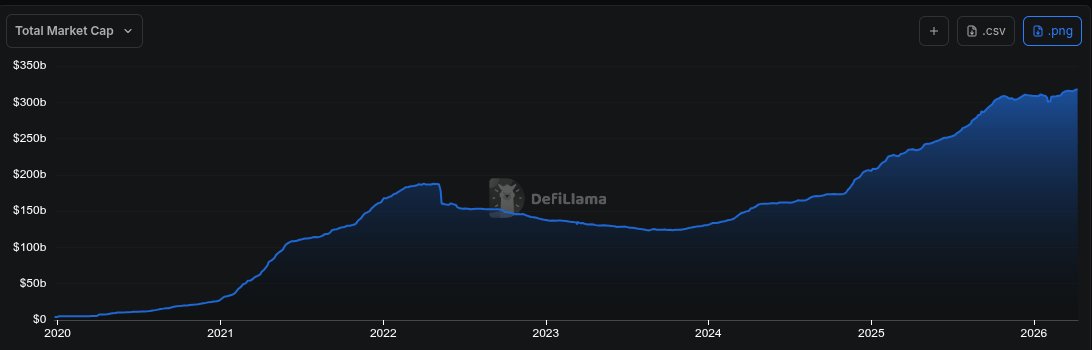
Stablecoins have quietly become the backbone of crypto.
Since 2020, total stablecoin market cap has grown from near‑zero to $317B+.
That’s not “side liquidity” anymore, that’s a global settlement layer forming in real time.
The rise of stablecoins is the rise of crypto infrastructure.
Data courtesy of @DefiLlama

English

Sorry for the disruption — the old group ran into an access issue.
We've set up new communities, and everything is ready to go:
🌐 Global (EN): t.me/Coinank_Global
🇨🇳 Chinese (CN): t.me/CoinAnk_CN
Join us. Thanks for your patience 🙏
CoinAnk@CoinAnk
CoinAnk's Telegram community access is temporarily restricted. We are working to resolve this—please follow us for any updates.
English

100+ Vanguard applications logged.
Getting this level of recognition from real market players is the ultimate validation. We don't take that trust lightly.
We’re playing the long game. The focus stays on shipping better tools, grinding out the noise, and continuously getting sharper.
👇The door is still open. Bring your edge:
docs.google.com/forms/d/e/1FAI…
CoinAnk@CoinAnk
CoinAnk‘s Vanguard is open! We're building our first wave of ambassadors — traders, creators, builders, anyone who lives and breathes market data. If you want in, we want you. No hard requirements. If you're passionate about what we're building, that's enough to start the conversation. Every ambassador situation is different, and we'd rather discuss what works for both sides. 👇To apply: docs.google.com/forms/d/e/1FAI…
English

BRZ is doing real numbers. $275M+ supply, 1,135 swaps in 24h, $400K daily volume.
This isn’t a “niche” stablecoin, it’s the Brazilian Real on crypto rails, spread across 7 chains and 40+ pools.
FX is coming on‑chain faster than people realise.
Data courtesy of dfb.network

English

One screen.More data layers.
CoinAnk supports multi-pane independent charting — each window runs its own indicator set, fully isolated.
Here's one example build:
-Top left → Order Book Profile. Liquidity walls, visualized.
-Top right → SMC Structure. Market structure, automatically mapped.
-Bottom left → Footprint Chart. Every candle broken down by buy/sell volume.
-Bottom right → Liquidation Heatmap. High-leverage clusters, mapped.
Hover any candle. Large limit order detail surfaces instantly — price, duration, initial size, traded value.
Your layout. Your indicators. One workflow.
English

Why wrapped assets multiply risk domains and fragment liquidity.
As we all know Wrapped assets such as WBTC & WETH are paramount for moving volume between blockchains, but they multiply risk factors and fragment liquidity purely because of how they are distributed.
An asset such as BTC is moved you only face the single risk of that specific blockchain. When the asset is wrapped the risks then multiply and also become layered, and if any one of those risks fails it can deem the asset worthless.
The majority of wrapped assets require a custodian to hold the real asset while the wrapped asset is minted, if there is malicious behaviour the wrapped asset loses all value.
Creating and burning wrapped assets relies on using code, if the code is in any way compromised attackers can drain the reserves causing the wrapped asset to lose it’s value.
To move assets cross-chain you are required to use a bridge, bridges are notorious for being one of hackers favourite hiding places, if the bridge is compromised the wrapped asset then becomes extremely vulnerable and may never arrive at it’s destination.
Cross-chain movement leaves you exposed to the security of both blockchains, if one fails the wrapped asset is then at risk, even if the other has no problems.
Liquidity fragmentation occurs when the same value is split into different versions making it both harder and more expensive to trade.
You also have the problem of different chains having their individual version of the wrapped asset (ETH wrapped USDC & Avalance wrapped USDC, this leads to them essentially being two different coins so they can cannot be traded as one transaction.
Instead of one large pool of liquidity, we then have lots of smaller puddles, this leads to the risk of increased slippage and higher fees being paid by the user(s).
Providers the have to spread their money across multiple chains and versions of the token to allow trades, this leaves money sitting idle whereas it should be working efficiently.
Developers have to make the decision of which wrapped version to support as supporting multiple versions of the same asset leads to more complex code.
If you think I’ve missed a nuance or want to add your perspective, replies are welcome.
English

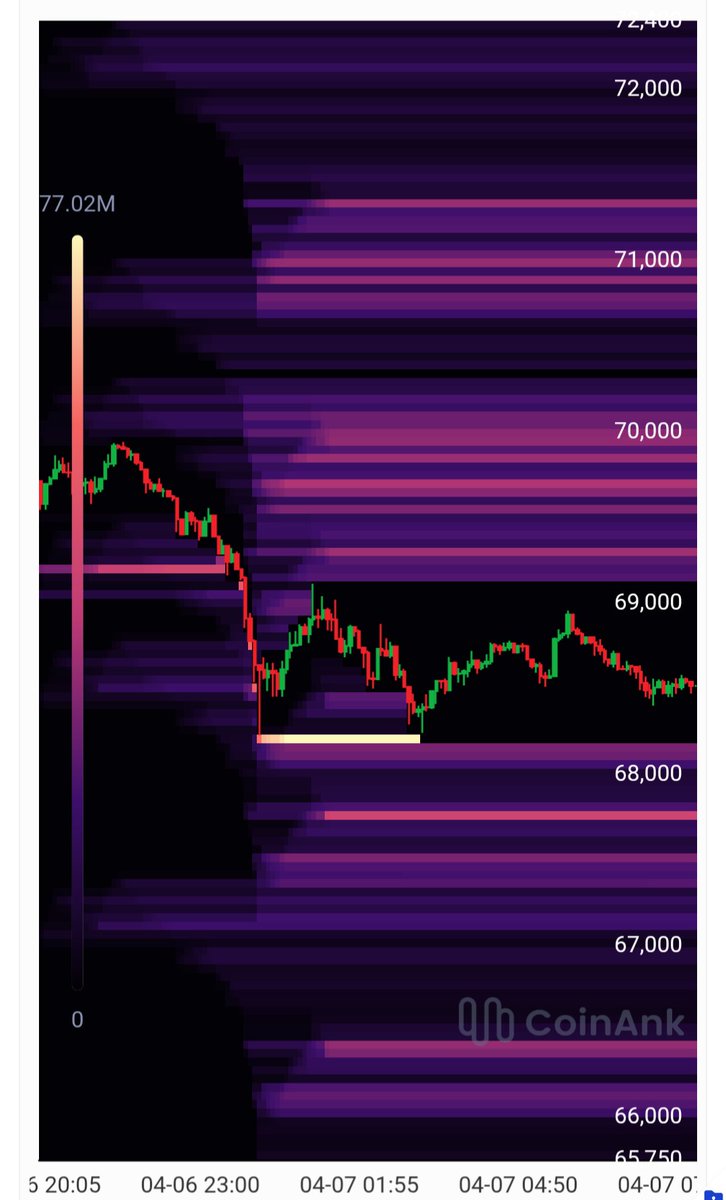
Morning flow shaping up nicely.
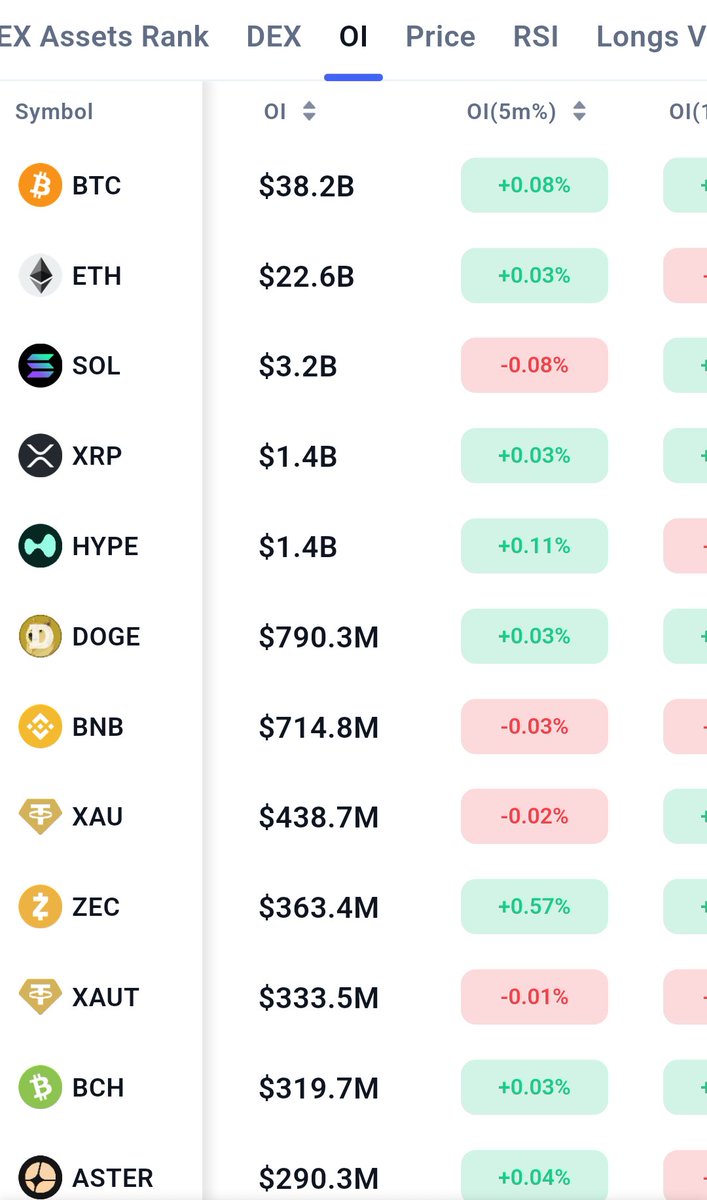
Liquidity finally thickening on both sides and OI starting to warm up across majors.
Wouldn’t be surprised to see a quick sweep of the lower band before Europe steps in, then we find out how real that upside liquidity is.
Good conditions for a proper morning move.


English

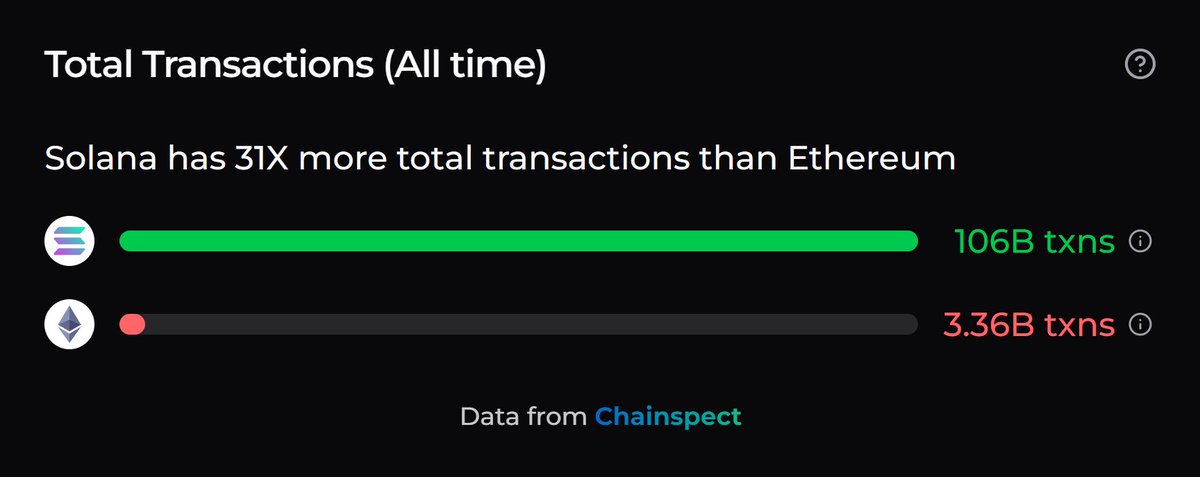
@SolanaSensei @chainspect_app @solana @toly @SolanaFndn Raw transaction counts aren’t comparable across chains because each protocol defines a ‘transaction’ differently.
Solana counts internal program instructions and validator votes; Ethereum counts only user‑initiated state changes.
English