
Maulesh Trivedi
8.6K posts


Maulesh Trivedi
@M17Factor
AI @FanucAmerica. prev: @PlusOneRobotics. Hala Madrid. GGMU. Georgia Bulldog at heart. (thoughts my own)
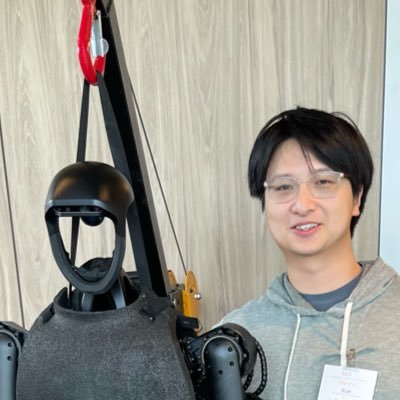

こうやって安全意識して倒れるとロボットへのイメージ変わるな。Unitree G1のバランス崩れると激しく倒れるのは結構怖いのよな
This is the single best read on World Models and one of the most important reads in AI. $10B has flowed into "world models" in the last 18mos, from Yann LeCun to FeiFei Li. The promise is, like LLMs, world models will provide the data it takes to scale robotics foundation models, and solve robotics. ..but the word has been abused to mean one of many things. This post unpacks: – What 5 traits makes a world model? – How do the different approaches stack up? – What is it used for within and beyond robotics? – Where is the opportunity? – Citations to research, news and blog posts Companies / products in the space include: – BigCo products: Google Genie, Tesla Optimus, Nvidia DreamDojo, DreamZero, Microsoft Muse – Pure world model: AMI Labs, World Labs, Runway, Rhoda, Decart, Spaitial, Odyssey, Embo, Dream Labs, OneWorld – Robot foundation model cos: Skild, Physical Intelligence, Figure, Mind Very likely one of the seminal technologies of the next decade.


So close!!! Nearly able to fold a crumbled shirt on a fairly low resource model / hardware! Almost there now 😊

Making humanoids is one thing. Making a humanoid into a consumer product takes engineering to extreme limits. We've put an intense amount of thought and effort into answering every question like "how does my NEO show up at my door" with beautiful accessories and features. Still work to be done. But it's the most exciting work of this generation IMO.
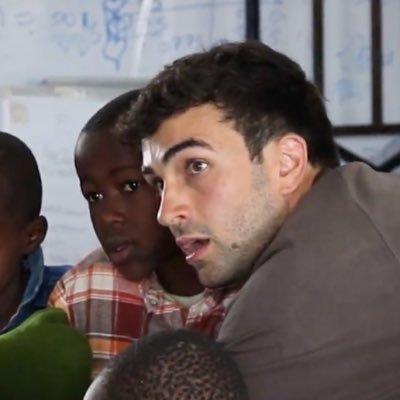
Robot abundance, one NEO at a time. More tomorrow.

Now they are pushing this narrative on Chinese social media that robotics has a “low barrier to entry”; That building a robot from scratch and achieving top-tier performance is easy. That’s absurd.
𝐁𝐞𝐬𝐬𝐞𝐦𝐞𝐫 𝐏𝐫𝐞𝐝𝐢𝐜𝐭𝐬: 𝐑𝐨𝐛𝐨𝐭𝐢𝐜𝐬 𝐚𝐧𝐝 𝐩𝐡𝐲𝐬𝐢𝐜𝐚𝐥 𝐀𝐈 🤖 1. We're in the GPT-2.5 moment for robotics. Capabilities are real, but the gap between lab performance and field deployment remains wide. 2. Scaling laws are emerging. Data is expensive, capital is the moat. World models may be the shortcut. 3. Talent concentration will crown winners quickly. This is not a market where 50 companies win. 4. Near-term value will accrue to full-stack, vertically integrated players, not pure-play foundation model companies. 5. Defense robotics will produce the first $50B+ IPOs in the category. 6. There will be no robotics bubble. In fact, not enough capital is flowing into the industry. Dive in 🦾 bvp.com/atlas/bessemer…
Honor สุดยอด พัฒนาหุ่นยนต์วิ่งอัจฉริยะ "Lightning" และ "Energetic Boy" เข้าร่วมแข่งขันหุ่นยนต์มาราธอน Beijing Yizhuang Human Robot Half Marathon 2026 ในวันที่ 19 เม.ย.นี้ ถือเป็นผู้ท้าชิงการแข่งขันหุ่นยนต์มาราธอนระดับโลกรายแรกที่ส่งโดยผู้ผลิตอุปกรณ์ปลายทางรายใหญ่ แล้ววิ่งเร็วมาก
MODEX Day 2 and the energy keeps building 🔥 Vega had some new tricks today: Picking up boxes and flipping them. The best part? Watching people take the controls for their very first time. One visitor said:"it feels like playing a video game." That's the whole point, Physical AI should be powerful and fun to use. 🙌🏼 Vega Snapshot is very a popular spot at our booth. Everyone loves a good photo moment with a robot. 📸 We're a Physical AI company based in Silicon Valley, and what makes this week special is seeing people from all walks of life connect with our technology. Robotics is for everyone. Two more days to go. Come say hi! 📅 April 13–16 📍 Georgia World Congress Center, Atlanta, GA 🤖 Booth C10792 #MODEX2026 #Dexmate #Vega #Robotics #PhysicalAI #Automation #Logistics #SupplyChain
Most robot policies on HuggingFace don't show you what the policy actually does. No video. No screenshot. Just a .zip So we built the obvious thing: paste a URL, get a video of the robot moving. It's simple for now: one A100, no job queue. But it solves a clear problem we've heard on calls Read more on our blog. hapticlabs.ai/blog/2026/04/1…