NASA Ames

12.9K posts

NASA Ames banner
NASA Ames

NASA Ames

@NASAAmes

We're NASA's center in Silicon Valley.

California انضم Temmuz 2008
108 يتبع493.3K المتابعون
تغريدة مثبتة
NASA Ames
NASA Ames@NASAAmes·
Preparing for future missions to the Red Planet's surface. The LAVA team at NASA Ames is developing a simulation tool that accurately models how a parachute inflates when deployed behind a payload moving at supersonic speed. Researchers tested and improved their approach by simulating an actual supersonic parachute flight test, the one you see here, and compared results with real-world data. This effort is helping engineers better study how these parachutes will perform on future missions to Mars and beyond. go.nasa.gov/3P6FuQI
English
34
361
2.5K
131.2K
NASA Ames
NASA Ames@NASAAmes·
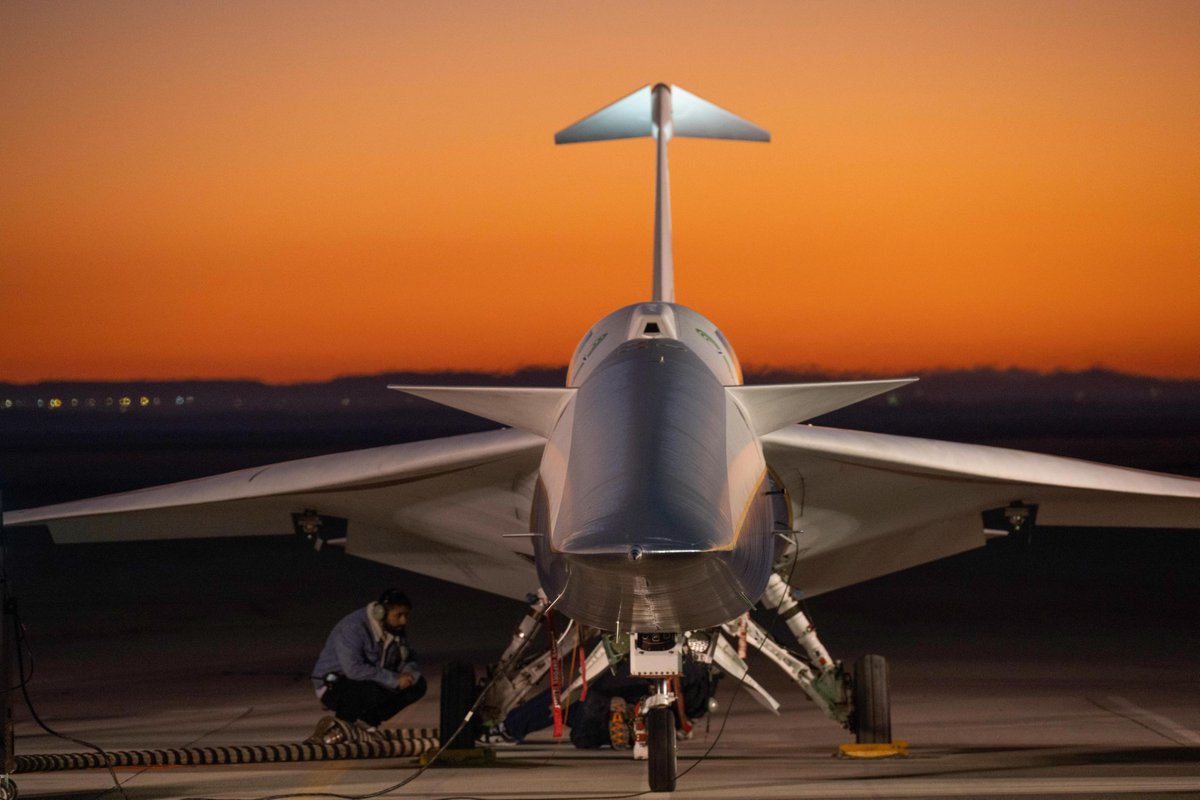
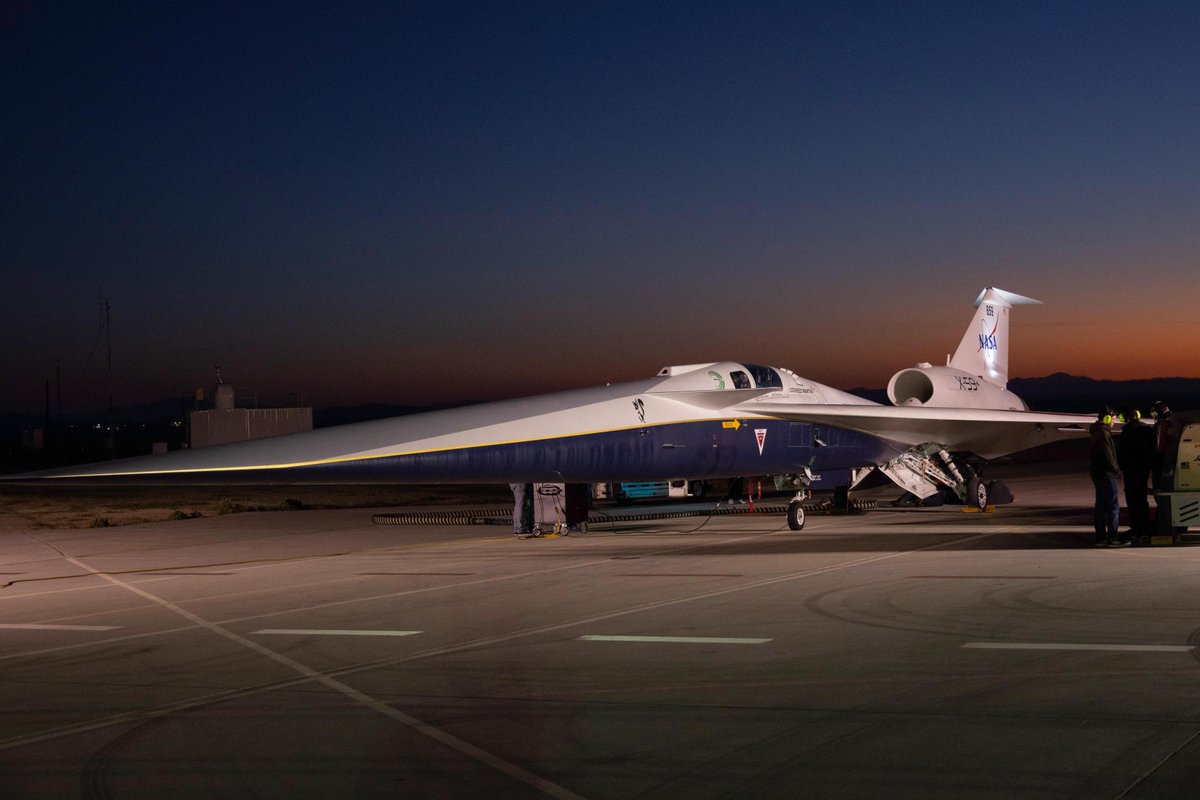
Next up: X-59’s second flight ✈️ Before the supersonic aircraft takes to the skies, explore how our Silicon Valley center used cutting-edge supercomputing simulations, wind tunnel tests, and more to bring NASA closer to making the quiet supersonic travel over land a reality. go.nasa.gov/40HdgOU
NASA Ames tweet media
English
15
119
550
11.2K
NASA Ames
NASA Ames@NASAAmes·
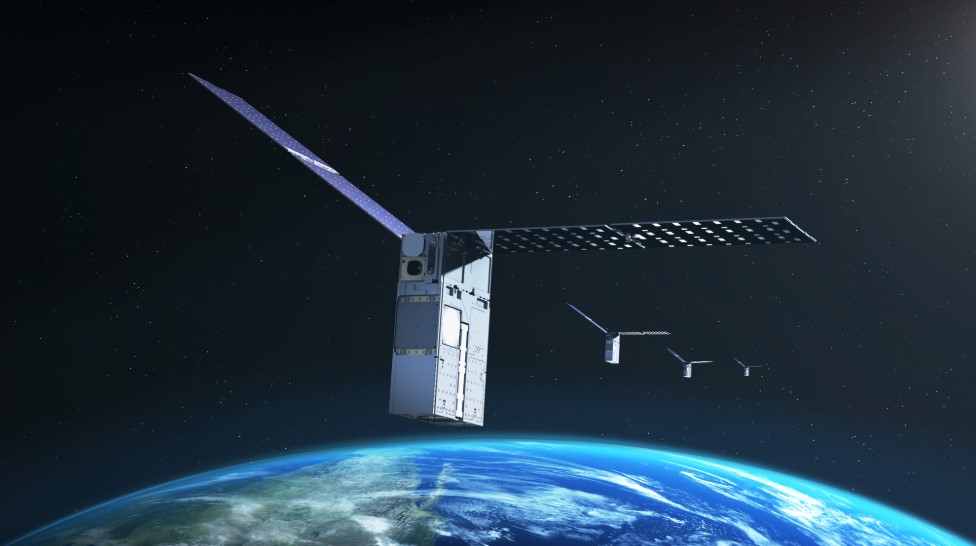
Our Starling spacecraft have been busy in low Earth orbit! 🛰️ From planning swarm maneuvers to coordinating science observations to navigating with minimal human intervention, the CubeSat team is helping researchers advance autonomous technology for science and exploration. Swarm into the mission: go.nasa.gov/3PinjaF
NASA Ames tweet media
English
8
49
181
6.9K
NASA Ames أُعيد تغريده
NASA Aeronautics
NASA Aeronautics@NASAaero·
X-59 Update: Second Flight has been rescheduled for Friday, March 20. 📢Interested media can RSVP to join a teleconference to learn more about upcoming test flights: go.nasa.gov/4754gqn
NASA Aeronautics@NASAaero

We’ve got a date for X-59’s second flight: 03/19! ✈️ This flight will kick off a series of flights known as envelope expansion, during which NASA will gradually take the X-59 faster & higher. 📢@NASA Invites Media to Learn About Upcoming Test Flights: go.nasa.gov/4754gqn

English
11
62
257
11.3K
Singh
Singh@Singh_king46·
@NASAAmes I've signed up already 🙋
English
1
0
1
135
NASA Ames
NASA Ames@NASAAmes·
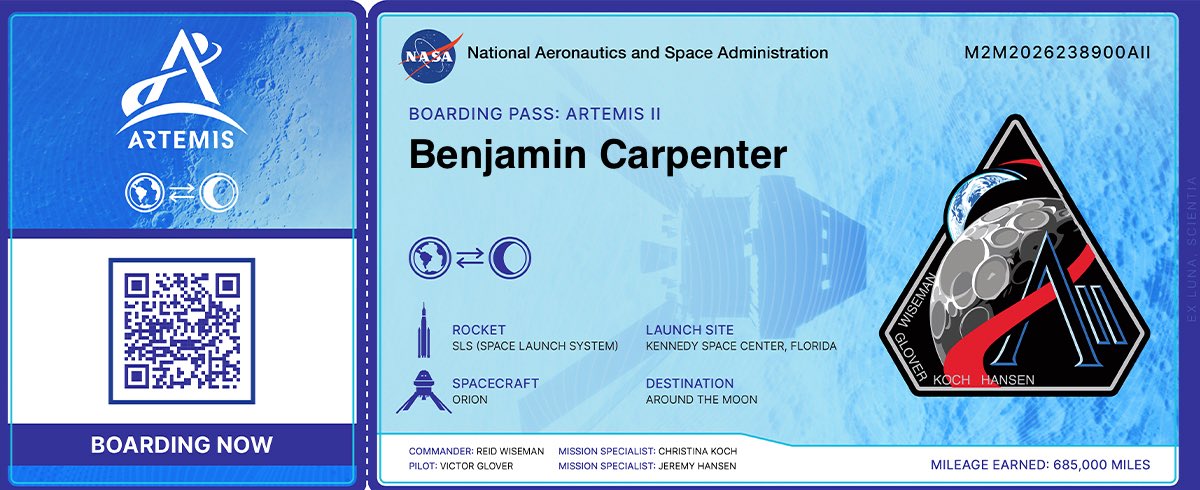
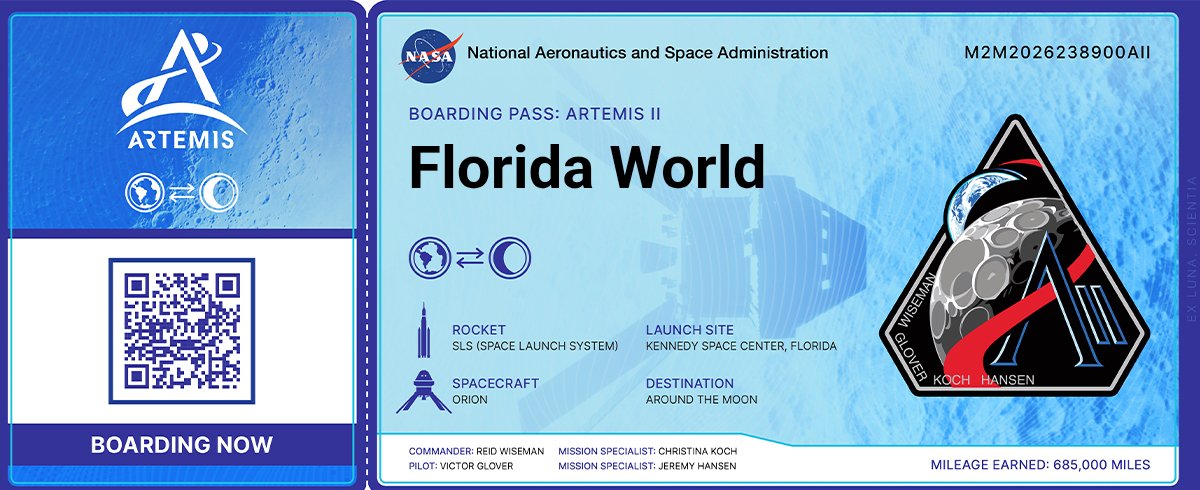
Are you coming along with us? 🚀🌕 Sign up to send your name around the Moon with Artemis II! Get your boarding pass: go.nasa.gov/artemisnames
NASA Ames tweet media
English
138
520
2.7K
68.6K
NASA Ames
NASA Ames@NASAAmes·
Good questions! Yes, this simulation solves the compressible Navier-Stokes equations, which includes the conservation of energy from which temperature can be derived. The standoff distance of the bow shock is dictated primarily by the incident Mach number. So yes, if the same parachute were deployed at a lower Mach number, we would expect the bow shock to stand further upstream.
English
0
0
0
23
Joshua Morgan
Joshua Morgan@snowoverrain·
@NASAAmes Ooooooh, does this simulation predict temperatures. The bow shock is quite something. Could the design of the parachute be changed to move the bow shock forward? Could the parachute be removed completely?
English
1
0
2
308
NASA Ames
NASA Ames@NASAAmes·
Preparing for future missions to the Red Planet's surface. The LAVA team at NASA Ames is developing a simulation tool that accurately models how a parachute inflates when deployed behind a payload moving at supersonic speed. Researchers tested and improved their approach by simulating an actual supersonic parachute flight test, the one you see here, and compared results with real-world data. This effort is helping engineers better study how these parachutes will perform on future missions to Mars and beyond. go.nasa.gov/3P6FuQI
English
34
361
2.5K
131.2K
NASA Ames أُعيد تغريده
NASA Aeronautics
NASA Aeronautics@NASAaero·
We're preparing for X-59's second flight ✈️ a step that will set the pace for more flight testing in 2026. Over the coming months, we'll take the quiet supersonic jet faster and higher while validating safety and performance, a process known as envelope expansion. More: go.nasa.gov/4dqC70O
NASA Aeronautics tweet media
English
15
131
813
28.6K
NASA Ames
NASA Ames@NASAAmes·
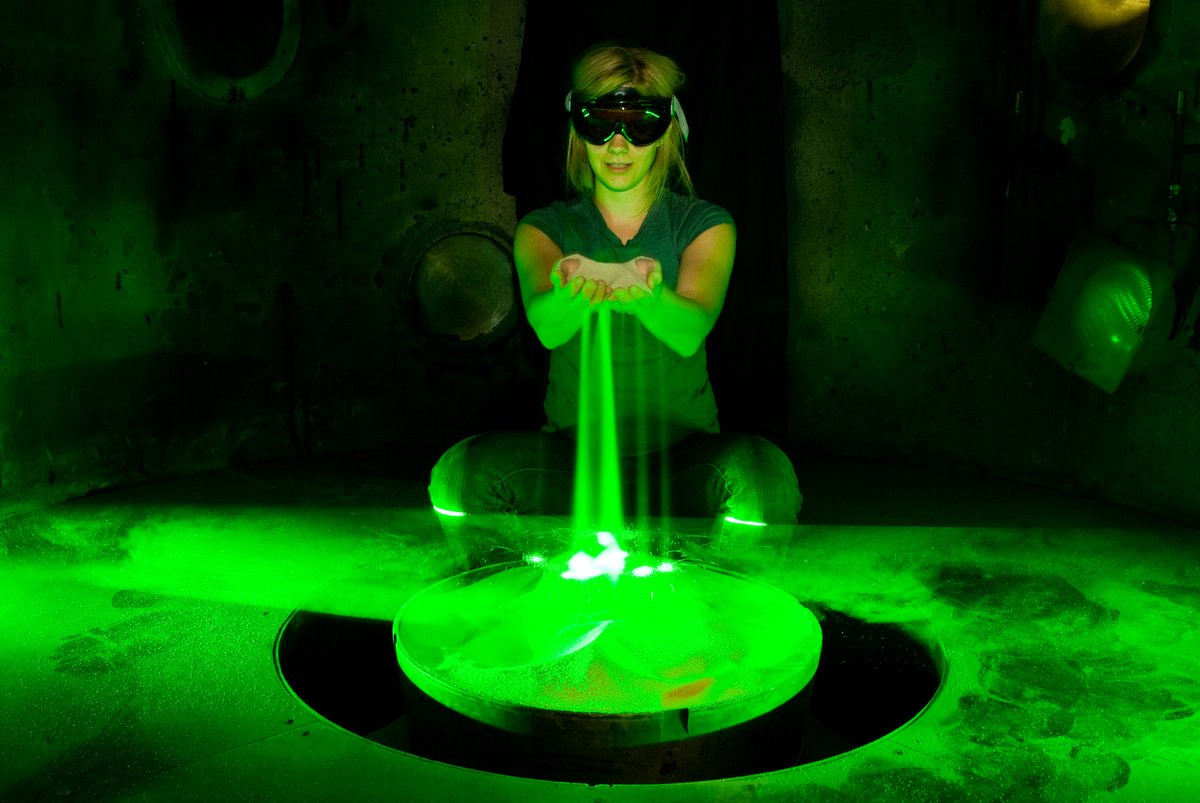
Impact captured💥 #DYK our Ames Vertical Gun Range simulates high-speed celestial impacts on a small scale. In the test chamber, researchers have used lasers to illuminate sand grains, as a high-speed camera captured images of the ejecta from impact experiments. By tracking how those particles moved between frames, they were able to map the speed and direction of the flow. This research helps scientists better understand how craters form on planetary bodies. Learn more about this state-of-the- art-facility: go.nasa.gov/4luJaHO
NASA Ames tweet media
English
3
36
113
4.8K
NASA Ames أُعيد تغريده
NASA Aeronautics
NASA Aeronautics@NASAaero·
We’ve got a date for X-59’s second flight: 03/19! ✈️ This flight will kick off a series of flights known as envelope expansion, during which NASA will gradually take the X-59 faster & higher. 📢@NASA Invites Media to Learn About Upcoming Test Flights: go.nasa.gov/4754gqn
NASA Aeronautics tweet media
English
8
81
407
25.9K
NASA Ames أُعيد تغريده
NASA Solar System
NASA Solar System@NASASolarSystem·
The Artemis II crew will fly through a dangerous environment, but they’re not going it alone. Here’s how NASA and the National Oceanic and Atmospheric Administration (NOAA) are protecting explorers from the most powerful eruptions in the solar system. 🛡️ More: go.nasa.gov/4rvmclj
English
98
433
1.8K
87.5K
NASA Ames
NASA Ames@NASAAmes·
Video description: This video shows density on a cut plane, the payload, and the parachute surface, where blue corresponds to low density, green is ambient, and red is high. Notice the sharp transition from green to yellow and red, highlighting the shock wave that forms ahead of the parachute as it pressurizes and inflates, as well as the deep blue vortices evolving downstream of the parachute highlighting its turbulent wake. Because the air is rushing toward them at constant speed from the bottom left in the simulation frame of reference, the parachute and payload move upward and to the right (downstream) as they decelerate.
English
2
8
61
4.1K
NASA Ames
NASA Ames@NASAAmes·
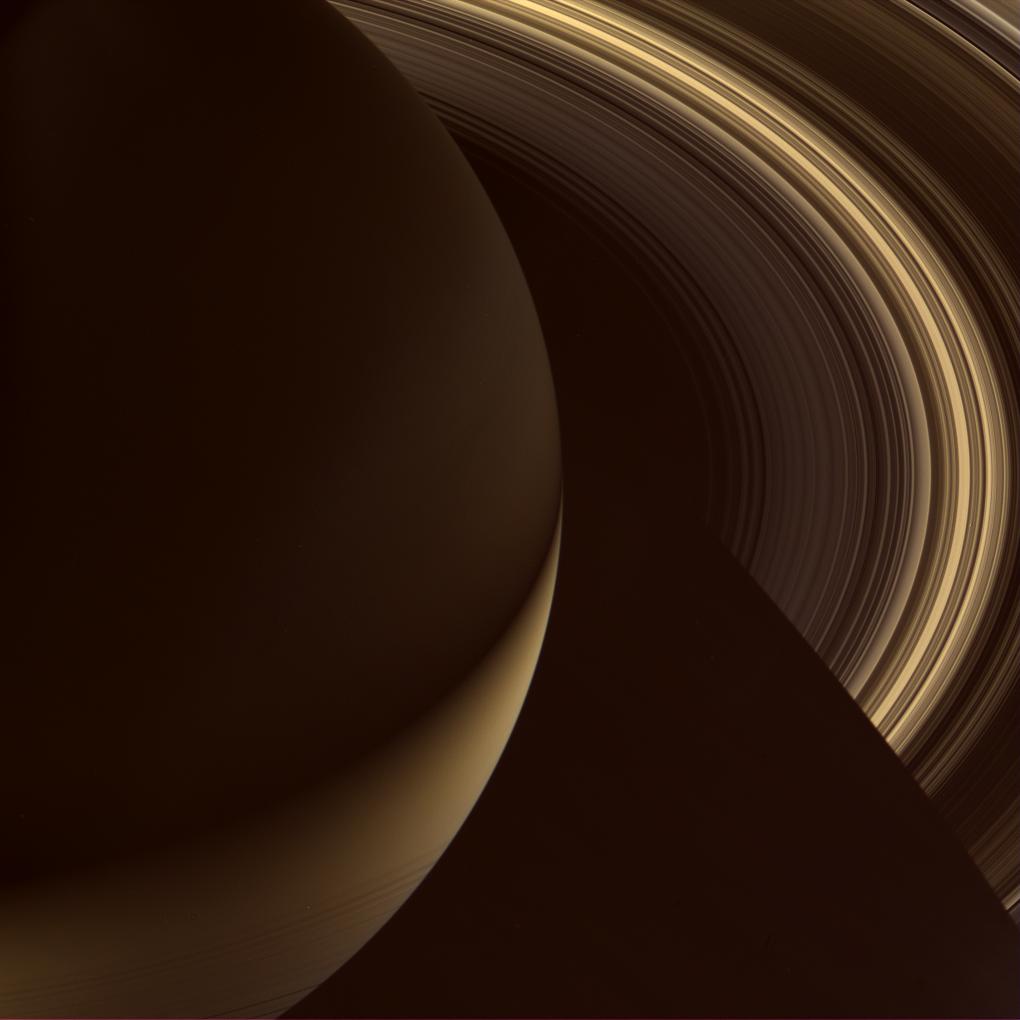
Saturn has a nice ring to it 🪐 Golden light shines across the planet’s ring system in this close-up captured by our Cassini spacecraft nearly two decades ago. The color of the rings appears more golden due to increased scattering of light and the high phase angle.
NASA Ames tweet media
English
14
139
615
11.1K
NASA Ames
NASA Ames@NASAAmes·
For the first time, astronomers captured a clear image of a young 'Sun' blowing bubbles in the galaxy using NASA's Chandra X-ray Observatory. This discovery reveals clues to how our Sun behaved in its earliest stages. Learn more: go.nasa.gov/3PsHDpK
NASA Ames tweet media
English
13
98
386
10.1K