

pikachu
1.6K posts


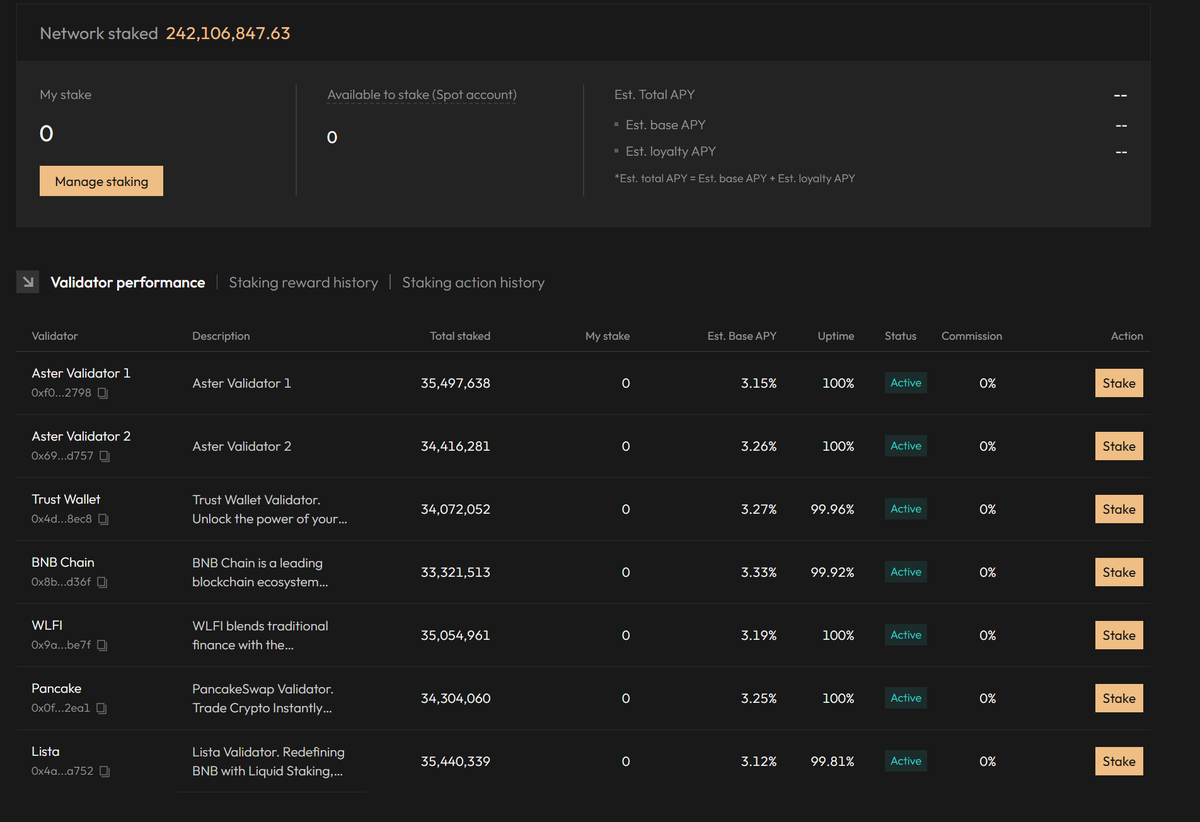
over 240m $aster staked now
Alchemisτ 🥷@alchemistaster
looks like almost 10% of $aster circ supply in now staked (for min 6 months)
English

412 PIECE TOOL SET JUST $30
Use code on Amazon: P25PTD53
amzlink.to/az03kTvy451au
English
pikachu أُعيد تغريده

This is a big one. Trade with privacy. Aster Chain.
Aster 🥷@Aster_DEX
As the lotus lives in water, where no trace will remain. Leave nothing behind. Trade on Aster Chain.
English
pikachu أُعيد تغريده

pikachu أُعيد تغريده
pikachu أُعيد تغريده

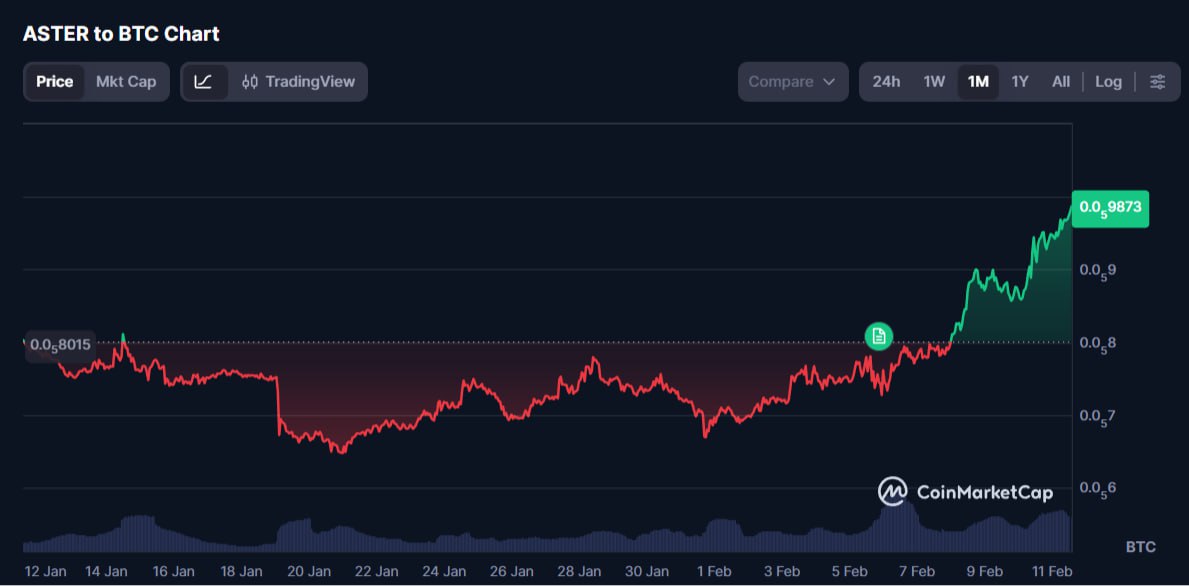
$ASTER is gaining on $BTC while most coins struggle.
Steady chart. Weak hands gone.
Last time it decoupled, it ran to ~$1.40.
Layer-1 is the next catalyst: more usage, bigger moves, same conviction.
Strong community = Strong token.
If you’re in $ASTER, lean in & Keep BUILDing.
English
pikachu أُعيد تغريده

Most people don’t think for themselves.
They watch minute-by-minute price moves or follow their favorite KOL shilling the next insider token on repeat.
Say what you want about @cz_binance, at least $Aster is actually building a revenue-generating protocol with privacy features, making it a true privacy coin.
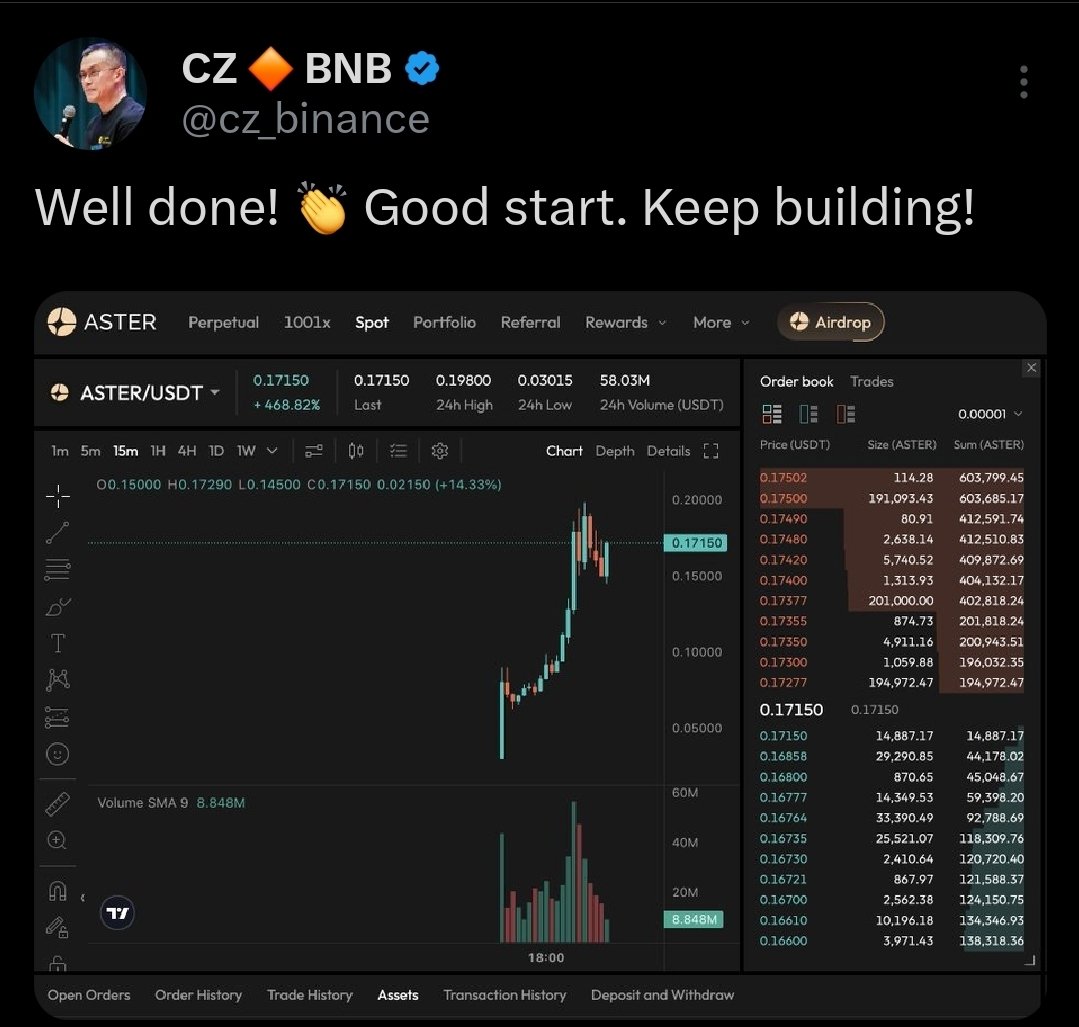
Remember, he posted $Aster at 0.17.
If you’ve been here long enough, you’ll understand charts don’t mean a thing.
Patience is what counts in a token like $Aster.
$Aster is here to stay and built for #1.
It’s really that simple.
English
A new physically backed BNB exchange-traded product launched on Nasdaq Stockholm, adding to existing investment options.
BNB token gains amid prediction market interest, new ETP (Virtune, Grayscale, VanEck) coindesk.com/markets/2026/0…
English
pikachu أُعيد تغريده

Every time someone posts something positive about Binance or CZ the comments are always
How much did they pay you?
@cz_binance @heyibinance
Let’s be clear
There are coordinated attacks against Binance
There are funded narratives and paid campaigns
That’s real
Because it benefits other exchanges
Because Binance is the biggest
Competition is real
You don’t see this level of attacks on other exchanges
But not everyone who supports Binance is paid
Not every positive voice is funded
Not every supporter is bought
I’ve supported Binance Academy initiatives including education partnerships with major universities
I’m not a KOL with Binance
No payments no deals no contracts
Not a single dollar
I tweet about every Binance product
Every update
Every launch
Every new release
I support them at events and conferences freely
I don’t even have contact with the KOL team
No manager no coordinator no channel no communication
I travel to Binance events
I attend their conferences
I pay for everything myself
I never asked for money
They know that
People support what they believe in
Same way fans support football clubs
Same way people support athletes
Same way people follow public figures
Fans aren’t paid
Supporters aren’t funded
Communities aren’t bought
I share their ecosystem content by choice not obligation
Because support isn’t always financial
Sometimes it’s belief
Sometimes it’s respect
Sometimes it’s admiration
I admire CZ
He’s one of the most influential leaders in this industry
They built the largest exchange in the world
And one of the strongest communities in crypto
Support doesn’t mean paid
Respect doesn’t mean funded
Belief doesn’t mean money
Not everything is for sale

English
pikachu أُعيد تغريده

Whether you like it or not,
Whether you accept it or not,
But CZ did a lot for our industry.
He is not perfect, and this is acceptable because no one is.
People are fudding behind anonymous accounts for engagement farming.
Be out and speak like a man, or STFU.
Period
CZ 🔶 BNB@cz_binance
I doxed this guy. @Eljaboom
English
pikachu أُعيد تغريده

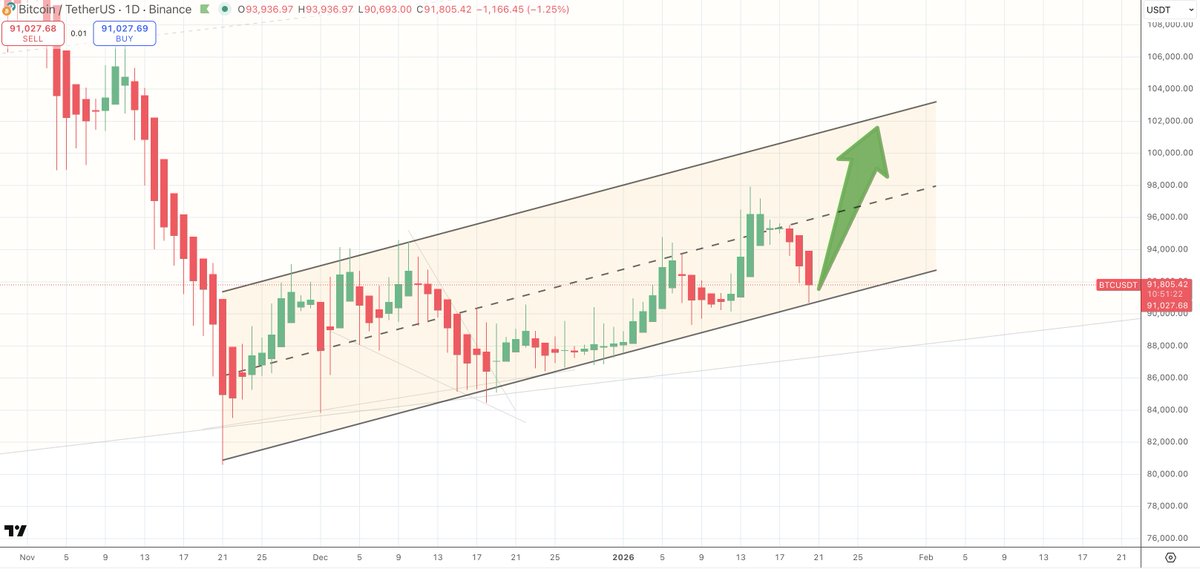
$BTC/usdt DAILY
Price action is always a work in progress and for HTF pa these past 2 months, Bitcoin is filling out this smooth ascending channel 🎯
English
pikachu أُعيد تغريده

i know this is a really dense topic, so here's the summary:
1. quantum computing will arrive faster than 99.999% of people believe
2. @Sei_Labs will be ready when it does
Jay@jayendra_jog
The timeline for a quantum computer capable of breaking blockchain encryption is accelerating. A few years ago it seemed we wouldn't see such a computer in our lifetimes. 2025 showed that one could exist within a decade. With AI, the timeline accelerated faster than expected. There's a world where quantum computing follows the same trajectory, and blockchains are forced to respond to this existential threat. This is an extremely unlikely scenario, but one that would have existential consequences for the blockchain industry. For @Sei_Labs, the logical path forward is to make sure that we have a practical, actionable solution for making @SeiNetwork post-quantum, well before a cryptographically relevant quantum computer can exist. Right now the priority of every blockchain is scaling: increasing transaction throughput and reducing latency, without compromising security or decentralization. The next-generation of blockchains need to feel like the internet. That is the purpose of forthcoming Sei Giga upgrade, which will scale the chain to 5 gigagas/s throughput and 400ms latency. Taking today's iteration of Sei Network post-quantum would be relatively straightforward: upgrading the network's signature schemes. On the current network, user signatures are currently ECDSA, and validator signatures are currently Ed25519. @NISTcyber has finalized two post-quantum signature schemes: ML-DSA (module lattice, derived from CRYSTALS-Dilithium) and SLH-DSA (stateless hash-based, derived from SPHINCS+). Simply upgrading to these would make Sei Network post-quantum with relatively low-lift. But our plans to scale the chain complicate this massively. The current chain requires roughly 1,100 bytes/sec in bandwidth. Based on initial estimates, with the current signature scheme Sei Giga will require 13 megabytes/sec. The credible post-quantum signature schemes are huge in comparison. With these signature schemes, Giga's bandwidth requirement would increase to, at minimum, 1.57 gigabytes/second. Possible alternatives to NIST would be isogenies such as SQISign and smaller lattice schemes like Falcon. Assuming SQISign is secure (there are reasons it might not be), it takes 50ms per signature to verify. As @muursb puts it in the blog: “At 200k TPS that’s 10,000 core seconds of work per second for just verification. On a 192 core AWS Hpc7a that’s 52 seconds of signature verification every second, assuming you do nothing else. This feels at least somewhat problematic.” The takeaway from this is that right now there is no perfect solution. It's possible to make blockchains quantum secure with today's technology, but it makes scaling much harder. This will be largely true of all blockchains, not just Sei Network. The advent of quantum computing will have massive effects on the blockchain sector, potentially disrupting many of the competitive dynamics that define the winners and losers between today's chains. For such a threat, there's no such thing as being too prepared. Only too complacent.
English
pikachu أُعيد تغريده

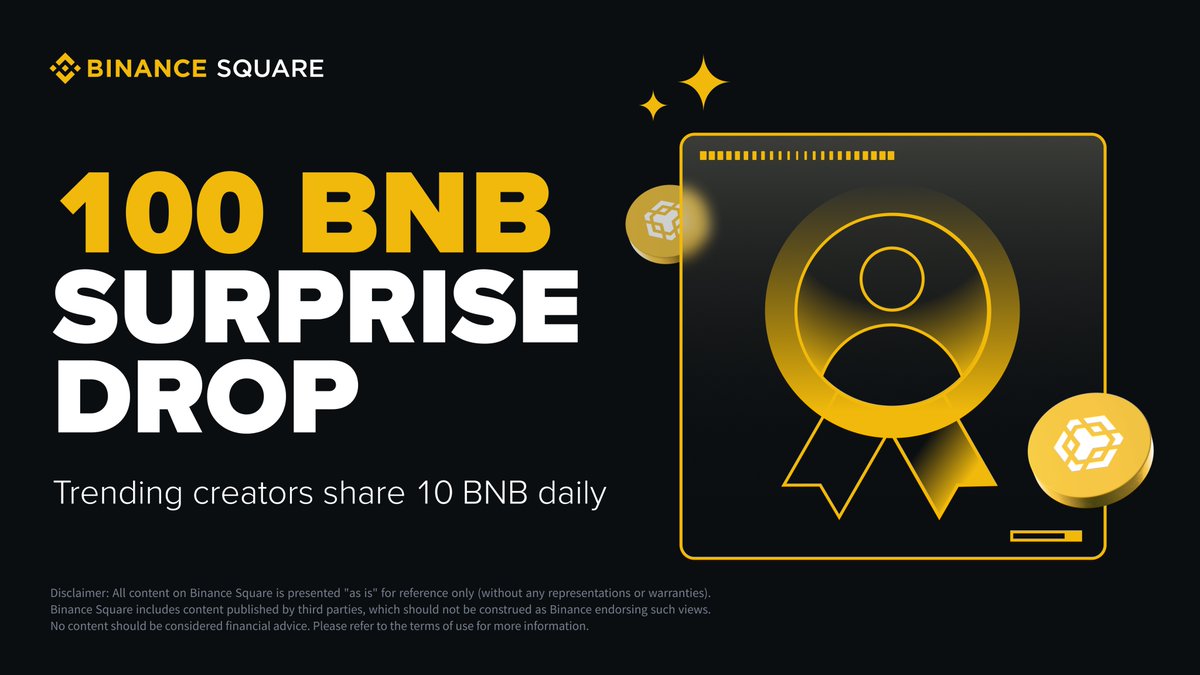
🔥 Want a slice of 100 BNB?
Binance Square Creator Rewards: 100 BNB over 10 days, each day 10 BNB is equally split among 10 creators, ranked by engagement and conversions.
Get started 👉 binance.com/en/square/post…
English
pikachu أُعيد تغريده


pikachu أُعيد تغريده

pikachu أُعيد تغريده

🟢 The $ASTER testnet is still on fire. There are fewer and fewer bugs, and the team continues to work tirelessly.

English
pikachu أُعيد تغريده
pikachu أُعيد تغريده

$ASTER
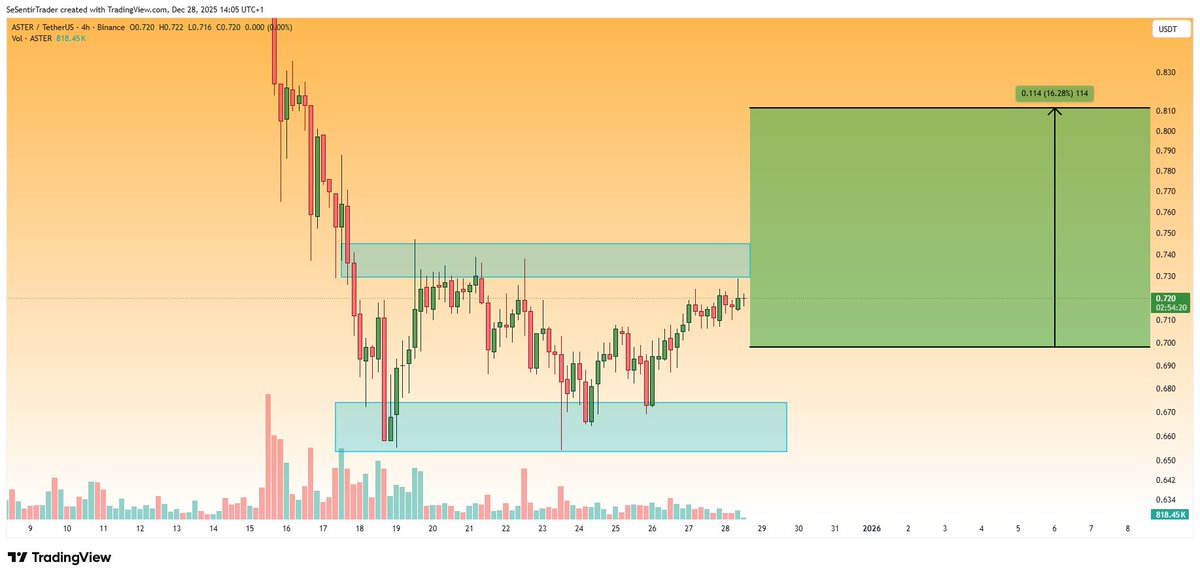
My general view on altcoins is that they have bottomed out - flat line - and could at least get a relief rally
The same goes for $ASTER
Sharp dump, the crowd is scared.
A pullback to 0.8$ is more likely than a new low as shorts get closed during the consolidation.
English
pikachu أُعيد تغريده

