Star Walk

19.9K posts

Star Walk banner
Star Walk

Star Walk

@StarWalk

This is the official Twitter presence for Vito Technology, Inc. that developed the night sky app Star Walk! #GoStargazing with #StarWalk #AstronomyApp

Alexandria, VA انضم Ocak 2009
449 يتبع39.3K المتابعون
Star Walk
Star Walk@StarWalk·
🌕 We're going back to the Moon. It's not just a mission. It's a new chapter for all of us. 🚀 New rockets. New astronauts. New science. And this time — we're not just visiting. We're preparing to stay, to build, to live. The Moon is just the beginning. 🏁 But before we write the next chapter... Let's scroll back to the first one. 🎞️ When everything was new. When the whole world was watching. Dust flying, rovers drifting, humans driving on another world for the very first time. 👨‍🚀🌙 No GPS. No backup. Just guts, engineering, and the need for speed. On the Moon. 🔥 Moon landing incoming. Flashback to the original Moon races. 🏁🔊 Who's ready for the next ride? 🚀👀 #Apollo16 #NASA #MoonLanding #Astronomy #StarWalk
English
1
2
24
873
Star Walk
Star Walk@StarWalk·
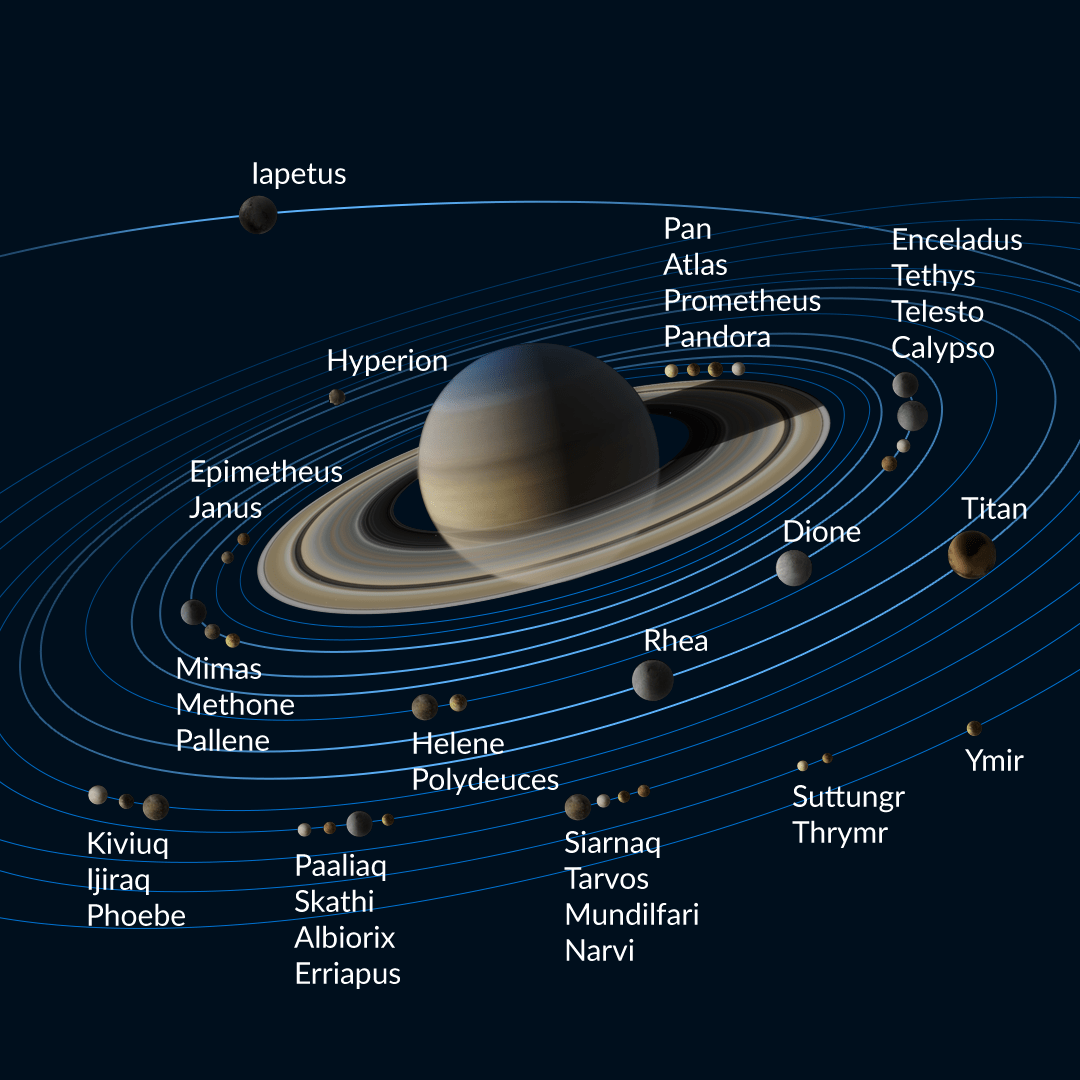
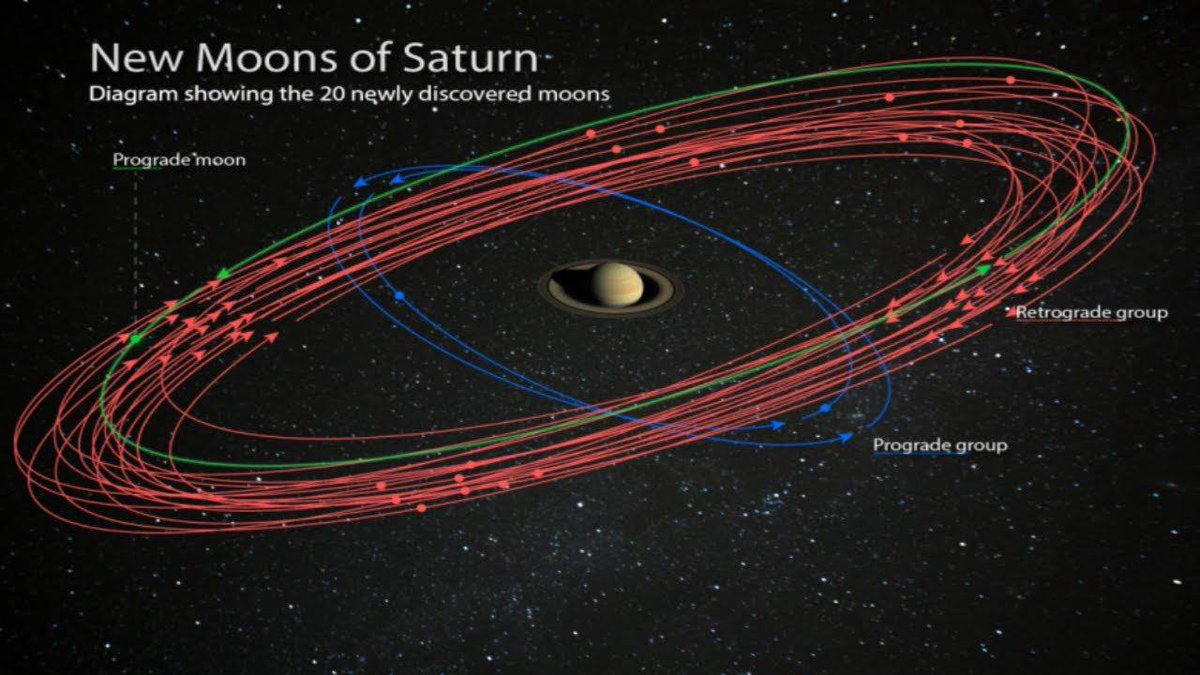
11 new moons for Saturn! 🪐✨ The “Lord of the Rings” now has 285 confirmed moons, after 11 more Saturnian moons were added to the list in March 2026. Most of these tiny newcomers are only about 5 km wide, and many move in retrograde orbits — opposite to Saturn’s rotation. Recent reports say 17 of the newly announced moons are retrograde, while 3 are prograde. The earlier 2025 batch alone added 128 moons, pushing Saturn far ahead of every other planet in moon count. NASA’s Saturn page still reflects the previous official total of 274, so you may still see that number in some places. Swipe through: ✨ Image 1: the orbits of Saturn’s newly found moons ✨ Image 2: some of Saturn’s named moons ✨ As of March 2026, many of Saturn’s irregular moons still remain unnamed Image 1 credit: Carnegie Institution for Science; Saturn image courtesy of NASA/JPL-Caltech/Space Science Institute; starry background courtesy of Paolo Sartorio/Shutterstock Image 2 credit: Star Walk #Saturn #SpaceNews #SolarSystem #Astronomy #StarWalk
Star Walk tweet mediaStar Walk tweet media
English
10
76
290
8.2K
Star Walk
Star Walk@StarWalk·
These are infrared images of Saturn's moon Titan, captured by NASA's Cassini spacecraft.
English
0
1
2
556
Star Walk
Star Walk@StarWalk·
Which planet do you think this moon belongs to? 👀🪐 Drop your guess in the comments! And if you know this moon’s name too… write that as well 😏✨ Credit: NASA/JPL-Caltech/Stéphane Le Mouélic, University Of Nantes, Virginia Pasek, University Of Arizona #astronomy #space #solarsystem #moon #starwalk
Star Walk tweet media
English
4
5
46
1.8K
Star Walk
Star Walk@StarWalk·
Did you know? 🌌✨ 🔄 About a hundred years ago, astronomers discovered that the Milky Way’s stars rotate around its centre. 🌀 Since the 1950s, we've known that the Milky Way's disc is warped. 😵‍💫 In 2020 the Gaia Space Telescope showed that this distorted disc wobbles like a spinning top. 🌊 And recently scientists have uncovered an enormous wave moving through the galaxy, influencing stars across tens of thousands of light-years and extending through much of the Milky Way’s outer disc! Scientists do not know the origin of the great wave. A past collision with a dwarf galaxy could be a possible explanation. 💬 What does the warped Milky Way remind you of? Credit: Gabriel Pérez Díaz, SMM (IAC) #MilkyWay #Galaxy #SpaceFacts #Astronomy #Universe #Cosmos #SpaceLovers #Astrophysics #StarWalk
English
1
22
53
1.8K
Star Walk
Star Walk@StarWalk·
Astronaut Tom Marshburn once went viral for a funny moment after returning to Earth: during an interview, he dropped a cup and then a pen as if expecting them to float in microgravity… but both instantly fell. 😄🌍 What many people don’t know is that the video was actually staged — it was filmed by students at NASA Johnson Space Center as part of the satirical series This is JSC. Still, the joke is rooted in something real. After spending months on the ISS, astronauts need a couple of days to readjust to Earth’s gravity. In microgravity, tools can be gently pushed across the station, and drinks can float beside you between sips. No wonder gravity feels a little rude at first. 🚀
English
0
6
22
2K
Star Walk
Star Walk@StarWalk·
The Moon actually had a comet-like tail all this time 🤯🌝 Sodium atoms are constantly knocked off the lunar surface by meteoroid impacts, the solar wind, and sunlight, and sunlight pushes them into a long comet-like tail. But from Earth, this tail becomes observable only around the New Moon, when Earth passes through it and its gravity focuses the atoms into a denser spot. Even then, it’s far too faint to see with the naked eye — about 50 times fainter than the human eye can detect. Scientists can capture it only with sensitive cameras and special filters tuned to sodium’s orange glow. Even cooler: the brightness of this spot seems to be linked to meteor activity ☄️ So yes — the Moon always has a tail. We can just detect it from Earth only around New Moon. #Moon #Astronomy #Space #DidYouKnow #StarWalk Image credit: James O'Donoghue
English
3
12
51
1.7K
Star Walk
Star Walk@StarWalk·
Your phone doesn’t just “know” where you are — it talks to space 🛰️📍 Satellite navigation works thanks to GNSS: global systems of satellites that help us find our position on Earth, whether we’re driving, flying, sailing, or just trying to find a coffee shop. There are four main GNSS systems: ✨ GPS — United States ✨ GLONASS — Russia ✨ BeiDou — China ✨ Galileo — European Union Most modern devices can use signals from several of these systems at once, which makes navigation faster and more accurate. And if that’s not enough, there are also extra systems that boost precision even more, like WAAS, EGNOS, and MSAS. So the next time maps guide you perfectly, remember: it’s a whole network of satellites working above your head 🌍🛰️ #SatelliteNavigation #Space #GPS #DidYouKnow #StarWalk
English
4
15
59
1.7K
Star Walk
Star Walk@StarWalk·
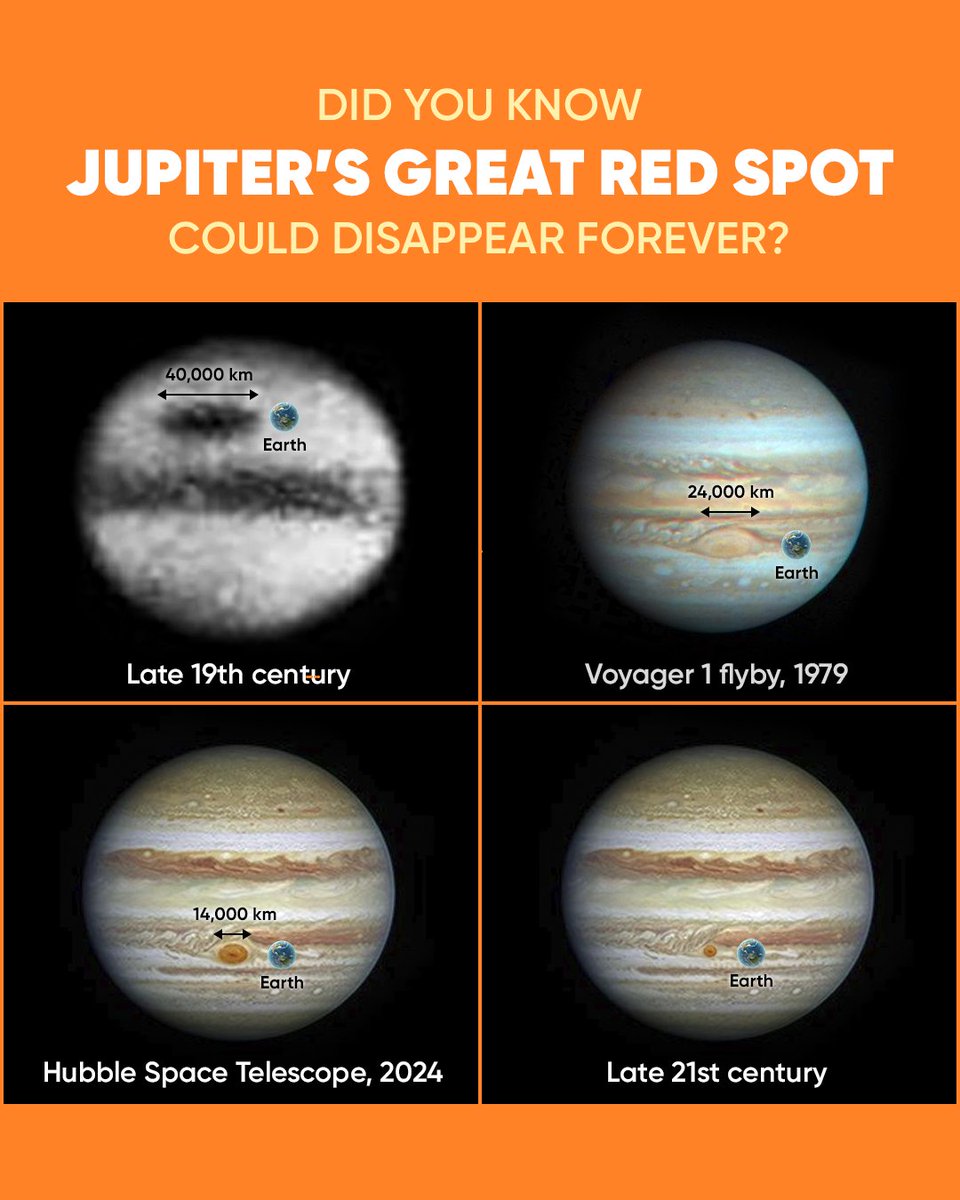
🌀 Jupiter's Great Red Spot is vanishing... and we're watching it happen. Did you know that the most famous storm in the solar system is shrinking right before our eyes? 👁️ 📏 Then vs. Now: • Late 19th century: It was a true monster, measuring over 40,000 km across—wide enough to swallow three Earths! 🌍🌍🌍 • 1979 (Voyager flyby): The spot had shrunk to about 24,000 km. 🌍🌍 • Today (2026): It is only ~14,000 km in diameter, just slightly larger than our planet. 🌍 🔮 What’s next? According to NASA and recent observations, this "vortex" is becoming more circular and spinning faster. If it keeps shrinking at this pace, the Great Red Spot could disappear entirely within the next 20 years! 😲 Some scientists believe this isn't the original spot from the 1600s. It might just be a cycle of death and rebirth for Jovian storms. 🔄 What do you think—will our grandchildren grow up in a world without the Great Red Spot? 🤔👇 #Jupiter #GreatRedSpot #Space #Astronomy #StarWalk
Star Walk tweet media
English
3
16
59
2.1K
Star Walk
Star Walk@StarWalk·
Jupiter ends its retrograde motion on March 11! 🌟 After months of apparent backward motion, the giant planet resumes its usual eastward path against the background stars. You won’t notice the shift overnight, but it’s a great excuse to start watching the giant planet – one of the brightest dots in the night sky, easy to spot even from the city. Learn more about Jupiter and how to observe it: ✨starwalk.space/news/jupiter-e…
English
1
37
84
4.3K
Star Walk
Star Walk@StarWalk·
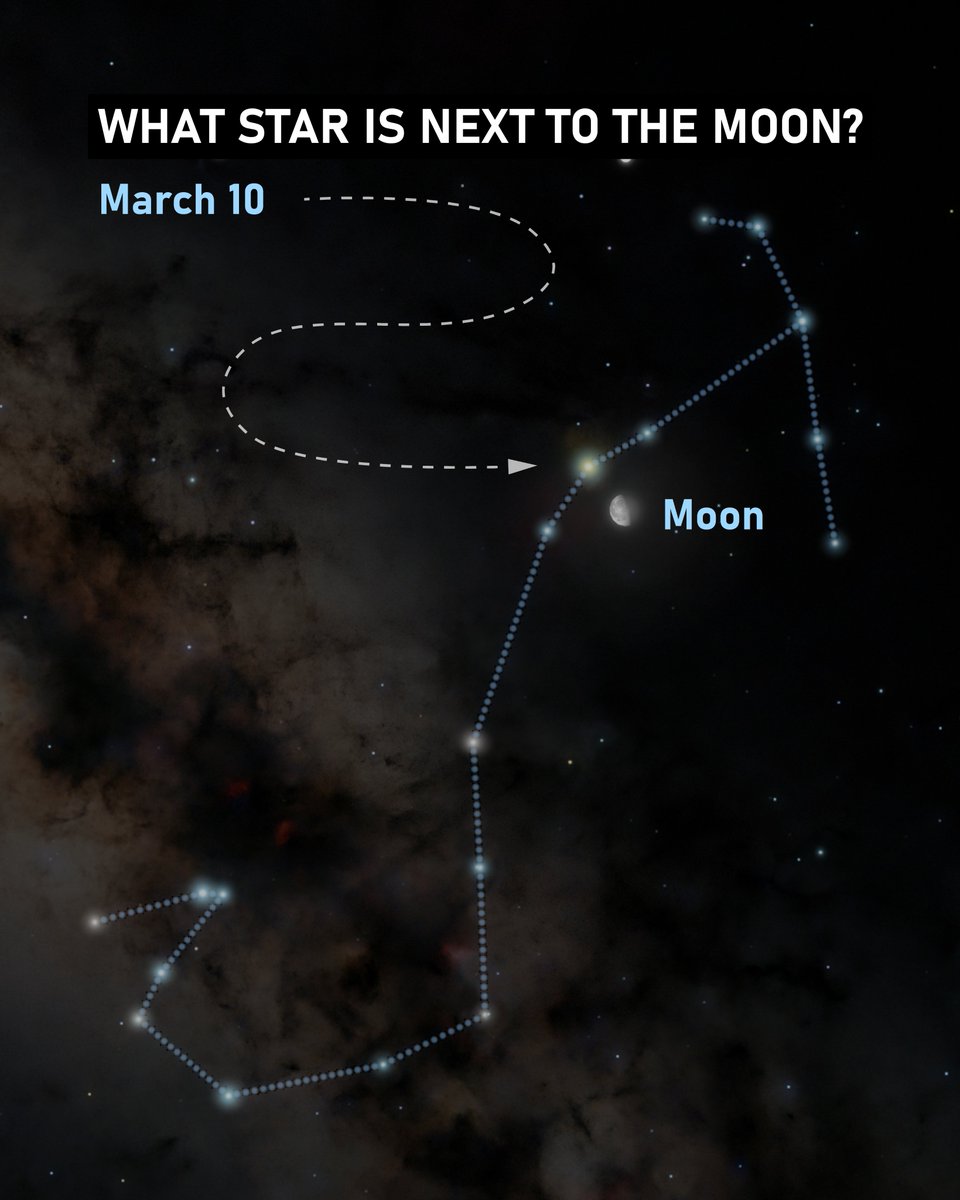
🌙 The Moon is passing through Scorpius tonight A bright star appears right next to it on the sky map. Do you know its name? ⭐ Hint: This star is often called the “Heart of the Scorpion.” Drop your guess below
Star Walk tweet media
English
6
26
76
2.2K
Star Walk
Star Walk@StarWalk·
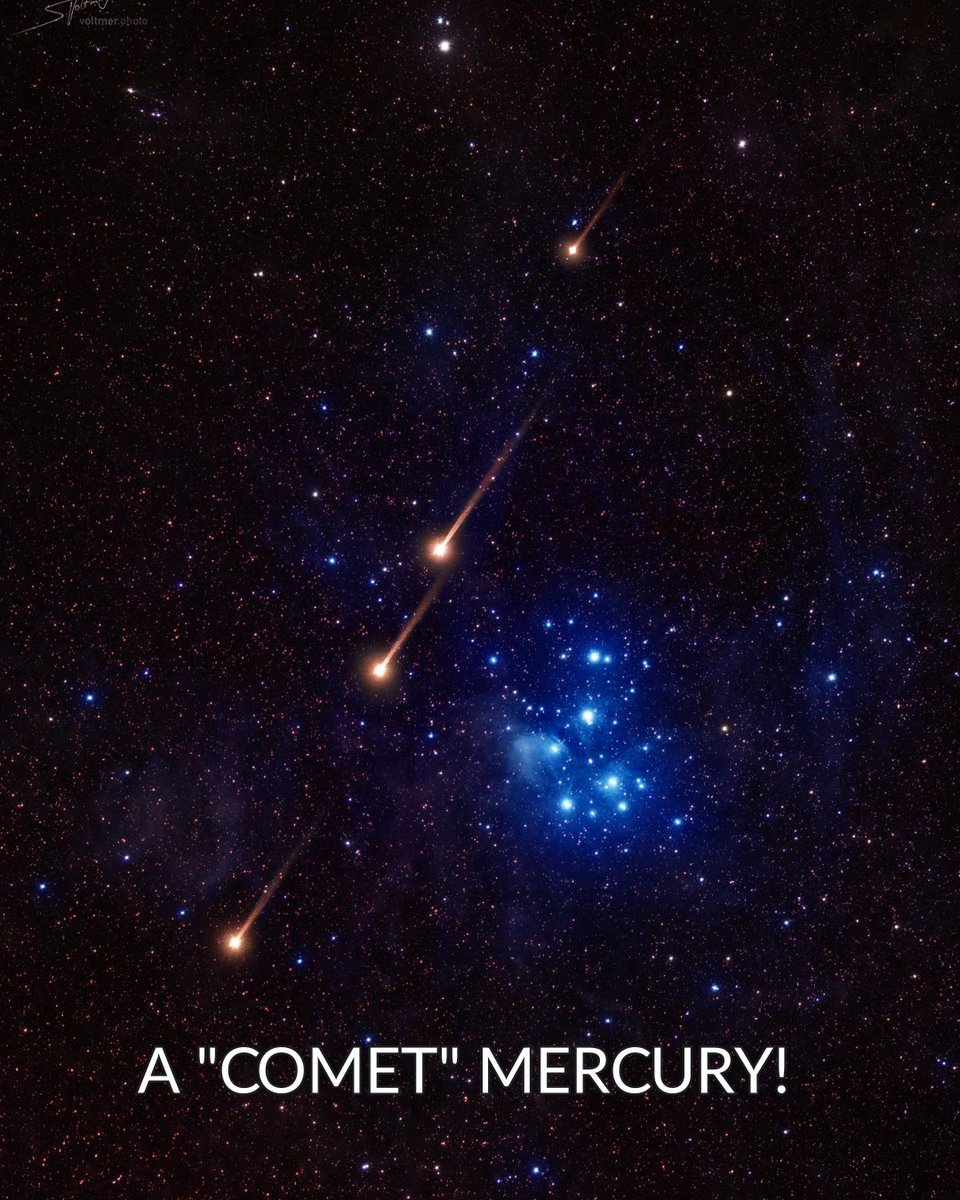
A comet? Not this time — it’s Mercury ☄️✨ Mercury has a tail made of sodium atoms knocked off its surface by sunlight and the solar wind. Those atoms glow faintly and stream away from the Sun, forming a tail that can stretch up to 24 million km (14.9 million miles) 👀 What other wild facts about Mercury do you know? Image Credit: @SeVoSpace
Star Walk tweet media
English
0
11
55
1.7K
Star Walk
Star Walk@StarWalk·
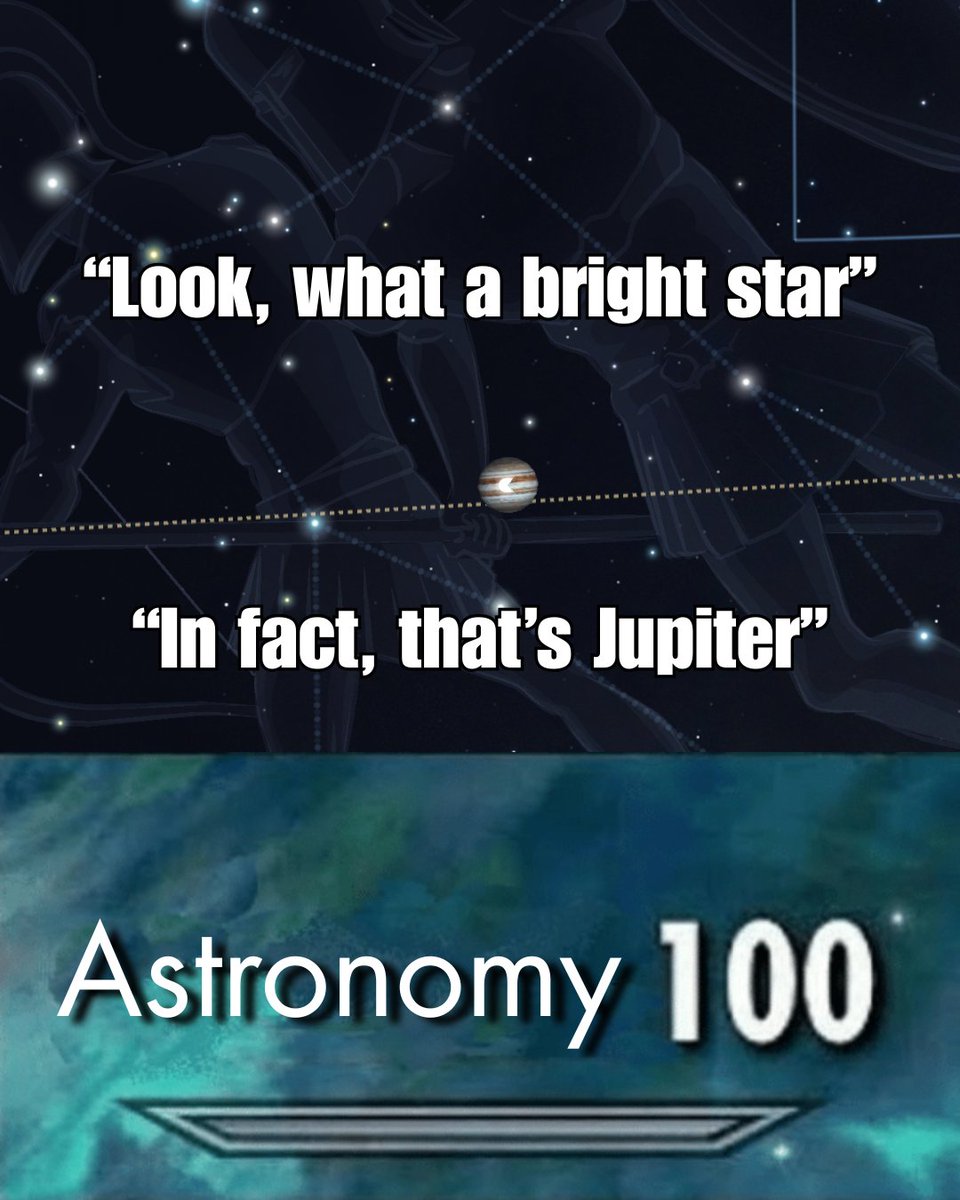
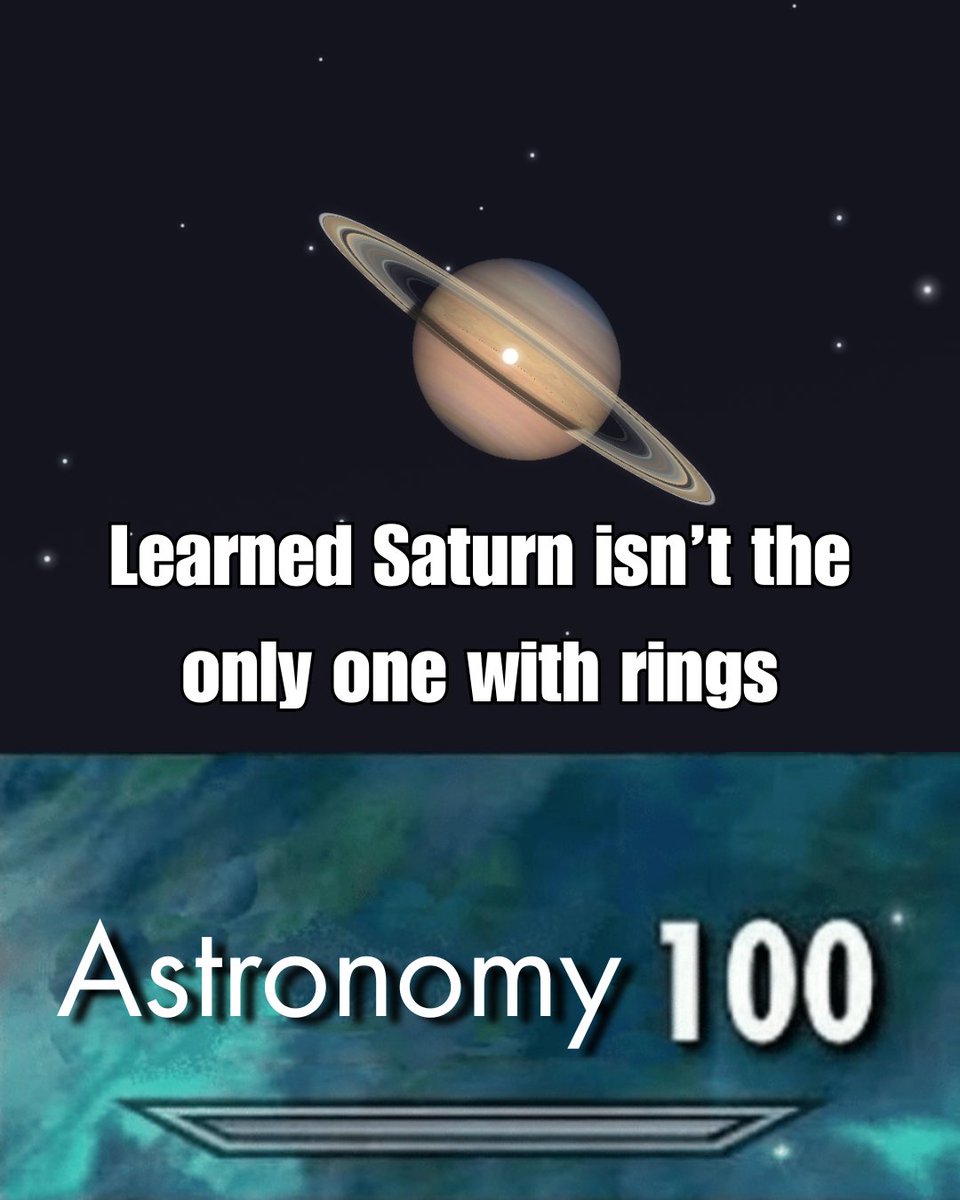
The best part of astronomy is that even the smallest discovery can feel huge ✨🔭 So now it’s your turn: what’s the coolest astronomy fact you know — the one that completely blew your mind and made you feel like you maxed out your astronomy skill? 🌌 And tag a friend who also unlocked Astronomy 100 ⭐
Star Walk tweet mediaStar Walk tweet mediaStar Walk tweet mediaStar Walk tweet media
English
2
3
21
1K
Star Walk
Star Walk@StarWalk·
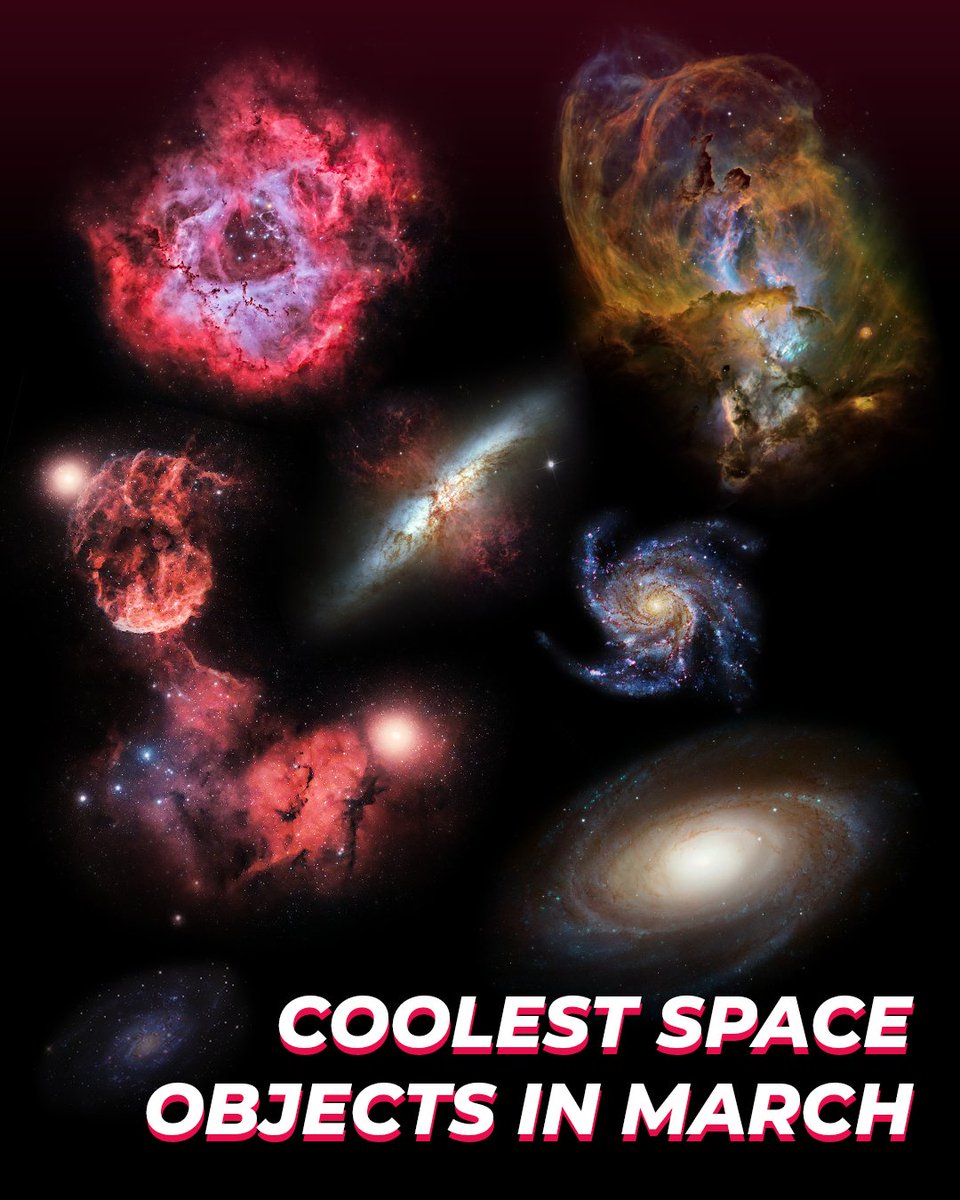
March nights are perfect for going beyond the Moon and planets. 🔭 It’s the start of galaxy season, and there are great nebulae and clusters to chase, too. Begin with the Beehive Cluster, Bode’s Galaxy, and Owl Nebula, then read more: 🌌 starwalk.space/news/deep-sky-…
Star Walk tweet media
English
1
8
37
1K
Star Walk أُعيد تغريده
Andrew McCarthy
Andrew McCarthy@AJamesMcCarthy·
The galaxy visible in my eclipse shot is NGC 3423. This was possible to capture due to the reduced light out off by the eclipsed moon, as well as 4 hours of exposure on *just* the galaxy, with the moon far enough out of frame to not cause reflections on the inside of my scope.
Andrew McCarthy tweet media
English
133
450
3.9K
67.3K
Star Walk
Star Walk@StarWalk·
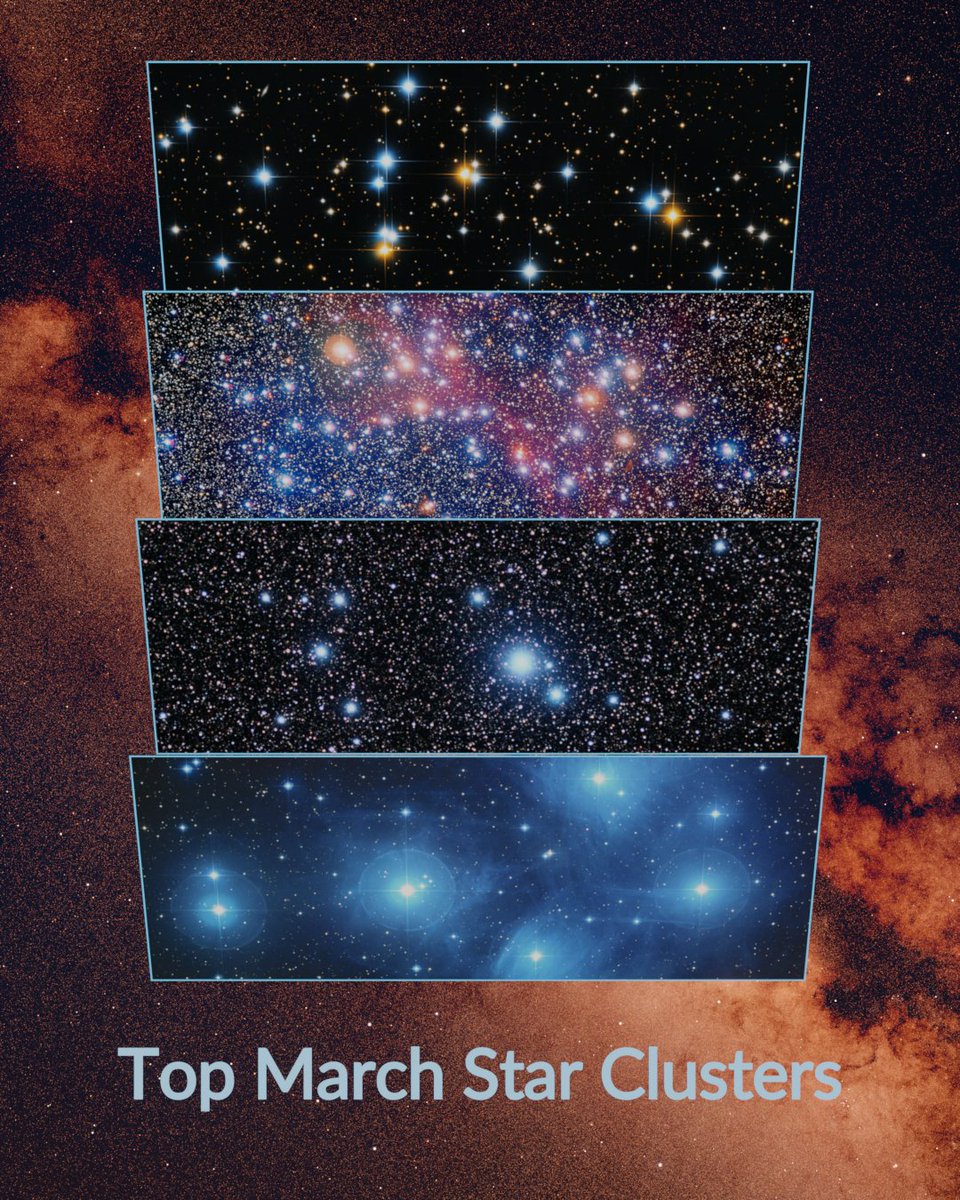
Don't miss bright star clusters in March! ✨ The Beehive Cluster (M44), the Wishing Well (NGC 3532), the Southern Pleiades (IC 2602), and the Pleiades (M45) can be seen even with the naked eye, and binoculars make them look gorgeous. 🌌 Read more about the top 4 March star clusters: ✨ starwalk.space/news/star-clus…
Star Walk tweet media
English
2
10
33
1.2K
Star Walk
Star Walk@StarWalk·
Same here 🤪✨ What’s your favorite space-related topic — planets, black holes, eclipses, aliens, rockets… or something else?
English
1
3
23
940
Star Walk
Star Walk@StarWalk·
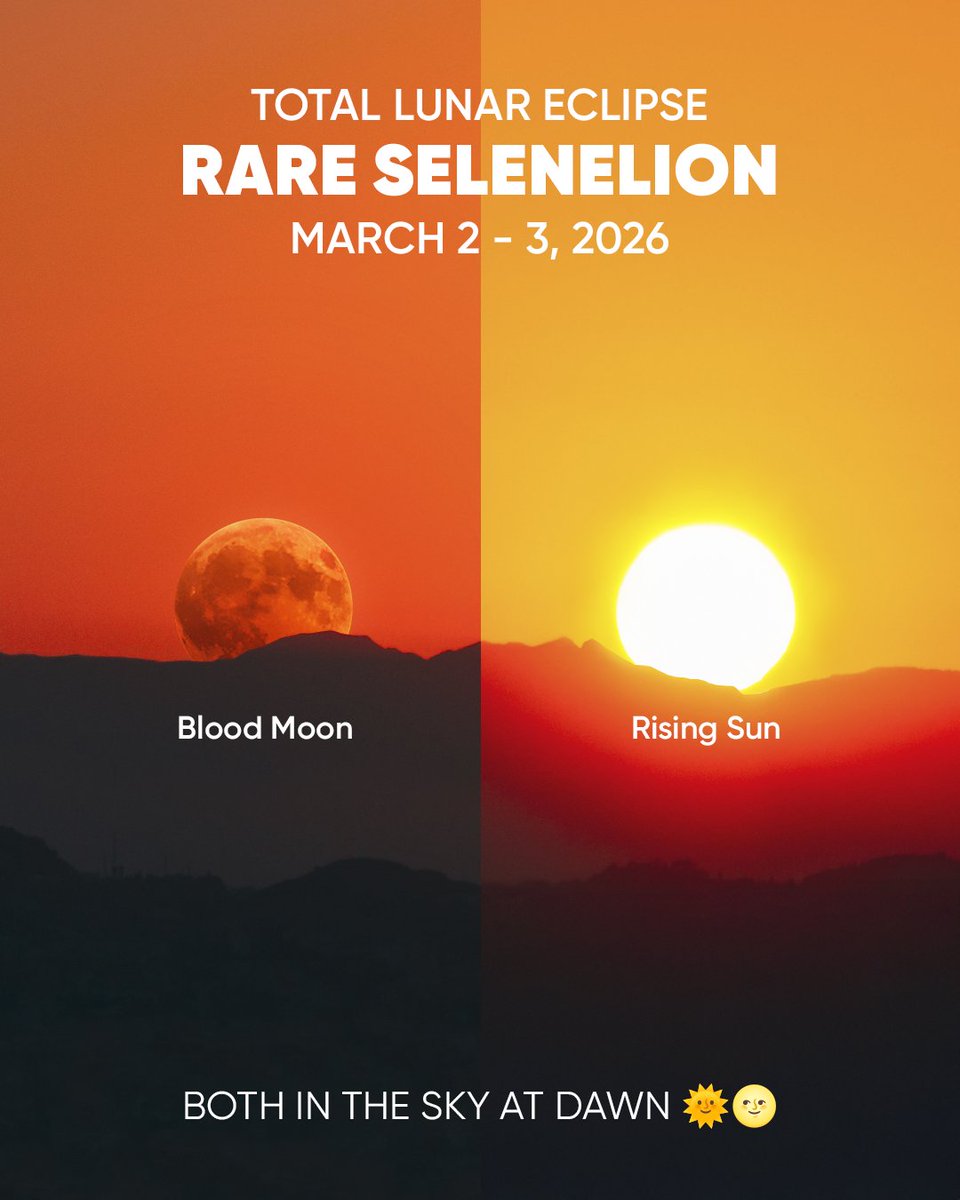
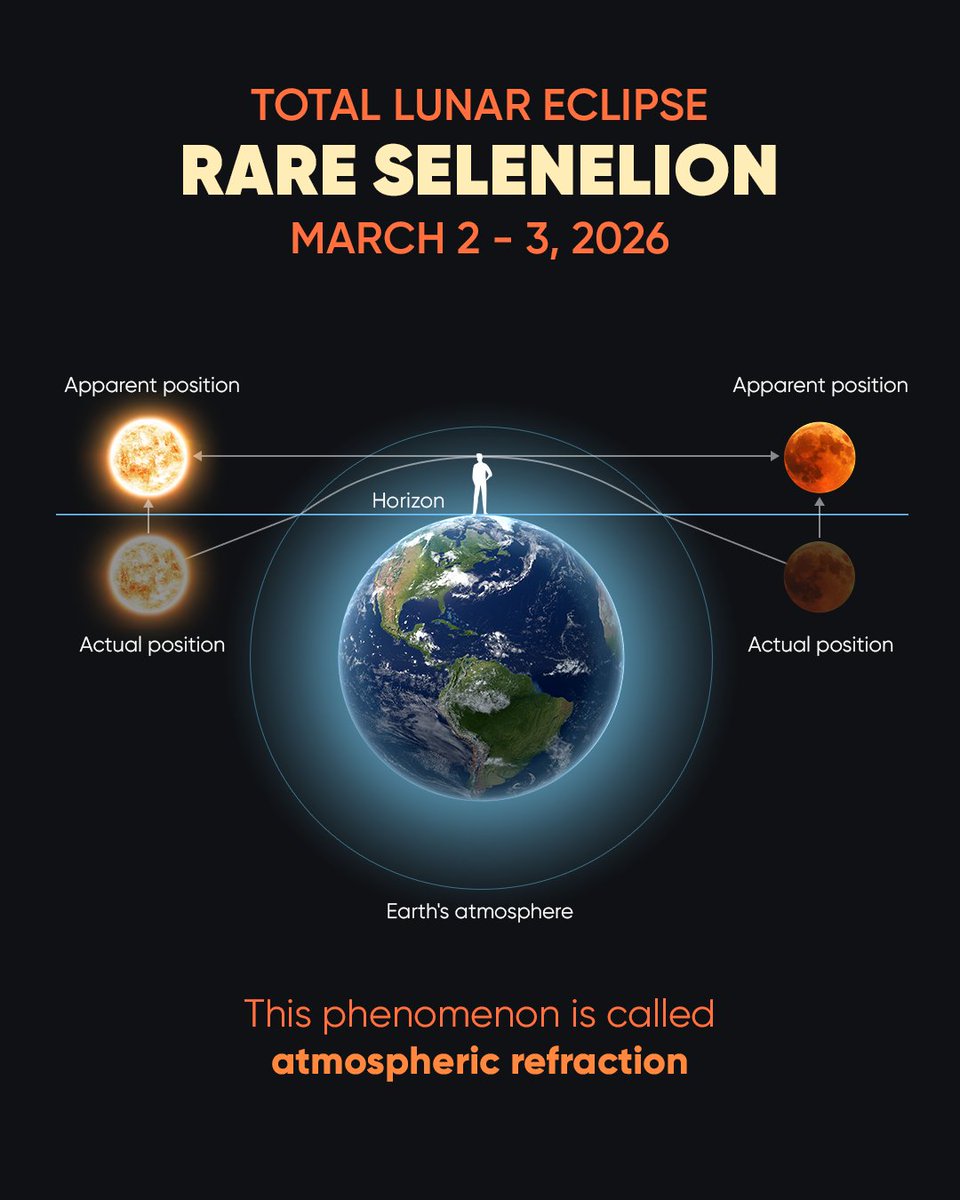
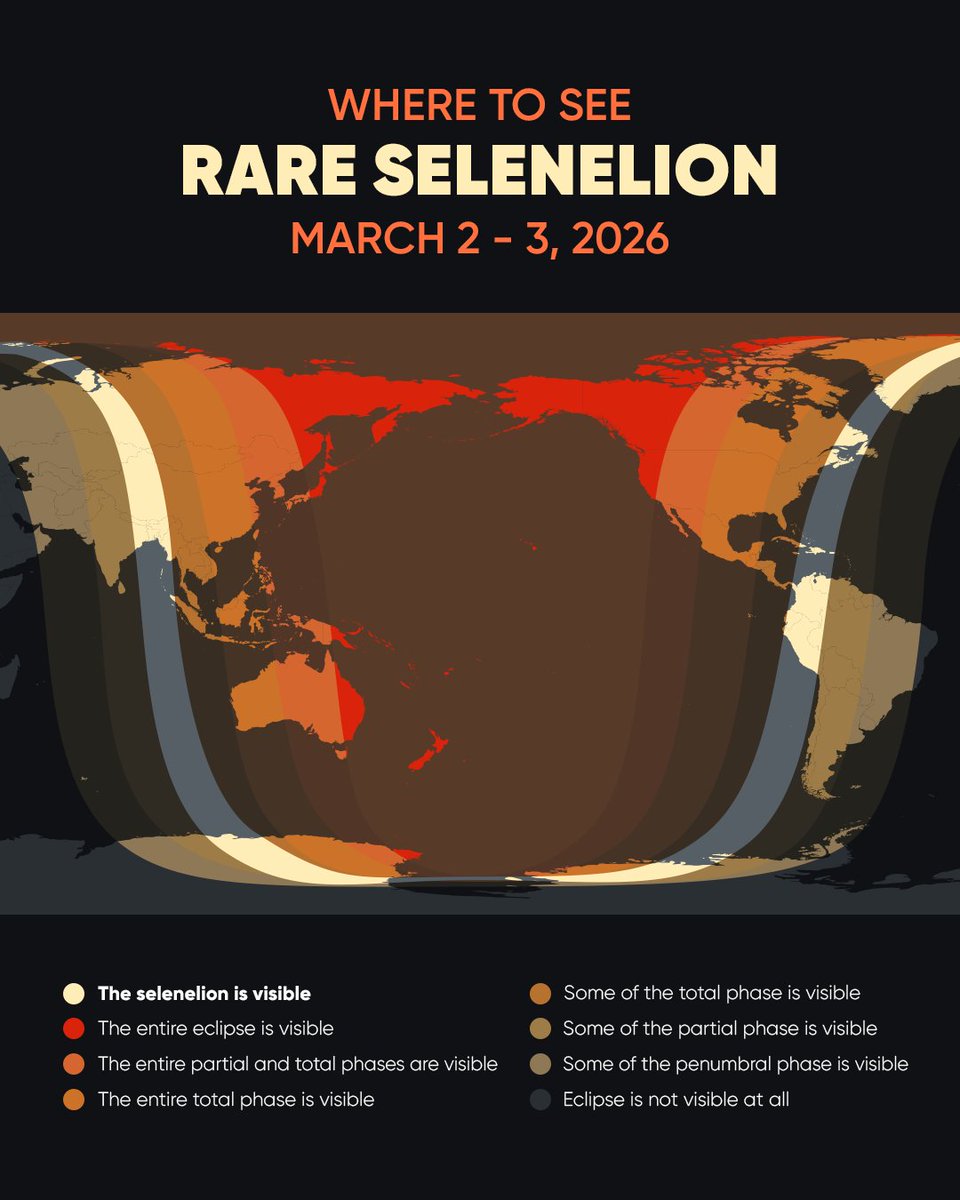
🌕☀️ Have you heard of the "impossible" eclipse? On March 3, 2026, the Moon will turn blood-red during a total lunar eclipse. But the real magic happens at sunrise and sunset. It's called a Selenelion 🌅🌄 🤔 What is it? It's when you can see the eclipsed (red) Moon on one side of the sky AND the Sun on the other side at the exact same time. According to geometry, this shouldn't be possible because the Sun and Moon are directly opposite each other during an eclipse! ✨ Why can we see it? Blame it on atmospheric refraction! 🌍 The atmosphere acts like a giant lens, bending light rays. This optical illusion lifts both the Sun and the Moon visually above the horizon, allowing us to see them simultaneously even though, geometrically, one has already set and the other hasn't yet risen. This phenomenon is called atmospheric refraction. 📍 Where to watch: The best views will be in the Eastern USA and Canada 🇺🇸🇨🇦 (like New York, Boston, Toronto). Look west for the setting "Blood Moon" and east for the rising Sun at the same time! ☀️ Don't miss this cosmic illusion! Set your alarms! ⏰ #selenelion #lunareclipse #bloodmoon #astronomy #space #StarWalk
Star Walk tweet mediaStar Walk tweet mediaStar Walk tweet media
English
11
141
476
19.9K
Star Walk
Star Walk@StarWalk·
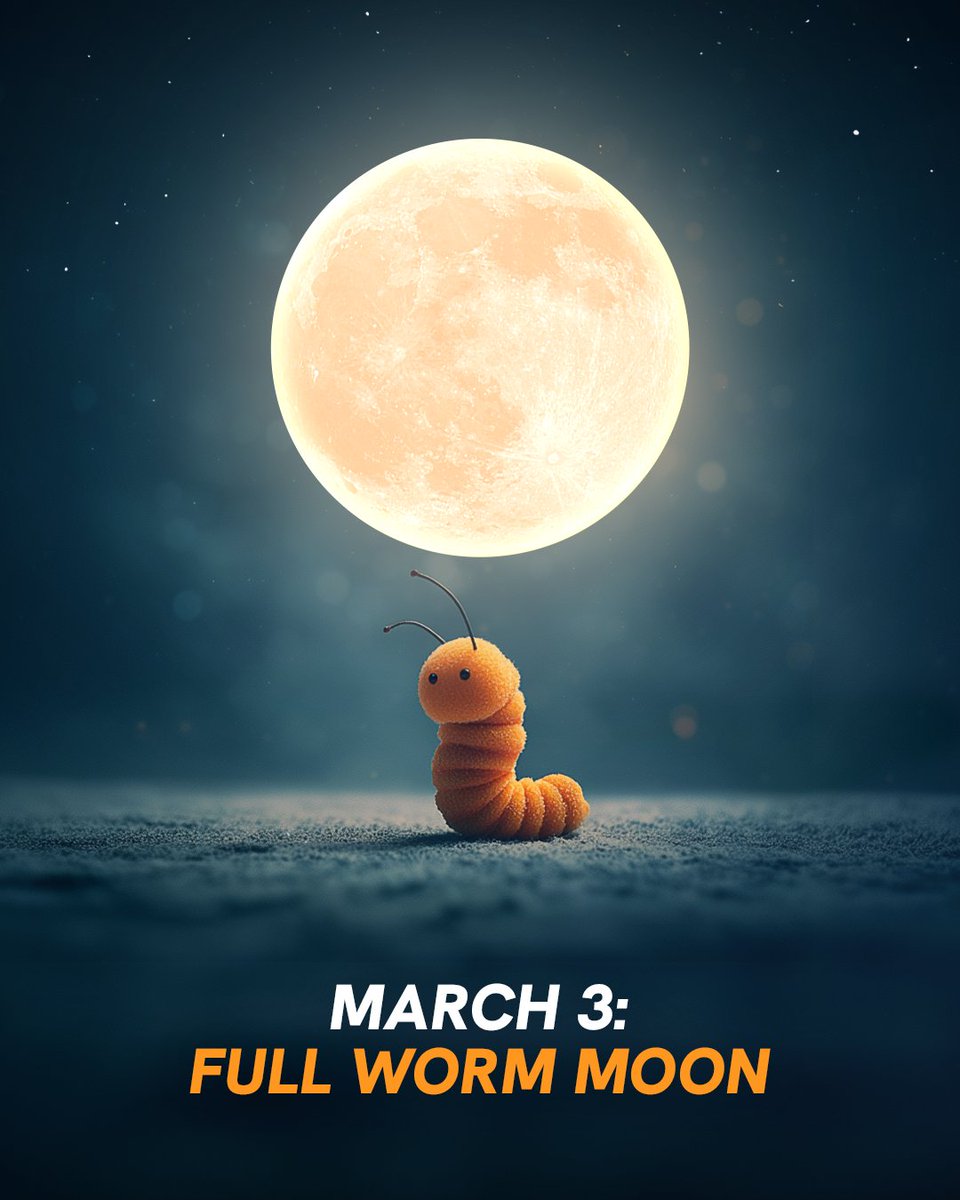
🌕 The March Full Moon 2026 is the Worm Moon It peaks on March 3 at 11:38 GMT/UTC — marking the seasonal shift toward spring. Named for the earthworms that reappear as the soil thaws, this Full Moon has long symbolized renewal and fresh beginnings 🌱 ✨ Bonus: this year it coincides with a total lunar eclipse! Details: starwalk.space/news/full-moon… #WormMoon #FullMoon #MoonPhase #Stargazing #StarWalk
Star Walk tweet media
English
3
43
118
3.4K