Voluntary Order

796 posts

Voluntary Order banner
Voluntary Order

Voluntary Order

@Voluntary_Order

Statism concentrates power. Voluntary order disperses it. Exploring markets, law, history, and social cooperation without rulers or institutionalized coercion.

انضم Kasım 2025
721 يتبع209 المتابعون
Voluntary Order
Voluntary Order@Voluntary_Order·
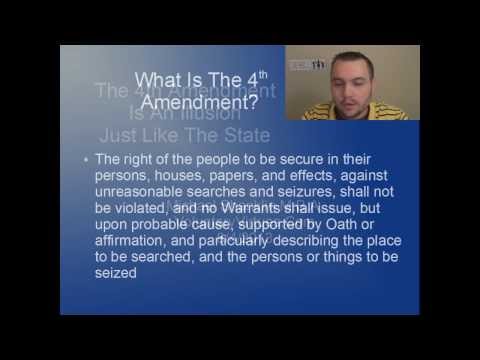
Most people grow up believing their rights are automatic, like some invisible shield that just activates when something goes wrong. But in reality, a lot of those protections only exist on paper until you actually understand them and assert them. There’s this massive gap between what people think the system does and how it actually works in practice. The average person assumes that searches require warrants, that privacy is the default, that authorities are tightly restricted. But over time, layer by layer, exceptions have been added. Consent, probable cause interpretations, “reasonable suspicion,” emergency justifications… all of it creates a system where the boundaries are far more flexible than most people realize. And here’s the part that catches people off guard: many of those boundaries expand simply because people don’t know they have a choice. A casual “sure” in the wrong moment can override protections that were supposed to exist. Not because someone forced it, but because the system is built in a way that quietly relies on compliance. This isn’t about conspiracy theories or fear. It’s about understanding incentives and structure. Systems of authority tend to grow, not shrink, and statism depends heavily on people believing those systems are more constrained than they really are. The truth is, your rights are strongest when you actually know them, understand them, and are willing to stand on them. Without that, they’re not really rights… they’re just assumptions. Watch the full video here: youtube.com/watch?v=e7bm0V…
YouTube video
YouTube
English
0
0
0
4
Voluntary Order
Voluntary Order@Voluntary_Order·
When you stack thousands of pages of regulations onto an industry, you don’t get “fairness” or “protection.” You get higher barriers to entry, skyrocketing compliance costs, and a system that quietly pushes out the very competitors that keep prices low and innovation alive. Small businesses don’t fail because they can’t serve customers, they fail because they can’t afford the paperwork. Meanwhile, the largest institutions absorb the cost, consolidate power, and come out stronger than ever. And then people wonder why prices keep rising and choices keep shrinking. But it doesn’t stop there. Once financial systems are tightly controlled and centralized, they stop being neutral tools and start becoming levers of control. If access to your own money can be restricted based on your behavior, beliefs, or associations, then it’s no longer just a financial system, it’s a mechanism of compliance. Not through persuasion, but through pressure. That’s the part that should concern everyone, regardless of where you stand politically. Because a system that can be used against one group today can be used against another tomorrow. This is the pattern of statism: create complexity, concentrate power, justify it as protection, and then act surprised when freedom quietly erodes underneath it all. And by the time most people notice, the competition is gone, the prices are higher, and the control is already built in.
English
0
0
0
3
Voluntary Order
Voluntary Order@Voluntary_Order·
The claim that “everything the government says is a lie” sounds bold, but it completely falls apart the moment you actually think about it. If everything they said was false, society wouldn’t function for even a week. Planes wouldn’t land. Bridges wouldn’t hold. Weather forecasts would be useless. Basic science would collapse. Governments routinely acknowledge objective reality like gravity, math, and the scientific method because those things are testable and cannot be faked without immediate consequences. The truth is far more interesting and far more revealing. Most of what is said in low stakes areas is accurate because it has to be. Reality forces honesty where outcomes are instantly verifiable. That accuracy builds credibility. And that credibility is valuable. Because it gets used somewhere else. Where statism actually becomes dangerous is not in obvious facts about physics or math. It is in the narratives about power, consent, and long term outcomes. That is where incentives shift. That is where messaging becomes selective. That is where failure gets reframed, responsibility gets blurred, and coercion gets repackaged as something voluntary or necessary. Statism does not survive by lying about everything. It survives by telling the truth where it is harmless and shaping the story where it matters. That is how trust is maintained. That is how authority is preserved. So no, it is not that everything is a lie. That is too simplistic and easy to dismiss. The real issue is that truth is unevenly applied. Reality is embraced when it is neutral, and bent when it challenges power. Blind trust is naive. Blind distrust is lazy. The real advantage comes from understanding incentives and asking a better question. Not “is this true because they said it” or “is this false because they said it” But “where does this claim sit in relation to power, and who benefits if I believe it” That is where you start to see statism clearly.
English
0
0
0
2
Voluntary Order
Voluntary Order@Voluntary_Order·
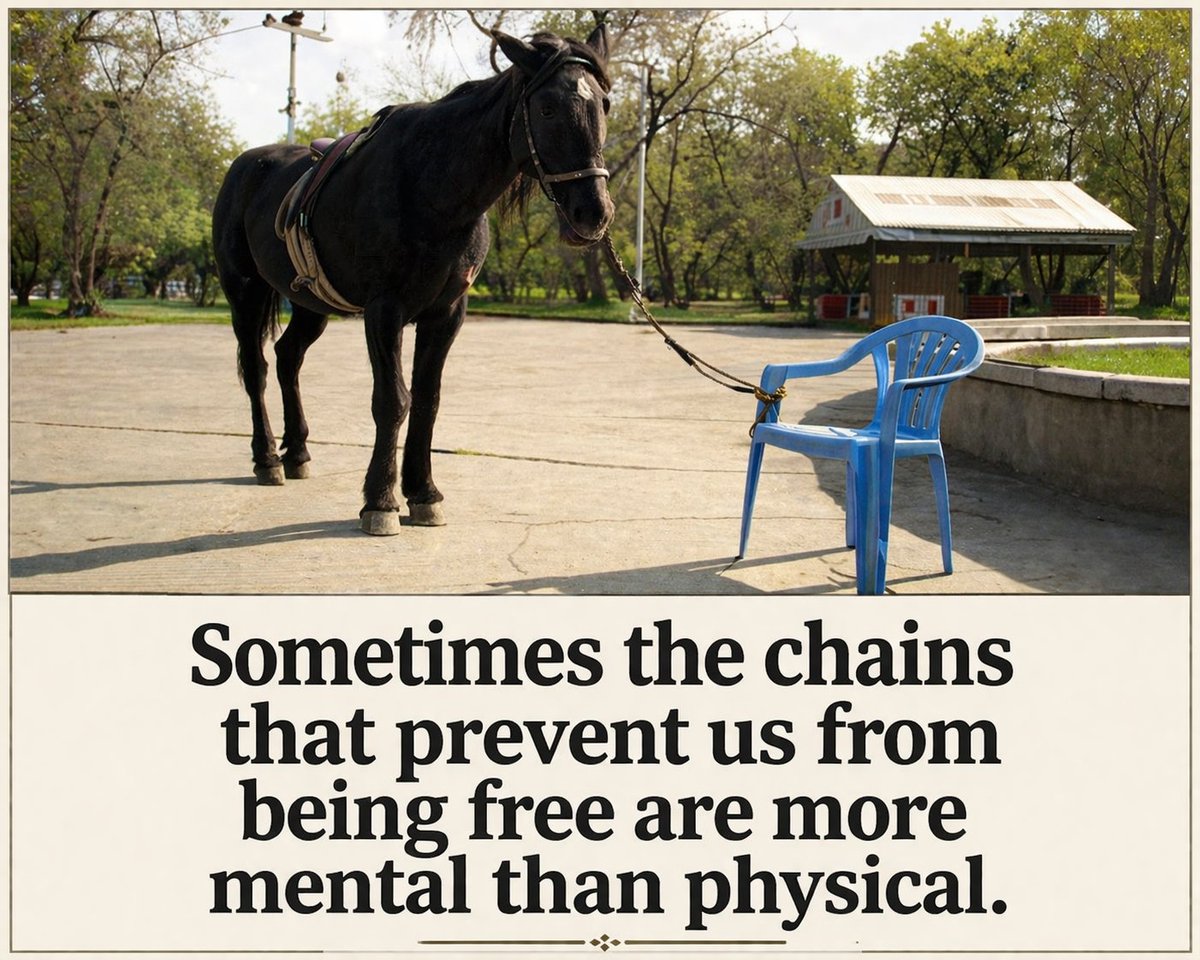
Most people think freedom is about breaking obvious chains, the kind you can see, fight, and physically escape from. But the truth is a lot more uncomfortable than that. The strongest limitations in life are often the ones we quietly accept without ever questioning them. They’re the beliefs we inherit, the fears we never challenge, and the invisible boundaries we draw around ourselves because we assume they’re real. You’ll see people with every opportunity in the world still standing still, not because they’re trapped, but because they’ve convinced themselves they are. And you’ll see others with far less, moving forward anyway, simply because they refuse to believe they’re stuck. That’s the difference. Real freedom doesn’t start when someone removes your constraints. It starts the moment you realize most of them were never actually holding you in place to begin with.
Voluntary Order tweet media
English
0
0
1
9
Voluntary Order
Voluntary Order@Voluntary_Order·
There’s a quiet assumption baked into modern thinking that if something is labeled “public” or “government provided,” it must be legitimate, necessary, and somehow morally elevated. But that belief isn’t grounded in reality. It’s rooted in something much older and far less rational. It’s the idea that authority itself has mystical power. For most of human history, people believed kings ruled by divine right. That certain individuals had powers others didn’t simply because of their title. Today, we like to think we’ve moved beyond that. We trust science, evidence, and reason. But in practice, that old belief hasn’t disappeared. It’s just been repackaged. Now the magic isn’t in crowns. It’s in legislation. We’re told that if a group of people gathers in a building, votes, and signs a document, something new is created. Rights can be granted. Security can be guaranteed. Value can be produced. But step back and ask a simple question. What actually changed in the real world? No new resources were created. No new productivity emerged. No new value suddenly appeared. What changed was the label, and the belief people attach to it. This is where statism quietly takes hold. It relies on the idea that authority can override reality. That calling something “guaranteed” makes it guaranteed. That writing something into law makes it materially exist. But words don’t produce wealth. Declarations don’t create security. And calling something a right doesn’t make it sustainable or real. History shows this over and over. Systems built on promises without underlying production eventually collapse under their own weight. Not because people are bad, but because reality doesn’t bend to declarations. The uncomfortable truth is that no group of people, no matter how powerful, gains supernatural abilities by holding office. They don’t transcend economics, incentives, or human nature. They operate within them, just like everyone else. Once you see that, the illusion starts to fade. And what’s left is a much more grounded question. Not “what has been promised,” but “what can actually be produced, sustained, and delivered in the real world without coercion.” Because that’s where real security comes from. Not from belief. Not from labels. But from reality.
English
0
0
0
4
Voluntary Order
Voluntary Order@Voluntary_Order·
It’s always framed as protection. Protect people from misinformation. Protect society from harmful ideas. Protect the public from “dangerous” content. But step back for a second and ask a simple question… who decides what’s dangerous? Because once that power exists, it doesn’t stay neutral. It never has. Throughout history, the same institutions claiming to “protect” information have also suppressed dissent, buried inconvenient truths, and shaped narratives to maintain control. That’s not a conspiracy, that’s documented reality. When control over information becomes centralized, truth doesn’t win by default. Influence does. Incentives do. Power does. And the real danger isn’t just censorship. It’s the quiet shift where people stop questioning altogether. When you’re only allowed to see what’s been filtered, approved, and curated, you don’t even realize what you’re missing. That’s not a free exchange of ideas. That’s managed perception. A healthy society doesn’t rely on gatekeepers of truth. It relies on open dialogue, competing ideas, and individuals thinking critically for themselves. Because the moment someone else controls what you’re allowed to know… they don’t just shape your opinions. They shape your reality.
Voluntary Order tweet media
English
0
0
0
5
Voluntary Order
Voluntary Order@Voluntary_Order·
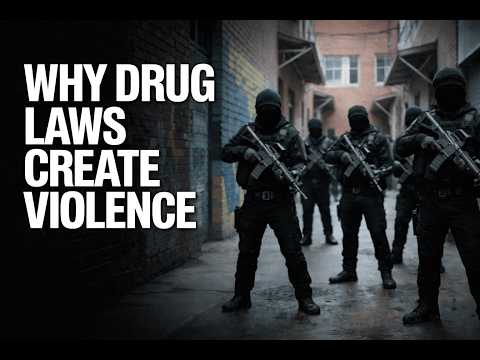
The idea that the drug war was meant to create order falls apart the moment you look at what it actually produced. When you criminalize a voluntary market that millions of people still demand, you don’t eliminate it. You push it underground. And once it’s underground, it doesn’t get run by peaceful entrepreneurs competing on quality and price. It gets run by whoever is most willing to use violence to control territory. That’s not a side effect. That’s the predictable outcome. Look at history. During Prohibition, alcohol didn’t disappear. It became more dangerous, more concentrated, and controlled by organized crime. Violence skyrocketed, corruption spread through law enforcement, and entire criminal networks were built on something that used to be legal. The modern drug war followed the exact same pattern, just on a much larger and more global scale. Cartels didn’t become powerful despite prohibition. They became powerful because of it. When you artificially inflate profits by banning a product, you create massive incentives for black markets to grow. And without legal dispute resolution, contracts get enforced with guns instead of courts. Meanwhile, the costs don’t just stay in the underworld. They spill over into society. The United States now has one of the highest incarceration rates in the world, driven heavily by drug offenses. Entire communities have been destabilized. Billions are spent every year trying to suppress a market that never actually disappears. And then there’s the deeper contradiction. The same system that claims to protect society ends up fueling the very conditions it says it’s fighting. Corruption increases because there’s so much money at stake. Violence increases because disputes can’t be resolved peacefully. Addiction is treated as a crime instead of a health issue, which often makes outcomes worse. Even globally, the pattern repeats. Countries like Mexico have experienced extreme cartel violence directly tied to prohibition-driven profits. When enforcement intensifies, violence often escalates, because groups are fighting over an even more valuable black market. So when people say the drug war is about reducing crime, it’s worth asking a simple question. If you design a system that guarantees black markets, concentrates power in violent hands, and removes peaceful ways to resolve conflict, what exactly do you expect the outcome to be? Because what we’ve seen isn’t a failure to stop crime. It’s a system that continuously creates it.
English
1
0
0
6
Voluntary Order
Voluntary Order@Voluntary_Order·
So sick of statists who make these types of posts thinking they sound smart, and acting like it's just a flip of a switch to have free health care.... "Spent $35 Billion on war but can't have free health care" Yeah, and you dullards want to give government more power and money?!?!?!? They just can't admit they are feeding a war machine, and delusional to think the money will go towards efficient health care. This is what statism is folks, stop giving it power and money. It's not going to give you efficient free health care, stop lying to yourselves and acting like it can just turn off war and turn on efficient health care. That's not how any of this works....
English
0
0
2
13
Voluntary Order
Voluntary Order@Voluntary_Order·
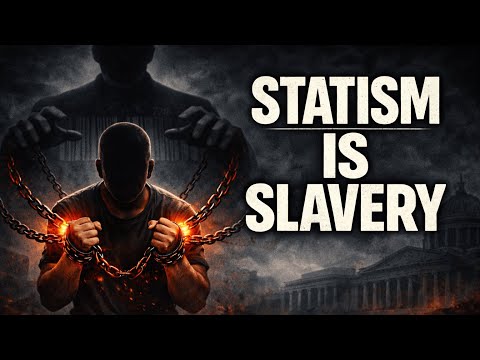
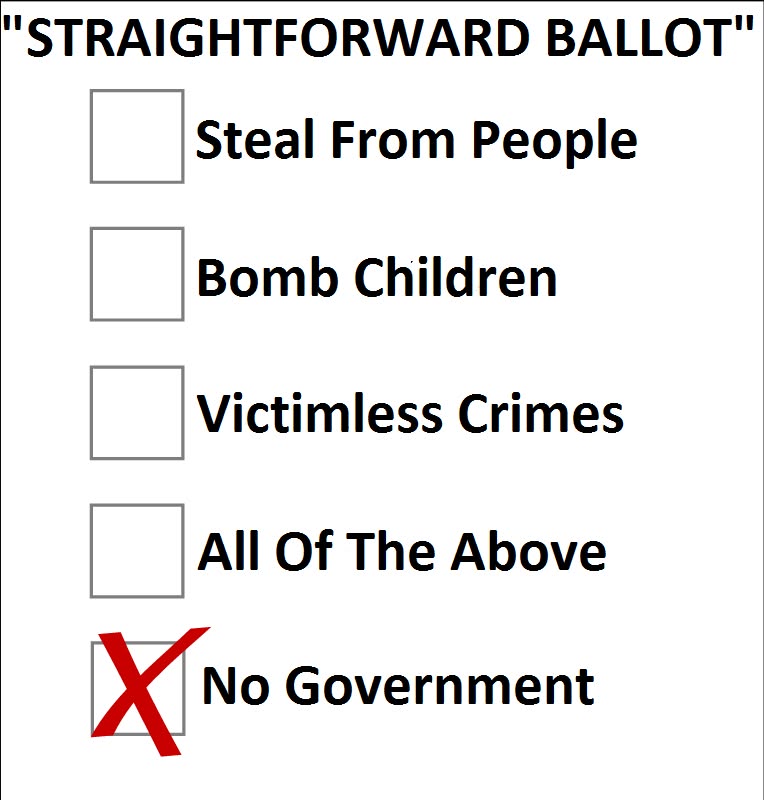
Most people hear the word “statism” and think it just means having a government. It doesn’t. At its core, statism is the belief that the state has legitimate authority over your life… your income… your choices… and ultimately, your freedom. And that authority isn’t optional. It’s enforced through coercion. And coercion, by definition, means forcing someone to act against their will through threats or force. That’s the part people don’t like to say out loud. Because when you strip away the language, the branding, the promises… what you’re left with is this: A system where compliance isn’t voluntary. A system where disobedience is punished. A system where your life is partially owned by something you never explicitly agreed to. Call it what you want… but that starts to look a lot less like freedom and a lot more like control. History shows that when power centralizes, it doesn’t just sit quietly. It expands. It justifies itself. It demands more. That’s why this conversation matters. Not because it’s edgy. Not because it’s political. But because it’s about a simple question most people never stop to ask: How much of your life should someone else have the right to control? Watch this and think for yourself: youtube.com/watch?v=_hJMsp…
YouTube video
YouTube
English
0
1
3
133
Voluntary Order
Voluntary Order@Voluntary_Order·
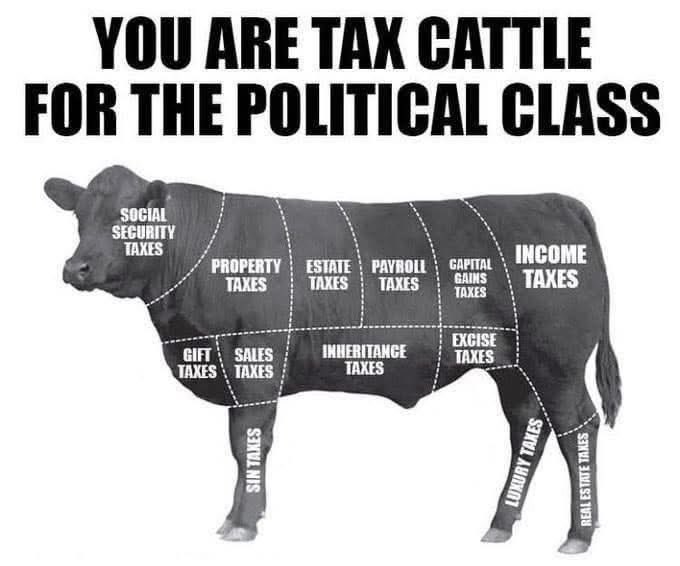
The ugliest part of statism is that it trains people to call extraction normal. You work, build, save, invest, buy, sell, inherit, own property, and somehow there is always another hand waiting to take a cut. It never ends because the system was never designed around consent. It was designed around access. Access to your labor. Access to your time. Access to your future. And then the same political class that drains all of this wealth turns around and demands gratitude for giving a fraction of it back in inefficient programs, bloated bureaucracies, and endless promises. That is not freedom. That is dependency dressed up as civilization. A truly free society would not treat productive people like a revenue source to be carved up from every angle. Statism survives by convincing the public that being endlessly taxed, regulated, monitored, and milked is just the price of living in society. It is not. It is the price of allowing rulers to stand above everyone else.
Voluntary Order tweet media
English
0
0
1
8
Voluntary Order
Voluntary Order@Voluntary_Order·
Statism sells itself as the protector of civil liberties… then quietly becomes their biggest threat. It promises free speech, then censors dissent through agencies, backchannel pressure, and “approved narratives.” It promises privacy, then builds mass surveillance systems, tracks your data, and monitors your finances. It promises due process, then uses asset forfeiture, no-knock raids, and endless regulations where guilt is assumed. It promises safety, then wages wars, militarizes police, and treats citizens like suspects. It promises equality, then writes thousands of laws that apply differently depending on who you are and who you know. The pattern is consistent across history. The same institution that claims a monopoly on protecting your rights also claims a monopoly on violating them. Freedom doesn’t come from asking power to behave better. It comes from refusing to give any system the authority to override your rights in the first place.
English
0
1
2
26
Voluntary Order
Voluntary Order@Voluntary_Order·
People are taught to think of “warlords” as something that exists far away in unstable regions, like a problem of the past or of failed states. But if you strip away the branding, the flags, and the formal titles, the underlying behavior doesn’t disappear. It just gets absorbed, renamed, and legitimized. What defines a warlord is not geography. It is the ability to exercise power through coercion, extract resources, and operate with limited accountability. When you look at modern systems through that lens, the pattern becomes harder to ignore. In some places, like Mexico, cartels openly act as parallel governments, collecting payments, enforcing rules, and controlling territory. In others, like Pakistan, powerful institutions operate with a level of autonomy that places them above elected authority. In Russia, wealthy power brokers and private military forces shape outcomes in ways that resemble decentralized power centers competing under a larger umbrella. But the uncomfortable part is that this dynamic is not limited to places we label as unstable. Even in highly developed countries, powerful agencies and internal factions can operate with significant independence, carrying out actions that ordinary people neither approve nor meaningfully influence. The difference is not the absence of warlord behavior. It is the presence of institutional cover. This is the core idea most people never stop to examine. The state does not eliminate warlord dynamics. It consolidates them. It channels them into formal structures and gives them legal recognition. What once looked like fragmented power becomes centralized authority, but the incentives remain the same. When power can be exercised without direct consent, when resources can be taken through force, and when accountability is limited or indirect, the behavior doesn’t vanish. It evolves. It becomes more organized, more durable, and often more difficult to challenge. The real question isn’t whether warlord behavior exists today. It’s whether we are willing to recognize it when it wears a suit instead of a uniform.
English
0
0
1
7
Voluntary Order
Voluntary Order@Voluntary_Order·
Most people are taught to think of power as something clean and necessary. Something organized. Something that exists to protect. But if you strip away the language and look at actions instead of labels, the picture changes fast. Statism gives one group of people legal permission to do things that would be considered immoral or criminal if anyone else did them. Taking money without consent becomes taxation. Destroying lives in foreign countries becomes policy. Punishing peaceful behavior becomes law enforcement. And once you see it that way, you cannot unsee it. The real question is not whether society needs order. It is who gets to decide what force is allowed, and why anyone should have a monopoly on it. History shows over and over that concentrated power does not stay limited. It expands, justifies itself, and protects its own existence. Every system built on coercion eventually reveals what it truly is beneath the branding. The uncomfortable truth is that people are not choosing between chaos and control. They are choosing between voluntary cooperation and institutionalized force. And once that distinction becomes clear, the idea that one group should hold permanent authority over everyone else starts to look less like stability and more like a normalized exception to basic morality.
Voluntary Order tweet media
English
0
0
0
6
Voluntary Order
Voluntary Order@Voluntary_Order·
People talk about central banks like they’re neutral referees. History shows something very different. When money is controlled by a small group with the power to create it out of nothing, the incentives change. It stops being about stability and starts being about control, timing, and who gets access first. Look at the data. After the creation of the Federal Reserve in 1913, the US dollar lost over 95 percent of its purchasing power. That is not a theory. That is measured reality. Every dollar earned, saved, and passed down was quietly diluted over time. In the 1920s, the Fed expanded credit rapidly. That artificial boom fed directly into the crash of 1929 and the Great Depression. Cheap money didn’t create real prosperity. It created a bubble that collapsed millions of lives. In the 1970s, central banks abandoned the last link to gold. What followed was one of the worst inflation decades in modern history. Prices surged. Savings were destroyed. Wage earners fell behind while asset holders surged ahead. Fast forward to 2008. Years of artificially low interest rates fueled a housing bubble. When it burst, central banks didn’t let the market correct. They printed trillions. Banks were bailed out. Ordinary people lost homes. The system protected itself. Then 2020. Global central banks created more money in a single period than at any time in history. Within 2 years, inflation hit levels not seen in decades. Once again, purchasing power collapsed. Once again, those closest to the money benefited first. This isn’t random. Economists call it the Cantillon Effect. New money enters the system through banks, governments, and large institutions. They spend it before prices rise. Everyone else pays higher prices later. It is a silent transfer of wealth. Central banking does not eliminate instability. It amplifies it. It does not create equality. It systematically redistributes wealth upward. It does not protect the average person. It erodes their savings slowly, year after year. Real freedom means your time, your labor, and your savings cannot be quietly diluted by a centralized authority. When money itself is controlled, everything else follows. That’s not a free market. That’s statism at its core.
English
0
0
0
6
Voluntary Order
Voluntary Order@Voluntary_Order·
People love to act like the crash came out of nowhere. Like one day in 2007 everyone just got greedy all at once. That’s not what happened. For years, the system was flooded with artificially cheap money. Not because millions of individuals suddenly changed their behavior, but because a small group of rulers at the top of the monetary system decided to push rates down and keep them there. When money is cheap, everything starts to look like a good idea. People take on bigger mortgages. Builders throw up more houses. Investors chase anything that moves. It feels like growth. It feels like prosperity. But it’s built on distorted signals. Then reality shows up. As rates rise, the math flips. Payments go up. Debt gets harder to carry. The weakest loans crack first, but it doesn’t stop there. Defaults spread. Prices fall. Entire layers of the market that only made sense under artificially low rates start collapsing. That’s exactly what happened leading into 2008. So no, the crisis wasn’t some mysterious failure of human nature. It was the predictable result of central planning in the most important market in the economy, the price of money itself. When you let a centralized authority manipulate interest rates, you’re not stabilizing the system. You’re blinding it. You’re telling millions of people that resources are more abundant than they actually are. And people respond to those signals, rationally. Then when the signal changes, everything has to correct. Fast. And here’s the part that should make you pause. The people closest to that system benefit first. They get access to the cheap money early. They deploy it before prices fully adjust. By the time the average person sees the “boom,” the groundwork for the bust is already in place. That’s not a free market failure. That’s statism in action. So when you see rapid growth, especially when it’s fueled by easy credit, don’t assume stability. Ask who is setting the conditions. Ask what signals are being distorted. Because the bigger and faster the artificial boom, the more painful the correction tends to be.
English
0
0
0
9
Voluntary Order
Voluntary Order@Voluntary_Order·
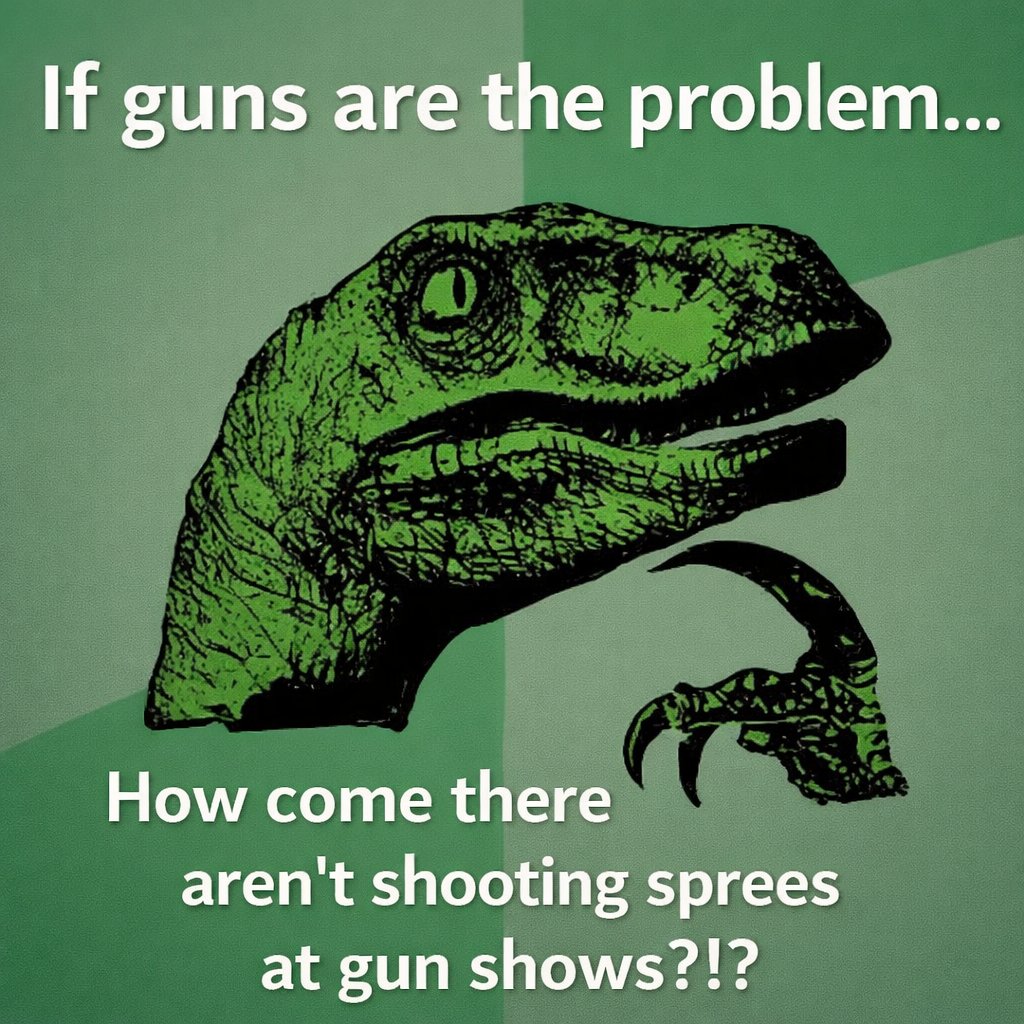
People keep trying to reduce complex human behavior down to a single object, as if removing that one thing suddenly fixes everything. But reality doesn’t work like that. Context matters. Environment matters. Intent matters. If tools alone were the root cause, then places where those tools are highly concentrated would consistently show the worst outcomes. But they don’t. That forces a harder conversation, one most people don’t want to have. Violence isn’t created by inanimate objects. It comes from human beings shaped by culture, incentives, mental health, social breakdown, and personal choices. When you ignore those variables and focus only on the tool, you end up treating symptoms instead of causes. And when solutions are built on incomplete thinking, they fail. Not because people don’t care, but because they’re aiming at the wrong target. If we actually want fewer tragedies, we have to be honest about the full picture, not just the part that’s easiest to argue about.
Voluntary Order tweet media
English
0
0
0
5
Voluntary Order
Voluntary Order@Voluntary_Order·
The same system that takes trillions every year still cannot solve poverty or homelessness. That is not a funding problem. That is a structural failure. Over the past few decades, total government spending in the United States has climbed into the tens of trillions. Federal, state, and local combined. Entire departments, agencies, and programs exist specifically to fight poverty. Yet homelessness persists. In many cities, it is getting worse. Not better. Worse. If throwing money at a problem actually worked, poverty would have been solved generations ago. But statism does not reward solving problems. It rewards managing them. Agencies grow when problems remain. Budgets expand when outcomes fail. Careers are built on administering crises, not ending them. Look at the incentives. A private organization that fails loses funding and disappears. A government program that fails gets more funding and expands. Failure becomes the justification for more power. That is why trillions disappear with so little to show for it. Not because people do not care. But because the system is not designed to succeed. Real solutions come from voluntary action, local knowledge, and direct accountability. Not distant bureaucracies spending other people’s money. You cannot centralize compassion. You cannot mandate efficiency. And you cannot solve human problems through a structure that profits from their existence. The harsh truth is this. The system will not fix poverty because it is not broken in its own terms. It is doing exactly what it was built to do. Manage the problem. Grow the budget. Repeat.
English
0
0
0
5
Voluntary Order
Voluntary Order@Voluntary_Order·
There is a foundational contradiction most people are taught not to question. We are told we are free, yet a fixed percentage of everything we produce is claimed by an institution we never explicitly consented to. That claim is not optional. It is enforced through penalties that escalate from fines to asset seizures to imprisonment. That is not a voluntary transaction. That is coercion backed by force. When you zoom out and look at the full picture, the scale becomes even clearer. It is not just income tax. It is payroll tax, sales tax, property tax, and the hidden costs embedded into everything you buy through corporate taxation and regulatory burden. When economists aggregate all layers, the average American effectively loses a massive portion of their lifetime earnings. Not through choice, but through obligation. History reinforces the priority behind this system. During Prohibition Era, the state aggressively enforced alcohol bans, yet violations of tax law were punished more severely. That tells you everything about what is truly non negotiable. You could break behavioral laws, but not revenue laws. The system made it clear what it values most. This is not about public goods or shared responsibility in the abstract. It is about control over production and the institutionalized right to extract from it. If a system can take your income under threat and you have no peaceful way to opt out, then the question is not whether it exists. The question is whether people are willing to honestly recognize what it is.
English
0
1
2
25
Voluntary Order
Voluntary Order@Voluntary_Order·
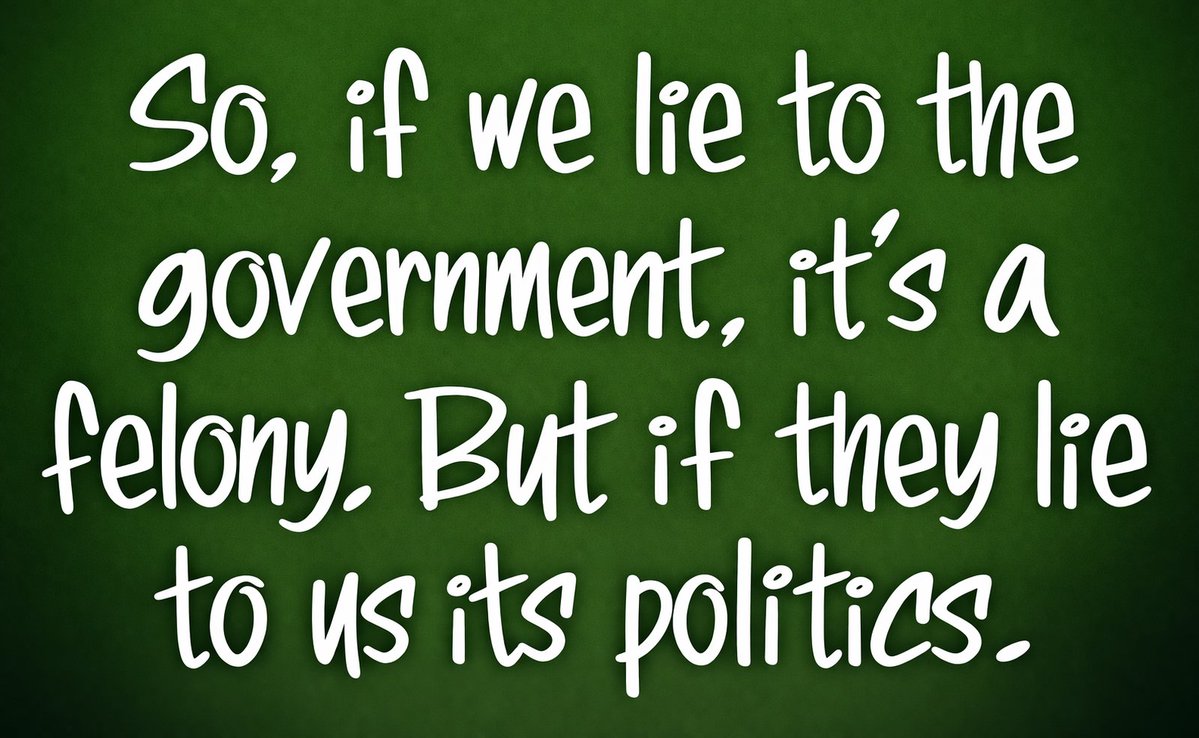
Most people never stop to question this contradiction. You’re taught from a young age that honesty is non-negotiable. That lying is wrong. That there are consequences. And those consequences are very real when you’re the one doing the lying. Fines. Charges. Prison. Your entire life can be flipped upside down. But somehow, when that same behavior comes from those in power, it gets rebranded. It gets softened. It gets explained away as strategy, messaging, or politics. That double standard isn’t an accident. It’s built into the system. And once you see it, you can’t unsee it. A truly free society wouldn’t operate on one set of consequences for individuals and another for institutions with power. Truth wouldn’t depend on who’s speaking. Accountability wouldn’t disappear the higher you go. The uncomfortable reality is this: when honesty is enforced only downward and never upward, it stops being about morality and starts being about control. And that’s something worth thinking about.
Voluntary Order tweet media
English
0
0
3
18