In June 2016, President Barack Obama endorsed Hillary Clinton’s presidential campaign, saying he believed she was exceptionally well qualified for the presidency and perhaps more prepared than anyone to hold the office.
In June 1995, President Bill Clinton and House Speaker Newt Gingrich met at a Claremont, New Hampshire town hall and shook hands in a notable bipartisan moment. They pledged to cooperate on campaign finance reform and stronger lobbying regulations in Washington.
On June 12, 1987, in West Berlin, President Ronald Reagan delivered an address near the Berlin Wall urging Soviet leader Mikhail Gorbachev to embrace reform. He condemned the Wall as a symbol of division and called for it to be torn down, a line that became iconic.
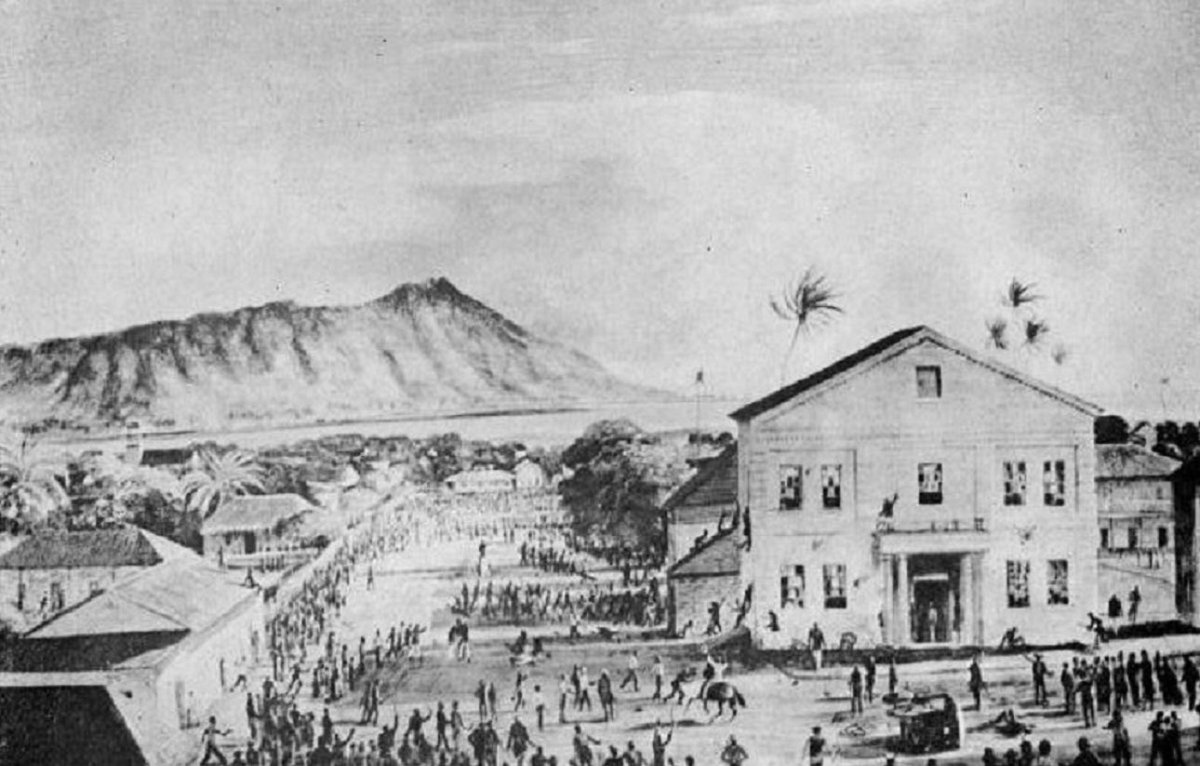
To help restore order, American and British naval forces landed in Honolulu at the request of the Hawaiian government. Kalākaua was sworn in as king the next day, while the riot highlighted the growing political tensions and foreign involvement shaping Hawaii’s future.
Outraged by the result, supporters of Queen Emma gathered at the courthouse in Honolulu and erupted into violence. The crowd stormed the building, attacked several legislators, and left local authorities struggling to contain the disorder.
The Honolulu Courthouse Riot took place on February 12, 1874, after the Hawaiian Legislature chose David Kalākaua to succeed King Lunalilo. Despite strong public backing for Queen Emma, lawmakers overwhelmingly voted in favor of Kalākaua.
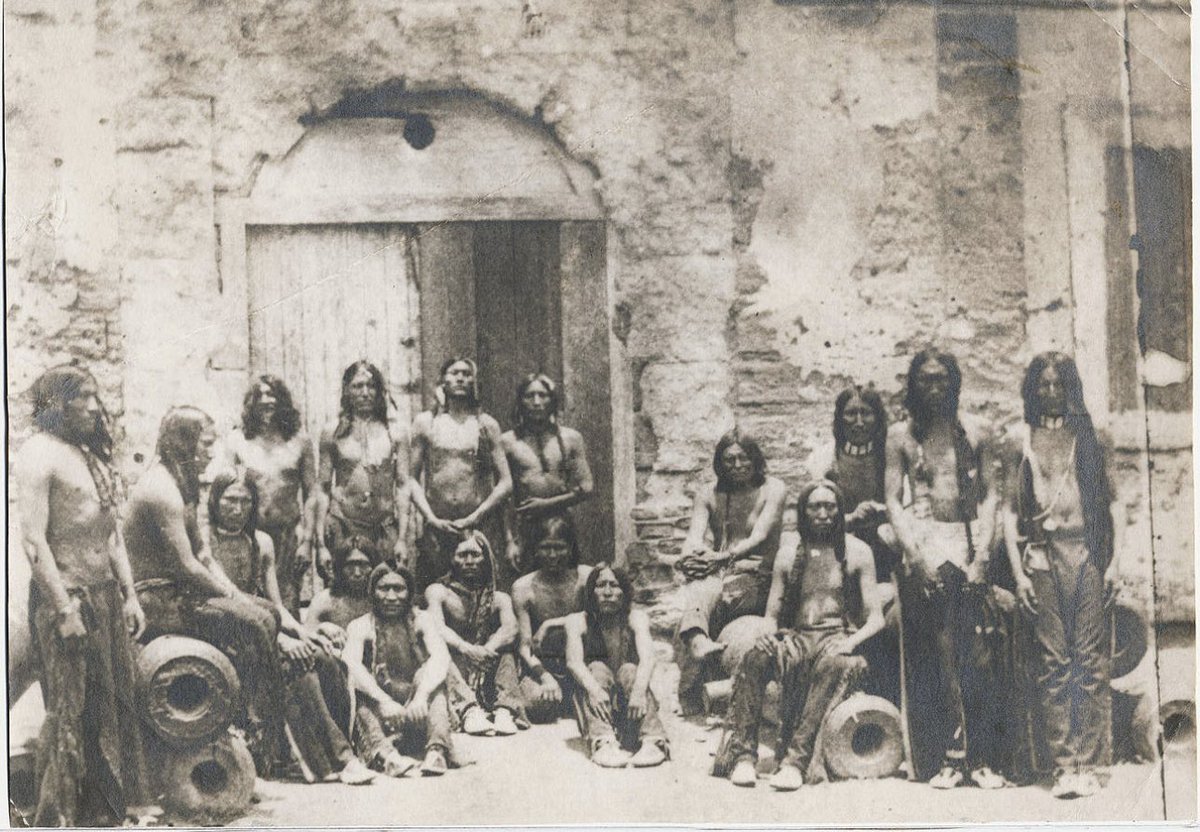
By 1875, military pressure, the destruction of villages, and the near-extinction of the buffalo had broken organized resistance. The war ended with the tribes confined to reservations, marking a major turning point in U.S. control of the Southern Plains.
Fighting intensified after the Second Battle of Adobe Walls in June 1874, when Native warriors attacked a group of buffalo hunters in the Texas Panhandle. In response, the U.S. Army launched a coordinated campaign to force the tribes onto reservations.
The Red River War (1874–1875) was a conflict between the United States Army and several Southern Plains tribes, including the Comanche, Kiowa, Southern Cheyenne, and Arapaho. The war erupted as increasing numbers of settlers and buffalo hunters moved into Native lands.
Public outrage was swift and intense. Facing widespread criticism, Congress repealed the congressional salary increase in 1874, though some raises for other federal officials remained. The episode damaged public trust and became a symbol of Gilded Age political excess.
Supporters argued that government salaries had not kept pace with the nation’s growth and rising costs. Critics, however, condemned the measure as self-serving, accusing lawmakers of enriching themselves at public expense during a period of economic uncertainty.
The Salary Grab Act (1873) was a controversial law that increased the pay of federal officials, including members of Congress, Cabinet officers, and President Grant. Most controversially, it granted members of Congress a retroactive pay raise covering the previous two years.
The resulting downturn, often called the Long Depression, lasted for years and fueled political debates over currency, banking, and economic policy. The crisis weakened support for Reconstruction and contributed to growing public dissatisfaction with the Grant administration.
As railroad speculation unraveled, banks failed, businesses closed, and the stock market temporarily shut down. Unemployment soared, investment dried up, and the economic depression spread across the United States and much of Europe.
The Panic of 1873 was a major financial crisis that triggered one of the longest economic downturns in American history. The panic began in September 1873 after the collapse of the banking firm Jay Cooke & Company, which had heavily invested in railroad construction.
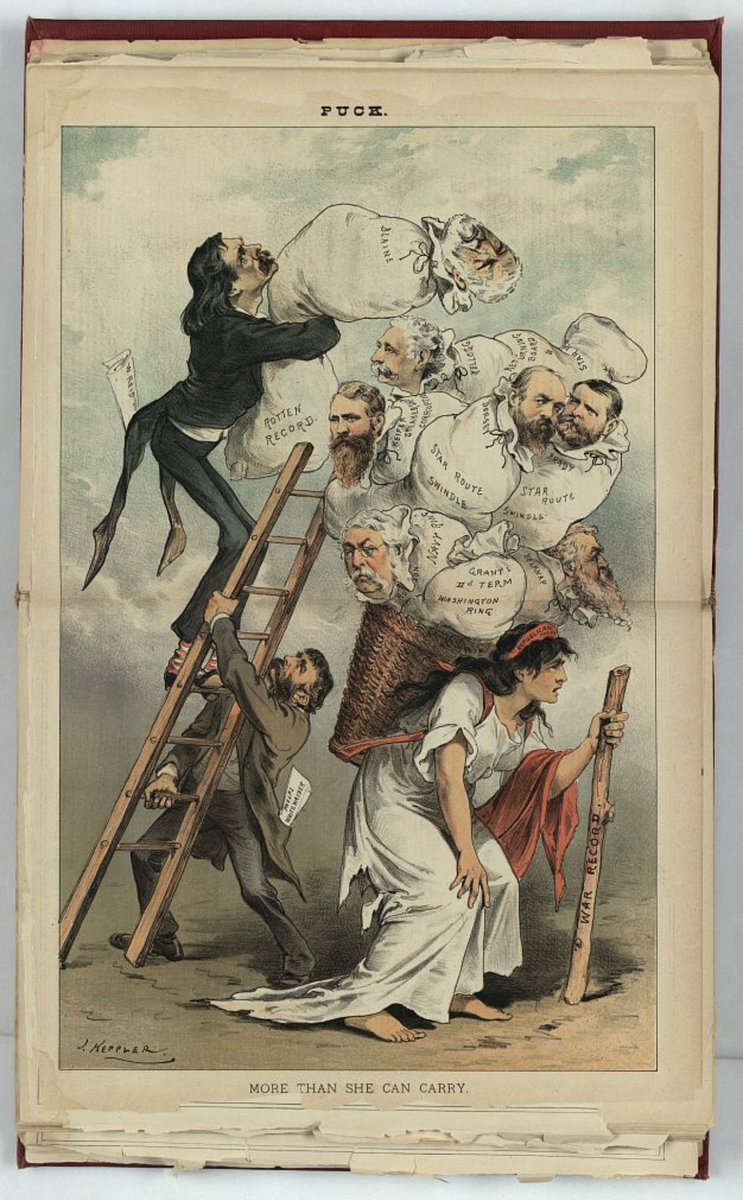
The scandal came to light in 1881 during the administration of President James A. Garfield and led to a series of high-profile prosecutions under President Chester A. Arthur. Although many defendants avoided conviction, the affair strengthened demands for civil service reform.
Investigators discovered that postal officials, politicians, and contractors had conspired to rig bidding processes and inflate payments for certain routes. Through fraudulent contracts and kickbacks, participants siphoned large sums of money from the federal government.
The Star Route scandal was a major corruption scandal involving the U.S. Post Office Department in the late 19th century. “Star routes” were mail delivery routes in the West and other remote regions, operated by private contractors rather than government employees.
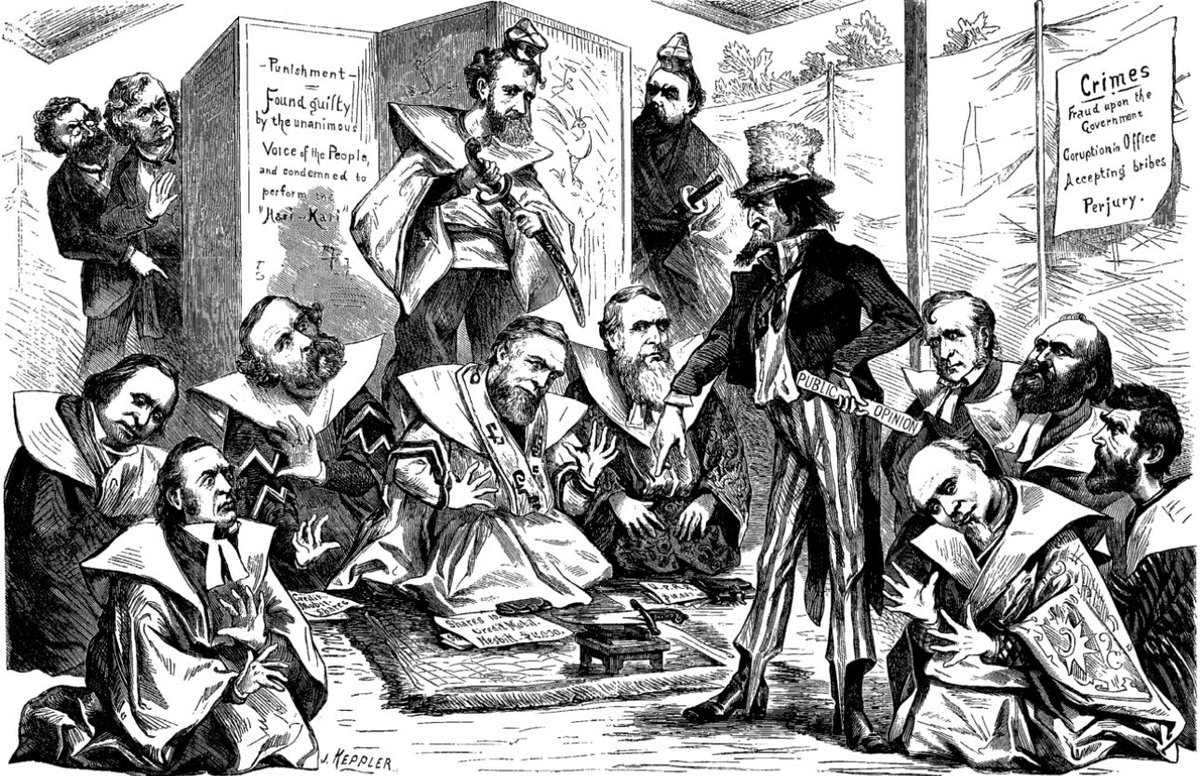
The scandal became public in 1872, shocking the nation and tarnishing the reputation of numerous members of Congress. Although only a few officials faced formal punishment, the affair became a lasting symbol of political corruption during America’s rapid industrial expansion.
To keep Congress supportive of the railroad project, company insiders sold discounted shares of Crédit Mobilier stock to several influential politicians. The arrangement allowed those officials to profit personally while helping secure favorable treatment for the railroad.
The Crédit Mobilier scandal was a notorious Gilded Age corruption scheme where Union Pacific Railroad executives created a dummy company, Crédit Mobilier, to award themselves highly inflated construction contracts for the First Transcontinental Railroad.