Recent Iran-linked cyber activity is a reminder that cyber conflict is evolving. In this clip, CIO Matt Toussain explains the rise of hyper-symmetrical cyber threats where participation in cyber conflict may require nothing more than a computer and internet access.#CyberSecurity
📊 Cybercrime isn’t random. It's organized, calculated, and financially driven. The more we study their business model, the better we can defend ours.
Speak with one of our experts here: opensecurity.com/contact/
Check out vulnerability scanner here: opensecurity.com/resources/tool…
💰 That Lamborghini driver may never leave jurisdictions that protect them. One mistake — like traveling to Poland — can mean arrest. (One REvil member tied to the Colonial Pipeline attack learned that firsthand when Interpol apprehended him.)
💼 Cybercrime is business — built on risk vs. reward.
Many ransomware operators make millions. The lavish lifestyles you see online — Lamborghinis, exotic pets — are very real.
But every dollar comes with exposure.
🔍 A holistically enriched vulnerability database (not just NIST CVEs)
🤖 Retrieval-augmented generation
🌐 Search engine grounding (soon using Perplexity!)
This is the first step toward modernizing how we think about scanning—and it’s open source.
Traditional tools like Nexpose, Rapid7, Tenable, and Qualys have a major head start. Decades of module development = deeply entrenched IP.
But what if we started over—smarter?
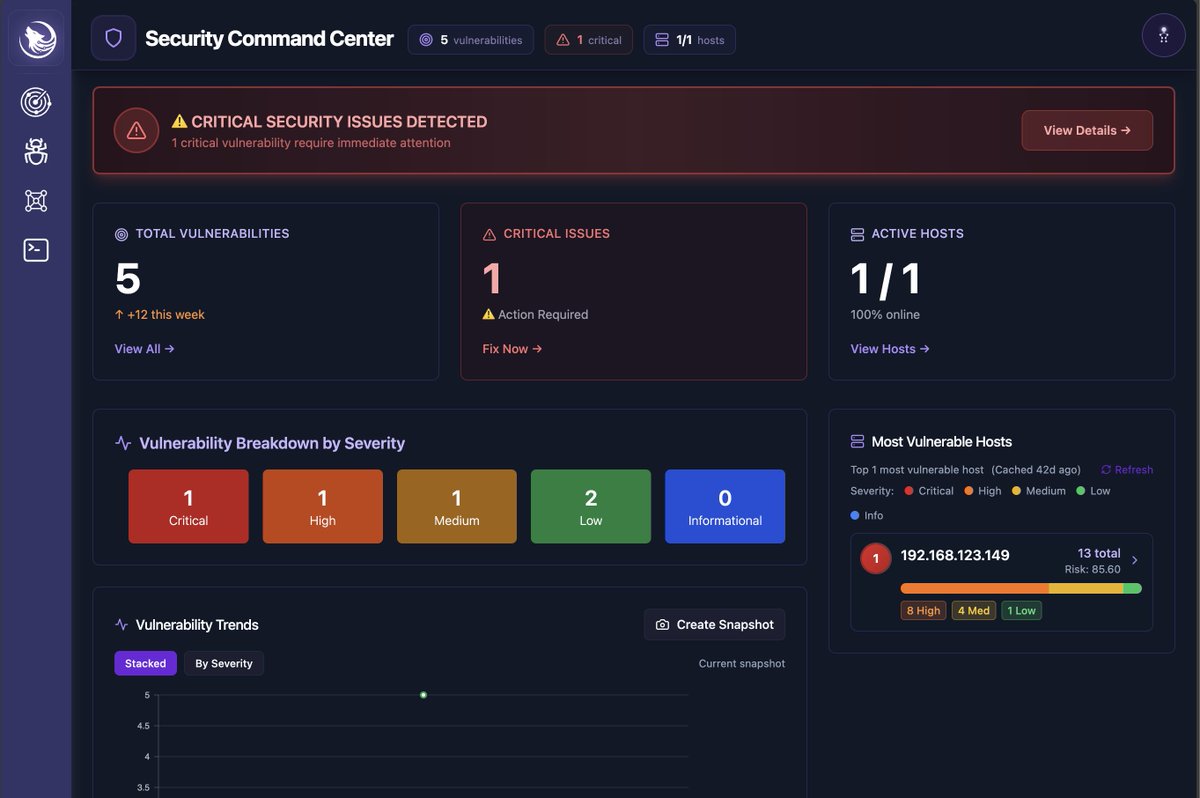
With Vulnerability GPT, we built a new foundation:
Instead, teams are left guessing — chasing scanner results, patching without priority, and playing guessing games with risks.
It’s time for a reset.
We need frameworks.
We need real-world benchmarking.
We need operational clarity — not just another tool.
Vulnerability Management is a Mess.
In most orgs, it’s disorganized, reactive, and overly complex.
Why?
Because no one’s come in and said:
✅ “Here’s how you align with industry leaders.”
✅ “Here’s where you’re falling behind.”
✅ “Here’s a clear path forward.”