
تغريدة مثبتة
Amit Mane
1.7K posts


Amit Mane
@amitmane
॥लोकाः समस्ताः सुखिनोभवंतु॥ 🇮🇳 first, always| Tech | Sports| Defence | ExtAffairs | Markets| Apolitical, use EVM 2 express political Views | Tweets are own
Bengalore/Kolhapur, India انضم Kasım 2009
316 يتبع55 المتابعون

Amit Mane أُعيد تغريده

Hard work is the easy part.
Staying humble after it works is the hard part.
English
Amit Mane أُعيد تغريده

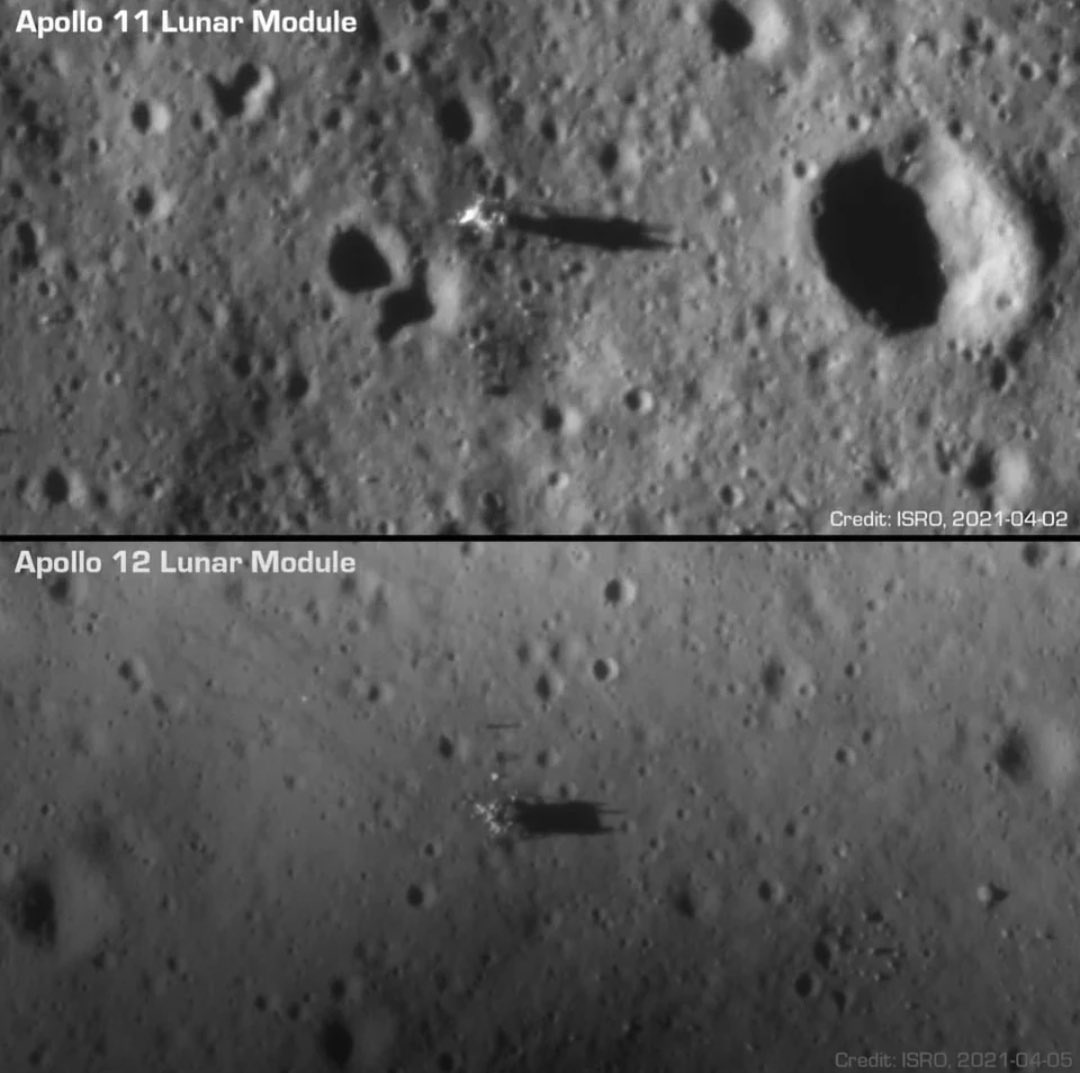
Image of Apollo 11 and 12 taken by India's Moon orbiter. Disproving Moon landing deniers
English
Amit Mane أُعيد تغريده

4 minute Masterclass how to research stocks by Raamdeo Aggarwal
English
@YoursTiwadi Rubbing weight soil in my burn injuries 😡
Lucky you .. enjoy madi 😊
English


Amit Mane أُعيد تغريده

@halairporttrfps sirs, entire service rd towards Kadubeesanahalli from Marathahalli is jammed
English

Absolutely, this is a frequent issue, vehicles driving at speed, no humps to reduce the speed... Pls help by installing speed breakers 🙏🏻
ankur jain@ankurjain334927
Daily accidents at Kundanhalli Varthur, Bengaluru. Repeated requests ignored. Urgent need for speed breakers. Sharing today’s accident video patient admitted to kaveri hospital please act immediately @blrcitytraffic @CPBlr @DgpKarnataka @CMofKarnataka @BBMPCOMM @DrParameshwara
English


@KarthiMahade Broadly yes.
My knowledge is dated now as I moved out of JAVA class lib long back :)
He is broadly listing down functions of each sub systems part of JVM.
English

@amitmane can you validate this please:)
Alex Xu@alexxubyte
How the JVM Works We compile, run, and debug Java code all the time. But what exactly does the JVM do between compile and run? Here's the flow: Build: javac compiles your source code into platform-independent bytecode, stored as .class files, JARs, or modules. Load: The class loader subsystem brings in classes as needed using parent delegation. Bootstrap handles core JDK classes, Platform covers extensions, and System loads your application code. Link: The Verify step checks bytecode safety. Prepare allocates static fields with default values, and Resolve turns symbolic references into direct memory addresses. Initialize: Static variables are assigned their actual values, and static initializer blocks execute. This happens only the first time the class is used. Memory: Heap and Method Area are shared across threads. The JVM stack, PC register, and native method stack are created per thread. The garbage collector reclaims unused heap memory. Execute: The interpreter runs bytecode directly. When a method gets called multiple times, the JIT compiler converts it to native machine code and stores it in the code cache. Native calls go through JNI to reach C/C++ libraries. Run: Your program runs on a mix of interpreted and JIT-compiled code. Fast startup, peak performance over time.
English
English

@prakdadlani @maahirpanchal Completely agree. Everyone wants a 10-4 office job that pays 2L a month.
English

India has jobs.
Yet people complain about “no jobs.”
Factories are ready to pay ₹20-25K.
Still they’re unable to find workers.
Graduates say “no work.”
Companies say “no talent.”
Both are shouting.
No one is matching.
Problem is not jobs.
Problem is skills + mindset.
If we just focus on:
- Skills > degrees
- Work > excuses
- Action > complaining
90% of our problems will be solved.
English
@Ajay_Bagga One of the permabulls on IND. Always spoke very highly about IND. Om Shanti 🙏
English


Amit Mane أُعيد تغريده

Two title matches.
🇮🇳 Gukesh vs. 🇺🇿 Javokhir Sindarov
🇨🇳 Ju Wenjun vs. 🇮🇳 Vaishali Rameshbabu
One message: India at the centre of world chess.


English
Amit Mane أُعيد تغريده

THIS IS HISTORICAL STUFF FOLKS! 🇮🇳🥹
Vaishali Rameshbabu just won the FIDE Women's Candidates 2026 & Qualifies as Challenger for Women's World Championships Title!
2nd Indian Women after Humpy Koneru (2011) to Play the Women's World C'ship match!
English
Tuning software to trick benchmarks is very old game
Santiago@svpino
AI companies are cheating.
English