
تغريدة مثبتة
dlbên_1
1K posts



شوارع مدينة النجف الأشرف التاريخية تعج بالافغان والشيشان بعد ان تم تزويجهم من النجفيات وعددهم قرابة المليون .
هل هذا الرقم والفعل معقول وصحيح؟
العربية
dlbên_1 أُعيد تغريده

نشر الرئيس #مسعود_بارزاني، مساء الأربعاء، رسالة عبر منصة "إكس"، مشدداً فيها على أن #البيشمركة "وُلِدت من رحم دماء ومعاناة ودموع شعب #كوردستان".
وقال الرئيس بارزاني في رسالته إن بعض الأطراف "تحدثت عن سلاح البيشمركة وطرحت تأويلات خاطئة وتوجهات غير صائبة بشأنه".
وأضاف أن سلاح البيشمركة "ليس مجرد قطع من حديد أو ترسانة أو أدوات للقتال فحسب، فسلاح يعني تاريخها وتضحيتها وكرامتها وعقيدتها"، مؤكداً أنه "الإخلاص والعهد الذي تحمله دائماً تجاه شعبها وأرضها ووطنها".
قناة شمس .

العربية


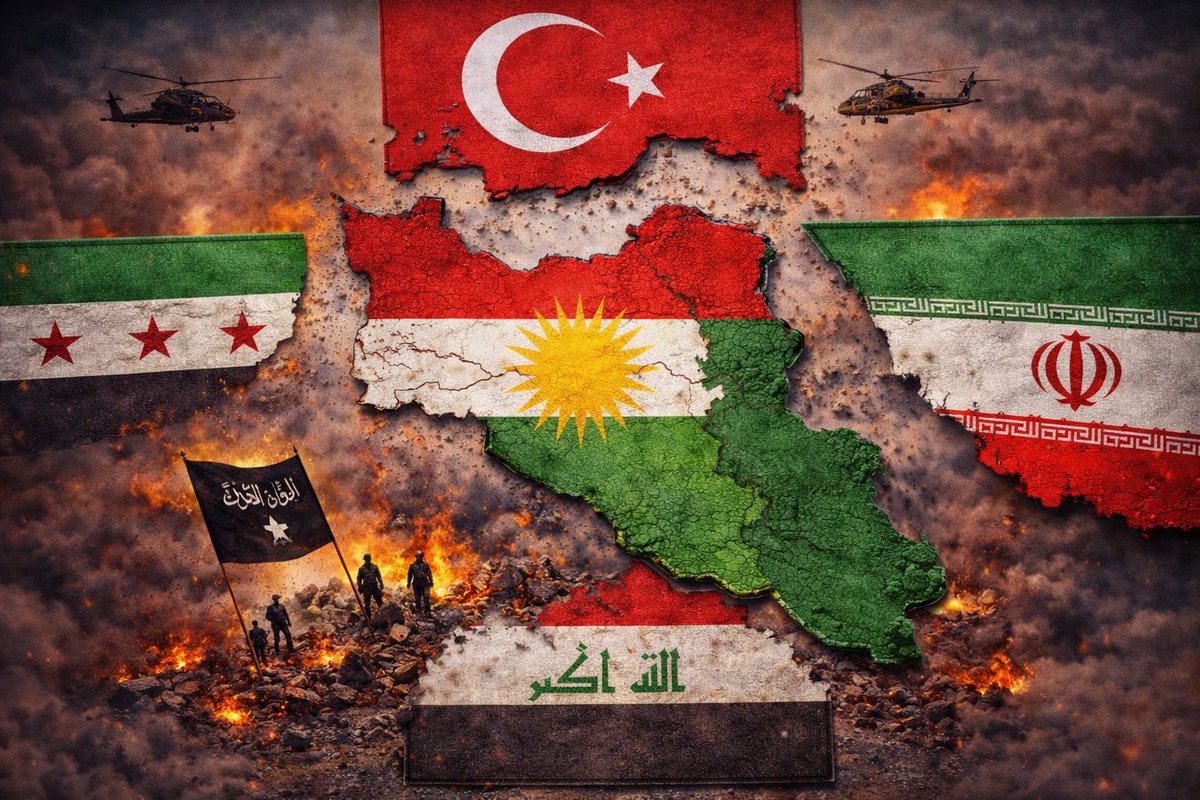
The Corrupted Mindset of Kurdistan's Occupiers: Injustice Against a Resilient People
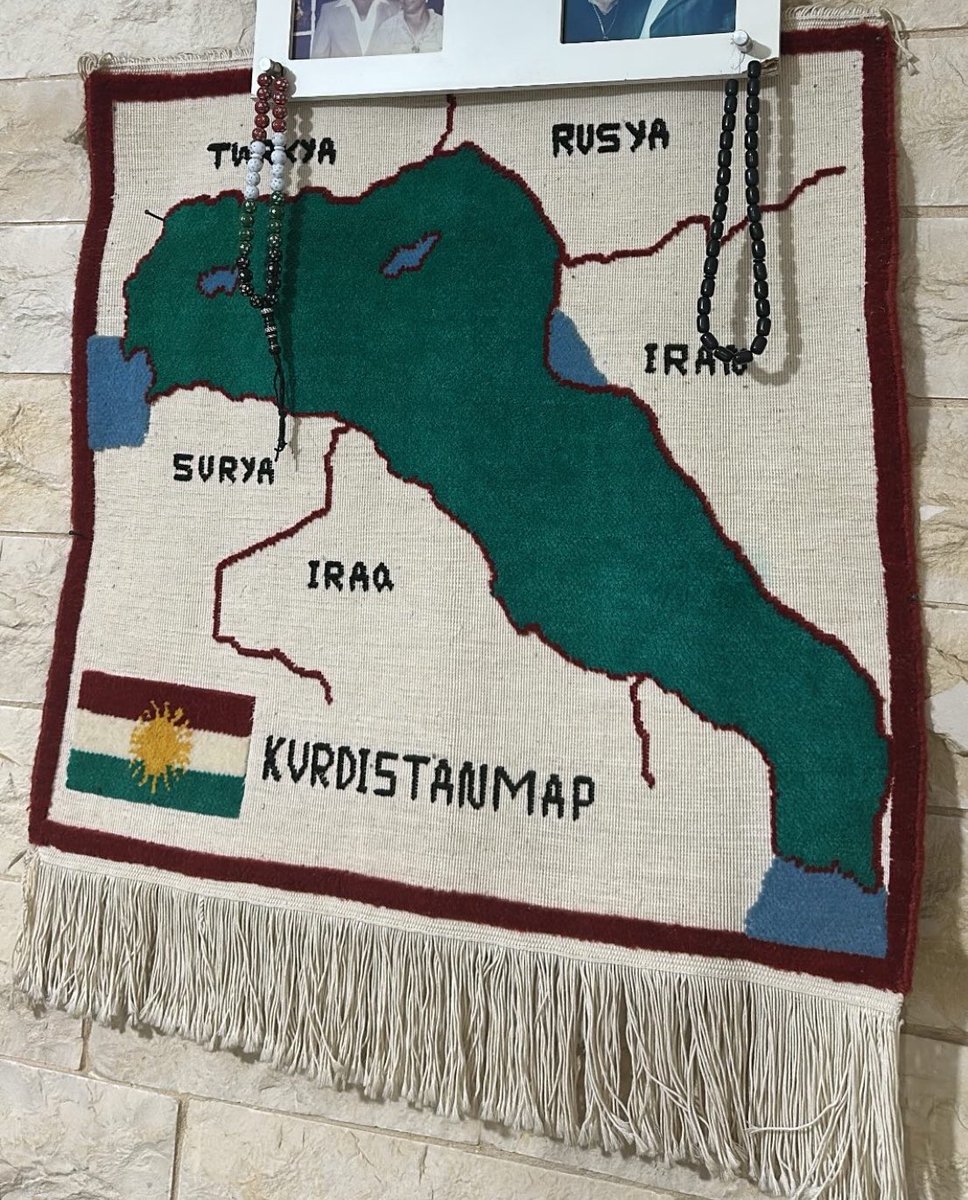
The Kurdish people, numbering about 80 million, represent one of the largest stateless nations on Earth. Their ancestral homeland, #Kurdistan, stretches across southeastern Turkey, northern Iraq, northeastern Syria, and northwestern Iran.
Betrayed by colonial powers after World War I, Kurds were denied the autonomy promised in the unratified Treaty of Sèvres (1920) and fragmented by the Treaty of Lausanne (1923). This betrayal handed their lands to successor states that have since pursued systematic denial, repression, and exploitation.
From a Kurdish perspective, the governing authorities in Turkey, Iran, Syria, and Iraq embody a profoundly corrupted mindset: one of ethnic supremacy, resource theft, demographic engineering, and brutal authoritarianism aimed at erasing Kurdish identity and aspirations for self-determination.
Denial of Identity and Cultural Genocide
The occupiers' core corruption lies in their refusal to acknowledge Kurds as a distinct people with legitimate rights.
Turkey has long enforced aggressive Turkification, banning the Kurdish language, culture, and even names for decades. Successive governments have labeled peaceful demands for rights as terrorism, justifying military crackdowns, village destructions, and mass displacement.
In Syria, the Ba'ath regime stripped citizenship from hundreds of thousands of Kurds in 1962, imposed Arabization policies, and banned Kurdish language and culture.
Iran continues to repress Kurdish political and cultural expression through executions, discrimination, and closure of Kurdish media.
In Iraq, Saddam Hussein's Anfal campaign (1988) represented the apex of this genocidal logic: chemical attacks (notably Halabja), mass executions, and the destruction of thousands of villages, killing 50,000–182,000 Kurds.
These policies reflect a deeply corrupted worldview that views Kurdish existence itself as a threat to artificial state unity. Instead of embracing pluralism, occupiers resort to assimilation, erasure, and violence; tactics that echo colonial divide-and-rule but are sustained by modern authoritarian regimes.
Resource Exploitation and Demographic Engineering
Kurdistan is rich in oil, water, fertile land, and strategic geography. Occupiers treat it as a colonial periphery to be plundered.
In Iraq, disputes over Kirkuk and oil revenues highlight Baghdad's efforts to centralize control at Kurdish expense.
Turkey exerts leverage through dams and incursions into Iraqi Kurdistan, destroying farmland and villages.
In occupied Syrian Kurdistan (Rojava), Turkish forces and proxies have seized properties, looted olive groves, and resettled non-Kurdish populations—clear acts of demographic engineering documented as ethnic cleansing.
In Afrin (2018 Turkish invasion, "Operation Olive Branch"), hundreds of thousands of Kurds were displaced, homes looted, and Arab settlers moved in, accompanied by reports of war crimes, abductions, and cultural destruction.
Similar patterns of village razing, forced evictions, and environmental devastation (burning forests and farms) occur in Turkish operations in both Syria and Iraq. This mindset is purely extractive and supremacist: Kurdish lands and resources belong to the state, but Kurds themselves are disposable or replaceable.
Proxy Warfare, Repression, and Betrayal
The occupiers' paranoia fuels endless conflict. Turkey views any Kurdish autonomy (especially the democratic experiment in Rojava that defeated ISIS) as an existential threat, justifying repeated invasions and alliances with extremist proxies.
Iran bombs Kurdish opposition groups in Iraq.
Syria and Iraq have historically played Kurdish factions against each other while denying broader rights.
This corrupted approach prioritizes short-term control over justice or stability. Kurds, who fought bravely against ISIS while others wavered, are rewarded with abandonment by international powers and renewed attacks by regional states.
Political repression in Turkey includes jailing elected Kurdish mayors and parliamentarians, shutting down media, and replacing democratic local governance with appointed trustees.
Kurdish Resilience and the Moral Imperative
Despite a century of massacres, displacements, and cultural bans, Kurds have demonstrated extraordinary resilience. Peshmerga forces, women's defense units (YPJ), and grassroots democratic movements in Rojava showcase a forward-looking vision of pluralism, gender equality, and self-rule values starkly absent in the occupiers' authoritarian models.
The Kurdistan Region of Iraq, despite internal challenges, stands as a beacon of relative autonomy earned through blood and perseverance.
The occupiers' mindset is not only corrupt but self-defeating. It perpetuates instability, breeds resentment, and violates basic principles of international law, including self-determination for peoples long denied their rights.
True peace requires recognizing Kurdish identity, ending occupations, halting demographic changes, and allowing genuine autonomy or federal solutions that respect the will of the Kurdish people.
The Kurdish struggle is a just one: against denial, for dignity, land, and freedom. The world has ignored or betrayed them too often. Supporting Kurdish aspirations is not only morally right but essential for a more stable, equitable Middle East, one where no people are condemned to live as perpetual second-class subjects in their own homeland.
Kurdistan's occupiers must confront the corruption in their thinking, or history will judge them harshly for their crimes against a proud and enduring nation.
English
@Kurdihinbibe To b xode ma zmane menxola hnde mohime.zmane Teşket menxola 🤧😖🥱😫😩

Av = Su
Nan = Ekmek
Mal = Ev
Dayik = Anne
Bav = Baba
Bira = Erkek kardeş
Xwişk = Kız kardeş
Heval = Arkadaş
Çav = Göz
Dest = El
Pirtûk = Kitap
Zarok = Çocuk
Roj = Gün
Şev = Gece
Dil = Kalp / Gönül
Türkçe
dlbên_1 أُعيد تغريده
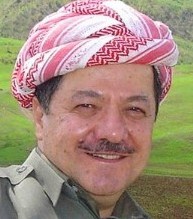
ماوەیەكە بە هۆی ئەو بارودۆخە سیاسییە تایبەتەی هاتۆتە ئاراوە، هەندێ لایەن باس لە چەكی پێشمەرگە دەكەن و لەوبارەیەوە لێكدانەوەی هەڵە و بۆچوونی ناڕاست دەخەنەڕوو. لێرەدا پێویستە هەموو لایەك ئەوەیان لەبیر بێت كە پێشمەرگە لەدایكبووی خوێن و ڕەنج و فرمێسكی گەلی كوردستانە.
چەكی پێشمەرگە، پارچەئاسن و جبەخانە و ئامرازی شەڕکردن نییە. چەكی پێشمەرگە مێژوو و فیداكاری و كەرامەت و بیروباوەڕیەتی. چەكی پێشمەرگە ئەو سۆز و پابەندبوونەیە كە هەمیشە بۆ گەل و خاك و نیشتیمانەكەی هەیەتی.
CKB
@Bti313Bt يلي خرب سنيي و سبب نهايه حكم سني في عيراق صدام و ما كان يحكم ب اسم سني واحد بعثي حقير لاهم لا وطن ولا دين ولا شي بس عيني علي يكون زعيم منطقة و بكل دين اسلام او شيعي او مسيحي يهودي فيها واحد شرير. مثلا خامني يوميا بي ابسط شي كان يعدم شباب ،انسانية و رحم فوق الكل شي .
العربية

@yqwb355140 حدودنا واضحة يلي راضي و يلي مو راضي و فيدنا بلدم كثير شهداء . و حاضرين كل وقت ❤️
العربية


2005/7/15رۆژێکی مـێژوویی،سـەرۆک مەسعود بـارزانـی وەکـ یـەکەمین ســەرۆکی هەرێــمی کوردستان سوێــندی یاسایی خوارد.
#kurdistan
#masud_mustafa_barzani
#sarok
#کوردستان
CKB
dlbên_1 أُعيد تغريده



My Kurdish brother
I have seen many similar comments.
You must understand that the
Umayyads are Saudis from the Hejaz 🇸🇦
as for the Arabs of Syria🇸🇾known as "Shawaya"
these very Arabs look down upon them and refuse to intermarry with them
Dont treat the Umayyads unjustly


çîya@ChiyaRasw91
@ciyalewend شنو متوقع من حیوان اموی سوری داعشی های اخلقهم الحقیقیة
English

العربية
في عاقل نص عرب ابـ/ستين لهيك نشوف اخبارات كل فترة اغتضاب الأطفال صغار هاي اكبر دليل شوفو ب عينكم كل شي عندا حدود بس هاي کلـ/ب تجاوز حدودا@aswsea12 ابن رْنا
لوند ⛰️@ciyalewend
مستحيل بنات أعمارهم 6_5 سنوات قاعد يتحرش فيهم !! لأي قذارة وانحطاط واصلين هذول الشوايه ؟ شو دينهم هذول
العربية