

unstinkable aircraft carrier 🔻🌽
7.3K posts
unstinkable aircraft carrier 🔻🌽
@effwhiteboy
it's getting sweeter
the belly of the beast انضم Mayıs 2023
360 يتبع148 المتابعون
unstinkable aircraft carrier 🔻🌽 أُعيد تغريده

Beau is Afraid, 2023 (Ari Aster)
Hero@redvivisection
what if having sex makes you die and thats why we dont do it
Français
unstinkable aircraft carrier 🔻🌽 أُعيد تغريده

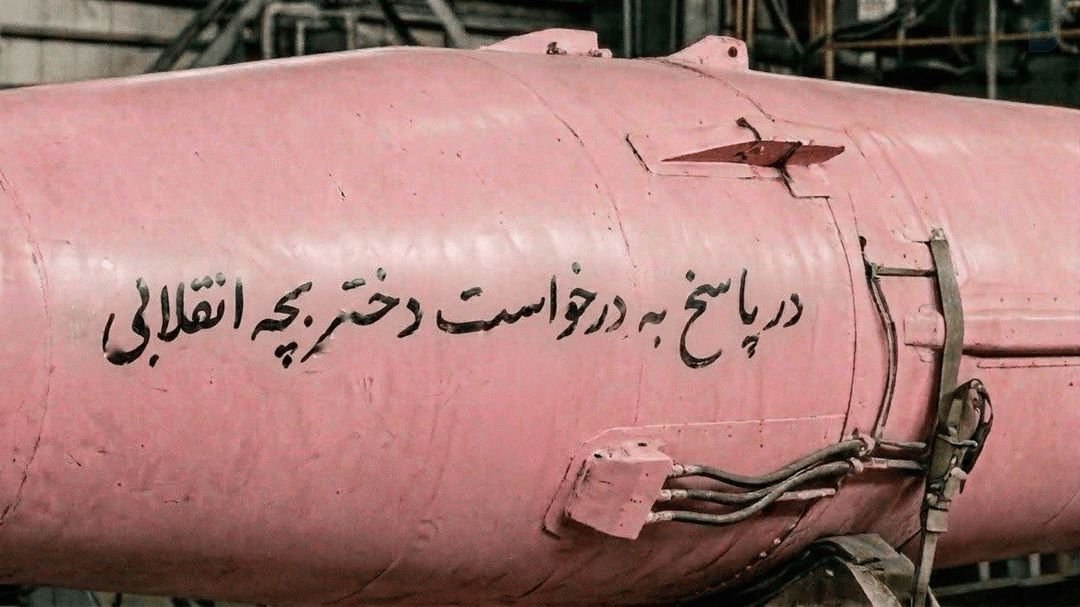
🇮🇷 "In response to the request of a little revolutionary girl"
She got her pink missile.
DD Geopolitics@DD_Geopolitics
🇮🇷 A little girl at an Iranian rally has a message for the IRGC Aerospace Commander: "Strike Israel with a pink missile." The commander has been informed.
English
unstinkable aircraft carrier 🔻🌽 أُعيد تغريده

This speech probably hits so hard if you’re dying in hospice
Headquarters@HQNewsNow
Hegseth: You see, shot down on a Friday. Good Friday. Hidden in a cave, all of Saturday. And rescued on Sunday, Easter Sunday. A pilot reborn
English
unstinkable aircraft carrier 🔻🌽 أُعيد تغريده

Noam Chomsky: why hello miss monkey
Koko the gorilla (signing): bad man pedo man bad man
Noam Chomsky: UH UH MONKEYS CANT TALK DONT LISTEN TO HER
English
unstinkable aircraft carrier 🔻🌽 أُعيد تغريده

unstinkable aircraft carrier 🔻🌽 أُعيد تغريده

Why aren’t they making propaganda videos of their Aryan knight pilot with free bird playing in the background. Because he doesn’t exist.
English
unstinkable aircraft carrier 🔻🌽 أُعيد تغريده

The Iranian villager who took the Black Hawk down explains how he did it. 😄
English
unstinkable aircraft carrier 🔻🌽 أُعيد تغريده

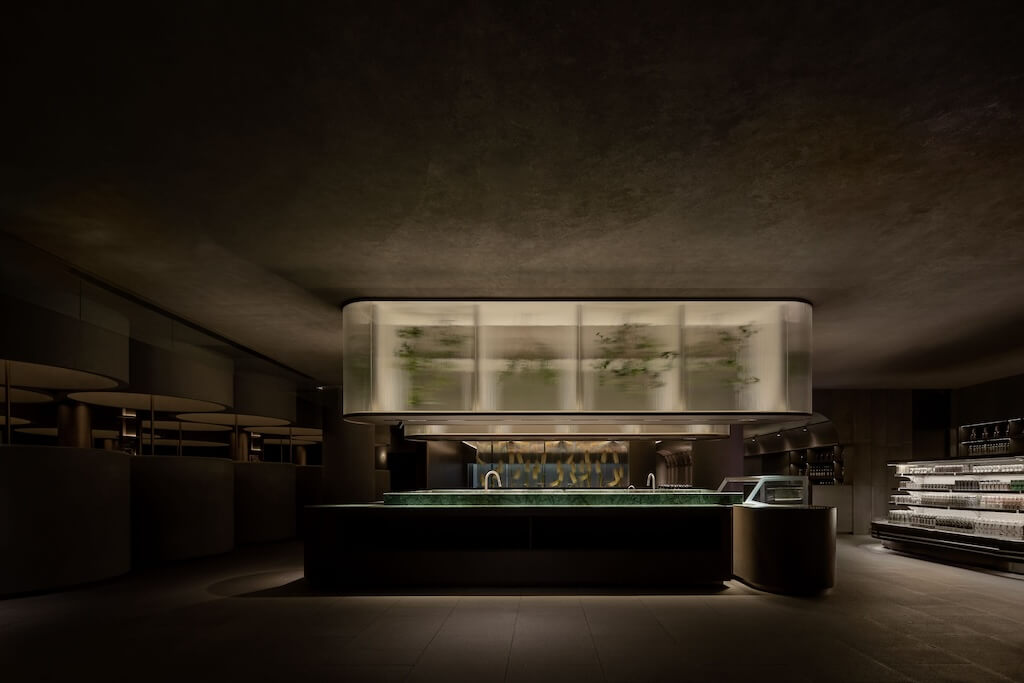
Shangchen Bathhouse in Hangzhou, China, designed by Wei Zhixue.



Română
unstinkable aircraft carrier 🔻🌽 أُعيد تغريده

An American retired Special Operations Officer analysed & came to the probable conclusion that the US’ story of getting its C-130 (J variant) stuck in the mud is likely not true.
He analysed and says the likely scenario was that the aircrafts were hit and damaged while trying to land, and were attacked & hit again when already landed during the hasty FARP.
Anthony Aguilar@AnthonyAgu88102
Thoughts from a retired Special Operations Officer. Though I am not an aircraft surgeon, nor a Coniurationis Fautor, I have some thoughts that may be on interest, presented in three points, a conclusion, and a hypothesis, regarding the US rescue operation in Iran, with consideration to the photos of the aircraft used. I have flown on the C-130H and the MC-130J in training and in combat, to include static line airborne operations, Military Freefall (HALO) operations, and combat infiltration and exfiltration in austere environs, such as the Kobani Landing Zone (KLZ) in Northeast Syria during Operation Inherent Resolve. Point one: it is important to note that the aircraft used in this operation were NOT the standard C-130 Hercules model, which have 4-blade, steel propellers (see picture #2). The fixed-wing aircraft used were the MC-130J, Commando II, operated by the U.S. Air Force Special Operations Command for clandestine operations. The MC-130J uses six-bladed Dowty R391 composite propellers (see picture #1). These blades are constructed from composite materials, specifically featuring a carbon fiber structure rather than the metal (aluminum) used on older C-130 models. Point two: carbon fiber does not melt in the traditional sense, as it does not turn into a liquid. However, the resin matrix holding the fibers does melt and become viscous. Point three: Steel/aluminum blades snap and break. MC-130J R391 blades shatter and can melt. The images we see from the destroyed aircraft (picture #6) show 6 blades. Therefore, these are the MC-130J Dowty blades (they can melt). And as you can see in picture 4 and 5, when not melted, but rather broken, they shred and snap. They do not bend. As you can see from the steel/aluminum variant on the C-130H model, the blades snap and break and bend, they do not shatter or melt. Conclusion: To declare that the aircraft "definitely" were shot down based on the "bent" propellers is false. Could the aircraft have been shot down? Yes. Could the aircraft have been shot down AND the blades melted in the extreme heat of the fire from the BIP (blown in place)? Yes. Both can be true. But it can also be true that the aircraft was not shot down, nor crash landed, and the propellers do indicate burning and melting, not a crash. Hypothesis: The rescue operation expanded to become the desired Delta Force, JSOC, SOF, ST-6 high-risk operation to ALSO seize the uranium in Iran; hence the need for so many operators, support, aircraft, etc. This WAS intended to be that operation. It failed. So what happened to the aircraft. I do not believe that they were "stuck". I have seen MC-130Js plow through dirt, mud, snow, gravel, etc. I doubt they were stuck. It is more likely that the aircraft took hits upon entry and also likely took hits and damage while on the ground at the hasty FARP at the old airfield in Isfahan, "conveniently" close to where the suspected uranium may have been stored. Lesson: A ground war into Iran will be very costly and will be a tactical, operational, and strategic failure (Clausewitz).
English
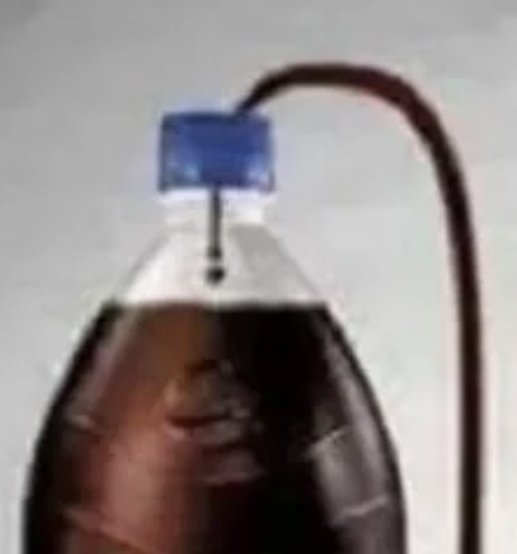
It's hard to gauge the degree of harm that's being done but it can't be beneficial to the pig
English
there's obviously air at the top of the bottle and this should demonstrate that the pig is being sapped and impurifed of its precious bodily fluids which is the makeup of a defunct variation of Pepsi with higher caffeine
largest rodent@capybaroness
do you interpret this image as pepsi being pumped into or pumped out of the pig? secondarily, do you interpret the process as helping or harming the pig? poll in reply
English
unstinkable aircraft carrier 🔻🌽 أُعيد تغريده

Hold on, they wanted us to believe the planes were parked this way 🤣🤣
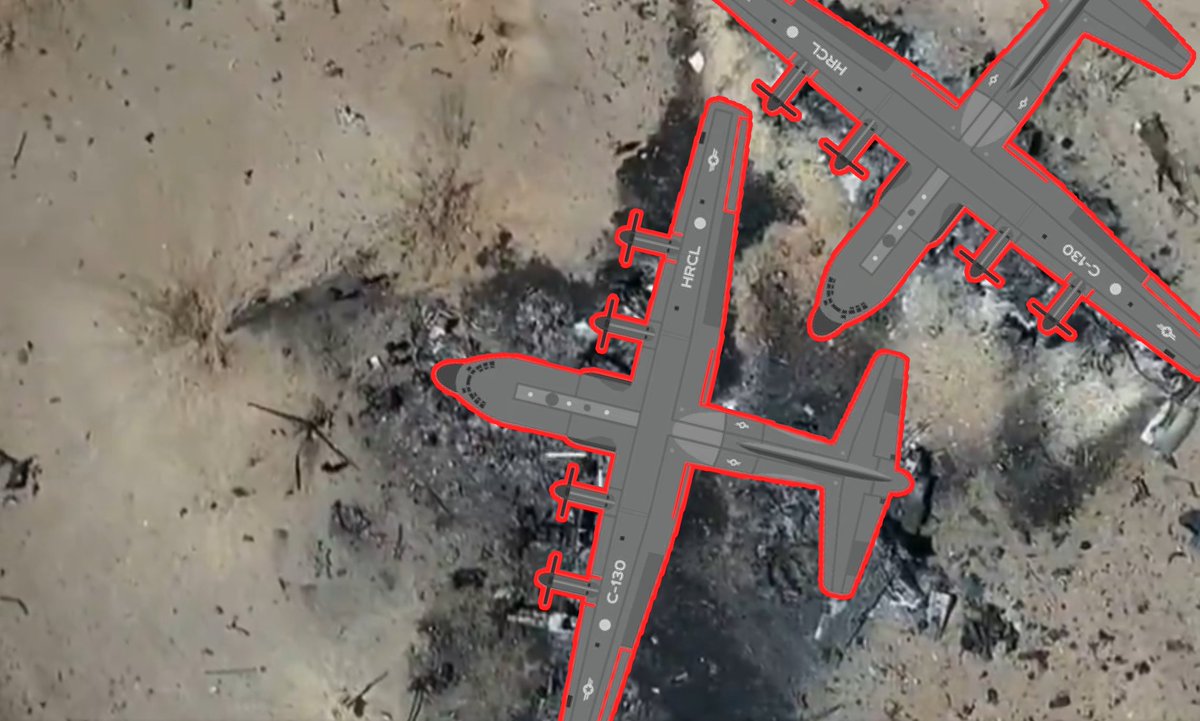
Eric Daugherty@EricLDaugh
🚨 JUST IN: Iran is STUNNED at just how decisively America exploded our own equipment just to keep them from salvaging it It’s so huge the aircraft shape is scorched into the ground! NO MAN LEFT BEHIND, no spoils for our enemies! 🇺🇸
English
unstinkable aircraft carrier 🔻🌽 أُعيد تغريده

If your having sec outside of marriage your killing yourself
English
unstinkable aircraft carrier 🔻🌽 أُعيد تغريده
unstinkable aircraft carrier 🔻🌽 أُعيد تغريده

My Cat: Open the Fuckin’ Wet Food, you crazy bastard, or you’ll be living in Hell - JUST WATCH! Praise be to Allah.
English
unstinkable aircraft carrier 🔻🌽 أُعيد تغريده

We deserve a Great Depression and collapse of the Dollar
Naina@Thenainacore
COOLEST SHI EVER 😭💅
English