Joy Keys, MSW, LSW

29.6K posts

Joy Keys, MSW, LSW

Joy Keys, MSW, LSW

@joykeys

Host of Saturday Mornings with Joy Keys #health #books #music #politics #tv #film #podcast

Philadelphia, PA انضم Mart 2009
2.6K يتبع1.1K المتابعون
Joy Keys, MSW, LSW أُعيد تغريده

BreakThrough News
BreakThrough News@BTnewsroom·
HAPPENING NOW: Impromptu march erupts in Minneapolis for Renee Nicole Good, killed by ICE
English
1K
13.5K
58.2K
1M
Joy Keys, MSW, LSW أُعيد تغريده
Harvard Business Review
Harvard Business Review@HarvardBiz·
To become a better learner, set achievable goals about what you want to learn, and then develop strategies to reach them. s.hbr.org/3c6B46N
English
4
15
59
32.6K
Joy Keys, MSW, LSW أُعيد تغريده
The Root
The Root@TheRoot·
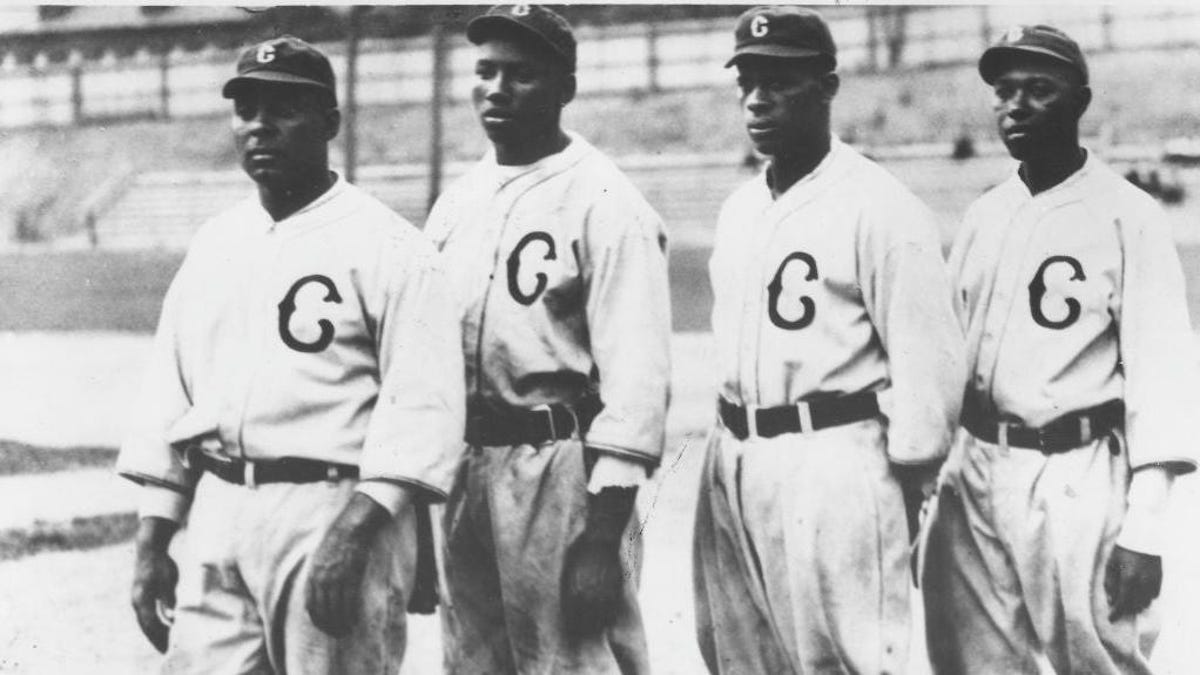
Josh Gibson, Satchel Paige and Other Negro League Legends You Should Learn About Today dlvr.it/T7fwzN
The Root tweet media
English
0
22
66
7.7K
Joy Keys, MSW, LSW أُعيد تغريده
Entrepreneur
Entrepreneur@Entrepreneur·
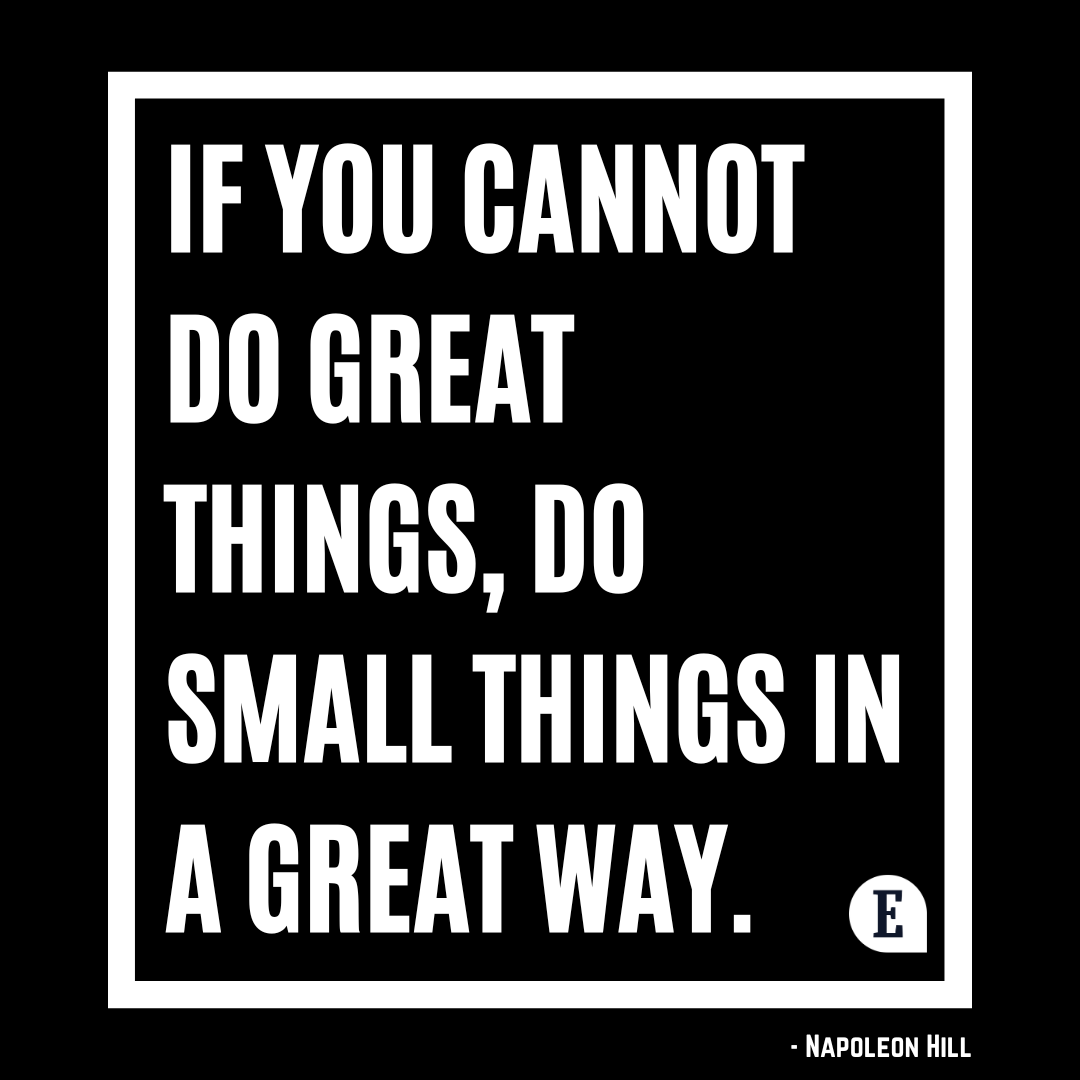
Whatever you do, make a difference!
Entrepreneur tweet media
English
6
79
265
44.4K
Joy Keys, MSW, LSW أُعيد تغريده
AFRICAN & BLACK HISTORY
AFRICAN & BLACK HISTORY@AfricanArchives·
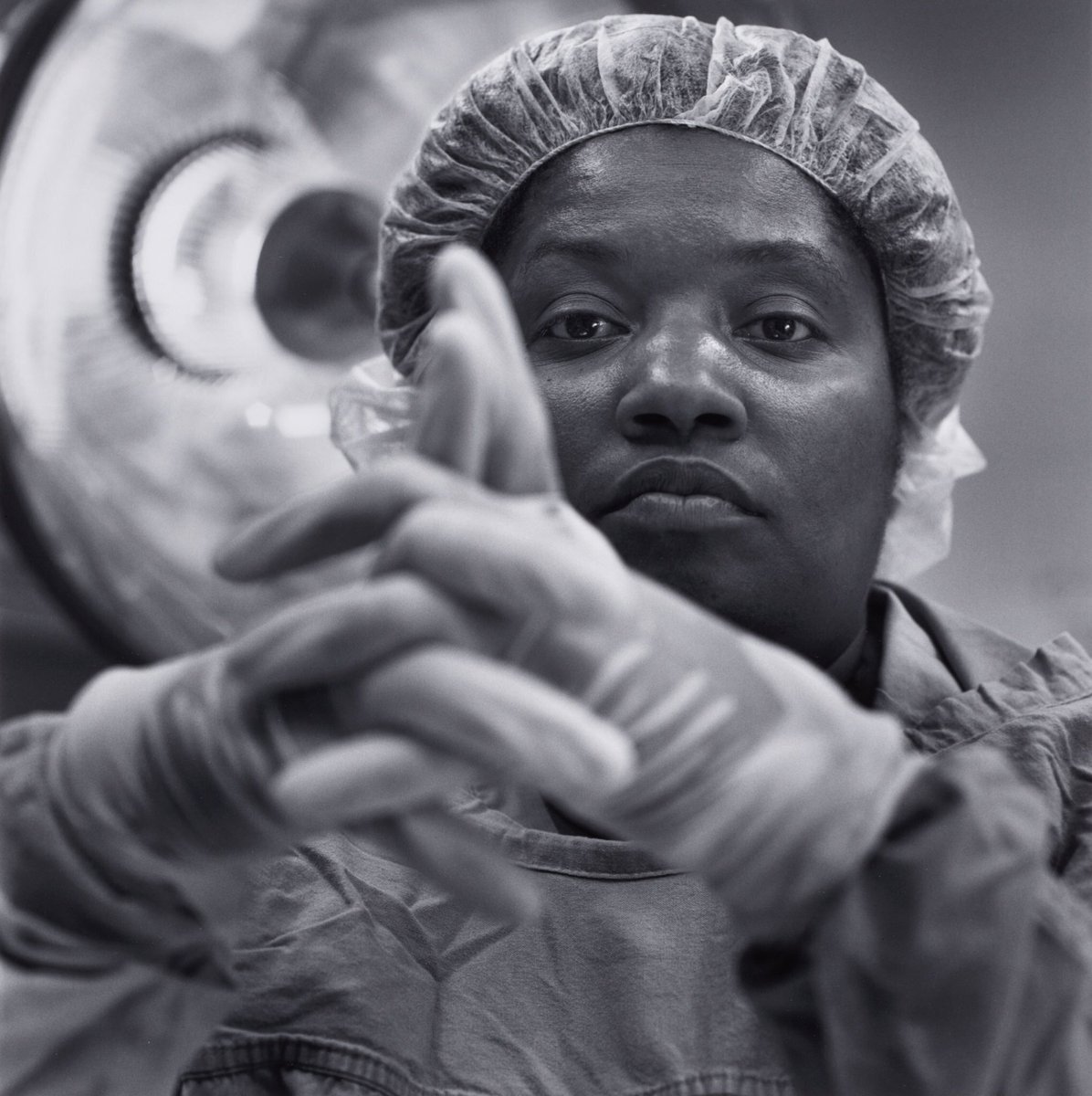
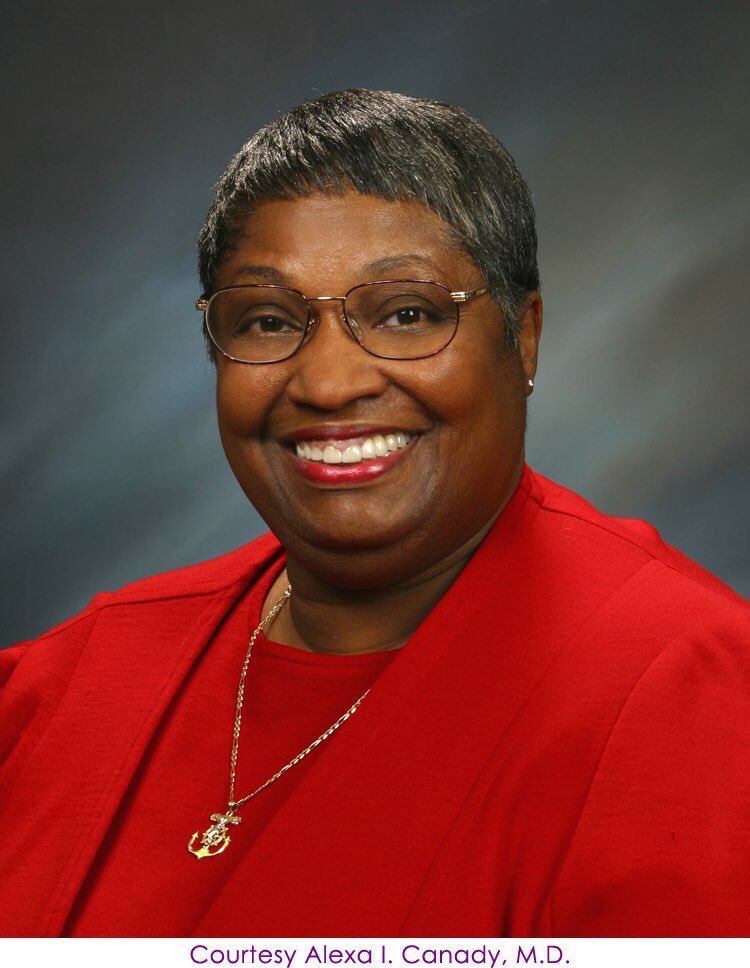
Happy 73rd birthday to Dr. Alexa Canady. She became the first black woman to become a neurosurgeon in 1981. She also co-invented a device to treat fluid buildup in the brain.
AFRICAN & BLACK HISTORY tweet mediaAFRICAN & BLACK HISTORY tweet media
English
129
5.7K
24K
760.2K
Joy Keys, MSW, LSW أُعيد تغريده
Team USA
Team USA@TeamUSA·
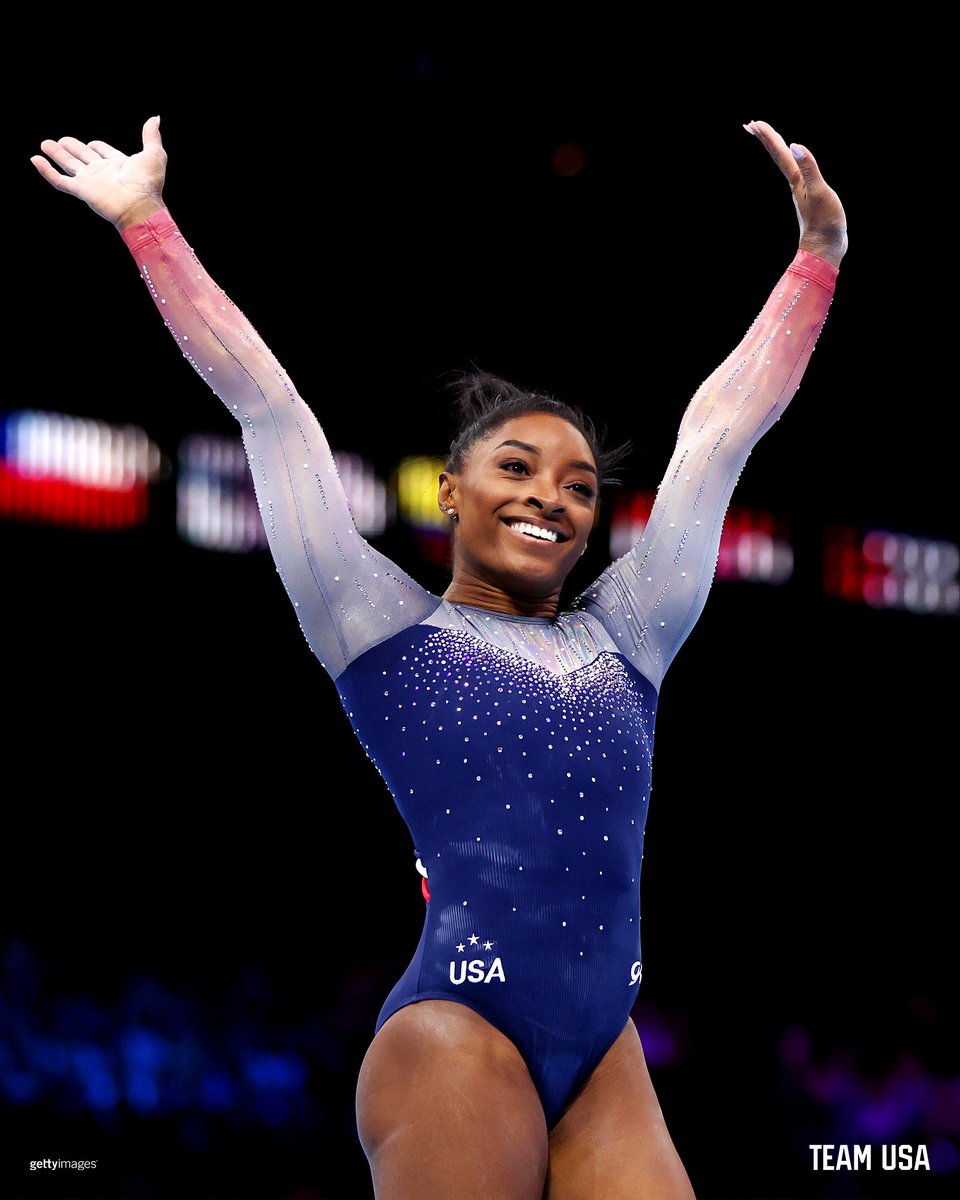
Exactly 10 years ago, @Simone_Biles won her first World Championships gold medal in Antwerp. Today, she takes home her 20th in Antwerp once again ❤️
Team USA tweet media
English
25
535
4.3K
212.9K
Joy Keys, MSW, LSW أُعيد تغريده
Prolix Music
Prolix Music@prolixmusic_·
Billie Holiday - I Love You Porgy.
English
12
139
473
22.5K
Joy Keys, MSW, LSW أُعيد تغريده
Adémọ́lá.
Adémọ́lá.@OgbeniDemola·
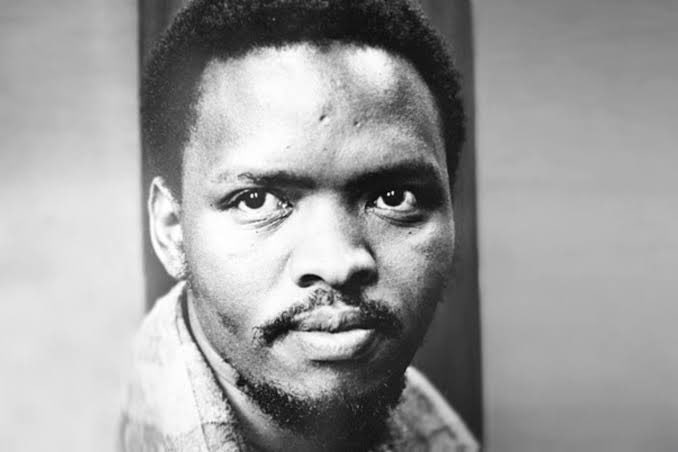
“The most potent weapon in the hands of the oppressor is the mind of the oppressed” Stephen Biko.
Adémọ́lá. tweet media
English
11
565
1.6K
40.4K
Joy Keys, MSW, LSW أُعيد تغريده
AFRICAN & BLACK HISTORY
AFRICAN & BLACK HISTORY@AfricanArchives·
Josephine Baker was described as "The most sensational woman anybody ever saw. Or ever will." Born in St. Louis, Missouri, in 1906, Josephine experienced poverty in childhood, living in cardboard shelters in the slums and dancing on the street to make money. However, the street dancing turned into performing in a vaudeville act, as she pestered a show manager for a role. For that show, she traveled to New York, and her career had begun. While performing in New York was a good start, her big break came in Paris, where she moved in her late teens to leave the racism of America. In Paris, she thrived. Her dancing life found much success. And it was also while living in Europe that Josephine evolved her artistic career into singing and acting. Josephine continued to live in Europe. Even as World War II involved France, she chose to stay, joining the French Military Intelligence Agency. In her role with the agency, she used her entertainer status to travel around Europe. And with charm, she engaged others, collecting valuable information, often keeping notes in invisible ink on sheet music. After the war, Josephine took a more active role in the U.S. Civil Rights movement. She wrote articles about segregation, worked closely with NAACP, spoke at the 1963 March on Washington, and refused to perform in segregated venues - a stance that helped drive integration. It was also during her years of working in the Civil Rights movement that Josephine began adopting children, calling her family the "Rainbow Tribe," as her children were of different races and ethnicities. Josephine passed away in Paris in 1975. France honored her with a state funeral; she is the only American-born woman to receive this honor. 🖋️if you love our content, please consider supporting our page via donations on AfricanArchives.Support
AFRICAN & BLACK HISTORY tweet media
English
158
4.3K
21.2K
1.8M
Joy Keys, MSW, LSW أُعيد تغريده
Team USA
Team USA@TeamUSA·
A stat that speaks for itself! 🗣️ @Simone_Biles is set to represent Team USA at her 6th World Championships, becoming the only U.S. woman to ever do so. 🇺🇸
Team USA tweet media
English
83
987
7.3K
595.3K
Joy Keys, MSW, LSW أُعيد تغريده
AFRICAN & BLACK HISTORY
AFRICAN & BLACK HISTORY@AfricanArchives·
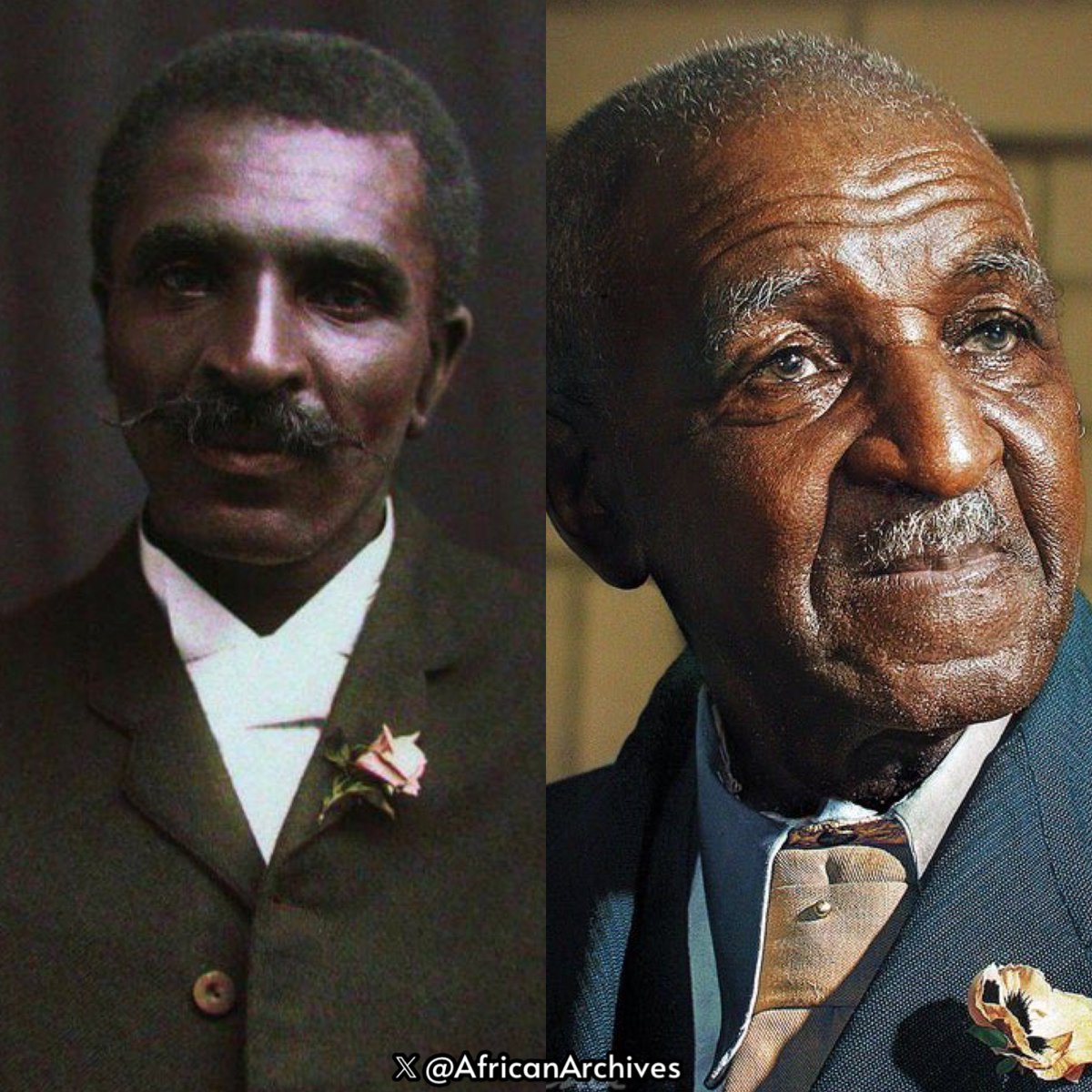
George Washington Carver had a difficult start in life. Born sometime around 1864, his father died shortly before George's birth, likely from an accident when he was out hauling wood. And only weeks after birth, slave traders kidnapped George and his mother. Rescued would not be an apt term; recovered is more appropriate. But the group sent out to find him and his mother exchanged a horse for the young boy. His mother, however, was lost to the traders. Less than two months old, and George was already an orphan. Often sick, frail, he was not expected to live. But live he did, and from a young age, he showed much devotion to work and a desire for learning. He was curious, and as he'd roam the woods near the Carver home, exploring flowers, trees, rocks, and birds, he began asking questions about their purpose. While much of his education early on was self-motivated, he began formal schooling at ten. He learned of a school about eight miles from the Carver home. And without any money or a new home, he left the Carver's to attend this school, living in an old barn while doing odd jobs to earn money to survive. Eventually, he was adopted into a family there. Education for George would continue through completing a Master's Degree in agriculture from Iowa State University in 1896. After which, he took a job as Head of the Agricultural Department at the Tuskegee Institute in Alabama. George was also an artist. At the age of 30, Carver gained acceptance to Simpson College in Indianola, Iowa, where he was the first Black student. Carver studied piano and art. As an agricultural scientist and inventor, his goal was to help farmers improve their lives by earning more from their crops. He found hundreds of uses through his research of peanuts in particular and other products such as sweet potatoes and pecans. His work was instrumental and impactful. Between 1915 and 1918, acreage for peanut cultivation grew from half a million to over four million acres. After George passed away in 1943, Franklin D. Roosevelt sent a message that said: "All mankind are the beneficiaries of his discoveries in the field of agricultural chemistry. The things which he achieved in the face of early handicaps will for all time afford an inspiring example to youth everywhere." 🖋️if you love our posts, please consider supporting African-Archives via AfricanArchives.Support
AFRICAN & BLACK HISTORY tweet media
English
163
3.1K
14.2K
1.1M