تغريدة مثبتة
こばa.k.aにんてー@次走どこ走ろう
23.4K posts

こばa.k.aにんてー@次走どこ走ろう
@nintei
浦和市出身神戸市在住。(浦和レッズが)生まれた時からレッズサポ。ランニング・自転車・サッカー・漫画・アニメ・ゲームなど広く浅かったり深かったり。PB 2021奈良マラソン3:18:53。復活に向けてボチボチ走ってます。急に言われると左右が分からない程度の左右盲。
兵庫県神戸市 انضم Ağustos 2009
370 يتبع516 المتابعون
こばa.k.aにんてー@次走どこ走ろう أُعيد تغريده

@keiji19810115 鹿島が東の優勝しちゃうとその時点で西の優勝がACLE出場になるのかしら?
それはつまらんので、頑張れウチ(笑)
日本語
こばa.k.aにんてー@次走どこ走ろう أُعيد تغريده

あのドーピング冤罪「争うは本意ならねど ドーピング冤罪を晴らした我那覇和樹と彼を支えた人々の美らゴール」を執筆した木村さんが、我那覇選手が現役でプレーしてるうちにJリーグから謝罪と名誉回復をとした記事
サッカーファンも世代を超えて知って欲しい。
news.yahoo.co.jp/articles/6cd17…
日本語
こばa.k.aにんてー@次走どこ走ろう أُعيد تغريده

♦️GOAL!⚽️♦️
2025/26 SOMPO WEリーグ 第18節
🆚C大阪 12分 #サンシャインフォンテス ゴール! 2-0
📱📺💻 DAZN でライブ配信中!
▶️x.gd/593Mi
OneMatchOneWin
#nikefootball
#WEみようぜ

日本語
こばa.k.aにんてー@次走どこ走ろう أُعيد تغريده

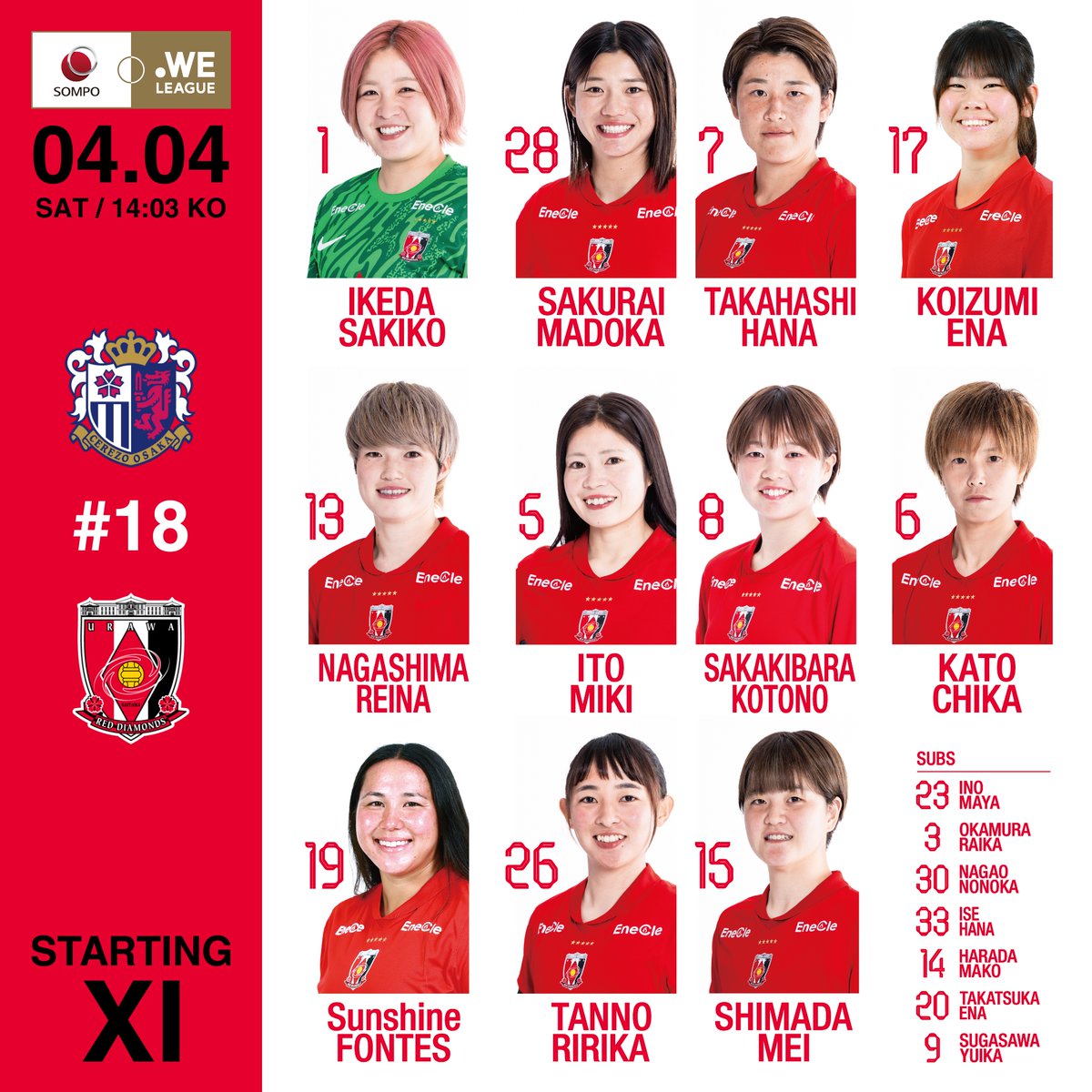
2025/26 SOMPO WEリーグ 第18節
<🆚C大阪 メンバー>
GK 池田
DF 櫻井、高橋はな、小泉、長嶋
MF 伊藤、榊原、加藤、サンシャイン フォンテス、丹野
FW 島田
SUBS 伊能、岡村、長尾、伊勢、原田、高塚、菅澤
#nikefootball
#WEみようぜ
#OneMatchOneWin

日本語
こばa.k.aにんてー@次走どこ走ろう أُعيد تغريده

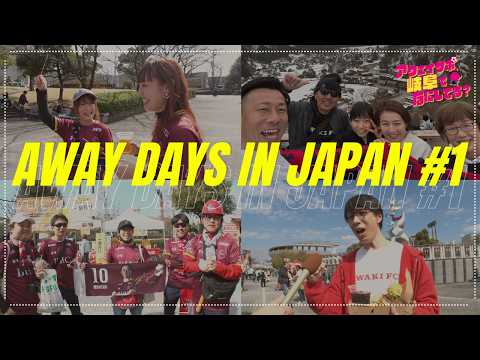
AWAY DAYS IN JAPAN #1 IWAKI FC
ドキュメント版を公開
(海外意識してクールぶってますが
地上波版の見逃し配信が
そのうち消えてしまうからです…
ナレーションは浦口アナです。
カワモトさん一家、
本当にありがとうございます🙇♂️)
▼動画
youtu.be/9_J3igvwecw
#Jリーグ
#FC岐阜
#いわきFC

YouTube
日本語
こばa.k.aにんてー@次走どこ走ろう أُعيد تغريده

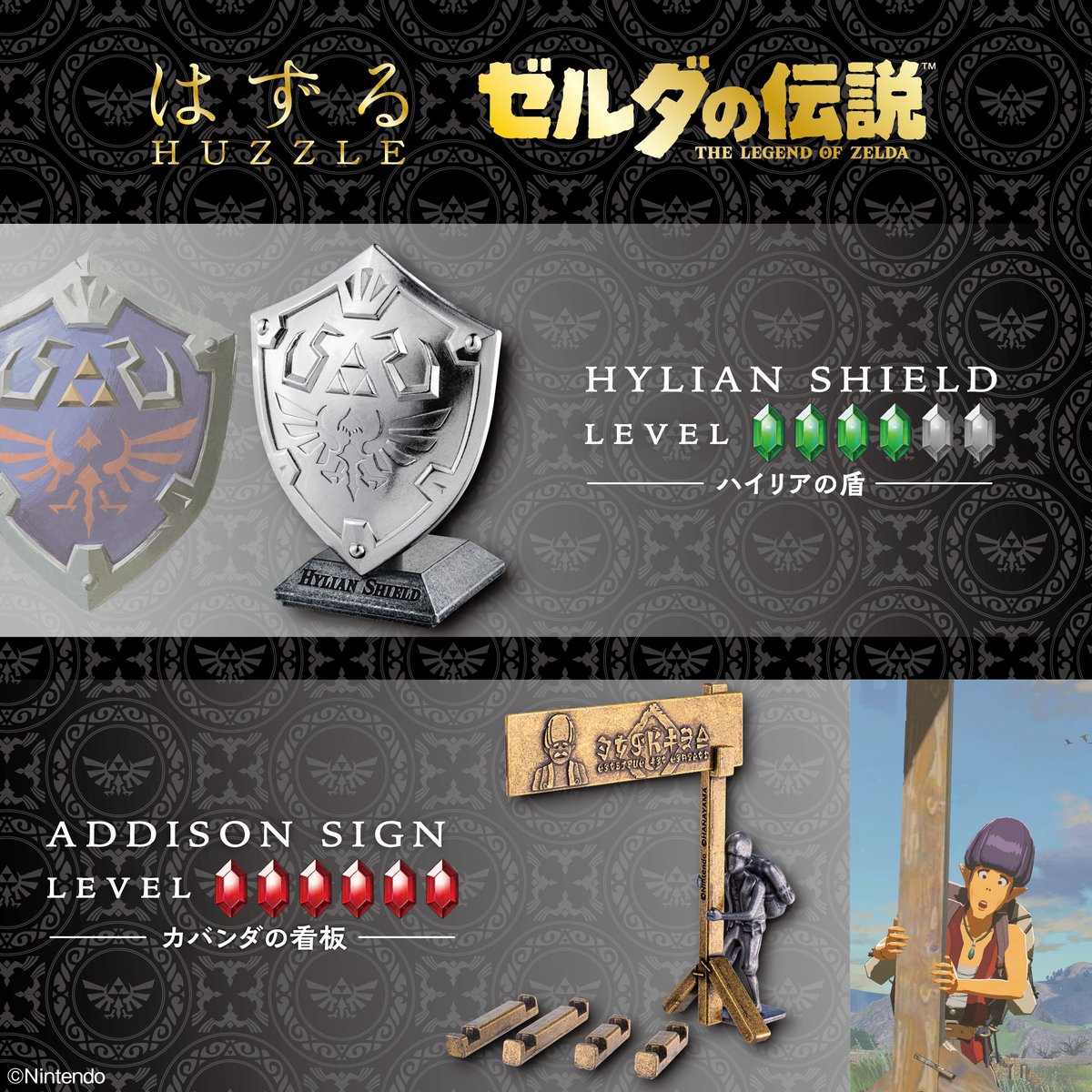
ハナヤマさんより、「はずる ゼルダの伝説」の新セットが4月25日に登場。「ハイリアの盾」「カバンダの看板」をテーマに、パズルに挑戦してみてはいかがでしょうか。
store-jp.nintendo.com/feature/featur…

日本語

ああ、ちょっと分かったわ。
「支援=金を出せ」だと思われたのか。
確かに前項との対比だとそうとしか読めないなw
私の言う「支援」ってもっと広義の意味なんだ。
例えば「関心を持つこと」や「自分たちの街の仲間として認めること」みたいな緩いものも含まれるのよ。
言葉が足りなかったね反省。
こばa.k.aにんてー@次走どこ走ろう@nintei
「チーム名に企業名を出さないから、宣伝になってないので企業が金を出す意味がない」という理屈なら、「地域名を名乗っているのだから、地域(自治体や地元企業、住民)が支援するのは必然である」と言っていいんじゃないかという思い付きw
日本語
こばa.k.aにんてー@次走どこ走ろう أُعيد تغريده

Japan are serious Dark Horses. Don’t sleep on them.
Four years ago, Japan beat Germany 2-1at the World Cup in Qatar to stun the world. Before that game, Germany had never lost to Japan in their entire history. Japan have now done it twice, and the second time wasn't even close.
In September 2023, Germany hosted Japan in a friendly in Wolfsburg. Germany had everything to prove after Japan knocked them out of the 2022 World Cup. They got the same result. Japan won 4-1. Germany's manager at the time called it a "catastrophe."
Last October, Japan beat Brazil 3-2. Their first win over Brazil ever. Then just last week, Kaoru Mitoma and his menwalked into Wembley and put Japan 1-0 up against England with a composed finish in the 23rd minute. England had never lost to an Asian nation in ten attempts. They lost this time.
Under Hajime Moriyasu, Japan now has a record of five wins and one draw against countries that have won the World Cup. Germany twice, Spain, Brazil, and now England.
People are calling this Japan's football renaissance. I want to push back on that word. A renaissance means a revival of something that once existed. Japan never had this before.
What they have built is entirely new, and it did not happen recently. It happened over thirty years of deliberate, patient, structural work that most of the world completely ignored.
As far back as 1992, Japan had no professional football league. The national team had never qualified for a World Cup. Baseball was the national sport and football was barely an afterthought.
The Japan Football Association looked at this and made a decision that would take decades to pay off. They decided to build from the ground up, not the top down.
The J.League officially kicked off on May 15, 1993, with just ten clubs. The JFA had modeled it on Germany's Bundesliga, and from the beginning, every club was required to be community-rooted rather than company-owned, a deliberate choice to make football a social institution rather than a corporate asset.
Five years after that league launched, Japan qualified for their first World Cup. In France 1998. They had gone from no professional league to the World Cup in half a decade.
But the JFA knew early results were not the point. The point was the structure underneath.
They mandated that every professional club must have a youth academy and deep roots in their local community. J.League clubs operate highly structured U12, U15, and U18 development tiers. Every child coming through Japanese football was being coached within a unified national system.
The JFA won the Asian Football Confederation's award for Best Member Association of the Year for Grassroots Football in 2013, with a 20% growth in registered players under 12 years old between 2003 and 2014.
Those children are now in their mid-twenties. They are the players you are watching beat Germany and England.
The JFA has been promoting what they call a "quaternity" approach, in which national team strengthening, youth development, coach education, and grassroots football share the same knowledge and information and maintain a close relationship with each other. Do not see this as four separate programs. See it as one organism.
What happens at grassroots level feeds directly into what happens at senior level, and what the senior team learns feeds back down. Most football associations have these pillars too, but they operate in silos. Japan deliberately wired them together.
The J.League also developed Project DNA, a long-term strategy aimed at establishing a world-class youth development system, with 60 clubs completing over 1,000 targeted actions to enhance academy quality. The results included U17 and U23 AFC championship wins and increased transfers of under-21 Japanese players to European clubs.
Now here is the part people misread. When they see the Bundesliga statistics, when they count the Premier League players, they assume the European experience is the source of Japan's strength. It is not the source. It is the output.
Rather than pushing young talent abroad too early, the JFA focuses on holistic development in the J.League and affiliated academies, only initiating overseas moves when players are fully prepared. Europe is where Japan sends players who are already good. The domestic system is what made them good in the first place.
Japan became the first nation to qualify for the 2026 World Cup, beating Bahrain 2-0 with three games to spare. They qualified first out of 48 nations. They are currently ranked 18th in the world and they are in a group at the tournament alongside the Netherlands.
Do not forget that they topped at group that had Germany and Spain at the last World Cup. They are a pretty serious team.
Moriyasu has said publicly that Japan's goal is to win the 2026 World Cup. Twelve months ago that sounded like polite ambition. Today, after Wembley, after Brazil, after a 4-1 demolition of Germany, the honest question is not whether Japan can win it.
The honest question is whether anyone has figured out how to stop them yet.
My name is Ajoje. I am a FIFA Licensed Agent and International Sports Lawyer. I write on the Law and Business of Football, a lot. Repost and Follow if you want to read more posts like this.

English