synapse

216 posts

synapse

synapse

@synapse800

small team big goals

انضم Mart 2026
66 يتبع12 المتابعون
تغريدة مثبتة
synapse
synapse@synapse800·
Hi everyone, Here is the complete list of all 27 late-breaking clinical trials from #ACC26, including each session, day, time, and study objective. See you in New Orleans! 🧵🙌 @ACCinTouch HI-PEITHO (Saturday, March 28 | 9:30–10:30 a.m. CT) Examines if ultrasound-assisted catheter-directed thrombolysis combined with anticoagulation decreases the likelihood of early hemodynamic instability or mortality versus anticoagulation alone among patients with acute intermediate-to-high-risk pulmonary embolism.
synapse tweet media
English
1
0
1
283
synapse
synapse@synapse800·
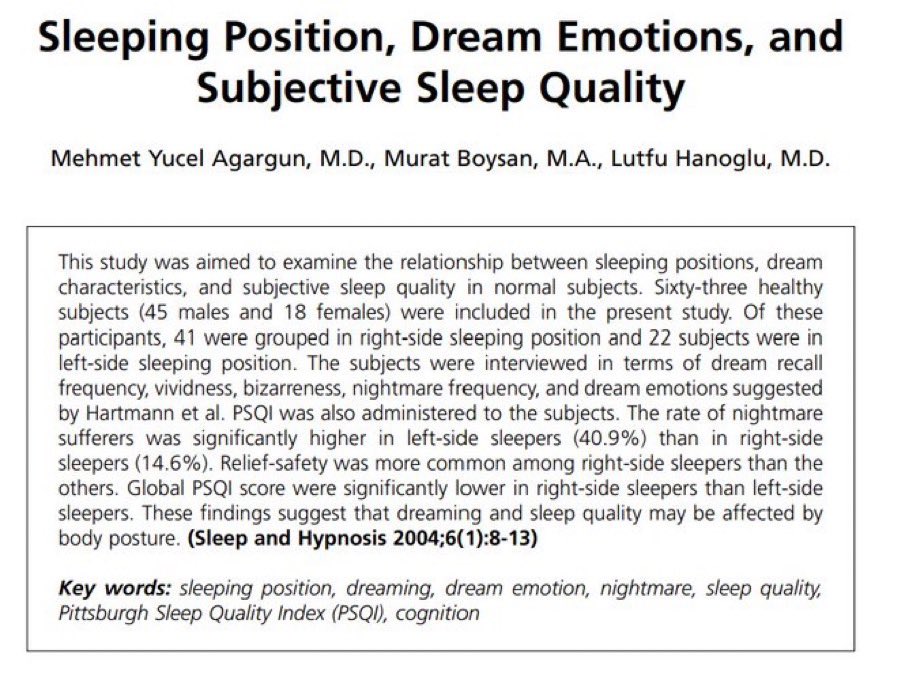
Left-side sleepers had ~3x the nightmare rate of right-side sleepers. Right side = more likely to dream with relief & safety Left side = fear & helplessness Overall sleep quality was also better on the right side.
synapse tweet media
English
0
0
0
0
synapse
synapse@synapse800·
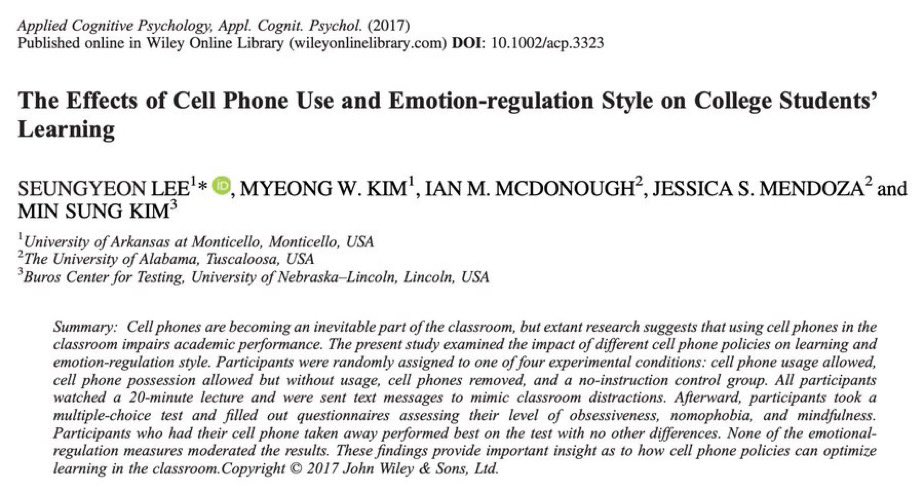
Put your phone in another room when you need to think. In a randomized study, students whose phones were physically removed during a lecture scored ~16% higher (whether phone use was allowed or not).
synapse tweet media
English
0
0
0
1
synapse
synapse@synapse800·
In the early 90's scientists from the U.S. National Library of Medicine decided to image the entire human body, from top to bottom, in cross-sectional segments about a millimeter thick. The effort was called The Visible Human Project. Two cadavers, one male and one female, were encased in gelatin and then frozen into ice blocks, at frigid temperature of -160 degrees Fahrenheit (-71 degrees Celsius). Then, a sophisticated cryogenic microtome (a very finely-tuned deli slicer in a big freezer was used to slice the cadavers, millimeter by millimeter. For the man, that meant a total of 1,878 slices (putting him at about 6' 2"). After each pass of the slicer, the remaining block of ice/body was photographed using high-resolution magnetic resonance imagery (MRI).
English
0
0
0
40
synapse
synapse@synapse800·
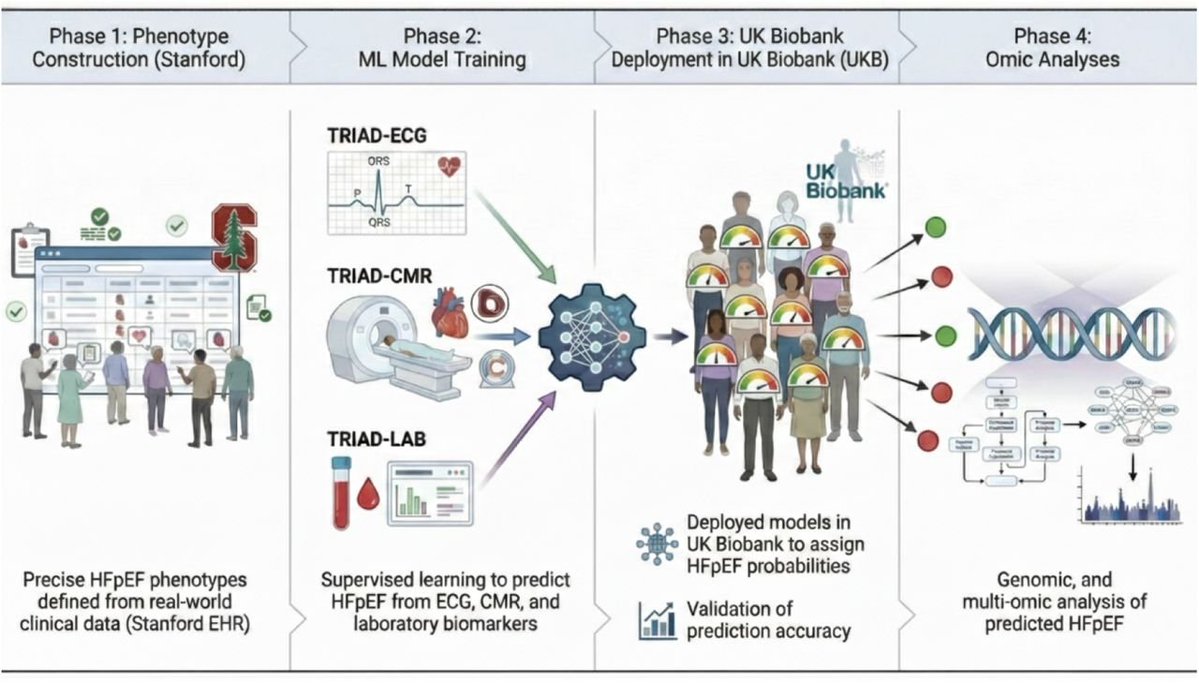
Multimodal machine learning preprint reveals genomic and proteomic architecture of HFpEF using ECG + imaging + omics data. Could reshape precision prevention in heart failure. Below: Multimodal Machine Learning Reveals the Genomic and Proteomic Architecture of Heart Failure with Preserved Ejection Fraction. Showing Overall framework diagram showing the four phases: phenotype construction, ML model training (TRIAD-ECG, TRIAD-CMR, TRIAD-LAB), deployment in UK Biobank, and omic analyses.
synapse tweet media
English
0
0
1
25
synapse
synapse@synapse800·
Roche and NVIDIA’s AI drug discovery factory and surgical robotics foundation model are making headlines again. Real-world scaling of AI in pharma pipelines is accelerating. NVIDIA Expands Open Model Families to Power the Next Wave of Agentic, Physical and Healthcare AI
synapse tweet media
English
0
0
0
20
synapse
synapse@synapse800·
New bioRxiv preprint introduces MaxToki, a temporal AI model that predicts cell state trajectories across aging and disease. It already identified verifiable age-modulating targets in vivo. Figure highlights the core innovation: the model was trained on nearly 1 trillion gene tokens and can generalize to unseen trajectories through in-context learning, with experimental validation of predicted age-modulating targets in vivo.
synapse tweet media
English
0
1
1
92
synapse
synapse@synapse800·
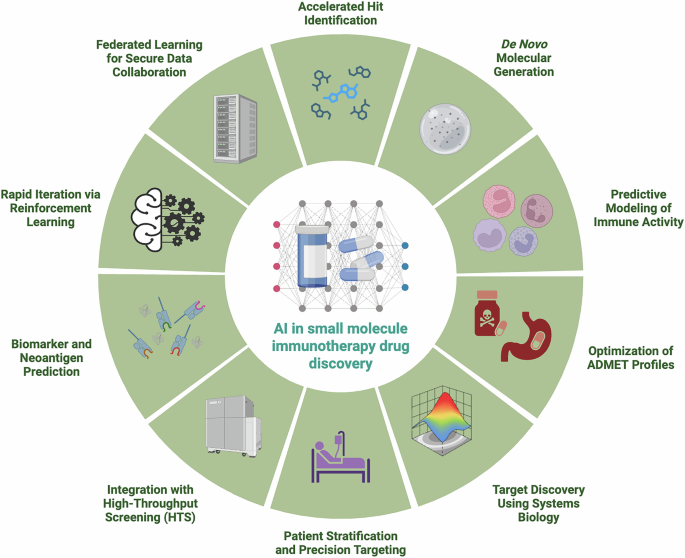
Drug Target Review Articles highlights: AI achieving “antibody in days” via high-throughput wet-lab integration. The approach is breaking traditional bottlenecks in discovery pipelines. Below: Integrating artificial intelligence into small molecule development for precision cancer immunomodulation therapy | npj Drug Discovery
synapse tweet media
English
0
0
0
18
synapse
synapse@synapse800·
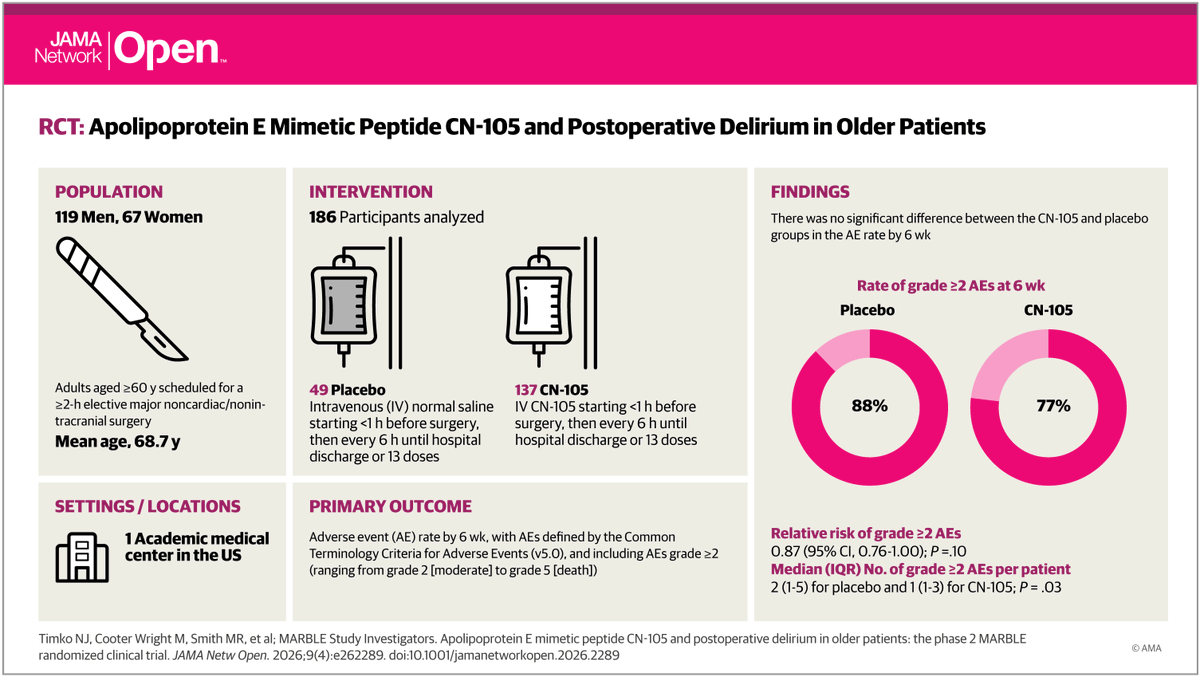
Phase 2 trial data show an experimental drug targeting brain inflammation safely reduced postoperative delirium risk by about 25%. Early results could change recovery protocols. Full paper: bit.ly/4e6gt2e with @RealMilesBerger Source: JAMA Network Open publication.
synapse tweet media
English
0
0
1
7
synapse
synapse@synapse800·
Breaking: Orca-T allogeneic T-cell immunotherapy hit its PDUFA date yesterday (April 6). The therapy targets hematological malignancies and could offer a new off-the-shelf option if approved. Source: FDA decision tracker and BioPharma Dive updates, April 6–7, 2026.
synapse tweet media
English
0
0
0
13
synapse
synapse@synapse800·
Scientists announced April 5 the discovery of a key protein (FTL1) that drives brain aging along with early evidence of ways to block its effects. The finding comes from detailed cellular and animal studies. Future therapies could target this protein to potentially slow brain aging and potentially lower the risk of cognitive decline or related conditions in older adults giving a new path for preventive brain health. Reported from University of California, San Francisco (UCSF) research, published/discussed in Nature Aging
synapse tweet media
English
0
0
0
10
synapse
synapse@synapse800·
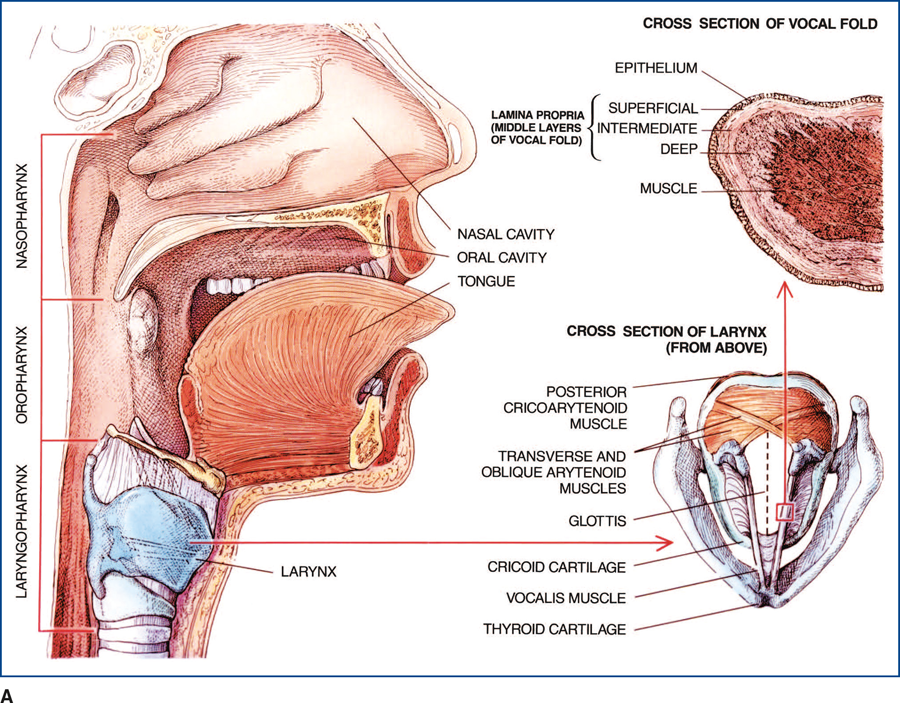
New study released April 5 introduces AI voice biomarkers that can detect vocal fold lesions from a short audio recording. The model analyzes subtle changes in pitch frequency and waveform patterns that signal abnormalities. A quick non-invasive voice test could soon allow doctors to spot throat and voice disorders early without needing specialist scopes or invasive exams right away.
synapse tweet media
English
0
0
1
22
synapse
synapse@synapse800·
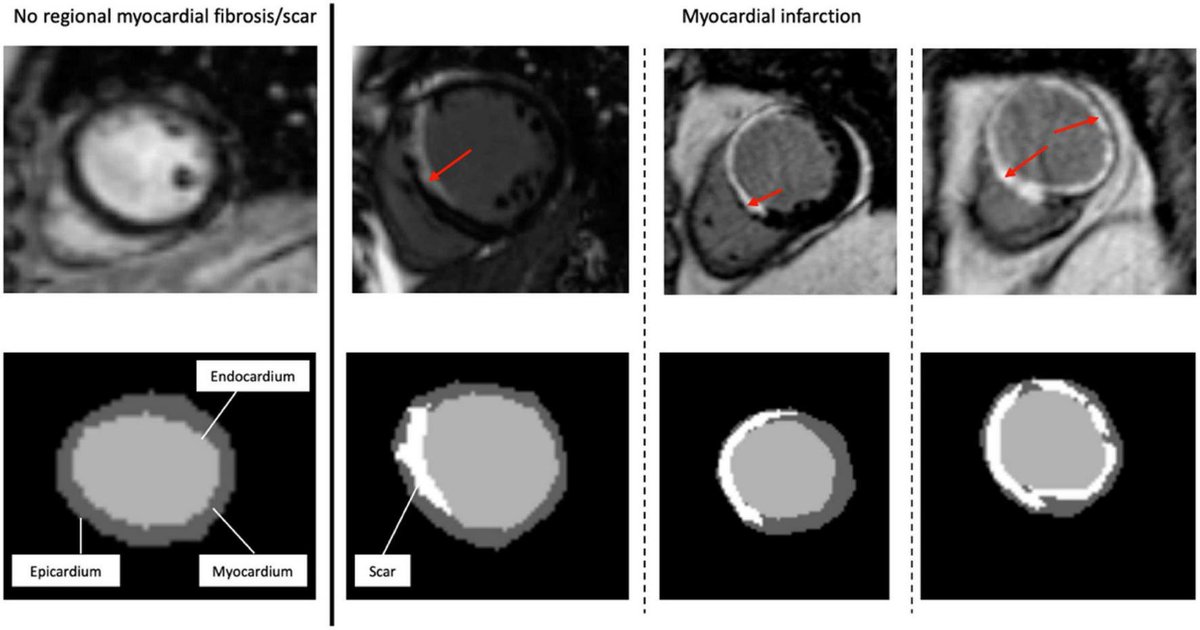
AI could soon help radiologists turn complex heart MRI data into faster consistent reports speeding up diagnosis while still KEEPING human doctors in final decision-making.
synapse tweet media
English
0
0
0
5
synapse
synapse@synapse800·
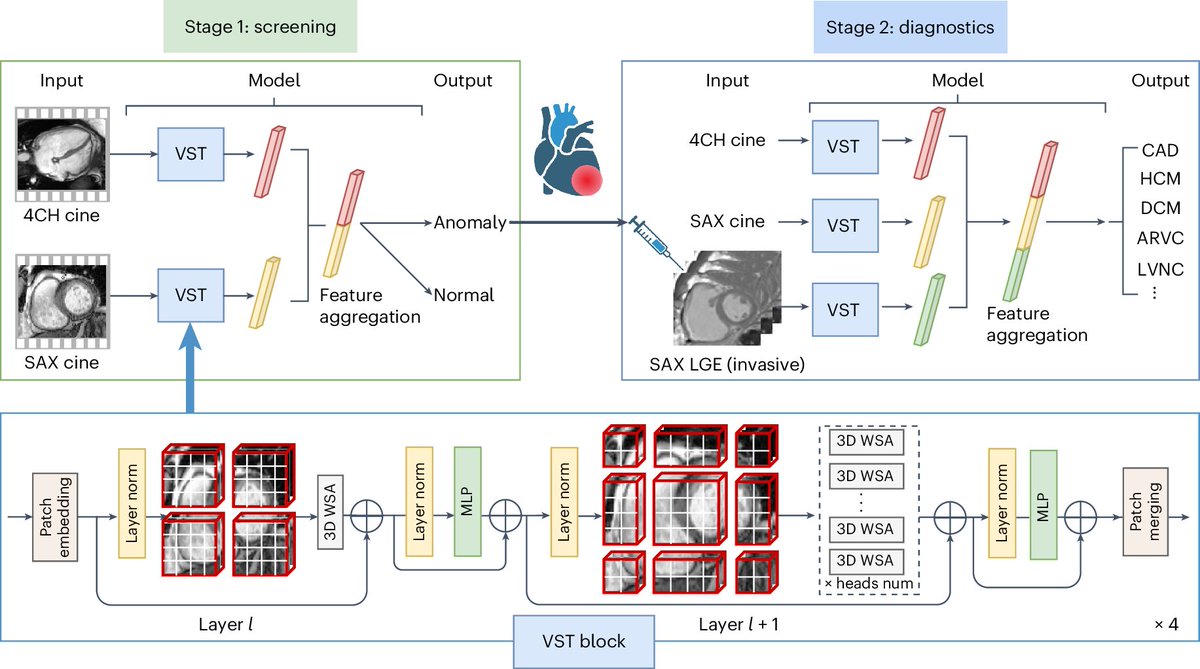
Breaking: arXiv preprint on the BAAI Cardiac Agent introduces a multimodal AI system that performs automated reasoning and diagnosis from cardiac MRI scans. It processes multiple views and outputs probabilities for conditions like cardiomyopathy or valve disease. How it works: The agent uses vision transformers on 4-chamber and short-axis cine images extracts features then reasons step-by-step like a cardiologist comparing patterns and patient data. Example: It might flag subtle left-ventricular changes missed on initial review and suggest “possible early dilated cardiomyopathy recommend follow-up echo.”
synapse tweet media
English
1
0
1
8
synapse
synapse@synapse800·
Breaking: New analysis confirms the influenza vaccine significantly lowers the risk of FLU-related heart attack or stroke even among those who STILL get infected afterward. The protective effect holds across age groups. Getting your annual flu shot is now proven heart protection for millions of people with or without existing conditions making it a practical everyday step to lower cardiovascular events.
synapse tweet media
English
1
0
0
10
synapse
synapse@synapse800·
This new analysis links a new heart health metric to increased fracture risk in postmenopausal women. The data show clear connections between cardiovascular factors and bone health outcomes in this group. This means heart checkups could double as a simple way to spot osteoporosis risk in older women allowing integrated care that protects BOTH the heart and bones at the same time. Huge. #HealthEquity #PreventiveCardiology #ArtificialIntelligence #MedTech
English
0
0
0
3
synapse
synapse@synapse800·
Just in: European Heart Journal published the new SCORE2-HF risk model which predicts incident heart failure in people with NO prior cardiovascular disease using simple clinical variables. The tool aims to improve prevention strategies across populations. This means doctors can now identify people at higher risk of developing heart failure years in advance using everyday checkup data shifting cardiology toward true prevention instead of waiting for symptoms.
synapse tweet media
English
1
0
1
9
synapse
synapse@synapse800·
Breaking: AI is getting closer to writing radiology reports. But not all models are equal. In a blinded study, clinicians compared human impressions vs a custom-trained AI vs a general LLM. Result? Custom AI performed nearly on par with radiologists. Generic models were longer, less concise, and less preferred. So, what does this mean: in medicine, how you train AI matters more than just having AI.
synapse tweet media
English
0
0
0
16
synapse
synapse@synapse800·
New discussions highlight an AI model that analyzes standard ECGs to detect signs of heart failure in as little as 5 seconds. The deep learning approach scans waveform patterns invisible to the naked eye and flags risk for earlier intervention. Its possible routine ECGs done in clinics everywhere could soon act as a fast low-cost early warning system for heart failure helping doctors start treatment before symptoms worsen and reduce hospitalizations. #CardioTwitter #MedTwitter #CardioX #AIinMedicine #DigitalHealth #synapse
synapse tweet media
English
0
0
0
15
`
`@schiz04renic·
Do people really exist who enjoy spending the whole day at home, alone, without seeing anyone??
English
55
24
132
6.1K