
Doug Boehner
32.5K posts


Doug Boehner
@windog
Movies, roller coasters, sneakers, toys, graphic design, cars, video games, LEGO, monsters. I like everything.
🚨#BREAKING: The U.S. government has officially confirmed plans to release UFO files
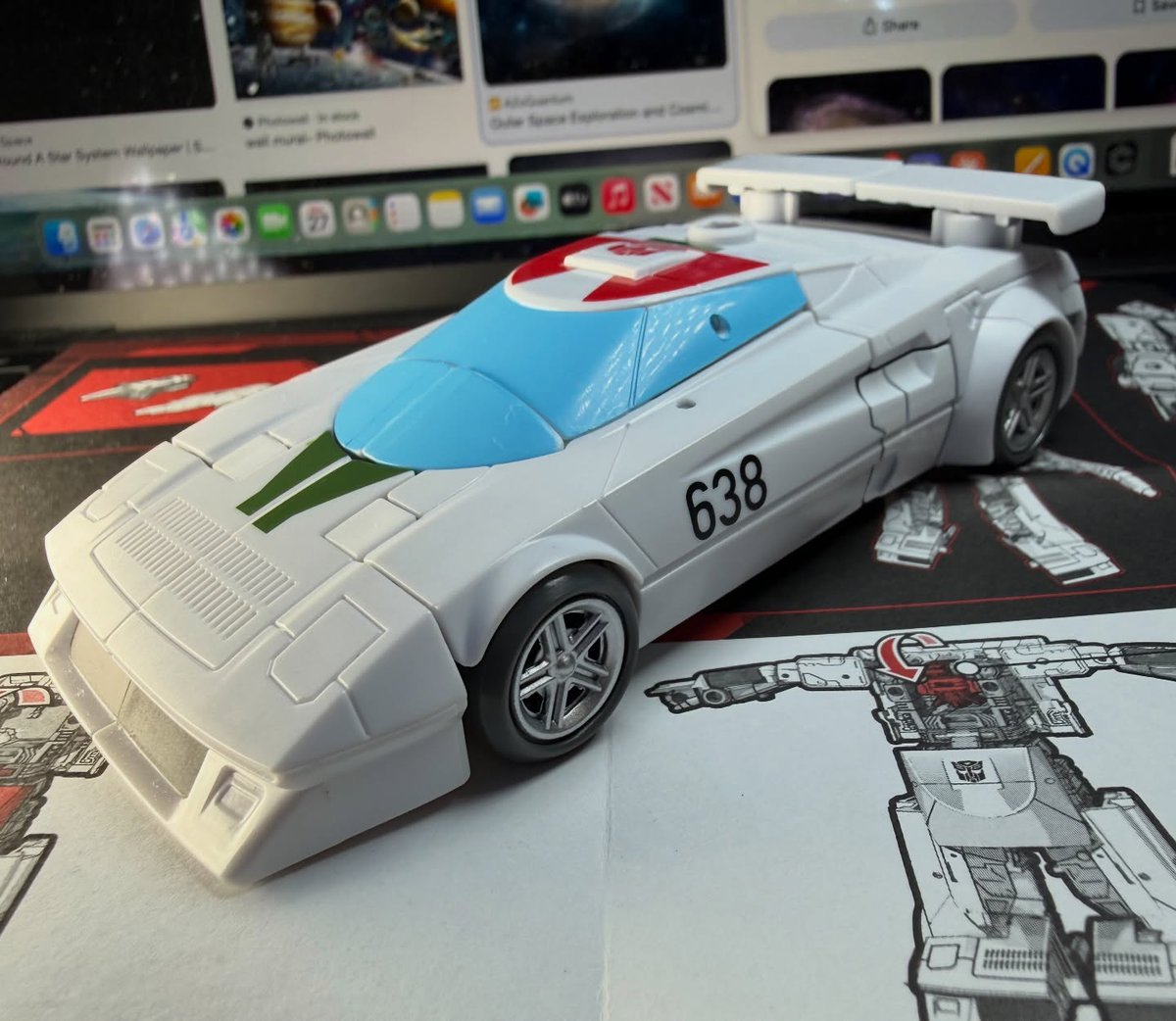

Me reading my Transformer's instruction manual knowing full well I will never in my life even begin to attempt transforming it

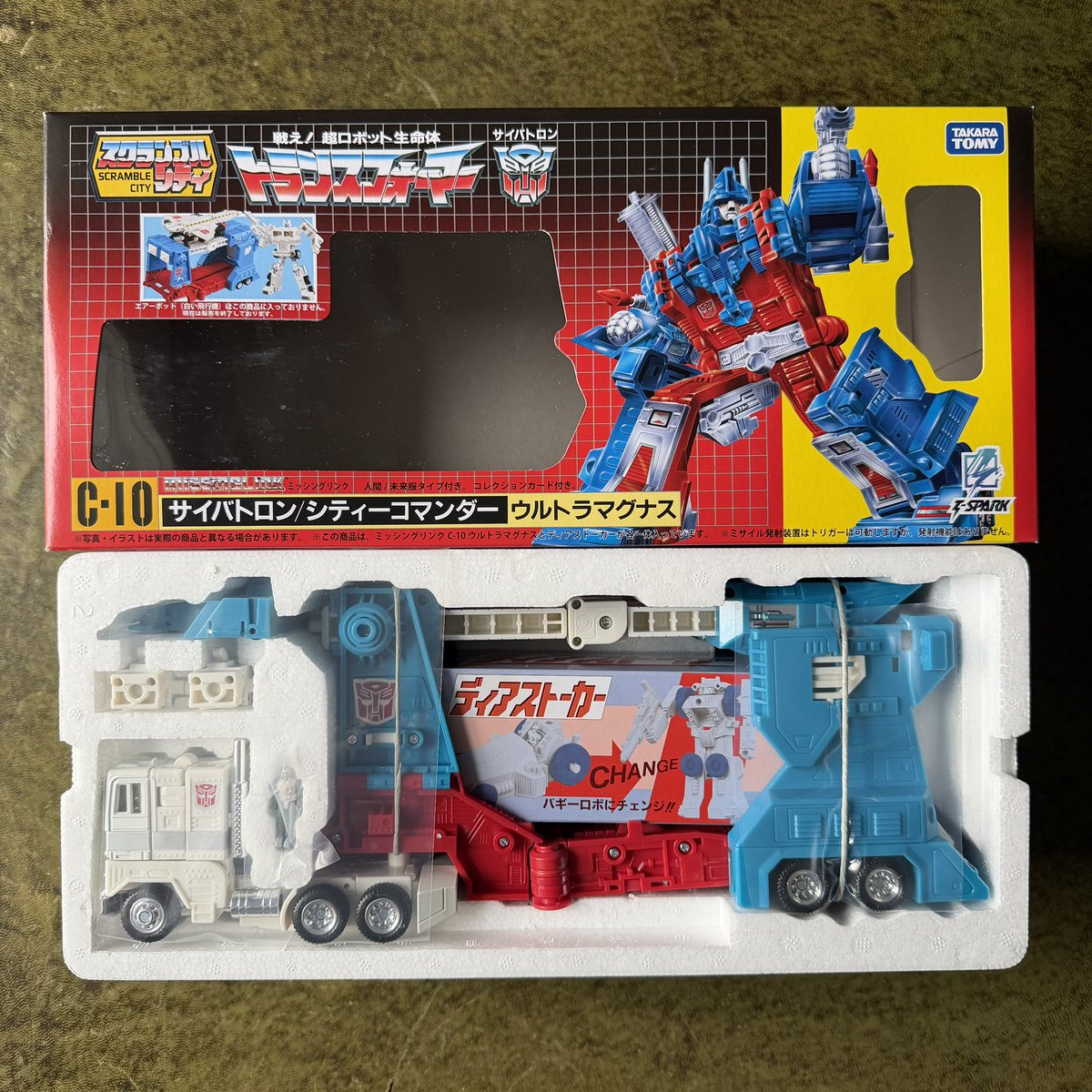

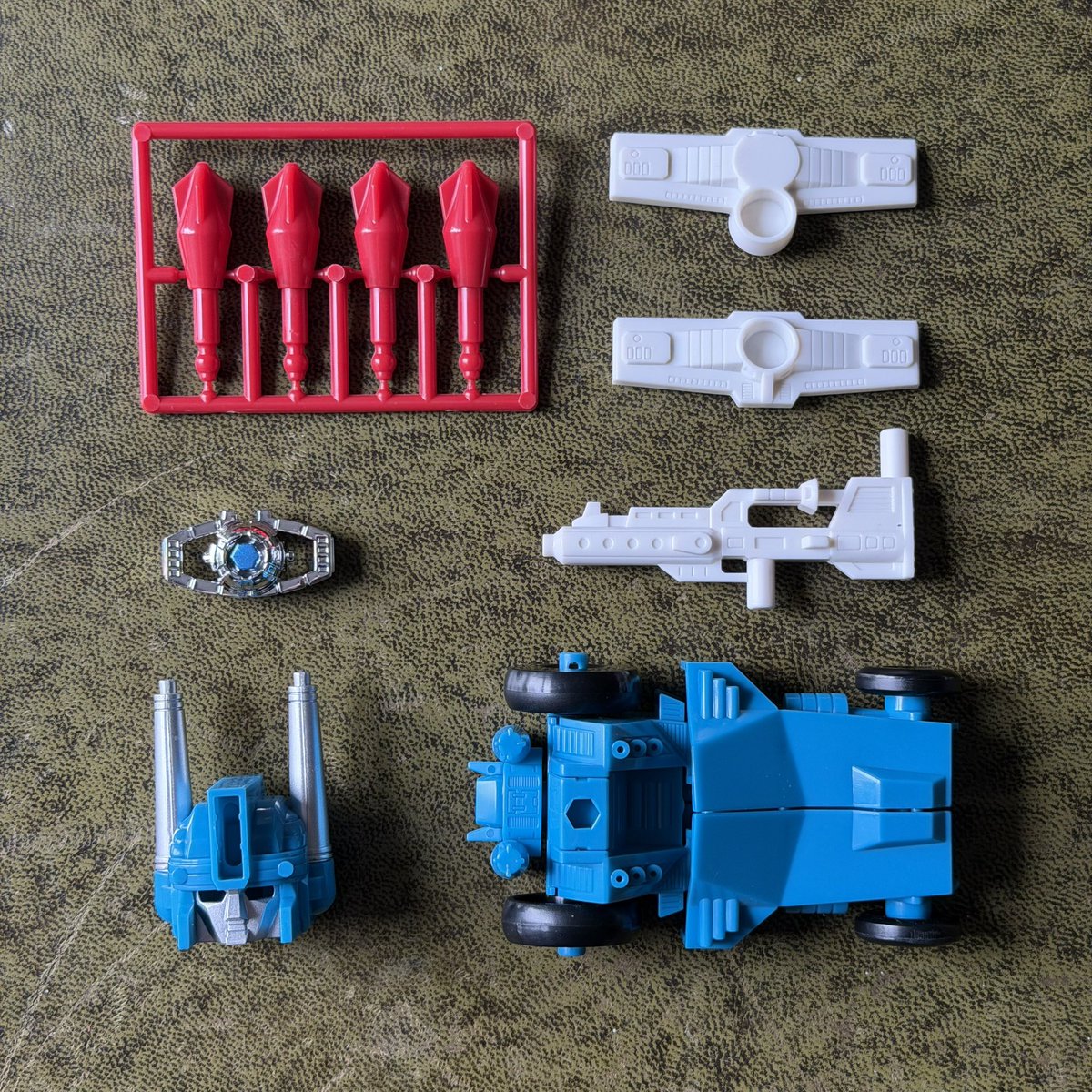






HOLY SH$T 🤯 video credit @rpenajr89
Transformers: The Movie (1986) is one of the most traumatic animated films ever. Optimus Prime’s death hit so hard that parents flooded Hasbro with letters: kids crying, not eating. Hasbro resurrected him, and Prime’s been killed and brought back in almost every iteration since.
Raw Patterson-Gimlin footage, October 20, 1967, Bluff Creek, California. No edits—what stands out to you when you watch it? Date & Location: October 20, 1967, Bluff Creek (a tributary of the Klamath River), Del Norte County, Northern California (Six Rivers National Forest area). Filmmakers: Roger Patterson (operating the camera) and Bob Gimlin (on horseback, rifle ready). Camera: Cine-Kodak K-100, a 16mm hand-wound movie camera rented earlier that year. It had a variable speed dial (marked at 16, 24, 32, 48, 64 fps) with no click stops, allowing any speed in between. Patterson said he typically used 24 fps but didn’t check the setting in the moment. Film Stock: Kodachrome II daylight-balanced color reversal film (rated ~25 ASA). Length & Duration: The creature footage is ~23.85 feet of film (954 frames). At the common 16 fps playback, it runs 59.5 seconds. Some analyses (e.g., Grover Krantz) argue it was likely shot closer to 18 fps (making the event ~53 seconds). The camera’s actual speed when set to 16 fps could vary slightly due to mechanical tolerance. Lens: Standard references point to the camera’s normal 25mm Ektar lens, though some detailed site recreations and analyses have debated a possible wider 15mm lens for matching the field of view. #PattersonGimlin #PGF #Bigfoot