
1Sec

86 posts

1Sec banner
1Sec

1Sec

@1SecBridge

https://t.co/J8uKSCyQVh

Beigetreten Ocak 2023
3 Folgt2.8K Follower
1Sec
1Sec@1SecBridge·
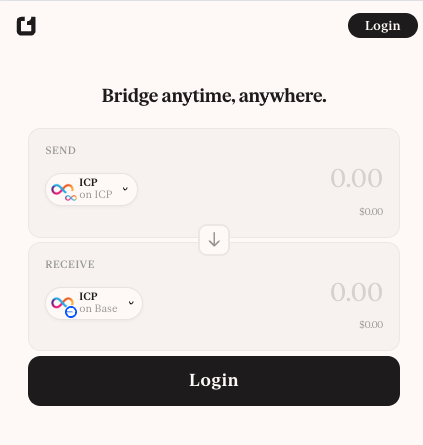
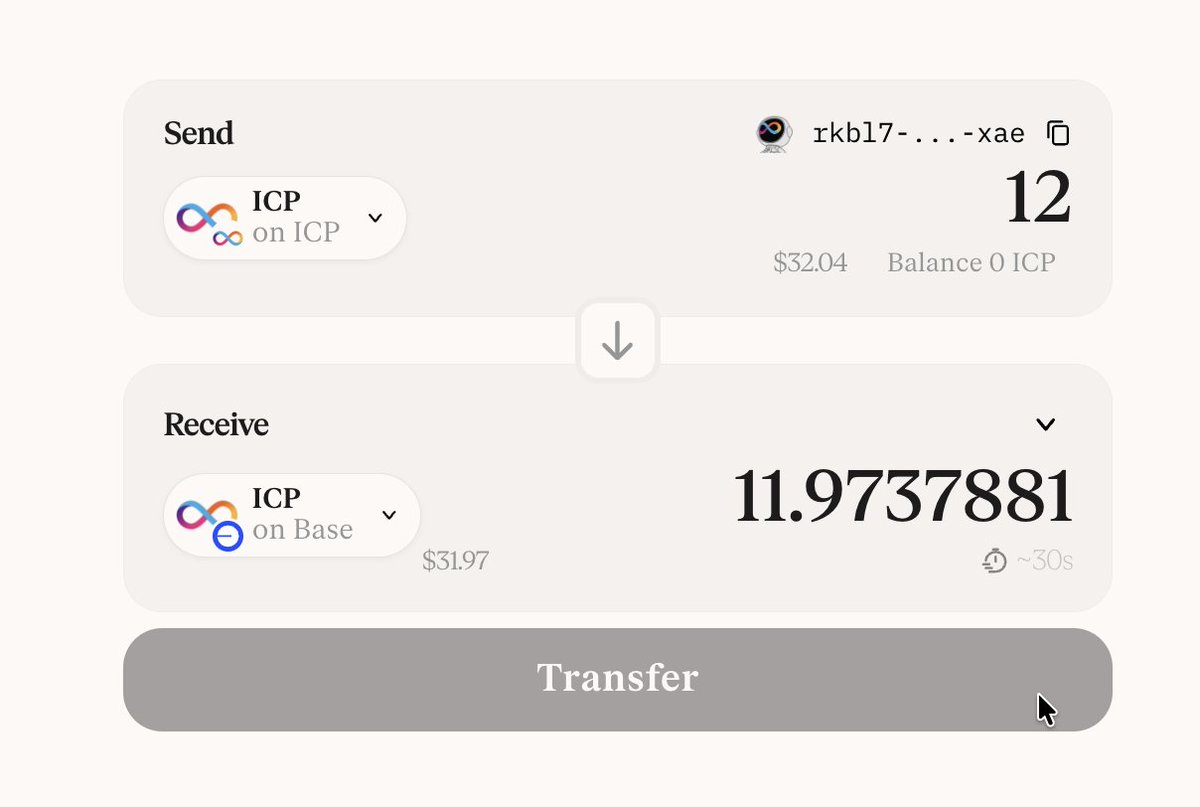
1sec just became usable on mobile!
1Sec tweet media
English
1
3
19
662
1Sec
1Sec@1SecBridge·
1sec frontend just got refreshed!
1Sec tweet media
English
2
11
64
2.3K
1Sec retweetet
STABOI
STABOI@MatesunBimbola·
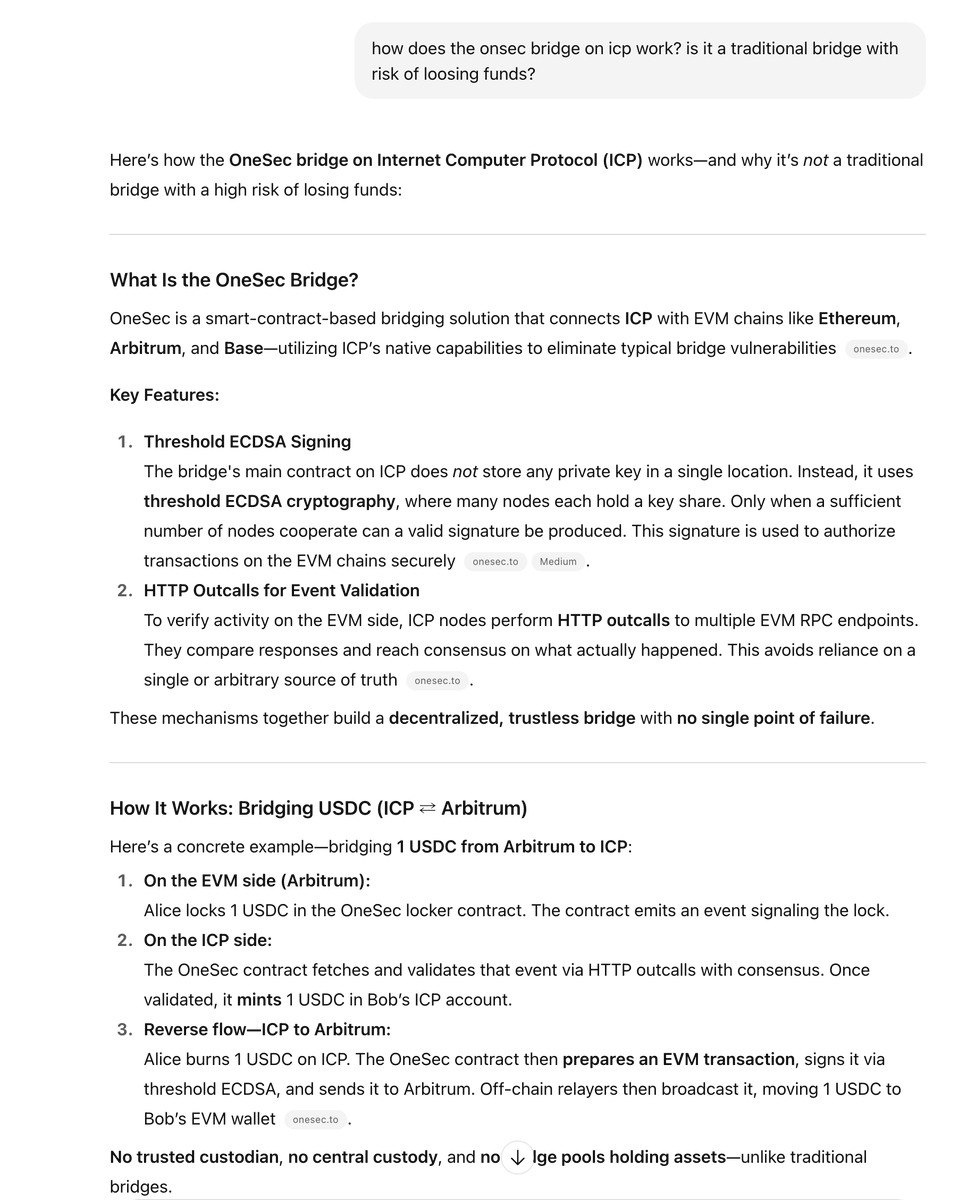
DAY 4 of my 5-Days series posts about @1SecBridge The Secret Advantage Nobody Talks About: Why 1Sec Doesn’t Need Massive TVL to Win Okay let’s be honest for a second… crypto has programmed all of us to judge bridges by TVL. Half the time we don’t even know why, we just… do it. It’s like muscle memory at this point. And I mean, it made sense before. Old bridges basically operate like giant liquidity buckets. If the bucket runs dry, everything starts acting crazy… failed swaps, random slippage, UI lag, that awkward moment where you’re not even sure if your funds are “in transit” or lost somewhere in the multiverse. You know that feeling. But here’s the part most people just never stop to think about: 1Sec didn’t build around that entire TVL worship culture. And honestly, that already puts it on a different path compared to most bridges out there. Let me explain further.. The old bridge model is basically “TVL or die trying.” Traditional bridges behave like banks. They need deposits. Like… a lot of it. No TVL? = No swaps = No reliability = Users disappear The whole thing just collapses slowly. That’s why you always see bridges begging LPs with crazy incentives. They’re literally paying people to make the system function. Imagine needing capital to stand up straight. 1Sec simply doesn’t care about that game. Here’s where things get interesting: 1Sec doesn’t need to stash massive liquidity anywhere. There’s no giant pot of funds sitting across chains waiting to be drained or hacked. It just… uses whatever liquidity already exists in the ecosystem and routes through it. So immediately, you get: •No billion-dollar honeypot for hackers •No pressure to “flex” big TVL on dashboards •No LPs jumping in and out like they’re doing musical chairs •No fake numbers to look relevant It’s literally: route → execute → settle → keep it moving. Very straightforward. Very unproblematic. The whole experience feels lighter. More sensible. Most people haven’t realized the shift happening. Look around. It’s 2025. Nobody wakes up saying: “Damn, I hope my bridge has 800M TVL today.” People just want: •Don’t lose my money. •Don’t freeze mid-transaction. •Let it be fast. •Make the UI so simple my sleep-deprived self won’t get confused. If a bridge can: •process instantly •avoid liquidity shortages •reduce attack surfaces •and just work without drama Then TVL honestly becomes one of those vanity metrics people cling to because they’re used to it, not because it makes sense. This is the exact corner where 1Sec shines. It’s not trying to fight Stargate or Wormhole or Relay or LI.FI on the “who has more locked funds” scoreboard. It’s literally playing a whole different sport. So what does all this mean long-term? A bridge that doesn’t depend on locking giant pools of money becomes: •cheaper to operate •harder for attackers to exploit •easier for chains to adopt •more stable during peak traffic •and honestly way more scalable But the real plot twist? Its growth depends on usage not how much capital it can trap inside its ecosystem. That’s what actual sustainability looks like. And honestly? Sometimes the smartest move is refusing to follow rules that stopped making sense a long time ago.
STABOI tweet media
STABOI@MatesunBimbola

DAY 3 of my 5-Days series posts about @1SecBridge Where 1Sec Actually Sits in a Market Full of Strong Competitors Today isn’t a “hype the project” kind of post. I’m genuinely trying to understand where 1Sec fits in a bridge market filled with giants that have been here way longer and have way more Funds. Because let’s be honest… Before anyone uses a new bridge, the first thing they do is compare it to the biggest names they already trust. So yeah, that’s what we’re diving into today. ⸻ 1. Speed… The Part Users Actually Feel Most bridges claim speed. And yes, many are “fast”… just not consistently fast. Here’s the reality: •Wormhole → messaging is almost instant, but settlement depends on wherever you’re sending the asset •LayerZero → messages arrive quick, finality waits for multiple confirmations •Across → great for L2 to L2, but still tied to proof settlement Where 1Sec sits: ICP gives deterministic finality. Real finality. Just settled. In about a second. And funnily enough, people notice speed the most when the market is acting mad: •network congestion •volatility •liquidation danger moments Raw speed is cool. Consistency is what wins people over. And 1Sec is very consistent. ⸻ 2. User Costs,this happens to be the Silent Dealbreaker Nobody Talks About Enough A bridge can be perfect, but once users feel the burn of gas… they’re not coming back. Right now: •Ethereum gas = pain •L2s = still not “free” •Multi-chain = double or triple gas hits •Some bridges add service fees. Where OneSec sits: ICP literally covers computation at the protocol layer. Users don’t even see gas. In the user’s mind, one bridge feels expensive. The other one feels “zero stress.” And most people will always choose convenience over tradition. ⸻ 3. Architecture… The Part That Makes OneSec Hard to Compare. Most bridges roughly follow the same structure: •committees •validators •oracles •relayers •backend servers somewhere in the shadows There’s nothing “wrong” with this. It’s just what EVM allows. But it comes with baggage: •downtime •human involvement •monitoring systems •wrapped assets (IOUs basically) •liquidity fragmentation Where OneSec sits: The ICP foundation changes the whole backend model. Canisters allow: •on-chain logic •on-chain routing •on-chain signatures •no external servers •no wrapped-token pools It behaves more like an autonomous backend than a traditional bridge. This difference gets more obvious the bigger it scales. ⸻ 4. Security…. The Part Everyone Only Cares About After Something Blows Up Over $2.5B lost in hacks came from: •wrapped-asset contracts •multisigs •validator compromise •centralized custody setups And yes… many top bridges still rely on these. Where OneSec sits: ICP can generate blockchain-compatible signatures, so OneSec skips wrapped assets entirely. No wrapped assets = •no giant liquidity pool waiting to be drained •no synthetic token risk Removing an entire attack vector is a huge deal. ⸻ 5. User Experience This is the final Decision Maker Most bridges follow this pattern: •connect •pick networks •approve •pay gas •wait •refresh •pray •check explorer •wait again Crypto natives don’t mind. Normal humans? They get tired. Where OneSec sits: The UX is almost too simple: •scan/connect wallet • pick network •approve •done No network switching. No gas. No “where did my funds go?” moment. This is exactly the kind of UX non-crypto people need to actually use crypto. ⸻ So… Where Does OneSec Fit? Not above competitors. Not below them either. Just… outside the usual box. Most bridges are trying to improve within the rules of EVM architecture. OneSec is building on a chain where most of those rules don’t even exist. That’s the real edge. Not marketing. Just a completely different foundation to build on.

English
2
1
15
1.5K
1Sec retweetet
STABOI
STABOI@MatesunBimbola·
DAY 5 of my 5-Days series posts about @1SecBridge Beyond TVL, Beyond Speed: The Real Reason 1Sec Could Redefine What a Bridge Is.. GM frens.. We’ve spent the last four days breaking down 1Sec from every angle — the architecture, the chain behind it, the competitors, and even why TVL doesn’t define its trajectory. Today is different. Today is about the bigger picture. Because the more I study this project, the more it becomes clear that 1Sec isn’t just trying to be “another fast bridge.” Its real impact might be something far more interesting: Redefining what users expect a bridge to be in the first place. ⸻ 1. People Don’t Want Bridges.. They Want Movement If we’re being brutally honest… No one wakes up excited to “bridge tokens.” People want to move… I mean move assets, move liquidity, move value. But today’s bridges force users to think: •“which chain am I sending to?” •“what gas do I need?” •“is this wrapped or native?” •“will this fail?” 1Sec removes most of that thinking. Not by UI tricks… But by changing the backend reality of how bridging works. And that subtle shift, reducing the “mental cost” of moving assets is the beginning of a new category. ⸻ 2. The Architecture Feels Less Like a Bridge, More Like a streamlined Expressway. Traditional bridges rely on: •multisigs •validators •wrapped liquidity •relayers •settlement delays So the UX always inherits their limitations. 1Sec, built on ICP, behaves more like a streamlined transport layer: •native transfers •no gas juggling •no liquidity pools •no synthetic tokens It’s not just “faster”… It’s fundamentally straighter more like building a highway instead of navigating city traffic lights. Bridges try to optimize friction. 1Sec removes whole categories of friction entirely. ⸻ 3. A New Standard: When Users Stop Feeling Like They’re Bridging If 1Sec continues on its current path, the end result is simple: ➡️ A bridge that stops feeling like a bridge. Just: •tap •approve •done And the more invisible the process becomes, the more powerful the product gets. Because history keeps repeating this pattern: •Email won when people stopped thinking about SMTP servers •Cloud won when people stopped thinking about physical storage •L2s won when users stopped thinking about “which chain am I on?” 1Sec is approaching that moment for cross-chain movement. ⸻ 4. Redefinition Doesn’t Happen With Hype — It Happens With Consistency Bridges fail when: •gas spikes •liquidity dries •networks congest •confirmations lag 1Sec minimizes these weak points by design, not by marketing. Which is why the most interesting part about this project isn’t the 1-second speed or the zero gas… It’s the possibility that bridging becomes: •predictable •boring •invisible And that is when a tool becomes infrastructure. ⸻ Maybe the real win isn’t “being the fastest bridge.” Maybe the real win is building the first bridge that feels so smooth, people forget they’re using one. And if that happens… 1Sec won’t just be competing with other bridges… it’ll be redefining the entire category. And this brings us to the End of our 5-Days Series.. Thank you all for the Support ❤️ @dfinity
STABOI tweet media
STABOI@MatesunBimbola

DAY 4 of my 5-Days series posts about @1SecBridge The Secret Advantage Nobody Talks About: Why 1Sec Doesn’t Need Massive TVL to Win Okay let’s be honest for a second… crypto has programmed all of us to judge bridges by TVL. Half the time we don’t even know why, we just… do it. It’s like muscle memory at this point. And I mean, it made sense before. Old bridges basically operate like giant liquidity buckets. If the bucket runs dry, everything starts acting crazy… failed swaps, random slippage, UI lag, that awkward moment where you’re not even sure if your funds are “in transit” or lost somewhere in the multiverse. You know that feeling. But here’s the part most people just never stop to think about: 1Sec didn’t build around that entire TVL worship culture. And honestly, that already puts it on a different path compared to most bridges out there. Let me explain further.. The old bridge model is basically “TVL or die trying.” Traditional bridges behave like banks. They need deposits. Like… a lot of it. No TVL? = No swaps = No reliability = Users disappear The whole thing just collapses slowly. That’s why you always see bridges begging LPs with crazy incentives. They’re literally paying people to make the system function. Imagine needing capital to stand up straight. 1Sec simply doesn’t care about that game. Here’s where things get interesting: 1Sec doesn’t need to stash massive liquidity anywhere. There’s no giant pot of funds sitting across chains waiting to be drained or hacked. It just… uses whatever liquidity already exists in the ecosystem and routes through it. So immediately, you get: •No billion-dollar honeypot for hackers •No pressure to “flex” big TVL on dashboards •No LPs jumping in and out like they’re doing musical chairs •No fake numbers to look relevant It’s literally: route → execute → settle → keep it moving. Very straightforward. Very unproblematic. The whole experience feels lighter. More sensible. Most people haven’t realized the shift happening. Look around. It’s 2025. Nobody wakes up saying: “Damn, I hope my bridge has 800M TVL today.” People just want: •Don’t lose my money. •Don’t freeze mid-transaction. •Let it be fast. •Make the UI so simple my sleep-deprived self won’t get confused. If a bridge can: •process instantly •avoid liquidity shortages •reduce attack surfaces •and just work without drama Then TVL honestly becomes one of those vanity metrics people cling to because they’re used to it, not because it makes sense. This is the exact corner where 1Sec shines. It’s not trying to fight Stargate or Wormhole or Relay or LI.FI on the “who has more locked funds” scoreboard. It’s literally playing a whole different sport. So what does all this mean long-term? A bridge that doesn’t depend on locking giant pools of money becomes: •cheaper to operate •harder for attackers to exploit •easier for chains to adopt •more stable during peak traffic •and honestly way more scalable But the real plot twist? Its growth depends on usage not how much capital it can trap inside its ecosystem. That’s what actual sustainability looks like. And honestly? Sometimes the smartest move is refusing to follow rules that stopped making sense a long time ago.

English
3
2
12
520
1Sec retweetet
STABOI
STABOI@MatesunBimbola·
DAY 3 of my 5-Days series posts about @1SecBridge Where 1Sec Actually Sits in a Market Full of Strong Competitors Today isn’t a “hype the project” kind of post. I’m genuinely trying to understand where 1Sec fits in a bridge market filled with giants that have been here way longer and have way more Funds. Because let’s be honest… Before anyone uses a new bridge, the first thing they do is compare it to the biggest names they already trust. So yeah, that’s what we’re diving into today. ⸻ 1. Speed… The Part Users Actually Feel Most bridges claim speed. And yes, many are “fast”… just not consistently fast. Here’s the reality: •Wormhole → messaging is almost instant, but settlement depends on wherever you’re sending the asset •LayerZero → messages arrive quick, finality waits for multiple confirmations •Across → great for L2 to L2, but still tied to proof settlement Where 1Sec sits: ICP gives deterministic finality. Real finality. Just settled. In about a second. And funnily enough, people notice speed the most when the market is acting mad: •network congestion •volatility •liquidation danger moments Raw speed is cool. Consistency is what wins people over. And 1Sec is very consistent. ⸻ 2. User Costs,this happens to be the Silent Dealbreaker Nobody Talks About Enough A bridge can be perfect, but once users feel the burn of gas… they’re not coming back. Right now: •Ethereum gas = pain •L2s = still not “free” •Multi-chain = double or triple gas hits •Some bridges add service fees. Where OneSec sits: ICP literally covers computation at the protocol layer. Users don’t even see gas. In the user’s mind, one bridge feels expensive. The other one feels “zero stress.” And most people will always choose convenience over tradition. ⸻ 3. Architecture… The Part That Makes OneSec Hard to Compare. Most bridges roughly follow the same structure: •committees •validators •oracles •relayers •backend servers somewhere in the shadows There’s nothing “wrong” with this. It’s just what EVM allows. But it comes with baggage: •downtime •human involvement •monitoring systems •wrapped assets (IOUs basically) •liquidity fragmentation Where OneSec sits: The ICP foundation changes the whole backend model. Canisters allow: •on-chain logic •on-chain routing •on-chain signatures •no external servers •no wrapped-token pools It behaves more like an autonomous backend than a traditional bridge. This difference gets more obvious the bigger it scales. ⸻ 4. Security…. The Part Everyone Only Cares About After Something Blows Up Over $2.5B lost in hacks came from: •wrapped-asset contracts •multisigs •validator compromise •centralized custody setups And yes… many top bridges still rely on these. Where OneSec sits: ICP can generate blockchain-compatible signatures, so OneSec skips wrapped assets entirely. No wrapped assets = •no giant liquidity pool waiting to be drained •no synthetic token risk Removing an entire attack vector is a huge deal. ⸻ 5. User Experience This is the final Decision Maker Most bridges follow this pattern: •connect •pick networks •approve •pay gas •wait •refresh •pray •check explorer •wait again Crypto natives don’t mind. Normal humans? They get tired. Where OneSec sits: The UX is almost too simple: •scan/connect wallet • pick network •approve •done No network switching. No gas. No “where did my funds go?” moment. This is exactly the kind of UX non-crypto people need to actually use crypto. ⸻ So… Where Does OneSec Fit? Not above competitors. Not below them either. Just… outside the usual box. Most bridges are trying to improve within the rules of EVM architecture. OneSec is building on a chain where most of those rules don’t even exist. That’s the real edge. Not marketing. Just a completely different foundation to build on.
STABOI tweet media
STABOI@MatesunBimbola

DAY 2 of my 5-Days series post about @1SecBridge The Real Reason 1Sec Might Win (Let’s Talk About ICP Properly) Everyone says 1Sec is “different,” but people don’t realise why. It’s not just the UI or the branding or the speed. The real sauce which happens to be the thing nobody can fake… is the chain powering it. And honestly… once you understand ICP properly, you’ll see why OneSec even exists in the first place. Let’s break it down. ⸻ 1. ICP Finality: 1–2 Seconds… very reliable Some chains behave exactly like memecoin charts, stable at 12:00, in ICU by 12:03. Ethereum is secure but slow. Solana is fast but… you pray small sometimes. L2s? Fast, but they still report back to Ethereum like a child explaining themselves to their mum. ICP isn’t doing any of that. Its chain-key cryptography is top notch. Sub-second block times, and finality that locks in around 1–2 seconds every single time. Not vibes. So unless a chain is running the same cryptographic architecture (and trust me, nobody is), you can’t copy this even if you hire 200 engineers and pray. ⸻ 2. Reverse Gas Model Or As I Call It: “Gas That’s Not Your Business” Most chains make you pay to simply exist. But ICP is completely different because developers pay for compute, not users. So OneSec inherits this superpower: •no wallet gas •no bridging fees •nothing that randomly appears like VAT in any way. You literally bridge and move on. This alone can drag millions of users if the UX lands because people are tired of paying fees for simple things. Sometimes innovation is not complicated. Remove friction and people show up. ⸻ 3. Canisters: The Smart Contracts That Behave Like Backend Servers This one shocked me the first time I sat down to read about it. ICP doesn’t use normal EVM contracts. It uses canisters — which are basically smart contracts fused with: •backend server logic •data storage •APIs •orchestration systems Everything inside one on-chain unit. No extra servers sitting somewhere in a cold room in Germany. No multi-sig committee you must trust. No “bridge guardians.” No oracle middlemen. Most bridges still depend on half-off-chain infrastructure. While 1Sec genuinely behaves closer to a full on-chain backend. And once a bridge is fully on-chain, guess what? Less attack surface. Less trust needed. Less nonsense. This simply means 1Sec can run everything securely on-chain, reducing attack points, cutting costs, and making the bridge more reliable and this is exactly what drives user trust and mass adoption. ⸻ 4. This One Is Wild: No Wrapped Assets Here’s the one that almost feels illegal because it’s so different. ICP’s chain-key crypto can literally sign on behalf of other chains. Think about how crazy that sounds: •it can mint •validate •burn •move native assets across chains without creating wrapped tokens. Do you know how big that is? Wrapped assets are where most hacks happen. If you remove wrapping entirely, you remove half the industry’s bridge weaknesses. Wormhole, Axelar, Stargate… love them or not, they can’t do this natively. This alone is enough to flip the bridging market upside down. ⸻ 5. Scalability That Doesn’t Stress Bridges break under pressure. Not because they’re bad… but because their backend wasn’t built for millions of transactions at once. ICP solves this the way cloud platforms scale servers: horizontally. If volume spikes, the system just expands. So OneSec doesn’t choke when everyone rushes in: •parallel transfers •high volume •heavy computations all run without bottlenecks. When 1Sec grows, the backend grows with it. The more you look at ICP, the more it becomes obvious that 1Sec isn’t just “another bridge.” It’s a bridge using infrastructure nobody else has which practically is an unfair advantage. If @1SecBridge executes properly… it won’t compete with existing bridges. It will rewrite how bridging is supposed to work.

English
3
4
14
1.5K
1Sec retweetet
STABOI
STABOI@MatesunBimbola·
DAY 2 of my 5-Days series post about @1SecBridge The Real Reason 1Sec Might Win (Let’s Talk About ICP Properly) Everyone says 1Sec is “different,” but people don’t realise why. It’s not just the UI or the branding or the speed. The real sauce which happens to be the thing nobody can fake… is the chain powering it. And honestly… once you understand ICP properly, you’ll see why OneSec even exists in the first place. Let’s break it down. ⸻ 1. ICP Finality: 1–2 Seconds… very reliable Some chains behave exactly like memecoin charts, stable at 12:00, in ICU by 12:03. Ethereum is secure but slow. Solana is fast but… you pray small sometimes. L2s? Fast, but they still report back to Ethereum like a child explaining themselves to their mum. ICP isn’t doing any of that. Its chain-key cryptography is top notch. Sub-second block times, and finality that locks in around 1–2 seconds every single time. Not vibes. So unless a chain is running the same cryptographic architecture (and trust me, nobody is), you can’t copy this even if you hire 200 engineers and pray. ⸻ 2. Reverse Gas Model Or As I Call It: “Gas That’s Not Your Business” Most chains make you pay to simply exist. But ICP is completely different because developers pay for compute, not users. So OneSec inherits this superpower: •no wallet gas •no bridging fees •nothing that randomly appears like VAT in any way. You literally bridge and move on. This alone can drag millions of users if the UX lands because people are tired of paying fees for simple things. Sometimes innovation is not complicated. Remove friction and people show up. ⸻ 3. Canisters: The Smart Contracts That Behave Like Backend Servers This one shocked me the first time I sat down to read about it. ICP doesn’t use normal EVM contracts. It uses canisters — which are basically smart contracts fused with: •backend server logic •data storage •APIs •orchestration systems Everything inside one on-chain unit. No extra servers sitting somewhere in a cold room in Germany. No multi-sig committee you must trust. No “bridge guardians.” No oracle middlemen. Most bridges still depend on half-off-chain infrastructure. While 1Sec genuinely behaves closer to a full on-chain backend. And once a bridge is fully on-chain, guess what? Less attack surface. Less trust needed. Less nonsense. This simply means 1Sec can run everything securely on-chain, reducing attack points, cutting costs, and making the bridge more reliable and this is exactly what drives user trust and mass adoption. ⸻ 4. This One Is Wild: No Wrapped Assets Here’s the one that almost feels illegal because it’s so different. ICP’s chain-key crypto can literally sign on behalf of other chains. Think about how crazy that sounds: •it can mint •validate •burn •move native assets across chains without creating wrapped tokens. Do you know how big that is? Wrapped assets are where most hacks happen. If you remove wrapping entirely, you remove half the industry’s bridge weaknesses. Wormhole, Axelar, Stargate… love them or not, they can’t do this natively. This alone is enough to flip the bridging market upside down. ⸻ 5. Scalability That Doesn’t Stress Bridges break under pressure. Not because they’re bad… but because their backend wasn’t built for millions of transactions at once. ICP solves this the way cloud platforms scale servers: horizontally. If volume spikes, the system just expands. So OneSec doesn’t choke when everyone rushes in: •parallel transfers •high volume •heavy computations all run without bottlenecks. When 1Sec grows, the backend grows with it. The more you look at ICP, the more it becomes obvious that 1Sec isn’t just “another bridge.” It’s a bridge using infrastructure nobody else has which practically is an unfair advantage. If @1SecBridge executes properly… it won’t compete with existing bridges. It will rewrite how bridging is supposed to work.
STABOI tweet media
STABOI@MatesunBimbola

GM frens Today, I’m starting a 5-day deep research series on one of the most interesting bridge infrastructures currently emerging quietly in the crypto space: ➡️ @1SecBridge — “1 second, no gas, no limits.” Before the noise starts, before the hype catches on… let’s understand what this project really is, what it solves, and why it stands out in a bridging market where competitors sit between $82M – $4B in TVL. ⸻ What Exactly Is OneSec Bridge? OneSec Bridge is a hyper-fast cross-chain bridge that allows users to move assets across chains in literally one second, powered by the Internet Computer (ICP) as its backend infrastructure. But here’s the real innovation: 1 SEC FINALITY Not “fast confirmations.” Not “optimistic assumptions.” Actual 1-second finality, thanks to ICP’s consensus layer. 2 Zero Gas Fees Bridging without paying $15–$40 gas fees (like some EVM bridges) becomes possible because transactions are executed through ICP canisters. 3 Native asset transfers No wrapped tokens. No synthetic derivatives. No 3rd-party custody. You get the real token on the destination chain. This alone already puts OneSec in a rare category. ⸻ We can’t talk about a product,without talking about what problem it’s actually trying to solve.. Now, what Problem is OneSec Solving Cross-chain bridging has never been truly solved. Today’s bridges suffer from: 1. Slowness Many bridges take 1–10 minutes to finalize. 2. High Fees Gas fees + service fees make transfers discouraging. 3. Centralized Custody Biggest bridge hacks (>$2.5B stolen) came from custodial bridges. 4. Liquidity Fragmentation Multiple wrapped assets spread liquidity across too many versions. OneSec approaches the problem differently because its foundation is not EVM. It is ICP, a chain built for speed + deterministic execution. ⸻ Why ICP Is the Secret Weapon of OneSec?. To understand OneSec deeply, you first have to understand why the Internet Computer (ICP) changes everything for a bridge like this. Most bridges try to optimize around the limitations of their host chains… but OneSec is completely different because they are simply building on a chain where speed, cryptography, and execution are fundamentally different. This is where this gets interesting. Because the way ICP handles computation, signatures, and finality is exactly what allows OneSec to break away from traditional bridge constraints and deliver the kind of performance most teams can’t achieve on EVM-based infrastructure. And this is what I’ll be talking about tomorrow… Stay Tuned!…

English
15
4
31
9.8K
1Sec retweetet
STABOI
STABOI@MatesunBimbola·
GM frens Today, I’m starting a 5-day deep research series on one of the most interesting bridge infrastructures currently emerging quietly in the crypto space: ➡️ @1SecBridge — “1 second, no gas, no limits.” Before the noise starts, before the hype catches on… let’s understand what this project really is, what it solves, and why it stands out in a bridging market where competitors sit between $82M – $4B in TVL. ⸻ What Exactly Is OneSec Bridge? OneSec Bridge is a hyper-fast cross-chain bridge that allows users to move assets across chains in literally one second, powered by the Internet Computer (ICP) as its backend infrastructure. But here’s the real innovation: 1 SEC FINALITY Not “fast confirmations.” Not “optimistic assumptions.” Actual 1-second finality, thanks to ICP’s consensus layer. 2 Zero Gas Fees Bridging without paying $15–$40 gas fees (like some EVM bridges) becomes possible because transactions are executed through ICP canisters. 3 Native asset transfers No wrapped tokens. No synthetic derivatives. No 3rd-party custody. You get the real token on the destination chain. This alone already puts OneSec in a rare category. ⸻ We can’t talk about a product,without talking about what problem it’s actually trying to solve.. Now, what Problem is OneSec Solving Cross-chain bridging has never been truly solved. Today’s bridges suffer from: 1. Slowness Many bridges take 1–10 minutes to finalize. 2. High Fees Gas fees + service fees make transfers discouraging. 3. Centralized Custody Biggest bridge hacks (>$2.5B stolen) came from custodial bridges. 4. Liquidity Fragmentation Multiple wrapped assets spread liquidity across too many versions. OneSec approaches the problem differently because its foundation is not EVM. It is ICP, a chain built for speed + deterministic execution. ⸻ Why ICP Is the Secret Weapon of OneSec?. To understand OneSec deeply, you first have to understand why the Internet Computer (ICP) changes everything for a bridge like this. Most bridges try to optimize around the limitations of their host chains… but OneSec is completely different because they are simply building on a chain where speed, cryptography, and execution are fundamentally different. This is where this gets interesting. Because the way ICP handles computation, signatures, and finality is exactly what allows OneSec to break away from traditional bridge constraints and deliver the kind of performance most teams can’t achieve on EVM-based infrastructure. And this is what I’ll be talking about tomorrow… Stay Tuned!…
STABOI tweet media
English
13
9
34
3.6K
1Sec
1Sec@1SecBridge·
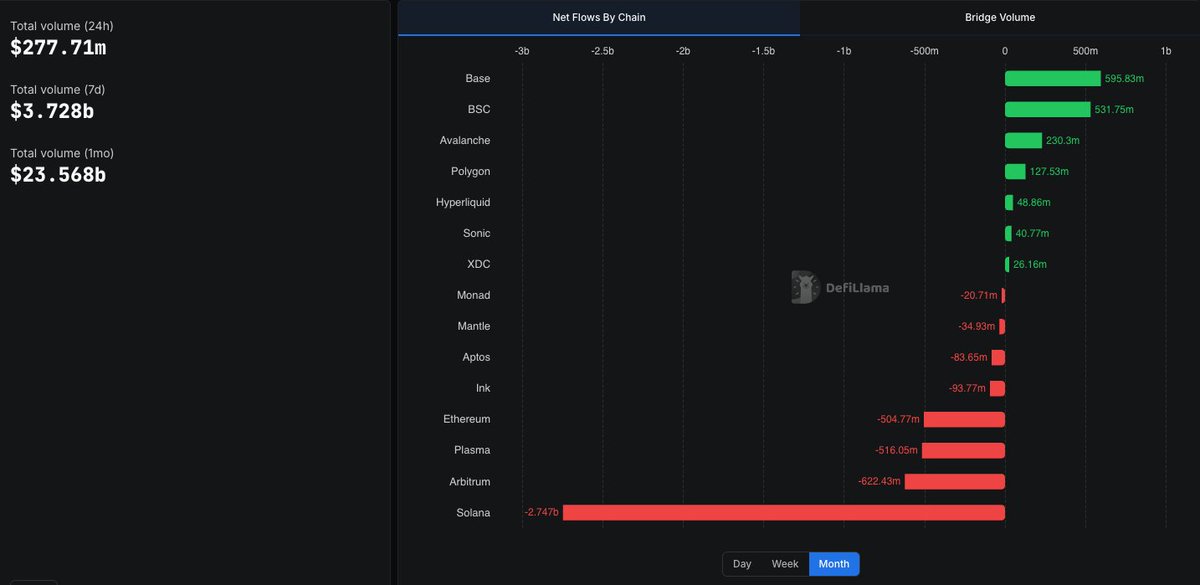
ICP is now listed on DefiLlama's bridge tracker! You can now monitor inflows and outflows directly.
1Sec tweet media
English
5
19
79
4K
1Sec
1Sec@1SecBridge·
Swap you ckUSDT for USDT with no slippage on onesec.to
1Sec tweet media
English
2
5
23
968
1Sec retweetet
enzo
enzo@sisyphus_nz0·
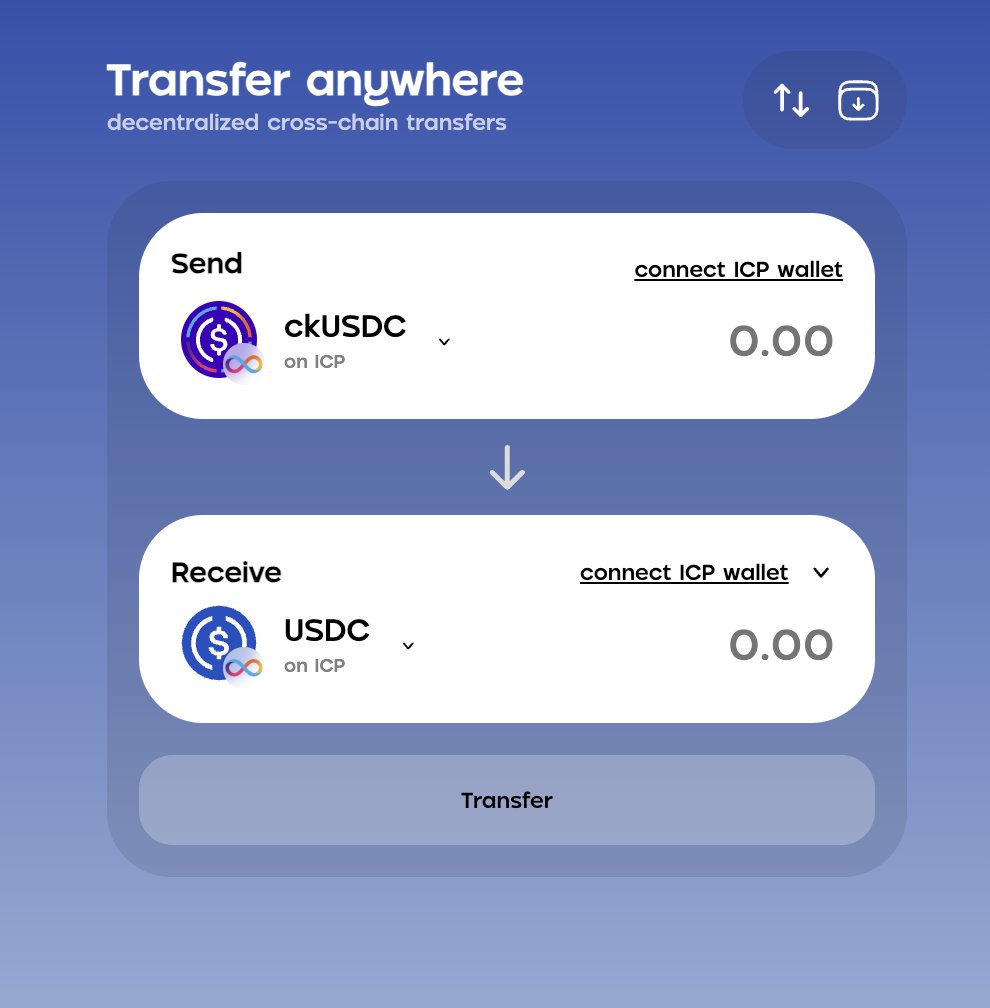
convert ckusdc to usdc, no slippage, no gas needed
enzo tweet media
English
5
8
44
2.3K
1Sec
1Sec@1SecBridge·
Swap your ckUSDC for USDC with no slippage on onesec.to
1Sec tweet media
English
0
11
35
1.1K
1Sec retweetet
OpenChat ∞
OpenChat ∞@OpenChat·
🚨 New feature alert 🚨 @OneSecBridge is now integrated into OpenChat enabling users to deposit USDC and USDT from Ethereum/Arbitrum/Base directly into their OpenChat wallet! The tokens can then be sent quickly and cheaply within messages/prizes/swaps/etc. Give it a go! #CHAT #ICP #ChainFusion
OpenChat ∞ tweet media
English
11
44
170
6K
1Sec retweetet
ICP HUB Indonesia - Disruptives
Say goodbye to slow & costly cross-chain transfers! @OneSecBridge , built on #ICP, makes moving digital assets between blockchains fast, secure, and user-friendly! No seed phrases, no hassle. Built for a better Web3 ♾️
ICP HUB Indonesia - Disruptives tweet media
English
14
11
68
2K
1Sec retweetet
Plug
Plug@plug_wallet·
2 minutes demo of true chainfusion ⚡️ • Swap a Rune on @Odin_GodOfRunes into OdinBTC • Bridge OdinBTC → ckBTC @dfinity • Swap ckBTC → ICP on @KongSwapX • Swap ICP → USDC (ICP) on @ICPSwap • Bridge USDC (ICP) → USDC (Base) with @OneSecBridge All fully decentralized, all inside Plug The future of DeFi is here 🔮
English
11
45
245
16.9K