Amy

2.6K posts

Amy banner
Amy

Amy

@ACK025

ApoE4/4 + Ehlers-Danlos + IACI (Lyme) + Neuropathy (SFN, Autonomic) + Myasthenia Gravis, Sjögren’s, RA + POTS + Mast Cell + IBS/SIBO + Bilateral Vestibulopathy

Beigetreten Nisan 2015
1.2K Folgt266 Follower
Angehefteter Tweet
Amy
Amy@ACK025·
Reimagining Alzheimer’s (Part 1) via @forbes forbes.com/sites/williamh… Three part series. Topic: #Alzheimers w/focus in Part 2+Part 3 on #ApoE4 gene status. ApoE4 associated w/ ⬆️ cardiovascular risk ⬇️ inflammation control ⬆️ leaky blood brain barrier (think certain infections)
English
2
0
5
0
Amy retweetet
Mark Pimentel MD
Mark Pimentel MD@MarkPimentelMD·
New paper by @AliRezaieMD from our group. Patients with #IBS taking antidepressants have a higher death rate. Not proving cause and effect but very concerning. Also noted with diphenoxylate and loperamide. Multiple cardiovascular signals such as arrhythmia seen. nature.com/articles/s4385…
English
1
12
59
4.2K
Amy retweetet
Kevin Tran
Kevin Tran@Dr_KevinTran·
Pilot study finding for APOE4 carriers: Non-carriers saw significant BDNF increase at 6 months. APOE4 carriers did not. This doesn't mean exercise doesn't work for us. It means we may need MULTIPLE types - including HIIT that specifically triggers BDNF. Be strategic.
English
0
1
1
28
Amy retweetet
Kevin Tran
Kevin Tran@Dr_KevinTran·
John always thought everyone struggled with alcohol like he did. One beer. Wiped out the next day. HRV crashed. Sleep destroyed. Turns out? It's an APOE4 thing. His body processes alcohol completely differently. Full story on our channel (link in bio).
English
0
1
1
50
Amy retweetet
Kevin Tran
Kevin Tran@Dr_KevinTran·
Everyone calls APOE4 the “bad gene.” What if it’s the opposite? The ones who could endure—tracking for days on ketones, surviving when others couldn’t, sharper early minds. Not broken—just mismatched with modern life. Maybe it’s time to go ancestral.
English
1
1
2
41
Amy retweetet
Dr. Dale Bredesen
Dr. Dale Bredesen@DrDaleBredesen·
Research shows that Alzheimer’s does not necessarily begin in the brain, but may originate with inflammation in the skin, gut, and lungs. These findings align with the ReCODE Protocol and highlight the roles of the blood-brain barrier and inflammation. newscientist.com/article/251773…
Dr. Dale Bredesen tweet media
English
2
13
38
1.3K
Amy retweetet
Kevin Tran
Kevin Tran@Dr_KevinTran·
John carries the APOE4 gene. Both his parents died of Alzheimer's. His take? Even if nothing he's doing prevents it, these are the best years of his life. He's sharper. Stronger. More energetic. That's not a backup plan. That's winning either way.
English
0
1
2
78
Amy retweetet
Lonnie R Marcum, PT, BSHCA
Lonnie R Marcum, PT, BSHCA@LonnieRhea·
UC San Francisco recruiting volunteers for new study. Seeking people who have been treated for Lyme disease but still experience issues such as brain fog, trouble concentrating, or other cognitive difficulties. Learn More: lymedisease.org/ucsf-brain-fog…
English
0
2
1
117
Amy retweetet
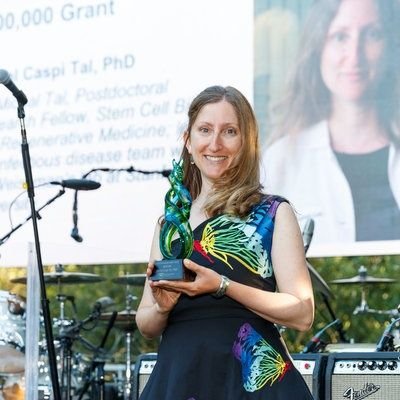
Michal Tal, PhD
Michal Tal, PhD@ImmunoFever·
My Stratton lecture is available online. Get a sneak peek at the MAESTRO study interim analysis results and hear about what we can learn when we MEASURE absolutely everything! web.mit.edu/webcast/wl/str… I go on at min. 23:33 and around min. 57 there's a Q&A with all the speakers.
English
4
25
75
14.2K
Amy
Amy@ACK025·
Michael Okun@MichaelOkun

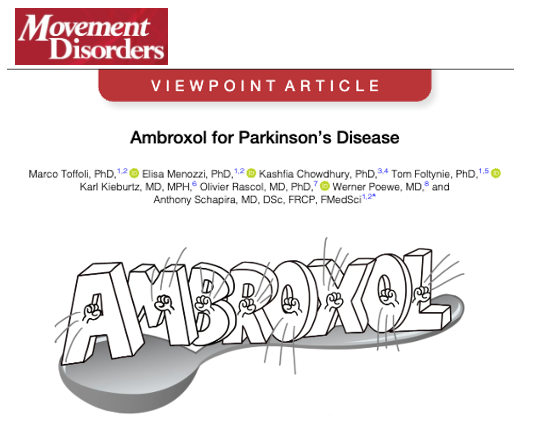
Could a cough syrup slow Parkinson’s disease? Ambroxol clinical trials move forward. Ambroxol is an expectorant cough medication that also acts as a chaperone, meaning it helps stabilize and improve the function of an important brain enzyme linked to Parkinson’s biology. Toffoli and colleagues describe in a new Viewpoint paper in Movement Disorders how Ambroxol, a frequently used cough medicine in many countries, is being studied as a potential disease modifying therapy for Parkinson’s disease. Key points: – Ambroxol increases glucocerebrosidase activity and may help clear alpha synuclein, a key protein linked to Parkinson’s pathology. – Early phase studies showed ambroxol reached the brain and was safe and well tolerated even at much higher doses than used for cough treatment. – A large phase III clinical trial called ASProPD began recruitment in 2025 and aims to enroll about 330 participants to test whether Ambroxol can slow disease progression, w/ results expected in 2029. My take: This is one of the most exciting drug repurposing efforts in Parkinson’s disease. Ambroxol targets a core biological pathway tied to lysosomes and alpha synuclein. The field is now moving from small safety and proof of mechanism studies into large definitive trials designed to answer whether this therapy can truly slow progression. Here are 5 points that resonated w/ me: 1- Ambroxol is appealing because it is already widely used and has a strong safety track record. 2- The drug crosses into the brain, which is essential if we want to influence Parkinson’s biology. 3- Early studies showed the drug engaged its intended target, which is a critical milestone in therapy development. 4- The ongoing phase III trial looks to be appropriately sized and designed to answer whether Ambroxol meaningfully slows symptoms. 5- Even if Ambroxol is not the final answer, could it open the door to targeting lysosomal pathways as a strategy for future Parkinson’s treatments? …mentdisorders.onlinelibrary.wiley.com/doi/10.1002/md… #parkinson

QME
0
0
0
15
Amy retweetet
Michael Okun
Michael Okun@MichaelOkun·
Could a cough syrup slow Parkinson’s disease? Ambroxol clinical trials move forward. Ambroxol is an expectorant cough medication that also acts as a chaperone, meaning it helps stabilize and improve the function of an important brain enzyme linked to Parkinson’s biology. Toffoli and colleagues describe in a new Viewpoint paper in Movement Disorders how Ambroxol, a frequently used cough medicine in many countries, is being studied as a potential disease modifying therapy for Parkinson’s disease. Key points: – Ambroxol increases glucocerebrosidase activity and may help clear alpha synuclein, a key protein linked to Parkinson’s pathology. – Early phase studies showed ambroxol reached the brain and was safe and well tolerated even at much higher doses than used for cough treatment. – A large phase III clinical trial called ASProPD began recruitment in 2025 and aims to enroll about 330 participants to test whether Ambroxol can slow disease progression, w/ results expected in 2029. My take: This is one of the most exciting drug repurposing efforts in Parkinson’s disease. Ambroxol targets a core biological pathway tied to lysosomes and alpha synuclein. The field is now moving from small safety and proof of mechanism studies into large definitive trials designed to answer whether this therapy can truly slow progression. Here are 5 points that resonated w/ me: 1- Ambroxol is appealing because it is already widely used and has a strong safety track record. 2- The drug crosses into the brain, which is essential if we want to influence Parkinson’s biology. 3- Early studies showed the drug engaged its intended target, which is a critical milestone in therapy development. 4- The ongoing phase III trial looks to be appropriately sized and designed to answer whether Ambroxol meaningfully slows symptoms. 5- Even if Ambroxol is not the final answer, could it open the door to targeting lysosomal pathways as a strategy for future Parkinson’s treatments? …mentdisorders.onlinelibrary.wiley.com/doi/10.1002/md… #parkinson

Michael Okun tweet media
English
1
23
82
7K
Amy
Amy@ACK025·
@ImmunoFever Among varied investigations to narrow cause of IACI, I had the GeneDX heritable connective tissue panel. Filaggrin (FLG) came up for me, and my parent donor. I now use topical products for skin barrier. Game changer. Never heard of this oral option. Thank you.
English
0
0
1
28
Amy retweetet
Prof. Kevin J. Tracey, MD
Prof. Kevin J. Tracey, MD@KevinJTraceyMD·
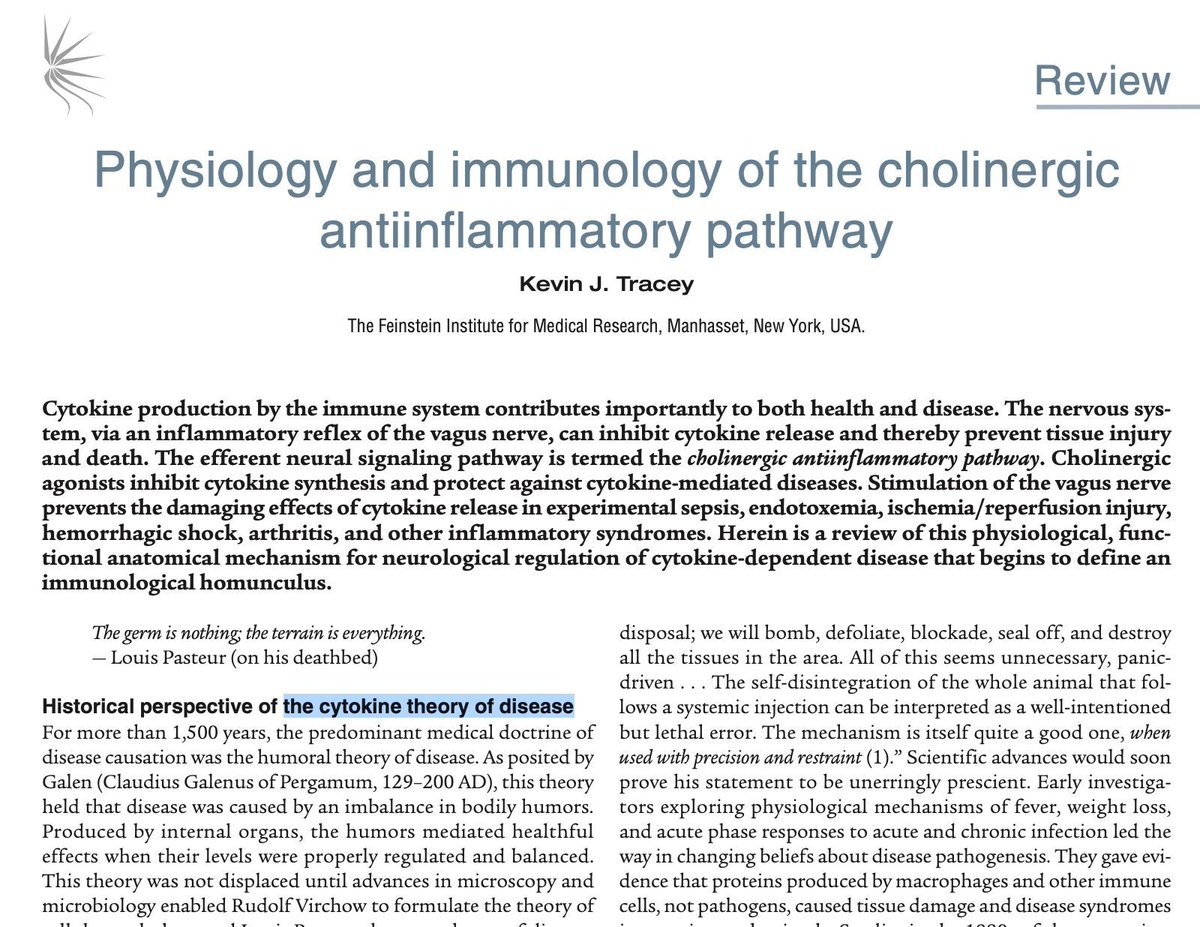
In 2007 I proposed the ‘cytokine theory of disease’ (in a JCI paper, Volume 117 Number 2 February 2007). Today, drugs that block cytokines, like TNF, IL-1, Il-6, account for a significant percentage of global pharmaceutical sales. In 2025 the FDA approved SetPoint Medical's immunoregulator. It activates the vagus nerve's inflammatory reflex to block cytokines without immunosuppression. Now the open question is, how much of that anti-cytokine biologic market will be replaced by an immmunoregulating device using electrons to treat inflammation instead of invasive, injectable biologics? The Journal of Clinical Investigation jci.org Volume 117 Number 2 February 2007
Prof. Kevin J. Tracey, MD tweet media
English
8
29
104
5.1K
Amy retweetet
Michal Tal, PhD
Michal Tal, PhD@ImmunoFever·
2/ One must consider that most people are infected with EBV. For many, it would just have been one of many unremarkable "colds" without any directly associated lasting disease. Remarkably, the Bjornevik et al study found that EBV could take over a decade to trigger MS.
Michal Tal, PhD tweet media
English
1
11
102
2.2K
Amy retweetet
Vipin M. Vashishtha
Vipin M. Vashishtha@vipintukur·
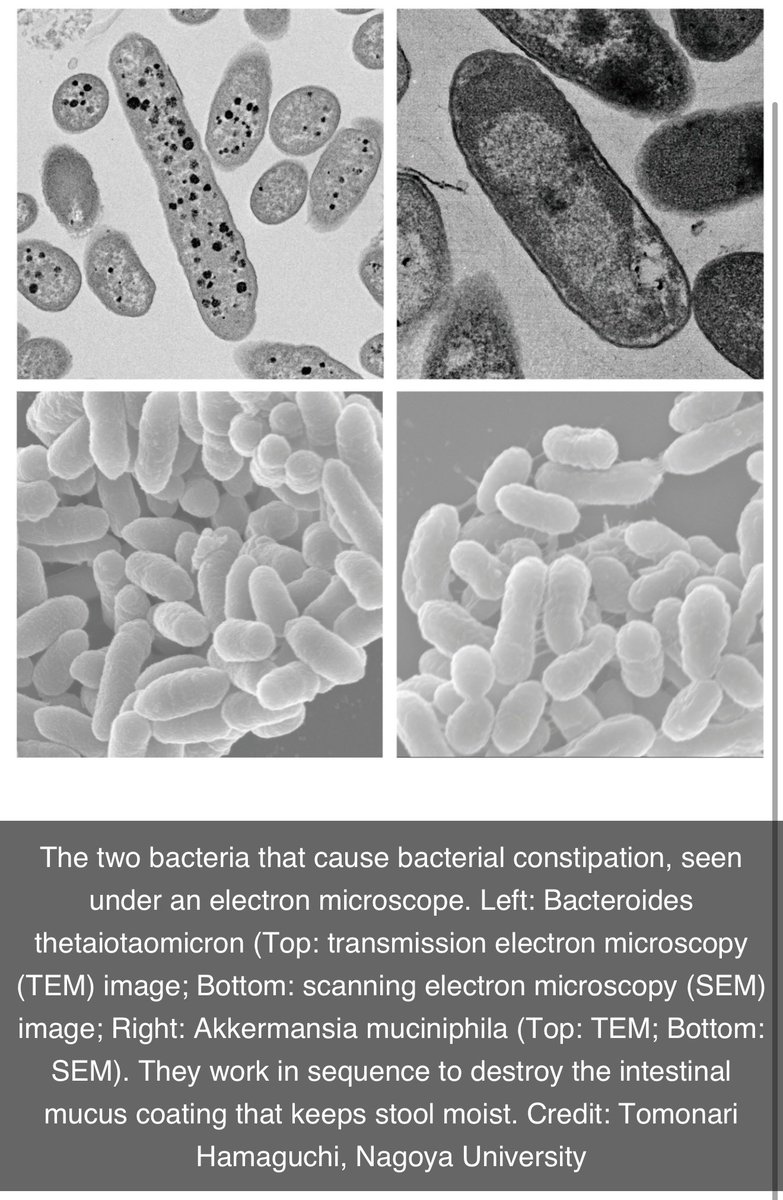
Scientists have identified a possible new cause of chronic constipation — called “bacterial constipation.” ➡️ Certain gut bacteria can damage the mucus layer in the colon, making stool dry and hard to pass. ➡️ The researchers found that two bacteria work together to cause this problem: • Akkermansia muciniphila • Bacteroides thetaiotaomicron ➡️ They break down intestinal mucus that normally keeps stool moist and easy to pass. 1/
Vipin M. Vashishtha tweet media
English
15
98
344
18.1K