Angehefteter Tweet

Now fully optimized for mobile You can visit us from wherever you choose. #kink #spanking #straponsex
English
ASLANLeather
7.4K posts
@ASLANLeather
Superior Strap on harness & bondage toys designed for your pleasure! Creating toys that encourage you to Play, explore and communicate desire. aslanleather.com
Issa Rae delivers opening remarks at Brandy’s Hollywood Walk of Fame ceremony: “Brandy was and is the blueprint. Without ‘Moesha,’ there’s no ‘Insecure.’ There’s no me as a writer.”
That’s our Prime Minister. He’s not only an expert economist who is steering us through the most challenging conditions of our history… he’s a sports fan, a music fan, and appreciates everything Canadians are proud of.

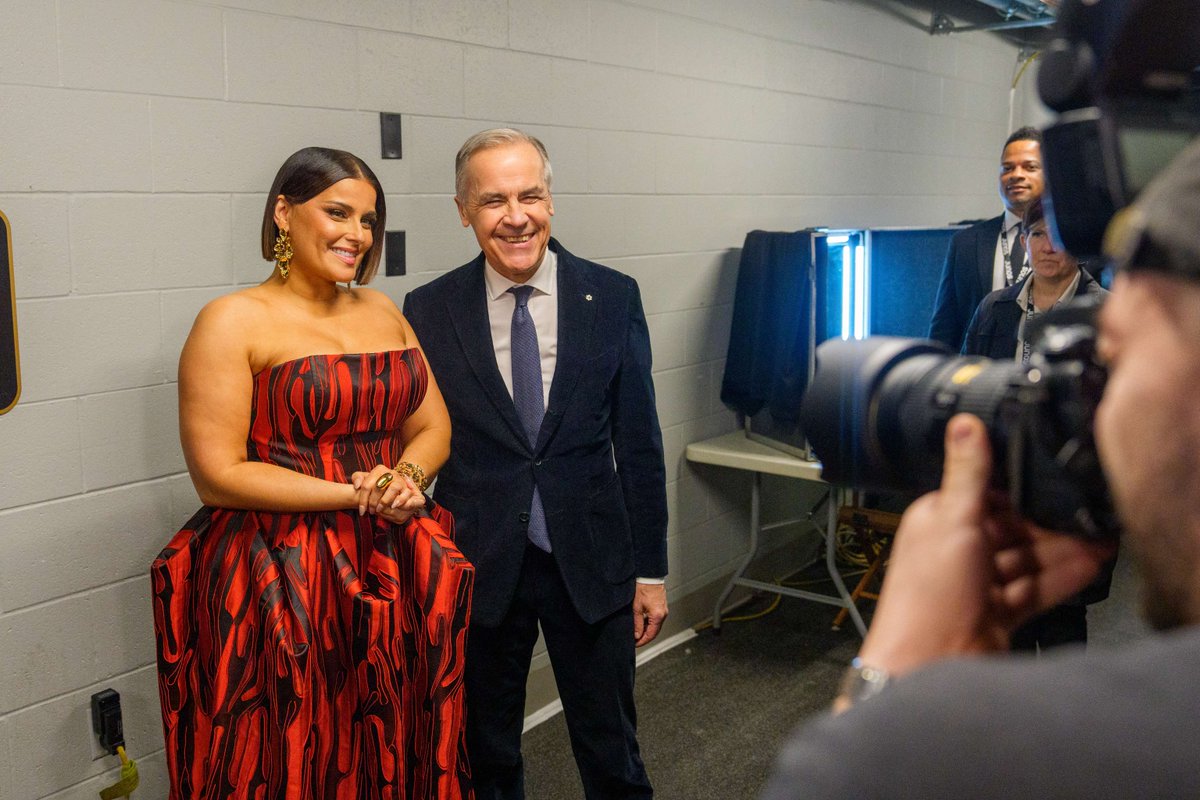
The world needs more of Canada. Last night, Prime Minister Carney attended the JUNO Awards, celebrating the artists who showcase the very best of our nation.




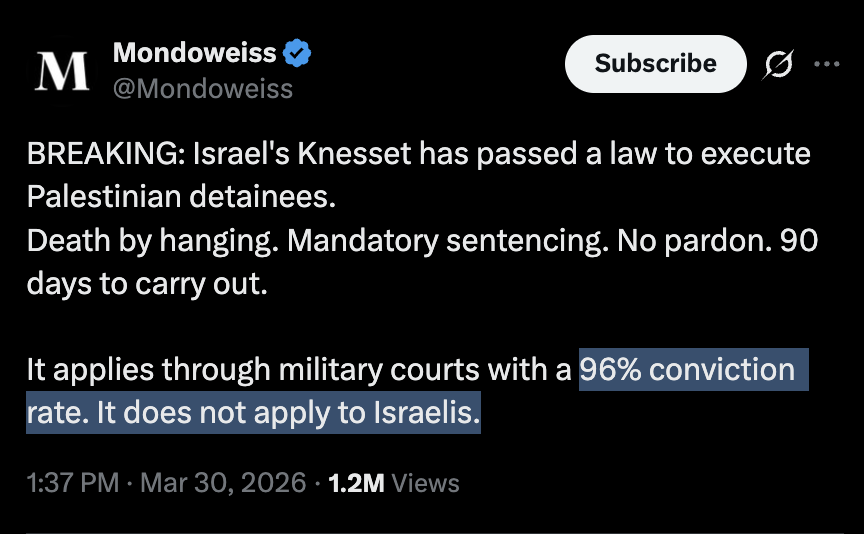
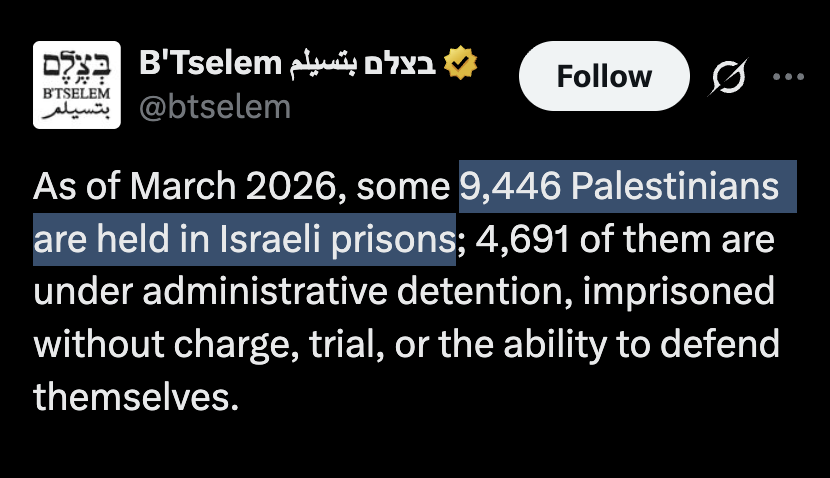


Israel has now become the first state to codify a death sentence that applies in practice to one ethnic group, while another is effectively shielded from it.