Arkapravo Bhaumik

4.2K posts

Arkapravo Bhaumik banner
Arkapravo Bhaumik

Arkapravo Bhaumik

@ArkapravoTweets

Poet

Kolkata, India Beigetreten Haziran 2015
210 Folgt50 Follower
Angehefteter Tweet
Arkapravo Bhaumik
Arkapravo Bhaumik@ArkapravoTweets·
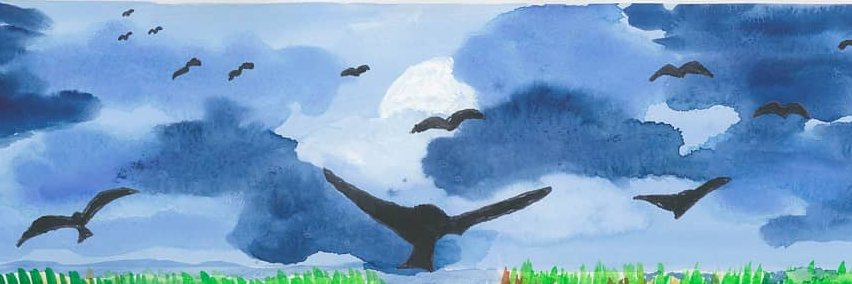
One of my most inspired writing, but I could never get it published! 'Oh Goodness! My Whiskers' @arkapravobhaumik/oh-goodness-my-whiskers-9462fbad5384" target="_blank" rel="nofollow noopener">medium.com/@arkapravobhau
English
0
0
0
75
Arkapravo Bhaumik retweetet
Ihtesham Ali
Ihtesham Ali@ihtesham2005·
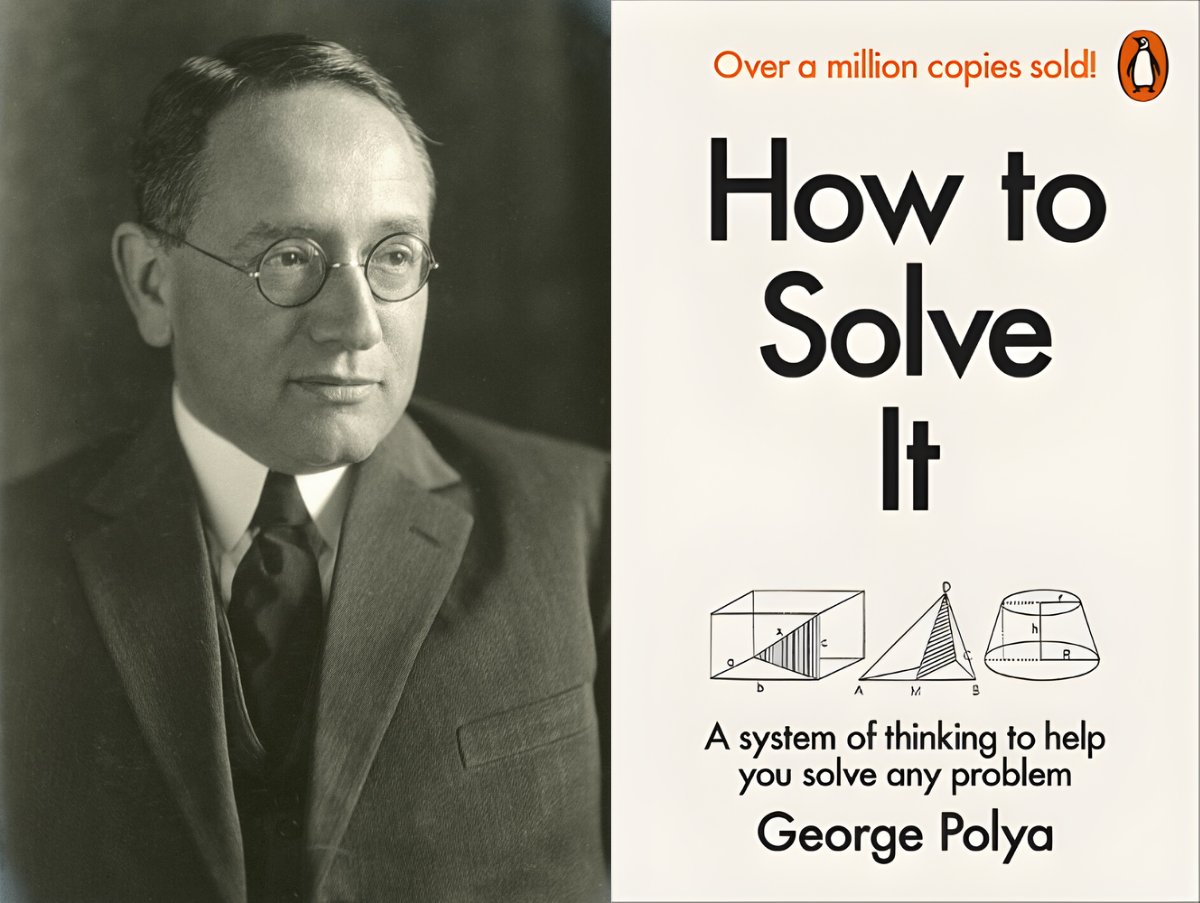
A Stanford mathematician spent 40 years watching brilliant students freeze in front of hard problems. Not because they lacked intelligence. Because nobody had ever taught them what to do before they started solving. His name is George Pólya, and the book he wrote in 1945 has never gone out of print. It has sold over a million copies. Marvin Minsky, the man who built the first neural network machine at MIT, said publicly that everyone should know this work. Engineers, mathematicians, and computer scientists treat it as scripture. Most people have never heard of it. Here is the framework buried inside it that changed how I think about every hard problem I face. Pólya watched the same failure repeat itself across decades of students. A problem would be presented. The student would stare at it for a moment, feel the first wave of anxiety, and immediately start calculating. Not because calculating was the right next step. Because calculating felt like doing something, and doing something felt better than sitting with the discomfort of not knowing what to do. The calculation was almost always wrong. Not because the student lacked the skill to execute it. Because they had not yet understood what they were being asked. Pólya called this the most neglected step in all of problem solving, and he spent the rest of his career trying to make people take it seriously. Step one is to understand the problem. Not skim it. Not assume you know what it is asking because you have seen something similar before. Understand it. Completely. He gave students a specific set of questions to force this: What is the unknown? What are the given conditions? Can you draw a figure? Can you restate the problem in your own words without looking at it? That last one is the filter. If you cannot restate a problem in your own words, you do not understand it. You have only read it. Most people skip this entirely and wonder why they get stuck. Step two is to make a plan. Not to execute. To plan. Pólya documented every heuristic he could observe in successful problem solvers, and one pattern appeared more than any other. When a problem feels impossible, find a simpler version of it and solve that first. Not because the simpler version is the goal. Because solving it gives you a foothold, a method, a partial structure you can carry back to the original problem and build from. He phrased it with precision: if you cannot solve the proposed problem, try first to solve some related problem. Could you imagine a more accessible related problem? That question alone is worth more than most problem-solving courses. Step three is to carry out the plan. This is the step everyone thinks is the whole game. It is not. It is the third of four. And Pólya spent the least time on it because it is the most obvious. Once you understand the problem and have a plan, execution is mostly patience. Step four is the one almost nobody does. Look back. Not to check the arithmetic. To ask a different set of questions entirely. Can you verify the result by a different method? Can you use this result or this method to solve a different problem? What would you do differently next time? This is where the real learning lives and almost no one goes there. The look-back step is not about the problem you just solved. It is about building a library of methods that transfers to the next problem, and the one after that. Every expert problem solver Pólya studied had this habit. Every struggling student skipped directly from the answer to the next question on the page, carrying nothing forward, starting from zero every time. Pólya's deepest insight was not a technique. It was a diagnosis. The reason most intelligent people feel bad at problem solving is not that they lack the ability to reason. It is that they conflate understanding a problem with having read it. They conflate having a method with starting to work. They conflate getting an answer with having learned anything. These are not the same things. They never were. The students who get genuinely good at hard problems are not the ones who practice more. They are the ones who slow down at the beginning and the end, at the two moments every instinct tells them to rush. The problem is almost always not as hard as it looks at the start. You just haven't understood it yet.
Ihtesham Ali tweet media
English
75
1.2K
5.9K
289.6K
Arkapravo Bhaumik retweetet
Cozyreads
Cozyreads@Cozyreads_·
Cozyreads tweet media
ZXX
10
550
2.6K
43.8K
Arkapravo Bhaumik retweetet
James Anthony 💎
James Anthony 💎@JamesMartirq7p·
“Catching raindrops like they're little sprinkles of happiness.”
James Anthony 💎 tweet media
English
32
359
1.3K
24.3K
Arkapravo Bhaumik retweetet
Zen masters
Zen masters@Zenm001·
Zen masters tweet media
ZXX
28
482
2.3K
41.1K
Arkapravo Bhaumik retweetet
Law of thoughts
Law of thoughts@lawofthoughts·
Law of thoughts tweet media
ZXX
21
673
2.9K
98.8K
Arkapravo Bhaumik retweetet
✒️
✒️@Literariium·
“You're on earth. There's no cure for that.” — Samuel Beckett
✒️ tweet media
English
26
421
1.8K
40.7K
Arkapravo Bhaumik retweetet
Math Cafe
Math Cafe@Riazi_Cafe_en·
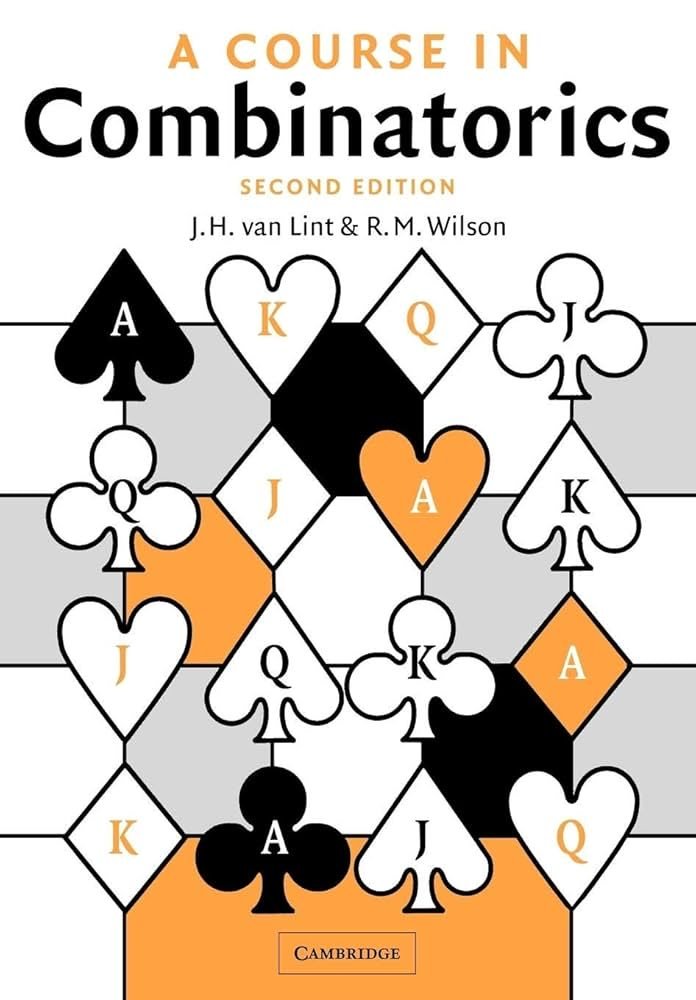
A course in combinatorics By J. H. Van Lint and R. M. Wilson This is one of the best sources for learning combinatorics methods. Link: archive.org/details/course…
Math Cafe tweet media
English
2
107
596
17.6K
Arkapravo Bhaumik
Arkapravo Bhaumik@ArkapravoTweets·
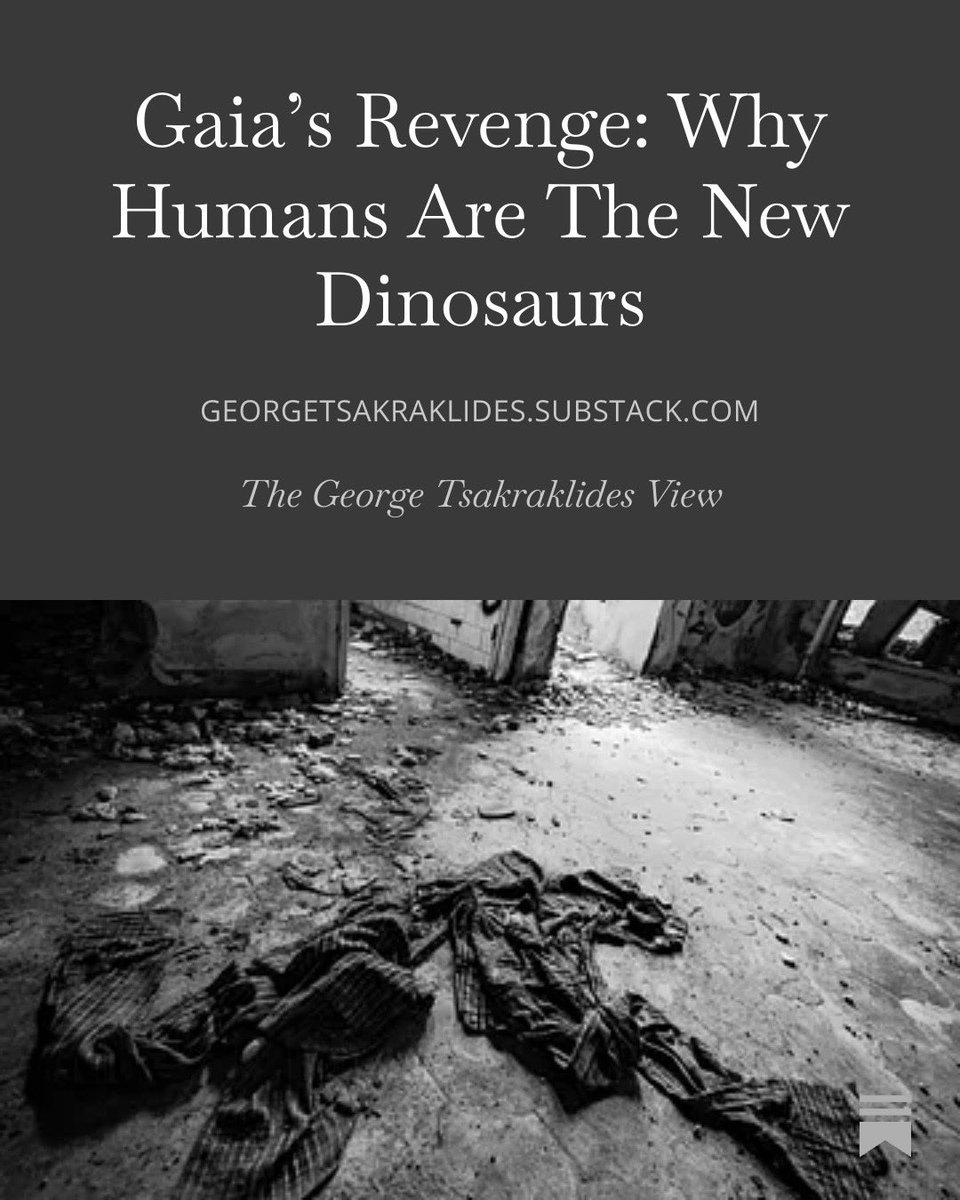
Just got to know that the total span that dinosaurs lived on the planet is 550 times that of the total span that humans have been on the planet - and, it blew my mind!
English
0
0
0
3
Arkapravo Bhaumik retweetet
Into The Forest Dark
Into The Forest Dark@ElliottBlackwe3·
The announcement of a new book by Susanna Clarke is always thrilling
Into The Forest Dark tweet media
English
27
243
2.2K
136K
Arkapravo Bhaumik retweetet
Soma Dey
Soma Dey@somadexterous·
Pheeshy 😎
Soma Dey tweet media
हिन्दी
13
21
259
5.1K