Angehefteter Tweet

🌎🌊🧬🌱🔬💻⛓️✨
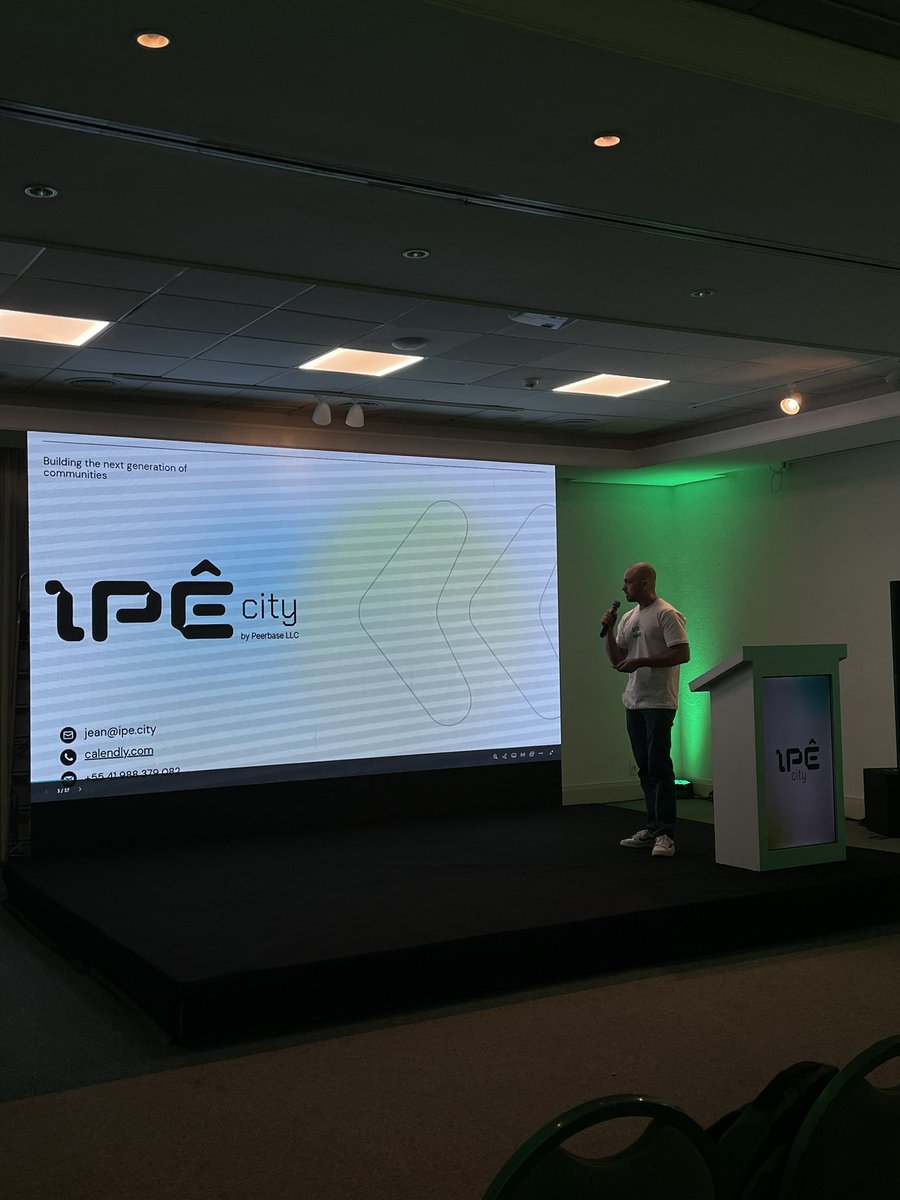
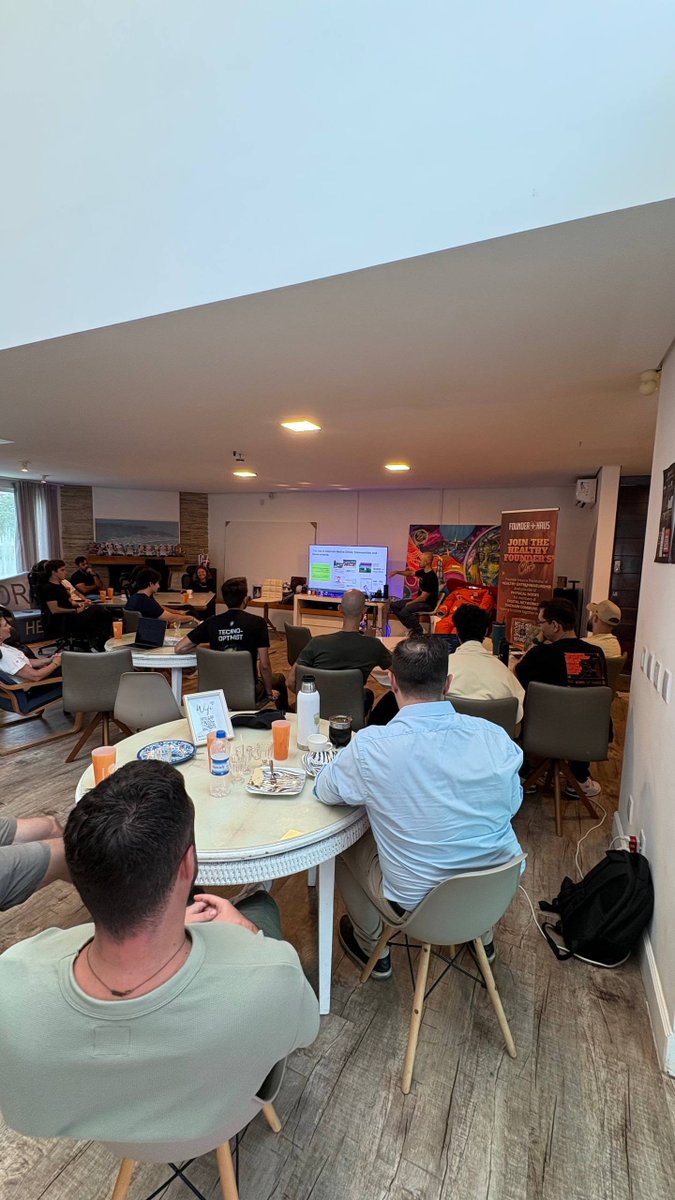
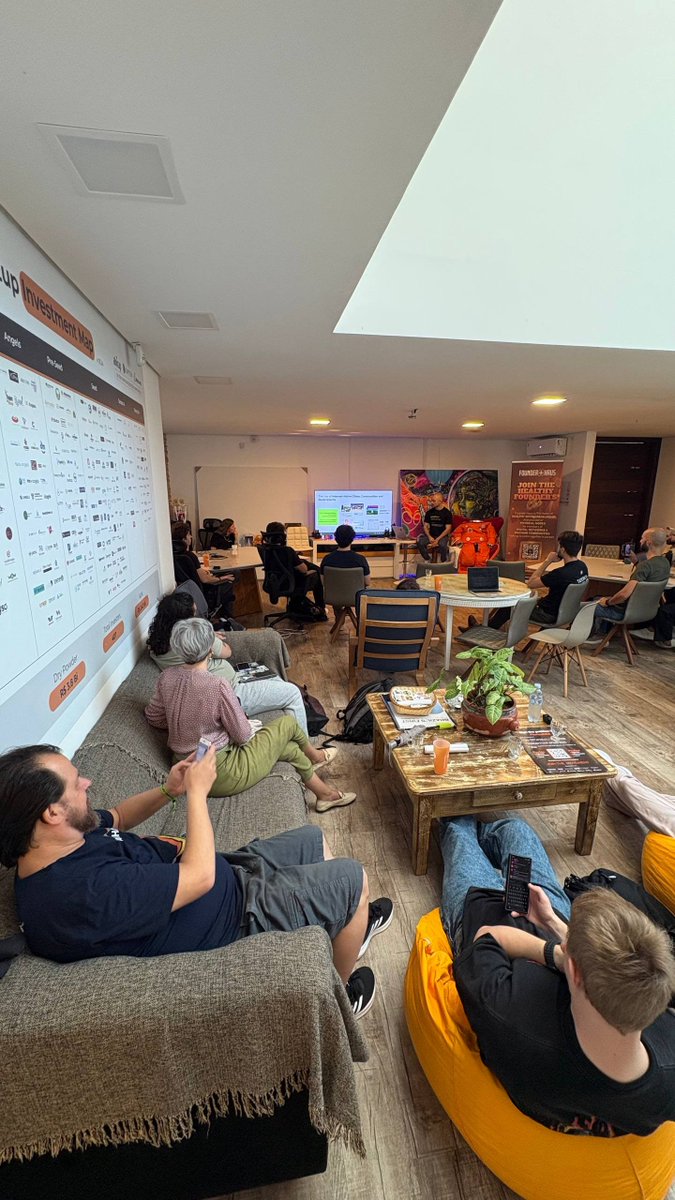
I just presented "Decentralized Science for Addressing Financial Inclusion and the Digital Divide: The Case of Latin America" at SciOS 2024 part of @descieth yesterday.

English
Rodrigo NuñΞz bio·sci/acc @Ipecity 🇧🇷🏝️✨
6.5K posts

@Cypherpunkfish1
🌊🔬🪸🐠✨ MSc. @l_arrecifes @Cinvestav • @GitcoinCitizens • DeSci • ReFi • ReSci • @MesoReefDAO • @Aura_Sci • @genosight • @Kernel0x • @greenpillnet •

La plataforma que armo esta gente es maravillosa. Funciona de 10! 🇦🇷🇲🇽 @p2pmemexico









So today was the day I almost got hacked… By someone I personally know. A contact I had previously spoken with about a crypto conference messaged me saying they could send me access to the “speaker Google Workspace”. They sent me a sites.google.com link and an access key. The page looked like a Google Workspace join page asking for: • workspace owner email (a REAL legit email, which the hacker probably doesn’t have access to) • access key At first glance it seemed plausible. The context was real. The person was real and was aware of our past interactions. We had already talked about the conference. But something felt wrong. Google Workspace invites don’t work like this. They come via an official email invite. So I refused and asked for the normal invite flow. No answer, so I asked in a few groups for another contact from the same conference. Finally I received confirmation that the account had been compromised, via official channels. If I had followed the flow it likely would have pushed malware via a fake “certificate update”. Takeaways: • Context beats sophistication in phishing • Compromised accounts are the most dangerous attack vector • sites.google.com is often abused because the domain looks legitimate • If something feels even slightly off, stop Stay paranoid, guys. Stay safe.