
Angehefteter Tweet
Dr. Nazem
14.9K posts


Dr. Nazem
@DNazem
سِرْ في السرِّ على أقدام العزيمة وليكن همّك الظفر لا الغنيمة، فالعزّ لا يناله جبان، وإنّ أكتب الأقلام الأسنَّة
Beigetreten Mart 2021
65 Folgt642 Follower

أطلقوا على الجيش العراقي إسم جيش صدّام كما يفعلون اليوم في #السودان وفرية جيش الكيزان، تمهيداً للغزو وشرعنةً لخرق القانون الدولي المزعوم، حتى تفككت العراق وإستحوذت عليه إيران وأبادت سُكّانها الأصليين بدعم من الصليبيين.
وهذا السيناريو يُعاد اليوم تطبيقه في السودان بفرية الإخوان.
العربية
@WHLeavitt Fake news,
The conflict in Sudan is between The Sudanese armed forces and the rebels of the Rapid support forces, and both of them are Muslims,
Stop misinforming the people.
English

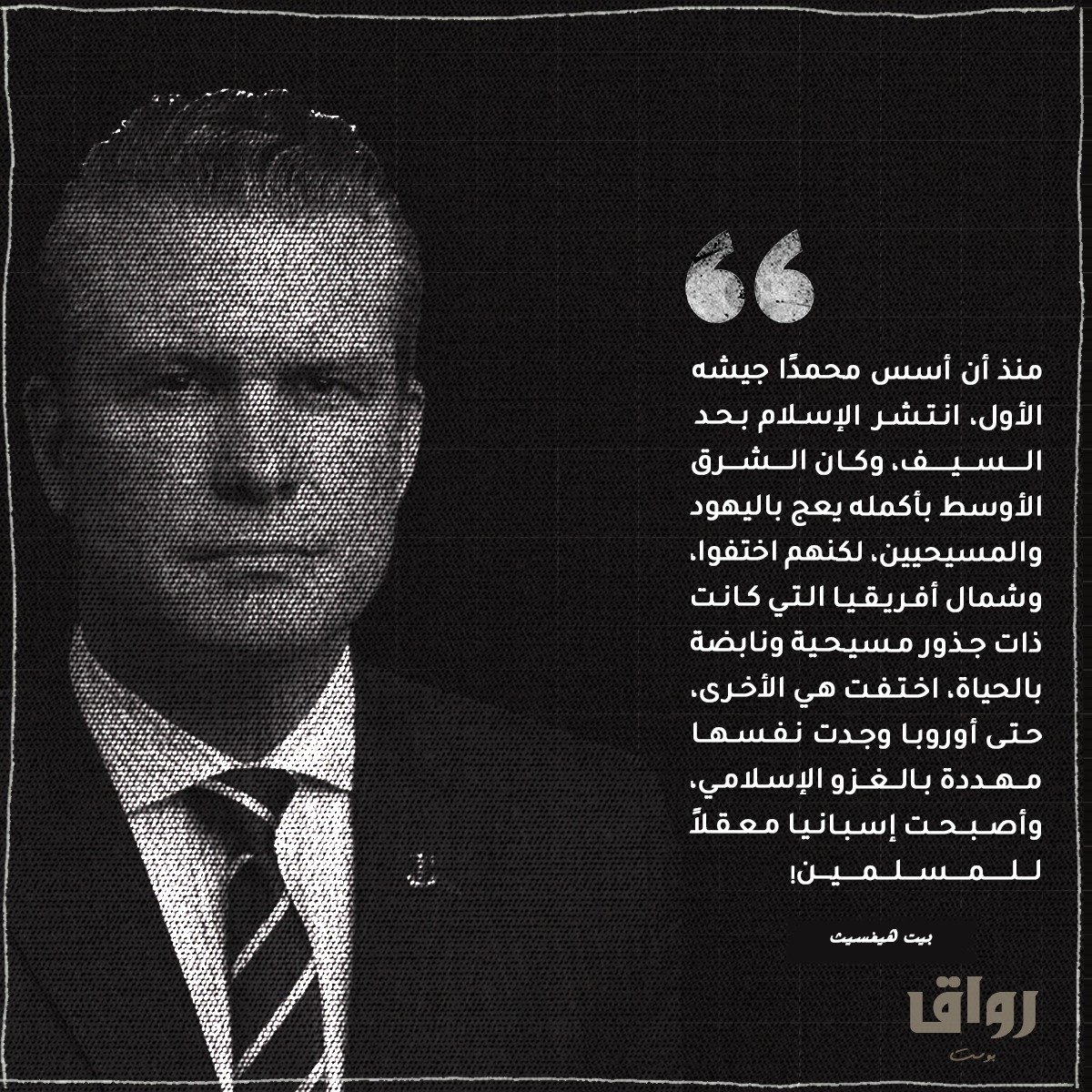
Muslim attackers chant Allahu Akbar while slaughtering Christians in Sudan.
Mainstream media refuses to report Muslim-on-Christian violence or black-on-white crimes because of woke ideology.
Should we defend Christians in the world?
A. Yes
B. No
English
@walaaelsadig يتسولون العالم لينالوا الدعم حتى يستمروا في قتلنا، هم ليسوا إلا مرتزقة ومتسولون على أبواب أوروبا، فليتربصوا إنا معهم متربصون.
العربية

📌📌#مؤتمر_برلين: نفاق فاضح
من المهازل أن تُشارك #إثيوبيا في مؤتمر برلين حول السودان، وتجلس على طاولة السلام، بينما تشير تقارير موثقة إلى دورها في تغذية الحرب التي تمزّق السودان.
كيف لدولة تُتهم بأن أراضيها وقواعدها العسكرية تُستخدم لتمرير الدعم اللوجستي، وانطلاق الطائرات المسيّرة، ودعم المليشيات، أن تتحدث عن السلام والاستقرار؟
بل وأكثر من ذلك، هناك تقارير وأدلة عن مشاركة مقاتلين إثيوبيين إلى جانب مليشيا الدعم السريع في القتال ضد الشعب السوداني.
فكيف لمن يساهم في إشعال الحرب أن يُقدَّم كوسيط لإطفائها؟
مؤتمر برلين عبارة عن إعادة صياغة للرواية تُقصي السودان، وتمنح المنصة لمن تدور حولهم الشبهات.
الشعب السوداني يعي ذلك تماما ويعرف ان السلام لا يُبنى على التناقضات، ولا يأتي عبر من أشعلوا النار.
#السودان

العربية
Dr. Nazem retweetet
“الحرُّ يدافعَ عنَ الفكَرة مهمآ كان قائْلها، والعبدَ يدافعُ عنَ الشخَص مهمآ كانتَ فكرتهُ"
ابن خلدون ✍️
العربية
Dr. Nazem retweetet

رفضا للتدخل الأجنبي في بلادهم.. سودانيون يبدأون اعتصاما مفتوحا في العاصمة الألمانية تزامنا مع مؤتمر برلين الدولي حول الوضع في السودان
العربية
Dr. Nazem retweetet

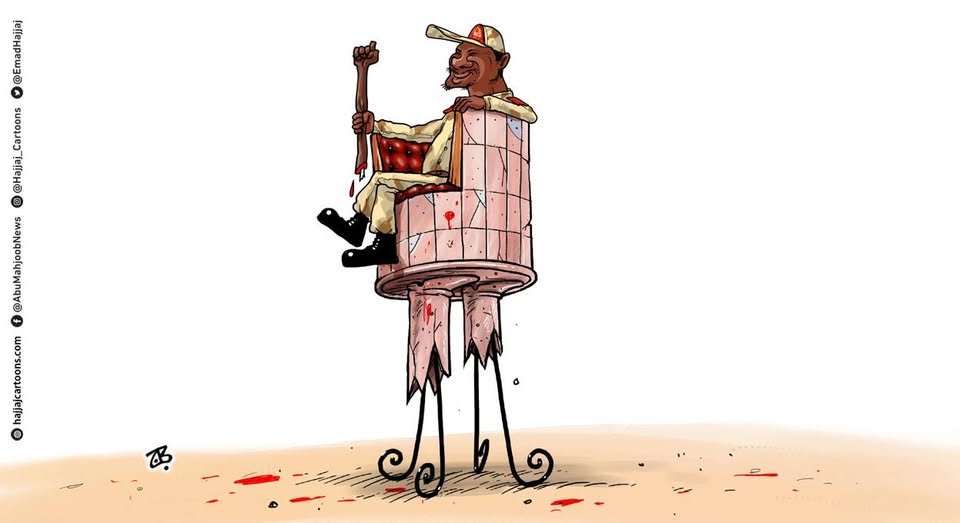
مفارقة سودانية!
رئيس عصابة تسبّب في قتل مئات الآلاف وتهجير 4 ملايين إلى الخارج ونزوح ملايين سواهم داخليا، ويعاني أكثر من نصف السكان، نحو 30 مليون من انعدام كبير للأمن الغذائي، كما تم تدمير جزء كبير من العاصمة.
فعل ذلك وهو يتحدث عن ديمقراطية ودولة مدنية!
شاهت وجوه القتلة وداعميهم.
العربية
تنقية للصفوف وتمحيص، لا تحسبوه شرٌ بل خير كثير، فإن الشدائد تكشف المنافق، والمواقف تفصل الصادق عن الكاذب، كلما إشتد الإبتلاء زادت صفوف الأمة طُهرا ونقاء، وتساقط من بينها الأدعياء.
#السودان_ينتصر
Ataf Mohamed عطاف محمد@atafmohamed3
حتى لا تصاب بالجنون، عليك بالحوقلة والضحك!!! تقول الحكومة، عبر رئيس الوزراء ووزارة الخارجية، إن مؤتمر برلين ونتائجه لا تعني شعب السودان وحكومته في شيء، وإنه لم تتم دعوة حكومة السودان للمشاركة في المؤتمر. وتجاهل الرؤى المطروحة من الدولة السودانية ومؤسساتها الرسمية يعكس نهج الوصاية الاستعماري الذي لا تزال تمارسه بعض الدول الغربية، وتحاول من خلاله فرض أجندتها ورؤيتها على الدول والشعوب الحرة. وفي الوقت ذاته، يشارك من حكومة السودان ممثل عن حاكم دارفور، وقوى سياسية تدعمها الحكومة مثل (الجكومي واردول). وعقب المباحثات، يتبادلون الضحكات والابتسامات ويلتقطون الصور التذكارية ومقاطع الفيديو. شُفت كيف؟
العربية
@atafmohamed3 تنقية للصفوف وتمحيص، لا تحسبوه شرٌ بل خير كثير، فإن الشدائد تكشف المنافق، والمواقف تفصل الصادق عن الكاذب، كلما إشتد الإبتلاء زادت صفوف الأمة طُهرا ونقاء، وتساقط من بينها الأدعياء.
العربية

حتى لا تصاب بالجنون، عليك بالحوقلة والضحك!!!
تقول الحكومة، عبر رئيس الوزراء ووزارة الخارجية، إن مؤتمر برلين ونتائجه لا تعني شعب السودان وحكومته في شيء، وإنه لم تتم دعوة حكومة السودان للمشاركة في المؤتمر. وتجاهل الرؤى المطروحة من الدولة السودانية ومؤسساتها الرسمية يعكس نهج الوصاية الاستعماري الذي لا تزال تمارسه بعض الدول الغربية، وتحاول من خلاله فرض أجندتها ورؤيتها على الدول والشعوب الحرة.
وفي الوقت ذاته، يشارك من حكومة السودان ممثل عن حاكم دارفور، وقوى سياسية تدعمها الحكومة مثل (الجكومي واردول).
وعقب المباحثات، يتبادلون الضحكات والابتسامات ويلتقطون الصور التذكارية ومقاطع الفيديو.
شُفت كيف؟
العربية
Dr. Nazem retweetet

قبل ثلاث سنوات، بعد هجوم مليشيا الدعم السريع الغادر بدعم إماراتي: خطاب إلى الأسرى يكشف نهج القوات المسلحة
قبل ثلاث سنوات، وبعد يومين فقط من الهجوم الغادر الذي شنّته المليشيا المدعومة من الإمارات، مليشيا الدعم السريع (الجنجويد)، على الدولة السودانية، وقف الشهيد بإذن الله المقدم ركن حسن إبراهيم محمد، رحمه الله، مخاطباً أسرى من هذه المليشيا.
كان ذلك في لحظة مشحونة بكل ما تحمله البدايات من صدمة وغضب.
هؤلاء الذين وقف أمامهم كانوا قبل ساعات جزءاً من هجوم استهدف الدولة ومؤسساتها، وغدروا بإخوانهم في القوات المسلحة في الفزعة المسلحة، في مشهد فتح الباب أمام حرب ستترك آثارها العميقة على السودان.
في مثل هذه اللحظات، تضيق مساحة التعقل، وتعلو الرغبة في الرد.
لكن الكلمات التي قيلت خرجت من موقع مختلف.
توجه إليهم باعتبارهم سودانيين.
أكد لهم أنهم في أيدٍ أمينة، وأن حياتهم مصونة، وأنهم سيُعاملون بما يليق من كرامة واحترام. كانت هذه الرسالة تعبيراً واضحاً عن طبيعة المؤسسة التي ينتمي إليها، مؤسسة تعرف حدودها، وتتحرك وفق منظومة، وتدرك مسؤوليتها أمام شعب كامل.
في ذلك المشهد، ظهر الفرق بوضوح.
القوات المسلحة تتحدث من موقع مؤسسة لها قواعد وتقاليد والتزام. الانضباط ظل حاضراً وثابتاً حتى في أكثر اللحظات توتراً، والتعامل مع الأسرى جاء امتداداً لهذا الفهم، حيث تُصان الأرواح ويُحفظ الحد الأدنى من الإنسانية في قلب المواجهة.
الخطاب حمل أيضاً بعداً أعمق.
كان هناك إدراك أن بعض من وقفوا أمامه قد اندفعوا بناءً على معلومات مضللة، أو قرارات متسرعة، أو تصورات غير مكتملة. هذا الفهم فتح مساحة للمراجعة، ومساحة للعودة، ومساحة لوقف هذا المسار.
ثم جاء التأكيد الذي اختصر جوهر الموقف.
لا شيء يبرر أن يرفع سوداني سلاحه في وجه سوداني آخر.
هذه العبارة أعادت وضع ما يحدث في إطاره الحقيقي، كأزمة داخل مجتمع واحد.
في تلك الأيام الأولى، ظل الإيمان قائماً بإمكانية الحل عبر الحوار، وبإمكانية استعادة الاستقرار من داخل السودان. كانت هناك قناعة بأن ما حدث، رغم قسوته وغدره، يمكن احتواؤه قبل أن يتحول إلى مسار مفتوح.
لكن المسار لم يتوقف عند ذلك الحد.
مع مرور الوقت، اتضح أن الهجوم الغادر لم يكن حدثاً معزولاً. دور الإمارات العربية المتحدة، وعلاقتها بعائلة دقلو، أدخل الصراع في مرحلة مختلفة، حيث أصبحت الحرب مرتبطة بحسابات تتجاوز حدود السودان، وتُدار وفق مصالح لا تعكس استقرار الدولة ولا مصلحة شعبها.
وهنا تبرز قيمة ذلك الخطاب.
فهو يوثق لحظة كان فيها خيار آخر قائماً، لحظة كان فيها الباب مفتوحاً لاحتواء الأزمة، وإعادة من حمل السلاح إلى موقعه الطبيعي، سواء داخل مؤسسة الدولة أو بين أهله.
في قلب الكلمات، كان هناك نداء إنساني واضح.
دعوة لإسعاف الجرحى، لنقل المصابين، لإنقاذ الأرواح قبل أي اعتبار آخر. تذكير بالأهل الذين ينتظرون، وبمسؤولية لا تسقط مهما اشتدت الظروف.
ثم تأتي المفارقة التي تضيف ثقلاً لهذا المشهد.
بعد عامين من ذلك الخطاب، تعرّض المقدم ركن حسن إبراهيم محمد، رحمه الله، لهجوم غادر نفّذته المليشيا بطائرات مسيّرة من الإمارات، وذلك عقب استعادة السيطرة على القصر الجمهوري وتحرير الخرطوم، ليستهدف بذلك الصوت نفسه الذي كان يدعو إلى التعقل، وتُستهدف اليد التي امتدت لإخوانها.
ورغم ذلك، ظل الخط الذي رسمته تلك الكلمات الأولى ممتداً.
فبعد ثلاث سنوات من اندلاع الحرب، لا يزال عبد الفتاح البرهان، رئيس مجلس السيادة والقائد العام للقوات المسلحة، يوجّه دعوات متكررة لمقاتلي مليشيا الدعم السريع (الجنجويد) لوضع السلاح، والعودة إلى صوت العقل، وتغليب مصلحة الوطن على المصالح الضيقة.
هذا الامتداد الزمني يعكس أن ما قيل في تلك اللحظة لم يكن موقفاً عابراً، بل تعبيراً عن نهج ... نهج لمؤسسة.
عند النظر اليوم إلى ما آلت إليه الحرب، إلى المعارك التي طالت مؤسسات الدولة، وإلى حجم الخسائر التي تكبّدها السودان، يظهر ذلك الخطاب وكأنه شهادة مبكرة على طريق لم يُكتب له أن يكتمل.
هو أكثر من حديث إلى أسرى.
هو تعبير عن هوية مؤسسة.
وشهادة على أن من مدّ يده للحل كان هدفاً.
#السودان
#جيش_واحد_شعب_واحد
Sudanese Echo@SudaneseEcho
Three Years Ago, After a Treacherous UAE-Backed Attack and the Betrayal of the Rapid Support Militia: A Speech to Prisoners Reveals the Ethos of the Sudanese Armed Forces Three years ago, just two days after the treacherous UAE-backed attack by the Rapid Support Militia (Janjaweed) against the Sudanese state, Lt. Colonel Hassan Ibrahim Mohammed, a martyr by God’s will, may Allah have mercy upon him, stood before captured fighters from the militia and addressed them. It was a moment shaped by shock, anger, and uncertainty. Only hours earlier, those same men had taken part in an assault on state institutions, turning their weapons against their own brothers in the Sudanese Armed Forces. It was an act of betrayal that set in motion a war whose consequences continue to weigh heavily on Sudan. In such moments, restraint often gives way to instinct, and the urge to retaliate takes hold. Yet the words spoken that day came from a different place. He addressed them as Sudanese. He assured them they were in safe hands, that their lives would be protected, and that they would be treated with dignity and respect. This was not simply a field response, it reflected the character of an institution that knows its role, operates within a structured framework, and carries a sense of responsibility toward the nation as a whole. In that moment, the contrast was unmistakable. The Sudanese Armed Forces spoke as a state institution, grounded in discipline, tradition, and rules of conduct. That discipline held firm even under extreme pressure. The treatment of prisoners followed the same logic, preserving life and maintaining a basic standard of humanity in the midst of conflict. The speech also revealed a deeper awareness. There was recognition that some of those standing before him may have been driven by misinformation, rushed decisions, or incomplete understanding. That acknowledgment left room for reconsideration, for return, and for stepping away from the path they had taken. Then came the central message. Nothing justifies one Sudanese raising a weapon against another. This statement reframed the conflict as a rupture within a single society, not a natural divide between opposing sides. In those early days, there was still a belief that the crisis could be resolved through dialogue, and that stability could be restored from within Sudan. There was a sense that what had happened, despite its severity and betrayal, could still be contained before it hardened into a prolonged war. That path did not hold. As events unfolded, it became increasingly clear that the attack was not an isolated episode. The role of the United Arab Emirates, and its relationship with the Dagalo family, pushed the conflict into a different trajectory, one shaped by interests extending beyond Sudan’s borders. This is what gives that speech its lasting weight. It captures a moment when another path was still within reach, when there was still space to contain the crisis and reintegrate those who had taken up arms, either into state institutions or back into civilian life. At its core, the speech carried a clear humanitarian appeal. A call to evacuate the wounded, to assist the injured, and to place the preservation of life above all else. A reminder of families waiting, and of responsibilities that do not disappear, even in the harshest conditions. Then comes the stark irony that defines what followed. Two years after that speech, Lt. Colonel Hassan Ibrahim Mohammed, may Allah have mercy upon him, was killed in a drone strike carried out by the militia using UAE-supplied drones, following the recapture of the Presidential Palace and the liberation of Khartoum. The man who had called for restraint was targeted. The one who extended his hand toward reconciliation became a target. The message was unmistakable. Even efforts to contain the conflict and calls for reason were not spared. And yet, that early approach did not disappear. Three years into the war, Abdel Fattah al-Burhan, Chairman of the Sovereignty Council and Commander-in-Chief of the Sudanese Armed Forces, continues to call on fighters from the Rapid Support Militia (Janjaweed) to lay down their weapons, act with wisdom, and place national interest above narrow personal gain. This continuity reflects more than a momentary stance. It reflects an institutional approach. Looking at where the war stands today, at the battles that have reached the heart of state institutions, and at the scale of loss Sudan has endured, that speech reads as an early testimony to a path that was never realized. It was more than an address to prisoners. It was an expression of an institution. And a testament that those who extended their hand for peace became targets. #Sudan #OneArmyOnePeople
العربية
لابد من إيجاد عقلية إعلامية فذه، لمواجهة الحرب الإعلامية المسعورة و الموجهة ضد #السودان وشعبه، وعلى أبناء السودان العمل على بناء جيش إلكتروني لمواجهة هذا التشويه والتهميش الممنهج، فإن مسؤولي إعلام بلادي في أبعد وادِ.
الشرق للأخبار - السودان@AsharqNewsSUD
في مناسبة مرور 3 أعوام على الحرب.. الدعم السريع: - " الحركة الإسلامية الإرهابية" وجيشها أشعلا الحرب في محاولة يائسة للانقضاض على إرادة الشعوب السودانية وإجهاض ثورتها - الحرب محاولة لإعادة إنتاج "نظام القهر والاستبداد" الذي ثارت عليه شعوبنا وضحّت من أجل إسقاطه - الجهات التي أشعلت الحرب ما زالت تواصل سياساتها الهادفة إلى تمزيق النسيج الوطني وإثارة الفتن بين مكونات الشعوب السودانية وتغذية خطاب الكراهية والانقسام - قواتنا انحازت لمطالب ثوار ديسمبر وأسهمت إسهاماً حاسماً في إسقاط نظام الإنقاذ البائد - مسؤوليتنا الوطنية والأخلاقية تفرض علينا أن نواصل الانحياز الكامل إلى قضية شعوبنا المقهورة وأن نتمسك بخيار إنهاء هذه الحرب وإنهاء جميع الحروب السودانية على أسس جديدة تعالج جذور الأزمة التاريخية #الشرق_السودان
العربية
@gorashi_ali97 من إعتدى على المسالمين وإنتهك حرمات المسلمين ليس بشهيد.
العربية

@gorashi_ali97 قلب الحقائق وتزوير التاريخ لن يفيد ولن يغير حقيقة إنقلاب الدعم السريع وهجومه على الجيش والشعب السوداني منذ الـ 13 من أبريل.
العربية

قد يبدو الحديث عن السودان في هذا اليوم اختزالاً لبلدٍ أكبر من الحرب، وأعمق من صور الخراب في نشرات الأخبار؛ كأنه لا يُرى إلا جُرحاً مفتوحاً أو خريطة اشتباك .. لكن الحقيقة أن السودان، ومنذ أن حفرت الممالك القديمة أسماءها على الحجر ومنذ أن علّم النيلُ ناسَه الصبرَ الجميل بجريانه الأبدي، كان بلداً يعرف كيف ينجو أكثر مما يعرف كيف ينتصر.
هناك في تلك الأرض الطيبة تشكّلت علاقة فريدة بينها وبين إنسانها المتعدد في تكويناته: مزارعاً وحكيماً، راعياً ومتأملاً، صوفياً يصالح الغيب، وشاعراً يُصغي لنبض أهله ويمنحه صوتاً، ومحارباً يصدُّ الغزاة، وثائراً يدرك أن الحرية لا تُستعطى بل تُنتزع، وعاشقاً للأرض حتى التماهي .. غير أن تطاول أمد أزماته - بسبب اضطراب السياسة - جعل حضوره تراجيدياً، موسوماً بالاستبداد ومصبوغاً بالدم في أغلب فترات تاريخه.
ما يجري اليوم، مهما بدا كارثياً وقاتماً، ليس خاتمة الحكاية .. فهذه البلاد تشبه طائر الفينيق؛ تنهض من رمادها لا لأنها خارقة، بل لأنها تعلّمت أن الأرض التي تستقبل الفيضان تعرف كيف تستقبل البدايات.
قد تكون الكلفة باهظة وقد يتأخر الشفاء، لكن ما بعد هذه الحرب لا ينبغي أن يكون كما قبلها .. فالشعوب التي تواجه هذا القدر من الكارثة إما أن تعيد تأسيس نفسها على قواعد جديدة متوافَق عليها، أو تظل أسيرة الدائرة ذاتها.
والسودان، إن أراد النجاة هذه المرة، فلن ينجو بالصبر وحده، بل بكسر هذه الدائرة الشريرة .. لأن البلاد التي تعلّمت مراراً كيف تنجو، آن لها أن تتعلّم كيف تنتصر.
برلين
١٥ أبريل ٢٠٢٦
العربية
Dr. Nazem retweetet
#الفاشر التي صمدت أمام أعتى حملة عسكرية في تاريخ إفريقية الحديث، يعيد اليوم أبطالها الجدد إحياء مجدها التليد، ولن تذهب تضحياتهم سُدى، ولن تبقى أسيرة تحت أقدام المليشيا طويلاً، فإن أبناء #السودان هم خير أجناد الأرض حقاً، وسيطهرونها وكل شبر بإذن الله من دنس المليشيات قريباً.

العربية
Dr. Nazem retweetet
#المقاومة_الشعبية_المسلحة درع لجميع القوات والكتائب والمؤسسات وأفراد الشعب، لطالما وقف العالم الحر المزعوم عاجزا أمام الشعوب لا الأحزاب والفصائل والكتائب والجيوش، فإنه يفرض عليها العقوبات والتصنيفات والأجندات، لذلك لا بد من التخلي عن المسميات لضمان توحيد الجبهات والتوجهات.
Dr. Nazem@DNazem
#درع_السودان تحت مجهر منظمات الأمم المُعادية وحقوق الشيطان لإستخدامها مبرر لفرض عقوبات أو للضغط عليها لفك إرتباطها بالشعب لتمرير مشروع جديد يخدم مصالح الغرب، ولن تكون القوات الأخيرة المُعرضة للإستغلال والتلاعب مالم يتجنب الجميع المُسميات وينصهروا في #المقاومة_الشعبية_المسلحة حسب.
العربية
عندما يجبرك العالم على الإستسلام والرضوخ لأمر واقع مفروض بالقوة والبطش الشديد وتآمر القريب والبعيد، ويطالبك بعدم مقاومة الإعتداء ودفع الضرر الواقع عليك كي لا تزيد من أمد وكلفة الصراع، ويصفونك بالرافض للسلام ويتغاضون عن مشعل الحرب الذي قضى على الأخضر واليابس!
إياك والركوع، قاوم.
أخبار العالم الإسلامي@muslim2day
المعارض التشادي أبو العنود: همشنا في ليبيا، وحميدتي طلب منا معاونته في حربه على أن يتعاون معنا ضد محمد كاكا و جرنا في حربه،جمعنا 15 ألف مقاتل. فقدنا 3 إلى 4 آلاف مقاتل في الخرطوم، وسننتقم من الدعم السريع، وسنمنع مرور شحنات الأسلحة لحميدتي عبر تشاد #السودان
العربية
#السودان وشعبه أمام خيارين لا ثالث لهما؛ إما الإستسلام والرضى بالهوان والخضوع لأبشع أنواع الإجرام وهروب من ينجو منهم إلى المجهول وإما الثبات والتقدم للأمام بلا أي إعتبار للحدود المُصطنعه التي وضعها المُستعمِر؛ بعد التحشيد والتجنيد والإعداد لما هو آت؛ فالهجوم خير وسيلة للدفاع.
Dr. Nazem@DNazem
#السودان وشعبه أمام خيارين لا ثالث لهما؛ إما الإستسلام والرضى بالهوان والخضوع لأبشع أنواع الإجرام وهروب من ينجو منهم إلى المجهول وإما الثبات والتقدم للأمام بلا أي إعتبار للحدود المُصطنعه التي وضعها المُستعمِر؛ بعد التحشيد والتجنيد والإعداد لما هو آت؛ فالهجوم خير وسيلة للدفاع.
العربية