

Federico Bertele'
10.5K posts

Federico Bertele'
@Fed_Bur
Chi ha tempo, non aspetti tempo. studio 79 & archive 79 #govegan
Miami, FL Beigetreten Ekim 2011
297 Folgt352 Follower

Donnarumma and Vicario training together with the Azzurri 👥🇮🇹
Wild how many top quality goalkeepers Italy manage to produce.
English

“𝗧𝗜𝗠𝗘 𝗧𝗢 𝗣𝗔𝗡𝗜𝗖” IN FANTASY FOOTBALL (𝙍𝘽 𝙀𝘿𝙄𝙏𝙄𝙊𝙉) ☠️
✳️ [[these guys have been terribly frustrating]]
1.) Bijan Robinson
2.) Tony Pollard
3.) Kenneth Walker III
4.) James Cook
▫️I am open to trading any of them away.
#FantasyFootball #NFL
English

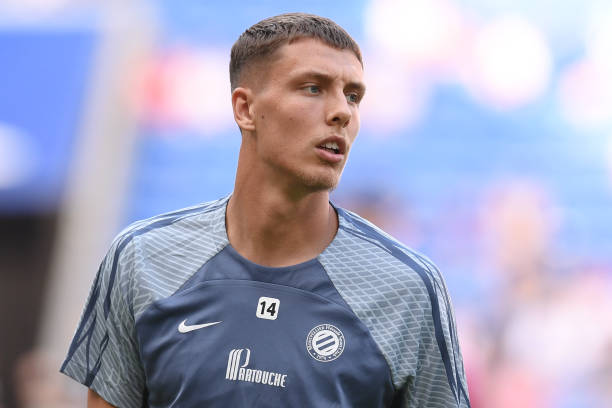
📰 #Tuttosport: Maxime Estève has caught the attention of #ACMilan's scouts. The player from #Montpellier is valued at €5-7 million.
English
Federico Bertele' retweetet

MUSIC DOESN'T NEED MORE ZERO SUM GAMES.
But Spotify is doubling down on it.
Controlling the pie, then selling access.
Here's an explainer on Showcase & streaming's race to the bottom:
Music streaming is a zero sum game.
FOR MONEY→ You get a play, my payout is reduced.
FOR ATTENTION→ You get more algorithmic priority, mine shrinks.
Platforms pick winners.
And divide up the scraps.
Spotify is now monetizing this controlled attention -- and the desperation for it -- with ad tools targeted at artists & labels.
Their newest just dropped: SHOWCASE.
Pay $100+ and get a banner on top of the Home feed.
THE FULL ARTISTS & LABEL AD TOOLKIT:
1. MARQUEE: Full screen new release ads.
2. SHOWCASE: Top of Home feed anytime ads.
3. DISCOVERY MODE: Payola to drive algorithmic plays.
They control the attention. You pay for it.
So, what can you sell through these ads?
Things that grow the pie?
• Vinyl
• Merch
• Tickets
• Memberships
No.
Just more streams.
You know, re-distributing slices from the limited pie we've got.
It's not making profit FOR the music industry.
It's making profit FROM the music industry.
It actually shrinks the pie.
This isn't sustainable. It limits growth. And it invites disruption.
Enough zero sum games.
WE NEED POSITIVE SUM GAMES.
Where everyone wins.
Enough fighting over scraps.
Let's make a bigger pie.
English
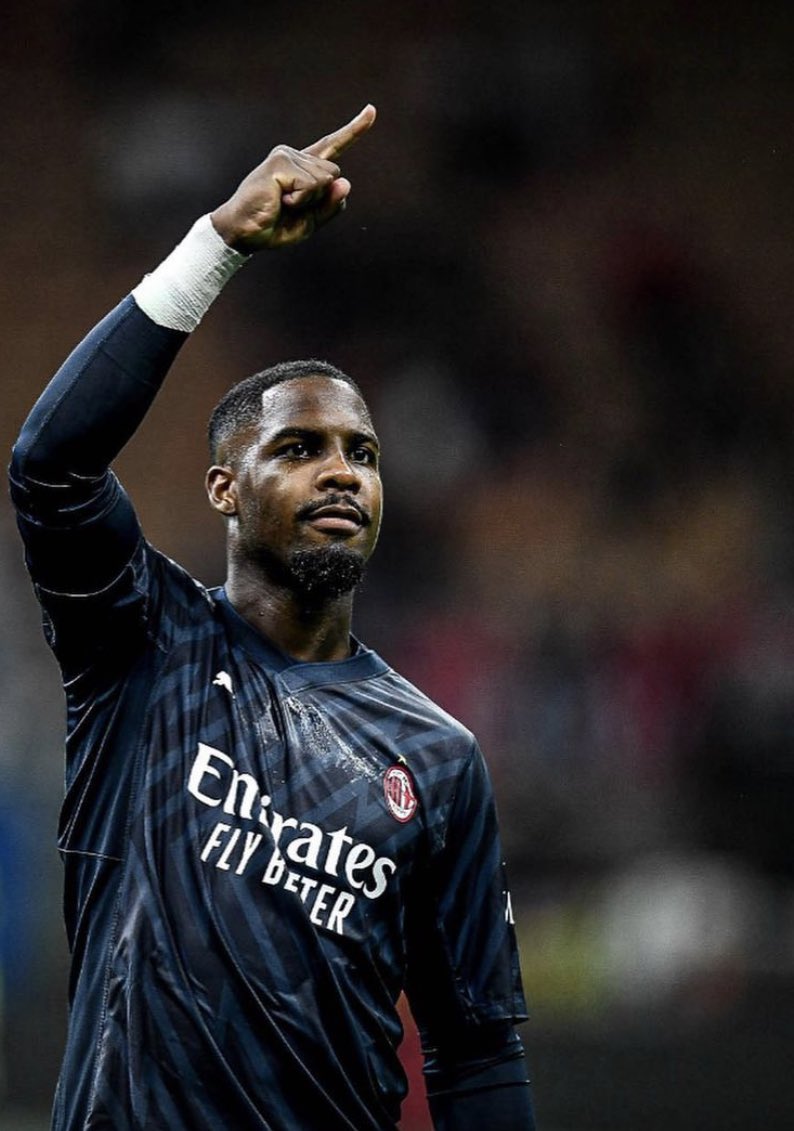
@WhatGattusoMad Absolutely not.
A World class keeper makes a huge difference. He adds couple of points in the points table purely on his own.
A 9/10 in 25 match days >> 6/10 in 38 match days
English

Federico Bertele' retweetet



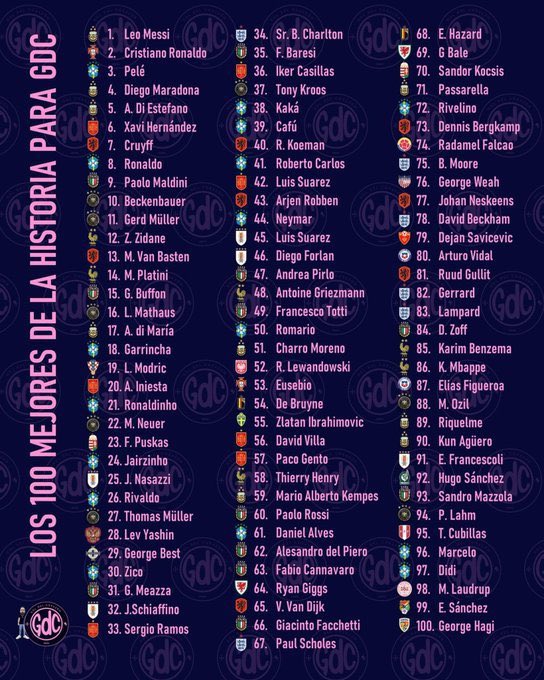
The best 100 players in history, according to GDC media. 🔝
Do you agree ? 🤔🐐
English
@MikeLahoud @Bonetti Mike you really get stoked to see Italy fail, Miami Fc did a number on u eh ? 😂
English


Are you worried about Italy’s chances of qualifying for another major tournament?
GIF
English
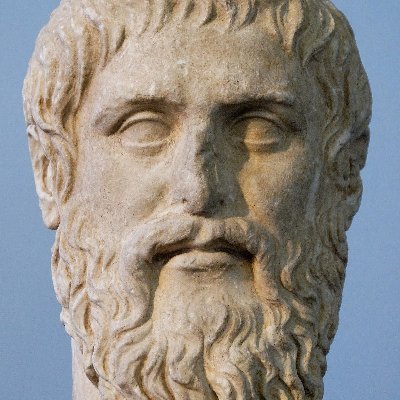
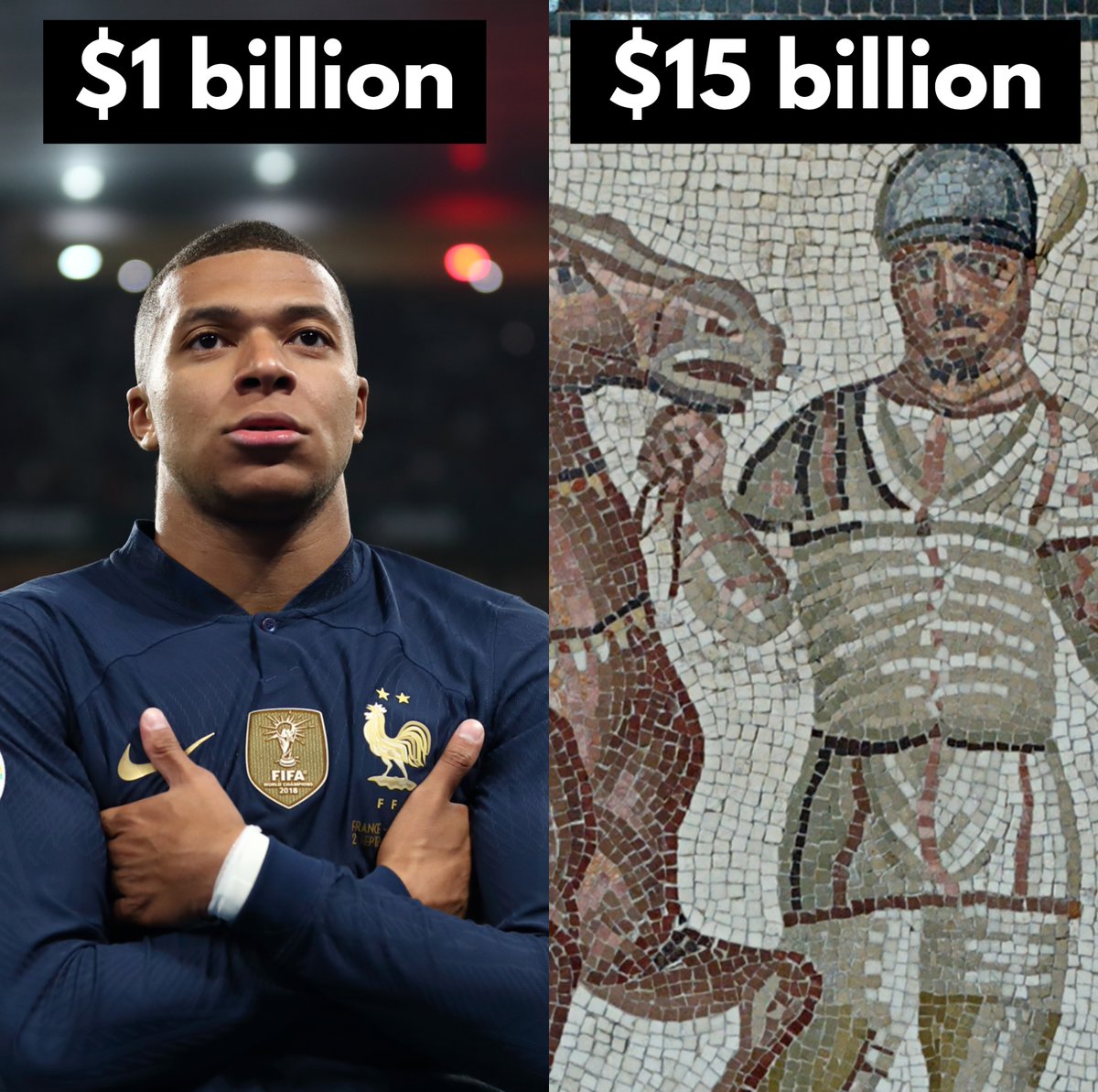
The football star Kylian Mbappé was offered $1 billion to join the Saudi Arabian team Al-Hilal.
But that wouldn't have made him even nearly the richest athlete in history.
Because there was a Roman chariot racer called Gaius Appuleius Diocles who earned more than $15 billion...
Chelsea FC in England have spent over one billion dollars on new players in the last year alone, and Cristiano Ronaldo is currently earning $200 million per year at the Saudi club Al-Nassr. Has football gone mad? Is it right for athletes to earn such exorbitant wages?
Let's leave the politics of that question to one side and simply observe that, as with so much else, there are historical precedents — and one in particular: Gaius Appuleius Diocles.
Chariot racing was the most popular sport in Ancient Rome, with races held all over the empire — there are ruins of huge stadiums around Europe. The crowds flocked to watch their favourite teams or racers, and the money came pouring in.
Gaius Appuleius Diocles was born in the province of Lusitania, modern-day Portugal, in 104 AD. That's where many charioteers came from — not just those who raced in Rome itself, but right across the empire — because it was where the fastest racehorses on the continent were bred.
And such was the career that Gaius pursued; he made his racing debut in Rome, which then had a population of well over one million and was the richest and largest city on earth, at the age of just 18.
There were four "factiones", sort of like teams, in Ancient Roman chariot racing: Green, Red, White, and Blue. Each had their own stables, managers, breeders, agents, patrons, sponsors, and racers. These were large, professional organisations with hordes of fans and fierce rivalries. Even the Emperor himself usually had a favourite faction.
Gaius joined the Whites and won his first race after two years. He stayed with them for another four years. Then he moved to the Greens, where he had a torrid run of poor performances and a serious injury, followed three years later by a move to the Reds. There he remained for fifteen years, winning over one thousand races, before retiring at the age of 42 to a lovely little town called Praeneste.
Where did Gaius race? At the Circus Maximus in Rome, now a ruin but once a racing stadium which could hold more than 150,000 spectators. It's hard to imagine the atmosphere, with the thundering of the horses drowned out by the roaring of the crowds and the sound of splintering chariots...
We know much of this because of two monuments made in Gaius' honour after his retirement. They also include the rather impressive statistics of his racing career — 4,257 starts and 1,463 victories — and the prize money he won: a grand total of 35,863,120 sesterces.
These earnings are estimated to have been, in modern terms, about $15 billion, which would make him by far the richest athlete in history. His fortune was equivalent to about 1.5% of the Roman annual state expenditure, which would be like an American sportsperson being worth over $100 billion.
But this is not merely an interesting factoid. What does it tell us about Ancient Roman society during the Empire that regular people had enough time, and that there was enough money in the system, to support such a wealthy sporting scene?
Alas, if you don't much like sports and wonder why some people get so worked up about athletes running round a field and kicking a ball... there's also a Roman precedent for that. Here's what the lawyer Pliny the Younger wrote to a friend in the year 98 AD:
"The Races were on, a type of spectacle which has never had the slightest attraction for me. I can find nothing new or different in them: once seen is enough, so it surprises me all the more that so many thousands of adult men should have such a childish passion for it."
Whether sports stars should earn the money they do is a complicated question. But, in any case, Kylian Mbappé has a long way to go before he's on the level of Gaius Appuleius Diocles...
English

Kylian Mbappé was offered $1 billion to join the Saudi Arabian team Al-Hilal, but did not accept the offer.
English
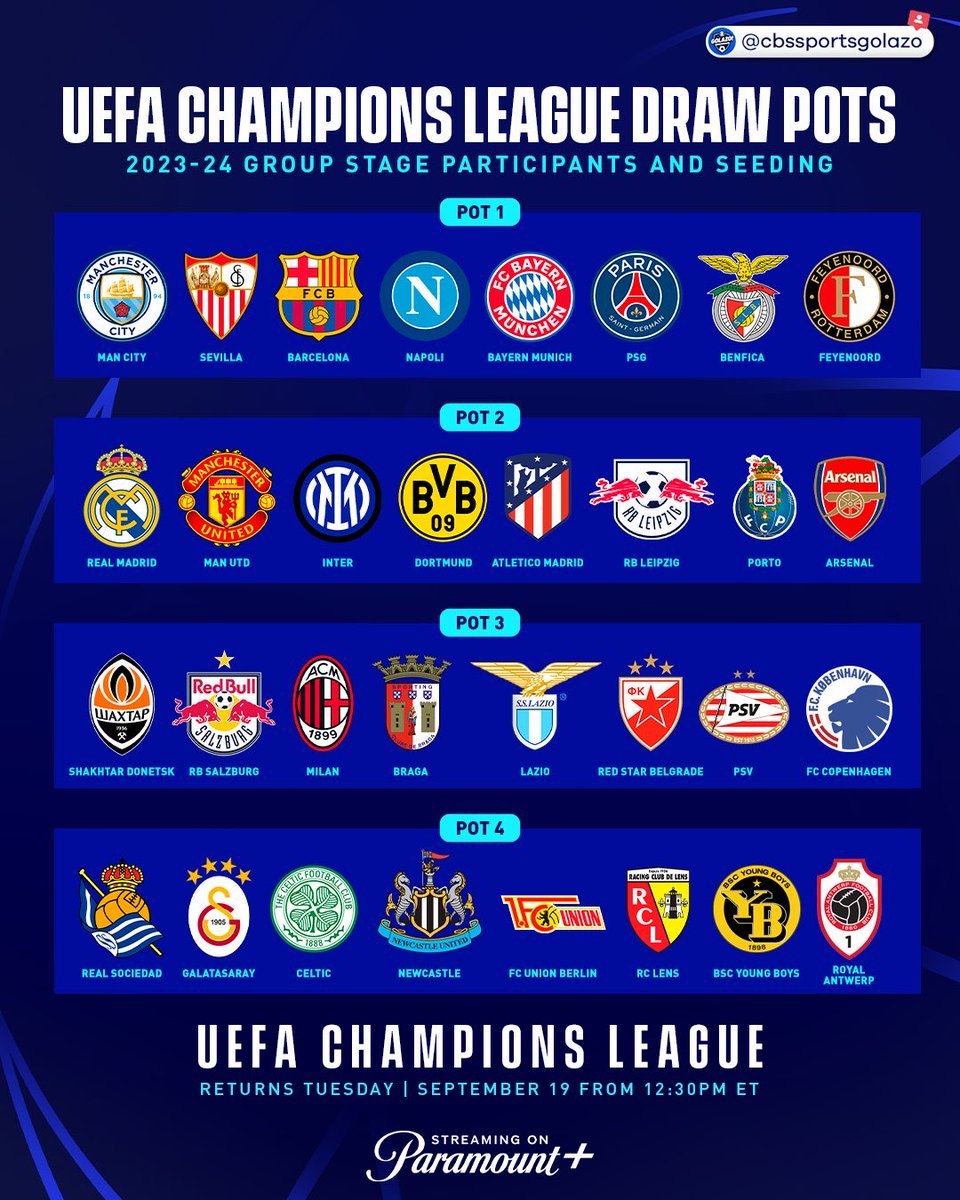
This is potentially a group….
1. Bayern Munich, Real Madrid, Milan, Newcastle
English
Federico Bertele' retweetet
Music's current system rewards short-term wins at the expense of long-term development.
1. Metrics are low-intent
2. Incentives drive passivity
3. Engines support songs, not artists
4. and now our mindsets chase moments
But we can change them..
1. CHANGE THE INCENTIVES
Current engines drive passivity.
• Business models
• Payout models
• Pricing
If streamers were slinging merch & memberships, you'd see an artist-first, engaged experience.
Passivity is not a default; it's a choice.
2. CHANGE THE METRICS
Streams, likes & followers show low-intent.
They're just easy to count.
But high-intent metrics show fandom. And fandom is real.
• Focus on measures of fandom
• Create more of them
• Make them easy to track
Because resources funnel to what we measure.
3. CHANGE THE ENGINES
Current engines support songs, not artists.
And funding, support & distribution pick winners.
If we better monetize fandom, and better measure it, the winners will be promising artists instead of viral tracks.
4. CHANGE THE MINDSET
Our current mindset chases moments.
But we can stop taking the bait.
We can stop chasing big, empty numbers.
We can start:
• Crafting stories
• Creating connections
• Building from the ground up
It's a new era.
Build fans. Build careers.
******
Let's support artists that last.
Let's make building for fandom the default mode.
English

Federico Bertele' retweetet

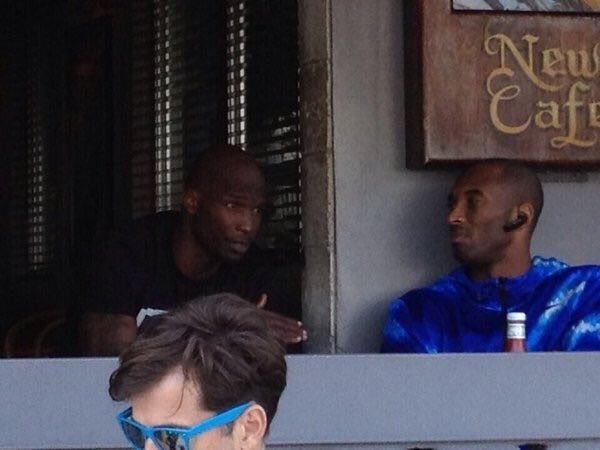
Messi joining the MLS is like Furio moving to New Jersey

English
This is so stupid. While you’re add it let’s throw in a MLS team in there. Money 🗣
Transfer News Live@DeadlineDayLive
🚨 The Saudi's reportedly plan to reward the winner of the Saudi Pro League with qualification to the UEFA Champions League. 🇪🇺 The idea would be to formulate a request to UEFA for a "wild card" to the Champions League, which will be played by 36 teams from 2024/25. 🎟 The objective of Saudi Arabia: to become an absolute reference on a world stage in terms of football. 🇸🇦 (Source: @CalcioFinanza)
English
Federico Bertele' retweetet

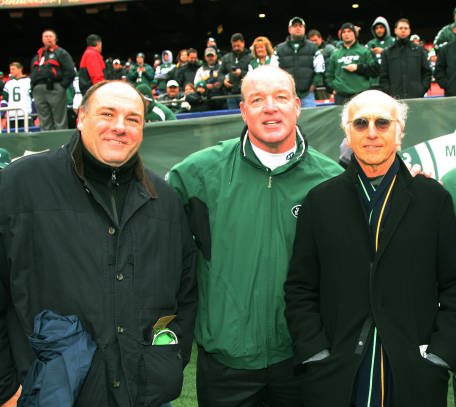
James Gandolfini and Larry David at a Jets game in 2009
English
Newcastle fans already got the Tonali chant on lock 🗣
🎶 Sandro Tonali, Sandro Tonali, he drinks Moretti, he eats spaghetti
🎶🎶
English