Finsee

12.6K posts

Finsee banner
Finsee

Finsee

@Finsee_main

Using AI to summarise companies' earnings. Not advice. AI could make mistakes, double check the output. Articles with charts - https://t.co/XPvKIyrLjC

Beigetreten Mayฤฑs 2023
0 Folgt8.3K Follower
Angehefteter Tweet
Finsee
Finsee@Finsee_mainยท
Interesting insight from consumer staples sector: while input prices are higher, consumer prices (CPI) are not going to jump so much. **The 2.0x inflation_higher-to-inflation_lower ratio is a measurement artifact, not a price signal.** When you separate the signals into INPUT-cost vs. EFFECTIVE-RETAIL-price, the relationship inverts. Input costs are inflating: beef +11.5% Q2, soybean oil ~$0.75/lb vs $0.50 yr-ago, aluminum tariffs $90M to STZ, resin +40% YoY to NWL H2, $6 diesel pass-through, but effective consumer-facing retail prices in branded staples are flat to down because the manufacturer absorption layer is wider than at any point in the cycle. Specific evidence: - $KHC food producers absorbing ~80% of input inflation; pricing environment "very rational" [HIGH conviction โ€” direct mgmt quote] - $GIS implementing strategic base price cuts on two-thirds of portfolio - $CPB gross margin -270bps; food sector adj EBIT guidance cut to -20% to -17% from -13% to -9%; salty snack competitor "making permanent everyday price shifts" - $PEP Frito-Lay effective net pricing -1%, the dominant snack leader cutting price to restore volume - $BRBR RTD protein effective pricing -9% on 27% of category volume on promo, up 8pp YoY - $BGS FY2025 base business pricing/mix turned negative -0.3%; branded center-store losing pricing power to private label - $VITL premium egg brands "investing in price throughout 2026 to close gap vs private label" - $ELF pricing power exhausted in mass beauty; reversing Aug 2025 price increases; $18โ†’$14 rollback drove 38% unit lift on Amazon, 36% across retail - $CLX consumer staples effective prices deflating from elevated competitor promotions plus oil-shock absorption - $PG promotional intensity in US/EU back to pre-COVID levels, pressuring effective net pricing - $IBTA explicit "Kraft Heinz new mantra is value" โ€” signals systematic pricing power erosion And on the RETAILER absorption layer: - $WMT absorbing IEEPA tariffs entirely rather than passing to consumers (refunds <0.5% of US annual sales โ€” i.e., absorption is the policy) - $COST "Costco widening value gaps on gas and everyday items"; absorbing tariff costs without full pass-through - $BJ $20M tariff refunds passed to members via pricing โ€” ~50bps retail deflation; "margin sacrificed for share" - $KR investing in lower prices on 3,500+ products; absorbing food inflation at grocery retail level Manufacturers are eating cost inflation while retailers are eating manufacturers' margin. The simultaneous compression at two sequential layers of the value chain is the staples-specific signature of this regime. It implies: 1) headline core-goods CPI from the consumer side is more deflationary than current input-cost commentary suggests, 2) staples manufacturer margin structure is structurally weaker than the "defensive" label implies, and 3) the retailer-vs-brand value capture has reached intra-portfolio level โ€” same companies (KHC, CAG, GIS, BGS, HAIN, KO, NWL, PRGO, SMPL) are simultaneously cutting prices, taking impairments, and divesting. Conviction: HIGH โ€” pattern observable in 30+ named signals across all branded subsectors; retailer side confirmed by every major mass retailer in dataset.
English
1
0
4
1.6K
Finsee
Finsee@Finsee_mainยท
$GASS Q1 2026 earnings: Headline Profit Masks Operational Drag and Utilization Drop StealthGas posted a 13% YoY increase in GAAP Net Income, but this was driven entirely by a $2.5M gain on a vessel sale. Operationally, the quarter was notably softer. Heavy drydocking schedules (three vessels vs one last year) and the continued outage of the Eco Wizard dragged fleet utilization down from 99.2% to 91.3%. Voyage expenses spiked due to Middle East war-risk premiums. As a result, Adjusted Net Income actually declined 7% YoY to $15.0M. The undeniable bright spot remains the balance sheet: StealthGas is operating completely debt-free, pushing its cash pile to an impressive $131.2M, providing massive optionality. Full article with charts - link in bio ๐Ÿ‚ ๐๐ฎ๐ฅ๐ฅ ๐‚๐š๐ฌ๐ž โ€ข ๐…๐จ๐ซ๐ญ๐ซ๐ž๐ฌ๐ฌ ๐๐š๐ฅ๐š๐ง๐œ๐ž ๐’๐ก๐ž๐ž๐ญ ๐†๐ž๐ง๐ž๐ซ๐š๐ญ๐ž๐ฌ ๐๐ฎ๐ซ๐ž ๐‚๐š๐ฌ๐ก โ€” With the debt entirely eliminated, interest expenses evaporated from $1.4M to virtually zero ($8K). Without debt servicing costs, every dollar of operating cash flow now stacks directly onto the $131.2M cash pile. โ€ข ๐€๐ฌ๐ฌ๐ž๐ญ ๐‡๐š๐ซ๐ฏ๐ž๐ฌ๐ญ๐ข๐ง๐  ๐š๐ญ ๐๐ž๐š๐ค ๐•๐š๐ฅ๐ฎ๐š๐ญ๐ข๐จ๐ง๐ฌ โ€” Management is capitalizing on high asset values by selling off older tonnage. The sale of three vessels (Eco Invictus, Eco Universe, and Eco Royalty) will inject roughly $26M in fresh liquidity, further optimizing the fleet. ๐Ÿป ๐๐ž๐š๐ซ ๐‚๐š๐ฌ๐ž โ€ข ๐”๐ญ๐ข๐ฅ๐ข๐ณ๐š๐ญ๐ข๐จ๐ง ๐š๐ง๐ ๐Ž๐ฉ๐ž๐ซ๐š๐ญ๐ข๐จ๐ง๐ฌ ๐’๐ญ๐ฎ๐ฆ๐›๐ฅ๐ข๐ง๐  โ€” Fleet operational utilization plummeted from 94.0% to 90.2%. Three vessels in drydock, combined with the stranded Eco Wizard, restricted the company's ability to capitalize on strong spot market rates. โ€ข ๐†๐ž๐จ๐ฉ๐จ๐ฅ๐ข๐ญ๐ข๐œ๐š๐ฅ ๐‚๐จ๐ฌ๐ญ ๐ˆ๐ง๐Ÿ๐ฅ๐š๐ญ๐ข๐จ๐ง โ€” Voyage expenses jumped 22% YoY, explicitly driven by soaring war-risk insurance premiums due to Red Sea and Middle East instability. This is a structural cost headwind that management cannot easily control. โš–๏ธ ๐•๐ž๐ซ๐๐ข๐œ๐ญ: โšช Neutral. The transition to a zero-debt capital structure is a monumental win that de-risks the equity. However, deteriorating operational utilization, surging insurance premiums, and shrinking adjusted EBITDA show that the core business engine is running slightly less efficiently than a year ago. ๐Š๐ž๐ฒ ๐“๐ก๐ž๐ฆ๐ž๐ฌ ๐Ÿ”ด ๐”๐ญ๐ข๐ฅ๐ข๐ณ๐š๐ญ๐ข๐จ๐ง ๐ƒ๐ซ๐š๐  ๐Ÿ๐ซ๐จ๐ฆ ๐„๐ฅ๐ž๐ฏ๐š๐ญ๐ž๐ ๐ƒ๐ซ๐ฒ๐๐จ๐œ๐ค๐ข๐ง๐  [NEW] Decelerating. Fleet utilization fell sharply to 91.3% from 99.2% a year ago. Management attributed this to three vessels entering drydock (costing $2.5M compared to $0.4M YoY). When combined with the off-hire status of the damaged Eco Wizard, revenue generation potential was heavily handicapped. ๐Ÿ”ด ๐Œ๐š๐œ๐ซ๐จ: ๐–๐š๐ซ ๐‘๐ข๐ฌ๐ค ๐ˆ๐ง๐ฌ๐ฎ๐ซ๐š๐ง๐œ๐ž ๐„๐ซ๐จ๐๐ข๐ง๐  ๐Œ๐š๐ซ๐ ๐ข๐ง๐ฌ [NEW] Voyage expenses jumped 22% YoY (from $5.1M to $6.1M) despite the company operating slightly fewer vessels on average (27.8 vs 28.0). Management specifically cited Middle East geopolitical instability driving up war risk insurance premiums. This macro friction directly contradicts the positive narrative of higher charter rates, as insurance costs are eating into the top-line gains. ๐ŸŸข ๐ƒ๐ž๐›๐ญ-๐…๐ซ๐ž๐ž ๐‚๐š๐ฌ๐ก ๐€๐œ๐œ๐ฎ๐ฆ๐ฎ๐ฅ๐š๐ญ๐ข๐จ๐ง Accelerating. The strategic deleveraging campaign is fully complete. Interest costs collapsed from $1.4M in 25Q1 to just $8K in 26Q1. The balance sheet is now an unencumbered cash-generating engine, with cash and equivalents surging 32% to $131.2M in a single quarter. This removes all refinancing risk. โšช ๐‡๐ข๐ ๐ก ๐•๐ข๐ฌ๐ข๐›๐ข๐ฅ๐ข๐ญ๐ฒ ๐ฏ๐ข๐š ๐‚๐จ๐ง๐ญ๐ซ๐š๐œ๐ญ ๐‚๐จ๐ฏ๐ž๐ซ๐š๐ ๐ž Stable. The company maintains strong revenue visibility to insulate against spot market shocks. Approximately 55% of fleet days for the remainder of 2026 are secured, translating to roughly $53M in contracted revenue for the rest of the year, and $100M in total forward backlog. ๐ŸŸข ๐…๐ฅ๐ž๐ž๐ญ ๐Ž๐ฉ๐ญ๐ข๐ฆ๐ข๐ณ๐š๐ญ๐ข๐จ๐ง ๐š๐ง๐ ๐€๐ฌ๐ฌ๐ž๐ญ ๐‡๐š๐ซ๐ฏ๐ž๐ฌ๐ญ๐ข๐ง๐  [NEW] Accelerating. StealthGas is actively pruning its fleet at favorable valuations. Q1 featured a $2.5M gain on the sale of Eco Invictus. Subsequent sales of Eco Universe and Eco Royalty (delivering in September) are expected to yield another $26M in debt-free cash. This modernization strategy trims older tonnage and maximizes liquidity. ๐Ÿ”ด ๐€๐๐ฃ๐ฎ๐ฌ๐ญ๐ž๐ ๐„๐๐ˆ๐“๐ƒ๐€ ๐‚๐จ๐ฆ๐ฉ๐ซ๐ž๐ฌ๐ฌ๐ข๐จ๐ง Decelerating. Despite revenue ticking up 2% to $42.8M, Adjusted EBITDA fell 16% YoY from $23.5M to $19.7M. This proves that top-line resilience is currently failing to outpace the combination of heavy drydocking costs and inflationary voyage expenses. ๐Ž๐ญ๐ก๐ž๐ซ ๐Š๐๐ˆ๐ฌ ๐€๐๐ฃ๐ฎ๐ฌ๐ญ๐ž๐ ๐๐ž๐ญ ๐ˆ๐ง๐œ๐จ๐ฆ๐ž: $15.0 million Decelerating. Down from $16.1M in 25Q1. Adjusted EPS dropped to $0.40 from $0.44. Stripping out the $2.5M gain on vessel sales and $0.3M non-cash impairment reveals the underlying operational softness caused by drydocking and insurance costs. ๐“๐จ๐ญ๐š๐ฅ ๐’๐ฉ๐จ๐ญ ๐Œ๐š๐ซ๐ค๐ž๐ญ ๐ƒ๐š๐ฒ๐ฌ: 186 days Reversing sharply from 382 days in 25Q1. The massive reduction in spot market exposure reflects both the company's focus on securing period charters and the reduction in available fleet days due to drydocking and off-hire vessels. ๐†๐ฎ๐ข๐๐š๐ง๐œ๐ž ๐Ÿ๐ŸŽ๐Ÿ๐Ÿ” ๐‘๐ž๐ฆ๐š๐ข๐ง๐๐ž๐ซ ๐‚๐จ๐ง๐ญ๐ซ๐š๐œ๐ญ๐ž๐ ๐‘๐ž๐ฏ๐ž๐ง๐ฎ๐ž: ~$53 million Stable. Secures 54% of available fleet days for the rest of the year. This provides a strong, predictable floor for cash flow generation, insulating the company from potential rate volatility in the East vs West markets. ๐๐ž๐ง๐๐ข๐ง๐  ๐•๐ž๐ฌ๐ฌ๐ž๐ฅ ๐’๐š๐ฅ๐ž ๐๐ซ๐จ๐œ๐ž๐ž๐๐ฌ: ~$26 million Accelerating liquidity. Gross proceeds from the debt-free sales of Eco Universe and Eco Royalty will hit the balance sheet in Q2 and Q3, pushing total available liquidity well past the $150M mark. ๐Š๐ž๐ฒ ๐๐ฎ๐ž๐ฌ๐ญ๐ข๐จ๐ง๐ฌ ๐‚๐š๐ฉ๐ข๐ญ๐š๐ฅ ๐€๐ฅ๐ฅ๐จ๐œ๐š๐ญ๐ข๐จ๐ง ๐ฐ๐ข๐ญ๐ก $๐Ÿ๐Ÿ“๐ŸŽ๐Œ+ ๐‚๐š๐ฌ๐ก With the fleet now completely unencumbered and cash balances soon to exceed $155M following asset sales, what is the board's immediate priority for capital allocation? Is a massive expansion of the share repurchase program or a special dividend on the table? ๐„๐œ๐จ ๐–๐ข๐ณ๐š๐ซ๐ ๐’๐ญ๐š๐ญ๐ฎ๐ฌ What is the latest technical and legal update regarding the stranded Eco Wizard in Russia? Are there any expected impairment charges or insurance recoveries anticipated in the second half of 2026? ๐–๐š๐ซ ๐‘๐ข๐ฌ๐ค ๐ˆ๐ง๐ฌ๐ฎ๐ซ๐š๐ง๐œ๐ž ๐๐จ๐ซ๐ฆ๐š๐ฅ๐ข๐ณ๐š๐ญ๐ข๐จ๐ง Voyage expenses spiked primarily due to Middle East war risk premiums. Are you actively adjusting charter clauses to pass these costs onto customers, or should investors expect this to remain a structural margin headwind for the remainder of the year?
Finsee tweet media
English
0
1
0
497
Finsee
Finsee@Finsee_mainยท
$LULU Q1 2026 earnings: Growth Engine Stalls: Severe Margin Compression and Slashed Guidance lululemon's Q1 results reveal a company facing intense turbulence. While total revenue eked out a 4% gain driven by international markets, the core business is deteriorating fast. Operating income plummeted 37% as operating margins collapsed by 730 basis points to 11.2%. The Americas segment officially reversed into contraction with comparable sales down 5%. Recognizing these headwinds, management abruptly slashed their recently issued FY26 guidance, shifting the outlook from positive growth to an expected top-line contraction and significantly lowering EPS targets. Full article with charts - link in bio ๐Ÿ‚ ๐๐ฎ๐ฅ๐ฅ ๐‚๐š๐ฌ๐ž โ€ข ๐ˆ๐ง๐ญ๐ž๐ซ๐ง๐š๐ญ๐ข๐จ๐ง๐š๐ฅ ๐ƒ๐จ๐ฆ๐ข๐ง๐š๐ง๐œ๐ž โ€” The international strategy continues to execute flawlessly. Segment revenue surged 22% (16% constant currency), driven by a massive 30% reported gain in China Mainland, proving the brand still commands immense power overseas. โ€ข ๐’๐ญ๐ซ๐ข๐œ๐ญ ๐ˆ๐ง๐ฏ๐ž๐ง๐ญ๐จ๐ซ๐ฒ ๐ƒ๐ข๐ฌ๐œ๐ข๐ฉ๐ฅ๐ข๐ง๐ž โ€” Despite top-line pressures, management is avoiding a massive inventory glut. Unit inventories actually decreased 4% YoY, heavily reducing the risk of desperate, brand-damaging margin liquidations in the coming quarters. ๐Ÿป ๐๐ž๐š๐ซ ๐‚๐š๐ฌ๐ž โ€ข ๐€๐ฆ๐ž๐ซ๐ข๐œ๐š๐ฌ ๐“๐ฎ๐ซ๐ง๐ข๐ง๐  ๐๐ž๐ ๐š๐ญ๐ข๐ฏ๐ž โ€” The North American turnaround is nowhere in sight. Americas revenue declined 3% and comparable sales fell 5%, signaling deep product fatigue and increased consumer pushback in the company's largest market. โ€ข ๐๐ซ๐จ๐Ÿ๐ข๐ญ๐š๐›๐ข๐ฅ๐ข๐ญ๐ฒ ๐‚๐จ๐ฅ๐ฅ๐š๐ฉ๐ฌ๐ž โ€” A 410 bps drop in gross margin and a 730 bps plunge in operating margin suggest severe structural and promotional headwinds. The operating leverage that defined LULU's bull run is rapidly unwinding. โš–๏ธ ๐•๐ž๐ซ๐๐ข๐œ๐ญ: ๐Ÿ”ด Bearish. The abrupt and drastic guidance cutโ€”less than one quarter into the fiscal yearโ€”destroys near-term visibility. A 37% drop in operating income combined with negative Americas comps outweighs the international success. ๐Š๐ž๐ฒ ๐“๐ก๐ž๐ฆ๐ž๐ฌ ๐Ÿ”ด๐Ÿ”ด ๐‚๐จ๐ซ๐ž ๐Œ๐š๐ซ๐ค๐ž๐ญ ๐‚๐จ๐ง๐ญ๐ซ๐š๐œ๐ญ๐ข๐จ๐ง: ๐€๐ฆ๐ž๐ซ๐ข๐œ๐š๐ฌ ๐ƒ๐ž๐ญ๐ž๐ซ๐ข๐จ๐ซ๐š๐ญ๐ข๐ง๐  [NEW] The Americas segment, traditionally lululemon's cash cow, is decisively decelerating. Net revenue fell 3% (4% constant currency), and comparable sales dropped 5%. Despite management's claim of 'positive signals' including a sequential improvement in full-price sales, the aggregate data contradicts this narrative: losing 5% in comps means traffic and overall volume are severely pressured by a cautious consumer and product staleness. ๐Ÿ”ด๐Ÿ”ด ๐’๐ž๐ฏ๐ž๐ซ๐ž ๐Œ๐š๐ซ๐ ๐ข๐ง ๐‚๐จ๐ฆ๐ฉ๐ซ๐ž๐ฌ๐ฌ๐ข๐จ๐ง ๐”๐ง๐ฐ๐ข๐ง๐๐ข๐ง๐  ๐†๐ซ๐จ๐ฐ๐ญ๐ก [NEW] Profitability metrics collapsed across the board. Gross margin fell 410 basis points to 54.2%, and SG&A deleveraged substantially (42.9% of sales vs 39.8% last year), resulting in an operating margin of 11.2%โ€”a 730 bps drop. While partly reflecting planned investments and systemic tariff impacts (removal of de minimis exemption discussed in prior quarters), the magnitude of this deleverage shows that the company cannot cut costs fast enough to offset the North American slowdown. ๐ŸŸข๐ŸŸข ๐ˆ๐ง๐ญ๐ž๐ซ๐ง๐š๐ญ๐ข๐จ๐ง๐š๐ฅ ๐’๐ก๐ข๐ž๐ฅ๐ ๐š๐ง๐ ๐‚๐ก๐ข๐ง๐š ๐Ž๐ฎ๐ญ๐ฉ๐ž๐ซ๐Ÿ๐จ๐ซ๐ฆ๐š๐ง๐œ๐ž International expansion remains the sole pillar keeping the top-line afloat, accelerating from +17% last quarter to +22% in Q1. China Mainland remains an exceptionally strong driver with reported revenues surging 30% (23% constant currency). Rest of World also accelerated with 13% reported revenue growth. This demonstrates that the brand's premium positioning remains highly resilient outside of the fatigued North American market. ๐ŸŸข ๐ˆ๐ง๐ฏ๐ž๐ง๐ญ๐จ๐ซ๐ฒ ๐‚๐จ๐ง๐ญ๐ซ๐จ๐ฅ ๐’๐ข๐ ๐ง๐š๐ฅ๐ฌ ๐ƒ๐ข๐ฌ๐œ๐ข๐ฉ๐ฅ๐ข๐ง๐ž๐ ๐‘๐ž-๐›๐š๐ฌ๐ž๐ฅ๐ข๐ง๐ข๐ง๐  A massive bright spot in an otherwise gloomy report is inventory management. Inventories grew just 2% YoY to $1.7 billion, but actually decreased 4% on a unit basis. This tight control implies that the company under-bought in anticipation of the slowdown, protecting the brand from long-term damage caused by deep clearance and discounting, even as gross margins took a temporary hit. โšช ๐‚๐š๐ฉ๐ฌ๐ฎ๐ฅ๐ž ๐ˆ๐ง๐ง๐จ๐ฏ๐š๐ญ๐ข๐จ๐ง๐ฌ ๐“๐š๐ซ๐ ๐ž๐ญ๐ข๐ง๐  ๐‚๐จ๐ซ๐ž ๐€๐œ๐ญ๐ข๐ฏ๐ข๐ญ๐ข๐ž๐ฌ To combat the recognized product staleness in 'lounge and social' categories, management highlighted new product capsules and activations focused explicitly on 'train, tennis, and run.' By shifting the product engine back toward core performance athletics, lululemon is attempting to re-engage its highest-value customer base. However, the lead times required for these innovations (historically 12-14 months) mean financial realization remains quarters away. ๐Ÿ”ด ๐Œ๐š๐œ๐ซ๐จ๐ž๐œ๐จ๐ง๐จ๐ฆ๐ข๐œ ๐‡๐ž๐š๐๐ฐ๐ข๐ง๐๐ฌ ๐…๐จ๐ซ๐œ๐ข๐ง๐  ๐’๐ญ๐ซ๐š๐ญ๐ž๐ ๐ข๐œ ๐‘๐ž๐ญ๐ซ๐ž๐š๐ญ [NEW] Management explicitly cited 'macroeconomic volatility, inflationary pressures, and shifts in consumer sentiment' as primary reasons for their adjusted outlook. The cautious consumer behavior they flagged throughout FY25 has crystalized into a tangible demand shock, proving the brand is not immune to broader consumer discretionary pullbacks. ๐Ž๐ญ๐ก๐ž๐ซ ๐Š๐๐ˆ๐ฌ ๐’๐ก๐š๐ซ๐ž ๐‘๐ž๐ฉ๐ฎ๐ซ๐œ๐ก๐š๐ฌ๐ž๐ฌ: $358.3 million The company aggressively bought back 2.2 million shares during Q1. While this indicates management's belief that the stock is undervalued and returns cash to shareholders, it did not prevent a 35% YoY decline in EPS, highlighting just how severe the net income contraction was ($195M vs $314.5M). ๐‚๐š๐ฌ๐ก ๐š๐ง๐ ๐‚๐š๐ฌ๐ก ๐„๐ช๐ฎ๐ข๐ฏ๐š๐ฅ๐ž๐ง๐ญ๐ฌ: $1.51 billion Decreased from $1.81 billion at the end of FY25, primarily due to the heavy share repurchase activity and seasonal working capital needs. The balance sheet remains a fortress with no debt and an additional $593.6 million available under its revolving credit facility, providing ample liquidity to weather the turnaround. ๐†๐ฎ๐ข๐๐š๐ง๐œ๐ž ๐…๐˜๐Ÿ๐Ÿ” ๐๐ž๐ญ ๐‘๐ž๐ฏ๐ž๐ง๐ฎ๐ž: $11.000 - $11.150 billion Reversing. This is a dramatic cut from the $11.35 - $11.50 billion guided just three months ago. The midpoint implies roughly a 0.5% decline versus FY25 ($11.102B). Going from a +2-4% growth projection to negative territory within a single quarter indicates a severe drop in near-term visibility and a sharper-than-expected deceleration. ๐…๐˜๐Ÿ๐Ÿ” ๐ƒ๐ข๐ฅ๐ฎ๐ญ๐ž๐ ๐„๐๐’: $10.95 - $11.15 Reversing. Slashed dramatically from the prior $12.10 - $12.30 guide. At the midpoint ($11.05), this represents a steep ~17% decline from FY25's $13.26 EPS. This reflects the cascading impact of the lower top-line combined with rigid structural costs and tariff impacts. ๐๐Ÿ ๐…๐˜๐Ÿ๐Ÿ” ๐๐ž๐ญ ๐‘๐ž๐ฏ๐ž๐ง๐ฎ๐ž: $2.450 - $2.475 billion Decelerating. Implies a YoY decline of 2% to 3% compared to Q2 FY25 ($2.525B). This marks a sequential deterioration from Q1's +4% reported growth and confirms that the North American weakness is accelerating into the summer. ๐๐Ÿ ๐…๐˜๐Ÿ๐Ÿ” ๐ƒ๐ข๐ฅ๐ฎ๐ญ๐ž๐ ๐„๐๐’: $1.76 - $1.81 Decelerating. At the midpoint ($1.785), this implies a painful 42% YoY collapse compared to $3.10 in Q2 FY25. The guidance confirms that the severe margin pressures observed in Q1 (730 bps drop) will persist through the second quarter. ๐Š๐ž๐ฒ ๐๐ฎ๐ž๐ฌ๐ญ๐ข๐จ๐ง๐ฌ ๐Œ๐š๐ซ๐ ๐ข๐ง ๐‚๐จ๐ฆ๐ฉ๐ซ๐ž๐ฌ๐ฌ๐ข๐จ๐ง ๐๐ซ๐ข๐๐ ๐ž Operating margins fell an incredible 730 bps. How much of this was driven by systemic tariff impacts (de minimis removal) versus promotional markdowns or deleverage from the 5% drop in Americas comps? ๐•๐ข๐ฌ๐ข๐›๐ข๐ฅ๐ข๐ญ๐ฒ ๐š๐ง๐ ๐…๐จ๐ซ๐ž๐œ๐š๐ฌ๐ญ๐ข๐ง๐  Guidance was slashed from positive growth to negative just weeks into the new fiscal year. What specifically changed in the consumer behavior data from March to May that triggered such a drastic restatement? ๐€๐ฆ๐ž๐ซ๐ข๐œ๐š๐ฌ ๐“๐ฎ๐ซ๐ง๐š๐ซ๐จ๐ฎ๐ง๐ ๐“๐ข๐ฆ๐ž๐ฅ๐ข๐ง๐ž You noted a sequential improvement in full-price sales, yet Americas comps were down 5%. Are you intentionally sacrificing total volume for brand health, and when do you expect the new 35% product newness pipeline to mathematically inflect the region? ๐‚๐„๐Ž ๐’๐ž๐š๐ซ๐œ๐ก ๐ˆ๐ฆ๐ฉ๐š๐œ๐ญ With the permanent CEO search ongoing and guidance slashed, has the timeline for the 'product engine repositioning' been delayed, or is the interim leadership fully authorized to execute the multi-year turnaround strategy now?
Finsee tweet media
English
6
2
12
4.6K
Finsee
Finsee@Finsee_mainยท
$LULU Q1 2026 earnings: A Quiet Quarter Wrecked by a Sudden Demand Drop *** Updated after the call: Q1 looked fine on paperโ€”revenue up 4% to $2.5B, EPS $1.69โ€”but the real story is the last 6-7 weeks. A spike of negative brand commentary (proxy contest, product-composition questions) plus product launches that missed sent traffic falling across all regions. Management slashed full-year guidance: revenue now flat-to-down 1% (was +2-4%) and EPS to $10.95-$11.15 (was $12.10-$12.30). Margins are collapsingโ€”operating margin fell 730bps to 11.2% as tariffs and SG&A reinvestment bit. The North America turnaround the company has promised for a year is now going backwards. Full article with charts - link in bio ๐Ÿ‚ ๐—•๐˜‚๐—น๐—น ๐—–๐—ฎ๐˜€๐—ฒ ๐—–๐—ต๐—ถ๐—ป๐—ฎ ๐—˜๐—ป๐—ด๐—ถ๐—ป๐—ฒ ๐—ฆ๐˜๐—ถ๐—น๐—น ๐—ฅ๐˜‚๐—ป๐—ป๐—ถ๐—ป๐—ด: China grew 30% (23% constant-currency) and management held the full-year ~20% guide even after a brief negative-commentary dip that has now subsided. International is genuinely working: the brand-first, low-markdown playbook keeps delivering where North America cannot. ๐——๐—ถ๐˜€๐—ฟ๐˜‚๐—ฝ๐˜๐—ถ๐—ผ๐—ป๐˜€ ๐—ฆ๐—ฒ๐—น๐—ณ-๐—œ๐—ฑ๐—ฒ๐—ป๐˜๐—ถ๐—ณ๐—ถ๐—ฒ๐—ฑ ๐—ฎ๐˜€ ๐—ง๐—ฒ๐—บ๐—ฝ๐—ผ๐—ฟ๐—ฎ๐—ฟ๐˜†: Management attributes the drop to two transient factorsโ€”a media/social commentary spike that has 'subsided' and a few weak launchesโ€”rather than structural brand decay. Guidance embeds zero benefit from the chase, marketing, and product initiatives now underway, leaving stated room for upside. ๐Ÿป ๐—•๐—ฒ๐—ฎ๐—ฟ ๐—–๐—ฎ๐˜€๐—ฒ ๐—ง๐—ฟ๐—ฎ๐—ณ๐—ณ๐—ถ๐—ฐ ๐—™๐—ฒ๐—น๐—น ๐—”๐—ฐ๐—ฟ๐—ผ๐˜€๐˜€ ๐—”๐—น๐—น ๐——๐—ฒ๐—บ๐—ผ๐—ด๐—ฟ๐—ฎ๐—ฝ๐—ต๐—ถ๐—ฐ๐˜€ ๐—ฎ๐—ป๐—ฑ ๐—ฅ๐—ฒ๐—ด๐—ถ๐—ผ๐—ป๐˜€: This wasn't a niche miss. Management confirmed a broad-based traffic decline spanning all demographics, hitting both the U.S. and China. When the problem is everywhere at once, the 'temporary noise' explanation gets harder to trust. ๐—˜๐—ฎ๐—ฟ๐—ป๐—ถ๐—ป๐—ด๐˜€ ๐—ฃ๐—ผ๐˜„๐—ฒ๐—ฟ ๐—›๐—ฎ๐—น๐˜ƒ๐—ฒ๐—ฑ ๐—ถ๐—ป ๐—ข๐—ป๐—ฒ ๐—ฌ๐—ฒ๐—ฎ๐—ฟ: FY26 EPS guidance of $11.05 (mid) is down 17% from FY25's $13.26 and roughly 25% below the $14.78 the company guided to just a year ago. Operating margin is now guided down ~380bps for the yearโ€”a far deeper cut than the ~250bps flagged at Q4. โš–๏ธ ๐—ฉ๐—ฒ๐—ฟ๐—ฑ๐—ถ๐—ฐ๐˜ ๐Ÿ”ด Bearish. The reported quarter is a sideshow; the mid-year guidance cut is the event. North America is deteriorating despite a year of 'action plan' promises, margins are in freefall, and the recovery now leans entirely on initiatives management explicitly excluded from guidance. China is the one real bright spot. โ€” โ€ข โ€” โ€ข โ€” ๐—ง๐—ต๐—ฒ๐—บ๐—ฒ๐˜€ New: ๐Ÿ”ด๐Ÿ”ด ๐—•๐—ฟ๐—ผ๐—ฎ๐—ฑ-๐—•๐—ฎ๐˜€๐—ฒ๐—ฑ ๐——๐—ฒ๐—บ๐—ฎ๐—ป๐—ฑ ๐—–๐—ผ๐—น๐—น๐—ฎ๐—ฝ๐˜€๐—ฒ ๐—ถ๐—ป ๐—™๐—ถ๐—ป๐—ฎ๐—น ๐Ÿฒ-๐Ÿณ ๐—ช๐—ฒ๐—ฒ๐—ธ๐˜€ Reversing. The quarter started strongโ€”February and March were the best months, and Americas at -4% beat the internal low-mid-single-digit plan. Then demand fell off a cliff in late April through May, driven by spikes of negative brand commentary and underperforming product launches. Critically, management confirmed the traffic drop was broad-based across all demographics and spanned both the U.S. and China. This is the data point that contradicts the 'temporary noise' narrative: a brand-specific commentary event shouldn't produce a synchronized global, all-cohort traffic decline. New: ๐Ÿ”ด๐Ÿ”ด ๐—š๐—ฟ๐—ผ๐˜€๐˜€ ๐— ๐—ฎ๐—ฟ๐—ด๐—ถ๐—ป ๐—˜๐—ฟ๐—ผ๐˜€๐—ถ๐—ผ๐—ป ๐—ฃ๐—น๐˜‚๐˜€ ๐—ฆ๐—š&๐—” ๐——๐—ฒ๐—น๐—ฒ๐˜ƒ๐—ฒ๐—ฟ๐—ฎ๐—ด๐—ฒโ€”๐——๐—ผ๐˜‚๐—ฏ๐—น๐—ฒ ๐—›๐—ถ๐˜ Q1 gross margin fell 410bps to 54.2%: tariffs cost 280bps gross (100bps offset by efficiencies), markdowns added 40bps, and fixed-cost deleverage took 140bps. Simultaneously, SG&A deleveraged 310bps as the company layered back store labor, incentive comp, and proxy-contest costs cut in the prior year. The two combined to crush operating margin 730bps. For the full year, gross margin is now guided down ~90bps and SG&A to deleverage ~290bpsโ€”the SG&A reinvestment, not tariffs, is the bigger full-year margin drag. ๐ŸŸข ๐—–๐—ต๐—ถ๐—ป๐—ฎ ๐—›๐—ผ๐—น๐—ฑ๐˜€ ๐——๐—ฒ๐˜€๐—ฝ๐—ถ๐˜๐—ฒ ๐—ฎ ๐—ช๐—ผ๐—ฏ๐—ฏ๐—น๐—ฒ China grew 30% reported (23% constant-currency), though 8 points came from the Chinese New Year calendar shiftโ€”underlying growth was closer to 22%. China also caught the negative-commentary wave most pronounced in late April/early May, but management says it has improved and held the full-year ~20% guide. Q2 is guided mid-to-high teens. The market remains margin-accretive and is being funded with continued investment, including the Great Wall yoga activation and the upcoming Summer Sweat Games. New: ๐Ÿ”ด ๐—ฃ๐—ฟ๐—ผ๐—ฑ๐˜‚๐—ฐ๐˜ ๐—˜๐—ป๐—ด๐—ถ๐—ป๐—ฒ ๐— ๐—ถ๐˜€๐—ณ๐—ถ๐—ฟ๐—ถ๐—ป๐—ด ๐—ฎ๐˜ ๐˜๐—ต๐—ฒ ๐—ช๐—ผ๐—ฟ๐˜€๐˜ ๐—ง๐—ถ๐—บ๐—ฒ The 'new look of yoga' campaignโ€”featuring away-from-body styles across Align and Grooveโ€”drew good direct response but failed to produce the expected halo effect on the rest of the assortment. Newness penetration sits at ~30%, short of the 35% target. After a year of positioning product newness as the core growth lever, having launches miss precisely as the brand needed them to land is a meaningful execution failure. Management says recent weakness is hitting all product areas, not just the new styles. New: โšช ๐—–๐—ต๐—ฎ๐˜€๐—ฒ ๐—–๐—ฎ๐—ฝ๐—ฎ๐—ฏ๐—ถ๐—น๐—ถ๐˜๐˜† ๐—ฎ๐—ป๐—ฑ ๐—™๐—ฎ๐˜€๐˜๐—ฒ๐—ฟ ๐—ฆ๐—ฝ๐—ฒ๐—ฒ๐—ฑ-๐˜๐—ผ-๐— ๐—ฎ๐—ฟ๐—ธ๐—ฒ๐˜ With inventory units down ~4%, lululemon is chasing 20% more volume this year than last to react faster to demand signals and reorder winning styles like Groove pants and Define silhouettes. The mainline development calendar has been cut from 18-24 months to 15-16 months, with a 12-14 month target. This is the most concrete operational improvement, but management embedded no meaningful benefit from it into guidanceโ€”so it functions as optionality, not a committed driver. New: ๐Ÿ”ด ๐— ๐—ฎ๐—ฟ๐—ธ๐—ฒ๐˜๐—ถ๐—ป๐—ด ๐—ฆ๐—ฝ๐—ฒ๐—ป๐—ฑ ๐—ฅ๐—ถ๐˜€๐—ถ๐—ป๐—ด ๐—œ๐—ป๐˜๐—ผ ๐˜๐—ต๐—ฒ ๐—ช๐—ฒ๐—ฎ๐—ธ๐—ป๐—ฒ๐˜€๐˜€ Marketing is being raised to ~6%-6.5% of sales, up 10-15% from last year's 5.6%, funding SeaWheeze, U.S. Open and Great Wall activations, collaborations, and athlete content. Spending more to 'drive brand heat' is a reasonable response to a traffic problem, but it compounds the SG&A deleverage and assumes the issue is awareness rather than product or valueโ€”an assumption that may prove expensive if the demand softness is structural. โšช ๐—ง๐—ฎ๐—ฟ๐—ถ๐—ณ๐—ณ ๐—ฃ๐—ฟ๐—ฒ๐˜€๐˜€๐˜‚๐—ฟ๐—ฒ ๐—˜๐—ฎ๐˜€๐—ถ๐—ป๐—ด ๐—ผ๐—ป ๐˜๐—ต๐—ฒ ๐—ก๐—ฒ๐—ฎ๐—ฟ-๐—ง๐—ฒ๐—ฟ๐—บ ๐— ๐—ฎ๐—ฟ๐—ด๐—ถ๐—ป The full-year incremental tariff assumption for Q2 was cut to 10% from ~20%, while the back half holds at 20%. Full-year gross tariff impact is now guided at just 30bps, almost fully offset by efficiency initiatives. Guidance assumes no recovery of IEEPA tariffs paid, despite participation in the refund processโ€”a potential source of upside not in the numbers. Tariffs, the dominant concern through FY25, have receded behind self-inflicted demand issues as the primary risk. โ€” โ€ข โ€” โ€ข โ€” ๐—ข๐˜๐—ต๐—ฒ๐—ฟ ๐—ž๐—ฃ๐—œ๐˜€ ๐——๐—ถ๐—น๐˜‚๐˜๐—ฒ๐—ฑ ๐—˜๐—ฃ๐—ฆ (๐Ÿฎ๐Ÿฒ๐—ค๐Ÿญ): $๐Ÿญ.๐Ÿฒ๐Ÿต Down 35% from $2.60 a year ago, with net income off 38% to $195M. The gap between the 4% revenue gain and the 38% earnings drop is the whole story: every dollar of incremental revenue arrived with far less profit attached, as gross margin and SG&A both deteriorated. The effective tax rate also rose to 31.8% from 30.2% on lower stock-based compensation deductions, adding a minor incremental drag. ๐—ข๐—ฝ๐—ฒ๐—ฟ๐—ฎ๐˜๐—ถ๐—ป๐—ด ๐—–๐—ฎ๐˜€๐—ต ๐—™๐—น๐—ผ๐˜„ (๐Ÿฎ๐Ÿฒ๐—ค๐Ÿญ): $๐Ÿฎ๐Ÿญ๐Ÿฐ ๐—บ๐—ถ๐—น๐—น๐—ถ๐—ผ๐—ป A sharp swing to positive from -$119M a year ago, despite lower net incomeโ€”driven by working-capital timing rather than earnings strength. Inventory rose just 2% in dollars and fell 4% in units, the cleanest inventory position in several quarters and a genuine positive given the demand softness. The company ended with $1.5B cash and no debt, and repurchased 2.2M shares for $358M at an average $165, with ~$1B remaining on the authorization. ๐—œ๐—ป๐˜๐—ฒ๐—ฟ๐—ป๐—ฎ๐˜๐—ถ๐—ผ๐—ป๐—ฎ๐—น ๐—ฅ๐—ฒ๐˜ƒ๐—ฒ๐—ป๐˜‚๐—ฒ ๐—š๐—ฟ๐—ผ๐˜„๐˜๐—ต (๐Ÿฎ๐Ÿฒ๐—ค๐Ÿญ): +๐Ÿฎ๐Ÿฎ% ๐—ฟ๐—ฒ๐—ฝ๐—ผ๐—ฟ๐˜๐—ฒ๐—ฑ (+๐Ÿญ๐Ÿฒ% ๐—ฐ๐—ผ๐—ป๐˜€๐˜๐—ฎ๐—ป๐˜-๐—ฐ๐˜‚๐—ฟ๐—ฟ๐—ฒ๐—ป๐—ฐ๐˜†) International offset the Americas decline (-3%), with Rest of World up 13% (9% constant-currency) alongside China's 30%. ROW saw some softness from Middle East franchise disruption and weaker Europe/Japan tourism, which management views as temporary. The first Greece location opened and India is planned for later this year. International now carries the company's entire growth loadโ€”Americas comparable sales fell 5%. โ€” โ€ข โ€” โ€ข โ€” ๐—š๐˜‚๐—ถ๐—ฑ๐—ฎ๐—ป๐—ฐ๐—ฒ ๐—™๐—ฌ๐Ÿฎ๐Ÿฒ ๐—ฅ๐—ฒ๐˜ƒ๐—ฒ๐—ป๐˜‚๐—ฒ: $๐Ÿญ๐Ÿญ.๐Ÿฌ๐Ÿฌ๐Ÿฌ - $๐Ÿญ๐Ÿญ.๐Ÿญ๐Ÿฑ๐Ÿฌ ๐—ฏ๐—ถ๐—น๐—น๐—ถ๐—ผ๐—ป Reversing. The midpoint ($11.075B) implies roughly flat to slightly down versus FY25, a cut from the +2% to +4% guided at Q4. North America is now expected down high-single-digits (was down 1-3%), while China holds at ~20% and Rest of World at mid-teens. The downgrade is concentrated entirely in North America's deteriorating trend. ๐—™๐—ฌ๐Ÿฎ๐Ÿฒ ๐——๐—ถ๐—น๐˜‚๐˜๐—ฒ๐—ฑ ๐—˜๐—ฃ๐—ฆ: $๐Ÿญ๐Ÿฌ.๐Ÿต๐Ÿฑ - $๐Ÿญ๐Ÿญ.๐Ÿญ๐Ÿฑ The midpoint ($11.05) is down 17% from FY25's $13.26 and about 25% below the $14.78 management guided to a year ago. Full-year operating margin is now expected down ~380bps (versus ~250bps at Q4), driven more by SG&A reinvestment and sales deleverage than tariffs. Guidance excludes future buybacks, so per-share figures understate likely outcomes given ~$1B of remaining repurchase capacity. ๐—™๐—ฌ๐Ÿฎ๐Ÿฒ ๐—ค๐Ÿฎ ๐—ฅ๐—ฒ๐˜ƒ๐—ฒ๐—ป๐˜‚๐—ฒ & ๐—˜๐—ฃ๐—ฆ: ๐—ฅ๐—ฒ๐˜ƒ๐—ฒ๐—ป๐˜‚๐—ฒ $๐Ÿฎ.๐Ÿฐ๐Ÿฑ๐Ÿฌ-$๐Ÿฎ.๐Ÿฐ๐Ÿณ๐Ÿฑ๐—• (-๐Ÿฎ% ๐˜๐—ผ -๐Ÿฏ%); ๐—˜๐—ฃ๐—ฆ $๐Ÿญ.๐Ÿณ๐Ÿฒ-$๐Ÿญ.๐Ÿด๐Ÿญ Decelerating sharply. Q2 EPS midpoint ($1.785) is down 42% from $3.10 a year ago, with operating margin guided to ~11.6% versus 20.7%โ€”a ~910bps collapse. Management explicitly calls Q2 the markdown 'high-water mark' for the year, with seasonal clearance stepped up to clear inventory against the weak top line. North America is guided down low-double-digits in the quarter. ๐—™๐—ฌ๐Ÿฎ๐Ÿฒ ๐—š๐—ฟ๐—ผ๐˜€๐˜€ ๐— ๐—ฎ๐—ฟ๐—ด๐—ถ๐—ป & ๐—ฆ๐—š&๐—”: ๐—š๐—ฟ๐—ผ๐˜€๐˜€ ๐—บ๐—ฎ๐—ฟ๐—ด๐—ถ๐—ป ๐—ฑ๐—ผ๐˜„๐—ป ~๐Ÿต๐Ÿฌ๐—ฏ๐—ฝ๐˜€; ๐—ฆ๐—š&๐—” ๐—ฑ๐—ฒ๐—น๐—ฒ๐˜ƒ๐—ฒ๐—ฟ๐—ฎ๐—ด๐—ฒ ~๐Ÿฎ๐Ÿต๐Ÿฌ๐—ฏ๐—ฝ๐˜€ The full-year operating margin compression is roughly three-quarters SG&A-driven, not gross-margin-driven. Gross margin holds up relatively well (tariffs now just 30bps gross, nearly fully offset), but SG&A deleverages on layered-back labor and incentive comp, proxy-contest costs, increased marketing, and lower sales. This is the key nuance: the margin problem is now primarily an operating-expense and volume story, with tariffs largely neutralized. โ€” โ€ข โ€” โ€ข โ€” ๐—ž๐—ฒ๐˜† ๐—ค๐˜‚๐—ฒ๐˜€๐˜๐—ถ๐—ผ๐—ป๐˜€ ๐—œ๐˜€ ๐˜๐—ต๐—ฒ ๐——๐—ฒ๐—บ๐—ฎ๐—ป๐—ฑ ๐——๐—ฟ๐—ผ๐—ฝ ๐—ฅ๐—ฒ๐—ฎ๐—น๐—น๐˜† ๐—ง๐—ฒ๐—บ๐—ฝ๐—ผ๐—ฟ๐—ฎ๐—ฟ๐˜†? You attribute the 6-7 week traffic collapse to negative commentary that has 'subsided,' yet you've 'not seen a return to pre-disruption trends.' If the cause is gone but the effect persists, what evidence supports the 'temporary' framing rather than a structural shift in brand demand or value perception? ๐—ช๐—ต๐˜† ๐—ฆ๐—ฝ๐—ฒ๐—ป๐—ฑ ๐— ๐—ผ๐—ฟ๐—ฒ ๐—ผ๐—ป ๐— ๐—ฎ๐—ฟ๐—ธ๐—ฒ๐˜๐—ถ๐—ป๐—ด ๐—ถ๐—ณ ๐˜๐—ต๐—ฒ ๐—ฃ๐—ฟ๐—ผ๐—ฏ๐—น๐—ฒ๐—บ ๐—œ๐˜€ ๐—ฃ๐—ฟ๐—ผ๐—ฑ๐˜‚๐—ฐ๐˜? You've raised marketing to 6-6.5% of sales while also admitting recent launches missed and the yoga campaign produced no halo. If the diagnosis is product, why is the spending response weighted toward brand activations rather than product? How do you distinguish an awareness problem from a desirability problem? ๐—ช๐—ต๐—ฎ๐˜ ๐—•๐—ฟ๐—ฒ๐—ฎ๐—ธ๐˜€ ๐˜๐—ต๐—ฒ ๐—–๐—ต๐—ถ๐—ป๐—ฎ ~๐Ÿฎ๐Ÿฌ% ๐—›๐—ผ๐—น๐—ฑ? China caught the same negative-commentary wave and the Q1 number leaned on an 8-point CNY shift, yet you held the full-year ~20% guide with second-half acceleration baked in. What would have to go wrong for that to slip, and how much of the full-year number is comp versus new stores? ๐—ช๐—ต๐—ฒ๐—ฟ๐—ฒ ๐——๐—ผ๐—ฒ๐˜€ ๐—ข๐—ฝ๐—ฒ๐—ฟ๐—ฎ๐˜๐—ถ๐—ป๐—ด ๐— ๐—ฎ๐—ฟ๐—ด๐—ถ๐—ป ๐—•๐—ผ๐˜๐˜๐—ผ๐—บ? Operating margin is guided down ~380bps this year on top of FY25's decline, with much of it self-described as transient reinvestment. What is the normalized margin floor, and in which year do you expect operating margin to inflect back up?
Finsee@Finsee_main

$LULU Q1 2026 earnings: Growth Engine Stalls: Severe Margin Compression and Slashed Guidance lululemon's Q1 results reveal a company facing intense turbulence. While total revenue eked out a 4% gain driven by international markets, the core business is deteriorating fast. Operating income plummeted 37% as operating margins collapsed by 730 basis points to 11.2%. The Americas segment officially reversed into contraction with comparable sales down 5%. Recognizing these headwinds, management abruptly slashed their recently issued FY26 guidance, shifting the outlook from positive growth to an expected top-line contraction and significantly lowering EPS targets. Full article with charts - link in bio ๐Ÿ‚ ๐๐ฎ๐ฅ๐ฅ ๐‚๐š๐ฌ๐ž โ€ข ๐ˆ๐ง๐ญ๐ž๐ซ๐ง๐š๐ญ๐ข๐จ๐ง๐š๐ฅ ๐ƒ๐จ๐ฆ๐ข๐ง๐š๐ง๐œ๐ž โ€” The international strategy continues to execute flawlessly. Segment revenue surged 22% (16% constant currency), driven by a massive 30% reported gain in China Mainland, proving the brand still commands immense power overseas. โ€ข ๐’๐ญ๐ซ๐ข๐œ๐ญ ๐ˆ๐ง๐ฏ๐ž๐ง๐ญ๐จ๐ซ๐ฒ ๐ƒ๐ข๐ฌ๐œ๐ข๐ฉ๐ฅ๐ข๐ง๐ž โ€” Despite top-line pressures, management is avoiding a massive inventory glut. Unit inventories actually decreased 4% YoY, heavily reducing the risk of desperate, brand-damaging margin liquidations in the coming quarters. ๐Ÿป ๐๐ž๐š๐ซ ๐‚๐š๐ฌ๐ž โ€ข ๐€๐ฆ๐ž๐ซ๐ข๐œ๐š๐ฌ ๐“๐ฎ๐ซ๐ง๐ข๐ง๐  ๐๐ž๐ ๐š๐ญ๐ข๐ฏ๐ž โ€” The North American turnaround is nowhere in sight. Americas revenue declined 3% and comparable sales fell 5%, signaling deep product fatigue and increased consumer pushback in the company's largest market. โ€ข ๐๐ซ๐จ๐Ÿ๐ข๐ญ๐š๐›๐ข๐ฅ๐ข๐ญ๐ฒ ๐‚๐จ๐ฅ๐ฅ๐š๐ฉ๐ฌ๐ž โ€” A 410 bps drop in gross margin and a 730 bps plunge in operating margin suggest severe structural and promotional headwinds. The operating leverage that defined LULU's bull run is rapidly unwinding. โš–๏ธ ๐•๐ž๐ซ๐๐ข๐œ๐ญ: ๐Ÿ”ด Bearish. The abrupt and drastic guidance cutโ€”less than one quarter into the fiscal yearโ€”destroys near-term visibility. A 37% drop in operating income combined with negative Americas comps outweighs the international success. ๐Š๐ž๐ฒ ๐“๐ก๐ž๐ฆ๐ž๐ฌ ๐Ÿ”ด๐Ÿ”ด ๐‚๐จ๐ซ๐ž ๐Œ๐š๐ซ๐ค๐ž๐ญ ๐‚๐จ๐ง๐ญ๐ซ๐š๐œ๐ญ๐ข๐จ๐ง: ๐€๐ฆ๐ž๐ซ๐ข๐œ๐š๐ฌ ๐ƒ๐ž๐ญ๐ž๐ซ๐ข๐จ๐ซ๐š๐ญ๐ข๐ง๐  [NEW] The Americas segment, traditionally lululemon's cash cow, is decisively decelerating. Net revenue fell 3% (4% constant currency), and comparable sales dropped 5%. Despite management's claim of 'positive signals' including a sequential improvement in full-price sales, the aggregate data contradicts this narrative: losing 5% in comps means traffic and overall volume are severely pressured by a cautious consumer and product staleness. ๐Ÿ”ด๐Ÿ”ด ๐’๐ž๐ฏ๐ž๐ซ๐ž ๐Œ๐š๐ซ๐ ๐ข๐ง ๐‚๐จ๐ฆ๐ฉ๐ซ๐ž๐ฌ๐ฌ๐ข๐จ๐ง ๐”๐ง๐ฐ๐ข๐ง๐๐ข๐ง๐  ๐†๐ซ๐จ๐ฐ๐ญ๐ก [NEW] Profitability metrics collapsed across the board. Gross margin fell 410 basis points to 54.2%, and SG&A deleveraged substantially (42.9% of sales vs 39.8% last year), resulting in an operating margin of 11.2%โ€”a 730 bps drop. While partly reflecting planned investments and systemic tariff impacts (removal of de minimis exemption discussed in prior quarters), the magnitude of this deleverage shows that the company cannot cut costs fast enough to offset the North American slowdown. ๐ŸŸข๐ŸŸข ๐ˆ๐ง๐ญ๐ž๐ซ๐ง๐š๐ญ๐ข๐จ๐ง๐š๐ฅ ๐’๐ก๐ข๐ž๐ฅ๐ ๐š๐ง๐ ๐‚๐ก๐ข๐ง๐š ๐Ž๐ฎ๐ญ๐ฉ๐ž๐ซ๐Ÿ๐จ๐ซ๐ฆ๐š๐ง๐œ๐ž International expansion remains the sole pillar keeping the top-line afloat, accelerating from +17% last quarter to +22% in Q1. China Mainland remains an exceptionally strong driver with reported revenues surging 30% (23% constant currency). Rest of World also accelerated with 13% reported revenue growth. This demonstrates that the brand's premium positioning remains highly resilient outside of the fatigued North American market. ๐ŸŸข ๐ˆ๐ง๐ฏ๐ž๐ง๐ญ๐จ๐ซ๐ฒ ๐‚๐จ๐ง๐ญ๐ซ๐จ๐ฅ ๐’๐ข๐ ๐ง๐š๐ฅ๐ฌ ๐ƒ๐ข๐ฌ๐œ๐ข๐ฉ๐ฅ๐ข๐ง๐ž๐ ๐‘๐ž-๐›๐š๐ฌ๐ž๐ฅ๐ข๐ง๐ข๐ง๐  A massive bright spot in an otherwise gloomy report is inventory management. Inventories grew just 2% YoY to $1.7 billion, but actually decreased 4% on a unit basis. This tight control implies that the company under-bought in anticipation of the slowdown, protecting the brand from long-term damage caused by deep clearance and discounting, even as gross margins took a temporary hit. โšช ๐‚๐š๐ฉ๐ฌ๐ฎ๐ฅ๐ž ๐ˆ๐ง๐ง๐จ๐ฏ๐š๐ญ๐ข๐จ๐ง๐ฌ ๐“๐š๐ซ๐ ๐ž๐ญ๐ข๐ง๐  ๐‚๐จ๐ซ๐ž ๐€๐œ๐ญ๐ข๐ฏ๐ข๐ญ๐ข๐ž๐ฌ To combat the recognized product staleness in 'lounge and social' categories, management highlighted new product capsules and activations focused explicitly on 'train, tennis, and run.' By shifting the product engine back toward core performance athletics, lululemon is attempting to re-engage its highest-value customer base. However, the lead times required for these innovations (historically 12-14 months) mean financial realization remains quarters away. ๐Ÿ”ด ๐Œ๐š๐œ๐ซ๐จ๐ž๐œ๐จ๐ง๐จ๐ฆ๐ข๐œ ๐‡๐ž๐š๐๐ฐ๐ข๐ง๐๐ฌ ๐…๐จ๐ซ๐œ๐ข๐ง๐  ๐’๐ญ๐ซ๐š๐ญ๐ž๐ ๐ข๐œ ๐‘๐ž๐ญ๐ซ๐ž๐š๐ญ [NEW] Management explicitly cited 'macroeconomic volatility, inflationary pressures, and shifts in consumer sentiment' as primary reasons for their adjusted outlook. The cautious consumer behavior they flagged throughout FY25 has crystalized into a tangible demand shock, proving the brand is not immune to broader consumer discretionary pullbacks. ๐Ž๐ญ๐ก๐ž๐ซ ๐Š๐๐ˆ๐ฌ ๐’๐ก๐š๐ซ๐ž ๐‘๐ž๐ฉ๐ฎ๐ซ๐œ๐ก๐š๐ฌ๐ž๐ฌ: $358.3 million The company aggressively bought back 2.2 million shares during Q1. While this indicates management's belief that the stock is undervalued and returns cash to shareholders, it did not prevent a 35% YoY decline in EPS, highlighting just how severe the net income contraction was ($195M vs $314.5M). ๐‚๐š๐ฌ๐ก ๐š๐ง๐ ๐‚๐š๐ฌ๐ก ๐„๐ช๐ฎ๐ข๐ฏ๐š๐ฅ๐ž๐ง๐ญ๐ฌ: $1.51 billion Decreased from $1.81 billion at the end of FY25, primarily due to the heavy share repurchase activity and seasonal working capital needs. The balance sheet remains a fortress with no debt and an additional $593.6 million available under its revolving credit facility, providing ample liquidity to weather the turnaround. ๐†๐ฎ๐ข๐๐š๐ง๐œ๐ž ๐…๐˜๐Ÿ๐Ÿ” ๐๐ž๐ญ ๐‘๐ž๐ฏ๐ž๐ง๐ฎ๐ž: $11.000 - $11.150 billion Reversing. This is a dramatic cut from the $11.35 - $11.50 billion guided just three months ago. The midpoint implies roughly a 0.5% decline versus FY25 ($11.102B). Going from a +2-4% growth projection to negative territory within a single quarter indicates a severe drop in near-term visibility and a sharper-than-expected deceleration. ๐…๐˜๐Ÿ๐Ÿ” ๐ƒ๐ข๐ฅ๐ฎ๐ญ๐ž๐ ๐„๐๐’: $10.95 - $11.15 Reversing. Slashed dramatically from the prior $12.10 - $12.30 guide. At the midpoint ($11.05), this represents a steep ~17% decline from FY25's $13.26 EPS. This reflects the cascading impact of the lower top-line combined with rigid structural costs and tariff impacts. ๐๐Ÿ ๐…๐˜๐Ÿ๐Ÿ” ๐๐ž๐ญ ๐‘๐ž๐ฏ๐ž๐ง๐ฎ๐ž: $2.450 - $2.475 billion Decelerating. Implies a YoY decline of 2% to 3% compared to Q2 FY25 ($2.525B). This marks a sequential deterioration from Q1's +4% reported growth and confirms that the North American weakness is accelerating into the summer. ๐๐Ÿ ๐…๐˜๐Ÿ๐Ÿ” ๐ƒ๐ข๐ฅ๐ฎ๐ญ๐ž๐ ๐„๐๐’: $1.76 - $1.81 Decelerating. At the midpoint ($1.785), this implies a painful 42% YoY collapse compared to $3.10 in Q2 FY25. The guidance confirms that the severe margin pressures observed in Q1 (730 bps drop) will persist through the second quarter. ๐Š๐ž๐ฒ ๐๐ฎ๐ž๐ฌ๐ญ๐ข๐จ๐ง๐ฌ ๐Œ๐š๐ซ๐ ๐ข๐ง ๐‚๐จ๐ฆ๐ฉ๐ซ๐ž๐ฌ๐ฌ๐ข๐จ๐ง ๐๐ซ๐ข๐๐ ๐ž Operating margins fell an incredible 730 bps. How much of this was driven by systemic tariff impacts (de minimis removal) versus promotional markdowns or deleverage from the 5% drop in Americas comps? ๐•๐ข๐ฌ๐ข๐›๐ข๐ฅ๐ข๐ญ๐ฒ ๐š๐ง๐ ๐…๐จ๐ซ๐ž๐œ๐š๐ฌ๐ญ๐ข๐ง๐  Guidance was slashed from positive growth to negative just weeks into the new fiscal year. What specifically changed in the consumer behavior data from March to May that triggered such a drastic restatement? ๐€๐ฆ๐ž๐ซ๐ข๐œ๐š๐ฌ ๐“๐ฎ๐ซ๐ง๐š๐ซ๐จ๐ฎ๐ง๐ ๐“๐ข๐ฆ๐ž๐ฅ๐ข๐ง๐ž You noted a sequential improvement in full-price sales, yet Americas comps were down 5%. Are you intentionally sacrificing total volume for brand health, and when do you expect the new 35% product newness pipeline to mathematically inflect the region? ๐‚๐„๐Ž ๐’๐ž๐š๐ซ๐œ๐ก ๐ˆ๐ฆ๐ฉ๐š๐œ๐ญ With the permanent CEO search ongoing and guidance slashed, has the timeline for the 'product engine repositioning' been delayed, or is the interim leadership fully authorized to execute the multi-year turnaround strategy now?


English
2
2
4
1.5K
Finsee
Finsee@Finsee_mainยท
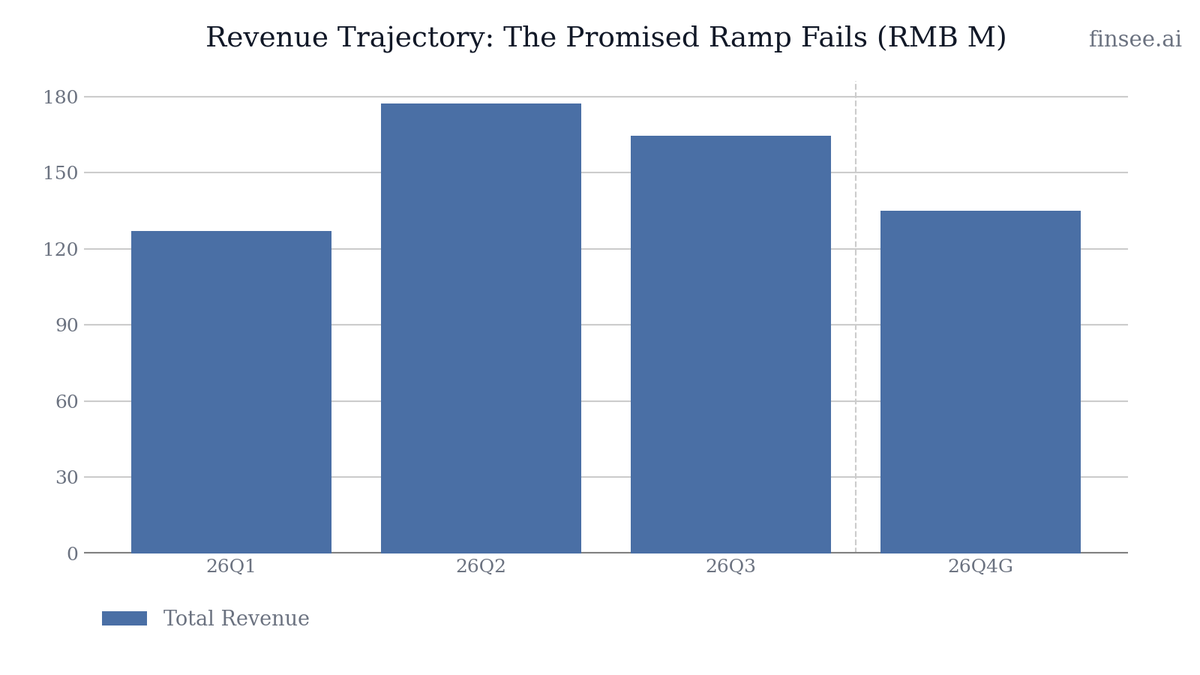
$HERE Q3 2026 earnings: A Brutal Reality Check: FY Guidance Slashed Despite Q3 Beat Here Group beat its conservative Q3 revenue guidance (RMB 164.7M vs 140-150M), but the real story is the devastating cut to full-year expectations. Management slashed FY26 revenue guidance from RMB 750-800M to RMB 600-610M, citing 'near-term market realities.' The promised second-half acceleration is officially dead. While gross margin recovered slightly to 34.5%, net losses widened to RMB 34.1M as operating expenses outpaced top-line growth. The transition from an online education firm to an 'IP Factory' is proving much harderโ€”and costlierโ€”than anticipated. Full article with charts - link in bio ๐Ÿ‚ ๐๐ฎ๐ฅ๐ฅ ๐‚๐š๐ฌ๐ž โ€ข ๐๐ž๐ฐ ๐ˆ๐๐ฌ ๐†๐š๐ข๐ง๐ข๐ง๐  ๐“๐ซ๐š๐œ๐ญ๐ข๐จ๐ง โ€” SIINONO is stepping up to the plate, with revenue Accelerating 73% sequentially to RMB 33.3M. This validates the company's ability to create a diversified portfolio rather than relying solely on a single hit. โ€ข ๐†๐ซ๐จ๐ฌ๐ฌ ๐Œ๐š๐ซ๐ ๐ข๐ง ๐’๐ญ๐š๐›๐ข๐ฅ๐ข๐ณ๐š๐ญ๐ข๐จ๐ง โ€” Gross margins improved to 34.5% from 31.0% in Q2. Management's strategic cost structure refinements are showing early signs of reversing the margin compression seen during their initial offline expansion. ๐Ÿป ๐๐ž๐š๐ซ ๐‚๐š๐ฌ๐ž โ€ข ๐†๐ซ๐จ๐ฐ๐ญ๐ก ๐’๐ญ๐จ๐ซ๐ฒ ๐ƒ๐ž๐ซ๐š๐ข๐ฅ๐ฌ โ€” The massive 20%+ cut to full-year revenue guidance destroys the aggressive growth narrative management sold investors just one quarter ago. The core pop toy market demand is clearly Decelerating. โ€ข ๐…๐ฅ๐š๐ ๐ฌ๐ก๐ข๐ฉ ๐ˆ๐ ๐…๐š๐ญ๐ข๐ ๐ฎ๐ž โ€” WAKUKU, the engine of the entire turnaround, saw sales drop 21% sequentially. If the flagship IP is already peaking, the company will struggle to achieve profitability. โš–๏ธ ๐•๐ž๐ซ๐๐ข๐œ๐ญ: ๐Ÿ”ด Bearish. Management praised a Q3 'beat,' but a 20% slash to annual guidance and widening net losses overshadow any quarterly operational victories. The fundamental thesis of explosive, profitable pop-toy growth is Reversing. ๐Š๐ž๐ฒ ๐“๐ก๐ž๐ฆ๐ž๐ฌ ๐Ÿ”ด๐Ÿ”ด ๐Œ๐š๐ฌ๐ฌ๐ข๐ฏ๐ž ๐†๐ฎ๐ข๐๐š๐ง๐œ๐ž ๐‘๐ž๐ฏ๐ข๐ฌ๐ข๐จ๐ง ๐ƒ๐ž๐ฌ๐ญ๐ซ๐จ๐ฒ๐ฌ ๐‚๐ซ๐ž๐๐ข๐›๐ข๐ฅ๐ข๐ญ๐ฒ [NEW] Management's narrative Reversing from 'acceleration mode' to 'near-term market realities' is the biggest red flag of the quarter. In Q1 and Q2, management explicitly promised a massive second-half ramp to hit RMB 750-800M for FY26. Sashing that to RMB 600-610M implies that Q4 revenue will drop to roughly RMB 135M. This completely contradicts the prior claims of unchecked demand and supply chain constraints being the only bottleneck. ๐Ÿ”ด ๐…๐ฅ๐š๐ ๐ฌ๐ก๐ข๐ฉ ๐ˆ๐ ๐–๐€๐Š๐”๐Š๐” ๐ข๐ฌ ๐ƒ๐ž๐œ๐ž๐ฅ๐ž๐ซ๐š๐ญ๐ข๐ง๐  [NEW] Despite management claiming they 'exceeded expectations,' WAKUKUโ€”which generated 73% of revenue last quarterโ€”suffered a 21% sequential drop from RMB 129.4M in Q2 to RMB 102.4M in Q3. While management blames 'seasonally softer conditions' and Chinese New Year holiday disruptions, a 20%+ drop in the core growth engine is alarming for an 'IP Factory' model. ๐Ÿ”ด ๐Ž๐ฉ๐ž๐ซ๐š๐ญ๐ข๐ง๐  ๐ƒ๐ž๐ฅ๐ž๐ฏ๐ž๐ซ๐š๐ ๐ž ๐š๐ฌ ๐‹๐จ๐ฌ๐ฌ๐ž๐ฌ ๐–๐ข๐๐ž๐ง Net losses are Accelerating, moving from RMB 25.4M in Q2 to RMB 34.1M in Q3. More concerning is the lack of expense discipline: Sales & Marketing expenses increased sequentially to RMB 57.7M (from RMB 52.8M) despite revenue dropping. Pumping more marketing dollars into a shrinking top line destroys the path to profitability. ๐ŸŸข ๐’๐ˆ๐ˆ๐๐Ž๐๐Ž ๐•๐š๐ฅ๐ข๐๐š๐ญ๐ž๐ฌ ๐ญ๐ก๐ž ๐Œ๐ฎ๐ฅ๐ญ๐ข-๐ˆ๐ ๐’๐ญ๐ซ๐š๐ญ๐ž๐ ๐ฒ [NEW] The brightest spot in the quarter was the licensed IP SIINONO. Sales are Accelerating rapidly, jumping 73% sequentially to RMB 33.3M. As WAKUKU faces headwinds, SIINONO's growth proves that Here Group's core product design and marketing engine can successfully incubate and scale more than just one hit toy. ๐ŸŸข ๐†๐ซ๐จ๐ฌ๐ฌ ๐Œ๐š๐ซ๐ ๐ข๐ง ๐’๐ก๐จ๐ฐ๐ฌ ๐’๐ข๐ ๐ง๐ฌ ๐จ๐Ÿ ๐’๐ญ๐š๐›๐ข๐ฅ๐ข๐ณ๐š๐ญ๐ข๐จ๐ง After a brutal compression from 41.2% in Q1 to 31.0% in Q2 due to a strategic shift towards lower-margin offline channels, gross margin experienced a Stable recovery to 34.5% in Q3. Management attributes this to 'strategic cost structure refinements.' If they can hold this mid-30s baseline while scaling, the long-term unit economics remain viable. โšช ๐‚๐š๐ฌ๐ก ๐‘๐ž๐ฌ๐ž๐ซ๐ฏ๐ž๐ฌ ๐…๐ฎ๐ง๐๐ข๐ง๐  ๐๐ฎ๐ฒ๐›๐š๐œ๐ค๐ฌ Despite operational struggles, the balance sheet remains a fortress. The company deployed US$12.8M to repurchase 2.3 million ADSs under its 2025 program and just authorized a brand new US$20.0M repurchase program running through June 2027. Management is actively defending the stock price with its cash pile. โšช ๐Œ๐š๐œ๐ซ๐จ ๐‡๐ž๐š๐๐ฐ๐ข๐ง๐๐ฌ ๐€๐œ๐ค๐ง๐จ๐ฐ๐ฅ๐ž๐๐ ๐ž๐ [NEW] For the first time since the pivot to pop toys, management explicitly blamed Macro conditions, citing 'near-term market realities' and 'seasonally softer conditions.' The Chinese consumer is pulling back on discretionary spending, which directly threatens Here Group's entire premise of explosive, insulated domestic growth. ๐Ž๐ญ๐ก๐ž๐ซ ๐Š๐๐ˆ๐ฌ ๐“๐จ๐ญ๐š๐ฅ ๐‚๐š๐ฌ๐ก ๐š๐ง๐ ๐’๐ก๐จ๐ซ๐ญ-๐“๐ž๐ซ๐ฆ ๐ˆ๐ง๐ฏ๐ž๐ฌ๐ญ๐ฆ๐ž๐ง๐ญ๐ฌ: RMB 670.3 million Decelerating from RMB 789.4 million two quarters ago. While the company still holds roughly US$97 million in liquidity, the ongoing cash burn from widening net losses and share repurchases is slowly chipping away at their war chest. ๐ˆ๐ง๐ฏ๐ž๐ง๐ญ๐จ๐ซ๐ฒ: RMB 129.1 million Accelerating significantly from RMB 48.4 million at the end of Q1. While management previously cited this as a 'strategic build' for new launches, the combination of surging inventory and a slashed revenue guidance introduces a massive risk of future write-downs if sell-through stalls. ๐†๐ฎ๐ข๐๐š๐ง๐œ๐ž ๐๐Ÿ’ ๐…๐˜๐Ÿ๐Ÿ” ๐‘๐ž๐ฏ๐ž๐ง๐ฎ๐ž: RMB 130.0M - 140.0M Decelerating. This guidance range implies a sharp sequential drop of 15% to 21% from Q3's RMB 164.7M. It completely reverses the narrative that Q3 was just a temporary 'seasonal dip' due to the Spring Festival. ๐…๐˜๐Ÿ๐Ÿ” ๐“๐จ๐ญ๐š๐ฅ ๐‘๐ž๐ฏ๐ž๐ง๐ฎ๐ž: RMB 600.0M - 610.0M Reversing. This is a massive downgrade from the prior guidance of RMB 750.0M - 800.0M. It officially signals that the rapid expansion phase the company experienced over the last year has hit a severe wall. ๐Š๐ž๐ฒ ๐๐ฎ๐ž๐ฌ๐ญ๐ข๐จ๐ง๐ฌ ๐–๐€๐Š๐”๐Š๐” ๐‹๐ข๐Ÿ๐ž๐œ๐ฒ๐œ๐ฅ๐ž WAKUKU revenue fell 21% sequentially. How much of this decline is due to temporary supply chain disruptions during the Chinese New Year versus structural IP fatigue among consumers? ๐„๐ฑ๐ฉ๐ž๐ง๐ฌ๐ž ๐ƒ๐ข๐ฌ๐œ๐ข๐ฉ๐ฅ๐ข๐ง๐ž ๐ƒ๐ข๐ฌ๐œ๐จ๐ง๐ง๐ž๐œ๐ญ Sales and marketing expenses increased sequentially while revenue declined. If demand is softening, why is the company aggressively pushing marketing spend, and when will we see absolute cost reductions? ๐ˆ๐ง๐ฏ๐ž๐ง๐ญ๐จ๐ซ๐ฒ ๐‘๐ข๐ฌ๐ค Inventory has spiked to RMB 129 million just as full-year revenue guidance was slashed by 20%. What is the risk of inventory obsolescence and margin-crushing discounts in Q4 to clear this backlog? ๐†๐ฎ๐ข๐๐š๐ง๐œ๐ž ๐‚๐ซ๐ž๐๐ข๐›๐ข๐ฅ๐ข๐ญ๐ฒ Given the severity of the FY26 guidance cut just three months after reaffirming it, what structural changes are being made to forecasting methodologies to restore investor confidence?
Finsee tweet media
English
0
0
0
466
Finsee
Finsee@Finsee_mainยท
$TOUR Q1 2026 earnings: Profitability Maintained, But Growth Slams the Brakes Tuniu scratched out its fifth consecutive quarter of non-GAAP profitability with a net income of RMB0.2M. Q1 delivered a respectable 12.8% YoY revenue increase, driven by packaged tours and favorable domestic travel policies. However, the true story of this earnings print is the sudden halt in momentum. Management's Q2 guidance calls for essentially flat revenue (0% to 5% growth)โ€”a massive deceleration from the 20% growth seen just last quarter. Coupled with compressing gross margins and a recent 1-for-10 equivalent ADS ratio change to regain Nasdaq compliance, the underlying fundamentals appear significantly weaker than the headline 'steady growth' narrative suggests. Full article with charts - link in bio ๐Ÿ‚ ๐๐ฎ๐ฅ๐ฅ ๐‚๐š๐ฌ๐ž โ€ข ๐’๐ฎ๐ฌ๐ญ๐š๐ข๐ง๐ž๐ ๐๐จ๐ญ๐ญ๐จ๐ฆ-๐‹๐ข๐ง๐ž ๐ƒ๐ข๐ฌ๐œ๐ข๐ฉ๐ฅ๐ข๐ง๐ž โ€” The company continues to prove it can operate above water. By slashing G&A (-40.7%) and R&D (-6.7%), Tuniu achieved GAAP net income (RMB0.2M) compared to a loss last year, proving out its multi-quarter cost control strategy. โ€ข ๐‚๐จ๐ซ๐ž ๐๐ซ๐จ๐๐ฎ๐œ๐ญ ๐‘๐ž๐ฌ๐ข๐ฅ๐ข๐ž๐ง๐œ๐ž โ€” Packaged tours remain the bedrock, growing 10.8% YoY in Q1. If macro policies continue to favor domestic tourism, this core engine could sustain the business while management figures out secondary revenue streams. ๐Ÿป ๐๐ž๐š๐ซ ๐‚๐š๐ฌ๐ž โ€ข ๐’๐ž๐ฏ๐ž๐ซ๐ž ๐‘๐ž๐ฏ๐ž๐ง๐ฎ๐ž ๐ƒ๐ž๐œ๐ž๐ฅ๐ž๐ซ๐š๐ญ๐ข๐จ๐ง โ€” Q2 guidance of 0% to 5% YoY growth is highly concerning. The company went from 20% growth in Q4 to guiding for a near standstill just two quarters later, suggesting market share losses or a tapped-out customer base. โ€ข ๐Œ๐š๐ซ๐ ๐ข๐ง ๐ƒ๐ž๐ ๐ซ๐š๐๐š๐ญ๐ข๐จ๐ง โ€” Cost of revenues (+22.6%) and Sales & Marketing expenses (+16.9%) both significantly outpaced the 12.8% revenue growth. Gross margin compressed from 59.0% to 55.5% YoY, demonstrating the high cost of acquiring price-sensitive travelers. โš–๏ธ ๐•๐ž๐ซ๐๐ข๐œ๐ญ: ๐Ÿ”ด Bearish. While scraping by with microscopic profitability is commendable, the structural story is weakening. Plunging revenue guidance, compressing margins, and a recent pseudo-reverse-split paint a picture of a company struggling for genuine traction in a highly competitive market. ๐Š๐ž๐ฒ ๐“๐ก๐ž๐ฆ๐ž๐ฌ ๐Ÿ”ด๐Ÿ”ด ๐’๐ญ๐š๐ซ๐ญ๐ฅ๐ข๐ง๐  ๐๐Ÿ ๐†๐ซ๐จ๐ฐ๐ญ๐ก ๐‚๐จ๐ฅ๐ฅ๐š๐ฉ๐ฌ๐ž [NEW] The most glaring red flag is the Q2 2026 outlook. Management expects RMB134.9M to RMB141.6M in net revenues, representing a meager 0% to 5% YoY increase. This completely contradicts the CEO's claim of 'vitality in China's tourism market' and breaks a multi-quarter streak of mid-teens growth. This abrupt deceleration suggests that Tuniu's cheaper 'New Select' product strategy may have pulled forward demand or failed to generate sustainable volume. ๐Ÿ”ด ๐†๐ซ๐จ๐ฌ๐ฌ ๐Œ๐š๐ซ๐ ๐ข๐ง ๐’๐ช๐ฎ๐ž๐ž๐ณ๐ž ๐•๐š๐ฅ๐ข๐๐š๐ญ๐ž๐ฌ ๐๐ซ๐ข๐จ๐ซ ๐–๐š๐ซ๐ง๐ข๐ง๐ ๐ฌ In previous quarters, management warned that shifting toward competitively priced volume products would pressure margins. This is now materializing rapidly: Q1 2026 cost of revenues jumped 22.6%, drastically outpacing the 12.8% revenue gain. Gross margin contracted 350 basis points from 59.0% in Q1 2025 to 55.5% today. Pushing cheap tours is inflating top-line optics but actively eroding unit economics. โšช ๐€๐ƒ๐’ ๐‘๐š๐ญ๐ข๐จ ๐‚๐ก๐š๐ง๐ ๐ž ๐’๐ข๐ ๐ง๐š๐ฅ๐ฌ ๐Œ๐š๐ซ๐ค๐ž๐ญ ๐–๐ž๐š๐ค๐ง๐ž๐ฌ๐ฌ [NEW] Effective April 2026, Tuniu changed its ADS ratio from 1:3 to 1:30 (effectively a 1-for-10 reverse stock split). This was executed specifically to regain compliance with Nasdaq's minimum bid price requirement. While mechanically successful, reverse splits are virtually always a defensive move reflecting severely depressed investor confidence and a shrinking market capitalization. ๐ŸŸข ๐๐š๐œ๐ค๐š๐ ๐ž๐ ๐“๐จ๐ฎ๐ซ๐ฌ ๐‘๐ž๐ฆ๐š๐ข๐ง ๐ญ๐ก๐ž ๐€๐ง๐œ๐ก๐จ๐ซ Despite broader issues, the core Packaged Tours segment grew 10.8% YoY to RMB109.7M, making up roughly 83% of total revenue. This was primarily driven by steady performance in organized and self-guided tours, proving that Tuniu's fundamental product continues to clear the market, even if it requires higher promotional spend to do so. ๐ŸŸข ๐Œ๐š๐œ๐ซ๐จ ๐“๐š๐ข๐ฅ๐ฐ๐ข๐ง๐: ๐…๐š๐ฏ๐จ๐ซ๐š๐›๐ฅ๐ž ๐“๐ซ๐š๐ฏ๐ž๐ฅ ๐๐จ๐ฅ๐ข๐œ๐ข๐ž๐ฌ CEO Donald Dunde Yu explicitly cited the implementation of favorable government policies as a catalyst for Q1's business vitality. This aligns with broader trends of China expanding visa-free travel and promoting domestic consumption, acting as an external driver keeping the top-line afloat. ๐ŸŸข ๐„๐ฑ๐ฉ๐š๐ง๐๐ข๐ง๐  ๐€๐ˆ ๐ˆ๐ง๐ญ๐ž๐ ๐ซ๐š๐ญ๐ข๐จ๐ง ๐‚๐š๐ฉ๐š๐›๐ข๐ฅ๐ข๐ญ๐ข๐ž๐ฌ Tuniu is continuing its transition into a tech-enabled operator. After launching its proprietary 'AI Assistant Xiao Niu' last year, management highlighted a new open, collaborative approach: extending its products, services, and technological capabilities to third-party partners across channels. Embedding their booking engine into external AI agents could become a low-friction acquisition channel over time. ๐Ž๐ญ๐ก๐ž๐ซ ๐Š๐๐ˆ๐ฌ ๐’๐š๐ฅ๐ž๐ฌ & ๐Œ๐š๐ซ๐ค๐ž๐ญ๐ข๐ง๐  ๐„๐ฑ๐ฉ๐ž๐ง๐ฌ๐ž๐ฌ (๐Ÿ๐Ÿ”๐๐Ÿ): RMB 50.5 million Accelerating. S&M increased 16.9% YoY, driven by higher promotion expenses. Because this growth (+16.9%) exceeded revenue growth (+12.8%), S&M as a percentage of revenue expanded to 38.1% (from 36.8% a year ago). The company is having to pay more aggressively to acquire travelers. ๐“๐จ๐ญ๐š๐ฅ ๐‹๐ข๐ช๐ฎ๐ข๐๐ข๐ญ๐ฒ ๐๐จ๐ฌ๐ข๐ญ๐ข๐จ๐ง (๐Ÿ๐Ÿ”๐๐Ÿ): RMB 1.0 billion Stable. The total of cash, restricted cash, short-term investments, and long-term deposits translates to roughly US$147.7 million. Despite razor-thin operating margins, the balance sheet remains heavily fortified, granting the company significant runway to navigate the upcoming deceleration. ๐Ž๐ญ๐ก๐ž๐ซ ๐‘๐ž๐ฏ๐ž๐ง๐ฎ๐ž๐ฌ (๐Ÿ๐Ÿ”๐๐Ÿ): RMB 22.9 million Reversing. After declining heavily throughout 2025 (down 20% for the full year), Other Revenues rebounded with a 23.5% YoY increase. Management attributed this entirely to increased fees from advertising services provided to tourism boards and bureaus. ๐†๐ฎ๐ข๐๐š๐ง๐œ๐ž ๐Ÿ๐Ÿ”๐๐Ÿ ๐๐ž๐ญ ๐‘๐ž๐ฏ๐ž๐ง๐ฎ๐ž๐ฌ: RMB 134.9M - RMB 141.6M Decelerating sharply. The midpoint implies just a 2.5% YoY growth rate. This is a severe drop-off from the 12.8% growth in Q1 and the 15.3% growth recorded in the same period last year (25Q2). It indicates a sudden stall in consumer demand or a loss of market share heading into the crucial summer travel season. ๐Š๐ž๐ฒ ๐๐ฎ๐ž๐ฌ๐ญ๐ข๐จ๐ง๐ฌ ๐„๐ฑ๐ฉ๐ฅ๐š๐ข๐ง๐ข๐ง๐  ๐ญ๐ก๐ž ๐๐Ÿ ๐†๐ฎ๐ข๐๐š๐ง๐œ๐ž ๐‚๐จ๐ฅ๐ฅ๐š๐ฉ๐ฌ๐ž Given the 'favorable policies' cited in Q1, what specific headwinds are driving the dramatically lower 0-5% revenue growth guidance for Q2? Are you seeing a softening in summer bookings or is this a result of intense price competition? ๐Œ๐š๐ซ๐ ๐ข๐ง ๐…๐ฅ๐จ๐จ๐ซ ๐จ๐ง ๐ญ๐ก๐ž '๐๐ž๐ฐ ๐’๐ž๐ฅ๐ž๐œ๐ญ' ๐’๐ญ๐ซ๐š๐ญ๐ž๐ ๐ฒ Cost of revenues outpaced revenue growth by nearly 1,000 basis points this quarter, compressing gross margins to 55.5%. At what point does the push for volume via competitively priced products establish a margin floor, and how does this impact the long-term profitability model? ๐’๐ก๐š๐ซ๐ž ๐‘๐ž๐ฉ๐ฎ๐ซ๐œ๐ก๐š๐ฌ๐ž ๐ƒ๐ฒ๐ง๐š๐ฆ๐ข๐œ๐ฌ ๐๐จ๐ฌ๐ญ-๐€๐ƒ๐’ ๐‚๐ก๐š๐ง๐ ๐ž You have utilized roughly $4.9 million of the $10 million repurchase program. Did the recent 1-for-30 ADS ratio change impact your algorithmic or strategic approach to deploying the remaining $5.1 million?
Finsee tweet media
English
1
0
2
393
Finsee
Finsee@Finsee_mainยท
$GIII Q1 2027 earnings: Strategic Pivot Accelerates, But SG&A Deleverage Bites G-III's Q1 FY27 paints a picture of a company in violent transition. While headline GAAP earnings exploded to $1.50 per share due to a massive $102.7M tariff refund, underlying operations tell a mixed story. Revenue continues to contract (down 8% YoY) as the PVH license phase-out accelerates. However, the mix-shift toward owned brands drove adjusted gross margins up an impressive 350 basis points to 45.7%. The announced acquisition of Marc Jacobs marks a transformational shift toward brand ownership. Yet, management's 'disciplined execution' narrative is directly contradicted by a sharp Reversing trend in operating leverage: non-GAAP EPS swung to a $0.21 loss as SG&A bloated by $24M despite shrinking sales. Full article with charts - link in bio ๐Ÿ‚ ๐๐ฎ๐ฅ๐ฅ ๐‚๐š๐ฌ๐ž โ€ข ๐†๐ซ๐จ๐ฌ๐ฌ ๐Œ๐š๐ซ๐ ๐ข๐ง ๐‘๐ž๐ง๐š๐ข๐ฌ๐ฌ๐š๐ง๐œ๐ž โ€” Stripping out the tariff refund, adjusted gross margin surged 350 bps YoY to 45.7%. The deliberate shedding of low-margin PVH wholesale business in favor of higher-margin owned brands (DKNY, Donna Karan) is working on the gross profit line. โ€ข ๐Œ๐š๐ซ๐œ ๐‰๐š๐œ๐จ๐›๐ฌ ๐€๐œ๐ช๐ฎ๐ข๐ฌ๐ข๐ญ๐ข๐จ๐ง โ€” Partnering with WHP Global to acquire Marc Jacobs replaces expiring PVH revenue with a globally recognized, high-margin owned asset. This instantly upgrades G-III's portfolio quality and global reach. ๐Ÿป ๐๐ž๐š๐ซ ๐‚๐š๐ฌ๐ž โ€ข ๐’๐†&๐€ ๐๐ฅ๐จ๐š๐ญ ๐‚๐จ๐ง๐ญ๐ซ๐š๐๐ข๐œ๐ญ๐ฌ ๐๐š๐ซ๐ซ๐š๐ญ๐ข๐ฏ๐ž โ€” Despite sales dropping by $47M YoY, SG&A expenses inexplicably grew by $24M to $255.3M. This brutal deleverage pushed Q1 non-GAAP net income from an $8.4M profit last year to an $8.7M loss. โ€ข ๐“๐ก๐ž ๐๐•๐‡ ๐‘๐ž๐ฏ๐ž๐ง๐ฎ๐ž ๐‚๐ก๐š๐ฌ๐ฆ โ€” The company is facing a guided $470M revenue hole in FY27 from exiting Calvin Klein and Tommy Hilfiger licenses. Replacing that volume organically in a cautious retail environment remains a steep uphill battle. โš–๏ธ ๐•๐ž๐ซ๐๐ข๐œ๐ญ: โšช Hold. The strategic pivot toward owned brands and the Marc Jacobs acquisition make immense long-term sense. However, the transition mechanics are currently messy. Until management proves they can cut SG&A to match the new, smaller revenue base, bottom-line volatility will persist. ๐Š๐ž๐ฒ ๐“๐ก๐ž๐ฆ๐ž๐ฌ ๐ŸŸข๐ŸŸข ๐“๐ซ๐š๐ง๐ฌ๐Ÿ๐จ๐ซ๐ฆ๐š๐ญ๐ข๐จ๐ง๐š๐ฅ ๐Œ๐š๐ซ๐œ ๐‰๐š๐œ๐จ๐›๐ฌ ๐€๐œ๐ช๐ฎ๐ข๐ฌ๐ข๐ญ๐ข๐จ๐ง [NEW] The joint acquisition of Marc Jacobs with WHP Global is a massive catalyst that is not yet included in FY27 guidance. This accelerates G-III's transition into a 'brand-led global powerhouse.' It effectively backfills a significant portion of the dying PVH business with an asset they can control, price, and distribute globally with higher structural margins. ๐ŸŸข ๐’๐†&๐€ ๐„๐ฑ๐ฉ๐ž๐ง๐ฌ๐ž ๐ƒ๐ข๐ฌ๐œ๐จ๐ง๐ง๐ž๐œ๐ญ [NEW] A critical red flag directly contradicts the positive earnings narrative: Q1 Net Sales dropped 8%, yet SG&A jumped 10.3% ($255.3M vs $231.5M YoY). Management claims 'disciplined execution,' but this deleverage is precisely why non-GAAP net income Reversed from a profit to a loss. Management must answer when fixed costs will be right-sized to fit the $2.71B revenue run-rate, down from the peak $3.2B base. ๐ŸŸข ๐’๐ญ๐ซ๐ฎ๐œ๐ญ๐ฎ๐ซ๐š๐ฅ ๐†๐ซ๐จ๐ฌ๐ฌ ๐Œ๐š๐ซ๐ ๐ข๐ง ๐„๐ฑ๐ฉ๐š๐ง๐ฌ๐ข๐จ๐ง Adjusted gross margin Accelerating by 350 basis points (to 45.7%) validates the core logic of the PVH break-up. Exchanging high-volume, low-margin licensed sales for lower-volume, high-margin owned brand sales (DKNY, Donna Karan, Karl Lagerfeld) drastically improves the quality of revenue and insulates the company against future wholesale discounting. โšช ๐ˆ๐„๐„๐๐€ ๐“๐š๐ซ๐ข๐Ÿ๐Ÿ ๐–๐ข๐ง๐๐Ÿ๐š๐ฅ๐ฅ ๐…๐จ๐ซ๐ญ๐ข๐Ÿ๐ข๐ž๐ฌ ๐๐š๐ฅ๐š๐ง๐œ๐ž ๐’๐ก๐ž๐ž๐ญ [NEW] The company recognized a massive $102.7M pre-tax benefit ($77.9M net of tax) related to the recovery of previously incurred IEEPA tariffs. This one-time cash infusion pushed cash and equivalents to $394.2M, providing the exact dry powder needed to execute the Marc Jacobs transaction without stressing the balance sheet. โšช ๐Œ๐š๐œ๐ซ๐จ ๐‘๐ข๐ฌ๐ค: ๐๐ž๐ซ๐ฌ๐ข๐ฌ๐ญ๐ž๐ง๐ญ ๐“๐š๐ซ๐ข๐Ÿ๐Ÿ ๐”๐ง๐œ๐ž๐ซ๐ญ๐š๐ข๐ง๐ญ๐ฒ While G-III won a massive refund for past IEEPA tariffs, their updated outlook assumes go-forward tariffs will approximate previous rates. Given that they historically suffered up to $75M in unmitigated P&L hits from Chinese and Indian tariffs in FY26, the company's margin recovery remains highly sensitive to global trade policy shifts. ๐Ÿ”ด ๐ˆ๐ง๐ง๐จ๐ฏ๐š๐ญ๐ข๐จ๐ง ๐ข๐ง ๐’๐จ๐ฎ๐ซ๐œ๐ข๐ง๐  & ๐€๐ˆ ๐ˆ๐ง๐ญ๐ž๐ ๐ซ๐š๐ญ๐ข๐จ๐ง To combat margin pressure and supply chain volatility, G-III is heavily investing in 3D design software and AI predictive tools to streamline product development and tighten inventory buys. This technological integration is cited as a key driver for long-term operational cost reductions expected to hit run-rate in FY28. ๐Ž๐ญ๐ก๐ž๐ซ ๐Š๐๐ˆ๐ฌ ๐ˆ๐ง๐ฏ๐ž๐ง๐ญ๐จ๐ซ๐ข๐ž๐ฌ: $417.9 million Stable and well-managed. Inventories decreased exactly 8% YoY, perfectly matching the 8% decline in Net Sales. This proves the company is not stuffing the channel and is effectively managing the unwinding of the PVH license stock without resorting to margin-crushing liquidation. ๐๐ž๐ญ ๐‚๐š๐ฌ๐ก ๐๐จ๐ฌ๐ข๐ญ๐ข๐จ๐ง: $378.8 million (Derived) Accelerating financial strength. Cash sits at $394.2M against just $15.4M in total debt. This pristine balance sheet is a massive advantage in the apparel sector, fully supporting the Marc Jacobs acquisition, the $0.10 quarterly dividend, and potential share repurchases. ๐†๐ฎ๐ข๐๐š๐ง๐œ๐ž ๐…๐˜๐Ÿ๐Ÿ• ๐๐ž๐ญ ๐’๐š๐ฅ๐ž๐ฌ: Approximately $2.71 billion Decelerating. Represents a significant drop from $2.96B in FY26, wholly driven by the programmed $470 million loss of Calvin Klein and Tommy Hilfiger sales. Crucially, this guidance excludes any upcoming revenue from the pending Marc Jacobs acquisition. ๐…๐˜๐Ÿ๐Ÿ• ๐๐จ๐ง-๐†๐€๐€๐ ๐„๐๐’: $2.15 to $2.25 Decelerating. Compared to $2.61 in FY26 and $4.42 in FY25. The mid-point of $2.20 reflects the mathematical reality of losing $470M in revenue while fixed costs take time to adjust. However, this is a slight raise from the implicit expectations going into the quarter. ๐…๐˜๐Ÿ๐Ÿ• ๐€๐๐ฃ๐ฎ๐ฌ๐ญ๐ž๐ ๐„๐๐ˆ๐“๐ƒ๐€: $178.0 - $182.0 million Decelerating. Down from $192.4M in FY26. Reflects top-line contraction partially offset by gross margin expansion. The key variable here is whether the company can aggressively cut SG&A in the second half of the year to protect EBITDA margins. ๐๐Ÿ ๐…๐˜๐Ÿ๐Ÿ• ๐๐ž๐ญ ๐’๐š๐ฅ๐ž๐ฌ: Approximately $570.0 million Decelerating. Down from $613.3M in Q2 FY26. Follows the established trend of shedding licensed revenue. Market will be watching closely to see if owned-brand momentum can generate a beat against this conservative baseline. ๐๐Ÿ ๐…๐˜๐Ÿ๐Ÿ• ๐๐จ๐ง-๐†๐€๐€๐ ๐„๐๐’: $0.15 to $0.25 Decelerating. The midpoint of $0.20 is slightly below the $0.25 printed in Q2 FY26, again reflecting near-term deleverage on the SG&A line as the company bridges the gap between the old licensing model and the new owned-brand model. ๐Š๐ž๐ฒ ๐๐ฎ๐ž๐ฌ๐ญ๐ข๐จ๐ง๐ฌ ๐’๐†&๐€ ๐‘๐ข๐ ๐ก๐ญ๐ฌ๐ข๐ณ๐ข๐ง๐  Your Q1 SG&A jumped by $24M despite sales falling 8%. Can you walk us through the fixed vs variable nature of these expenses, and exactly when we will see absolute SG&A dollars step down to match the new $2.7B revenue run-rate? ๐Œ๐š๐ซ๐œ ๐‰๐š๐œ๐จ๐›๐ฌ ๐ˆ๐ง๐ญ๐ž๐ ๐ซ๐š๐ญ๐ข๐จ๐ง Regarding the Marc Jacobs acquisition, can you frame the expected top-line contribution for the remainder of FY27 once closed, and discuss how its gross margin profile compares to your current adjusted 45.7%? ๐“๐š๐ซ๐ข๐Ÿ๐Ÿ ๐€๐ฌ๐ฌ๐ฎ๐ฆ๐ฉ๐ญ๐ข๐จ๐ง๐ฌ You noted that your outlook assumes tariffs approximate the IEEPA regime rates. Given recent volatility in trade policy, how much of your supply chain is still exposed to China, and what specific mitigation levers remain if rates spike in the second half of the year?
Finsee tweet media
English
0
0
0
491
Finsee
Finsee@Finsee_mainยท
$ABM Q2 2026 earnings: Record Revenue Masks Underlying Margin and Profit Stagnation ABM delivered an accelerating 8.4% revenue increase to a record $2.3B, driven by surging demand in Technical Solutions (+27%) and the newly integrated WGNSTAR acquisition. However, the bottom line tells a completely different story. Segment operating margins compressed to 7.3% from 7.9% due to ramp-up costs and persistent macro weakness in the Business & Industry (B&I) segment. Alarmingly, actual Adjusted Net Income fell to $52.9M from $54.1M a year ago. The reported $0.90 Adjusted EPS 'beat' was entirely engineered by a shrinking share count from aggressive buybacks. Management raised its revenue target but guided margins to the low end of expectations. Full article with charts - link in bio ๐Ÿ‚ ๐๐ฎ๐ฅ๐ฅ ๐‚๐š๐ฌ๐ž โ€ข ๐“๐ž๐œ๐ก๐ง๐ข๐œ๐š๐ฅ ๐’๐จ๐ฅ๐ฎ๐ญ๐ข๐จ๐ง๐ฌ ๐จ๐ง ๐…๐ข๐ซ๐ž โ€” The ATS segment grew a massive 27.2%, proving ABM's strategic pivot toward high-margin, mission-critical infrastructure like datacenter services and battery energy storage is working. โ€ข ๐‚๐š๐ฌ๐ก ๐…๐ฅ๐จ๐ฐ ๐‘๐ž๐ฌ๐ข๐ฅ๐ข๐ž๐ง๐œ๐ฒ โ€” Operating cash flow more than doubled YoY to $66.2M. The disastrous ERP friction that choked liquidity last year is officially reversing, allowing ABM to comfortably fund acquisitions and buybacks. ๐Ÿป ๐๐ž๐š๐ซ ๐‚๐š๐ฌ๐ž โ€ข ๐๐ž๐ ๐š๐ญ๐ข๐ฏ๐ž ๐Ž๐ฉ๐ž๐ซ๐š๐ญ๐ข๐ง๐  ๐‹๐ž๐ฏ๐ž๐ซ๐š๐ ๐ž โ€” Volume is not translating into profit. Aviation sales grew 19.5% but profits fell 0.9%. M&D sales grew 16.5% but profits barely rose 1.9%. New contract friction is eating the top-line gains. โ€ข ๐‚๐จ๐ซ๐ž ๐&๐ˆ ๐–๐ž๐š๐ค๐ง๐ž๐ฌ๐ฌ โ€” The B&I segment (almost 45% of total revenue) stalled completely at 0.0% growth, with operating profits falling 7.6% as the commercial real estate and office vacancy crisis continues to drag on the core business. โš–๏ธ ๐•๐ž๐ซ๐๐ข๐œ๐ญ: ๐Ÿ”ด Cautious. The top-line momentum and organic growth (+6.1%) are undeniably strong. However, when a company buys its way to EPS growth while absolute net income falls and margins compress, earnings quality becomes a serious concern. ๐Š๐ž๐ฒ ๐“๐ก๐ž๐ฆ๐ž๐ฌ ๐Ÿ”ด๐Ÿ”ด ๐„๐š๐ซ๐ง๐ข๐ง๐ ๐ฌ ๐๐ฎ๐š๐ฅ๐ข๐ญ๐ฒ: ๐„๐๐’ ๐†๐ซ๐จ๐ฐ๐ญ๐ก ๐‚๐จ๐ง๐ญ๐ซ๐š๐๐ข๐œ๐ญ๐ฌ ๐‘๐ž๐š๐ฅ ๐๐ž๐ญ ๐ˆ๐ง๐œ๐จ๐ฆ๐ž [NEW] The earnings narrative highlights an Adjusted EPS increase from $0.86 to $0.90 YoY. However, reviewing the actual data contradicts this positive framing: Adjusted Net Income is reversing, dropping from $54.1M to $52.9M. The EPS gain is an illusion entirely manufactured by aggressive stock repurchases, which reduced the diluted share count from 62.9M to 59.1M over the past year. This masks a fundamental decline in real profitability. ๐Ÿ”ด ๐’๐ž๐ฏ๐ž๐ซ๐ž ๐Œ๐š๐ซ๐ ๐ข๐ง ๐‚๐จ๐ฆ๐ฉ๐ซ๐ž๐ฌ๐ฌ๐ข๐จ๐ง ๐ข๐ง ๐†๐ซ๐จ๐ฐ๐ญ๐ก ๐’๐ž๐ ๐ฆ๐ž๐ง๐ญ๐ฌ [NEW] While top-line growth is accelerating, the conversion to profit is decelerating sharply. In the Manufacturing & Distribution (M&D) segment, 16.5% revenue growth yielded only a 1.9% bump in operating profit. Worse, Aviation saw 19.5% revenue growth met with a 0.9% decline in operating profit. Management attributes this to 'weather-related and ramp-up cost inefficiencies' from newer contracts. This inability to scale margins on high-volume contract wins is a significant structural red flag. ๐ŸŸข ๐“๐ž๐œ๐ก๐ง๐ข๐œ๐š๐ฅ ๐’๐จ๐ฅ๐ฎ๐ญ๐ข๐จ๐ง๐ฌ (๐€๐“๐’) ๐‚๐จ๐ง๐ญ๐ข๐ง๐ฎ๐ž๐ฌ ๐ญ๐จ ๐’๐ฎ๐ซ๐ ๐ž ATS remains the brightest spot in ABM's portfolio, with growth accelerating to 27.2% ($267.3M). Unlike other segments, ATS converted this top-line surge straight to the bottom line, with operating profit growing 25.0%. The growth is backed by specific technology and infrastructure tailwinds, explicitly the deployment of battery energy storage systems and mission-critical datacenter-related services. ๐Ÿ”ด ๐Œ๐š๐œ๐ซ๐จ ๐ƒ๐ซ๐š๐ : ๐‚๐จ๐ฆ๐ฆ๐ž๐ซ๐œ๐ข๐š๐ฅ ๐Ž๐Ÿ๐Ÿ๐ข๐œ๐ž ๐’๐ญ๐š๐ฅ๐ฅ๐ฌ ๐&๐ˆ The Business & Industry (B&I) segment is decelerating, hitting 0.0% revenue growth this quarter ($1.01B). Operating profits reversed heavily, dropping 7.6% YoY. While management notes UK growth is strong, they explicitly cited 'the exit of certain clients'. This indicates that macro pressures from sustained commercial office vacancies and hybrid work models are still inflicting structural damage on ABM's largest traditional segment. ๐ŸŸข ๐–๐†๐๐’๐“๐€๐‘ ๐€๐œ๐ช๐ฎ๐ข๐ฌ๐ข๐ญ๐ข๐จ๐ง ๐ˆ๐ง๐ฃ๐ž๐œ๐ญ๐ฌ ๐ˆ๐ฆ๐ฆ๐ž๐๐ข๐š๐ญ๐ž ๐†๐ซ๐จ๐ฐ๐ญ๐ก The recently closed WGNSTAR acquisition is already paying dividends, helping push the M&D segment to 17% overall growth. The integration brings ABM deeper into the semiconductor manufacturing ecosystem. While the asset brings higher interest and amortization expenses in the short term, it secures highly sticky, technical revenue streams supported by multi-year US onshoring trends. ๐Ž๐ญ๐ก๐ž๐ซ ๐Š๐๐ˆ๐ฌ ๐…๐ซ๐ž๐ž ๐‚๐š๐ฌ๐ก ๐…๐ฅ๐จ๐ฐ (๐Ÿ๐Ÿ”๐๐Ÿ): $22.4 million Reversing positively. FCF is up meaningfully from $15.2M in the prior year. More importantly, operating cash flow jumped to $66.2M (from $32.3M YoY). This confirms that last year's severe working capital frictionโ€”caused by a disastrous ERP implementationโ€”is stabilizing, allowing for better working capital management. ๐’๐ก๐š๐ซ๐ž ๐‘๐ž๐ฉ๐ฎ๐ซ๐œ๐ก๐š๐ฌ๐ž๐ฌ (๐Ÿ๐Ÿ”๐๐Ÿ): $3.0 million Stable. While Q2 buybacks were light, the cumulative impact of recent buyback programs is profound. Weighted-average diluted shares dropped to 59.1M from 62.9M a year ago, artificially inflating EPS metrics even as absolute earnings dipped. ๐†๐ฎ๐ข๐๐š๐ง๐œ๐ž ๐…๐˜๐Ÿ๐Ÿ” ๐Ž๐ซ๐ ๐š๐ง๐ข๐œ ๐‘๐ž๐ฏ๐ž๐ง๐ฎ๐ž ๐†๐ซ๐จ๐ฐ๐ญ๐ก: Toward top end of 3% - 4% range Accelerating. Management nudged expectations upward, driven by a record $1.2B in first-half new sales bookings and relentless ATS demand. Total revenue growth is now also expected toward the top end of the 4% to 5% range. ๐…๐˜๐Ÿ๐Ÿ” ๐’๐ž๐ ๐ฆ๐ž๐ง๐ญ ๐Ž๐ฉ๐ž๐ซ๐š๐ญ๐ข๐ง๐  ๐Œ๐š๐ซ๐ ๐ข๐ง: Toward low end of 7.8% - 8.0% range Decelerating. A direct acknowledgement of the Q2 margin reality. With newer contracts bringing heavy ramp-up inefficiencies and B&I dragging, management has capped margin expectations to the floor of their previous guidance. ๐…๐˜๐Ÿ๐Ÿ” ๐€๐๐ฃ๐ฎ๐ฌ๐ญ๐ž๐ ๐„๐๐’: $3.85 - $4.15 Stable. The outlook was reaffirmed. Achieving the midpoint ($4.00) will require significant sequential margin improvement in the second half of the year, which management claims will be driven by improved service mix and cost savings. ๐Š๐ž๐ฒ ๐๐ฎ๐ž๐ฌ๐ญ๐ข๐จ๐ง๐ฌ ๐Œ๐š๐ซ๐ ๐ข๐ง ๐๐š๐ญ๐ก ๐Ÿ๐จ๐ซ ๐๐ž๐ฐ ๐‚๐จ๐ง๐ญ๐ซ๐š๐œ๐ญ๐ฌ You cited 'ramp-up cost inefficiencies' as a major drag on Aviation and M&D margins this quarter. Exactly how long is the runway for these new contracts to hit normalized margins, and what guarantees do we have that they weren't underbid? ๐&๐ˆ ๐Œ๐š๐œ๐ซ๐จ ๐ƒ๐ž๐ญ๐ž๐ซ๐ข๐จ๐ซ๐š๐ญ๐ข๐จ๐ง With B&I revenue growth flattening to 0.0% and profits falling nearly 8%, are we seeing a secondary wave of client exits due to the commercial real estate downturn, and what is the floor for this segment? ๐„๐š๐ซ๐ง๐ข๐ง๐ ๐ฌ ๐๐ฎ๐š๐ฅ๐ข๐ญ๐ฒ & ๐๐ฎ๐ฒ๐›๐š๐œ๐ค๐ฌ Adjusted Net Income fell year-over-year despite 8.4% top-line growth, with the EPS beat driven entirely by share count reductions. At what point will organic volume growth definitively translate into absolute dollar net income growth?
Finsee tweet media
English
1
0
1
426
Finsee
Finsee@Finsee_mainยท
$COO Q2 2026 earnings: Record Adjusted Earnings Overshadowed by $272M Recall Charge CooperCompanies delivered a mixed Q2. The adjusted operational execution was outstanding: Non-GAAP EPS surged 26% as operating margins expanded by 260 basis points. However, the GAAP bottom line collapsed to a $78M loss, driven by a massive $272M litigation charge tied to the CooperSurgical fertility media recall. Management noted that reaching agreements to resolve these claims unlocks the ability to move forward with their ongoing strategic review. Beneath the surface, segment trends are reversing: the previously struggling Fertility business accelerated to 10% organic growth, while the core CooperVision (CVI) engine showed signs of fatigue, prompting a downgrade in full-year CVI revenue guidance. Full article with charts - link in bio ๐Ÿ‚ ๐๐ฎ๐ฅ๐ฅ ๐‚๐š๐ฌ๐ž โ€ข ๐Œ๐š๐ซ๐ ๐ข๐ง ๐„๐ฑ๐ฉ๐š๐ง๐ฌ๐ข๐จ๐ง ๐Œ๐š๐ฌ๐ญ๐ž๐ซ๐œ๐ฅ๐š๐ฌ๐ฌ โ€” Non-GAAP operating margin expanded 260 basis points year-over-year to 27%. Synergies from the fiscal 2025 reorganization are flowing straight to the bottom line, allowing the company to maintain its full-year EPS guidance despite lowering revenue expectations. โ€ข ๐…๐ž๐ซ๐ญ๐ข๐ฅ๐ข๐ญ๐ฒ ๐’๐ž๐ ๐ฆ๐ž๐ง๐ญ ๐‘๐ž๐›๐จ๐ฎ๐ง๐ โ€” The Fertility segment is reversing its prior weakness, accelerating to 10% organic growth in Q2. This is a massive improvement from the 1-3% growth rates seen throughout 2025. ๐Ÿป ๐๐ž๐š๐ซ ๐‚๐š๐ฌ๐ž โ€ข ๐•๐ข๐ฌ๐ข๐จ๐ง ๐†๐ซ๐จ๐ฐ๐ญ๐ก ๐ƒ๐จ๐ฐ๐ง๐ ๐ซ๐š๐๐ž โ€” CooperVision (CVI) full-year organic growth guidance was cut from 4.5-5.5% down to 3.5-4.5%. Sphere contact lenses grew a sluggish 1% organically, indicating core volume fatigue. โ€ข ๐‚๐š๐ฌ๐ก ๐…๐ฅ๐จ๐ฐ ๐š๐ง๐ ๐๐ฎ๐ฒ๐›๐š๐œ๐ค๐ฌ ๐’๐ญ๐š๐ฅ๐ฅ๐ž๐ โ€” Due to the $324.8M accrued litigation liability, capital returns were abruptly paused. Share buybacks collapsed to just $13.1M in Q2, contradicting prior management claims of allocating two-thirds of free cash flow to repurchases. โš–๏ธ ๐•๐ž๐ซ๐๐ข๐œ๐ญ: โšช Neutral. The operational margin execution is flawless and settling the fertility litigation clears a major overhang. However, a downgrade to the core CooperVision revenue engine and a near-halt in share repurchases prevent a bullish rating. ๐Š๐ž๐ฒ ๐“๐ก๐ž๐ฆ๐ž๐ฌ ๐Ÿ”ด ๐‚๐จ๐จ๐ฉ๐ž๐ซ๐•๐ข๐ฌ๐ข๐จ๐ง ๐†๐ซ๐จ๐ฐ๐ญ๐ก ๐“๐ซ๐š๐ฃ๐ž๐œ๐ญ๐จ๐ซ๐ฒ ๐ƒ๐ž๐œ๐ž๐ฅ๐ž๐ซ๐š๐ญ๐ข๐ง๐  [NEW] Management's narrative of consistent market-beating contact lens growth is cracking. While CVI reported 4% organic growth in Q2, the underlying Sphere category grew only 1%. More importantly, management cut full-year CVI organic growth guidance from a midpoint of 5.0% down to 4.0%. This confirms that the APAC/Japan weakness identified in Q1 is not resolving as quickly as anticipated, and new private label contracts are failing to completely offset the drag. ๐ŸŸข ๐…๐ž๐ซ๐ญ๐ข๐ฅ๐ข๐ญ๐ฒ ๐’๐ž๐ ๐ฆ๐ž๐ง๐ญ ๐“๐ฎ๐ซ๐ง๐š๐ซ๐จ๐ฎ๐ง๐ Reversing a multi-quarter trend of stagnation, the CooperSurgical (CSI) Fertility segment posted an impressive 10% organic growth rate in Q2 (up from 3% in Q1 and 1% in 25Q4). This suggests that the prolonged period of clinical destocking and delayed capital equipment purchases in global IVF markets is ending, restoring a vital growth engine for the CSI division. ๐ŸŸข ๐‘๐ž๐ฅ๐ž๐ง๐ญ๐ฅ๐ž๐ฌ๐ฌ ๐Œ๐š๐ซ๐ ๐ข๐ง ๐„๐ฑ๐ฉ๐š๐ง๐ฌ๐ข๐จ๐ง The standout metric of the quarter is the non-GAAP operating margin, which expanded from 24.4% to 27%. The company successfully executed its late-2025 reorganization. Despite ongoing macro pressures and rising tariff costs, Cooper Companies entirely offset these headwinds through disciplined fixed-cost leverage and positive foreign exchange impacts, resulting in a 26% spike in non-GAAP EPS. ๐Ÿ”ด ๐‹๐ข๐ญ๐ข๐ ๐š๐ญ๐ข๐จ๐ง ๐‹๐ข๐š๐›๐ข๐ฅ๐ข๐ญ๐ฒ ๐๐š๐ซ๐š๐ฅ๐ฒ๐ณ๐ž๐ฌ ๐๐ฎ๐ฒ๐›๐š๐œ๐ค๐ฌ [NEW] While management framing paints the $271.6M litigation charge (related to the December 2023 embryo culture media recall) as a necessary step to 'move forward,' the financial toll is severe. The balance sheet now shows a $324.8M current accrued litigation liability. Consequently, share buybacks plummeted to a negligible $13.1M in Q2, down from $92M in Q1 and $197M in 25Q4. The previously promised aggressive capital return strategy is now effectively frozen until this cash exits the door. ๐ŸŸข ๐“๐จ๐ซ๐ข๐œ ๐š๐ง๐ ๐Œ๐ฎ๐ฅ๐ญ๐ข๐Ÿ๐จ๐œ๐š๐ฅ ๐‹๐ž๐ง๐ฌ๐ž๐ฌ ๐€๐ง๐œ๐ก๐จ๐ซ ๐‚๐•๐ˆ While standard spherical lenses flatlined (1% growth), CooperVision's specialty portfolio of Toric and Multifocal lenses provided much-needed stability, growing 7% organically to $364.9M. This continues to validate the company's technical superiority in complex lens designs, which command higher price points and stickier patient retention. โšช ๐’๐ญ๐ซ๐š๐ญ๐ž๐ ๐ข๐œ ๐‘๐ž๐ฏ๐ข๐ž๐ฐ ๐๐ž๐š๐ซ๐ข๐ง๐  ๐‚๐จ๐ง๐œ๐ฅ๐ฎ๐ฌ๐ข๐จ๐ง? CEO Al White explicitly stated that reaching the settlement framework for the fertility media recall represents an 'important step' allowing the company to 'move forward with our strategic review.' With the primary legal tail-risk quantified and ring-fenced, the board now has a clean path to either announce a formal split of the CooperVision and CooperSurgical businesses or definitively commit to the current structure. ๐Ž๐ญ๐ก๐ž๐ซ ๐Š๐๐ˆ๐ฌ ๐…๐ซ๐ž๐ž ๐‚๐š๐ฌ๐ก ๐…๐ฅ๐จ๐ฐ (๐Ÿ๐Ÿ”๐๐Ÿ): $96.4 million Decelerating. Cash provided by operations of $182.8M was offset by $86.4M in CapEx. This is a sharp drop from the $159M in FCF generated in Q1. The litigation accruals have not yet been fully paid out in cash, meaning future quarters will see further cash flow suppression as these settlements are funded. ๐„๐Œ๐„๐€ ๐‚๐จ๐จ๐ฉ๐ž๐ซ๐•๐ข๐ฌ๐ข๐จ๐ง ๐‘๐ž๐ฏ๐ž๐ง๐ฎ๐ž (๐Ÿ๐Ÿ”๐๐Ÿ): $289.7 million Accelerating. The EMEA region was the geographic standout for the contact lens business, surging 17% reported and 6% organically. This outpaced the Americas (+7% organic) and significantly offset the ongoing contraction in Asia Pacific (-6% organic). ๐†๐ฎ๐ข๐๐š๐ง๐œ๐ž ๐…๐˜๐Ÿ๐Ÿ” ๐“๐จ๐ญ๐š๐ฅ ๐‘๐ž๐ฏ๐ž๐ง๐ฎ๐ž: $4.285 - $4.321 billion Decelerating. Management cut the top end of their organic growth expectation, lowering the range from 4.5-5.5% down to 3.5-4.5%. This explicitly signals that the Q1 headwinds are persisting longer than originally forecasted. ๐…๐˜๐Ÿ๐Ÿ” ๐‚๐จ๐จ๐ฉ๐ž๐ซ๐•๐ข๐ฌ๐ข๐จ๐ง (๐‚๐•๐ˆ) ๐‘๐ž๐ฏ๐ž๐ง๐ฎ๐ž: $2.883 - $2.908 billion Decelerating. Organic growth guidance was lowered to 3.5-4.5% (down from 4.5-5.5% previously). This contradicts the narrative from prior quarters that Q1 weakness in APAC was an isolated timing issue, indicating broader structural or competitive drag in the contact lens market. ๐…๐˜๐Ÿ๐Ÿ” ๐‚๐จ๐จ๐ฉ๐ž๐ซ๐’๐ฎ๐ซ๐ ๐ข๐œ๐š๐ฅ (๐‚๐’๐ˆ) ๐‘๐ž๐ฏ๐ž๐ง๐ฎ๐ž: $1.402 - $1.414 billion Stable. Organic growth guidance maintained at 4-5%. The strong 10% organic growth in Fertility in Q2 provides a high degree of confidence that this segment will comfortably achieve or beat its annual targets. ๐…๐˜๐Ÿ๐Ÿ” ๐๐จ๐ง-๐†๐€๐€๐ ๐„๐๐’: $4.58 - $4.66 Stable. The company maintained its full-year earnings target despite lowering the revenue outlook. This is a testament to the aggressive operating expense discipline and the success of the Q4 reorganization, allowing them to protect bottom-line commitments. ๐Š๐ž๐ฒ ๐๐ฎ๐ž๐ฌ๐ญ๐ข๐จ๐ง๐ฌ ๐€๐ง๐š๐ญ๐จ๐ฆ๐ฒ ๐จ๐Ÿ ๐ญ๐ก๐ž ๐‚๐•๐ˆ ๐†๐ฎ๐ข๐๐š๐ง๐œ๐ž ๐‚๐ฎ๐ญ With CVI organic growth guidance lowered by a full percentage point, is the weakness entirely contained to the previously disclosed APAC legacy products, or are you seeing new deceleration in the Americas/EMEA daily silicone hydrogel conversion rates? ๐๐ฎ๐ฒ๐›๐š๐œ๐ค ๐…๐ซ๐ž๐ž๐ณ๐ž Share repurchases dropped to just $13M this quarter. Is this capital preservation strictly tied to funding the $324M litigation liability, and should investors expect repurchases to remain negligible until these settlements are paid out? ๐’๐ญ๐ซ๐š๐ญ๐ž๐ ๐ข๐œ ๐‘๐ž๐ฏ๐ข๐ž๐ฐ ๐“๐ข๐ฆ๐ข๐ง๐  Now that the fertility media litigation is substantially quantified and provisioned for, does this remove the final internal barrier to concluding and announcing the results of the corporate strategic review? ๐…๐ž๐ซ๐ญ๐ข๐ฅ๐ข๐ญ๐ฒ ๐€๐œ๐œ๐ž๐ฅ๐ž๐ซ๐š๐ญ๐ข๐จ๐ง ๐ƒ๐ฎ๐ซ๐š๐›๐ข๐ฅ๐ข๐ญ๐ฒ Fertility organic growth spiked to 10%. How much of this was catch-up from delayed clinic CapEx versus a structural increase in global IVF cycle volumes?
Finsee tweet media
English
1
0
3
879
Finsee
Finsee@Finsee_mainยท
$NX Q2 2026 earnings: Slight Revenue Growth Overshadowed by Severe Margin Compression Quanex managed a 2.2% YoY revenue increase to $462.4M in Q2, but top-line resilience masked a collapse in profitability. Net income plunged 83% to $3.4M, and Adjusted EBITDA margin contracted steeply from 14.0% to 9.6%. The company was caught flat-footed by rapid inflationary pressures and spikes in raw material and transportation costs linked to the Middle East conflict. While index pricing and surcharges exist, the timing lag devastated Q2 margins. Hardware Solutions bore the brunt of the damage, with its Adjusted EBITDA margin collapsing to 2.6% from 13.3% a year ago, virtually wiping out the segment's earnings power. Full article with charts - link in bio ๐Ÿ‚ ๐๐ฎ๐ฅ๐ฅ ๐‚๐š๐ฌ๐ž โ€ข ๐‚๐ฎ๐ฌ๐ญ๐จ๐ฆ ๐’๐จ๐ฅ๐ฎ๐ญ๐ข๐จ๐ง๐ฌ ๐Ž๐ฎ๐ญ๐ฉ๐ž๐ซ๐Ÿ๐จ๐ซ๐ฆ๐š๐ง๐œ๐ž โ€” The segment continues to take market share, growing revenues by 6.6% YoY on higher volume and improved pricing, defying broader macro softness. โ€ข ๐–๐จ๐ซ๐ค๐ข๐ง๐  ๐‚๐š๐ฉ๐ข๐ญ๐š๐ฅ ๐„๐ฑ๐ž๐œ๐ฎ๐ญ๐ข๐จ๐ง โ€” Management successfully navigated seasonal inventory needs and the legacy Tyman longer cash conversion cycle, generating positive free cash flow of $7.9M and avoiding becoming a net borrower. ๐Ÿป ๐๐ž๐š๐ซ ๐‚๐š๐ฌ๐ž โ€ข ๐๐ซ๐ข๐œ๐ข๐ง๐  ๐‹๐š๐  ๐„๐ฑ๐ฉ๐จ๐ฌ๐ž๐ฌ ๐•๐ฎ๐ฅ๐ง๐ž๐ซ๐š๐›๐ข๐ฅ๐ข๐ญ๐ฒ โ€” The sheer speed at which margins evaporated highlights that Quanex's index pricing and surcharges are too slow to protect the bottom line during sudden raw material and freight shocks. โ€ข ๐‡๐š๐ซ๐๐ฐ๐š๐ซ๐ž ๐’๐จ๐ฅ๐ฎ๐ญ๐ข๐จ๐ง๐ฌ ๐‚๐จ๐ฅ๐ฅ๐š๐ฉ๐ฌ๐ž โ€” The company's largest segment posted a severely depressed 2.6% margin despite generating $203M in revenue, contradicting prior claims of operational stability. โš–๏ธ ๐•๐ž๐ซ๐๐ข๐œ๐ญ: ๐Ÿ”ด Bearish. Top-line resilience is completely overshadowed by the collapse in margins. The timing lag in pricing mechanisms exposes a critical vulnerability during cost shocks, and the catastrophic margin drop in the Hardware segment implies deeper operational issues. Achieving full-year guidance now looks extremely improbable. ๐Š๐ž๐ฒ ๐“๐ก๐ž๐ฆ๐ž๐ฌ ๐Ÿ”ด ๐‚๐จ๐ฌ๐ญ ๐“๐ข๐ฆ๐ข๐ง๐  ๐‹๐š๐  ๐„๐ฏ๐š๐ฉ๐จ๐ซ๐š๐ญ๐ž๐ฌ ๐Œ๐š๐ซ๐ ๐ข๐ง๐ฌ [NEW] Geopolitical conflict in the Middle East drove a rapid, unexpected inflation in raw materials and transportation. Quanex relies heavily on surcharges and index pricing to protect profitability, but management admitted a severe timing lag exists. This dynamic compressed total Adjusted EBITDA margins by 440 bps YoY to 9.6% and slashed Adjusted EBITDA dollars by 30%. This reveals a structural vulnerability in their pricing power during sudden macro cost shocks. ๐Ÿ”ด๐Ÿ”ด ๐‡๐š๐ซ๐๐ฐ๐š๐ซ๐ž ๐’๐จ๐ฅ๐ฎ๐ญ๐ข๐จ๐ง๐ฌ ๐Œ๐š๐ซ๐ ๐ข๐ง ๐‚๐จ๐ง๐ญ๐ซ๐š๐๐ข๐œ๐ญ๐ฌ '๐’๐ญ๐š๐›๐ข๐ฅ๐ข๐ณ๐ž๐' ๐๐š๐ซ๐ซ๐š๐ญ๐ข๐ฏ๐ž In Q1, management claimed the Monterrey hardware plant was 'stabilized' and no longer expected to be an issue. However, Q2 data strongly contradicts this optimism. Hardware Solutions Adjusted EBITDA margin came in at a dismal 2.6%. While management blamed broad macro pricing lags, a >1000 bps YoY drop in this specific segmentโ€”while other segments held up much betterโ€”strongly implies that severe operational inefficiencies or structural pricing issues persist well beyond what was guided. ๐Ÿ”ด ๐…๐˜๐Ÿ๐Ÿ” ๐†๐ฎ๐ข๐๐š๐ง๐œ๐ž ๐€๐ฉ๐ฉ๐ž๐š๐ซ๐ฌ ๐š๐ญ ๐’๐ž๐ฏ๐ž๐ซ๐ž ๐‘๐ข๐ฌ๐ค [NEW] In Q1, Quanex guided for FY26 Adjusted EBITDA of $240M-$245M. Through H1, they have generated just $71.6M. To hit the $240M low end, H2 must generate ~$168.4M. Given that H2 2025 generated $141.2M, the company needs a ~19% YoY acceleration in H2 EBITDA. With current margins severely compressed and volumes pressured by low consumer confidence, this target looks highly disconnected from reality. ๐ŸŸข ๐„๐ง๐ž๐ซ๐ ๐ฒ-๐„๐Ÿ๐Ÿ๐ข๐œ๐ข๐ž๐ง๐ญ ๐„๐ฑ๐ญ๐ซ๐ฎ๐ฌ๐ข๐จ๐ง๐ฌ ๐€๐ง๐œ๐ก๐จ๐ซ ๐๐ซ๐จ๐Ÿ๐ข๐ญ๐š๐›๐ข๐ฅ๐ข๐ญ๐ฒ The Extruded Solutions segment demonstrated remarkable resilience, expanding its margin sequentially from 15.0% to 18.4% and maintaining stable YoY sales. The structural shift toward energy-efficient building codes continues to drive demand for the company's advanced insulating glass spacers and high-performance vinyl profiles, proving that engineered material science products possess superior pricing power compared to legacy hardware. ๐ŸŸข ๐‚๐ฎ๐ฌ๐ญ๐จ๐ฆ ๐’๐จ๐ฅ๐ฎ๐ญ๐ข๐จ๐ง๐ฌ ๐Ž๐ฎ๐ญ๐ฉ๐ž๐ซ๐Ÿ๐จ๐ซ๐ฆ๐š๐ง๐œ๐ž While other segments stagnated, Custom Solutions was the bright spot, accelerating to 6.6% YoY growth ($103.9M). This was driven by both volume gains and improved pricing. The segment continues to successfully capture market share in cabinet components from customers moving away from Asian sourcing. ๐ŸŸข ๐–๐จ๐ซ๐ค๐ข๐ง๐  ๐‚๐š๐ฉ๐ข๐ญ๐š๐ฅ ๐ƒ๐ข๐ฌ๐œ๐ข๐ฉ๐ฅ๐ข๐ง๐ž ๐๐ซ๐ž๐ฌ๐ž๐ซ๐ฏ๐ž๐ฌ ๐‹๐ข๐ช๐ฎ๐ข๐๐ข๐ญ๐ฒ Despite traditionally weak seasonality and the longer cash conversion cycle inherited from the Tyman acquisition, Quanex managed to avoid being a net borrower in Q2. They generated $7.9M in Free Cash Flow (down from $13.6M YoY, but positive). This discipline keeps Net Debt to LTM Adj EBITDA at 3.1x and preserves optionality for debt paydown in H2. โšช ๐Œ๐ข๐๐๐ฅ๐ž ๐„๐š๐ฌ๐ญ ๐‚๐จ๐ง๐Ÿ๐ฅ๐ข๐œ๐ญ ๐ƒ๐ซ๐ข๐ฏ๐ž๐ฌ ๐’๐ฎ๐ฉ๐ฉ๐ฅ๐ฒ ๐‚๐ก๐š๐ข๐ง ๐’๐ก๐จ๐œ๐ค๐ฌ [NEW] Management explicitly cited the ongoing war in the Middle East as the primary catalyst for a significant, rapid increase in transportation and raw material costs during the quarter. This geopolitical macro headwind exacerbated already weak consumer confidence, creating an environment where costs spiked just as demand volumes remained pressured. ๐Ž๐ญ๐ก๐ž๐ซ ๐Š๐๐ˆ๐ฌ ๐๐ž๐ญ ๐ˆ๐ง๐œ๐จ๐ฆ๐ž (๐Ÿ๐Ÿ”๐๐Ÿ): $3.4 million Decelerating sharply. Net income collapsed 83% YoY from $20.5M, driven by lower operating leverage and compressed gross margins (25.5% vs 29.0%), offset slightly by lower interest expense ($12.0M vs $13.9M). ๐๐ž๐ญ ๐ƒ๐ž๐›๐ญ ๐ญ๐จ ๐‹๐“๐Œ ๐€๐๐ฃ๐ฎ๐ฌ๐ญ๐ž๐ ๐„๐๐ˆ๐“๐ƒ๐€: 3.1x Stable sequentially but remains highly elevated. Net debt stands at $651.4M against $212.8M in LTM Adjusted EBITDA. Management continues to prioritize debt repayment to push this ratio back toward their long-term 2.0x target. ๐๐Ÿ ๐…๐ซ๐ž๐ž ๐‚๐š๐ฌ๐ก ๐…๐ฅ๐จ๐ฐ: $7.9 million Decelerating YoY from $13.6M, but remaining positive. Operating cash flow of $18.9M covered $11.0M in capital expenditures. Strong inventory and receivables management prevented the company from dipping into net borrowing. ๐†๐ฎ๐ข๐๐š๐ง๐œ๐ž ๐‡๐Ÿ ๐Ÿ๐ŸŽ๐Ÿ๐Ÿ” ๐Œ๐š๐ซ๐ ๐ข๐ง ๐‘๐ž๐œ๐จ๐ฏ๐ž๐ซ๐ฒ: Qualitative expectations Accelerating vs H1. Management stated they expect to 'recover some of the shortfall to date during the second half of this year,' assuming normal seasonality and subsiding inflation. Crucially, they did not explicitly reaffirm their prior quantitative FY26 guidance in the press release. ๐ˆ๐ฆ๐ฉ๐ฅ๐ข๐ž๐ ๐‡๐Ÿ ๐Ÿ๐ŸŽ๐Ÿ๐Ÿ” ๐€๐๐ฃ๐ฎ๐ฌ๐ญ๐ž๐ ๐„๐๐ˆ๐“๐ƒ๐€ ๐“๐š๐ซ๐ ๐ž๐ญ: ~$168.4 million (Derived) Accelerating significantly. To hit the $240M low end of their prior FY26 guidance, H2 EBITDA must reach ~$168M. Given H1 delivered only $71.6M, this implies a massive acceleration that appears highly unlikely given current margin compression and pricing lags. ๐Š๐ž๐ฒ ๐๐ฎ๐ž๐ฌ๐ญ๐ข๐จ๐ง๐ฌ ๐†๐ฎ๐ข๐๐š๐ง๐œ๐ž ๐‚๐ซ๐ž๐๐ข๐›๐ข๐ฅ๐ข๐ญ๐ฒ Given the $30M drop in YoY Adjusted EBITDA through the first half of the year, is the $240M-$245M full-year target formally withdrawn, or do you have a line of sight to a massive 19% YoY acceleration in H2? ๐‡๐š๐ซ๐๐ฐ๐š๐ซ๐ž ๐’๐จ๐ฅ๐ฎ๐ญ๐ข๐จ๐ง๐ฌ ๐Œ๐š๐ซ๐ ๐ข๐ง ๐‘๐ž๐š๐ฅ๐ข๐ญ๐ฒ Hardware Solutions margin is stuck at 2.6%. How much of this is driven purely by the timing lag of index pricing, versus ongoing operational inefficiencies from the Monterrey plant that were supposed to be fixed? ๐๐ซ๐ข๐œ๐ข๐ง๐  ๐‹๐š๐  ๐Œ๐ž๐œ๐ก๐š๐ง๐ข๐œ๐ฌ You mentioned that indexing and surcharges have a timing lag. Exactly how many months does it take for your pricing mechanisms to fully offset the current spikes in freight and raw materials? ๐‚๐š๐ฉ๐ข๐ญ๐š๐ฅ ๐€๐ฅ๐ฅ๐จ๐œ๐š๐ญ๐ข๐จ๐ง ๐๐š๐ฎ๐ฌ๐ž With leverage still elevated at 3.1x and margins tightening, will share repurchases be entirely paused until the leverage ratio meaningfully approaches your 2.0x target?
Finsee tweet media
English
1
0
3
588
Finsee
Finsee@Finsee_mainยท
$ZUMZ Q1 2026 earnings: A Tale of Two Continents: Europe Rebounds as North America Stalls Zumiez delivered a mixed Q1 report that masks a significant underlying geographic shift. While total Q1 comparable sales grew 4.0% (hitting the top end of guidance) and gross margins expanded a healthy 170 basis points, the intra-quarter momentum is reversing. Management's long-struggling European turnaround is finally gaining traction, but the core North American businessโ€”the primary growth engine over the last two yearsโ€”suddenly turned negative in May. With Q2 revenue guidance implying a slight year-over-year contraction, the margin recovery story is now racing against a softening domestic consumer. Full article with charts - link in bio ๐Ÿ‚ ๐๐ฎ๐ฅ๐ฅ ๐‚๐š๐ฌ๐ž โ€ข ๐Œ๐š๐ซ๐ ๐ข๐ง ๐๐ซ๐จ๐Ÿ๐ข๐ฅ๐ž ๐ˆ๐ฆ๐ฉ๐ซ๐จ๐ฏ๐ข๐ง๐  โ€” The full-price selling strategy is working. Gross margin improved 170 basis points to 31.7%, driving operating loss down by $4.7M year-over-year despite ongoing macro pressures. โ€ข ๐ˆ๐ง๐ญ๐ž๐ซ๐ง๐š๐ญ๐ข๐จ๐ง๐š๐ฅ ๐“๐ฎ๐ซ๐ง๐š๐ซ๐จ๐ฎ๐ง๐ ๐‘๐ž๐š๐ฅ๐ข๐ณ๐ž๐ โ€” After multiple quarters of painful mid-to-high single-digit declines, the international segment (primarily Europe) violently reversed trend, posting a +7.2% comp in May. If sustained, this eliminates a massive historical drag on consolidated earnings. ๐Ÿป ๐๐ž๐š๐ซ ๐‚๐š๐ฌ๐ž โ€ข ๐๐จ๐ซ๐ญ๐ก ๐€๐ฆ๐ž๐ซ๐ข๐œ๐š ๐ข๐ฌ ๐’๐ฉ๐ฎ๐ญ๐ญ๐ž๐ซ๐ข๐ง๐  โ€” The U. S. consumer is showing signs of exhaustion. After eight consecutive quarters of growth, North American comps went negative (-1.5%) in May, contradicting management's claim of 'ongoing strength' in the region. โ€ข ๐๐Ÿ ๐Ž๐ฎ๐ญ๐ฅ๐จ๐จ๐ค ๐ˆ๐ฆ๐ฉ๐ฅ๐ข๐ž๐ฌ ๐‚๐จ๐ง๐ญ๐ซ๐š๐œ๐ญ๐ข๐จ๐ง โ€” The Q2 revenue guidance midpoint of $212.5M implies a ~0.8% YoY decline. Furthermore, guided Q2 EPS (-$0.23 to -$0.08) represents a deterioration from the prior year's -$0.06. โš–๏ธ ๐•๐ž๐ซ๐๐ข๐œ๐ญ: โšช Neutral. The operational discipline (margin expansion, inventory control) is commendable and Europe's recovery is a major positive. However, a specialty apparel retailer cannot outrun a decelerating North American consumer. The Q2 guidance reflects this sobering reality. ๐Š๐ž๐ฒ ๐“๐ก๐ž๐ฆ๐ž๐ฌ ๐ŸŸข ๐…๐ฎ๐ฅ๐ฅ-๐๐ซ๐ข๐œ๐ž ๐’๐ญ๐ซ๐š๐ญ๐ž๐ ๐ฒ ๐ƒ๐ซ๐ข๐ฏ๐ž๐ฌ ๐Œ๐š๐ซ๐ ๐ข๐ง ๐„๐ฑ๐ฉ๐š๐ง๐ฌ๐ข๐จ๐ง [NEW] Despite a tough macro backdrop, Zumiez is extracting better profitability from its sales base. Gross profit grew 10.9% to $61.3M, vastly outpacing the 4.9% top-line growth. The gross margin rate expanded 170 bps to 31.7%. Concurrently, SG&A was leveraged down to 39.6% from 40.8%. This accelerating operational efficiency proves the core merchandising strategy (including ~30% private label penetration) can defend margins even when volume slows. ๐Ÿ”ด ๐“๐ก๐ž ๐Œ๐š๐ฒ ๐Œ๐š๐œ๐ซ๐จ ๐–๐š๐ฅ๐ฅ [NEW] A concerning trend break occurred in May. Total comps for the four weeks ending May 30 turned negative (-0.1%), dragging down the entire Q2 outlook. Management explicitly blamed 'increasing pressure on consumers' in North America. This is a reversing trend from the robust +7.5% run-rate the company experienced in early February and suggests that the low-end consumer discretionary wallet is tightening heading into the critical back-to-school season. ๐Ÿ”ด ๐“๐ก๐ž ๐„๐๐’ ๐Ž๐ฉ๐ญ๐ข๐œ๐š๐ฅ ๐ˆ๐ฅ๐ฅ๐ฎ๐ฌ๐ข๐จ๐ง Zumiez presents an interesting quirk in capital structure math this quarter. Net loss actually improved to -$13.3M (from -$14.3M a year ago), and operating loss improved by nearly $4.7M. However, diluted loss per share worsened from -$0.79 to -$0.82. This optical deceleration is entirely due to the company aggressively repurchasing shares (weighted average shares down ~10.5% YoY to 16.2M). Investors should focus on operating income improvements rather than the headline EPS miss. โšช ๐’๐ญ๐จ๐ซ๐ž ๐…๐ฅ๐ž๐ž๐ญ ๐‘๐š๐ญ๐ข๐จ๐ง๐š๐ฅ๐ข๐ณ๐š๐ญ๐ข๐จ๐ง ๐€๐œ๐œ๐ž๐ฅ๐ž๐ซ๐š๐ญ๐ž๐ฌ The physical footprint continues to shrink. Management confirmed plans to close roughly 26 stores in FY26 (20 in NA, 6 internationally) against only 5 openings. While this prunes underperforming assets and aids occupancy leverage, it mathematically caps top-line revenue growth and places a heavier burden on digital channels and comparable store sales to drive absolute dollar growth. ๐Ž๐ญ๐ก๐ž๐ซ ๐Š๐๐ˆ๐ฌ ๐‚๐š๐ฌ๐ก ๐…๐ฅ๐จ๐ฐ ๐Ÿ๐ซ๐จ๐ฆ ๐Ž๐ฉ๐ž๐ซ๐š๐ญ๐ข๐จ๐ง๐ฌ: $47.5 million A remarkably strong cash generation quarter for a retailer in a seasonal lull. This operating cash flow, combined with a $3.0M release in restricted cash, bolstered the balance sheet to $124.2M in cash and marketable securities, providing ample liquidity for ongoing share repurchases ($6.2M spent in Q1). ๐ˆ๐ง๐ฏ๐ž๐ง๐ญ๐จ๐ซ๐ฒ ๐‹๐ž๐ฏ๐ž๐ฅ๐ฌ: $153.2 million Stable. Inventory is up a modest 2.2% YoY (from $149.9M). Given the 4.9% sales growth in Q1, inventory is growing slower than sales, indicating a clean channel and supporting management's successful full-price selling narrative without the need for aggressive markdowns. ๐†๐ฎ๐ข๐๐š๐ง๐œ๐ž ๐Ÿ๐Ÿ”๐๐Ÿ ๐๐ž๐ญ ๐’๐š๐ฅ๐ž๐ฌ: $210 to $215 million Decelerating. The midpoint of $212.5M implies a 0.8% decline compared to 25Q2 sales of $214.3M. This confirms the negative sales trend observed in May is expected to persist through the summer months. ๐Ÿ๐Ÿ”๐๐Ÿ ๐„๐š๐ซ๐ง๐ข๐ง๐ ๐ฌ ๐๐ž๐ซ ๐’๐ก๐š๐ซ๐ž (๐„๐๐’): Loss of $0.23 to Loss of $0.08 Decelerating. At the midpoint (-$0.155), this is notably worse than the -$0.06 reported in 25Q2. Even factoring in the reduced share count, this implies a year-over-year contraction in net income for the upcoming quarter, likely driven by the lack of sales leverage on fixed costs. ๐Š๐ž๐ฒ ๐๐ฎ๐ž๐ฌ๐ญ๐ข๐จ๐ง๐ฌ ๐๐จ๐ซ๐ญ๐ก ๐€๐ฆ๐ž๐ซ๐ข๐œ๐š๐ง ๐‚๐จ๐ง๐ฌ๐ฎ๐ฆ๐ž๐ซ ๐‡๐ž๐š๐ฅ๐ญ๐ก North American comps flipped from +5.5% in Q4 to -1.5% in May. Is this deceleration broad-based across all income demographics, or concentrated in specific product categories like footwear which has historically struggled? ๐„๐ฎ๐ซ๐จ๐ฉ๐ž๐š๐ง ๐“๐ฎ๐ซ๐ง๐š๐ซ๐จ๐ฎ๐ง๐ ๐’๐ฎ๐ฌ๐ญ๐š๐ข๐ง๐š๐›๐ข๐ฅ๐ข๐ญ๐ฒ The international comp of +7.2% in May is a massive swing. How much of this is driven by sustainable full-price selling traction versus simply lapping extremely weak, highly promotional comparisons from the prior year? ๐๐ซ๐ข๐ฏ๐š๐ญ๐ž ๐‹๐š๐›๐ž๐ฅ ๐‚๐ž๐ข๐ฅ๐ข๐ง๐  With private label historically reaching around 30% of sales, has the company hit a natural ceiling for this higher-margin category, or is there runway to expand this penetration further to offset the softening top-line?
Finsee tweet media
English
0
0
2
979
Finsee
Finsee@Finsee_mainยท
$IOT Q1 2027 earnings: Growth Defies Gravity at $2B Scale, but Gross Margins Erode Samsara continues to operate in rare air, printing 31% revenue growth to reach nearly $2B in ARR. The company secured its third consecutive quarter of GAAP profitability, driven by staggering operating leverage (Non-GAAP operating margins expanded to 19% from 14% a year ago) and a one-time arbitration win. However, beneath the flawless top-line execution, two cracks appeared: Non-GAAP gross margins compressed by 300 basis points YoY to 76%, and Q2 guidance implies a steep deceleration in revenue growth to 23.5%. The market will have to weigh a highly efficient, cash-generating machine against the creeping reality of the law of large numbers. Full article with charts - link in bio ๐Ÿ‚ ๐๐ฎ๐ฅ๐ฅ ๐‚๐š๐ฌ๐ž โ€ข ๐”๐ง๐ฌ๐ญ๐จ๐ฉ๐ฉ๐š๐›๐ฅ๐ž ๐“๐จ๐ฉ-๐‹๐ข๐ง๐ž ๐Œ๐จ๐ฆ๐ž๐ง๐ญ๐ฎ๐ฆ โ€” Achieving 31% revenue growth and 30% ARR growth at a $2 billion scale is exceptional. Net new ARR accelerated 30% YoY, proving demand for physical operations digitization remains robust. โ€ข ๐Ž๐ฉ๐ž๐ซ๐š๐ญ๐ข๐ง๐  ๐‹๐ž๐ฏ๐ž๐ซ๐š๐ ๐ž ๐ข๐ฌ ๐‘๐ž๐š๐ฅ โ€” Adjusted free cash flow margin grew from 12% to 15% YoY. The company is extracting massive efficiencies from its GTM motion, proving the model scales profitably. ๐Ÿป ๐๐ž๐š๐ซ ๐‚๐š๐ฌ๐ž โ€ข ๐†๐ซ๐จ๐ฌ๐ฌ ๐Œ๐š๐ซ๐ ๐ข๐ง ๐ƒ๐ž๐ ๐ซ๐š๐๐š๐ญ๐ข๐จ๐ง โ€” Non-GAAP gross margin fell from 79% in 26Q1 to 76% in 27Q1. For a premium-priced software platform, a 300 bps drop in gross margin is a material red flag indicating potential pricing pressure or rising hardware/cloud costs. โ€ข ๐Ž๐ง๐ž-๐“๐ข๐ฆ๐ž ๐๐จ๐จ๐ฌ๐ญ ๐ญ๐จ ๐†๐€๐€๐ ๐„๐š๐ซ๐ง๐ข๐ง๐ ๐ฌ โ€” Management touted their third straight quarter of GAAP EPS profitability, but $30.3M of their $44.5M net income came from an arbitration award against Motive. Core GAAP profitability is much thinner than the headline suggests. โš–๏ธ ๐•๐ž๐ซ๐๐ข๐œ๐ญ: ๐ŸŸข Bullish. The 300 bps gross margin hit requires immediate management explanation, but a company growing ARR 30% at a $2B scale while printing 19% operating margins commands a premium. The shift to AI Agent automation gives them the narrative needed to sustain valuation. ๐Š๐ž๐ฒ ๐“๐ก๐ž๐ฆ๐ž๐ฌ ๐ŸŸข ๐๐ก๐š๐ฌ๐ž ๐Ÿ‘ ๐“๐ซ๐š๐ง๐ฌ๐ข๐ญ๐ข๐จ๐ง: ๐€๐ˆ ๐€๐ ๐ž๐ง๐ญ๐ฌ [NEW] Samsara is actively pivoting its narrative from 'Phase 2' (data insights) to 'Phase 3' (automation) via AI Agents. The company cited a massive opportunity to transform physical industries with Operational AI. By moving from simply tracking assets to actively automating workflows, Samsara is deepening its moat and likely driving the 30% ARR growth. Successful monetization of these agents will be the primary driver for ARPU expansion in FY27. ๐Ÿ”ด ๐ƒ๐ž๐ญ๐ž๐ซ๐ข๐จ๐ซ๐š๐ญ๐ข๐ง๐  ๐†๐ซ๐จ๐ฌ๐ฌ ๐Œ๐š๐ซ๐ ๐ข๐ง๐ฌ [NEW] Non-GAAP gross margin decelerated significantly, dropping from 79% in 26Q1 to 76% in 27Q1. This steady degradation (79% -> 78% -> 77% -> 76% over the last four quarters) contradicts the narrative of an expanding software-like margin profile. Potential drivers include the rising NAND memory and component costs flagged by management in Q4, or aggressive hardware discounting to secure large enterprise deals. โšช ๐Œ๐จ๐ญ๐ข๐ฏ๐ž ๐€๐ซ๐›๐ข๐ญ๐ซ๐š๐ญ๐ข๐จ๐ง ๐–๐ข๐ง ๐ˆ๐ง๐ฃ๐ž๐œ๐ญ๐ฌ ๐‚๐š๐ฌ๐ก [NEW] Samsara recorded a $30.3M arbitration award in a dispute regarding breach of contract, fraud, unfair competition, and false advertising against rival Motive. While a one-time item, this is a significant strategic victory that validates Samsara's competitive positioning and provides an un-dilutive capital injection. ๐Ÿ”ด ๐†๐ฎ๐ข๐๐š๐ง๐œ๐ž ๐’๐ข๐ ๐ง๐š๐ฅ๐ฌ ๐Œ๐š๐ญ๐ž๐ซ๐ข๐š๐ฅ ๐ƒ๐ž๐œ๐ž๐ฅ๐ž๐ซ๐š๐ญ๐ข๐จ๐ง After printing 31% revenue growth in Q1, management guided Q2 for 23-24% growth. Even factoring in Samsara's historically conservative guidance philosophy (they guided 24% for Q2 last year and beat it easily), a 700+ basis point implied drop reflects the friction of the law of large numbers. Maintaining a hyper-growth premium will be difficult if printed growth falls below 25%. ๐Ž๐ญ๐ก๐ž๐ซ ๐Š๐๐ˆ๐ฌ ๐€๐๐ฃ๐ฎ๐ฌ๐ญ๐ž๐ ๐…๐ซ๐ž๐ž ๐‚๐š๐ฌ๐ก ๐…๐ฅ๐จ๐ฐ: $73.2 million Accelerating. Free cash flow surged 60% YoY, with margins expanding from 12% to 15%. This highlights excellent working capital discipline despite the heavy hardware component of their deployments. Operating cash flow similarly grew from $52.6M to $81.4M. ๐๐จ๐ง-๐†๐€๐€๐ ๐Ž๐ฉ๐ž๐ซ๐š๐ญ๐ข๐ง๐  ๐ˆ๐ง๐œ๐จ๐ฆ๐ž: $91.0 million Accelerating aggressively. Operating income grew 78% YoY (from $51.1M), massively outpacing revenue growth. Margin expanded 500 basis points from 14% to 19%, showcasing the inherent leverage in the sales model as $100k+ enterprise clients adopt multiple products. ๐๐ž๐ญ ๐๐ž๐ฐ ๐€๐‘๐‘: $100.7 million Stable. Represents 30% YoY growth (27% in constant currency). Delivering over $100M of net new ARR in a single quarter at this scale proves the total addressable market is far from saturated. ๐†๐ฎ๐ข๐๐š๐ง๐œ๐ž ๐๐Ÿ ๐…๐˜๐Ÿ๐Ÿ• ๐“๐จ๐ญ๐š๐ฅ ๐‘๐ž๐ฏ๐ž๐ง๐ฎ๐ž: $482 - $484 million Decelerating. The 23% - 24% implied YoY growth marks a step down from Q1's 31%. Even recognizing a roughly $3 million constant currency tailwind, this guide sets a much lower bar for the upcoming quarter. ๐…๐˜๐Ÿ๐Ÿ• ๐“๐จ๐ญ๐š๐ฅ ๐‘๐ž๐ฏ๐ž๐ง๐ฎ๐ž: $2.005 - $2.013 billion Stable. Reaffirming a ~24% growth outlook for the full year. This crosses a massive psychological barrier for software investors ($2B revenue scale) while maintaining rule-of-40 metrics. ๐…๐˜๐Ÿ๐Ÿ• ๐๐จ๐ง-๐†๐€๐€๐ ๐Ž๐ฉ๐ž๐ซ๐š๐ญ๐ข๐ง๐  ๐Œ๐š๐ซ๐ ๐ข๐ง: 20% Accelerating. An increase from FY26's ~17% full-year margin. Management is clearly confident in extracting further GTM leverage, committing to robust margin expansion despite expected macro friction. ๐Š๐ž๐ฒ ๐๐ฎ๐ž๐ฌ๐ญ๐ข๐จ๐ง๐ฌ ๐†๐ซ๐จ๐ฌ๐ฌ ๐Œ๐š๐ซ๐ ๐ข๐ง ๐‡๐ž๐š๐๐ฐ๐ข๐ง๐๐ฌ Non-GAAP gross margin has trended down from 79% a year ago to 76% this quarter. Is this compression being driven by rising component/memory costs, or are you having to lean into hardware discounting to land large enterprise deals? ๐†๐€๐€๐ ๐๐ซ๐จ๐Ÿ๐ข๐ญ๐š๐›๐ข๐ฅ๐ข๐ญ๐ฒ ๐ƒ๐ฎ๐ซ๐š๐›๐ข๐ฅ๐ข๐ญ๐ฒ You celebrated your third consecutive quarter of GAAP profitability, but $30M of Q1's net income was tied to the Motive arbitration. Can you map the trajectory for sustainable, organic GAAP profitability without relying on one-time legal settlements? ๐€๐ˆ ๐€๐ ๐ž๐ง๐ญ ๐Œ๐จ๐ง๐ž๐ญ๐ข๐ณ๐š๐ญ๐ข๐จ๐ง As you transition to 'Phase 3' with AI Agents taking automated action, how do you plan to monetize these features? Will they be bundled to drive retention, or priced as premium add-ons to drive ARPU expansion?
Finsee tweet media
English
0
1
8
1.4K
Finsee
Finsee@Finsee_mainยท
$PL Q1 2027 earnings: Growth Accelerates, But Software Margins Fade Planet Labs delivered a textbook top-line acceleration, with Q1 FY27 revenue surging 42% YoY to $94.2M. The company is successfully executing its pivot toward large, sovereign Satellite Services and Defense & Intelligence (D&I) contracts. However, this land-grab comes at a distinct cost: non-GAAP gross margins compressed to 56% (from 59% a year ago) and Free Cash Flow dipped back into negative territory (-$2.5M). Management cleaned up the capital structure by redeeming public warrants, fortifying the balance sheet with $731M in cash. While the $906M backlog guarantees near-term revenue visibility, investors must digest the reality that Planet is currently operating with the margin profile of an agile hardware manufacturer, not a high-margin SaaS platform. Full article with charts - link in bio ๐Ÿ‚ ๐๐ฎ๐ฅ๐ฅ ๐‚๐š๐ฌ๐ž โ€ข ๐”๐ง๐ฉ๐ซ๐ž๐œ๐ž๐๐ž๐ง๐ญ๐ž๐ ๐“๐จ๐ฉ-๐‹๐ข๐ง๐ž ๐Œ๐จ๐ฆ๐ž๐ง๐ญ๐ฎ๐ฆ โ€” Revenue growth has accelerated for five consecutive quarters (10% to 42%). With a backlog of over $906M (up 72% YoY), the company has extraordinary visibility into future growth. โ€ข ๐†๐ž๐จ๐ฉ๐จ๐ฅ๐ข๐ญ๐ข๐œ๐š๐ฅ ๐“๐š๐ข๐ฅ๐ฐ๐ข๐ง๐๐ฌ โ€” Global instability is driving massive government spending on dedicated space capacity. Planet is rapidly converting this demand, launching Sweden's sovereign satellite just four months after contract signing. ๐Ÿป ๐๐ž๐š๐ซ ๐‚๐š๐ฌ๐ž โ€ข ๐Œ๐š๐ซ๐ ๐ข๐ง ๐ƒ๐ž๐ ๐ซ๐š๐๐š๐ญ๐ข๐จ๐ง โ€” The mix shift toward hardware-heavy Satellite Services is degrading profitability. Non-GAAP gross margin dropped to 56% in Q1 and is guided down to 52-54% for the full year. โ€ข ๐‘๐ž๐ญ๐ฎ๐ซ๐ง ๐ญ๐จ ๐‚๐š๐ฌ๐ก ๐๐ฎ๐ซ๐ง โ€” After achieving positive Free Cash Flow in recent quarters, Q1 FCF reversed to -$2.5M due to a growth CapEx cycle required to build out the Pelican and Tanager fleets. โš–๏ธ ๐•๐ž๐ซ๐๐ข๐œ๐ญ: ๐ŸŸข Bullish. Top-line acceleration of this magnitude (42% YoY) supported by a 72% YoY backlog growth is rare. Margin compression is a valid concern, but the $731M cash pile provides more than enough runway to capture dominant market share in the sovereign satellite sector. ๐Š๐ž๐ฒ ๐“๐ก๐ž๐ฆ๐ž๐ฌ ๐ŸŸข๐ŸŸข ๐ƒ๐ž๐Ÿ๐ž๐ง๐ฌ๐ž & ๐ˆ๐ง๐ญ๐ž๐ฅ๐ฅ๐ข๐ ๐ž๐ง๐œ๐ž ๐…๐ฎ๐ž๐ฅ๐ข๐ง๐  ๐‡๐ฒ๐ฉ๐ž๐ซ๐ ๐ซ๐จ๐ฐ๐ญ๐ก Geopolitical instability remains the primary macroeconomic driver. Planet capitalized with massive contract awards in Q1, including an eight-figure deal for dedicated on-orbit capacity, a $21.9M extension with the NGA (Luno B), and a $7.5M renewal with the U. S. Navy. The urgency for Maritime Domain Awareness and rapid reconnaissance is translating directly into accelerated revenue. ๐ŸŸข ๐€๐ ๐ข๐ฅ๐ž ๐€๐ž๐ซ๐จ๐ฌ๐ฉ๐š๐œ๐ž ๐„๐ฑ๐ž๐œ๐ฎ๐ญ๐ข๐จ๐ง Planet's ability to manufacture and launch quickly is a massive competitive moat. The company launched three AI-enabled Pelican satellites in May. Crucially, this included Sweden's first sovereign reconnaissance satellite, launched just over four months after the contract was signed. This speed-to-orbit is winning sovereign Satellite Service deals against legacy defense contractors. ๐Ÿ”ด ๐Œ๐š๐ซ๐ ๐ข๐ง ๐๐ซ๐จ๐Ÿ๐ข๐ฅ๐ž ๐’๐ก๐ข๐Ÿ๐ญ๐ฌ ๐Ÿ๐ซ๐จ๐ฆ ๐’๐จ๐Ÿ๐ญ๐ฐ๐š๐ซ๐ž ๐ญ๐จ ๐‡๐š๐ซ๐๐ฐ๐š๐ซ๐ž [NEW] Despite 42% revenue growth, non-GAAP gross margin decelerated to 56% (from 59% in 26Q1). Management's full-year guidance of 52-54% indicates this is not a one-off anomaly. The mix shift toward the 'build phase' of custom sovereign satellites is dragging down the blended margin. This directly contradicts the historical narrative of Planet as a high-margin, scalable data platform. ๐ŸŸข ๐€๐ˆ ๐๐ซ๐จ๐๐ฎ๐œ๐ญ ๐‚๐ฒ๐œ๐ฅ๐ž ๐ˆ๐ง๐ข๐ญ๐ข๐š๐ญ๐ž๐ [NEW] Planet is attempting to reignite its Commercial and Civil segments through artificial intelligence. Q1 saw the private beta launch of the 'Planet AI Application', an LLM-integrated tool allowing non-technical users to query the global data archive using natural language. Additionally, 'SuperRes' was announced, utilizing AI to upgrade PlanetScope imagery to 2m-class visual resolution. โšช ๐‚๐š๐ฉ๐ข๐ญ๐š๐ฅ ๐’๐ญ๐ซ๐ฎ๐œ๐ญ๐ฎ๐ซ๐ž ๐‚๐ฅ๐ž๐š๐ง-๐ฎ๐ฉ [NEW] Planet eliminated a major source of non-operating P&L noise by redeeming all outstanding public and private warrants. This generated roughly $108M in cash proceeds. Consequently, the massive, non-cash revaluation lossesโ€”like the $106.5M hit this quarter that skewed GAAP Net Loss to -$138.9Mโ€”will no longer obscure the company's core operational performance. โšช ๐‘๐ž๐ญ๐ฎ๐ซ๐ง ๐ญ๐จ ๐‚๐š๐ฌ๐ก ๐๐ฎ๐ซ๐ง After achieving its first full year of positive Free Cash Flow in FY26, the company reversed course in 27Q1 with -$2.5M in FCF. Operating cash flow of $15.4M was entirely consumed by $17.3M in property and equipment purchases. With full-year CapEx guided up to $80-$95M to support the Pelican/Tanager scale-up, investors must tolerate a return to capital-intensive growth. ๐Ž๐ญ๐ก๐ž๐ซ ๐Š๐๐ˆ๐ฌ ๐‚๐š๐ฌ๐ก, ๐„๐ช๐ฎ๐ข๐ฏ๐š๐ฅ๐ž๐ง๐ญ๐ฌ & ๐’๐ก๐จ๐ซ๐ญ-๐“๐ž๐ซ๐ฆ ๐ˆ๐ง๐ฏ๐ž๐ฌ๐ญ๐ฆ๐ž๐ง๐ญ๐ฌ: $730.8 million A fortress balance sheet. The cash pile increased 223% YoY, heavily bolstered by the recent $460M convertible note raise in 26Q3 and the $108M warrant redemption in 27Q1. This provides immense runway to fund the 'growth CapEx cycle' without requiring further dilutive equity raises. ๐๐ž๐ซ๐œ๐ž๐ง๐ญ ๐จ๐Ÿ ๐‘๐ž๐œ๐ฎ๐ซ๐ซ๐ข๐ง๐  ๐€๐‚๐•: 99% Stable and exceptional. Up from 97% a year ago, proving that while hardware-like margins are creeping in, the underlying billing model remains highly recurring and predictable. ๐†๐ฎ๐ข๐๐š๐ง๐œ๐ž ๐Ÿ๐Ÿ•๐๐Ÿ ๐‘๐ž๐ฏ๐ž๐ง๐ฎ๐ž: $102 - $107 million Accelerating significantly on a nominal basis. The midpoint ($104.5M) implies an approximate 42% YoY growth rate compared to the $73.4M delivered in 26Q2, matching the blistering pace set in 27Q1. ๐…๐˜๐Ÿ๐Ÿ• ๐‘๐ž๐ฏ๐ž๐ง๐ฎ๐ž: $425 - $441 million Accelerating. The midpoint of $433M represents roughly 41% YoY growth over FY26's $308M. This is a massive step up from the 26% YoY growth achieved in FY26, driven by backlog conversion in D&I and Satellite Services. ๐…๐˜๐Ÿ๐Ÿ• ๐๐จ๐ง-๐†๐€๐€๐ ๐†๐ซ๐จ๐ฌ๐ฌ ๐Œ๐š๐ซ๐ ๐ข๐ง: 52% - 54% Decelerating. A stark drop from the 59% achieved in FY26. Management has clearly telegraphed that scaling new satellite constellations and fulfilling hardware-heavy sovereign deals will suppress gross margins for the current fiscal year. ๐…๐˜๐Ÿ๐Ÿ• ๐€๐๐ฃ๐ฎ๐ฌ๐ญ๐ž๐ ๐„๐๐ˆ๐“๐ƒ๐€: $0 - $10 million Decelerating. Down from the $15.5M profit generated in FY26. The company is actively choosing to reinvest top-line upside into sales, marketing, and R&D for AI, sacrificing near-term operating leverage to capture long-term market share. ๐Š๐ž๐ฒ ๐๐ฎ๐ž๐ฌ๐ญ๐ข๐จ๐ง๐ฌ ๐Œ๐š๐ซ๐ ๐ข๐ง ๐…๐ฅ๐จ๐จ๐ซ ๐จ๐ง ๐’๐š๐ญ๐ž๐ฅ๐ฅ๐ข๐ญ๐ž ๐’๐ž๐ซ๐ฏ๐ข๐œ๐ž๐ฌ With non-GAAP gross margin guided down to the low 50s, what is the long-term structural margin floor as Satellite Services becomes a larger percentage of the revenue mix? ๐‚๐จ๐ฆ๐ฆ๐ž๐ซ๐œ๐ข๐š๐ฅ ๐€๐ˆ ๐€๐๐จ๐ฉ๐ญ๐ข๐จ๐ง The Planet AI Application aims to democratize data via natural language queries. What are the specific leading indicators or beta feedback metrics suggesting this will successfully reignite growth in the stagnant Commercial segment? ๐๐ž๐ฑ๐ญ-๐†๐ž๐ง ๐‘๐ž๐ฌ๐จ๐ฅ๐ฎ๐ญ๐ข๐จ๐ง ๐‘๐จ๐ฅ๐ฅ๐จ๐ฎ๐ญ Pelican-11 has shipped to Vandenberg and represents the first Gen-2 satellite targeting 30cm-class imagery. What is the timeline for establishing a commercially viable 30cm constellation, and how will it be monetized differently than current capacity?
Finsee tweet media
English
2
3
12
2.5K
Finsee
Finsee@Finsee_mainยท
$CURV Q1 2026 earnings: Comps Stabilize, But Execution Risk Looms Large for H2 Torrid beat its Q1 sales and EBITDA guidance, highlighted by a dramatic improvement in comparable sales (-1.7% vs -10.0% last quarter). However, the top-line stabilization masks underlying profitability issues: Gross Margin plummeted 280 bps to 35.3% and Adjusted EBITDA fell 35% YoY to $17.6 million. The massive store closure program (169 stores closed YoY) continues to heavily skew total revenue declines (-7.6%), but it successfully rightsized the physical footprint. While management touts the Opening Price Point strategy for driving conversion, it appears to be dragging down margins. Q2 guidance implies a sequential deceleration, meaning Torrid requires a steep back-half recovery to meet its unchanged FY26 targets. Full article with charts - link in bio ๐Ÿ‚ ๐๐ฎ๐ฅ๐ฅ ๐‚๐š๐ฌ๐ž โ€ข ๐‚๐จ๐ฆ๐ฉ ๐’๐š๐ฅ๐ž๐ฌ ๐Œ๐จ๐ฆ๐ž๐ง๐ญ๐ฎ๐ฆ ๐‘๐ž๐ฏ๐ž๐ซ๐ฌ๐ข๐ง๐  โ€” Comparable sales rapidly accelerated from -10.0% in Q4 to -1.7% in Q1. The core customer base is re-engaging with the brand at remaining physical locations and online. โ€ข ๐’๐ญ๐จ๐ซ๐ž ๐‘๐ข๐ ๐ก๐ญ-๐’๐ข๐ณ๐ข๐ง๐  ๐‚๐จ๐ฆ๐ฉ๐ฅ๐ž๐ญ๐ž โ€” Management declared the Store Footprint Optimization Project complete. The closure of 169 locations over the last year transitions the company to a leaner, more variable cost structure. ๐Ÿป ๐๐ž๐š๐ซ ๐‚๐š๐ฌ๐ž โ€ข ๐Œ๐š๐ซ๐ ๐ข๐ง ๐ƒ๐ž๐ ๐ซ๐š๐๐š๐ญ๐ข๐จ๐ง โ€” Gross margin dropped significantly from 38.1% to 35.3% YoY, suggesting that Torrid is buying its improved conversion rates through aggressive promotional pricing and lower-margin items. โ€ข ๐‡๐Ÿ ๐„๐ฑ๐ž๐œ๐ฎ๐ญ๐ข๐จ๐ง ๐ƒ๐ž๐ฉ๐ž๐ง๐๐ž๐ง๐œ๐ฒ โ€” Q1 and Q2 implied Adjusted EBITDA are down ~35% YoY. To achieve full-year guidance of $65-$75M, Torrid must deliver massive YoY profit growth in the second half of the year. โš–๏ธ ๐•๐ž๐ซ๐๐ข๐œ๐ญ: โšช Neutral. The structural pivot (store closures) is complete, and comp sales are successfully stabilizing. However, gross margin compression and heavy reliance on a dramatic back-half recovery keep execution risk extremely high. ๐Š๐ž๐ฒ ๐“๐ก๐ž๐ฆ๐ž๐ฌ ๐ŸŸข ๐‚๐จ๐ฆ๐ฉ๐š๐ซ๐š๐›๐ฅ๐ž ๐’๐š๐ฅ๐ž๐ฌ ๐‘๐ž๐ฏ๐ž๐ซ๐ฌ๐ข๐ง๐  ๐‚๐จ๐ฎ๐ซ๐ฌ๐ž Comp sales improved from a disastrous -10.0% in 25Q4 to -1.7% in 26Q1, signaling a clear shift in momentum within the remaining store fleet and digital channels. This validates that surviving stores and e-commerce platforms are effectively capturing retained demand following the massive closure wave. ๐ŸŸข ๐’๐ญ๐จ๐ซ๐ž ๐…๐ฅ๐ž๐ž๐ญ ๐Ž๐ฉ๐ญ๐ข๐ฆ๐ข๐ณ๐š๐ญ๐ข๐จ๐ง ๐‘๐ž๐š๐œ๐ก๐ž๐ฌ ๐ญ๐ก๐ž ๐…๐ข๐ง๐ข๐ฌ๐ก ๐‹๐ข๐ง๐ž Torrid closed 20 additional stores in Q1, bringing the total footprint to 463 locationsโ€”down 26% from 632 a year ago. Management officially declared the 'Store Footprint Optimization Project' complete. This structural change explains the 7.6% top-line decline, but positions the business with a highly variable cost framework moving forward. ๐ŸŸข ๐€๐ˆ ๐๐ž๐ซ๐ฌ๐จ๐ง๐š๐ฅ๐ข๐ณ๐š๐ญ๐ข๐จ๐ง ๐š๐ง๐ ๐‚๐š๐ฌ๐ญ๐ข๐ง๐  ๐‚๐š๐ฅ๐ฅ ๐ˆ๐ง๐ข๐ญ๐ข๐š๐ญ๐ข๐ฏ๐ž๐ฌ [NEW] Shifting to an 'offense-oriented' approach for customer file growth, Torrid is deploying AI-powered personalization to improve paid media ROAS. Additionally, it is heavily scaling its 'Casting Call' platform in July with a Times Square activation to drive community ambassadorship and brand engagement. ๐Ÿ”ด ๐Ž๐ฉ๐ž๐ง๐ข๐ง๐  ๐๐ซ๐ข๐œ๐ž ๐๐จ๐ข๐ง๐ญ ๐’๐ญ๐ซ๐š๐ญ๐ž๐ ๐ฒ ๐„๐ซ๐จ๐๐ข๐ง๐  ๐Œ๐š๐ซ๐ ๐ข๐ง๐ฌ [NEW] Management praised the Opening Price Point (OPP) strategy as a 'basket-building lever' and 'meaningful conversion driver.' However, the data contradicts the celebration of this strategy's financial health: Gross profit margin compressed significantly to 35.3% from 38.1% a year ago, and Net Income collapsed to $0.4M from $5.9M. Torrid's improved conversion is being bought at the direct expense of profitability. ๐Ÿ”ด ๐๐š๐œ๐ค-๐‡๐š๐ฅ๐Ÿ ๐„๐ฑ๐ž๐œ๐ฎ๐ญ๐ข๐จ๐ง ๐‘๐ข๐ฌ๐ค ๐ข๐ฌ ๐Œ๐š๐ฌ๐ฌ๐ข๐ฏ๐ž With Q2 Adjusted EBITDA guided to a midpoint of $14M, implied 1H26 EBITDA is ~$31.6M. To hit the FY26 midpoint of $70M, Torrid needs ~$38.4M in H2. Given historical trends, ongoing consumer softness, and YoY declines of ~35% in Q1 and Q2, relying on a sudden acceleration in H2 is highly risky. ๐Ÿ”ด ๐Œ๐š๐œ๐ซ๐จ ๐š๐ง๐ ๐“๐š๐ซ๐ข๐Ÿ๐Ÿ ๐”๐ง๐œ๐ž๐ซ๐ญ๐š๐ข๐ง๐ญ๐ฒ ๐ˆ๐ ๐ง๐จ๐ซ๐ž๐ ๐ข๐ง ๐†๐ฎ๐ข๐๐š๐ง๐œ๐ž [NEW] The company explicitly excluded the 'volatility of tariff changes, tariff rebates/refunds, or its impact on inflation or consumer demand' from its FY26 outlook. Given that Torrid absorbed roughly $50M in gross tariff headwinds in FY25, excluding this variable leaves a massive blind spot in the forward-looking financial picture. ๐Ž๐ญ๐ก๐ž๐ซ ๐Š๐๐ˆ๐ฌ ๐Ž๐ฉ๐ž๐ซ๐š๐ญ๐ข๐ง๐  ๐‚๐š๐ฌ๐ก ๐…๐ฅ๐จ๐ฐ: $11.2 million Reversing an $18.0 million cash burn from the prior year. This swing was largely driven by disciplined working capital execution, notably managing inventory down to $142.6M from $149.6M YoY despite the introduction of five new sub-brands. ๐“๐จ๐ญ๐š๐ฅ ๐‹๐ข๐ช๐ฎ๐ข๐๐ข๐ญ๐ฒ: $100.0 million Stable. The company reported $22.8M in cash equivalents. During the quarter, Torrid drew $154.6M from its revolving credit facility and made $152.7M in principal payments, indicating active rotation of its debt facilities, though noncurrent debt remains elevated at $252.2M. ๐†๐ฎ๐ข๐๐š๐ง๐œ๐ž ๐๐Ÿ ๐Ÿ๐ŸŽ๐Ÿ๐Ÿ” ๐๐ž๐ญ ๐’๐š๐ฅ๐ž๐ฌ: $232 - $240 million Decelerating. The midpoint of $236M implies a ~10.2% YoY decline from $262.8M in 25Q2. While heavily influenced by the reduced store count base, this reflects continued pressure on aggregate top-line scale. ๐๐Ÿ ๐Ÿ๐ŸŽ๐Ÿ๐Ÿ” ๐€๐๐ฃ๐ฎ๐ฌ๐ญ๐ž๐ ๐„๐๐ˆ๐“๐ƒ๐€: $12 - $16 million Decelerating. The midpoint of $14M implies a ~34.8% YoY drop from $21.5M in 25Q2, marking the second consecutive quarter of mid-30% EBITDA compression. ๐…๐˜ ๐Ÿ๐ŸŽ๐Ÿ๐Ÿ” ๐๐ž๐ญ ๐’๐š๐ฅ๐ž๐ฌ: $940 - $960 million Decelerating. Reaffirmed guidance. The midpoint of $950M implies a 5.0% decline from FY25's $1.0B baseline. ๐…๐˜ ๐Ÿ๐ŸŽ๐Ÿ๐Ÿ” ๐€๐๐ฃ๐ฎ๐ฌ๐ญ๐ž๐ ๐„๐๐ˆ๐“๐ƒ๐€: $65 - $75 million Accelerating dramatically on an implied basis. Reaffirmed guidance. The midpoint of $70M implies a 10.1% YoY increase from FY25's $63.6M. With Q1 and Q2 trending down ~35%, this exposes the monumental execution hurdle required in the second half. ๐Š๐ž๐ฒ ๐๐ฎ๐ž๐ฌ๐ญ๐ข๐จ๐ง๐ฌ ๐Œ๐š๐ซ๐ ๐ข๐ง ๐ฏ๐ฌ. ๐•๐จ๐ฅ๐ฎ๐ฆ๐ž ๐“๐ซ๐š๐๐ž-๐จ๐Ÿ๐Ÿ How much of the 280 bps gross margin decline in Q1 was directly attributable to the mix shift toward the Opening Price Point (OPP) strategy versus clearance markdowns or residual tariff pressures? ๐๐ซ๐ข๐๐ ๐ข๐ง๐  ๐ญ๐ก๐ž ๐‡๐Ÿ ๐†๐š๐ฉ With Q2 EBITDA guidance implying a ~35% YoY decline, what are the specific, structural catalysts that give you confidence EBITDA will accelerate so aggressively in H2 to meet the unchanged FY26 guidance? ๐Ž๐ซ๐ ๐š๐ง๐ข๐œ ๐ฏ๐ฌ ๐Œ๐ข๐ ๐ซ๐š๐ญ๐ž๐ ๐ƒ๐ž๐ฆ๐š๐ง๐ With the store optimization program now complete, what percentage of Q1's -1.7% comparable sales growth was driven by online demand migrating from closed stores versus purely organic traffic increases? ๐”๐ง๐ฆ๐ข๐ญ๐ข๐ ๐š๐ญ๐ž๐ ๐“๐š๐ซ๐ข๐Ÿ๐Ÿ ๐„๐ฑ๐ฉ๐จ๐ฌ๐ฎ๐ซ๐ž You explicitly excluded tariff volatility from your FY26 guidance. Can you quantify the unmitigated tariff exposure currently modeled into your internal base case for the remainder of the year?
Finsee tweet media
English
0
0
1
654
Finsee
Finsee@Finsee_mainยท
$BFA Q4 2026 earnings: Massive Cash Flow Masks Collapsing Earnings Quality Brown-Forman managed a 2% organic sales increase in Q4, but the bottom line tells a grim story. Operating income plunged 53% in the quarter, driven by $132M in impairment charges on recent acquisitions (Diplomรกtico and Gin Mare). While management claims they finished the year 'ahead of expectations,' the reality is an 18% drop in annual net income and a FY27 guidance calling for a 3-5% decline in organic operating profit. The single bright spot is a remarkable reversal in Free Cash Flow, which doubled to $893M due to strict working capital management and slashed capital expenditures. The company is actively cutting advertising (-10% in Q4) to salvage margins in a structurally weak environment. Full article with charts - link in bio ๐Ÿ‚ ๐๐ฎ๐ฅ๐ฅ ๐‚๐š๐ฌ๐ž โ€ข ๐’๐ญ๐ž๐ฅ๐ฅ๐š๐ซ ๐‚๐š๐ฌ๐ก ๐†๐ž๐ง๐ž๐ซ๐š๐ญ๐ข๐จ๐ง โ€” Despite declining profits, Free Cash Flow accelerated violently, growing 107% YoY to $893M. This easily funded $427M in dividends and $400M in buybacks, proving the business model's cash-generating resilience. โ€ข ๐‘๐“๐ƒ๐ฌ ๐š๐ง๐ ๐„๐ฆ๐ž๐ซ๐ ๐ข๐ง๐  ๐Œ๐š๐ซ๐ค๐ž๐ญ๐ฌ ๐…๐ข๐ซ๐ข๐ง๐  โ€” The New Mix brand surged 41% (+33% organic), driving a 14% revenue increase in Emerging Markets. This geographic and product diversification is buffering the extreme weakness in the U. S. and Europe. ๐Ÿป ๐๐ž๐š๐ซ ๐‚๐š๐ฌ๐ž โ€ข ๐ƒ๐ž๐ฌ๐ญ๐ซ๐ฎ๐œ๐ญ๐ข๐จ๐ง ๐จ๐Ÿ ๐‚๐š๐ฉ๐ข๐ญ๐š๐ฅ โ€” Management took a $132M impairment charge on Gin Mare and Diplomรกtico, adding to last year's $47M write-down. This indicates severe overpayment for M&A and poor execution in integrating these premium assets. โ€ข ๐ƒ๐ž๐œ๐ฅ๐ข๐ง๐ข๐ง๐  ๐…๐จ๐ซ๐ฐ๐š๐ซ๐ ๐๐ซ๐จ๐Ÿ๐ข๐ญ๐š๐›๐ข๐ฅ๐ข๐ญ๐ฒ โ€” FY27 guidance for a 3-5% drop in organic operating income, combined with an aggressive cut to Q4 advertising (-10%), suggests the company is running out of levers to protect margins against weak consumer demand. โš–๏ธ ๐•๐ž๐ซ๐๐ข๐œ๐ญ: ๐Ÿ”ด Bearish. The aggressive cash flow extraction is impressive, but it comes at the cost of future growth. Cutting advertising while guiding for negative operating income next year indicates a business aggressively playing defense in a deteriorating cyclical environment. ๐Š๐ž๐ฒ ๐“๐ก๐ž๐ฆ๐ž๐ฌ ๐Ÿ”ด๐Ÿ”ด ๐Œ&๐€ ๐ˆ๐ฆ๐ฉ๐š๐ข๐ซ๐ฆ๐ž๐ง๐ญ๐ฌ ๐‡๐ข๐ ๐ก๐ฅ๐ข๐ ๐ก๐ญ ๐‚๐š๐ฉ๐ข๐ญ๐š๐ฅ ๐€๐ฅ๐ฅ๐จ๐œ๐š๐ญ๐ข๐จ๐ง ๐…๐š๐ข๐ฅ๐ฎ๐ซ๐ž๐ฌ [NEW] Brown-Forman recognized $132 million in non-cash impairment charges for the Gin Mare ($45M) and Diplomรกtico ($87M) brand names in Q4. This follows a $47M impairment for Gin Mare in FY25. Recording massive write-downs on recent acquisitions while simultaneously cutting overall advertising spend (-5% organic for the year) is a major red flag, directly contradicting management's narrative of strong execution. The premiumization strategy in Europe is failing to deliver projected returns. ๐ŸŸข ๐„๐ฆ๐ž๐ซ๐ ๐ข๐ง๐  ๐Œ๐š๐ซ๐ค๐ž๐ญ๐ฌ ๐š๐ง๐ ๐‘๐“๐ƒ๐ฌ ๐๐ซ๐จ๐ฉ ๐”๐ฉ ๐ญ๐ก๐ž ๐“๐จ๐ฉ ๐‹๐ข๐ง๐ž While developed markets stalled (U. S. organic sales flat, Developed International down 3%), Emerging Markets accelerated to 12% organic growth. This was supercharged by the Ready-to-Drink (RTD) portfolio, specifically the New Mix brand in Mexico, which saw staggering 33% organic volume growth. Travel Retail also provided a solid 5% organic lift, demonstrating the global resilience of the core Jack Daniel's trademark in developing economies. ๐Ÿ”ด ๐“๐ž๐ช๐ฎ๐ข๐ฅ๐š ๐’๐ž๐ ๐ฆ๐ž๐ง๐ญ ๐‹๐š๐ ๐ฌ ๐ƒ๐ซ๐š๐ฆ๐š๐ญ๐ข๐œ๐š๐ฅ๐ฅ๐ฒ [NEW] The Tequila portfolio is reversing sharply, posting a 6% organic sales decline for FY26. Herradura was the biggest laggard, with net sales dropping 9% (-10% organic) and depletions falling 11%. el Jimador also contracted 2% organically. In a market where premium tequila has historically been a growth engine, this severe underperformance indicates either market share losses to aggressive competitors or severe category exhaustion in the U. S. โšช ๐Œ๐š๐œ๐ซ๐จ๐ž๐œ๐จ๐ง๐จ๐ฆ๐ข๐œ ๐‡๐ž๐š๐๐ฐ๐ข๐ง๐๐ฌ & ๐•๐จ๐ฅ๐š๐ญ๐ข๐ฅ๐ข๐ญ๐ฒ Management explicitly blamed 'macroeconomic pressures and geopolitical instability' for negatively impacting consumer behavior. This cyclical downturn in developed markets has pushed consumers away from high-end spirits, forcing the company to rely on volume gains in lower-margin RTDs and emerging markets to tread water on revenue. ๐ŸŸข ๐ˆ๐ง๐ง๐จ๐ฏ๐š๐ญ๐ข๐จ๐ง: ๐‰๐š๐œ๐ค ๐ƒ๐š๐ง๐ข๐ž๐ฅ'๐ฌ ๐“๐ž๐ง๐ง๐ž๐ฌ๐ฌ๐ž๐ž ๐๐ฅ๐š๐œ๐ค๐›๐ž๐ซ๐ซ๐ฒ [NEW] Flavor innovation continues to be a vital defense mechanism for the whiskey portfolio. The launch of Jack Daniel's Tennessee Blackberry successfully offset deeper declines in the core Tennessee Whiskey product (which fell 1% organically). This flavor expansion strategy remains critical to maintaining relevance and capturing share in the U. S. market. ๐Ž๐ญ๐ก๐ž๐ซ ๐Š๐๐ˆ๐ฌ ๐Ž๐ฉ๐ž๐ซ๐š๐ญ๐ข๐ง๐  ๐‚๐š๐ฌ๐ก ๐…๐ฅ๐จ๐ฐ ๐ฏ๐ฌ ๐๐ž๐ญ ๐ˆ๐ง๐œ๐จ๐ฆ๐ž: $1.0 billion OCF Operating cash flow moved completely opposite to net income. While FY26 Net Income dropped 18% to $715M, Operating Cash Flow surged 67% to $1.0B. This severe divergence was driven by non-cash impairment add-backs ($132M) and a massive working capital reset. The company successfully monetized inventory and optimized payables, showcasing excellent cash conversion in a weak sales environment. ๐†๐ซ๐จ๐ฌ๐ฌ ๐Œ๐š๐ซ๐ ๐ข๐ง: 60.5% Gross margin expanded by 160 basis points for the full year, a seemingly positive metric. However, this was mechanically driven by the divestiture of lower-margin businesses (Finlandia, Sonoma-Cutrer) and the end of the Korbel relationship, rather than core pricing power, as underlying volume mix shifted toward lower-margin RTD products. ๐†๐ฎ๐ข๐๐š๐ง๐œ๐ž ๐…๐˜๐Ÿ๐Ÿ• ๐Ž๐ซ๐ ๐š๐ง๐ข๐œ ๐๐ž๐ญ ๐’๐š๐ฅ๐ž๐ฌ: Approximately Flat Decelerating. After managing +2% organic growth in Q4 and flat organic growth for the full FY26, management expects zero organic top-line traction over the next 12 months, signaling that consumer weakness in the U. S. and Europe is entrenched. ๐…๐˜๐Ÿ๐Ÿ• ๐Ž๐ซ๐ ๐š๐ง๐ข๐œ ๐Ž๐ฉ๐ž๐ซ๐š๐ญ๐ข๐ง๐  ๐ˆ๐ง๐œ๐จ๐ฆ๐ž: Decline of 3% to 5% Decelerating. Operating income fell 2% organically in FY26, and the pace of decline is expected to worsen in FY27. This reflects a painful combination of cost inflation, inability to take price, and the mathematical headwind of lapping previous cost-saving initiatives. ๐…๐˜๐Ÿ๐Ÿ• ๐‚๐š๐ฉ๐ข๐ญ๐š๐ฅ ๐„๐ฑ๐ฉ๐ž๐ง๐๐ข๐ญ๐ฎ๐ซ๐ž๐ฌ: $60 - $70 million Decelerating aggressively. Capex fell from $167M in FY25 to $107M in FY26, and is now guided down another ~40% to a midpoint of $65M for FY27. This extreme capital rationing will maximize near-term free cash flow but suggests limited requirement for capacity expansion. ๐Š๐ž๐ฒ ๐๐ฎ๐ž๐ฌ๐ญ๐ข๐จ๐ง๐ฌ ๐Œ&๐€ ๐’๐ญ๐ซ๐š๐ญ๐ž๐ ๐ฒ ๐š๐ง๐ ๐ˆ๐ฆ๐ฉ๐š๐ข๐ซ๐ฆ๐ž๐ง๐ญ๐ฌ You've taken almost $180 million in impairment charges across Gin Mare and Diplomรกtico in the last 12 months. What specific operational or integration failures led to these write-downs so soon after acquisition, and why should investors trust future M&A underwriting? ๐€๐๐ฏ๐ž๐ซ๐ญ๐ข๐ฌ๐ข๐ง๐  ๐‚๐ฎ๐ญ๐ฌ ๐ฏ๐ฌ ๐๐ซ๐š๐ง๐ ๐„๐ช๐ฎ๐ข๐ญ๐ฒ Advertising expense was cut 10% in Q4 and 4% for the full year. Given the weak FY27 operating income guidance, are you sacrificing long-term brand equity and consumer takeaway to protect near-term margins? ๐“๐ž๐ช๐ฎ๐ข๐ฅ๐š ๐“๐ฎ๐ซ๐ง๐š๐ซ๐จ๐ฎ๐ง๐ ๐๐ฅ๐š๐ง With Herradura depletions down 11% this year, what specific tactical changes are you making in the U. S. market to stabilize the Tequila portfolio amidst aggressive competitive discounting?
Finsee tweet media
English
0
0
0
535
Finsee
Finsee@Finsee_mainยท
$AGX Q1 2027 earnings: Record Execution Fuels Surging Profits, But Backlog Growth Pauses Argan delivered a spectacular start to fiscal 2027, converting its massive backlog into high-margin revenue at an unprecedented pace. Revenue skyrocketed 50% year-over-year to $291 million, while Net Income more than doubled to $46.1 million. The company is capitalizing heavily on the AI and data center power boom, proving its specialized gas-fired plant execution capabilities. However, consolidated project backlog experienced its first sequential decline in over a year, dropping $162 million to $2.77 billion. This suggests Argan may be bumping into its historical 10-12 concurrent project capacity ceiling, shifting the narrative from 'winning contracts' to 'managing hyper-growth.' Full article with charts - link in bio ๐Ÿ‚ ๐๐ฎ๐ฅ๐ฅ ๐‚๐š๐ฌ๐ž โ€ข ๐Œ๐š๐ซ๐ ๐ข๐ง ๐๐š๐ซ๐š๐๐ข๐ ๐ฆ ๐’๐ก๐ข๐Ÿ๐ญ โ€” Gross margin landed at 21.0%, proving that Q4's 25% was not just a one-off anomaly. Argan is consistently beating its historical ~16% benchmark, showcasing immense pricing power in a supply-constrained EPC market. โ€ข ๐…๐จ๐ซ๐ญ๐ซ๐ž๐ฌ๐ฌ ๐๐š๐ฅ๐š๐ง๐œ๐ž ๐’๐ก๐ž๐ž๐ญ โ€” Cash and investments ballooned to $973.6M with zero debt. This war chest allows Argan to fund massive capacity expansions, self-bond mega-projects, and aggressively return capital to shareholders ($0.50/share quarterly dividend). ๐Ÿป ๐๐ž๐š๐ซ ๐‚๐š๐ฌ๐ž โ€ข ๐๐š๐œ๐ค๐ฅ๐จ๐  ๐ƒ๐ž๐ฉ๐ฅ๐ž๐ญ๐ข๐จ๐ง โ€” For the first time in several quarters, Argan burned more backlog than it booked. Backlog dropped from $2.93B to $2.77B, indicating a potential pause in large project awards or a bottleneck in bidding capacity. โ€ข ๐’๐œ๐š๐ฅ๐ข๐ง๐  ๐‚๐จ๐ง๐ฌ๐ญ๐ซ๐š๐ข๐ง๐ญ๐ฌ โ€” Management has repeatedly cited a capacity limit of 10-12 concurrent large projects. With revenue jumping 50% YoY, labor and engineering execution risks are materially higher. โš–๏ธ ๐•๐ž๐ซ๐๐ข๐œ๐ญ: ๐ŸŸข Bullish. The financial conversion of the backlog is nothing short of exceptional. While the slight dip in backlog warrants monitoring, Argan is printing cash, boasting near-20% Adjusted EBITDA margins, and perfectly positioned for the energy transition supercycle. ๐Š๐ž๐ฒ ๐“๐ก๐ž๐ฆ๐ž๐ฌ ๐ŸŸข๐ŸŸข ๐“๐ก๐ž ๐€๐ˆ & ๐ƒ๐š๐ญ๐š ๐‚๐ž๐ง๐ญ๐ž๐ซ ๐๐จ๐ฐ๐ž๐ซ ๐’๐ฎ๐ฉ๐ž๐ซ๐œ๐ฒ๐œ๐ฅ๐ž (๐Œ๐š๐œ๐ซ๐จ) The 'electrification of everything' and the explosive build-out of AI data centers are straining the U. S. power grid. Argan sits at the absolute center of this bottleneck as one of the few firms capable of building complex, 24/7 reliable gas-fired power plants. This macro tailwind is directly responsible for the 50% YoY revenue surge in the Power segment. ๐ŸŸข ๐ˆ๐ง๐๐ฎ๐ฌ๐ญ๐ซ๐ข๐š๐ฅ ๐’๐ž๐ ๐ฆ๐ž๐ง๐ญ ๐„๐ฑ๐ฉ๐š๐ง๐๐ข๐ง๐  ๐”๐ฉ๐ฌ๐ญ๐ซ๐ž๐š๐ฆ [NEW] Argan's Industrial segment is evolving beyond traditional plant services directly into data center supply chains. In November 2025, the company secured a contract for data center pressure vessel fabrication. To support this, Argan is constructing a brand-new fabrication facility in North Carolina, slated for Q3 FY27 completion, establishing a compelling new growth vector. ๐ŸŸข ๐๐ซ๐ž๐ฆ๐ข๐ฎ๐ฆ ๐๐ซ๐ข๐œ๐ข๐ง๐  ๐š๐ง๐ ๐…๐ฅ๐š๐ฐ๐ฅ๐ž๐ฌ๐ฌ ๐„๐ฑ๐ž๐œ๐ฎ๐ญ๐ข๐จ๐ง Adjusted EBITDA margins expanded an impressive 310 basis points year-over-year to 19.4%. The limited competitive landscape for multi-billion dollar EPC projects allows Argan to negotiate highly favorable terms, translating raw demand into outsized profitability. โšช ๐’๐ž๐ช๐ฎ๐ž๐ง๐ญ๐ข๐š๐ฅ ๐๐š๐œ๐ค๐ฅ๐จ๐  ๐‘๐ž๐ฏ๐ž๐ซ๐ฌ๐š๐ฅ [NEW] After a year of explosive additions, project backlog reversed course, dropping by $162 million from $2.929 billion in Q4 2026 to $2.767 billion in Q1 2027. This data point contradicts the narrative of unstoppable, compounding growth and suggests the cadence of mega-project awards is lumpy and unpredictable. ๐Ÿ”ด ๐Œ๐š๐ซ๐ ๐ข๐ง ๐๐จ๐ซ๐ฆ๐š๐ฅ๐ข๐ณ๐š๐ญ๐ข๐จ๐ง ๐“๐ซ๐š๐ฃ๐ž๐œ๐ญ๐จ๐ซ๐ฒ While 21.0% gross margin is spectacular YoY, it represents a steep sequential deceleration from the 25.0% achieved in Q4 2026 (which was heavily boosted by early completion bonuses on the Trumbull project). Investors must calibrate expectations: 25% was peak, and margins will drift depending on the construction phase of the remaining backlog. โšช ๐„๐ฑ๐ž๐œ๐ฎ๐ญ๐ข๐จ๐ง ๐‚๐š๐ฉ๐š๐œ๐ข๐ญ๐ฒ ๐‚๐จ๐ง๐ฌ๐ญ๐ซ๐š๐ข๐ง๐ญ๐ฌ With all three operating segments achieving significant revenue growth simultaneously, Argan's operational bandwidth is being tested. Management historically noted a soft cap of 10-12 concurrent large projects. Accelerating construction schedules across a $2.8 billion backlog runs the risk of labor shortages and execution errors, the traditional killers of EPC profit margins. ๐Ž๐ญ๐ก๐ž๐ซ ๐Š๐๐ˆ๐ฌ ๐‚๐š๐ฌ๐ก, ๐„๐ช๐ฎ๐ข๐ฏ๐š๐ฅ๐ž๐ง๐ญ๐ฌ & ๐ˆ๐ง๐ฏ๐ž๐ฌ๐ญ๐ฆ๐ž๐ง๐ญ๐ฌ: $973.6 million Accelerating. The company generated over $78 million in cash over just three months, bringing total liquidity to nearly $1 billion with absolutely zero debt. This is a fortress balance sheet that completely derisks the company's operational execution. ๐€๐๐ฃ๐ฎ๐ฌ๐ญ๐ž๐ ๐„๐๐ˆ๐“๐ƒ๐€: $56.4 million Accelerating. A massive 79% jump year-over-year compared to $31.5M in Q1 2026. The 19.4% adjusted EBITDA margin underscores the incredible operating leverage inherent in Argan's model when large projects reach peak revenue recognition phases. ๐’๐ก๐š๐ซ๐ž๐ก๐จ๐ฅ๐๐ž๐ซ ๐‘๐ž๐ญ๐ฎ๐ซ๐ง๐ฌ: $0.50 per share dividend Stable. Maintained sequentially from the massive 33% hike implemented in Q3 2026. Treasury stock increased by $20.6M sequentially, indicating active deployment of the recently upsized $150M share repurchase program. ๐†๐ฎ๐ข๐๐š๐ง๐œ๐ž ๐๐Ÿ‘ ๐…๐˜๐Ÿ๐Ÿ• ๐๐จ๐ซ๐ญ๐ก ๐‚๐š๐ซ๐จ๐ฅ๐ข๐ง๐š ๐…๐š๐›๐ซ๐ข๐œ๐š๐ญ๐ข๐จ๐ง ๐…๐š๐œ๐ข๐ฅ๐ข๐ญ๐ฒ: Completion targeted Accelerating capacity. Argan is actively deploying CapEx to build a new fabrication facility in North Carolina to support new data center pressure vessel contracts. Completion is guided for the third quarter of fiscal 2027, which should unlock new revenue streams for the Industrial segment. ๐Š๐ž๐ฒ ๐๐ฎ๐ž๐ฌ๐ญ๐ข๐จ๐ง๐ฌ ๐๐š๐œ๐ค๐ฅ๐จ๐  ๐‘๐ž๐ฉ๐ฅ๐ž๐ง๐ข๐ฌ๐ก๐ฆ๐ž๐ง๐ญ ๐“๐ข๐ฆ๐ข๐ง๐  With backlog dropping sequentially by $162 million, what is the visibility on the timing of the next wave of major EPC contract awards to return the backlog to sequential growth? ๐‚๐š๐ฉ๐š๐œ๐ข๐ญ๐ฒ ๐‹๐ข๐ฆ๐ข๐ญ๐ฌ ๐ฏ๐ฌ. ๐Œ๐š๐ซ๐ค๐ž๐ญ ๐ƒ๐ž๐ฆ๐š๐ง๐ Revenue surged 50% year-over-year. Are we approaching the absolute limit of the 10-12 concurrent project ceiling previously mentioned, and how does the new NC fabrication facility alleviate or change that capacity math? ๐†๐ซ๐จ๐ฌ๐ฌ ๐Œ๐š๐ซ๐ ๐ข๐ง ๐’๐ฎ๐ฌ๐ญ๐š๐ข๐ง๐š๐›๐ข๐ฅ๐ข๐ญ๐ฒ Gross margins settled at 21.0% after hitting 25.0% last quarter. Given the mix of projects currently ramping up versus those winding down, should investors consider 20%+ the new normal, or will we drift back toward the historical 16% baseline? ๐‚๐š๐ฉ๐ข๐ญ๐š๐ฅ ๐€๐ฅ๐ฅ๐จ๐œ๐š๐ญ๐ข๐จ๐ง ๐จ๐Ÿ $๐Ÿ ๐๐ข๐ฅ๐ฅ๐ข๐จ๐ง ๐‚๐š๐ฌ๐ก Cash and investments are rapidly approaching $1 billion. Aside from standard dividends and opportunistic buybacks, is management considering M&A to acquire additional engineering/labor capacity in this constrained environment?
Finsee tweet media
English
0
2
4
766
Finsee
Finsee@Finsee_mainยท
$WLTH Q1 2027 earnings: Strategic Asset Shift Stifles Near-Term Revenue Growth Wealthfront delivered a strategically successful but financially decelerating quarter. Total Platform Assets reached a record $96.6 billion, driven by an intentional and highly successful migration of clients into Investment Advisory accounts (+39% YoY). However, because Investment Advisory carries a significantly lower fee rate (~0.21%) compared to Cash Management (~0.58%), this asset mix shiftโ€”combined with aggressive client incentivesโ€”caused sequential revenue to decline to $90.5 million and Adjusted EBITDA margins to compress to 41%. The company remains a cash-generating machine, utilizing $42.7 million in Adjusted Free Cash Flow to launch its inaugural stock buyback program. Full article with charts - link in bio ๐Ÿ‚ ๐๐ฎ๐ฅ๐ฅ ๐‚๐š๐ฌ๐ž โ€ข ๐‚๐ซ๐จ๐ฌ๐ฌ-๐๐ซ๐จ๐๐ฎ๐œ๐ญ ๐’๐ญ๐ซ๐š๐ญ๐ž๐ ๐ฒ ๐ข๐ฌ ๐–๐จ๐ซ๐ค๐ข๐ง๐  โ€” The 25 bps Cash Account APY boost incentive proved highly effective, driving the best quarter for new Investment Advisory account openings since early 2025. Advisory assets now make up a record 53% of total platform assets, increasing long-term platform stickiness. โ€ข ๐’๐ญ๐ซ๐จ๐ง๐  ๐‚๐š๐ฌ๐ก ๐…๐ฅ๐จ๐ฐ ๐š๐ง๐ ๐๐ฎ๐ฒ๐›๐š๐œ๐ค๐ฌ โ€” Despite margin compression, the company converted 114% of its Adjusted EBITDA into Free Cash Flow ($42.7M), allowing it to immediately deploy $27 million to opportunistically buy back 3 million shares at $8.66. ๐Ÿป ๐๐ž๐š๐ซ ๐‚๐š๐ฌ๐ž โ€ข ๐‘๐ž๐ฏ๐ž๐ง๐ฎ๐ž ๐š๐ง๐ ๐Œ๐š๐ซ๐ ๐ข๐ง ๐‚๐จ๐ฆ๐ฉ๐ซ๐ž๐ฌ๐ฌ๐ข๐จ๐ง โ€” The transition of assets from high-fee Cash Management to low-fee Investment Advisory is cannibalizing top-line growth. Revenue declined sequentially by ~6%, and Cash Management revenue actually fell YoY despite higher overall platform assets. โ€ข ๐๐ž๐ญ ๐ƒ๐ž๐ฉ๐จ๐ฌ๐ข๐ญ ๐‚๐จ๐ฅ๐ฅ๐š๐ฉ๐ฌ๐ž โ€” Total Net Deposits plummeted 69% YoY to just $554 million, dragged down by $477 million in Cash Management outflows. Tax season withdrawals and rate competition are severely testing platform inflows. โš–๏ธ ๐•๐ž๐ซ๐๐ข๐œ๐ญ: โšช Neutral. Management is executing its long-term strategy of migrating clients up the value chain from cash to investments. While this builds a stickier, more diversified business, investors must accept the near-term pain of decelerating top-line metrics and margin compression as the lower fee rates take hold. ๐Š๐ž๐ฒ ๐“๐ก๐ž๐ฆ๐ž๐ฌ ๐Ÿ”ด ๐๐ž๐ญ ๐ƒ๐ž๐ฉ๐จ๐ฌ๐ข๐ญ๐ฌ ๐‚๐จ๐ง๐ญ๐ซ๐š๐๐ข๐œ๐ญ ๐ญ๐ก๐ž ๐†๐ซ๐จ๐ฐ๐ญ๐ก ๐๐š๐ซ๐ซ๐š๐ญ๐ข๐ฏ๐ž [NEW] While management touted 'another strong quarter' and record Total Platform Assets of $96.6 billion, a look at the underlying flow data reveals a severe deceleration. Total Net Deposits were just $554 million, down 69% from $1.79 billion a year ago. This was driven by a reversal in Cash Management, which saw $477 million in net outflows compared to $1.36 billion in net inflows in the prior year quarter. Tax season liquidity needs (a macro factor warned about in Q4) clearly took a heavy toll on the platform's cash gathering engine. ๐ŸŸข ๐ˆ๐ง๐ฏ๐ž๐ฌ๐ญ๐ฆ๐ž๐ง๐ญ ๐€๐๐ฏ๐ข๐ฌ๐จ๐ซ๐ฒ ๐Œ๐ข๐ฑ ๐’๐ก๐ข๐Ÿ๐ญ ๐€๐œ๐œ๐ž๐ฅ๐ž๐ซ๐š๐ญ๐ข๐ง๐  The company's core strategy of converting cash savers into investors is accelerating. Driven by a new cross-product adoption incentive (a 25 bps APY boost for direct deposit users who fund an investment account), asset-weighted cross-product adoption rose to 62.5%. Investment Advisory assets surged 39% YoY to $51.7 billion, capturing $1.03 billion in net deposits. This builds long-term asset retention, even as it creates a short-term revenue headwind. ๐Ÿ”ด ๐‚๐š๐ฌ๐ก ๐Œ๐š๐ง๐š๐ ๐ž๐ฆ๐ž๐ง๐ญ ๐‘๐ž๐ฏ๐ž๐ง๐ฎ๐ž ๐‘๐ž๐ฏ๐ž๐ซ๐ฌ๐ข๐ง๐  [NEW] For the first time in recent quarters, Cash Management revenue reversed to a negative trajectory, falling slightly YoY to $63.4 million (from $64.3 million) and down sequentially from $69.7 million in F4Q26. The annualized fee rate compressed to 0.58% from 0.61% YoY. Management is aggressively sacrificing short-term cash margins (via APY boosts) to drive long-term investment advisory adoption. ๐ŸŸข ๐‘๐š๐ฉ๐ข๐ ๐๐ซ๐จ๐๐ฎ๐œ๐ญ ๐„๐ฑ๐ฉ๐š๐ง๐ฌ๐ข๐จ๐ง ๐š๐ง๐ ๐…๐ž๐š๐ญ๐ฎ๐ซ๐ž ๐•๐ž๐ฅ๐จ๐œ๐ข๐ญ๐ฒ [NEW] Wealthfront is aggressively expanding its product suite to capture more of the 'digital native' wallet. The company launched 'one-tap-to-invest' for individual stocks and ETFs, and bolstered Cash Accounts with 'Cash Category Goals' and recurring automated transfers. More importantly, Wealthfront Home Lending moved from early access to general availability in Colorado and Texas, aiming to capture the billions in client capital historically wired out to third-party escrow companies. ๐Ÿ”ด ๐๐จ๐ฌ๐ญ-๐ˆ๐๐Ž ๐’๐ญ๐จ๐œ๐ค-๐๐š๐ฌ๐ž๐ ๐‚๐จ๐ฆ๐ฉ๐ž๐ง๐ฌ๐š๐ญ๐ข๐จ๐ง ๐Ž๐ฏ๐ž๐ซ๐ก๐š๐ง๐  GAAP Net income margin collapsed from 31% to 14% YoY, and diluted EPS fell 61% to $0.07. The culprit is accelerating stock-based compensation (SBC), which skyrocketed to $17.1 million from $1.9 million a year ago due to the recognition of dual-trigger stock awards following the IPO. While Adjusted EBITDA removes this, the massive dilution requires continuous monitoring, especially as operating expenses rose 16% largely due to increased headcount. ๐ŸŸข ๐„๐ฑ๐œ๐ž๐ฉ๐ญ๐ข๐จ๐ง๐š๐ฅ ๐…๐ซ๐ž๐ž ๐‚๐š๐ฌ๐ก ๐…๐ฅ๐จ๐ฐ ๐‚๐จ๐ง๐ฏ๐ž๐ซ๐ฌ๐ข๐จ๐ง The underlying cash generation of the business remains highly stable. Adjusted free cash flow was $42.7 million, equating to an outstanding 114% conversion rate from Adjusted EBITDA. This operating leverage allowed the company to comfortably absorb a dynamic macroeconomic environment and immediately begin executing its newly authorized $100M share repurchase program, buying back $27M in stock. ๐Ž๐ญ๐ก๐ž๐ซ ๐Š๐๐ˆ๐ฌ ๐…๐ฎ๐ง๐๐ž๐ ๐‚๐ฅ๐ข๐ž๐ง๐ญ๐ฌ: 1.46 million Stable. Grew 15% year-over-year, identical to the 15% YoY growth in funded accounts (1.90 million). The platform continues to scale its user base efficiently, leaning on its historically successful referral-driven acquisition channels despite the slowdown in gross dollar inflows. ๐€๐๐ฃ๐ฎ๐ฌ๐ญ๐ž๐ ๐Ž๐ฉ๐ž๐ซ๐š๐ญ๐ข๐ง๐  ๐„๐ฑ๐ฉ๐ž๐ง๐ฌ๐ž๐ฌ: $58.0 million Accelerating. Up 16% YoY, driven primarily by higher product development costs. The company is actively expanding headcount and incurring higher cloud computing expenses to support the rollout of Home Lending and new cash management features. This outpaced the 7% revenue growth, leading to the margin compression seen in Adjusted EBITDA. ๐Š๐ž๐ฒ ๐๐ฎ๐ž๐ฌ๐ญ๐ข๐จ๐ง๐ฌ ๐ƒ๐ฎ๐ซ๐š๐ญ๐ข๐จ๐ง ๐จ๐Ÿ ๐Œ๐š๐ซ๐ ๐ข๐ง ๐‚๐จ๐ฆ๐ฉ๐ซ๐ž๐ฌ๐ฌ๐ข๐จ๐ง Adjusted EBITDA margins compressed to 41% due to product investments and the 25 bps direct deposit incentive. At what level of cross-product adoption do you expect margins to stabilize, and should investors expect margins to dip below 40% in upcoming quarters? ๐‚๐š๐ฌ๐ก ๐Œ๐š๐ง๐š๐ ๐ž๐ฆ๐ž๐ง๐ญ ๐Ž๐ฎ๐ญ๐Ÿ๐ฅ๐จ๐ฐ๐ฌ Cash Management saw $477 million in net outflows this quarter. How much of this was strictly seasonal tax payments versus yield-chasing attrition to competitors, and have deposit flows normalized back to positive territory in May? ๐‡๐จ๐ฆ๐ž ๐‹๐ž๐ง๐๐ข๐ง๐  ๐„๐œ๐จ๐ง๐จ๐ฆ๐ข๐œ๐ฌ With Wealthfront Home Lending now generally available in Colorado and Texas, can you share early data on customer acquisition costs for this product and the expected timeline for it to become materially accretive to total revenue? ๐๐š๐œ๐ข๐ง๐  ๐จ๐Ÿ ๐๐ฎ๐ฒ๐›๐š๐œ๐ค๐ฌ You executed $27 million of open market repurchases at an average price of $8.66. With $428 million in cash on the balance sheet and strong FCF conversion, will you maintain this aggressive pace of buybacks to offset the post-IPO SBC dilution?
Finsee tweet media
English
0
0
2
742
Finsee
Finsee@Finsee_mainยท
$TTAN Q1 2027 earnings: Strong Q1 Driven by AI and Operating Leverage, Though Growth Normalizes ServiceTitan delivered a robust Q1 FY27, with revenue growing 25% to $268.8M and GTV rebounding to 23% growth ($21.7B), shaking off weather-related headwinds from Q4. The standout story is profitability: Non-GAAP operating margin doubled year-over-year to 15.2%. Management's AI strategy is gaining tangible traction, with locations using the 'Max' AI platform doubling in Q1. However, while full-year revenue guidance was raised compared to preliminary targets discussed in Q4, the implied Q2 and FY27 forecasts signal a deceleration to sub-20% growth. Full article with charts - link in bio ๐Ÿ‚ ๐๐ฎ๐ฅ๐ฅ ๐‚๐š๐ฌ๐ž โ€ข ๐Œ๐š๐ซ๐ ๐ข๐ง ๐ˆ๐ง๐Ÿ๐ฅ๐ž๐œ๐ญ๐ข๐จ๐ง ๐ข๐ฌ ๐‘๐ž๐š๐ฅ โ€” Non-GAAP operating margin reached a record 15.2%, up 770 bps YoY. Platform gross margins also expanded to 81.3%. The company is proving it can scale profitably while aggressively investing in AI. โ€ข ๐€๐ˆ ๐๐ฅ๐š๐ญ๐Ÿ๐จ๐ซ๐ฆ ๐’๐œ๐š๐ฅ๐ข๐ง๐  ๐…๐š๐ฌ๐ญ๐ž๐ซ ๐“๐ก๐š๐ง ๐„๐ฑ๐ฉ๐ž๐œ๐ญ๐ž๐ โ€” Locations on the 'Max' Agentic Operating System more than doubled in Q1, with expectations to double again in Q2. This early traction validates the high-ROI narrative surrounding their AI pipeline. ๐Ÿป ๐๐ž๐š๐ซ ๐‚๐š๐ฌ๐ž โ€ข ๐“๐จ๐ฉ-๐‹๐ข๐ง๐ž ๐ƒ๐ž๐œ๐ž๐ฅ๐ž๐ซ๐š๐ญ๐ข๐จ๐ง ๐ˆ๐ฆ๐ฉ๐ฅ๐ข๐ž๐ ๐ข๐ง ๐†๐ฎ๐ข๐๐š๐ง๐œ๐ž โ€” Q2 FY27 revenue guidance implies ~17.7% YoY growth, a steep drop from Q1's 25%. This suggests tougher comps, macro sensitivity, or moderating core seat growth. โ€ข ๐’๐ž๐ซ๐ฏ๐ข๐œ๐ž๐ฌ ๐Œ๐š๐ซ๐ ๐ข๐ง ๐๐ฅ๐ž๐ž๐ ๐‚๐จ๐ง๐ญ๐ข๐ง๐ฎ๐ž๐ฌ โ€” Professional Services non-GAAP gross margin degraded to -113.1% from -91.8% a year ago, bleeding cash as a loss leader to get customers onboarded. โš–๏ธ ๐•๐ž๐ซ๐๐ข๐œ๐ญ: ๐ŸŸข Bullish. The 25% top-line growth coupled with massive operating leverage and early AI monetization is a winning formula. The guided growth deceleration is a point of caution, but the margin expansion and GTV rebound more than compensate. ๐Š๐ž๐ฒ ๐“๐ก๐ž๐ฆ๐ž๐ฌ ๐ŸŸข ๐€๐ ๐ž๐ง๐ญ๐ข๐œ ๐Ž๐’ '๐Œ๐š๐ฑ' ๐€๐œ๐ก๐ข๐ž๐ฏ๐ข๐ง๐  ๐‘๐š๐ฉ๐ข๐ ๐’๐œ๐š๐ฅ๐ž [NEW] Accelerating. The adoption of ServiceTitan's AI offering, 'Max,' is moving faster than anticipated. Management noted that locations on Max more than doubled in Q1 and are expected to double again in Q2. This rapid scaling from the pilot phase signifies strong customer appetite for end-to-end automation, providing a massive future tailwind for subscription ARPU. ๐ŸŸข ๐”๐ฌ๐š๐ ๐ž ๐‘๐ž๐ฏ๐ž๐ง๐ฎ๐ž ๐Ž๐ฎ๐ญ๐ฉ๐š๐œ๐ข๐ง๐  ๐‚๐จ๐ซ๐ž ๐๐ฅ๐š๐ญ๐Ÿ๐จ๐ซ๐ฆ Accelerating. Usage revenue surged 29% YoY to $58.5M, meaningfully outpacing the 24% growth in Subscription revenue and the 23% growth in underlying GTV. This indicates successful cross-selling of fintech products (payments, financing) and initial consumption of AI-driven Virtual Agents. The take-rate on GTV is structurally expanding. ๐ŸŸข ๐๐ฅ๐š๐ญ๐Ÿ๐จ๐ซ๐ฆ ๐Ž๐ฉ๐ž๐ซ๐š๐ญ๐ข๐ง๐  ๐‹๐ž๐ฏ๐ž๐ซ๐š๐ ๐ž Accelerating. The core software platform's non-GAAP gross margin expanded 160 bps YoY to 81.3%. Meanwhile, massive leverage was demonstrated in R&D and General & Administrative lines, driving the total company non-GAAP operating margin to 15.2% (up from 7.5% in Q1 FY26). The company is achieving its 25%+ incremental margin framework. ๐Ÿ”ด ๐๐ซ๐จ๐Ÿ๐ž๐ฌ๐ฌ๐ข๐จ๐ง๐š๐ฅ ๐’๐ž๐ซ๐ฏ๐ข๐œ๐ž๐ฌ ๐Œ๐š๐ซ๐ ๐ข๐ง ๐‚๐จ๐ฅ๐ฅ๐š๐ฉ๐ฌ๐ž ๐‚๐จ๐ง๐ญ๐ซ๐š๐๐ข๐œ๐ญ๐ฌ ๐๐š๐ซ๐ซ๐š๐ญ๐ข๐ฏ๐ž Decelerating. Management claims they are 'optimizing internal processes [and] automating customer onboarding,' yet the data tells the opposite story. Professional Services and Other non-GAAP gross margin collapsed further to -113.1% (from -91.8% a year ago). The cost of revenue for this segment was $19.5M against just $8.3M in sales. The onboarding process remains highly manual and expensive. ๐Ÿ”ด ๐๐ž๐ ๐š๐ญ๐ข๐ฏ๐ž ๐…๐ซ๐ž๐ž ๐‚๐š๐ฌ๐ก ๐…๐ฅ๐จ๐ฐ ๐’๐ž๐š๐ฌ๐จ๐ง๐š๐ฅ๐ข๐ญ๐ฒ [NEW] Stable. ServiceTitan reported negative non-GAAP Free Cash Flow of -$9.6M. While an improvement from -$22.3M a year ago, it breaks a streak of highly cash-generative quarters in FY26. The culprit is a massive $38.8M cash outflow for accrued personnel expenses, likely tied to annual bonus payouts. Investors should monitor if hiring catch-up limits future FCF generation. ๐Ÿ”ด ๐Œ๐š๐œ๐ซ๐จ ๐‚๐จ๐ฆ๐ฉ๐ฌ ๐…๐จ๐ซ๐œ๐ข๐ง๐  ๐ƒ๐ž๐œ๐ž๐ฅ๐ž๐ซ๐š๐ญ๐ž๐ ๐†๐ฎ๐ข๐๐š๐ง๐œ๐ž Decelerating. Management's Q2 guidance implies revenue growth will drop to ~17.7%. In previous calls, management repeatedly warned that Q2 is heavily weather-dependent and comps against a record-hot summer last year. This macro sensitivity keeps a ceiling on forward expectations despite structural AI drivers. ๐Ž๐ญ๐ก๐ž๐ซ ๐Š๐๐ˆ๐ฌ ๐†๐ซ๐จ๐ฌ๐ฌ ๐“๐ซ๐š๐ง๐ฌ๐š๐œ๐ญ๐ข๐จ๐ง ๐•๐จ๐ฅ๐ฎ๐ฆ๐ž (๐†๐“๐•): $21.7 billion Reversing. GTV growth bounced back to 23% YoY, shaking off the weather-depressed 16% growth seen in Q4 FY26. This proves the underlying break-fix demand in the trades remains highly resilient. ๐๐ž๐ญ ๐ƒ๐จ๐ฅ๐ฅ๐š๐ซ ๐‘๐ž๐ญ๐ž๐ง๐ญ๐ข๐จ๐ง: > 110% Stable. The company continues to maintain its standard disclosure of greater than 110% NDR, driven by Pro product adoption, enterprise expansion, and price realization. ๐†๐ฎ๐ข๐๐š๐ง๐œ๐ž ๐๐Ÿ ๐…๐˜๐Ÿ๐Ÿ• ๐“๐จ๐ญ๐š๐ฅ ๐‘๐ž๐ฏ๐ž๐ง๐ฎ๐ž: $284 - $286 million Decelerating. The midpoint of $285M implies a ~17.7% YoY growth rate compared to the $242.1M achieved in Q2 FY26. This is a noticeable step down from the 25% growth delivered in Q1 FY27, likely reflecting cautious budgeting around unpredictable summer weather. ๐…๐˜๐Ÿ๐Ÿ• ๐“๐จ๐ญ๐š๐ฅ ๐‘๐ž๐ฏ๐ž๐ง๐ฎ๐ž: $1,130 - $1,140 million Decelerating. The midpoint of $1,135M implies an ~18.1% YoY growth rate against FY26's $961M. While this represents a deceleration from the 24% growth achieved in FY26, it is higher than the preliminary FY27 outlook of $1.11B-$1.12B provided during the Q4 call, signaling a structural "beat and raise" cadence. ๐๐Ÿ ๐…๐˜๐Ÿ๐Ÿ• ๐๐จ๐ง-๐†๐€๐€๐ ๐ˆ๐ง๐œ๐จ๐ฆ๐ž ๐Ÿ๐ซ๐จ๐ฆ ๐Ž๐ฉ๐ž๐ซ๐š๐ญ๐ข๐จ๐ง๐ฌ: $38 - $39 million Stable. The $38.5M midpoint implies a 13.5% operating margin. This is slightly lower than Q1's 15.2% but represents a modest YoY expansion compared to the 12.1% achieved in Q2 FY26. ๐…๐˜๐Ÿ๐Ÿ• ๐๐จ๐ง-๐†๐€๐€๐ ๐ˆ๐ง๐œ๐จ๐ฆ๐ž ๐Ÿ๐ซ๐จ๐ฆ ๐Ž๐ฉ๐ž๐ซ๐š๐ญ๐ข๐จ๐ง๐ฌ: $142 - $147 million Accelerating. The midpoint of $144.5M implies a full-year operating margin of 12.7%. This is a raise from the $128-$133M preliminary guidance given in Q4, showing that Q1's margin outperformance is expected to persist through the year despite planned heavy investments in AI inference. ๐Š๐ž๐ฒ ๐๐ฎ๐ž๐ฌ๐ญ๐ข๐จ๐ง๐ฌ ๐๐ซ๐จ๐Ÿ๐ž๐ฌ๐ฌ๐ข๐จ๐ง๐š๐ฅ ๐’๐ž๐ซ๐ฏ๐ข๐œ๐ž๐ฌ ๐Œ๐š๐ซ๐ ๐ข๐ง๐ฌ You noted in the release that you are 'automating customer onboarding,' yet Professional Services gross margins deteriorated sharply to -113%. Can you explain the disconnect and outline the timeline for when AI automation will actually stem the cash burn in this segment? ๐”๐ฌ๐š๐ ๐ž ๐‘๐ž๐ฏ๐ž๐ง๐ฎ๐ž ๐ƒ๐ซ๐ข๐ฏ๐ž๐ซ๐ฌ Usage revenue grew 29%, outpacing GTV significantly. How much of this delta is being driven by the early adoption of Virtual Agents versus standard fintech/payments penetration? ๐๐Ÿ ๐†๐ซ๐จ๐ฐ๐ญ๐ก ๐ƒ๐ž๐œ๐ž๐ฅ๐ž๐ซ๐š๐ญ๐ข๐จ๐ง Your Q2 revenue guide implies sub-18% growth, a steep deceleration from Q1's 25%. How much of this is structural conservatism against a tough, hot-summer comp from last year, versus a real moderation in core seat additions? ๐Œ๐š๐ฑ ๐€๐ˆ ๐๐ซ๐ข๐œ๐ข๐ง๐  ๐’๐ญ๐ซ๐š๐ญ๐ž๐ ๐ฒ As locations on Max double sequentially, have you finalized the pricing structure for the Agentic OS? Will it remain tied to technician counts, or are we shifting toward consumption or outcome-based models?
Finsee tweet media
English
0
1
4
896
Finsee
Finsee@Finsee_mainยท
$GWRE Q3 2026 earnings: Cloud and AI Tailwinds Power a Clean Beat and Raise Guidewire delivered an exceptionally strong Q3, with total revenue surging 27% YoY to $372.5 million. The underlying engineโ€”Subscription and Supportโ€”accelerated to 35% growth, proving the legacy-to-cloud transition is effectively complete and scaling beautifully. While GAAP net income optically collapsed by 64%, this is a mirage caused entirely by a massive $54.3 million negative year-over-year swing in foreign exchange rates. Stripping out that macro noise, Non-GAAP Operating Income leapt 68% to $77.8 million. Management flexed their confidence by aggressively executing their share repurchase program ($249.5 million spent in Q3) and raising full-year targets for revenue, operating income, and operating cash flow. Full article with charts - link in bio ๐Ÿ‚ ๐๐ฎ๐ฅ๐ฅ ๐‚๐š๐ฌ๐ž โ€ข ๐‚๐ฅ๐จ๐ฎ๐ ๐’๐ฎ๐›๐ฌ๐œ๐ซ๐ข๐ฉ๐ญ๐ข๐จ๐ง ๐ƒ๐จ๐ฆ๐ข๐ง๐š๐ง๐œ๐ž โ€” Subscription and Support revenue growth accelerated to 35% YoY. The core software transition is working, driving massive scale and 72.2% GAAP gross margins for the segment. โ€ข ๐”๐ง๐ซ๐ž๐ฅ๐ž๐ง๐ญ๐ข๐ง๐  ๐Œ๐š๐ซ๐ ๐ข๐ง ๐„๐ฑ๐ฉ๐š๐ง๐ฌ๐ข๐จ๐ง โ€” Non-GAAP operating margins hit 20.8% in Q3, up roughly 500 basis points YoY, proving the cloud platform has immense operating leverage as it scales. ๐Ÿป ๐๐ž๐š๐ซ ๐‚๐š๐ฌ๐ž โ€ข ๐’๐ž๐ซ๐ฏ๐ข๐œ๐ž๐ฌ ๐Œ๐ข๐ฑ ๐ƒ๐ซ๐š๐  โ€” Services revenue is growing at a blistering 32% pace. While a sign of healthy implementation demand, its structurally low gross margin (5.8% GAAP in Q3) will weigh on blended corporate margins. โ€ข ๐–๐จ๐ซ๐ค๐ข๐ง๐  ๐‚๐š๐ฉ๐ข๐ญ๐š๐ฅ ๐“๐ข๐ž๐ ๐”๐ฉ โ€” Unbilled accounts receivable spiked by nearly $94 million over the last nine months, tying up significant working capital despite strong paper profitability. โš–๏ธ ๐•๐ž๐ซ๐๐ข๐œ๐ญ: ๐ŸŸข Bullish. Guidewire is firing on all cylinders. The core cloud transition is driving accelerating subscription growth, and management is returning significant capital while raising forward guidance across every meaningful metric. ๐Š๐ž๐ฒ ๐“๐ก๐ž๐ฆ๐ž๐ฌ ๐ŸŸข ๐€๐œ๐œ๐ž๐ฅ๐ž๐ซ๐š๐ญ๐ข๐ง๐  ๐‚๐ฅ๐จ๐ฎ๐ ๐’๐ฎ๐›๐ฌ๐œ๐ซ๐ข๐ฉ๐ญ๐ข๐จ๐ง ๐„๐ง๐ ๐ข๐ง๐ž The migration from on-premise to Guidewire Cloud Platform is officially the growth engine. Subscription and Support revenue grew 35% YoY to $244.7 million in Q3, accelerating from the ~31-33% rates seen earlier in the year. Annual Recurring Revenue (ARR) reached $1.147 billion, demonstrating consistent, durable growth. The platform is now the default system of record for Tier-1 property and casualty insurers. ๐ŸŸข ๐†๐ž๐ง๐ž๐ซ๐š๐ญ๐ข๐ฏ๐ž ๐€๐ˆ ๐…๐จ๐ซ๐œ๐ข๐ง๐  ๐ญ๐ก๐ž ๐”๐ฉ๐ ๐ซ๐š๐๐ž ๐‚๐ฒ๐œ๐ฅ๐ž [NEW] AI is no longer just a buzzword; it is a direct catalyst for cloud migrations. As CEO Mike Rosenbaum noted, insurers are actively 'adopting AI across our applications.' Legacy on-premise systems simply cannot access real-time data or deploy GenAI workflows. The integration of recent acquisitions like ProNavigator and new modules like PricingCenter are turning Guidewire into an AI-driven operational backbone, significantly increasing the urgency for customer upgrades. โšช ๐’๐ž๐ซ๐ฏ๐ข๐œ๐ž๐ฌ ๐๐จ๐จ๐ฆ ๐‘๐ž๐Ÿ๐ฅ๐ž๐œ๐ญ๐ฌ ๐ˆ๐ฆ๐ฉ๐ฅ๐ž๐ฆ๐ž๐ง๐ญ๐š๐ญ๐ข๐จ๐ง ๐๐ข๐ฉ๐ž๐ฅ๐ข๐ง๐ž Services revenue surged 32% YoY to $71.8 million. While investors typically prefer high-margin software revenue, in the context of core systems replacements, services revenue acts as a leading indicator. Strong demand for Guidewire-led 'field engineering' and implementation support confirms that a massive wave of new cloud deployments is actively rolling out. ๐Ÿ”ด ๐”๐ง๐›๐ข๐ฅ๐ฅ๐ž๐ ๐‘๐ž๐œ๐ž๐ข๐ฏ๐š๐›๐ฅ๐ž๐ฌ ๐’๐ฉ๐ข๐ค๐ข๐ง๐  [NEW] A notable red flag on the balance sheet: Unbilled Accounts Receivable jumped from $130.9 million at the end of FY25 to $224.7 million in Q3. While operating cash flow remains healthy, this $94 million buildup indicates a significant amount of recognized revenue is sitting un-invoiced. This contradicts the narrative of perfectly frictionless multi-year software contracts and bears monitoring for collection delays. ๐Ÿ”ด ๐…๐— ๐•๐จ๐ฅ๐š๐ญ๐ข๐ฅ๐ข๐ญ๐ฒ ๐Ž๐›๐ฌ๐œ๐ฎ๐ซ๐ข๐ง๐  ๐†๐€๐€๐ ๐๐ซ๐จ๐Ÿ๐ข๐ญ๐š๐›๐ข๐ฅ๐ข๐ญ๐ฒ GAAP Net Income looks terrible, plummeting from $46.0 million to $16.5 million YoY. However, this is entirely an artifact of macro currency fluctuations. In 25Q3, Guidewire recorded a $34.2 million FX gain; in 26Q3, it suffered a $20.1 million FX loss. While non-GAAP metrics adjust for this, the sheer scale of the $54.3 million YoY swing introduces heavy volatility to statutory earnings. โšช ๐‹๐ข๐œ๐ž๐ง๐ฌ๐ž ๐‘๐ž๐ฏ๐ž๐ง๐ฎ๐ž ๐‚๐จ๐ง๐ญ๐ซ๐š๐œ๐ญ๐ข๐จ๐ง As designed, legacy License revenue continues to act as a structural headwind, declining 2% YoY to $56.0 million in Q3. Management previously guided that this revenue stream will bleed out as on-premise customers are migrated to the cloud, meaning Subscription growth will have to work harder to pull total revenue higher. ๐Ž๐ญ๐ก๐ž๐ซ ๐Š๐๐ˆ๐ฌ ๐๐ข๐ง๐ž-๐Œ๐จ๐ง๐ญ๐ก ๐Ž๐ฉ๐ž๐ซ๐š๐ญ๐ข๐ง๐  ๐‚๐š๐ฌ๐ก ๐…๐ฅ๐จ๐ฐ: $105.8 million Accelerating dramatically from $56.0 million in the same nine-month period last year. Despite the heavy capital consumption seen in the unbilled receivables line, core cash generation is nearly doubling YoY as cloud economics mature. ๐’๐ก๐š๐ซ๐ž ๐‘๐ž๐ฉ๐ฎ๐ซ๐œ๐ก๐š๐ฌ๐ž๐ฌ (๐Ÿ๐Ÿ”๐๐Ÿ‘): $249.5 million Management was intensely aggressive in Q3, buying back roughly 1.7 million shares at an average price of $147.07 under the new $500M authorization announced in January. This demonstrates peak confidence in forward cash flow generation and leaves roughly $240.5 million remaining for Q4. ๐†๐ฎ๐ข๐๐š๐ง๐œ๐ž ๐…๐˜๐Ÿ๐Ÿ” ๐“๐จ๐ญ๐š๐ฅ ๐‘๐ž๐ฏ๐ž๐ง๐ฎ๐ž: $1,460 - $1,470 million Accelerating. Management raised the full-year target from the previous $1,438-$1,448 million range. The $1,465 million midpoint represents a $22 million bump, indicating a highly visible and robust Q4 pipeline. ๐…๐˜๐Ÿ๐Ÿ” ๐๐จ๐ง-๐†๐€๐€๐ ๐Ž๐ฉ๐ž๐ซ๐š๐ญ๐ข๐ง๐  ๐ˆ๐ง๐œ๐จ๐ฆ๐ž: $314 - $324 million Accelerating. Raised significantly from the prior $293-$303 million range. The new midpoint of $319 million flows the majority of the revenue beat directly to the bottom line, proving the long-promised operating leverage of the cloud model. ๐…๐˜๐Ÿ๐Ÿ” ๐Ž๐ฉ๐ž๐ซ๐š๐ญ๐ข๐ง๐  ๐‚๐š๐ฌ๐ก ๐…๐ฅ๐จ๐ฐ: $365 - $380 million Accelerating. Raised from the prior $360-$375 million range. Suggests management expects the unbilled receivables bottleneck to convert to liquid cash in Q4. ๐Ÿ๐Ÿ”๐๐Ÿ’ ๐€๐‘๐‘: $1,229 - $1,237 million Stable. Management maintained their full-year ending ARR target. Sitting at $1,147 million at the end of Q3, this implies a net new ARR addition of roughly $82-$90 million in Q4, historically their strongest quarter. ๐Š๐ž๐ฒ ๐๐ฎ๐ž๐ฌ๐ญ๐ข๐จ๐ง๐ฌ ๐”๐ง๐›๐ข๐ฅ๐ฅ๐ž๐ ๐‘๐ž๐œ๐ž๐ข๐ฏ๐š๐›๐ฅ๐ž๐ฌ ๐’๐ฉ๐ข๐ค๐ž Unbilled accounts receivable surged by nearly $94 million since the end of FY25. How much of this is tied to specific, back-weighted large implementation milestones, and when do you anticipate this converting to invoiced cash flow? ๐’๐ž๐ซ๐ฏ๐ข๐œ๐ž๐ฌ ๐Œ๐š๐ซ๐ ๐ข๐ง ๐“๐ซ๐š๐ฃ๐ž๐œ๐ญ๐จ๐ซ๐ฒ Services revenue is growing over 30% YoY, but carries low single-digit GAAP gross margins. As you push deeper into complex AI implementations, are you relying more on internal headcount versus the SI partner ecosystem, and how will this impact blended margins? ๐๐ž๐ฐ ๐๐ซ๐จ๐๐ฎ๐œ๐ญ ๐”๐ฉ๐ญ๐š๐ค๐ž Following the aggressive commentary on AI integration, can you quantify the initial cross-sell traction for PricingCenter and ProNavigator within the existing Tier-1 customer base?
Finsee tweet media
English
1
0
3
2.1K
Finsee
Finsee@Finsee_mainยท
$BBCP Q2 2026 earnings: A Meaningful Breakout from the Construction Slump Concrete Pumping Holdings (CPH) delivered a decisive beat-and-raise quarter, breaking a year-long trajectory of volume declines and margin compression. Total Revenue grew 14% YoY to $106.8M, while Adjusted EBITDA surged 17% to $26.4M, indicating a Reversing and Accelerating trend from the negative growth seen throughout FY25. The recovery was driven heavily by heavy commercial work (data centers) and infrastructure, masking continued softness in residential and light commercial markets. With robust H1 execution, management raised its FY26 guidance across all key metrics (Revenue, EBITDA, and Free Cash Flow). Full article with charts - link in bio ๐Ÿ‚ ๐๐ฎ๐ฅ๐ฅ ๐‚๐š๐ฌ๐ž โ€ข ๐ƒ๐š๐ญ๐š ๐‚๐ž๐ง๐ญ๐ž๐ซ๐ฌ & ๐ˆ๐ง๐Ÿ๐ซ๐š๐ฌ๐ญ๐ซ๐ฎ๐œ๐ญ๐ฎ๐ซ๐ž ๐๐จ๐ฐ๐ž๐ซ ๐ญ๐ก๐ž ๐“๐จ๐ฉ ๐‹๐ข๐ง๐ž โ€” The core U. S. Pumping business surged 15.2% YoY, proving that the company can generate significant growth from mega-projects even while traditional commercial and residential markets remain subdued. โ€ข ๐Œ๐š๐ซ๐ ๐ข๐ง ๐๐ซ๐จ๐Ÿ๐ข๐ฅ๐ž ๐ข๐ฌ ๐„๐ฑ๐ฉ๐š๐ง๐๐ข๐ง๐  โ€” Operating leverage returned this quarter. A 14% revenue increase translated to a 46% spike in Income from Operations and a 17% jump in Adjusted EBITDA, supported by disciplined pricing and better fleet utilization. ๐Ÿป ๐๐ž๐š๐ซ ๐‚๐š๐ฌ๐ž โ€ข ๐”.๐Š. ๐Ž๐ฉ๐ž๐ซ๐š๐ญ๐ข๐จ๐ง๐ฌ ๐’๐ช๐ฎ๐ž๐ž๐ณ๐ž๐ ๐›๐ฒ ๐ˆ๐ง๐Ÿ๐ฅ๐š๐ญ๐ข๐จ๐ง โ€” The U. K. segment is lagging the broader recovery. Despite an 8.2% revenue increase, U. K. Adjusted EBITDA actually declined 3.4% YoY due to sticky inflation in labor, fuel, and repair costs. โ€ข ๐๐ซ๐จ๐š๐ ๐Œ๐š๐ซ๐ค๐ž๐ญ ๐‘๐ž๐œ๐จ๐ฏ๐ž๐ซ๐ฒ ๐‘๐ž๐ฆ๐š๐ข๐ง๐ฌ ๐€๐›๐ฌ๐ž๐ง๐ญ โ€” Management's raised guidance still explicitly assumes that the light commercial and residential construction end markets will not meaningfully recover in fiscal 2026, leaving the company heavily reliant on concentrated infrastructure and data center spending. โš–๏ธ ๐•๐ž๐ซ๐๐ข๐œ๐ญ: ๐ŸŸข Bullish. CPH is successfully monetizing the infrastructure and data center boom. The fact that they can post 14% top-line and 17% bottom-line growth in a stubbornly high-interest-rate environment that has frozen traditional residential/commercial markets speaks to the defensive strength of their diversified model. ๐Š๐ž๐ฒ ๐“๐ก๐ž๐ฆ๐ž๐ฌ ๐ŸŸข ๐”.๐’. ๐๐ฎ๐ฆ๐ฉ๐ข๐ง๐  ๐†๐ซ๐จ๐ฐ๐ญ๐ก ๐ข๐ฌ ๐€๐œ๐œ๐ž๐ฅ๐ž๐ซ๐š๐ญ๐ข๐ง๐  [NEW] After a brutal FY25 characterized by volume declines and weather delays, the U. S. Concrete Pumping segment posted $71.5M in revenue, up 15.2% YoY. Management specifically credited the momentum of data center and infrastructure projects alongside more typical weather. Crucially, the segment generated significant operating leverage, with Adjusted EBITDA jumping 23.4% to $15.6M. ๐ŸŸข ๐„๐œ๐จ-๐๐š๐ง ๐‘๐ž๐ฆ๐š๐ข๐ง๐ฌ ๐š ๐‚๐จ๐ง๐ฌ๐ข๐ฌ๐ญ๐ž๐ง๐ญ ๐†๐ซ๐จ๐ฐ๐ญ๐ก ๐„๐ง๐ ๐ข๐ง๐ž The U. S. Concrete Waste Management Services segment (Eco-Pan) continues its Stable, double-digit growth trajectory. Revenue increased 12.7% to $20.3M, driven by organic volume growth and pricing improvements. Adjusted EBITDA followed suit, up 15.7% to $7.7M, maintaining its status as the company's highest-margin business line. ๐Ÿ”ด ๐”.๐Š. ๐’๐ž๐ ๐ฆ๐ž๐ง๐ญ ๐’๐ก๐จ๐ฐ๐ฌ ๐๐ž๐ ๐š๐ญ๐ข๐ฏ๐ž ๐Ž๐ฉ๐ž๐ซ๐š๐ญ๐ข๐ง๐  ๐‹๐ž๐ฏ๐ž๐ซ๐š๐ ๐ž [NEW] A clear contradiction emerged in the U. K. segment: while reported revenue grew 8.2% (or 3.6% excluding the Templant acquisition), Adjusted EBITDA contracted 3.4% to $3.1M. Management cited inflationary pressures in labor, fuel, and repair/maintenance costs. If top-line gains cannot outpace structural inflation, the U. K. will remain a structural drag on consolidated margins. โšช ๐€๐ ๐ ๐ซ๐ž๐ฌ๐ฌ๐ข๐ฏ๐ž ๐‚๐š๐ฉ๐„๐ฑ ๐ƒ๐ž-๐‘๐ข๐ฌ๐ค๐ข๐ง๐  ๐€๐ก๐ž๐š๐ ๐จ๐Ÿ ๐Ÿ๐ŸŽ๐Ÿ๐Ÿ• Management is maintaining its strategy of pulling forward $22.0M in capital expenditures from calendar 2027 into 2026. This defensive move is designed to avoid expected disruptions from first-generation truck technologies mandated by stricter 2027 U. S. EPA heavy-duty engine emissions laws, as well as to front-run anticipated OEM price hikes. As of Q2, this CapEx has not yet been incurred. ๐Ÿ”ด ๐Œ๐š๐œ๐ซ๐จ ๐๐ซ๐ž๐ฌ๐ฌ๐ฎ๐ซ๐ž๐ฌ ๐‚๐š๐ฉ ๐‹๐ข๐ ๐ก๐ญ ๐‚๐จ๐ง๐ฌ๐ญ๐ซ๐ฎ๐œ๐ญ๐ข๐จ๐ง Despite the stellar headline numbers, the baseline economic reality for CPH hasn't shifted. The company noted a 'continued slowdown in light commercial construction demand and subdued residential construction demand,' explicitly blaming high interest rates and broader economic uncertainty. ๐Ž๐ญ๐ก๐ž๐ซ ๐Š๐๐ˆ๐ฌ ๐†๐ž๐ง๐ž๐ซ๐š๐ฅ & ๐€๐๐ฆ๐ข๐ง๐ข๐ฌ๐ญ๐ซ๐š๐ญ๐ข๐ฏ๐ž ๐„๐ฑ๐ฉ๐ž๐ง๐ฌ๐ž๐ฌ: 27.3% of Revenue Decelerating as a percentage of sales. While absolute G&A dollars rose from $27.9M to $29.2M due to labor and stock-based compensation, the robust revenue growth allowed G&A to drop from 29.7% of revenue in 25Q2 to 27.3% this quarter, demonstrating strong cost control. ๐๐ž๐ญ ๐ƒ๐ž๐›๐ญ ๐š๐ง๐ ๐‹๐ž๐ฏ๐ž๐ซ๐š๐ ๐ž: 3.8x Stable. The company ended the quarter with $386.9M in net debt and total available liquidity of $346.3M. The 3.8x leverage ratio is slightly up from the ~3.0x reported at the end of FY25, but well within manageable levels given the highly cash-generative nature of the business model. ๐†๐ฎ๐ข๐๐š๐ง๐œ๐ž ๐…๐˜๐Ÿ๐Ÿ” ๐“๐จ๐ญ๐š๐ฅ ๐‘๐ž๐ฏ๐ž๐ง๐ฎ๐ž: $410.0M - $425.0M Accelerating. Raised from the prior outlook of $390.0M - $410.0M. The new midpoint ($417.5M) implies a 6.3% YoY growth rate over FY25's $392.9M, a significant improvement from the prior expectation of effectively flat revenue. ๐…๐˜๐Ÿ๐Ÿ” ๐€๐๐ฃ๐ฎ๐ฌ๐ญ๐ž๐ ๐„๐๐ˆ๐“๐ƒ๐€: $98.0M - $105.0M Accelerating. Raised from $90.0M - $100.0M. The new midpoint ($101.5M) implies a 4.6% YoY growth rate versus FY25's $97.0M. The fact that the EBITDA midpoint growth (4.6%) trails revenue midpoint growth (6.3%) suggests ongoing margin headwinds, largely from U. K. inflation and unfavorable mix. ๐…๐˜๐Ÿ๐Ÿ” ๐…๐ซ๐ž๐ž ๐‚๐š๐ฌ๐ก ๐…๐ฅ๐จ๐ฐ: At least $45.0M Stable to Accelerating. Raised from the previous baseline of 'at least $40.0M'. CPH has proven it can generate cash consistently through cycles, giving them dry powder to execute the $22M CapEx pull-forward without stressing the balance sheet. ๐Š๐ž๐ฒ ๐๐ฎ๐ž๐ฌ๐ญ๐ข๐จ๐ง๐ฌ ๐”.๐Š. ๐Œ๐š๐ซ๐ ๐ข๐ง ๐’๐ช๐ฎ๐ž๐ž๐ณ๐ž With U. K. EBITDA margins compressing despite 8% revenue growth, what specific levers can you pull to pass labor and fuel inflation on to customers in a sluggish European commercial market? ๐ƒ๐š๐ญ๐š ๐‚๐ž๐ง๐ญ๐ž๐ซ ๐ƒ๐ฎ๐ซ๐š๐›๐ข๐ฅ๐ข๐ญ๐ฒ The massive strength in U. S. pumping was heavily attributed to data centers and infrastructure. How much visibility do you have into the backlog for these specific mega-projects extending into FY27? ๐‚๐š๐ฉ๐„๐ฑ ๐“๐ข๐ฆ๐ข๐ง๐  You have not yet incurred the $22M of accelerated 2027 CapEx. In which quarter of FY26 should we expect this cash outflow to hit, and how does it alter your appetite for continued share repurchases?
Finsee tweet media
English
0
0
0
698