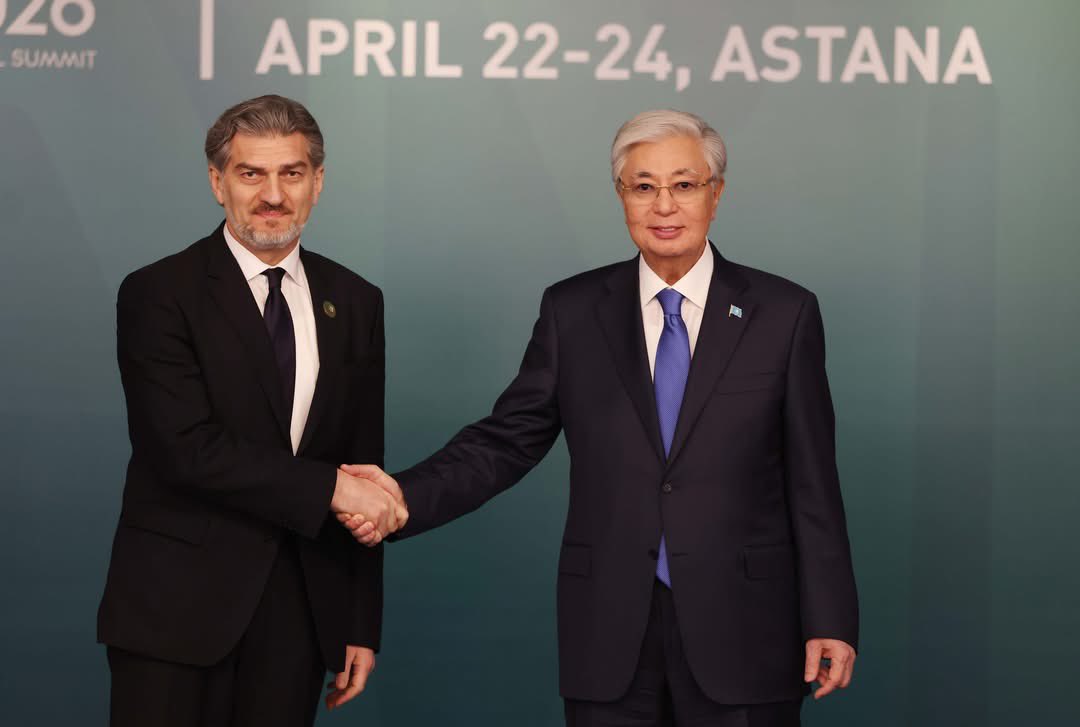
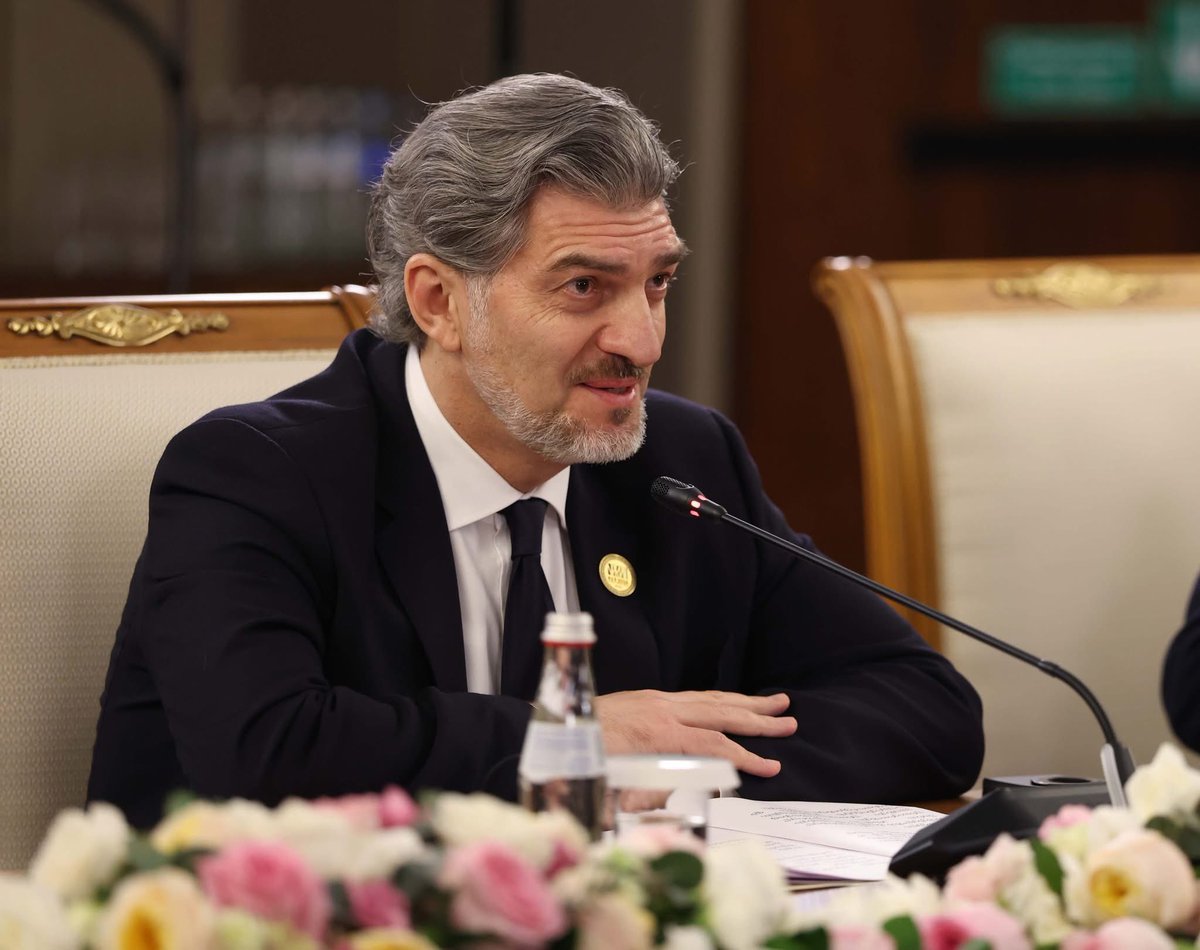
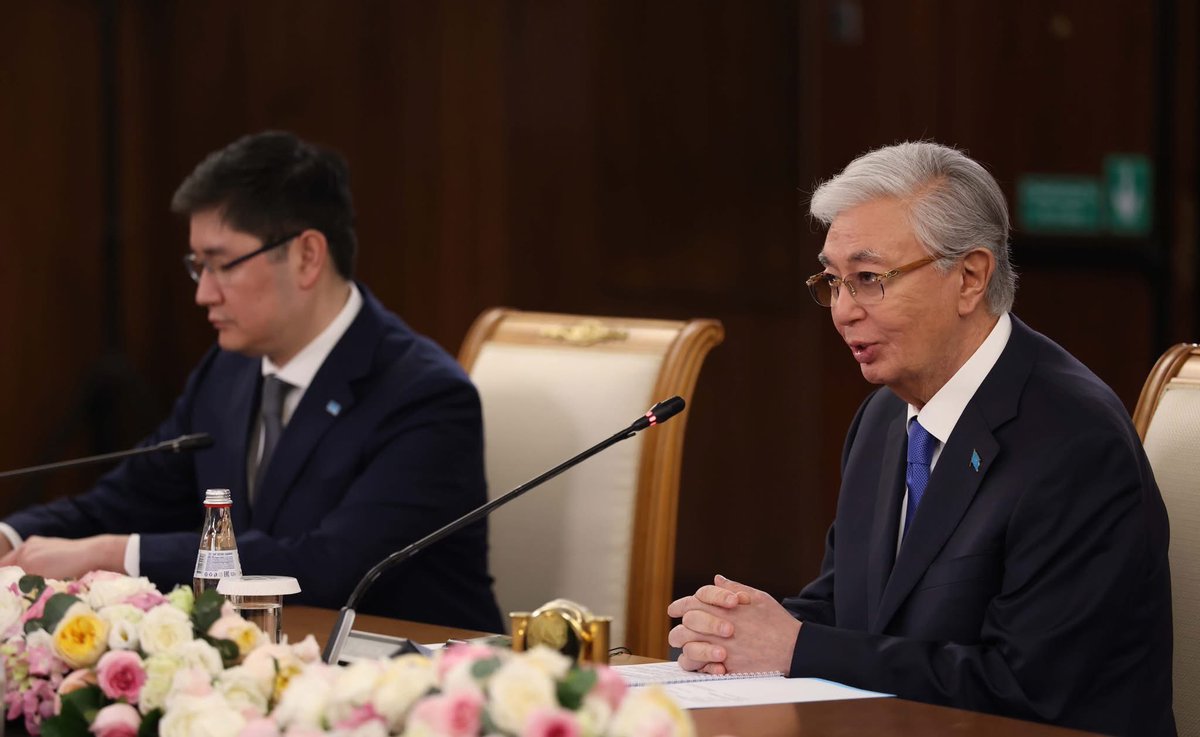
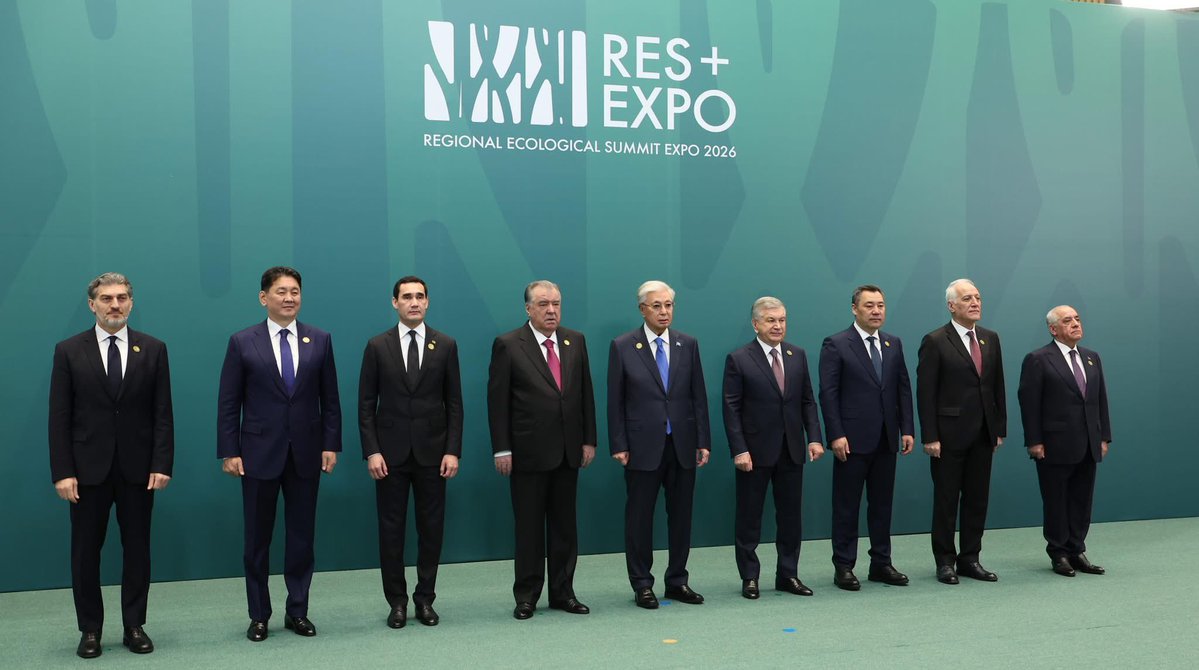
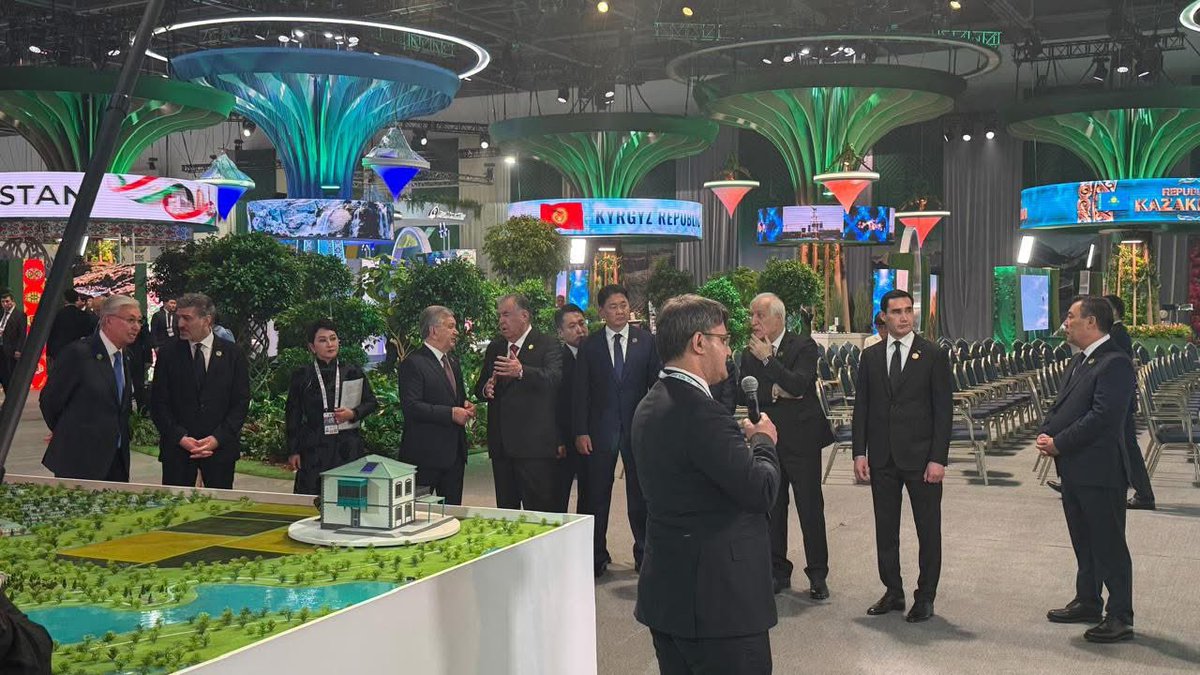
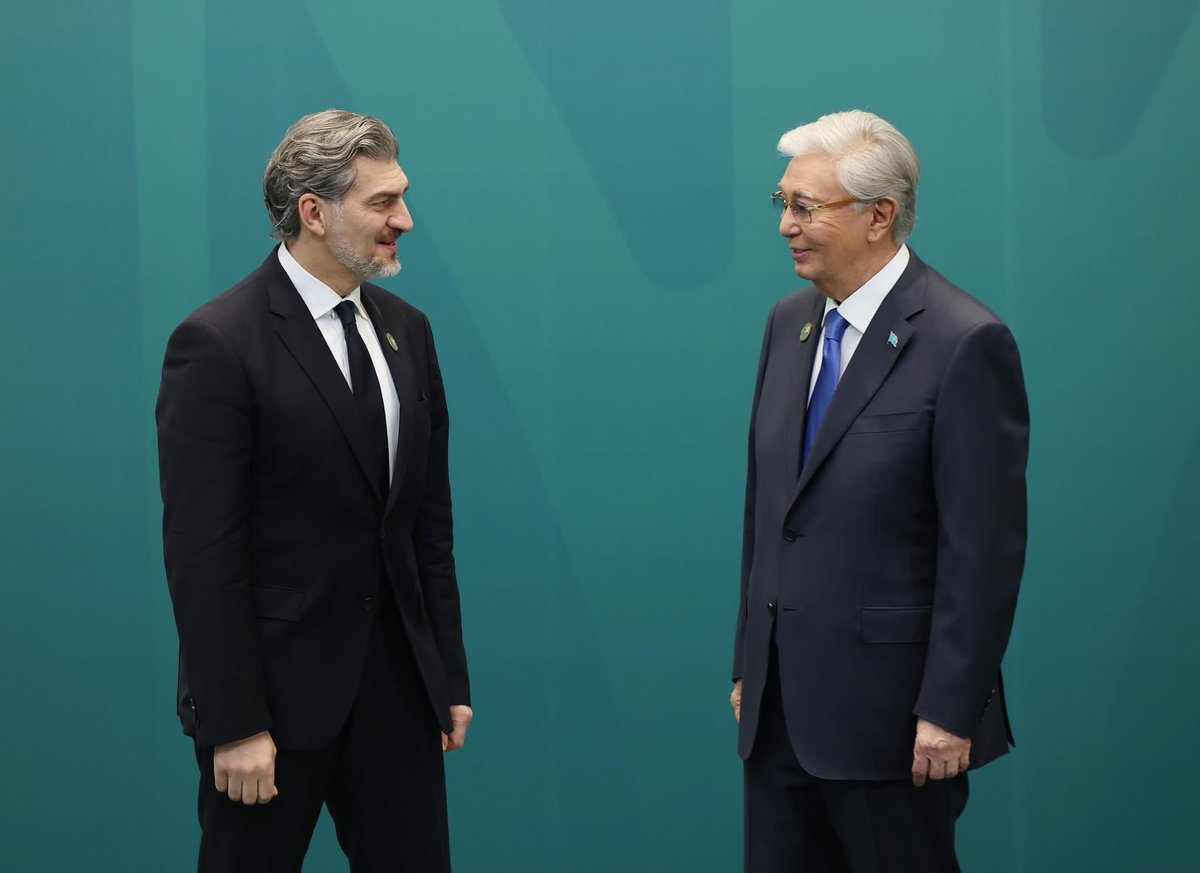
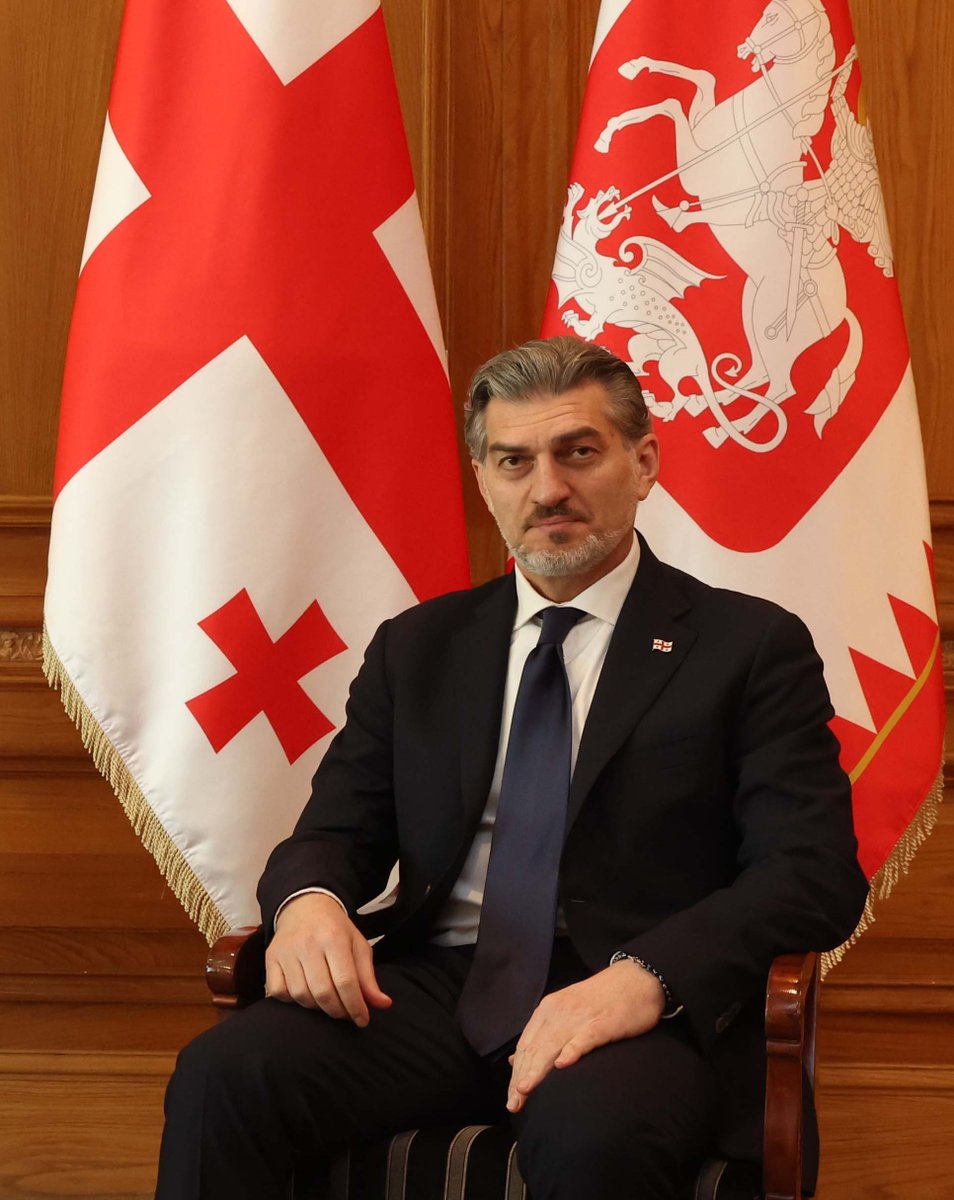
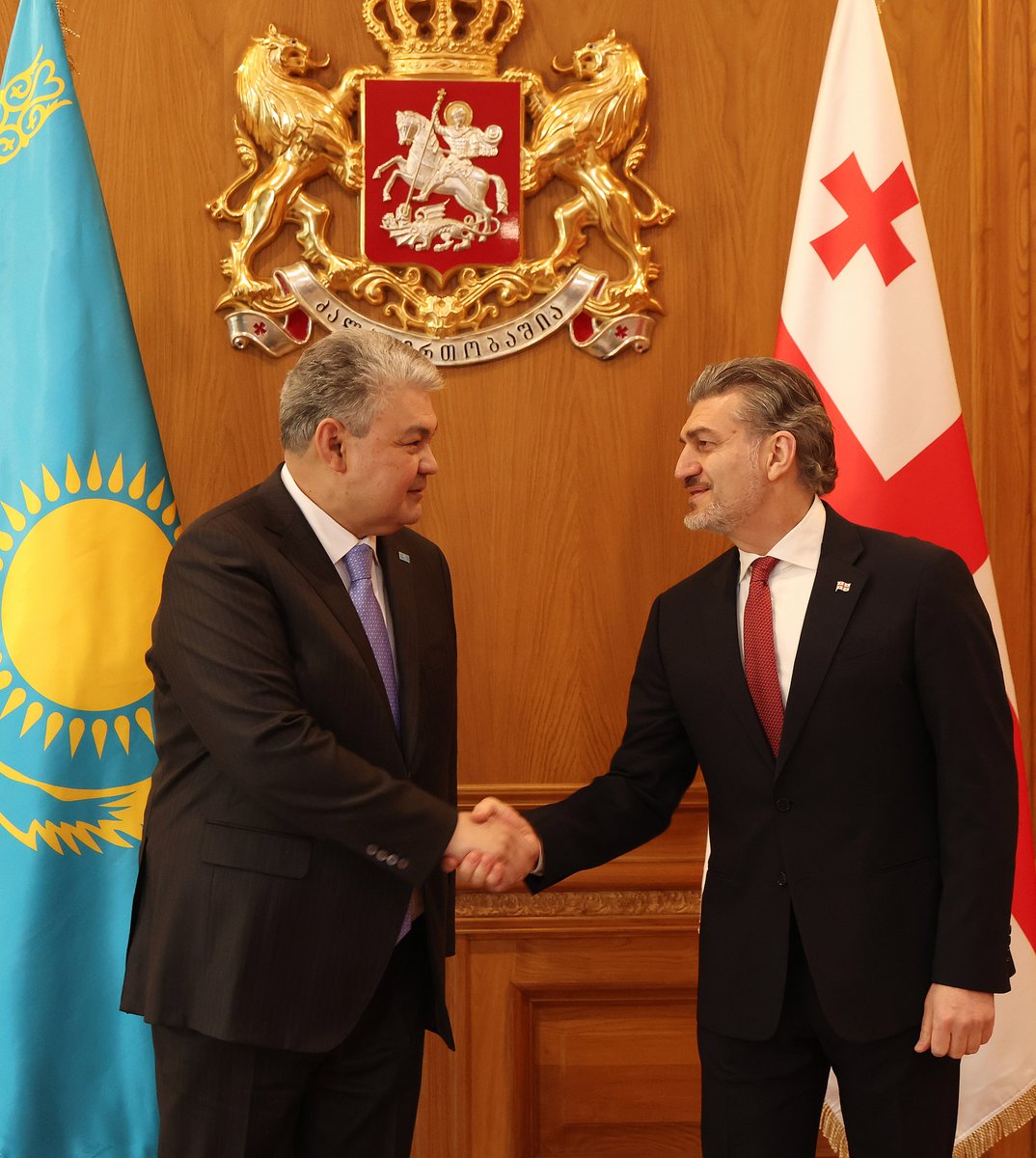
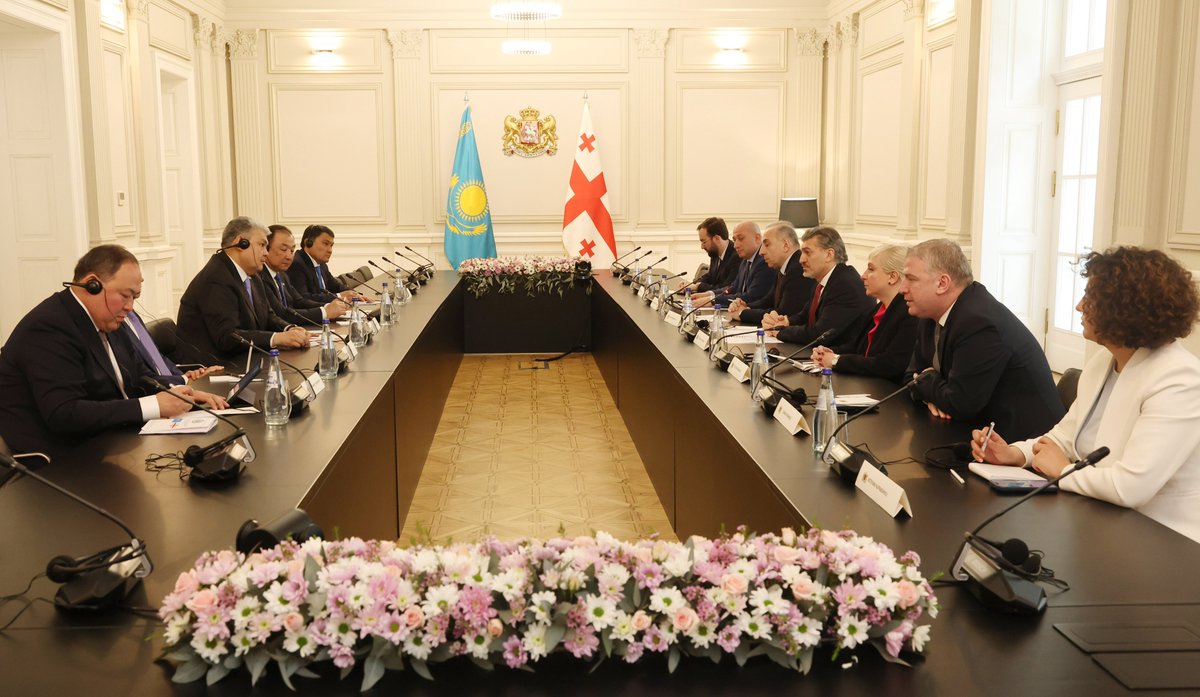
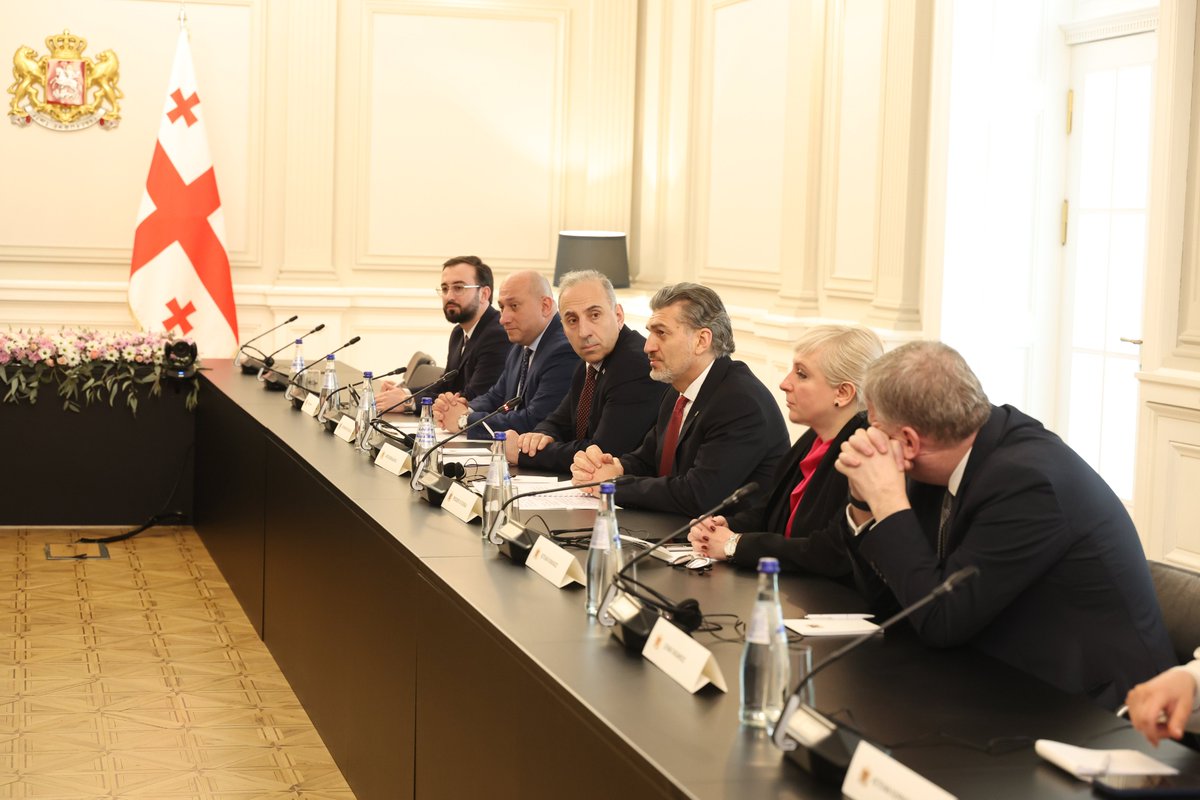
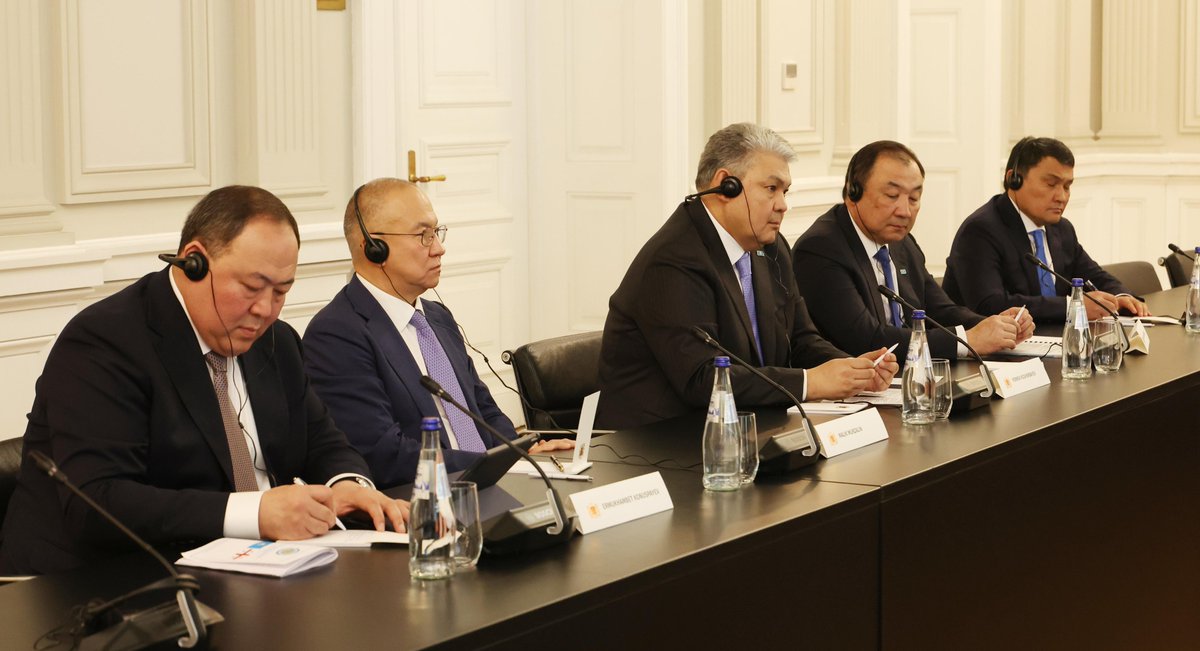
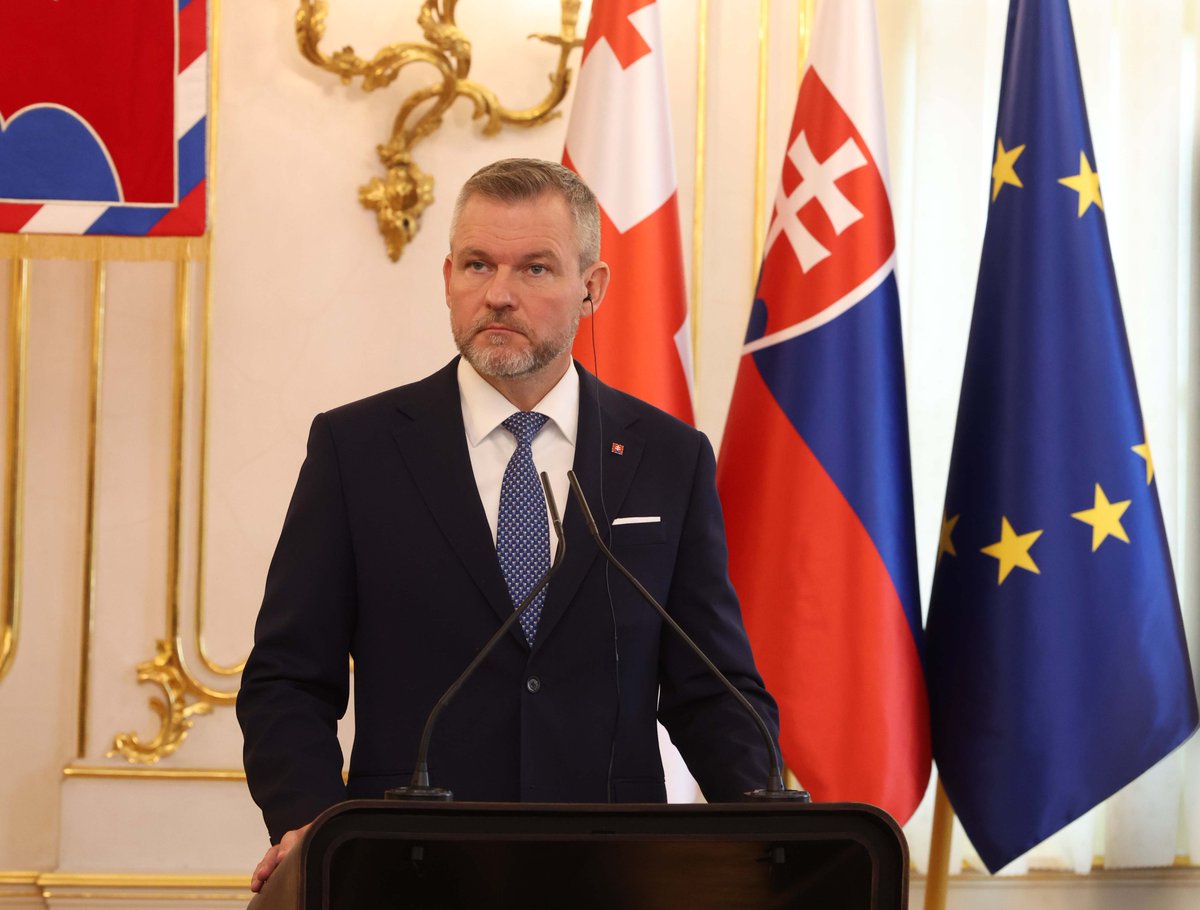
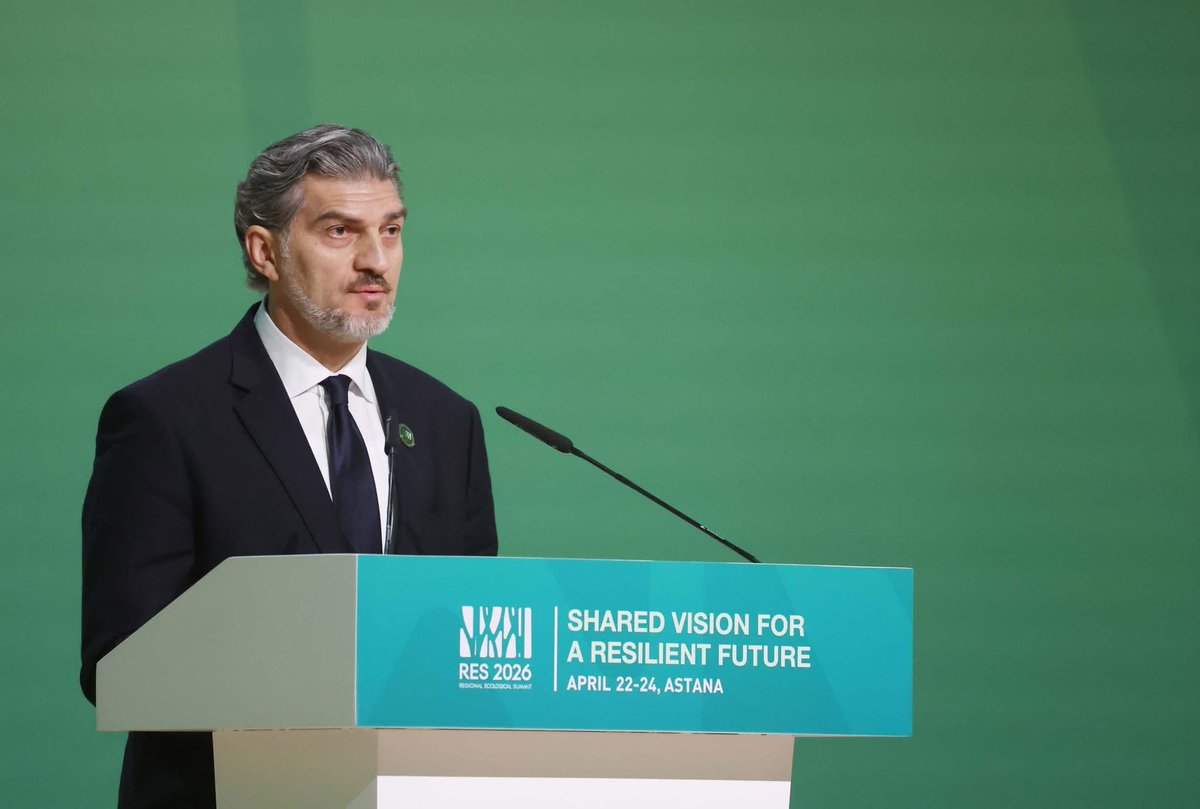
I addressed the participants of the 2026 Regional Ecological Summit. I expressed my gratitude to the Government of the Republic of Kazakhstan and to President Kassym-Jomart Tokayev for organizing this important summit.
As I emphasized in my remarks, environmental protection today is no longer merely a subject of political discourse; rather, it exerts a tangible impact on our economies, as well as on the daily lives of our societies and citizens.
Climate change, water security, the risks associated with biodiversity loss and environmental pollution are deeply interconnected challenges that increasingly strain the resilience of our societies and the stability of our economies.
I noted that, in this context, Georgia offers a clear vision grounded in the strengthening of environmental governance, the advancement of climate policy, and the promotion of green and inclusive growth. These priorities constitute an integral component of our national strategic documents and reaffirm our steadfast commitment to the principles of sustainable development.
As I stated in my address, over the past decade we have significantly expanded the coverage of protected areas, which now exceeds 13% of the country’s territory, while protected ecosystems account for approximately 23%.
Our objective is to increase this figure to 30% by 2035, fully aligning with internationally established targets.
I underscored that Georgia is in the process of transitioning to a circular and resource-efficient economy.
In January 2026, the country introduced specific restrictions on single-use plastic products, representing a significant step toward reducing environmental pollution. Another key priority is the reform of water resource management. We are investing in infrastructure to expand access to safe drinking water and to enhance wastewater treatment capacities, thereby enabling more effective protection of our rivers and natural ecosystems.
Agriculture and rural development remain central to the sustainable development agenda. We are firmly committed to modernizing irrigation systems and to promoting climate-resilient practices, alongside the adoption of innovative technologies.
We believe that these efforts will yield positive outcomes both at the national level and across the broader region, particularly in terms of fostering stability and advancing progress.
I also noted that the South Caucasus is acquiring increasing strategic importance, owing to its potential for connectivity and cooperation. Georgia, which has historically served as a bridge linking diverse regions, cultures, and markets, continues to reinforce this role by fostering a stable and predictable environment in which long-term development delivers tangible benefits to all stakeholders without exception.
For Georgia, sustainable development is not merely an international obligation, but a central priority of state policy. Accordingly, the United Nations Sustainable Development Goals constitute an integral component of the country’s long-term development vision.
Georgia’s cooperation with the United Nations plays a pivotal role in this process. Georgia was among the first countries to present its Voluntary National Review at the High-Level Political Forum, thereby demonstrating its consistent commitment to the 2030 Agenda.
In my address, I underscored that effective governance systems and robust institutional frameworks are of little value in the absence of peace and stability. We believe this is particularly important in the context of today’s highly unstable global environment, which presents significant challenges to development and cooperation.
🔗 Read more: president.ge/en/news/295


English