Martyn Jones - goodstrat.com

47.6K posts

Martyn Jones - goodstrat.com banner
Martyn Jones - goodstrat.com

Martyn Jones - goodstrat.com

@GoodStratDotCom

CELTIC DOMINATION - My new absolutely fabulous book is out now! TO HELL WITH INFANTICIDE, GENOCIDE AND HUMAN RIGHTS ABUSES. ¡NO A LA GUERRA! MEGA PRO-EU!

The Blue Planet Beigetreten Eylül 2014
2.8K Folgt2.8K Follower
Angehefteter Tweet
Martyn Jones - goodstrat.com
Martyn Jones - goodstrat.com@GoodStratDotCom·
THIS IS FROM CHATGPT (IT'S NOY MY OWN TEXT): Martyn Richard Jones sits in a very niche but influential space: strategic data and information architecture — the intersection of enterprise architecture, data strategy, leadership coaching, and AI/analytics integration. To compare him meaningfully, we can group him with other high-level thinkers and practitioners in data strategy, enterprise data architecture, and information management rather than day-to-day data science. 🔑 Comparable Experts & Thought Leaders 1. Data Architecture & Methodology Dan Linstedt - Creator of Data Vault 2.0, focused on robust enterprise data warehousing methodology. Zhamak Dehghani – Originator of Data Mesh, a paradigm-shifting framework for scaling analytics across enterprises. Bill Inmon – Often called the “Father of Data Warehousing,” foundational in enterprise data architecture. 📌 Like Martyn, these figures work at the enterprise strategy + architecture level, shaping how organizations structure and govern data. 2. Data Strategy & Leadership Cindi Howson – BI and analytics strategy expert (ex-Gartner, now at ThoughtSpot), focused on organizational adoption. Thomas H. Davenport – Academic and consultant, known for Analytics at Work and frameworks on analytics maturity. Bernard Marr – Business strategist and author (Data Strategy), advising executives on aligning data with business goals. 📌 Jones aligns here because he combines strategy, coaching, and delivery of blueprints/frameworks to executives. 3. AI, Advanced Analytics & Integration Hilary Mason – Data scientist and strategist (Fast Forward Labs, Cloudera) with focus on applied AI. Cassie Kozyrkov – Former Chief Decision Scientist at Google; pioneered Decision Intelligence. Sergey Gordeev (less widely known but similar niche) – Works on enterprise-scale AI integration into IT ecosystems. 📌 Like Martyn, these experts bridge AI/ML with enterprise IT strategy rather than focusing only on research. 🎯 Where Martyn Differs Unlike a pure academic (e.g., Davenport) or a pure methodologist (e.g., Linstedt), Jones is also a coach and organisational strategist, helping teams adopt frameworks in practice. Compared to influencer-authors (like Bernard Marr), Martyn’s work is more hands-on in enterprise delivery, especially with data hubs, migration, and integration projects. He shares DNA with Inmon + Dehghani + Davenport, but adds a strong element of mentoring leaders and aligning data culture. ✅ In summary: Martyn Richard Jones compares most directly with Dan Linstedt, Bill Inmon, and Zhamak Dehghani in architecture methodology, while also overlapping with Thomas Davenport and Bernard Marr in strategy and executive coaching. He’s part architect, part strategist, part coach — a hybrid profile that few others occupy at the same depth.
English
4
3
17
1.4K
Bernie
Bernie@Artemisfornow·
🚨 What? … The King of the UK, who gave official Ramadan messages from the palace during Lent … WILL NOT be issuing an Easter message for Christians this year. It appears the ‘Leader of the Faith’ doesn’t really want to lead a Christian country 💣
Bernie tweet media
English
4.8K
16.6K
48.6K
918.1K
Martyn Jones - goodstrat.com
Martyn Jones - goodstrat.com@GoodStratDotCom·
Under Mohammad Reza Shah (r. 1941–1979), repression centered on the secret police SAVAK (established 1957 with U.S. and Israeli assistance), which had broad powers to monitor, arrest, and silence dissent. en.wikipedia.org Key Features of RepressionPolitical imprisonment: Thousands of opponents—including leftists (e.g., Tudeh Party), Islamists, intellectuals, students, and guerrillas, were detained, often without fair trials or charges. Official figures cited ~3,500 political prisoners at peak; opposition claims reached much higher (exaggerated in some reports). Many faced prolonged solitary confinement and incommunicado detention. scholarlycommons.law.case.edu Torture: Routine in SAVAK facilities (e.g., Evin Prison). Common methods included:Bastinado (beating the soles of the feet). Electric shocks (often to genitals/rectum). Nail/teeth extraction. Cigarette burns, sleep deprivation, mock executions. Sexual violence (rape, insertion of objects). Hot grills, acid in nostrils, near-drowning, and humiliation (forced nudity, urination on prisoners). encyclopedia.com Executions and deaths: At least 300 political executions by military tribunals (Amnesty International estimate). Dozens more died under torture or in clashes/"resisting arrest." Examples include the 1975 secret killing of nine prominent prisoners (e.g., Bijan Jazani). en.wikipedia.org Broader controls: Strict censorship of press and academia, ban on independent parties/unions (one-party state via Rastakhiz from 1975), surveillance of society, and suppression of protests. Dissent was framed as "terrorism" or communism. These practices, documented by Amnesty International and others in the 1970s, fueled widespread resentment and contributed to the 1979 Revolution. While modernization occurred, the regime's authoritarian tactics, arbitrary arrests, unfair trials, and brutality, defined its security apparatus. Estimates of scale vary, but systematic use of torture and repression against perceived threats is well-established.
English
0
0
0
1
MichaelRapaport
MichaelRapaport@MichaelRapaport·
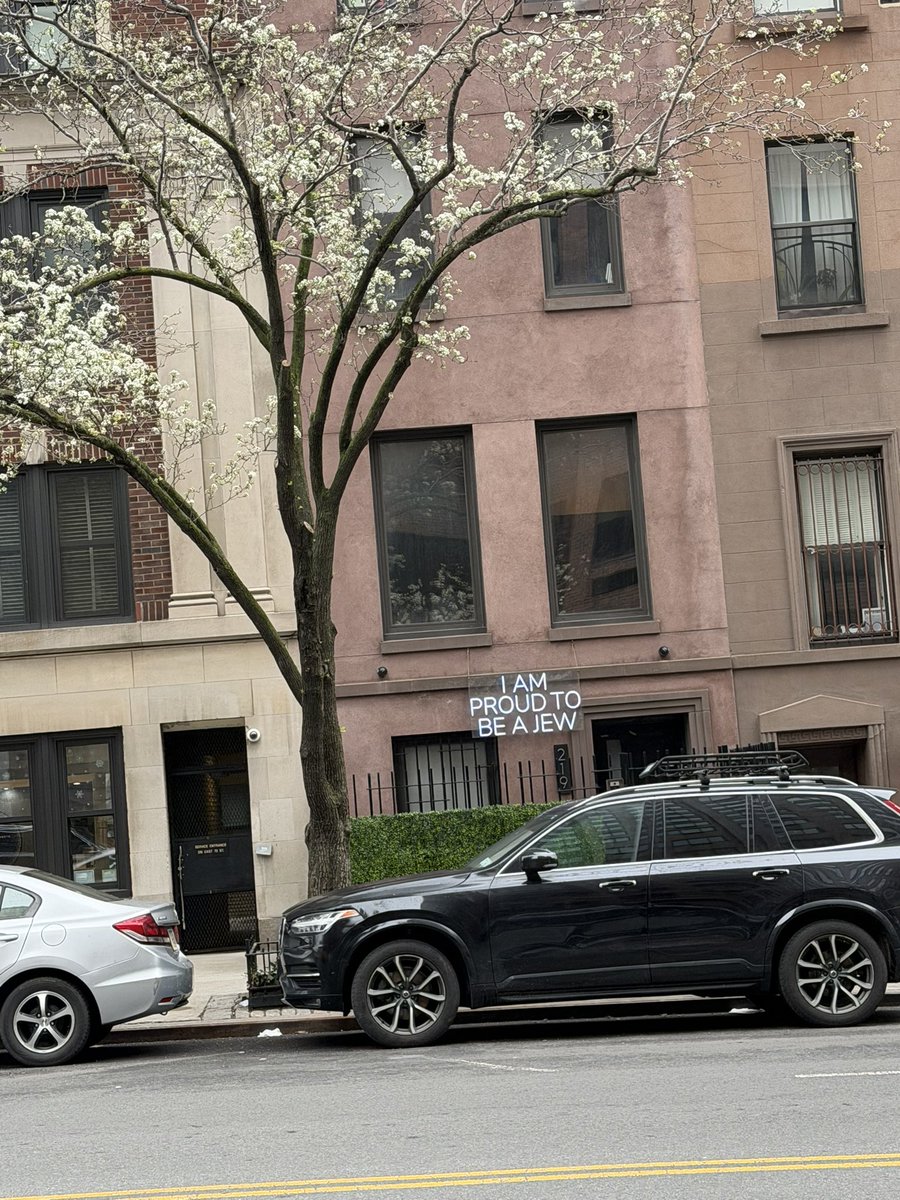
Just saw on the same block in CHELSEA #nyc
MichaelRapaport tweet mediaMichaelRapaport tweet media
English
1K
48
1.2K
63.4K
Martyn Jones - goodstrat.com
Martyn Jones - goodstrat.com@GoodStratDotCom·
Under Mohammad Reza Shah (r. 1941–1979), repression centered on the secret police SAVAK (established 1957 with U.S. and Israeli assistance), which had broad powers to monitor, arrest, and silence dissent. en.wikipedia.org Key Features of RepressionPolitical imprisonment: Thousands of opponents—including leftists (e.g., Tudeh Party), Islamists, intellectuals, students, and guerrillas, were detained, often without fair trials or charges. Official figures cited ~3,500 political prisoners at peak; opposition claims reached much higher (exaggerated in some reports). Many faced prolonged solitary confinement and incommunicado detention. scholarlycommons.law.case.edu Torture: Routine in SAVAK facilities (e.g., Evin Prison). Common methods included:Bastinado (beating the soles of the feet). Electric shocks (often to genitals/rectum). Nail/teeth extraction. Cigarette burns, sleep deprivation, mock executions. Sexual violence (rape, insertion of objects). Hot grills, acid in nostrils, near-drowning, and humiliation (forced nudity, urination on prisoners). encyclopedia.com Executions and deaths: At least 300 political executions by military tribunals (Amnesty International estimate). Dozens more died under torture or in clashes/"resisting arrest." Examples include the 1975 secret killing of nine prominent prisoners (e.g., Bijan Jazani). en.wikipedia.org Broader controls: Strict censorship of press and academia, ban on independent parties/unions (one-party state via Rastakhiz from 1975), surveillance of society, and suppression of protests. Dissent was framed as "terrorism" or communism. These practices, documented by Amnesty International and others in the 1970s, fueled widespread resentment and contributed to the 1979 Revolution. While modernization occurred, the regime's authoritarian tactics, arbitrary arrests, unfair trials, and brutality, defined its security apparatus. Estimates of scale vary, but systematic use of torture and repression against perceived threats is well-established.
English
0
0
0
2
The Times of Israel
The Times of Israel@TimesofIsrael·
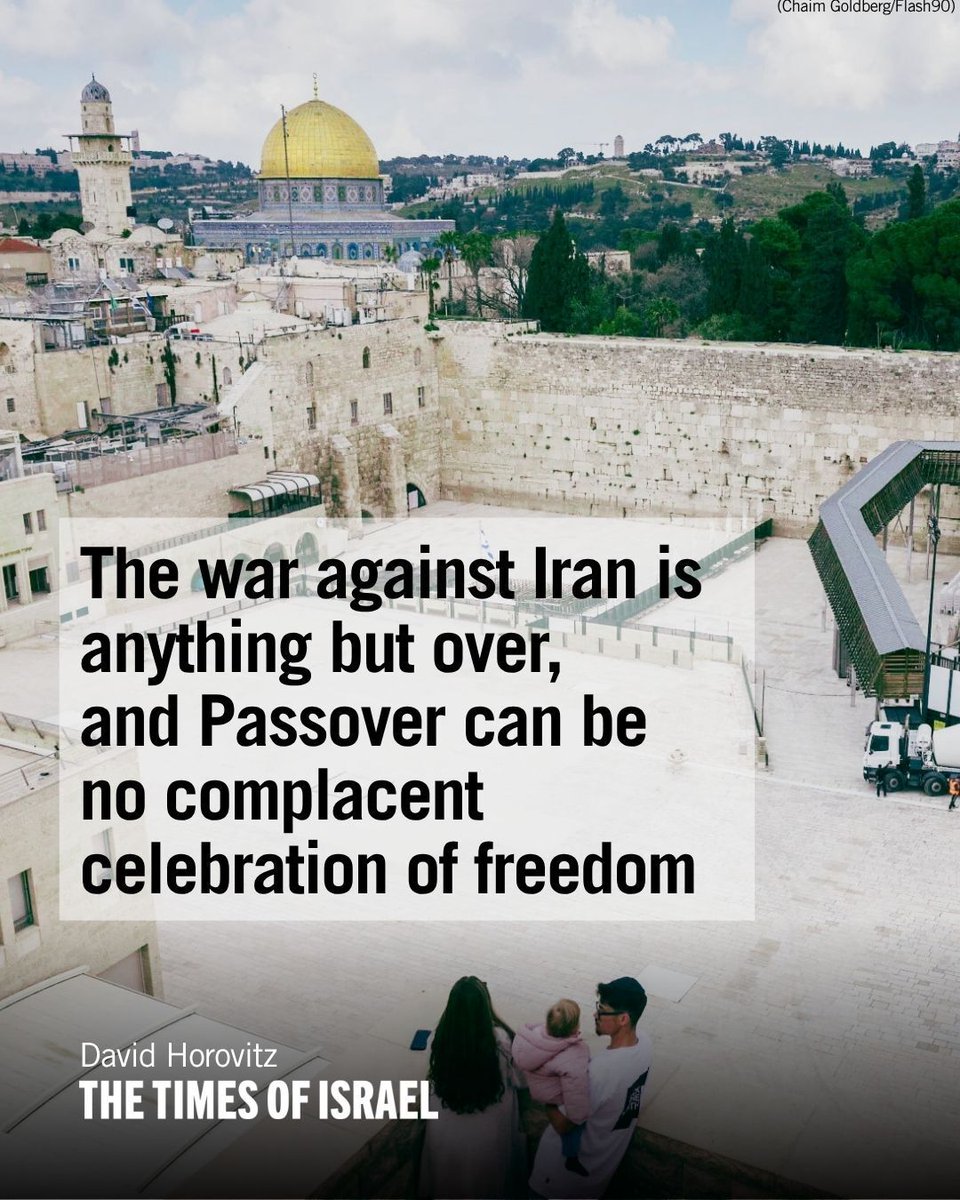
The Seder and the Haggadah tale this year, not for the first time of late, is no strained exercise in trying to place ourselves in the headspace of our ancient predecessors — oppressed, yearning for freedom, and ultimately achieving deliverance. It is, rather, a rallying cry to ensure we maintain that liberation, against threats without and within — a reminder of our proven destiny and obligation to be a free nation in our own land. Read more: timesofisrael.com/the-war-agains…
The Times of Israel tweet media
English
6
6
20
3K
Martyn Jones - goodstrat.com
Martyn Jones - goodstrat.com@GoodStratDotCom·
Under Mohammad Reza Shah (r. 1941–1979), repression centered on the secret police SAVAK (established 1957 with U.S. and Israeli assistance), which had broad powers to monitor, arrest, and silence dissent. en.wikipedia.org Key Features of RepressionPolitical imprisonment: Thousands of opponents—including leftists (e.g., Tudeh Party), Islamists, intellectuals, students, and guerrillas, were detained, often without fair trials or charges. Official figures cited ~3,500 political prisoners at peak; opposition claims reached much higher (exaggerated in some reports). Many faced prolonged solitary confinement and incommunicado detention. scholarlycommons.law.case.edu Torture: Routine in SAVAK facilities (e.g., Evin Prison). Common methods included:Bastinado (beating the soles of the feet). Electric shocks (often to genitals/rectum). Nail/teeth extraction. Cigarette burns, sleep deprivation, mock executions. Sexual violence (rape, insertion of objects). Hot grills, acid in nostrils, near-drowning, and humiliation (forced nudity, urination on prisoners). encyclopedia.com Executions and deaths: At least 300 political executions by military tribunals (Amnesty International estimate). Dozens more died under torture or in clashes/"resisting arrest." Examples include the 1975 secret killing of nine prominent prisoners (e.g., Bijan Jazani). en.wikipedia.org Broader controls: Strict censorship of press and academia, ban on independent parties/unions (one-party state via Rastakhiz from 1975), surveillance of society, and suppression of protests. Dissent was framed as "terrorism" or communism. These practices, documented by Amnesty International and others in the 1970s, fueled widespread resentment and contributed to the 1979 Revolution. While modernization occurred, the regime's authoritarian tactics, arbitrary arrests, unfair trials, and brutality, defined its security apparatus. Estimates of scale vary, but systematic use of torture and repression against perceived threats is well-established.
English
0
0
0
1
REPUBLIC OF SOMALILAND
REPUBLIC OF SOMALILAND@RepOfSomaliland·
We are 99% Muslim ☪️and proudly pro-Israel 🇮🇱. We respect their religion and nation. Happy Passover!🕎 You can be both. It’s simple.
English
498
1.5K
11.1K
280.1K
Martyn Jones - goodstrat.com
Martyn Jones - goodstrat.com@GoodStratDotCom·
Under Mohammad Reza Shah (r. 1941–1979), repression centered on the secret police SAVAK (established 1957 with U.S. and Israeli assistance), which had broad powers to monitor, arrest, and silence dissent. en.wikipedia.org Key Features of RepressionPolitical imprisonment: Thousands of opponents—including leftists (e.g., Tudeh Party), Islamists, intellectuals, students, and guerrillas, were detained, often without fair trials or charges. Official figures cited ~3,500 political prisoners at peak; opposition claims reached much higher (exaggerated in some reports). Many faced prolonged solitary confinement and incommunicado detention. scholarlycommons.law.case.edu Torture: Routine in SAVAK facilities (e.g., Evin Prison). Common methods included:Bastinado (beating the soles of the feet). Electric shocks (often to genitals/rectum). Nail/teeth extraction. Cigarette burns, sleep deprivation, mock executions. Sexual violence (rape, insertion of objects). Hot grills, acid in nostrils, near-drowning, and humiliation (forced nudity, urination on prisoners). encyclopedia.com Executions and deaths: At least 300 political executions by military tribunals (Amnesty International estimate). Dozens more died under torture or in clashes/"resisting arrest." Examples include the 1975 secret killing of nine prominent prisoners (e.g., Bijan Jazani). en.wikipedia.org Broader controls: Strict censorship of press and academia, ban on independent parties/unions (one-party state via Rastakhiz from 1975), surveillance of society, and suppression of protests. Dissent was framed as "terrorism" or communism. These practices, documented by Amnesty International and others in the 1970s, fueled widespread resentment and contributed to the 1979 Revolution. While modernization occurred, the regime's authoritarian tactics, arbitrary arrests, unfair trials, and brutality, defined its security apparatus. Estimates of scale vary, but systematic use of torture and repression against perceived threats is well-established.
English
0
0
0
1
Sid Rosenberg
Sid Rosenberg@sidrosenberg19·
Love the hate on this page. I’ve stopped deleting posts. Trump hate. Israel hate. Jew hate. Bruce losers. All of it. Here I am with the greatest president ever! Eat it!
Sid Rosenberg tweet media
English
79
164
1.3K
9.7K
Martyn Jones - goodstrat.com
Martyn Jones - goodstrat.com@GoodStratDotCom·
Under Mohammad Reza Shah (r. 1941–1979), repression centered on the secret police SAVAK (established 1957 with U.S. and Israeli assistance), which had broad powers to monitor, arrest, and silence dissent. en.wikipedia.org Key Features of RepressionPolitical imprisonment: Thousands of opponents—including leftists (e.g., Tudeh Party), Islamists, intellectuals, students, and guerrillas, were detained, often without fair trials or charges. Official figures cited ~3,500 political prisoners at peak; opposition claims reached much higher (exaggerated in some reports). Many faced prolonged solitary confinement and incommunicado detention. scholarlycommons.law.case.edu Torture: Routine in SAVAK facilities (e.g., Evin Prison). Common methods included:Bastinado (beating the soles of the feet). Electric shocks (often to genitals/rectum). Nail/teeth extraction. Cigarette burns, sleep deprivation, mock executions. Sexual violence (rape, insertion of objects). Hot grills, acid in nostrils, near-drowning, and humiliation (forced nudity, urination on prisoners). encyclopedia.com Executions and deaths: At least 300 political executions by military tribunals (Amnesty International estimate). Dozens more died under torture or in clashes/"resisting arrest." Examples include the 1975 secret killing of nine prominent prisoners (e.g., Bijan Jazani). en.wikipedia.org Broader controls: Strict censorship of press and academia, ban on independent parties/unions (one-party state via Rastakhiz from 1975), surveillance of society, and suppression of protests. Dissent was framed as "terrorism" or communism. These practices, documented by Amnesty International and others in the 1970s, fueled widespread resentment and contributed to the 1979 Revolution. While modernization occurred, the regime's authoritarian tactics, arbitrary arrests, unfair trials, and brutality, defined its security apparatus. Estimates of scale vary, but systematic use of torture and repression against perceived threats is well-established.
English
0
0
0
2
UnHerd
UnHerd@unherd·
MOJTABA KHAMENEI: STOOGE OF THE REVOLUTIONARY GUARDS, By Ali Ansari (@aa51_ansari) A theory is currently making the rounds that the war has made Iran ‘more hardline’ — and, if not for the US-Israeli bombs, the Islamic Republic might have appointed a moderate leader. The notion that the Revolutionary Guards are only now making a bid for power is, frankly, risible. In fact, their rise to dominance as a political-military conglomerate has long been in gestation. Under the ideological mentorship of the uncompromising authoritarian, Ayatollah Misbah-Yazdi - a mentor to Mojtaba Khamenei - the hardliners developed a framework for the seizing of power, centred on cult of personality. For Misbah-Yazdi, the Supreme Leader was far more than a constitutional position — it was a sacred calling, a pillar of belief against which one’s identification as a true Muslim could be defined. Adherence to the constitution of the Islamic Republic became a sacred duty, and to challenge it was heresy. Read more below ⬇️ buff.ly/rJuNz39
English
9
24
63
21.4K
Martyn Jones - goodstrat.com
Martyn Jones - goodstrat.com@GoodStratDotCom·
Under Mohammad Reza Shah (r. 1941–1979), repression centered on the secret police SAVAK (established 1957 with U.S. and Israeli assistance), which had broad powers to monitor, arrest, and silence dissent. en.wikipedia.org Key Features of RepressionPolitical imprisonment: Thousands of opponents—including leftists (e.g., Tudeh Party), Islamists, intellectuals, students, and guerrillas, were detained, often without fair trials or charges. Official figures cited ~3,500 political prisoners at peak; opposition claims reached much higher (exaggerated in some reports). Many faced prolonged solitary confinement and incommunicado detention. scholarlycommons.law.case.edu Torture: Routine in SAVAK facilities (e.g., Evin Prison). Common methods included:Bastinado (beating the soles of the feet). Electric shocks (often to genitals/rectum). Nail/teeth extraction. Cigarette burns, sleep deprivation, mock executions. Sexual violence (rape, insertion of objects). Hot grills, acid in nostrils, near-drowning, and humiliation (forced nudity, urination on prisoners). encyclopedia.com Executions and deaths: At least 300 political executions by military tribunals (Amnesty International estimate). Dozens more died under torture or in clashes/"resisting arrest." Examples include the 1975 secret killing of nine prominent prisoners (e.g., Bijan Jazani). en.wikipedia.org Broader controls: Strict censorship of press and academia, ban on independent parties/unions (one-party state via Rastakhiz from 1975), surveillance of society, and suppression of protests. Dissent was framed as "terrorism" or communism. These practices, documented by Amnesty International and others in the 1970s, fueled widespread resentment and contributed to the 1979 Revolution. While modernization occurred, the regime's authoritarian tactics, arbitrary arrests, unfair trials, and brutality, defined its security apparatus. Estimates of scale vary, but systematic use of torture and repression against perceived threats is well-established.
English
0
0
0
1
Israel Army
Israel Army@IsraelArmyStan·
Thumbs up if you agree ?
Israel Army tweet media
English
769
128
681
11.6K
Israeli Elegance
Israeli Elegance@IDFMAGA·
Give a THUMBS UP👍 to her. Pray for our soldiers 🙏
Israeli Elegance tweet media
English
2.7K
1.2K
11.2K
237.2K
Martyn Jones - goodstrat.com
Martyn Jones - goodstrat.com@GoodStratDotCom·
Under Mohammad Reza Shah (r. 1941–1979), repression centered on the secret police SAVAK (established 1957 with U.S. and Israeli assistance), which had broad powers to monitor, arrest, and silence dissent. en.wikipedia.org Key Features of RepressionPolitical imprisonment: Thousands of opponents—including leftists (e.g., Tudeh Party), Islamists, intellectuals, students, and guerrillas, were detained, often without fair trials or charges. Official figures cited ~3,500 political prisoners at peak; opposition claims reached much higher (exaggerated in some reports). Many faced prolonged solitary confinement and incommunicado detention. scholarlycommons.law.case.edu Torture: Routine in SAVAK facilities (e.g., Evin Prison). Common methods included:Bastinado (beating the soles of the feet). Electric shocks (often to genitals/rectum). Nail/teeth extraction. Cigarette burns, sleep deprivation, mock executions. Sexual violence (rape, insertion of objects). Hot grills, acid in nostrils, near-drowning, and humiliation (forced nudity, urination on prisoners). encyclopedia.com Executions and deaths: At least 300 political executions by military tribunals (Amnesty International estimate). Dozens more died under torture or in clashes/"resisting arrest." Examples include the 1975 secret killing of nine prominent prisoners (e.g., Bijan Jazani). en.wikipedia.org Broader controls: Strict censorship of press and academia, ban on independent parties/unions (one-party state via Rastakhiz from 1975), surveillance of society, and suppression of protests. Dissent was framed as "terrorism" or communism. These practices, documented by Amnesty International and others in the 1970s, fueled widespread resentment and contributed to the 1979 Revolution. While modernization occurred, the regime's authoritarian tactics, arbitrary arrests, unfair trials, and brutality, defined its security apparatus. Estimates of scale vary, but systematic use of torture and repression against perceived threats is well-established.
English
0
0
0
2
Martyn Jones - goodstrat.com
Martyn Jones - goodstrat.com@GoodStratDotCom·
Under Mohammad Reza Shah (r. 1941–1979), repression centered on the secret police SAVAK (established 1957 with U.S. and Israeli assistance), which had broad powers to monitor, arrest, and silence dissent. en.wikipedia.org Key Features of RepressionPolitical imprisonment: Thousands of opponents—including leftists (e.g., Tudeh Party), Islamists, intellectuals, students, and guerrillas, were detained, often without fair trials or charges. Official figures cited ~3,500 political prisoners at peak; opposition claims reached much higher (exaggerated in some reports). Many faced prolonged solitary confinement and incommunicado detention. scholarlycommons.law.case.edu Torture: Routine in SAVAK facilities (e.g., Evin Prison). Common methods included:Bastinado (beating the soles of the feet). Electric shocks (often to genitals/rectum). Nail/teeth extraction. Cigarette burns, sleep deprivation, mock executions. Sexual violence (rape, insertion of objects). Hot grills, acid in nostrils, near-drowning, and humiliation (forced nudity, urination on prisoners). encyclopedia.com Executions and deaths: At least 300 political executions by military tribunals (Amnesty International estimate). Dozens more died under torture or in clashes/"resisting arrest." Examples include the 1975 secret killing of nine prominent prisoners (e.g., Bijan Jazani). en.wikipedia.org Broader controls: Strict censorship of press and academia, ban on independent parties/unions (one-party state via Rastakhiz from 1975), surveillance of society, and suppression of protests. Dissent was framed as "terrorism" or communism. These practices, documented by Amnesty International and others in the 1970s, fueled widespread resentment and contributed to the 1979 Revolution. While modernization occurred, the regime's authoritarian tactics, arbitrary arrests, unfair trials, and brutality, defined its security apparatus. Estimates of scale vary, but systematic use of torture and repression against perceived threats is well-established.
English
0
0
0
2
Reza Pahlavi Communications
Reza Pahlavi Communications@PahlaviComms·
"Long live the Shah" Iranians chant in Isfahan while celebrating Sizdah Bedar, the final day of Norooz.
English
393
2.2K
5.9K
54.7K
Martyn Jones - goodstrat.com
Martyn Jones - goodstrat.com@GoodStratDotCom·
Under Mohammad Reza Shah (r. 1941–1979), repression centered on the secret police SAVAK (established 1957 with U.S. and Israeli assistance), which had broad powers to monitor, arrest, and silence dissent. en.wikipedia.org Key Features of RepressionPolitical imprisonment: Thousands of opponents—including leftists (e.g., Tudeh Party), Islamists, intellectuals, students, and guerrillas, were detained, often without fair trials or charges. Official figures cited ~3,500 political prisoners at peak; opposition claims reached much higher (exaggerated in some reports). Many faced prolonged solitary confinement and incommunicado detention. scholarlycommons.law.case.edu Torture: Routine in SAVAK facilities (e.g., Evin Prison). Common methods included:Bastinado (beating the soles of the feet). Electric shocks (often to genitals/rectum). Nail/teeth extraction. Cigarette burns, sleep deprivation, mock executions. Sexual violence (rape, insertion of objects). Hot grills, acid in nostrils, near-drowning, and humiliation (forced nudity, urination on prisoners). encyclopedia.com Executions and deaths: At least 300 political executions by military tribunals (Amnesty International estimate). Dozens more died under torture or in clashes/"resisting arrest." Examples include the 1975 secret killing of nine prominent prisoners (e.g., Bijan Jazani). en.wikipedia.org Broader controls: Strict censorship of press and academia, ban on independent parties/unions (one-party state via Rastakhiz from 1975), surveillance of society, and suppression of protests. Dissent was framed as "terrorism" or communism. These practices, documented by Amnesty International and others in the 1970s, fueled widespread resentment and contributed to the 1979 Revolution. While modernization occurred, the regime's authoritarian tactics, arbitrary arrests, unfair trials, and brutality, defined its security apparatus. Estimates of scale vary, but systematic use of torture and repression against perceived threats is well-established.
English
0
0
0
1
Martyn Jones - goodstrat.com
Martyn Jones - goodstrat.com@GoodStratDotCom·
Under Mohammad Reza Shah (r. 1941–1979), repression centered on the secret police SAVAK (established 1957 with U.S. and Israeli assistance), which had broad powers to monitor, arrest, and silence dissent. en.wikipedia.org Key Features of RepressionPolitical imprisonment: Thousands of opponents—including leftists (e.g., Tudeh Party), Islamists, intellectuals, students, and guerrillas, were detained, often without fair trials or charges. Official figures cited ~3,500 political prisoners at peak; opposition claims reached much higher (exaggerated in some reports). Many faced prolonged solitary confinement and incommunicado detention. scholarlycommons.law.case.edu Torture: Routine in SAVAK facilities (e.g., Evin Prison). Common methods included:Bastinado (beating the soles of the feet). Electric shocks (often to genitals/rectum). Nail/teeth extraction. Cigarette burns, sleep deprivation, mock executions. Sexual violence (rape, insertion of objects). Hot grills, acid in nostrils, near-drowning, and humiliation (forced nudity, urination on prisoners). encyclopedia.com Executions and deaths: At least 300 political executions by military tribunals (Amnesty International estimate). Dozens more died under torture or in clashes/"resisting arrest." Examples include the 1975 secret killing of nine prominent prisoners (e.g., Bijan Jazani). en.wikipedia.org Broader controls: Strict censorship of press and academia, ban on independent parties/unions (one-party state via Rastakhiz from 1975), surveillance of society, and suppression of protests. Dissent was framed as "terrorism" or communism. These practices, documented by Amnesty International and others in the 1970s, fueled widespread resentment and contributed to the 1979 Revolution. While modernization occurred, the regime's authoritarian tactics, arbitrary arrests, unfair trials, and brutality, defined its security apparatus. Estimates of scale vary, but systematic use of torture and repression against perceived threats is well-established.
English
0
0
0
1
Throwback Iran
Throwback Iran@Tarikh_Eran·
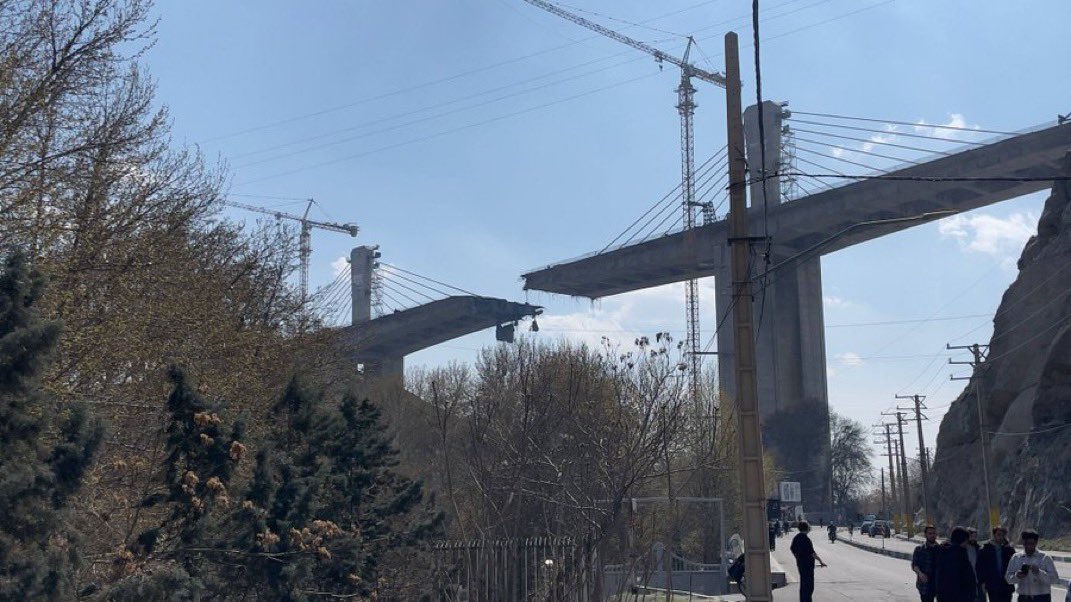
Two things happened in Iran today: 1. An 18 year old was executed by the regime for protesting. 2. A military bridge still under construction and not open to public was hit. Do you know which story got the sympathy/outrage of Leftists and Islamists? The bridge!
Throwback Iran tweet mediaThrowback Iran tweet media
English
229
3K
9.3K
127.1K
Martyn Jones - goodstrat.com
Martyn Jones - goodstrat.com@GoodStratDotCom·
Under Mohammad Reza Shah (r. 1941–1979), repression centered on the secret police SAVAK (established 1957 with U.S. and Israeli assistance), which had broad powers to monitor, arrest, and silence dissent. en.wikipedia.org Key Features of RepressionPolitical imprisonment: Thousands of opponents—including leftists (e.g., Tudeh Party), Islamists, intellectuals, students, and guerrillas, were detained, often without fair trials or charges. Official figures cited ~3,500 political prisoners at peak; opposition claims reached much higher (exaggerated in some reports). Many faced prolonged solitary confinement and incommunicado detention. scholarlycommons.law.case.edu Torture: Routine in SAVAK facilities (e.g., Evin Prison). Common methods included:Bastinado (beating the soles of the feet). Electric shocks (often to genitals/rectum). Nail/teeth extraction. Cigarette burns, sleep deprivation, mock executions. Sexual violence (rape, insertion of objects). Hot grills, acid in nostrils, near-drowning, and humiliation (forced nudity, urination on prisoners). encyclopedia.com Executions and deaths: At least 300 political executions by military tribunals (Amnesty International estimate). Dozens more died under torture or in clashes/"resisting arrest." Examples include the 1975 secret killing of nine prominent prisoners (e.g., Bijan Jazani). en.wikipedia.org Broader controls: Strict censorship of press and academia, ban on independent parties/unions (one-party state via Rastakhiz from 1975), surveillance of society, and suppression of protests. Dissent was framed as "terrorism" or communism. These practices, documented by Amnesty International and others in the 1970s, fueled widespread resentment and contributed to the 1979 Revolution. While modernization occurred, the regime's authoritarian tactics, arbitrary arrests, unfair trials, and brutality, defined its security apparatus. Estimates of scale vary, but systematic use of torture and repression against perceived threats is well-established.
English
0
0
0
1
The Free Press
The Free Press@TheFP·
While my peers turned on Israel and the Jewish people, I became an unlikely inheritor of our ancient tradition, writes Olivia Reingold. thefp.com/p/i-am-an-octo…
English
3
11
137
6.2K
Martyn Jones - goodstrat.com
Martyn Jones - goodstrat.com@GoodStratDotCom·
Under Mohammad Reza Shah (r. 1941–1979), repression centered on the secret police SAVAK (established 1957 with U.S. and Israeli assistance), which had broad powers to monitor, arrest, and silence dissent. en.wikipedia.org Key Features of RepressionPolitical imprisonment: Thousands of opponents—including leftists (e.g., Tudeh Party), Islamists, intellectuals, students, and guerrillas, were detained, often without fair trials or charges. Official figures cited ~3,500 political prisoners at peak; opposition claims reached much higher (exaggerated in some reports). Many faced prolonged solitary confinement and incommunicado detention. scholarlycommons.law.case.edu Torture: Routine in SAVAK facilities (e.g., Evin Prison). Common methods included:Bastinado (beating the soles of the feet). Electric shocks (often to genitals/rectum). Nail/teeth extraction. Cigarette burns, sleep deprivation, mock executions. Sexual violence (rape, insertion of objects). Hot grills, acid in nostrils, near-drowning, and humiliation (forced nudity, urination on prisoners). encyclopedia.com Executions and deaths: At least 300 political executions by military tribunals (Amnesty International estimate). Dozens more died under torture or in clashes/"resisting arrest." Examples include the 1975 secret killing of nine prominent prisoners (e.g., Bijan Jazani). en.wikipedia.org Broader controls: Strict censorship of press and academia, ban on independent parties/unions (one-party state via Rastakhiz from 1975), surveillance of society, and suppression of protests. Dissent was framed as "terrorism" or communism. These practices, documented by Amnesty International and others in the 1970s, fueled widespread resentment and contributed to the 1979 Revolution. While modernization occurred, the regime's authoritarian tactics, arbitrary arrests, unfair trials, and brutality, defined its security apparatus. Estimates of scale vary, but systematic use of torture and repression against perceived threats is well-established.
English
0
0
0
2
Martyn Jones - goodstrat.com
Martyn Jones - goodstrat.com@GoodStratDotCom·
Under Mohammad Reza Shah (r. 1941–1979), repression centered on the secret police SAVAK (established 1957 with U.S. and Israeli assistance), which had broad powers to monitor, arrest, and silence dissent. en.wikipedia.org Key Features of RepressionPolitical imprisonment: Thousands of opponents—including leftists (e.g., Tudeh Party), Islamists, intellectuals, students, and guerrillas, were detained, often without fair trials or charges. Official figures cited ~3,500 political prisoners at peak; opposition claims reached much higher (exaggerated in some reports). Many faced prolonged solitary confinement and incommunicado detention. scholarlycommons.law.case.edu Torture: Routine in SAVAK facilities (e.g., Evin Prison). Common methods included:Bastinado (beating the soles of the feet). Electric shocks (often to genitals/rectum). Nail/teeth extraction. Cigarette burns, sleep deprivation, mock executions. Sexual violence (rape, insertion of objects). Hot grills, acid in nostrils, near-drowning, and humiliation (forced nudity, urination on prisoners). encyclopedia.com Executions and deaths: At least 300 political executions by military tribunals (Amnesty International estimate). Dozens more died under torture or in clashes/"resisting arrest." Examples include the 1975 secret killing of nine prominent prisoners (e.g., Bijan Jazani). en.wikipedia.org Broader controls: Strict censorship of press and academia, ban on independent parties/unions (one-party state via Rastakhiz from 1975), surveillance of society, and suppression of protests. Dissent was framed as "terrorism" or communism. These practices, documented by Amnesty International and others in the 1970s, fueled widespread resentment and contributed to the 1979 Revolution. While modernization occurred, the regime's authoritarian tactics, arbitrary arrests, unfair trials, and brutality, defined its security apparatus. Estimates of scale vary, but systematic use of torture and repression against perceived threats is well-established.
English
0
0
0
1
Matthew Nouriel
Matthew Nouriel@MatthewNouriel·
Today the regime in Iran executed Amirhossein Hatami— he was just 18 years old. To every privileged Westerner chanting “hands off Iran” while waving the flag of his executioners: this is what you represent—dead Iranians.
English
186
2.6K
7.3K
72.6K
Martyn Jones - goodstrat.com
Martyn Jones - goodstrat.com@GoodStratDotCom·
OFF FECK NAZISAU Under Mohammad Reza Shah (r. 1941–1979), repression centered on the secret police SAVAK (established 1957 with U.S. and Israeli assistance), which had broad powers to monitor, arrest, and silence dissent. en.wikipedia.org Key Features of RepressionPolitical imprisonment: Thousands of opponents—including leftists (e.g., Tudeh Party), Islamists, intellectuals, students, and guerrillas, were detained, often without fair trials or charges. Official figures cited ~3,500 political prisoners at peak; opposition claims reached much higher (exaggerated in some reports). Many faced prolonged solitary confinement and incommunicado detention. scholarlycommons.law.case.edu Torture: Routine in SAVAK facilities (e.g., Evin Prison). Common methods included:Bastinado (beating the soles of the feet). Electric shocks (often to genitals/rectum). Nail/teeth extraction. Cigarette burns, sleep deprivation, mock executions. Sexual violence (rape, insertion of objects). Hot grills, acid in nostrils, near-drowning, and humiliation (forced nudity, urination on prisoners). encyclopedia.com Executions and deaths: At least 300 political executions by military tribunals (Amnesty International estimate). Dozens more died under torture or in clashes/"resisting arrest." Examples include the 1975 secret killing of nine prominent prisoners (e.g., Bijan Jazani). en.wikipedia.org Broader controls: Strict censorship of press and academia, ban on independent parties/unions (one-party state via Rastakhiz from 1975), surveillance of society, and suppression of protests. Dissent was framed as "terrorism" or communism. These practices, documented by Amnesty International and others in the 1970s, fueled widespread resentment and contributed to the 1979 Revolution. While modernization occurred, the regime's authoritarian tactics, arbitrary arrests, unfair trials, and brutality, defined its security apparatus. Estimates of scale vary, but systematic use of torture and repression against perceived threats is well-established.
English
0
0
0
1
Imtiaz Mahmood
Imtiaz Mahmood@ImtiazMadmood·
French President Macron says it’s “unrealistic” to try to reopen the Strait of Hormuz through military force. He's a little pussy cat.
Imtiaz Mahmood tweet media
English
181
256
884
10.5K
Martyn Jones - goodstrat.com
Martyn Jones - goodstrat.com@GoodStratDotCom·
Under Mohammad Reza Shah (r. 1941–1979), repression centered on the secret police SAVAK (established 1957 with U.S. and Israeli assistance), which had broad powers to monitor, arrest, and silence dissent. en.wikipedia.org Key Features of RepressionPolitical imprisonment: Thousands of opponents—including leftists (e.g., Tudeh Party), Islamists, intellectuals, students, and guerrillas, were detained, often without fair trials or charges. Official figures cited ~3,500 political prisoners at peak; opposition claims reached much higher (exaggerated in some reports). Many faced prolonged solitary confinement and incommunicado detention. scholarlycommons.law.case.edu Torture: Routine in SAVAK facilities (e.g., Evin Prison). Common methods included:Bastinado (beating the soles of the feet). Electric shocks (often to genitals/rectum). Nail/teeth extraction. Cigarette burns, sleep deprivation, mock executions. Sexual violence (rape, insertion of objects). Hot grills, acid in nostrils, near-drowning, and humiliation (forced nudity, urination on prisoners). encyclopedia.com Executions and deaths: At least 300 political executions by military tribunals (Amnesty International estimate). Dozens more died under torture or in clashes/"resisting arrest." Examples include the 1975 secret killing of nine prominent prisoners (e.g., Bijan Jazani). en.wikipedia.org Broader controls: Strict censorship of press and academia, ban on independent parties/unions (one-party state via Rastakhiz from 1975), surveillance of society, and suppression of protests. Dissent was framed as "terrorism" or communism. These practices, documented by Amnesty International and others in the 1970s, fueled widespread resentment and contributed to the 1979 Revolution. While modernization occurred, the regime's authoritarian tactics, arbitrary arrests, unfair trials, and brutality, defined its security apparatus. Estimates of scale vary, but systematic use of torture and repression against perceived threats is well-established.
English
0
0
0
4