Science Traveller

121 posts

Science Traveller banner
Science Traveller

Science Traveller

@GuideScience

Science guide writer.Journalist. Inquisitive. Book published in 2023.

Beigetreten Aralık 2021
387 Folgt144 Follower
Science Traveller retweetet

Dr Robin George Andrews 🌋☄️
Dr Robin George Andrews 🌋☄️@SquigglyVolcano·
The seismic activity map of Iceland right now is...jaw-dropping. These are quakes that have happened in just the last 6 hours. The Reykjanes Peninsula is smothered in thousands of small quakes and some mid-magnitude ones. That's what happens when rising magma breaks rocks.
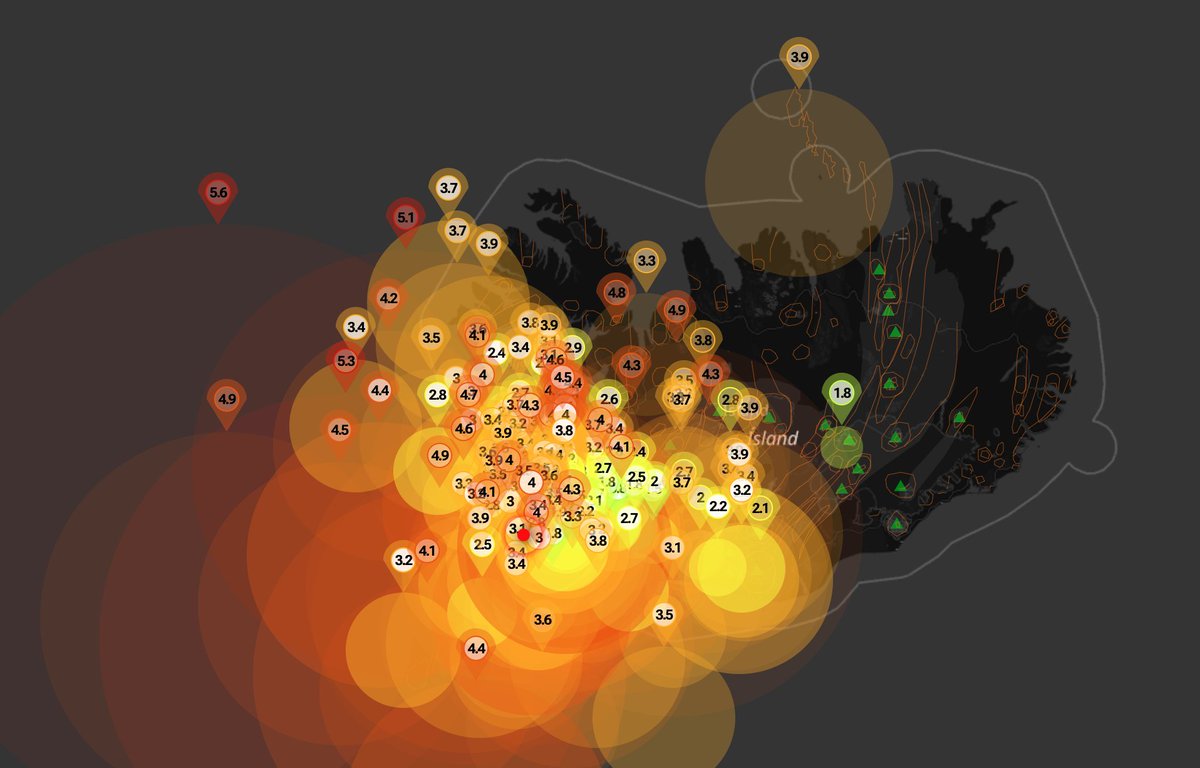
Dr Robin George Andrews 🌋☄️ tweet media
English
214
3.4K
14K
2.8M
Science Traveller
Science Traveller@GuideScience·
Love this.
Tim Dunn@MrTimDunn

Kudos to @Hatchards bookshop, its designers & @StPancrasInt: this year’s 12m “Xmas tree” marketing installation is on brand, visually reflects the building, promotes books of all types (not just luxury goods) and is actually useful to train passengers by providing seating too👍

English
0
0
0
17
Science Traveller retweetet
Historic Vids
Historic Vids@historyinmemes·
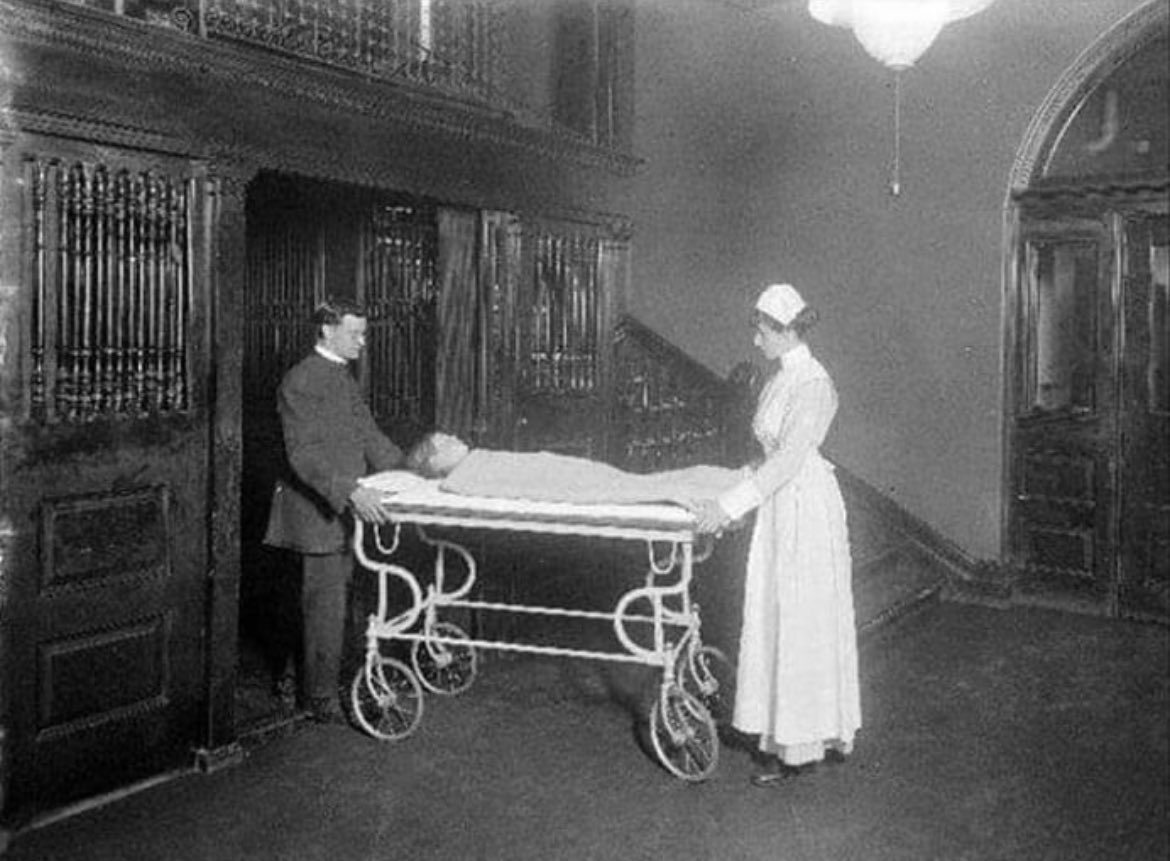
In 1922, a group of scientists went to the Toronto General Hospital where diabetic children were kept in wards, often 50 or more at a time. Most of them were comatose and dying from diabetic ketoacidosis. These children were essentially in their death beds, awaiting what was at that time, certain death. The scientists moved swiftly and proceeded to inject the children with a new purified extract of insulin. As they began to inject the last comatose child, the first one to be injected began to wake up. Then one by one, all the children awoke from their diabetic comas. A room that was full of death and gloom suddenly became a place of joy and hope. In the early 1920s, Frederick Banting and Charles Best discovered insulin under John Macleod at the University of Toronto. With the help of James Collip, insulin was purified, making it available to successfully treat diabetes. Both Banting and Macleod earned Nobel Prizes for their work in 1923. Banting was 32 when he received the Nobel Prize, and he chose to share half the prize money with Best, who was his assistant and just 24 years old at the time. Banting refused to put his name on the patent and instead sold it to the University of Toronto for $1. He thought it was unethical to profit from a discovery that would save millions of lives. "Insulin belongs to the world, not to me," he said.
Historic Vids tweet media
English
374
4.6K
24.9K
4.9M
Science Traveller retweetet
The Figen
The Figen@TheFigen_·
Baby monkeys are fed after being rescued from the flood. My heart melted! 💓🤗🤗
English
1.3K
18.7K
171.6K
10.6M
Science Traveller retweetet
Bernoid
Bernoid@bernoid·
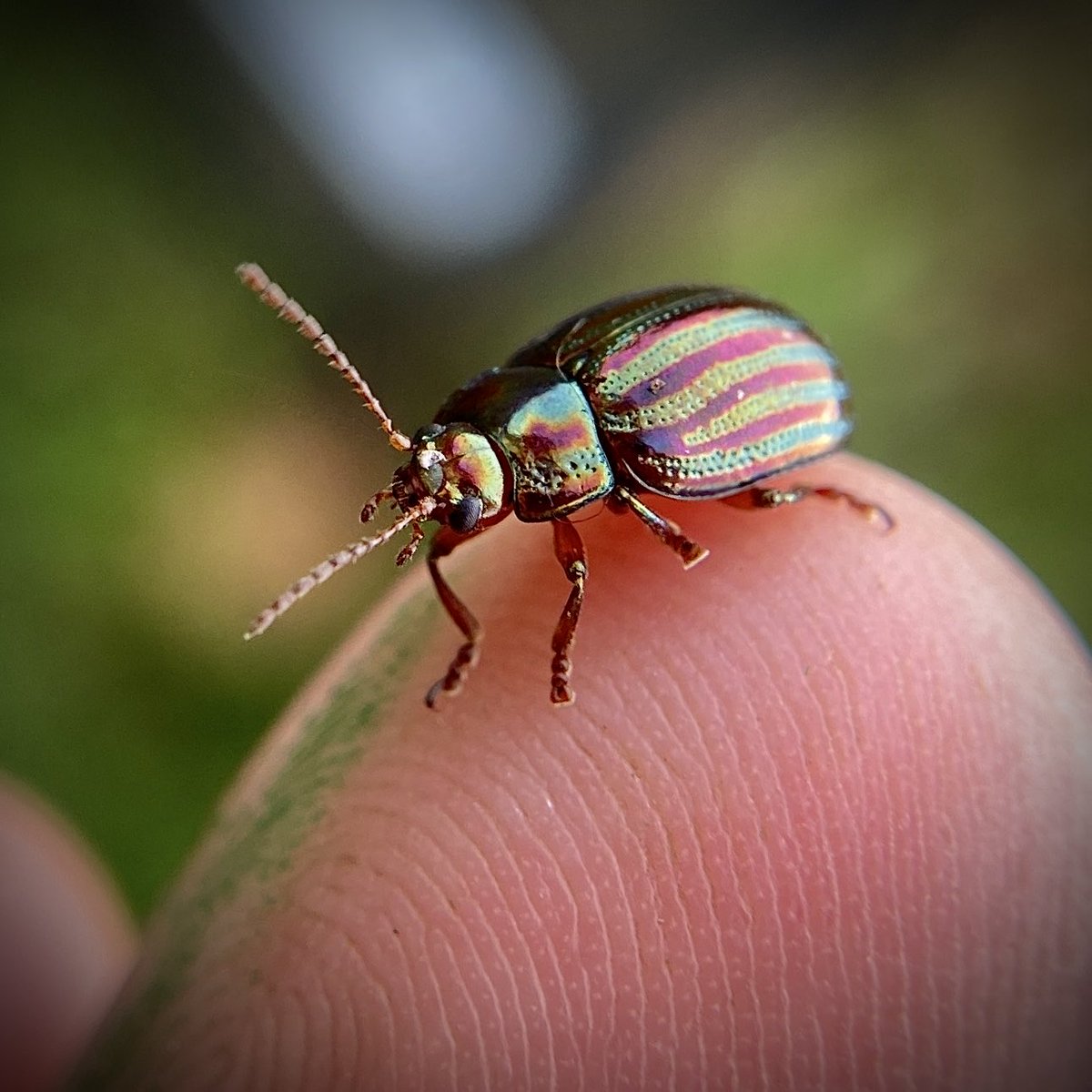
#WeeWednesday Rosemary Beetle
Bernoid tweet media
English
9
117
774
17K
Science Traveller retweetet
Callum Robinson
Callum Robinson@CallumGRobinson·
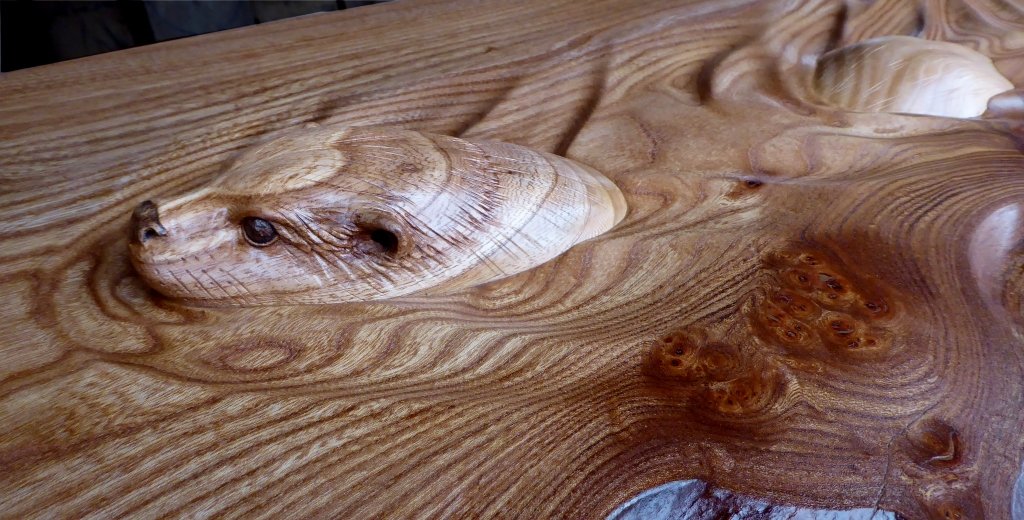
Up close an personal with one of my father's latest otters. (If he looks serious, it's because he's got a long swim ahead - he's off to Canada.) Solid Scottish elm otter table, carved by @mastercarvers David Robinson #otterman #otters #ottercarving #woodcarving carving
Callum Robinson tweet media
English
33
159
1.6K
50.2K
Science Traveller retweetet
Archaeo - Histories
Archaeo - Histories@archeohistories·
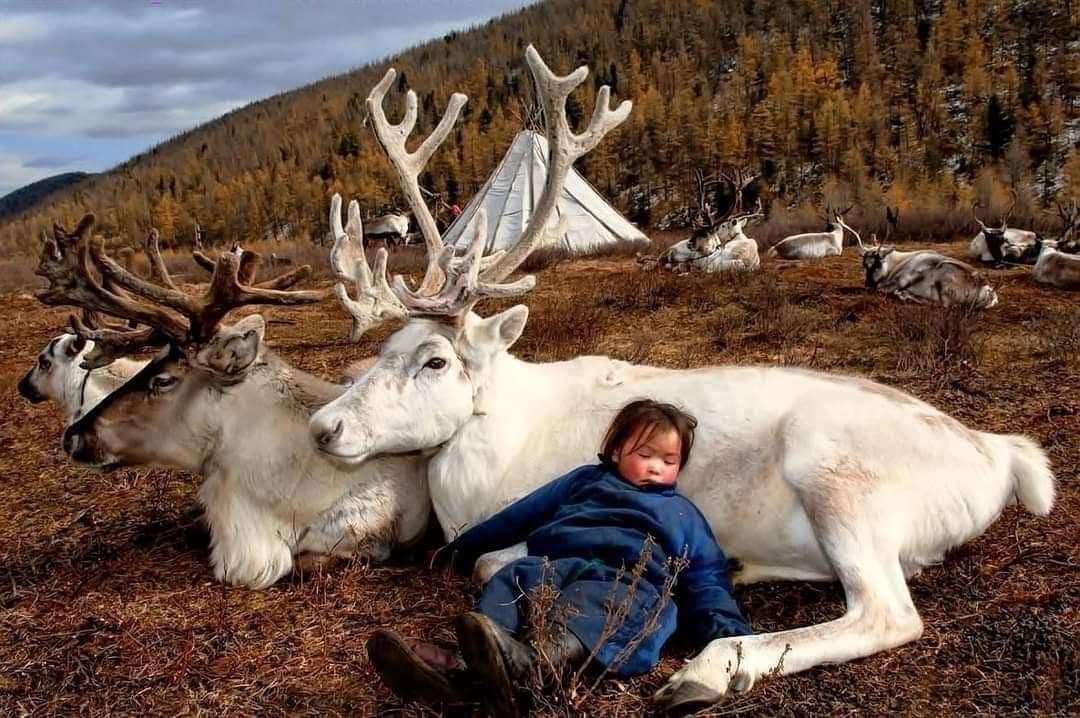
Dukha people; Mongolia’s last nomadic reindeer herders, young child rests 'guarded' by one of reindeer. Dukha or Tsaatan are small Tuvan Turkic community of semi-nomadic reindeer herders living in Khövsgöl, northernmost province of Mongolia. 📷: Hamid Sardar #archaeohistories
Archaeo - Histories tweet media
English
25
633
3.6K
218.7K
Science Traveller retweetet
Kate ✨️
Kate ✨️@kejamieson_·
I couldn't upload these whilst I was in the Falklands as the Wi-Fi wasn't good enough, but, now I have returned to a constant depressing news cycle online, I feel like everybody needs to see some penguins living their best life 🇫🇰
English
138
300
3.4K
140.2K
Science Traveller
Science Traveller@GuideScience·
A very interesting insight into what happens before Eurostar leaves.
English
0
0
1
41
Science Traveller retweetet
Archaeo - Histories
Archaeo - Histories@archeohistories·
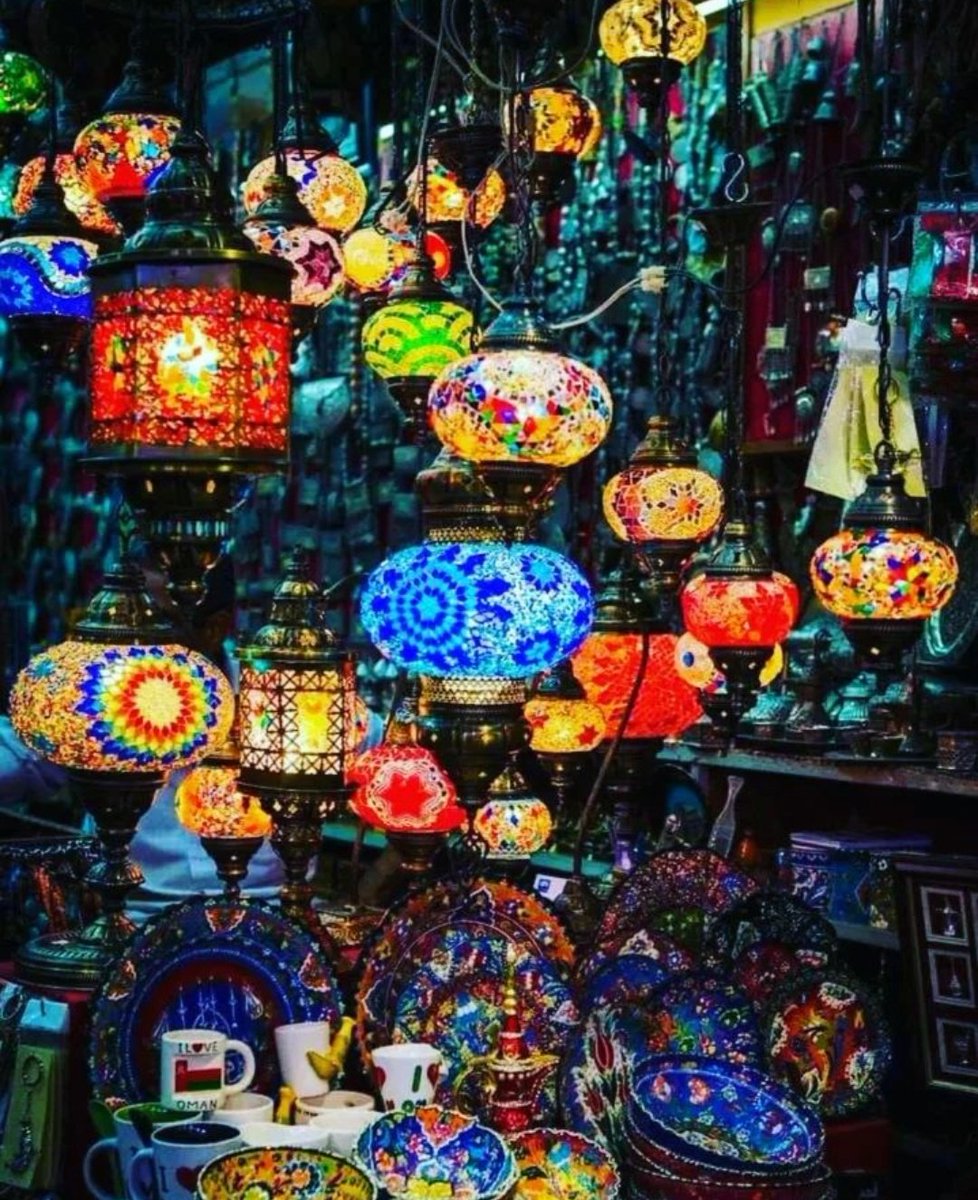
The origin of Turkish lamps goes hand in hand with the development of the glass industry in Turkey, which began in the period of the Seljuk Empire (12th Century CE) and had a peak during the Ottoman Empire, where Istanbul was the center of glass production. Turkish lamps have a very old history since the manufacture of these lamps dates back 5,000 years in the Sumerian empire. This technique has evolved over time and its origins began with pieces of pots that were attached to the walls of houses, making very striking figures. This technique began with ceramics until it evolved into metal and included more materials such as glass and plaster until it reached the lamps we recognize today. The mosaic of the Turkish lamps seems to represent its history. A sum of different contributions to the art of glass that dates back to the end of the 8th Century CE, when glassmakers in the eastern Mediterranean incorporated Roman traditions and the stylistic techniques of the second Persian empire into their methods. © @Dr_TheHistories #archaeohistories
Archaeo - Histories tweet media
English
14
104
556
75.1K
Science Traveller retweetet
Learning at the Science Museum Group
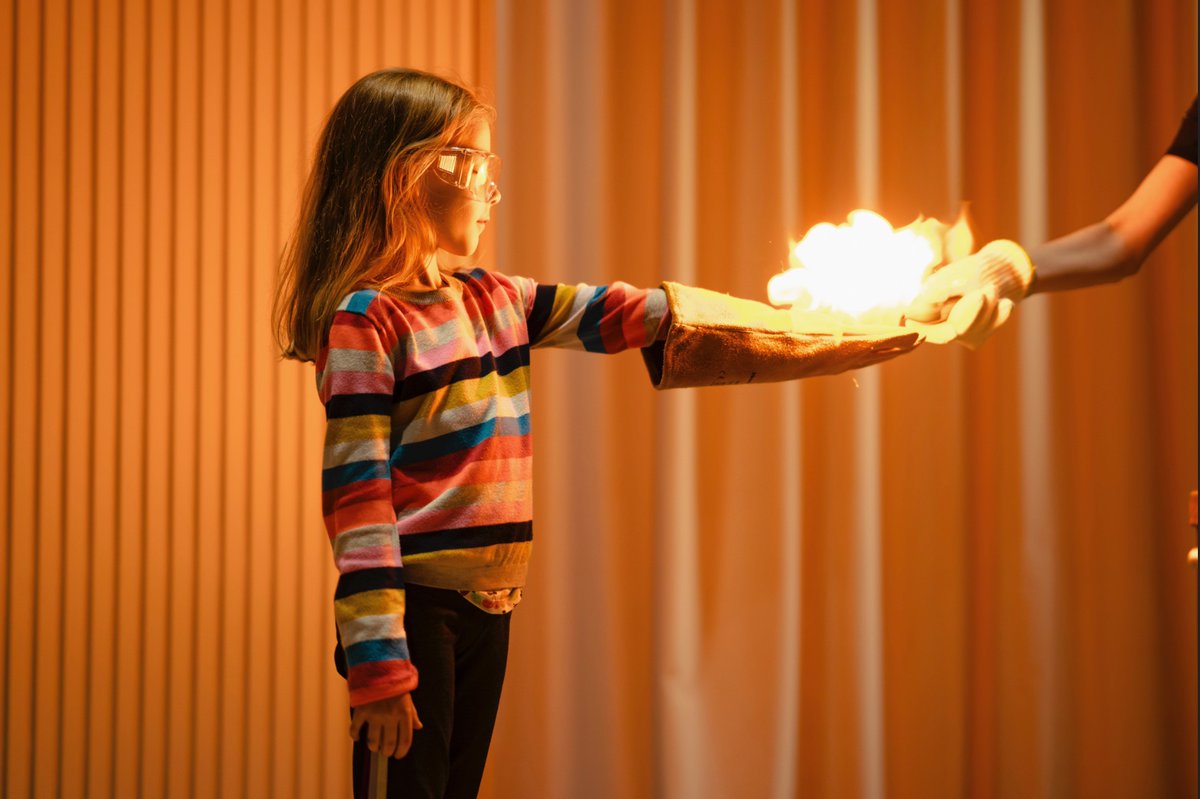
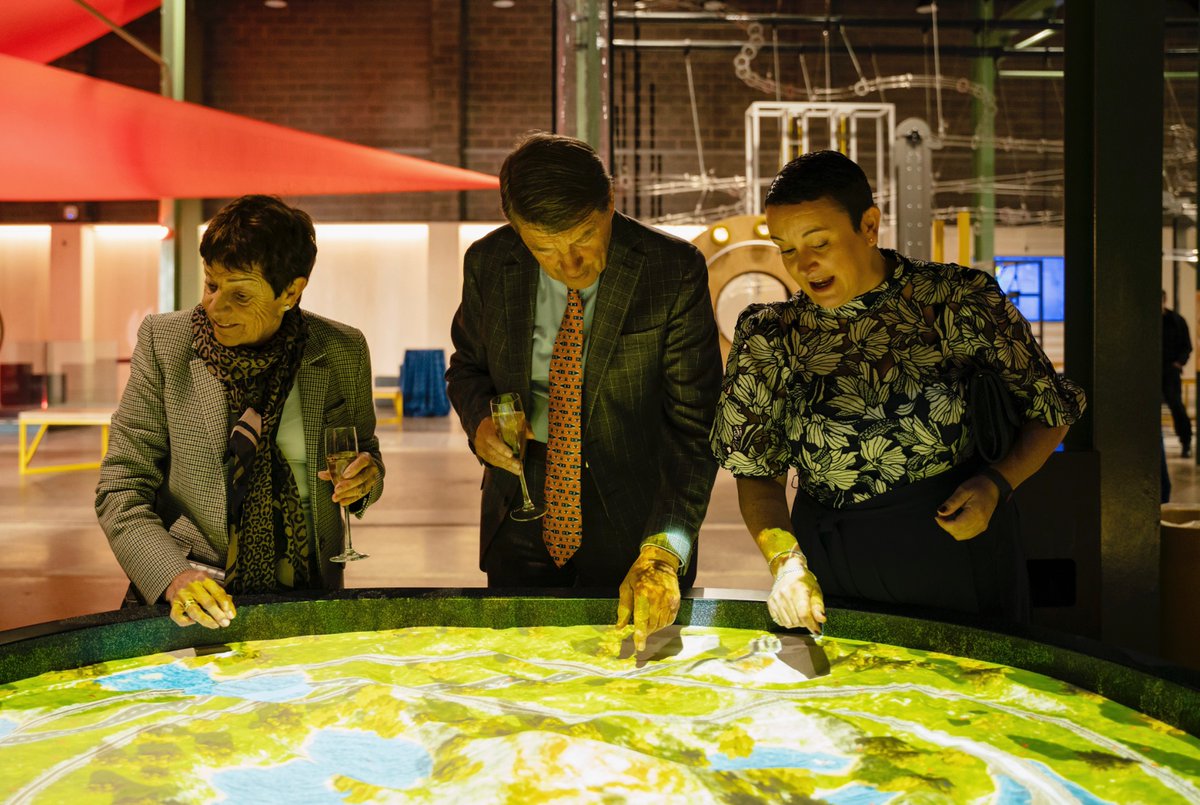
What a brilliant celebration of the launch of @railwaymuseum's Wonderlab: The Bramall Gallery! A huge thank you to all our generous funders for their invaluable support in bringing the railways to life through play.
Learning at the Science Museum Group tweet mediaLearning at the Science Museum Group tweet media
English
0
3
11
4.8K