
Angehefteter Tweet
H.
1.6K posts

H.
@HermanWasser
Yes I do intensely dislike bad things. Pureblood. Troglodyte. 🇪🇪
Europe Beigetreten Aralık 2021
164 Folgt30 Follower

H. retweetet

FIVE TYPES OF AMERICAN POLITICIANS:
1. Bought by Israel
2. Blackmailed by Israel
3. Dual citizen of Israel
4. Scared to Death of Israel
5. Killed by Israel.
English
H. retweetet

H. retweetet

I might get killed for posting this, the least you could do is watch it.
English
This is not an AI-generated, Hollywood-style horror. This is the reality in Ukraine, Kostyantynivka right now. This is how Russia is using its “precision” ammunition.
English
@KristenMichalPM @ZelenskyyUa FYI, I'm estonian and I do not stand with the Ukraine at all.
English

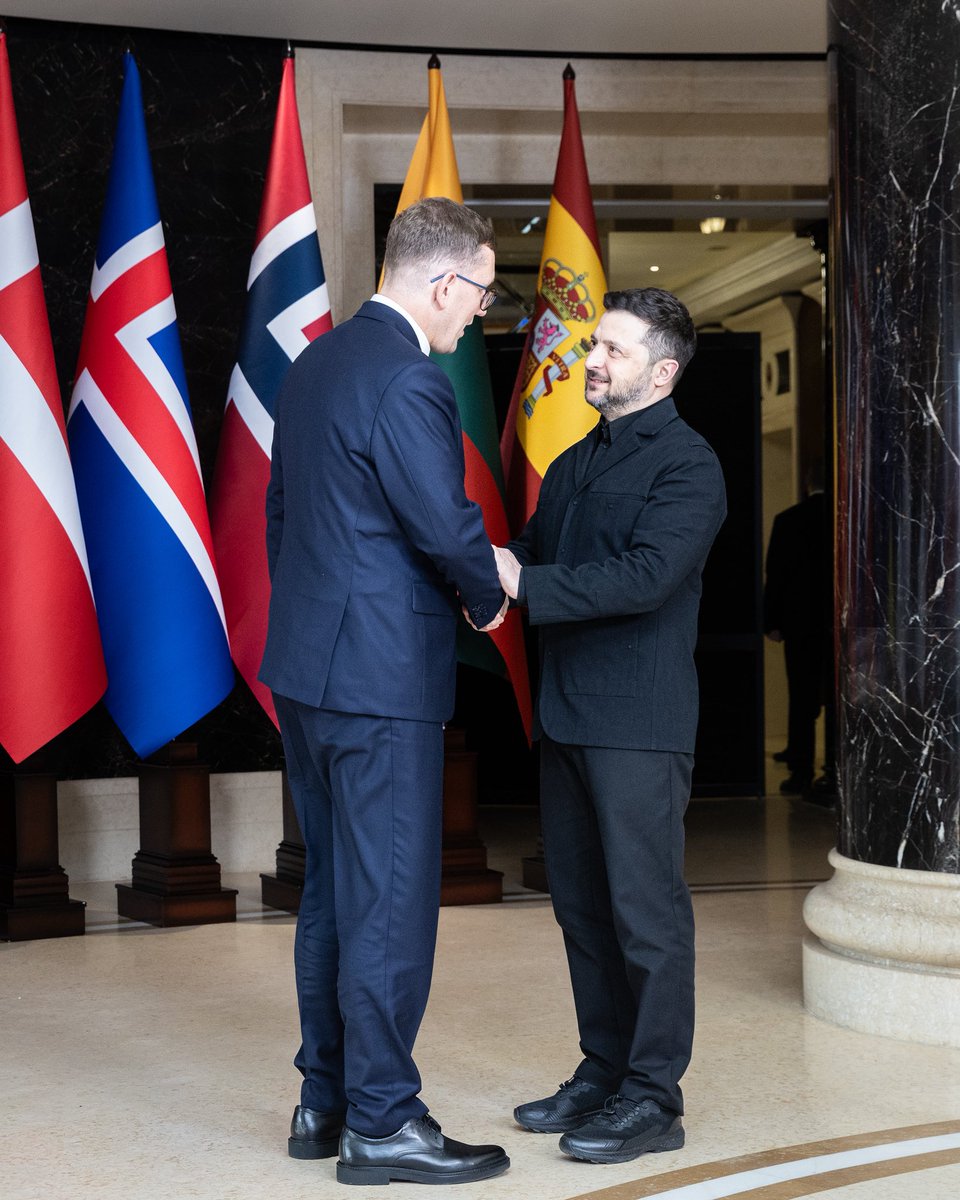
Thank you, @ZelenskyyUA. I was truly moved to hear about your decision to award me the Order of Prince Yaroslav the Wise, II class.
This recognition belongs to all of Estonia and to our people, who stand firmly and wholeheartedly with Ukraine: president.gov.ua/en/news/prezid…
English
H. retweetet

There are only two relevant political positions in America:
1. Jews control America
2. This control needs to be removed
Everything else is pissing into the wind until these two have been resolved
English
H. retweetet

My best friend and co-defendant was half Palestinian. His family lost their home when Israelis stole it.
He always said to me that our extradition case is essentially for the Jews by a Jew. Now I understand.
Sorry Finn.
English
H. retweetet
H. retweetet

H. retweetet

H. retweetet



H. retweetet
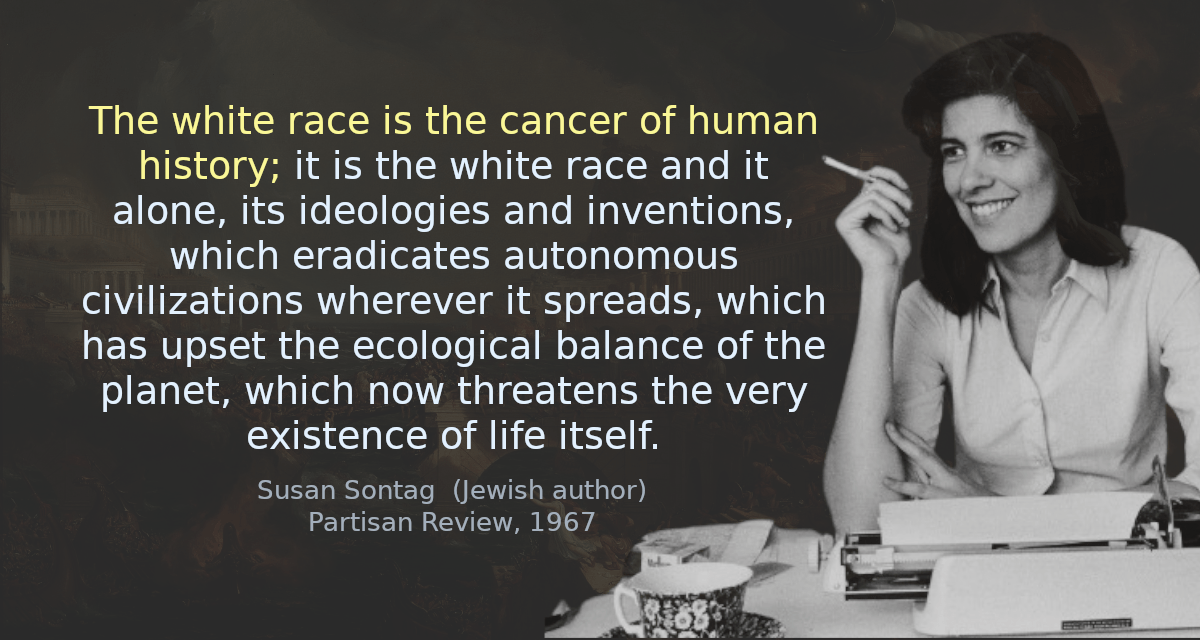
✡️🇮🇱🏳️🌈Susan Sontag was born Susan Rosenblatt—a distinctly jewish name—but later shapeshifted into her stepfather’s German surname, Sontag, which means “Sunday."
She was a lesbian jewish feminist who hated the White race comparing it to cancer! (Imagine if a White person said it about the jews...)
She is an archetypical jew because her jewish tribe pioneered both LGBTQ and feminism.
Follow @Classicist9999 for more insights
English
H. retweetet
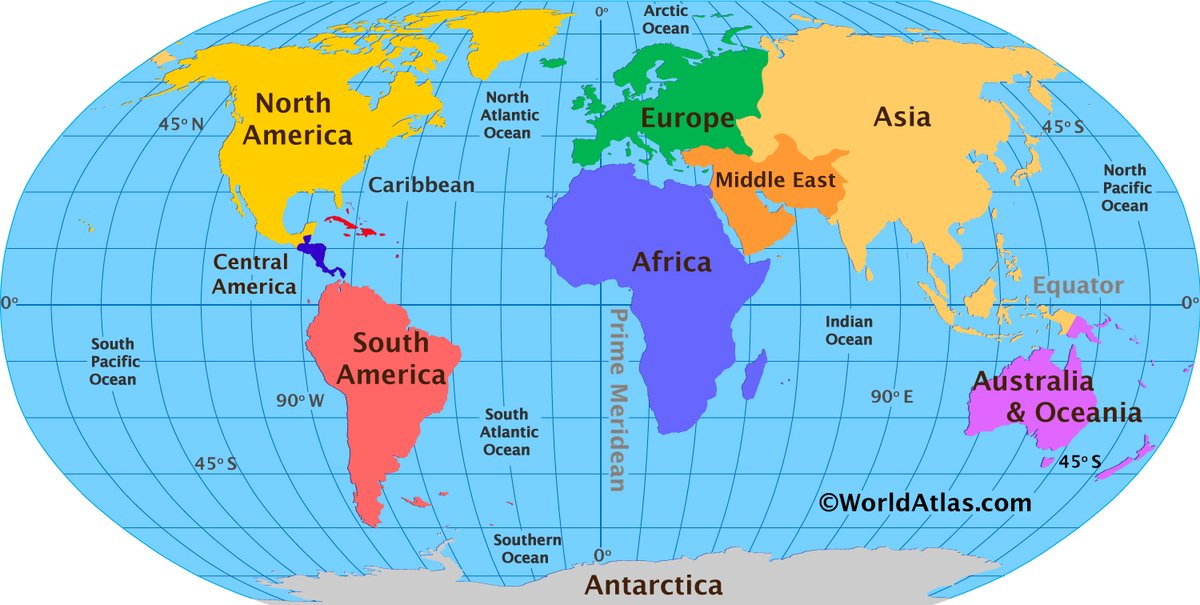
European men named ALL the Continents. This is a reflection of their uniquely panoramic mind. The inhabitants of nonwhite civilizations, India, China, Africa had no idea where they were located.
1. Africa
"Africa" derives from Roman usage after their defeat of Carthage (Tunisia) around 146 BC. The Romans applied it to their North African provinces, and over time, European explorers, starting with the Portuguese in the 15th century, extended the name to the entire continent as they mapped it.
2. Asia
Yes, "Asia" originates from the Ancient Greek term Asía, used by Herodotus around 440 BC. It initially referred to Asia Minor (modern-day Turkey) and then the Persian Empire. As European exploration and scholarship grew, "Asia" was extended to encompass the vast landmass east of Europe.
3. Europe
The name "Europe" is linked to Greek mythology, with the term first appearing geographically in the 6th century BC (used by Anaximander and Hecataeus) to refer to lands west of Asia.
4. The Americas
The Americas were named after Amerigo Vespucci, an Italian explorer who, between 1499 and 1502, recognized that the lands discovered by Columbus were not part of Asia but a distinct "New World." The name was proposed by German cartographer Martin Waldseemüller in his 1507 map, Universalis Cosmographia.
5. Australia
The term "Terra Australis Incognita" (Unknown Southern Land) was a speculative concept in ancient Roman and medieval European geography. The name "Australia" evolved from this. While James Cook claimed eastern Australia for Britain in 1770, the name "Australia" was popularized later by Matthew Flinders in 1814.
6. Antarctica
"Antarctica" comes from the Greek antarktike ("opposite to the north"), tied to its position relative to the Arctic. While the continent wasn't fully mapped until the 19th century, the name is credited to European cartographic tradition, with Scottish cartographer John George Bartholomew often associated with its formal adoption around the 1890s.
English
That's how stupid people signal how smart they are.
CodeInProgress@code38560
@curiosityonx How many times it needs to be explained that 20th century ended on 31st December of 2000?
English
H. retweetet

Friendly reminder that Joel Davis has now been locked up for 46 days straight over an edgy telegram post.
He's being held in the same correctional centre as one of the Bondi shooters, Naveed Akram.
Earlier this month, the facility was declared “incapable of providing safe and humane conditions”...
Over a telegram post...
#FreeJoelDavis

English
H. retweetet

The genetic difference between whites and blacks is roughly .1-.5% which doesn't sound like much until you realize that the difference between humans and chimpanzees is only 1-2%.
English
H. retweetet
The problem with not blaming everything on the jews is that you are just going to be wrong all the time
English
H. retweetet
It's amazing how much leftist discourse is just them pretending not to understand things, thus making discourse impossible.
English