Angehefteter Tweet

I am planning to use Twitter, just for the sake of Twitch related posts. FOR ALL FUTURE artwork [sfw/nsfw], will be @🟦🦋~ See ya'll there!💙

English
+Jen-C+ | Wowie!!
9.7K posts

@JenC5K
★ Female Artist/Variety Streamer/voicing+sing for fun ★ my page may contain SFW+NSFW🔞(Censored) artwork!

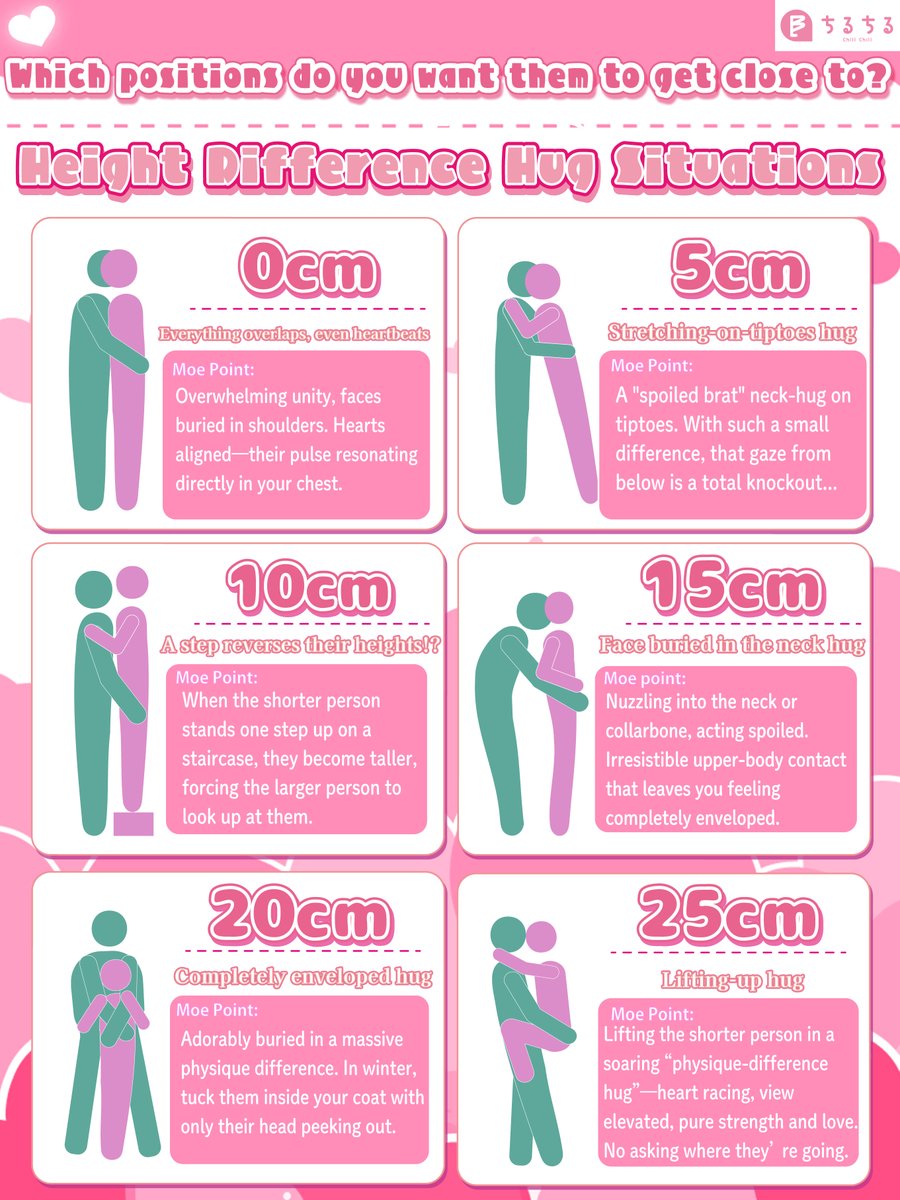

POV : ton mari fait du sport mais il fait des bruits de réarmement démographique
Sailor Moon Wedding Dresses 👑Which one would you wear?
Desserts




wise words from kung fu panda



This is a good highlight of the fact a lot of people don't know how to use audio filters correctly in OBS, use low quality filters or just don't even know they exist! So quick crash course in what they do: Compressor: makes loud noises quieter and quiet noises louder so they sit closer together making voice volume more consistent. Limiter: Creates a safety threshold your voice can't exceed which helps stop clipping with loud noises such as screams. Gain: Increases the volume of a signal, great for raising a quiet mic or reducing one that is constantly peaking. Noise Gate: turns the signal off when sound is below a certain threshold great for cutting out keyboard noise, air conditioners or background audio. Noise Suppression: Analyses the input sound to clean up what is assumed to be the main signal. Reduces background noise but can also cause sound to be erroneously cut out. Useful for loud environments where a noise gate isn't working. EQ: Can be used to balance the tone of a voice such as increasing the bass or treble to improve the general sound of the voice. Expander: The opposite of a compressor, makes the difference between loud and quiet noises more pronounced by slowly lowering the volume of items that fall below the threshold. You can also mix and match these as much as you want, but remember they are processed in order, so you usually want your noise suppression as the first item in your loop if using it so it can work from the raw signal. Maybe I should do a workshop on this sometime!