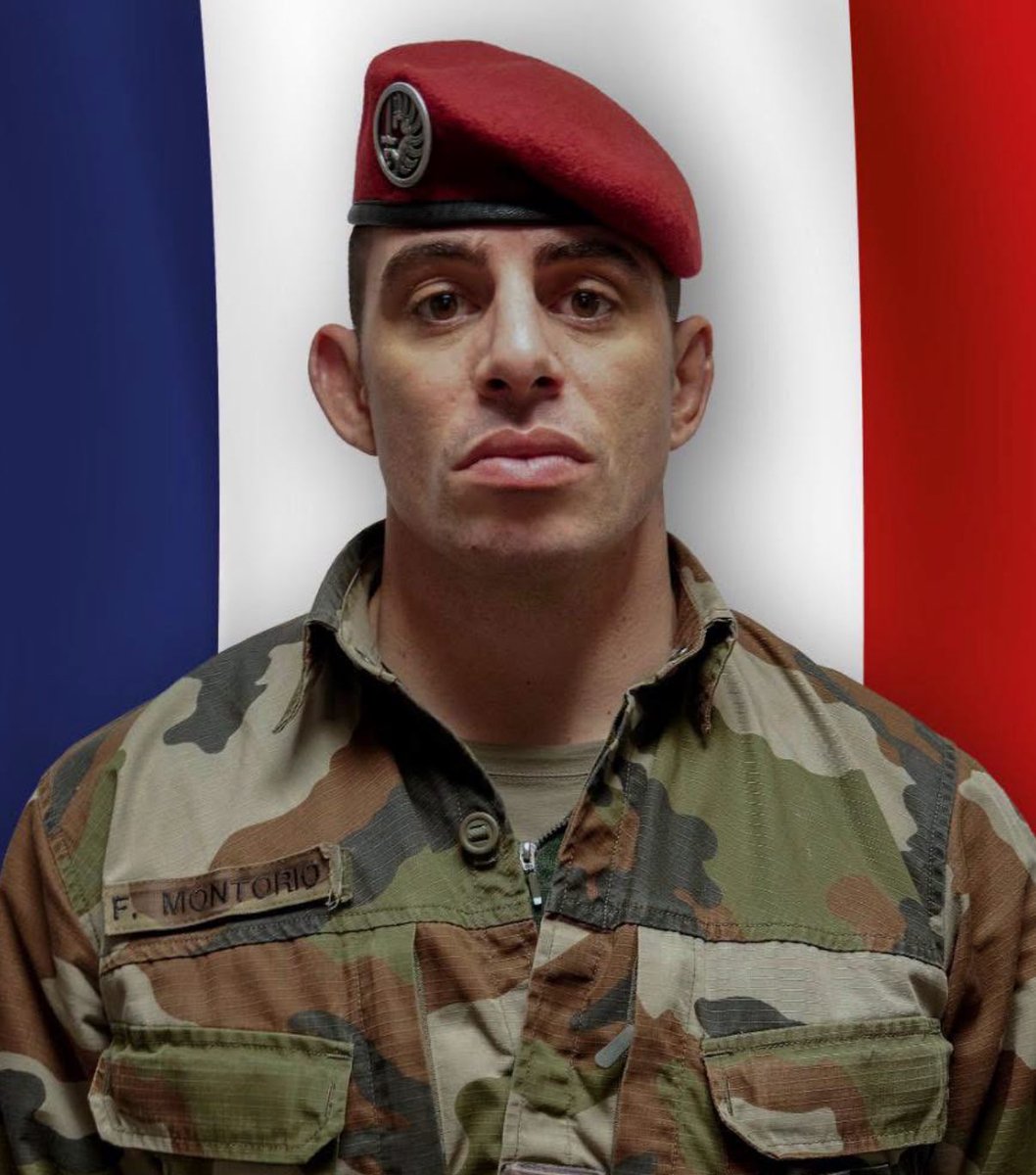
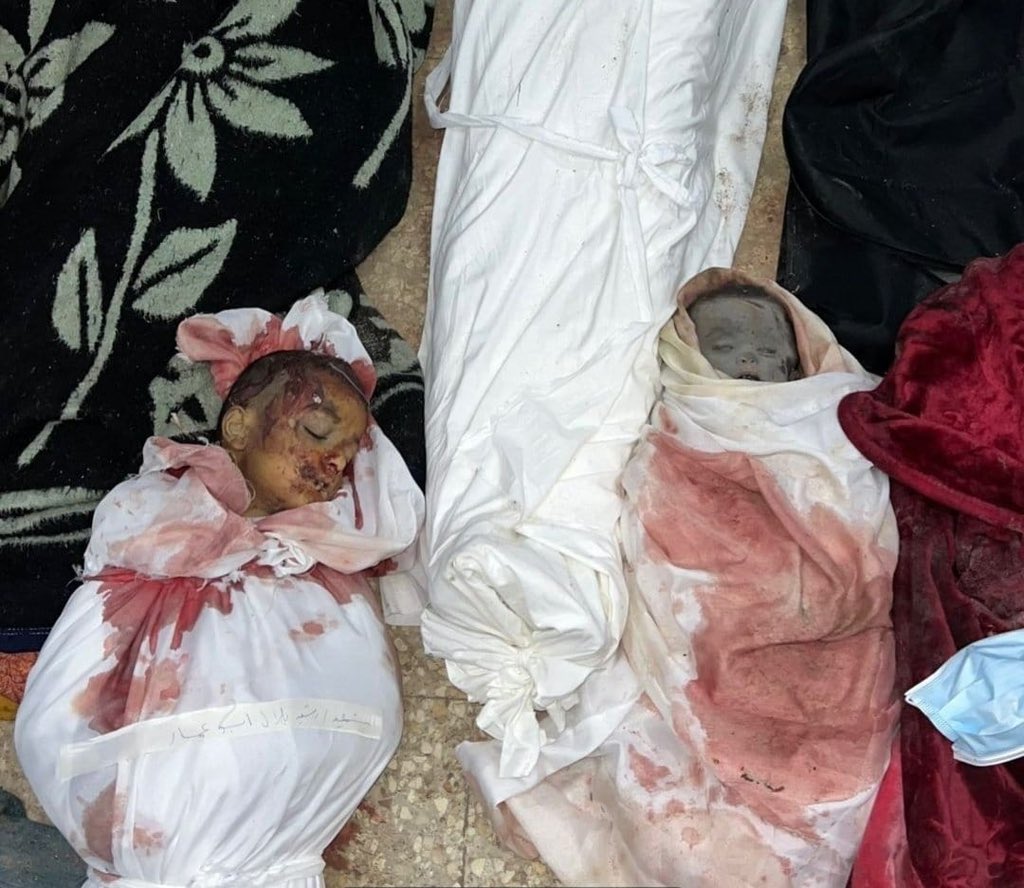
@MelanieLacide @quatremer que du n'importe quoi, il n'y a que du trash qui sort de la bouche des sionistes , y compris Melanie Lacide.

Français
Kemal Divanli
24.5K posts






Yes, this is me. When I draw, I escape from all the pain I live through. If you see this post, leave a dot Twitter is hiding my posts.



#Iran’s Lebanon Dilemma: Has Tehran Abandoned Hezbollah? 🔹The massive Israeli strikes in Lebanon – coming less than a day after the U.S.-Iran ceasefire announcement – have injected immediate uncertainty into planned negotiations in Islamabad. From Tehran’s perspective, any ceasefire that excludes Lebanon is fundamentally incomplete and unacceptable. 🔹Iranian officials have consistently emphasized that, based on understandings reached through Pakistani mediation, the ceasefire was supposed to be regional in scope. The exclusion of Lebanon is therefore not seen as a technical oversight, but as a political shift. 🔹In Tehran’s reading, that shift reflects a deliberate decision by Donald Trump to align more closely with Israeli priorities following consultations with Benjamin Netanyahu. 🔹This has already reinforced a long-standing concern in Iran, i.e., the unreliability of U.S. commitments. Entering negotiations under these conditions is seen as strategically risky and politically costly. 🔹At the same time, Iran has drawn a firm red line. It has made clear that it will not participate in negotiations while Israeli strikes against Hezbollah continue. A reduction in the tempo of attacks is not sufficient, and Tehran is demanding a complete halt. 🔹This position reflects deeper structural pressures – both regional and domestic – that constrain Iran’s room for maneuver. 🔹In Iran, analysts increasingly interpret the situation as a calculated strategy by Washington and Tel Aviv to push Iran into a lose-lose scenario. 🔹If Iran escalates militarily in response to Israeli actions, it risks being blamed, especially domestically, for breaking the ceasefire. This is particularly sensitive given widespread public fatigue with war. 🔹A significant portion of the Iranian population, while not necessarily supportive of the regime, welcomed the ceasefire as a pathway toward stability. Renewed escalation could therefore trigger public backlash. 🔹This is compounded by an existing perception among many Iranians that the government invests heavily in regional conflicts, particularly in Lebanon and Gaza, at the expense of domestic priorities. 🔹In such a context, any Iranian military response could be framed internally not as national defense, but as a war fought on behalf of external actors. This interpretation that carries serious political risks. 🔹At the same time, restraint is not cost-free. Failing to respond risks alienating the Islamic Republic’s core ideological base, which has significant sympathy toward Hezbollah and expects tangible action. 🔹These constituencies – though smaller – are highly organized and politically significant. Their frustration with perceived inaction is already visible. 🔹As a result, Tehran finds itself navigating between two competing domestic pressures: a war-weary public on one side, and a mobilized ideological base on the other. 🔹Iran’s current approach reflects an attempt to balance these pressures. Rather than escalating directly, it is combining diplomatic maneuvering with indirect forms of pressure. 🔹On the diplomatic front, Foreign Minister Abbas Araghchi has engaged regional and European counterparts, emphasizing the need for a comprehensive, region-wide ceasefire. 🔹At the same time, Iran has avoided direct military escalation against Israel and instead turned to its most critical leverage point, namely the Strait of Hormuz. The aim is to push the U.S. to constrain Israel. 🔹Despite expectations that maritime traffic would return to normal after the ceasefire, only a handful of ships passed since yesterday, indicating a deliberate effort to sustain pressure. 🔹From the perspective of some Iranian analysts, this form of economic and maritime pressure is more strategically valuable than missile retaliation. There is a growing view that limited missile strikes against Israel would achieve little beyond signaling solidarity, and could even play into Israel’s hands. 🔹The argument here is that Israel may actually prefer continued escalation, and that its demonstrated resilience in absorbing Iranian strikes has exposed the limits of Iran’s long-range missile deterrence. This has shifted the debate within Iran. The question is no longer whether to respond, but how. 🔹One camp argues that Iran could resume direct strikes against Israel while maintaining the ceasefire with the United States, effectively decoupling the two fronts. 🔹In this scenario, Washington – if genuinely interested in de-escalation – might tolerate limited Iran-Israel confrontation, allowing negotiations to proceed in parallel. Proponents see this as advantageous: it would sideline the United States and allow Iran to confront Israel directly. 🔹The opposing camp is more skeptical. They argue that even without direct U.S. offensive involvement, Washington would continue to provide Israel with logistical, defensive, and intelligence support. From this perspective, the idea of U.S. disengagement is largely illusory. 🔹Moreover, restricting the conflict to Iran and Israel would reduce Iran’s strategic flexibility. Tehran’s most effective leverage has come from its ability to target U.S. interests across the region, not just Israel itself. 🔹This creates a stark strategic dilemma: either escalate broadly, including against U.S. interests, or maintain the ceasefire and pursue diplomacy. 🔹Beyond these immediate tactical debates, Iranian analysts are increasingly focused on two broader strategic concerns. 🔹The first is reputational. Failure to support Hezbollah risks undermining the principle of mutual support that underpins Iran’s regional network. 🔹If Tehran does not act, allies in Iraq, Yemen, and elsewhere may begin to question whether the costs of supporting Iran are reciprocated. Such a shift would weaken Iran’s deterrence posture and erode its influence across the “axis of resistance.” 🔹The second concern is structural: the future balance of power in the region. 🔹Iran appears to view the current moment as a rare opportunity to reshape that balance, particularly through its leverage in the Persian Gulf. 🔹From this perspective, continued Israeli operations in Lebanon are not just tactical, but they are strategic moves aimed at fragmenting Iran’s regional network. 🔹By isolating and pressuring individual nodes like Hezbollah, Israel may be attempting to prevent coordinated, multi-front responses. Over time, this could create a new strategic reality in which Iran’s allies are weakened sequentially, leaving Tehran itself more exposed. 🔹Iran’s objective, by contrast, is to preserve its model of collective deterrence, in the sense that any attack on one actor should trigger a broader regional response. 🔹This logic explains Tehran’s insistence on including Lebanon in the ceasefire. For Iran, this is not a secondary issue, but central to preserving its regional architecture. 🔹Ultimately, the current crisis is being interpreted in Tehran as both a tactical challenge and a strategic inflection point. 🔹How Iran navigates this moment – balancing domestic pressures, alliance commitments, and great-power dynamics – will shape not only the fate of the negotiations, but probably also the contours of future of the future regional order.