
Angehefteter Tweet
LAYLAH
62 posts


LAYLAH retweetet
A comprehensive assessment of twins and their families reveals that narcissistic traits are inherited genetically, contradicting the popular belief that parenting styles cause narcissism. Individual experiences outside the home shape the remaining… dlvr.it/TSGg2j
English
LAYLAH retweetet

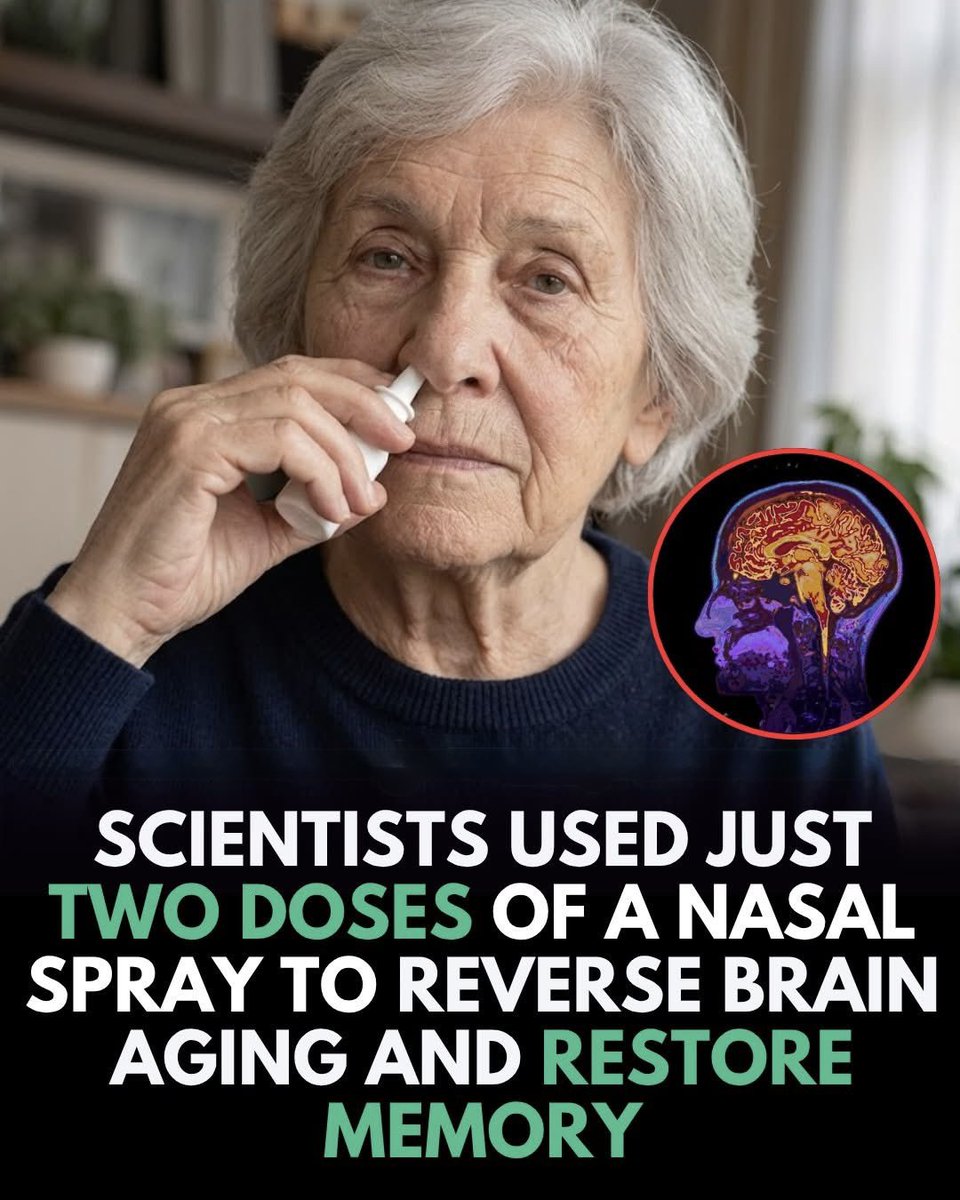
Scientists have just developed a revolutionary nasal spray that can successfully reverse age-related memory loss and cognitive decline in a matter of weeks.
Biomedical researchers at Texas A&M University have achieved a monumental breakthrough in cognitive health. They developed a non-invasive nasal spray that delivers microscopic biological particles, known as extracellular vesicles, directly into the brain.
This revolutionary delivery method completely bypasses the restrictive blood-brain barrier. Just two doses were enough to successfully target "neuroinflammaging"—the chronic buildup of inflammation in memory-critical regions previously thought to be completely irreversible.
Within weeks, the experimental treatment dramatically reduced brain inflammation, restored cellular energy, and significantly improved memory function. With results lasting for months, this 2026 discovery could become one of our most critical weapons against severe cognitive decline and Alzheimer's disease.
English
LAYLAH retweetet

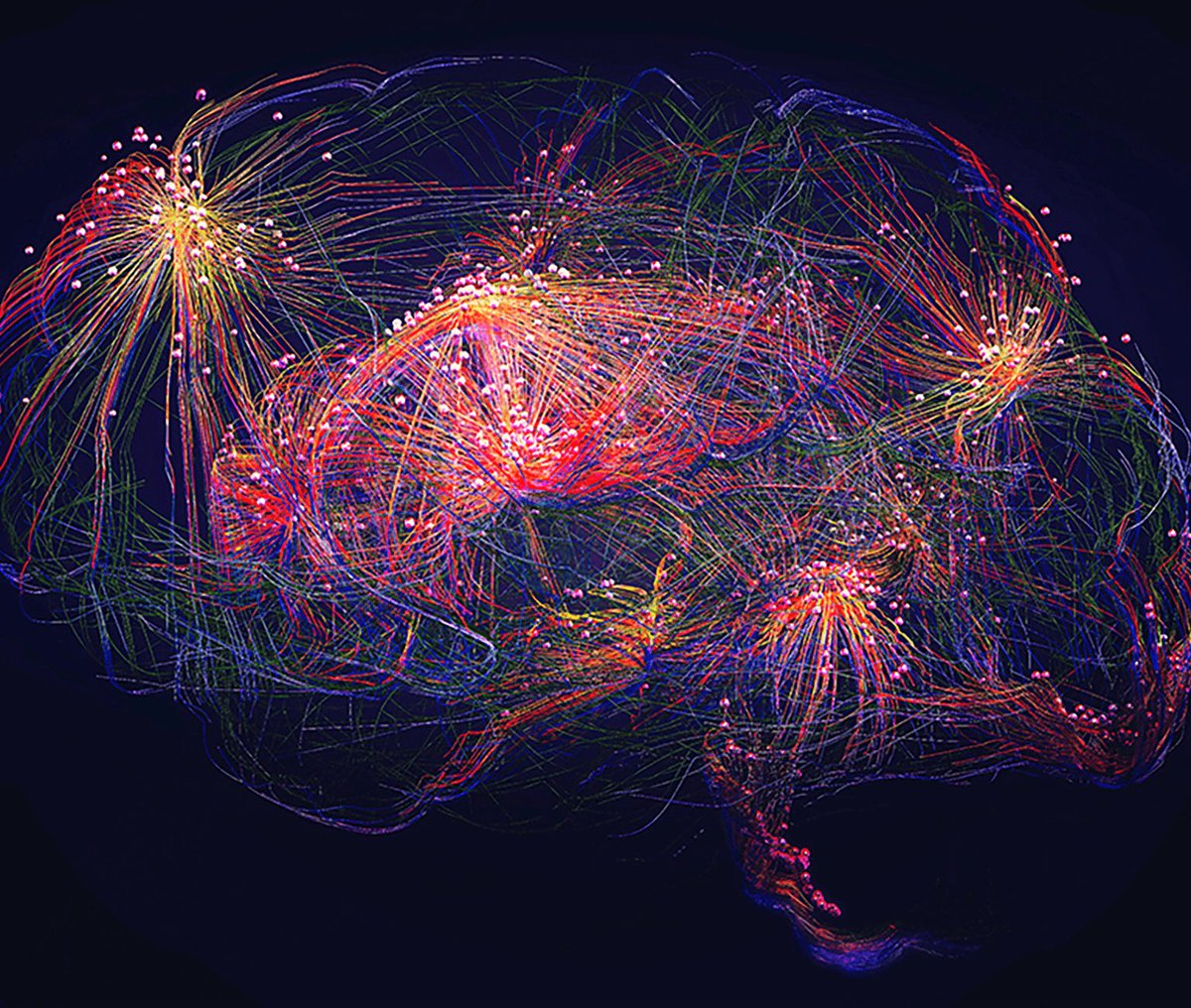
【定説覆る】幻覚剤で脳は壊れるのではなくつながる。史上最大規模の研究で判明
■これまでの常識
幻覚剤は脳のネットワークを崩壊させる。
これが従来の定説だった。
■史上最大の分析
米UCSF・カナダのマギル大学の研究チームが、5カ国・267人・500回超の脳スキャンデータを統合分析。
対象はシロシビン、LSD、メスカリン、DMT、アヤワスカの5種。
論文は2026年4月、Nature Medicine誌に掲載。
■発見の核心
5種すべてで同じ変化が起きていた。
「抽象思考を担う領域」と「視覚・運動を担う領域」が異常に強く接続。
通常は分離している考える脳と感じる脳の境界が崩れていた。
■なぜ重要か
うつや不安障害への治療応用が加速する中、「なぜ効くのか」の解明は不可欠。
主著者ガーン氏は「内的世界と外的世界の隔たりが消える」と表現。
脳は壊れていたのではない。
つながりすぎていたのだ。

日本語
LAYLAH retweetet


LAYLAH retweetet

Recent studies in neuroscience and psychology are reframing ADHD not merely as a set of cognitive hurdles but as a powerful driver of breakthrough creativity and innovation.
Long stereotyped for difficulties with focus, attention, and impulse control, individuals with ADHD traits often exhibit superior divergent thinking—the capacity to generate a wide array of novel ideas by connecting distant or unrelated concepts. This stems from reduced adherence to rigid mental frameworks, enabling freer conceptual expansion and the production of more original, unconventional solutions than neurotypical counterparts. Heightened mind-wandering, especially when deliberate (purposefully allowing thoughts to drift), acts as a fertile source for this creativity, bypassing conventional boundaries to yield abundant "outside-the-box" insights.
Complementing this cognitive flexibility is a neurological drive for novelty rooted in lower baseline dopamine signaling. This creates a chronic need for stimulation, translating into exploratory, risk-tolerant behavior and a propensity for adventure—qualities that can disrupt routine settings but prove invaluable in dynamic fields. Impulsivity, often reframed as rapid action initiation, becomes a catalyst for pursuing bold ideas and seizing opportunities in high-stakes environments.
These traits align closely with the profiles of many successful entrepreneurs, inventors, and pioneers. In fast-evolving creative and innovative economies, the ADHD brain's wiring for quick associative leaps, tolerance of uncertainty, and motivation through novelty-seeking provides a distinct edge, turning potential challenges into engines of originality and progress.
Emerging evidence from 2025–2026 research reinforces this view: studies link stronger ADHD traits to elevated creative achievements via mediated mind-wandering, intuitive insight-driven problem-solving, and higher real-world inventive output, highlighting neurodiversity's role in fueling societal advancement.
[Maisano, H., et al. (2026). ADHD Symptoms Predict Distinct Creative Problem-Solving Styles and Superior Solving Ability. Personality and Individual Differences (February 2026)]

English
LAYLAH retweetet

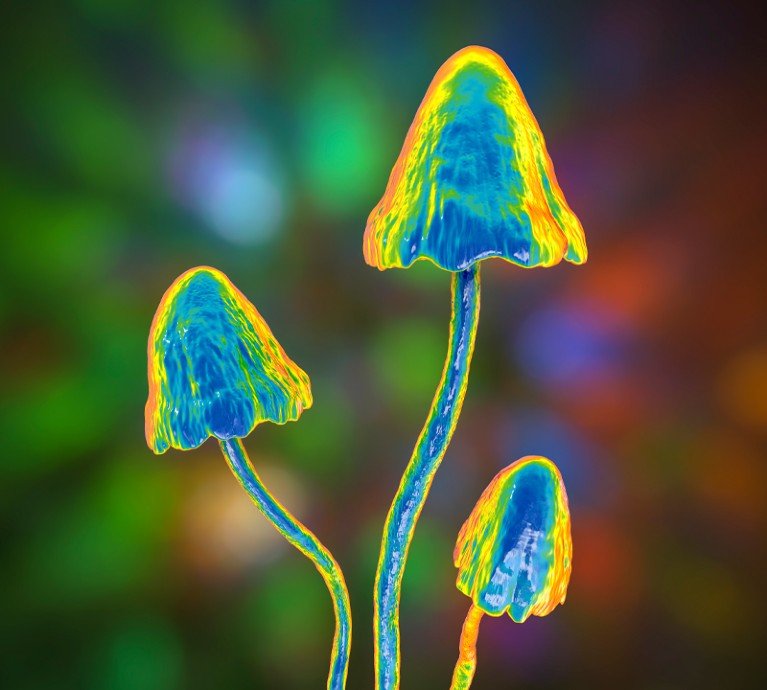
🚨: Psilocybin extends life of human cells by 50% in wild new study.

English
LAYLAH retweetet


LAYLAH retweetet
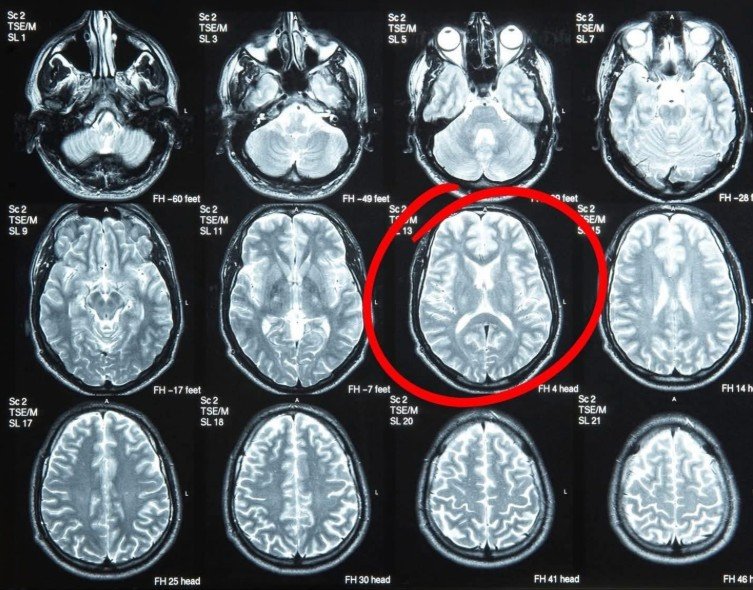
UNUSUAL🚨: Scientists discover that silence regenerates the brain─ being in complete silence for at least 2 hours a day can stimulate the creation of new brain cells, especially in regions linked to memory and learning.

English
LAYLAH retweetet
"When your education limits your imagination, it is called indoctrination."
- Nikola Tesla

English
LAYLAH retweetet

SQL veritabanları oluşturmak için harika bir kaynak:
✓ Yapay zeka ile tablolar ve veriler oluşturur
✓ Diyagramlar ve ilişkiler çizer
✓ Tek tıklamayla Supabase'e dağıtır
En iyisi de, ücretsiz → database.build
Türkçe
LAYLAH retweetet

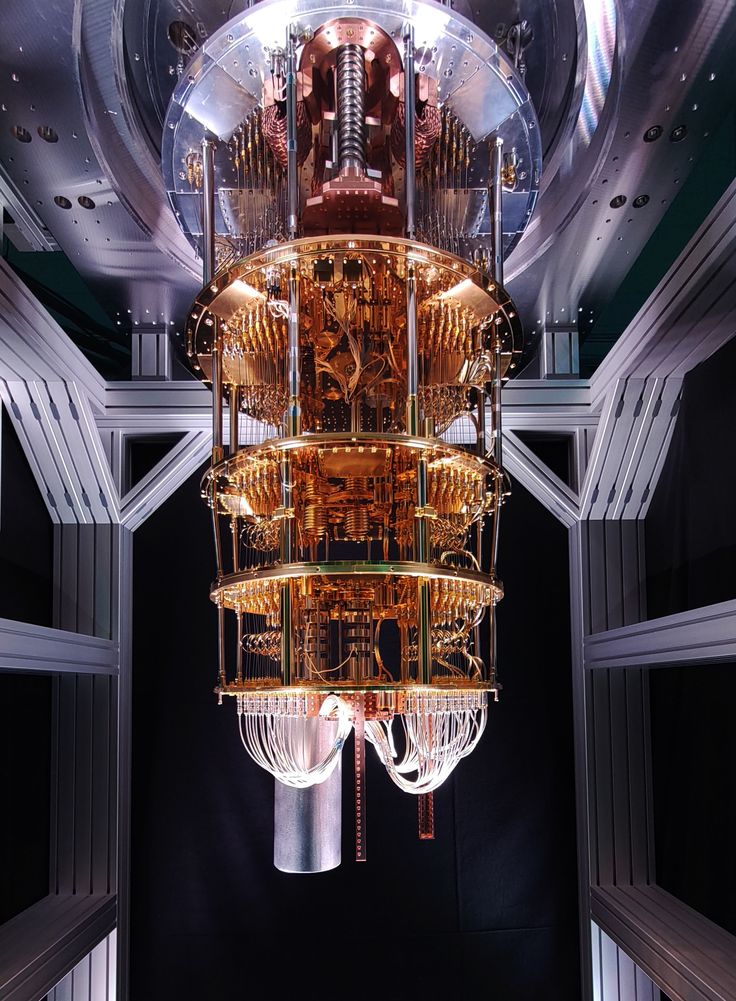
🚨: Chinese quantum computer just did 2.6 billion years of work in 4 minutes flat.
English

LAYLAH retweetet

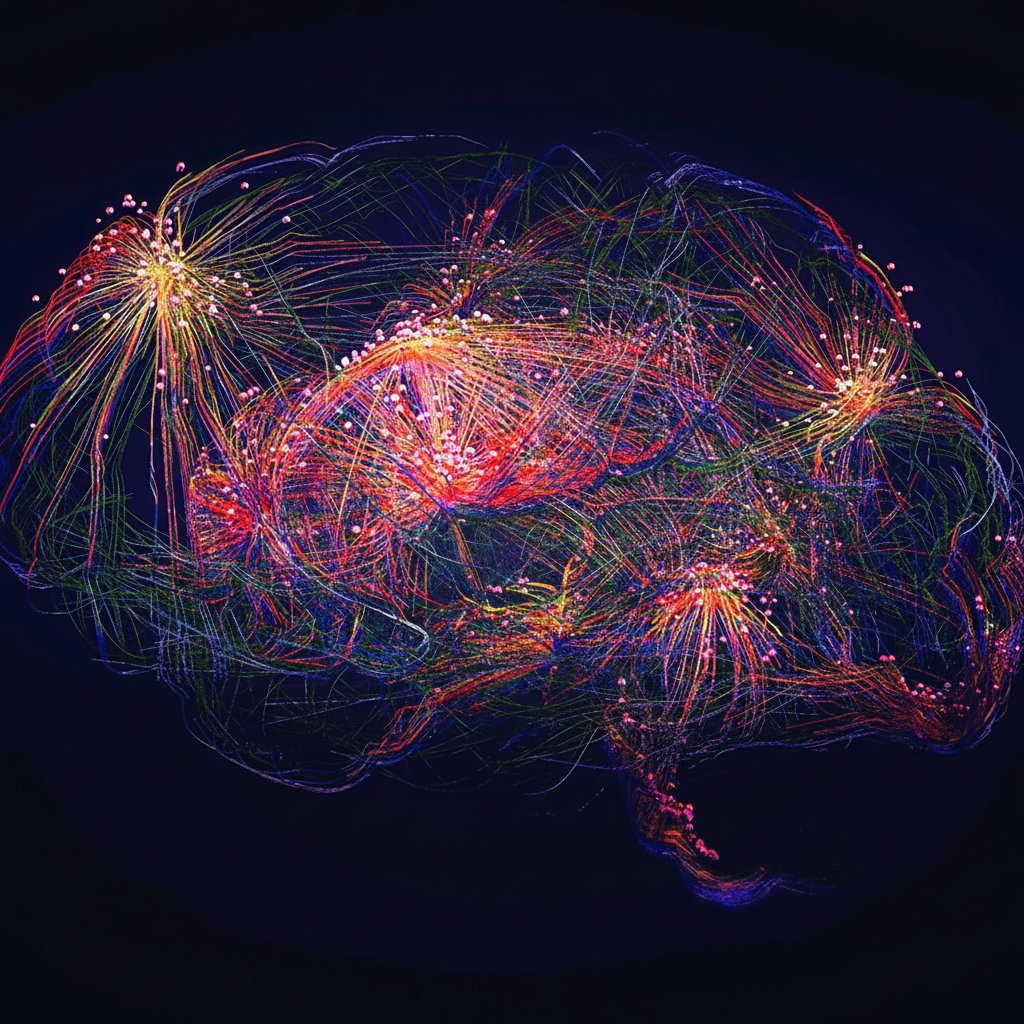
🚨: Scientists create the first artificial neuron capable of communicating with the human brain.

English
LAYLAH retweetet

🧠 Could Your Brain Be a Quantum Supercomputer?
Some scientists are exploring an astonishing idea: tiny protons in the water of your brain might behave in ways similar to quantum particles, possibly contributing to how consciousness works. While this is still highly theoretical, it could help explain why the human mind can perform feats that even supercomputers struggle with. Imagine your thoughts tapping into a hidden quantum world—right inside your head!
Source: Hameroff, S., & Penrose, R. (n.d.). Orchestrated objective reduction and consciousness.

English