DΞ.Fi MaXi 🛡️ retweetet

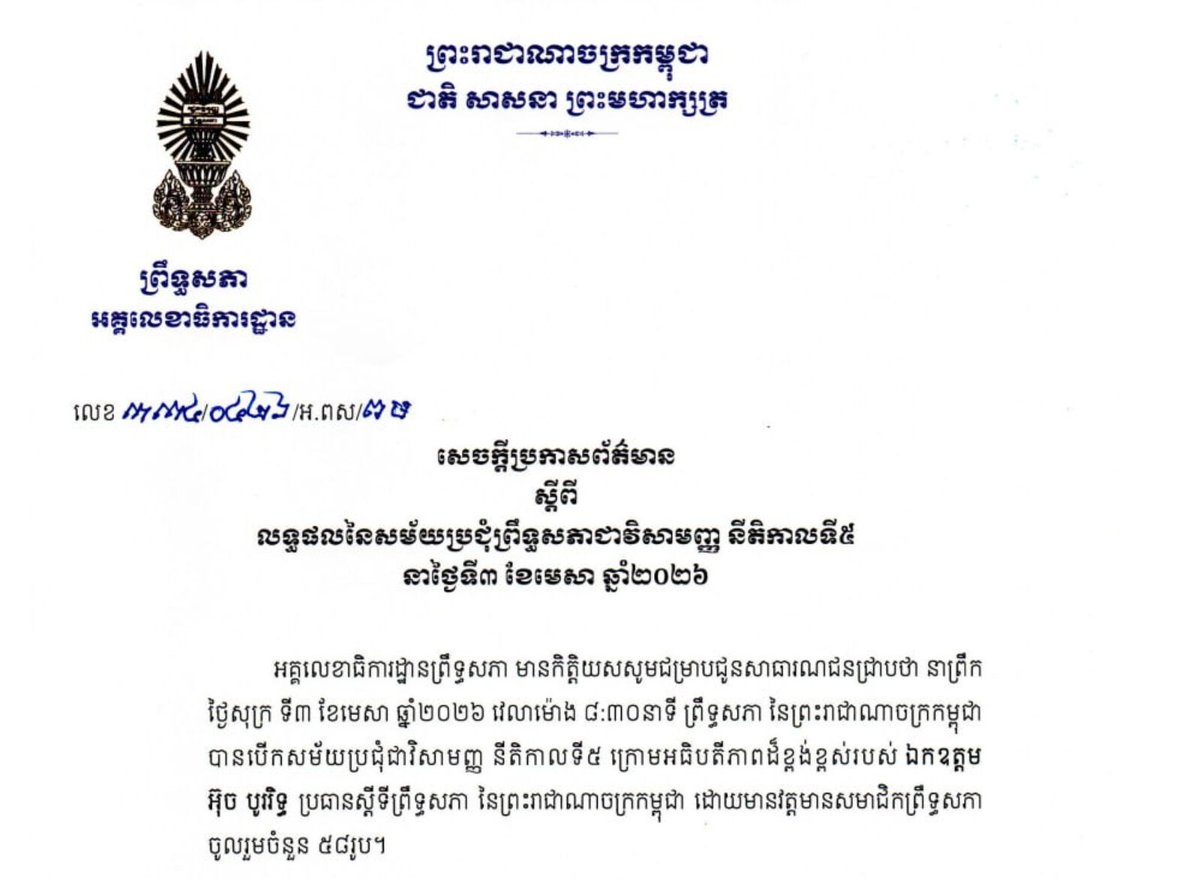
🇰🇭 POLICY: Crypto scammers can now face up to 5 years behind bars in Cambodia.
English
DΞ.Fi MaXi 🛡️
84K posts


@Loedere
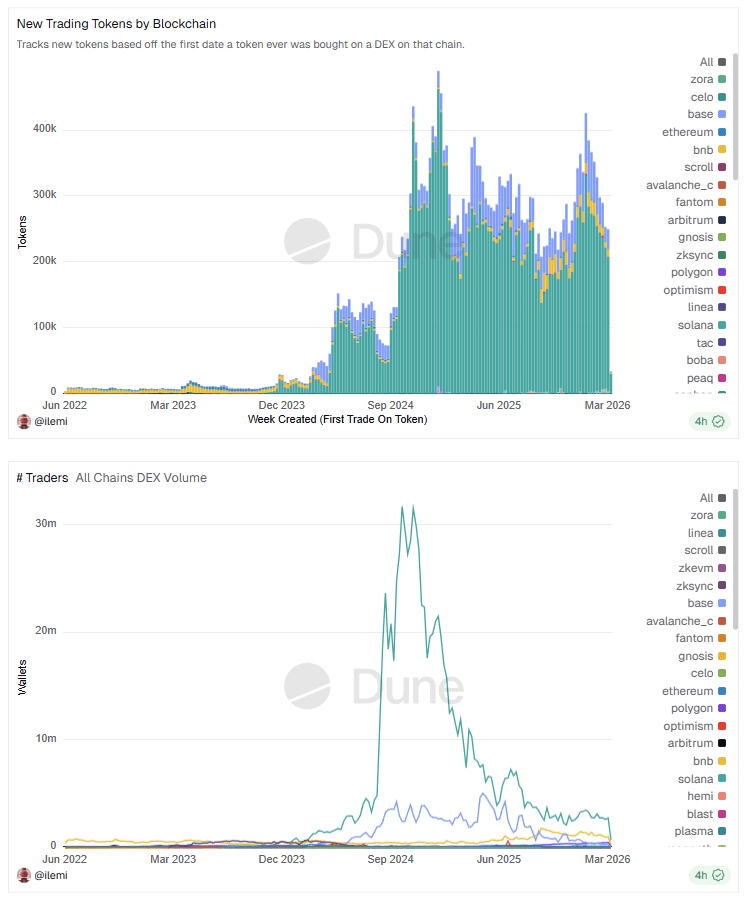
Welcome to the golden age of FRAUD

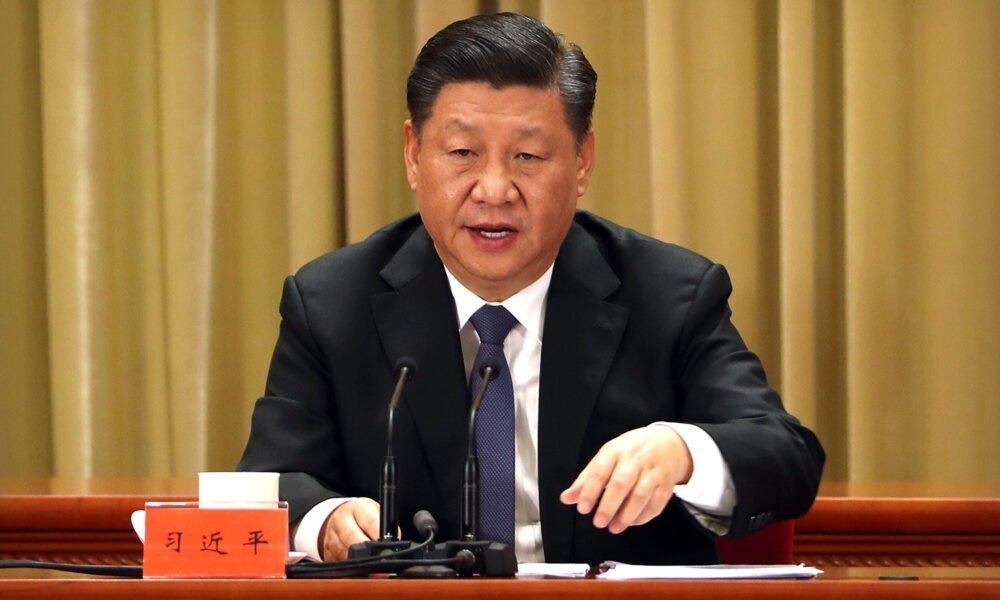
Huione users are now protesting outside the National Bank of Cambodia, demanding the release of frozen funds from their digital wallets. This after chairman Li Xiong was arrested and extradited to China this week.










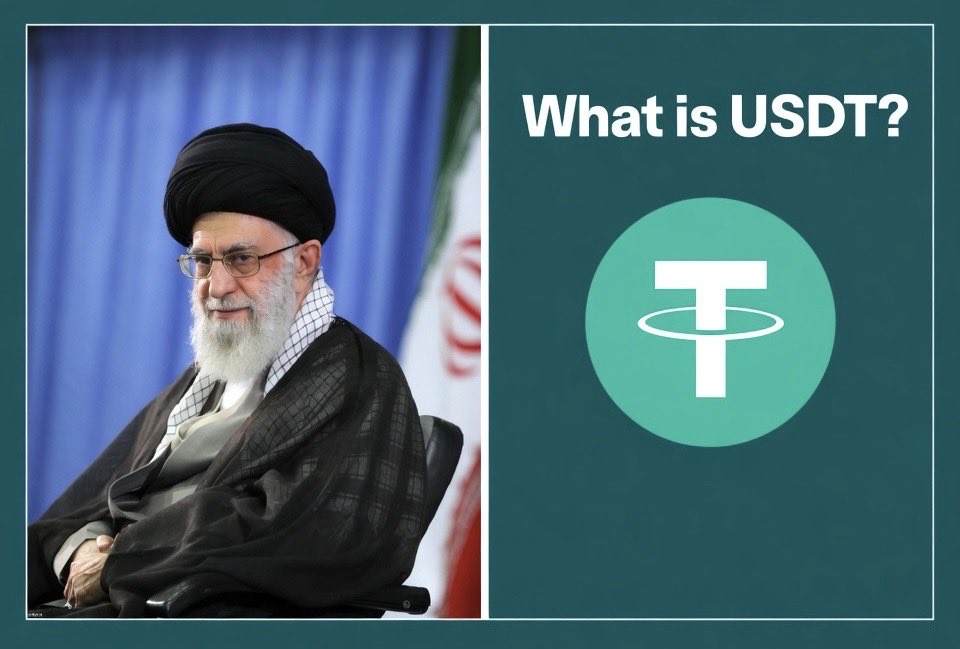
Scott Bessent can freeze the wallets. He has done it. Tether blacklisted $182 million in IRGC-linked USDT in a single day in January 2026, weeks before the war began. In March, another $6.76 million was frozen in wallets tied to the IRGC and Houthis. Cumulatively, Tether has frozen over $3.3 billion in sanctioned stablecoin holdings at OFAC’s direction. The Treasury Secretary has the legal authority under the GENIUS Act to order any permitted stablecoin issuer to freeze or seize tokens on lawful order. Chainalysis and TRM Labs can cluster IRGC addresses within hours using deposit pattern analysis, contract interaction mapping, and behavioural timing models. The identification is fast. The seizure is proven. The authority is statutory. And it catches one dollar in five. The other four dollars fund the war. The IRGC moved $3 billion through crypto in 2025. Over 50 percent of all Iranian crypto by Q4 ran through IRGC-linked addresses, mostly USDT on Tron. When Bessent designates a wallet, Tether blacklists it at the smart-contract level, even on Tron. But the IRGC does not hold funds in one wallet. It layers across intermediary addresses, routes through OTC desks in Dubai and Hong Kong, bridges across chains, and cycles through decentralised exchanges with no KYC and no obligation to respond to OFAC. Disruption rate: 10 to 20 percent. Evasion rate: 80 to 90 percent. The GENIUS Act gave Bessent the sword. The IRGC built the maze. The CLARITY Act was supposed to close the maze. It has not passed. The Digital Asset Market Clarity Act cleared the House in July 2025 and has been stalled in the Senate since January 2026. Section 309 of the bill explicitly exempts decentralised finance activities from registration requirements. Cross-chain bridges and decentralised exchanges, the exact tools the IRGC uses to route funds beyond Tether’s freeze capability, would be protected under the DeFi exemption as currently drafted. The Act that would regulate crypto market structure contains a carve-out for the infrastructure that sanctioned actors use to evade the regulation the companion Act already provides. One law creates the freeze. The other law, if passed as written, would exempt the escape. The GENIUS Act works on known wallets. Chainalysis clusters them. OFAC designates them. Tether blacklists them. The cycle takes hours to days. But the IRGC creates new wallets faster than OFAC can designate them. Each frozen address is replaced by three unfrozen ones. Each freeze teaches the adversary which patterns triggered detection. The law and the adversary are co-evolving in real time, and the adversary iterates faster because it has no compliance burden, no rulemaking process, and no Senate calendar. The Hormuz toll operates in the gap between these two statutes. The GENIUS Act enforces 10 to 20 percent of the time. The CLARITY Act, which might close the DeFi exemption and extend jurisdiction over the bridges the IRGC uses, cannot pass because the Senate is consumed by the war the toll funds. The toll sustains the war. The war delays the legislation. The sequence feeds itself. Bessent has the authority. Tether has the capability. Chainalysis has the intelligence. The IRGC has the maze, the speed, and the 80 percent evasion rate that turns a powerful statute into a partial remedy while its companion sits in a Senate committee that cannot find floor time because the war it might help end is still burning. open.substack.com/pub/shanakaans…




WATCH: Michael Saylor freak out when questioned about how $BTC "treasury companies" like $MSTR, are going to compete over limited private equity liquidity.