Maxim W

1.2K posts

Maxim W

Maxim W

@MaximWi

Beigetreten Ocak 2012
441 Folgt36 Follower
Ann Dooms
Ann Dooms@AnnDooms·
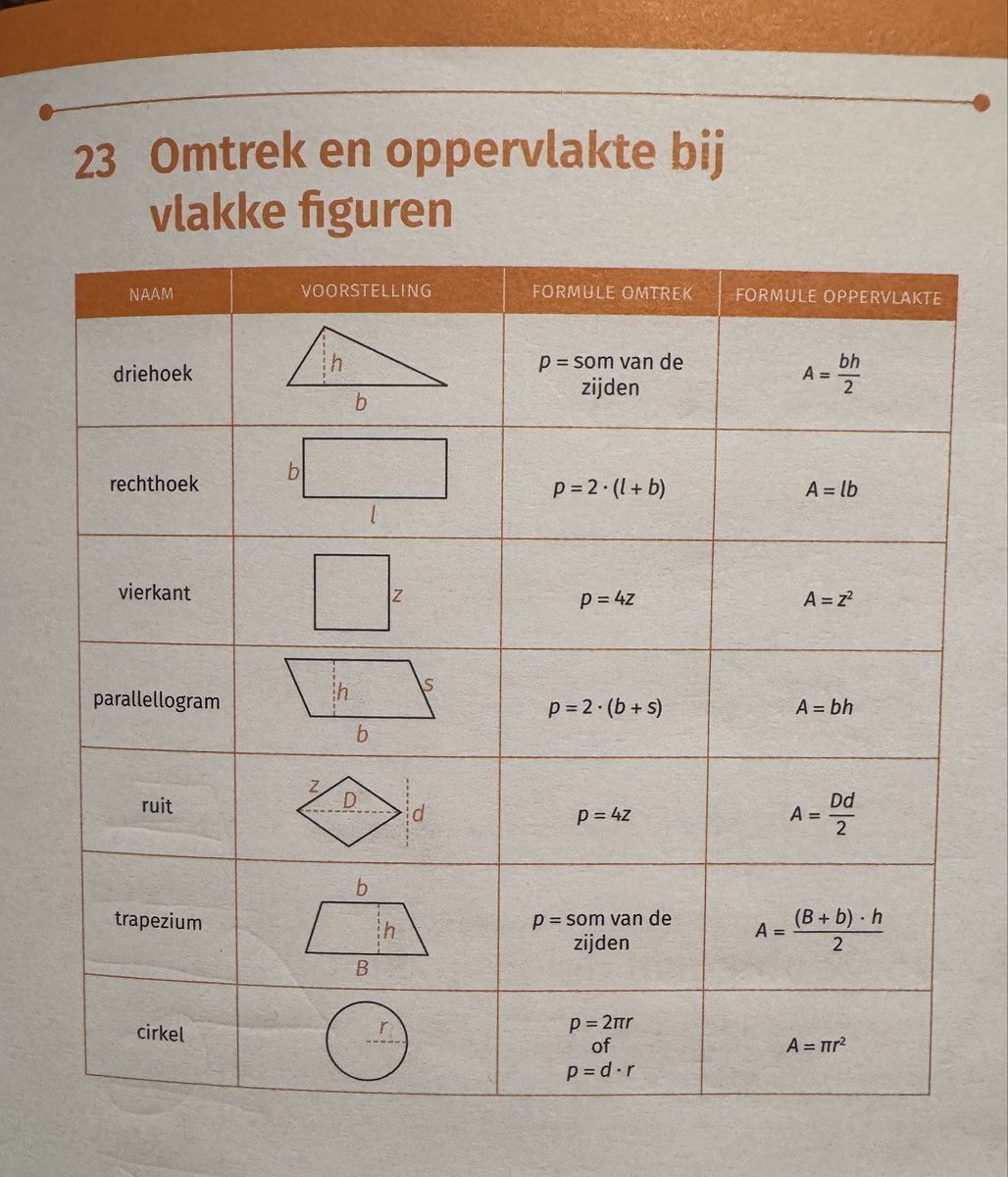
@Zu_Demir We moeten echt dringend naar degelijk leermateriaal opgesteld door vakexperten! Een bekende uitgever slaagt erin om een fout te maken in de al 4000 jaar oude formule voor de omtrek van een cirkel 🤬
Ann Dooms tweet media
Nederlands
20
15
127
12.9K
pieter vandeperre
pieter vandeperre@Pieter_vdperre·
@koenfrans Een lange competitie met 18 ploegen is niet meer van deze tijd en een BeNe liga komt er niet meteen. Kan enkel voor mezelf spreken maar ik ga er geen tickets/ abo voor kopen. PO heeft hier jonge talenten platform gegeven zoals Debruyne, Courtois, Tielemans, Fellaini, Decuyper...
Nederlands
4
0
1
523
Koen Frans
Koen Frans@koenfrans·
Er zaten gisteren 11.327 supporters in de Cegeka Arena van Genk. Niet eens halfvol. Standard-Antwerp lokte een schamele 8.000 fans. Sclessin bleef voor de tweede thuismatch op rij voor meer dan twee derde (!) leeg. Speeldag 4, he. Nog 6 te gaan. Leve de play-offs! 🤓
Nederlands
34
13
334
42.7K
Maxim W
Maxim W@MaximWi·
@FionaFeagle Het vast benoemd zijn werkt maar in 1 richting blijkbaar.
Nederlands
0
0
1
446
Fiona Dewaele
Fiona Dewaele@FionaFeagle·
Schaf heel die zeik toch gewoon af.
Fiona Dewaele tweet media
Nederlands
17
1
92
9.5K
Romain Hedouin 🇫🇷 Unit Police
Sometimes, I wish the grid in Europe wouldn't be so reliable, then I would have a reason to get myself a home battery Then I realize how ridiculous that sounds and I go back to being grateful for having experienced exactly ZERO black-outs in 28 years
Dirty Tesla@DirtyTesLa

The grid has failed 😔 But Tesla Powerwall keeps energy flowing 😁 plenty of power to make it until tomorrow, where the sun will recharge the battery, grid or not.

English
34
18
434
25.5K
Maxim W
Maxim W@MaximWi·
@marcje74 Dit is waarschijnlijk met 0% BTW, voor installatie in Duitsland.
Nederlands
1
0
0
31
☀️ Marc ☀️
☀️ Marc ☀️@marcje74·
In Duitsland koop je voor slechts 2750 euro een 10(!) kWp zonnepanelen set. 21 panelen met een omvormer. Er komt nog wel een montageset bij. 5 jaar geleden betaalde je het dubbele voor dezelfde set.
☀️ Marc ☀️ tweet media
Nederlands
21
1
46
8.7K
Ruben Baetens
Ruben Baetens@RubenBaetens·
@MR_officiel 60% ? Met 60 ct/l accijnzen en 21% btw kom je toch eerder op max. 45% uit, denk ik. En die 60 ct/l is lager dan in Nederland, Frankrijk, Duitsland, ...
Ruben Baetens tweet media
Nederlands
4
1
23
776
MR
MR@MR_officiel·
💬 « Moins d’État pour plus de pouvoir d’achat » : la ligne du MR est claire et cohérente. ⛽ Aujourd’hui, un plein d’essence, c’est jusqu’à 60% de taxes. Le problème n’est pas seulement le prix… c’est ce que l’État prélève. ⚖️ Pour redonner du pouvoir d’achat, il faut agir à la racine : moins de dépenses publiques inutiles, moins d’abus, plus d’efficacité. 💡 Moins d’État, ce n’est pas moins de services. C’est un État plus juste, qui prélève moins et rend plus aux citoyens. ✍🏼 Vous aussi vous voulez plus de pouvoir d’achat et une gestion responsable de l’argent public ? Rejoignez-nous : mr.be/adhesion #MR #PresidenceMR #PromessesTenues #FierDetreLiberal
Français
90
13
76
14.7K
Maxim W
Maxim W@MaximWi·
@actandevolve Ik stel voor dat we ze voor de zekerheid allemaal opnieuw controleren, iedereen tevreden.
Nederlands
0
0
0
11
Geneviève Toye, sorry "s" key is not alway willing
290 dossiers op ~470.000 invaliden = 0,06%. Statistisch niet representatief. Een steekproef van nieuwe gevallen, zwaar biased naar de instroom en niet representatief voor de totale groep. Maar het klinkt goed om zuilen vleugellam te maken voor zij die geen sterke zuilen hebben.
🦋Ann Van Haute 🦋@Anneke172351868

Het RIZIV rapport gebaseerd op 290 dossiers dateert van augustus 2020, de Corona periode tussen 2 lockdowns en was toen onder bevoegdheid van Maggie De Block. Vandenbroucke kwam maar pas op de proppen in oktober 2020. Zijn er dan geen andere RIZIV rapporten geweest na Corona die tot dezelfde conclusies kwamen ?

Nederlands
19
6
35
2.9K
Maxim W
Maxim W@MaximWi·
@fbeirao Highvoltage vs lowvoltage.
Dansk
0
0
0
22
Francisco Beirão
Francisco Beirão@fbeirao·
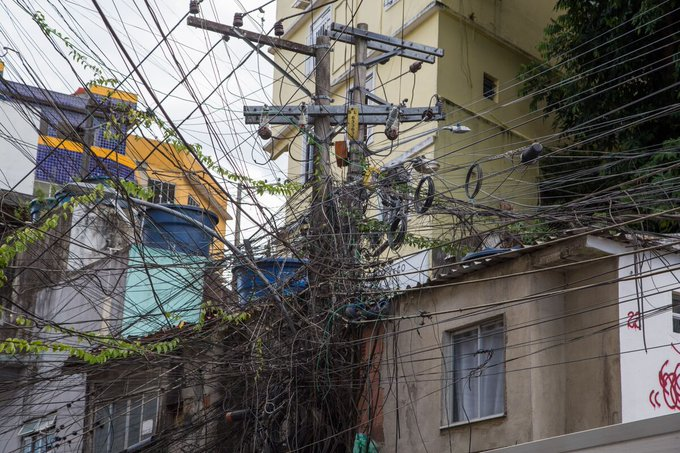
European energy regulations: elegant on paper, very different in reality.
Francisco Beirão tweet mediaFrancisco Beirão tweet media
English
3
3
16
1.2K
Ambassador Idit Rosenzweig-Abu
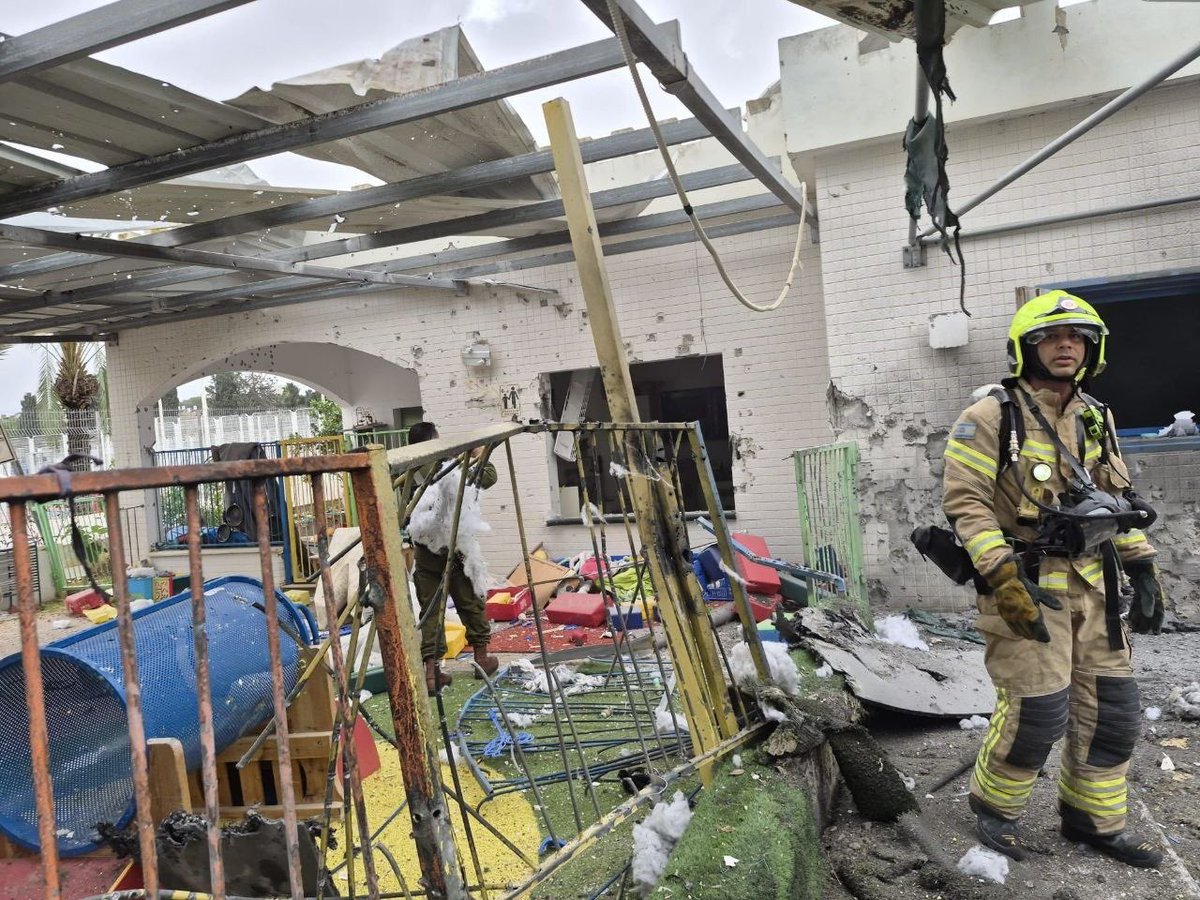
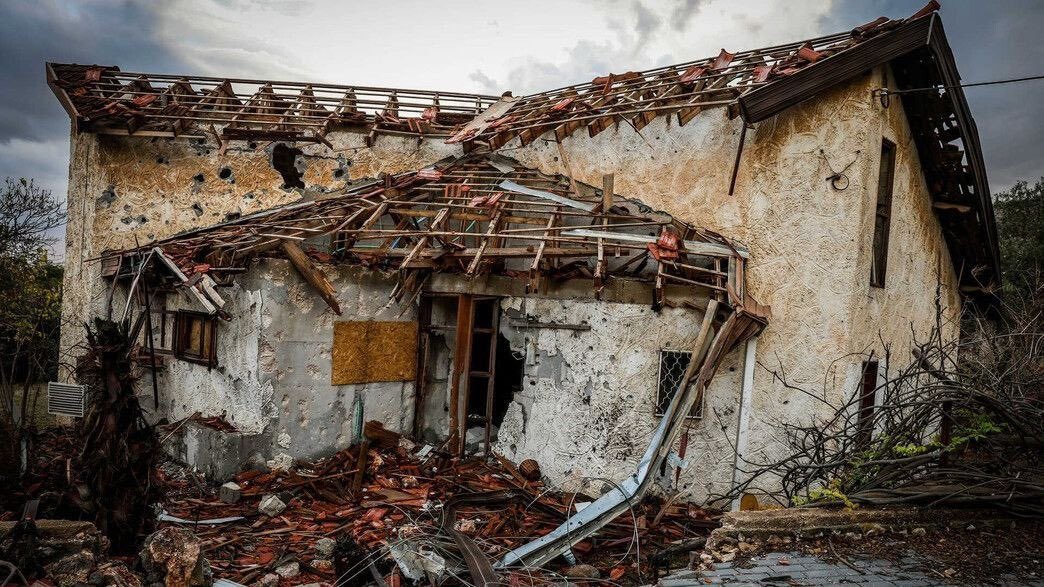
Since Belgian press likes to paint it as a one sided war and only talk about “Lebanese civilians”, here are some photos you won’t see on VRT. Israeli civilians in the north under constant bombing. Including tonight and today. Remember- Hezbollah started this war. Not Israel.
Ambassador Idit Rosenzweig-Abu tweet mediaAmbassador Idit Rosenzweig-Abu tweet media
English
1.6K
901
3.6K
559.1K
Anish Moonka
Anish Moonka@anishmoonka·
Filling up your gas tank takes about 5 minutes. BYD just made an electric car that charges to 70% in the same time. And they're selling it for $22,000. Full numbers: 10% to 70% battery in 5 minutes. 10% to almost full (97%) in 9 minutes. Their luxury car, the Denza Z9GT, adds 310 miles of driving range in that 5-minute window. Pumping gas into a normal sedan takes about 3-5 minutes of actual fuel flowing. So the tweet's claim checks out, BYD's charge time now sits in the same zone as a gas station fill-up. BYD's chargers push 1,500 kilowatts into the car. Kilowatts are just a measure of how fast energy moves, think of it like water pressure in a hose. More pressure, faster fill. Tesla's brand-new V4 Supercharger, which began appearing in early 2026, tops out at 500 kilowatts. And only a couple of those exist. The charger you'd find at a typical American highway rest stop does about 350. BYD is delivering 3x what Tesla's best can do and about 4x the standard fast charger. The catch. All of this only works at BYD's own "Flash Charging" stations. Plug into a Tesla Supercharger or any other brand and you're back to regular speeds. BYD has 5,000 of these stations across China right now, with a goal of 20,000 by December. Each station has a battery pack built right into it, which sips electricity from the power grid all day, stores it up, then dumps it into your car at full blast when you pull up. Smart workaround, because most power grids would buckle if you tried to pull 1,500 kilowatts straight off the wire. The battery runs on a cheaper chemistry called lithium iron phosphate, which skips expensive metals like cobalt and nickel. Those cells cost about $81 per unit of storage versus $128 for the nickel-based cells in most American and European EVs, a gap of more than 50%. BYD can sell their Song Ultra EV at $22,000 and still pack this speed in. Over 37,000 people ordered one in the first week. BMW fired back publicly. Their battery production chief said chasing these speeds means sacrificing how long the battery lasts and how far the car drives on a single charge. BMW's new electric i3 charges at 400 kilowatts and they call it the right balance between speed and durability. BYD claims their battery survives 3,000+ full charge cycles (a full charge-and-drain counts as one cycle) at these speeds. A BYD number though, not independently tested yet. BYD is now bringing the Z9GT to Europe at about $39,000, with Daniel Craig fronting the ad campaign. Flash Charging stations are following close behind. If BYD builds out the network fast enough, the one thing gas cars still had going for them, a faster fill-up, just stopped being true.
Daily Loud@DailyLoud

Chinese carmaker BYD unveils a recharge as fast as filling up with gas

English
4
10
66
15.5K
Maxim W retweetet
Glenn Diesen
Glenn Diesen@Glenn_Diesen·
The US may or may not destroy a civilisation today. Either way, its allies’ silence will live on in shame.
Glenn Diesen tweet media
English
202
2.6K
8.7K
94.2K
Maxim W
Maxim W@MaximWi·
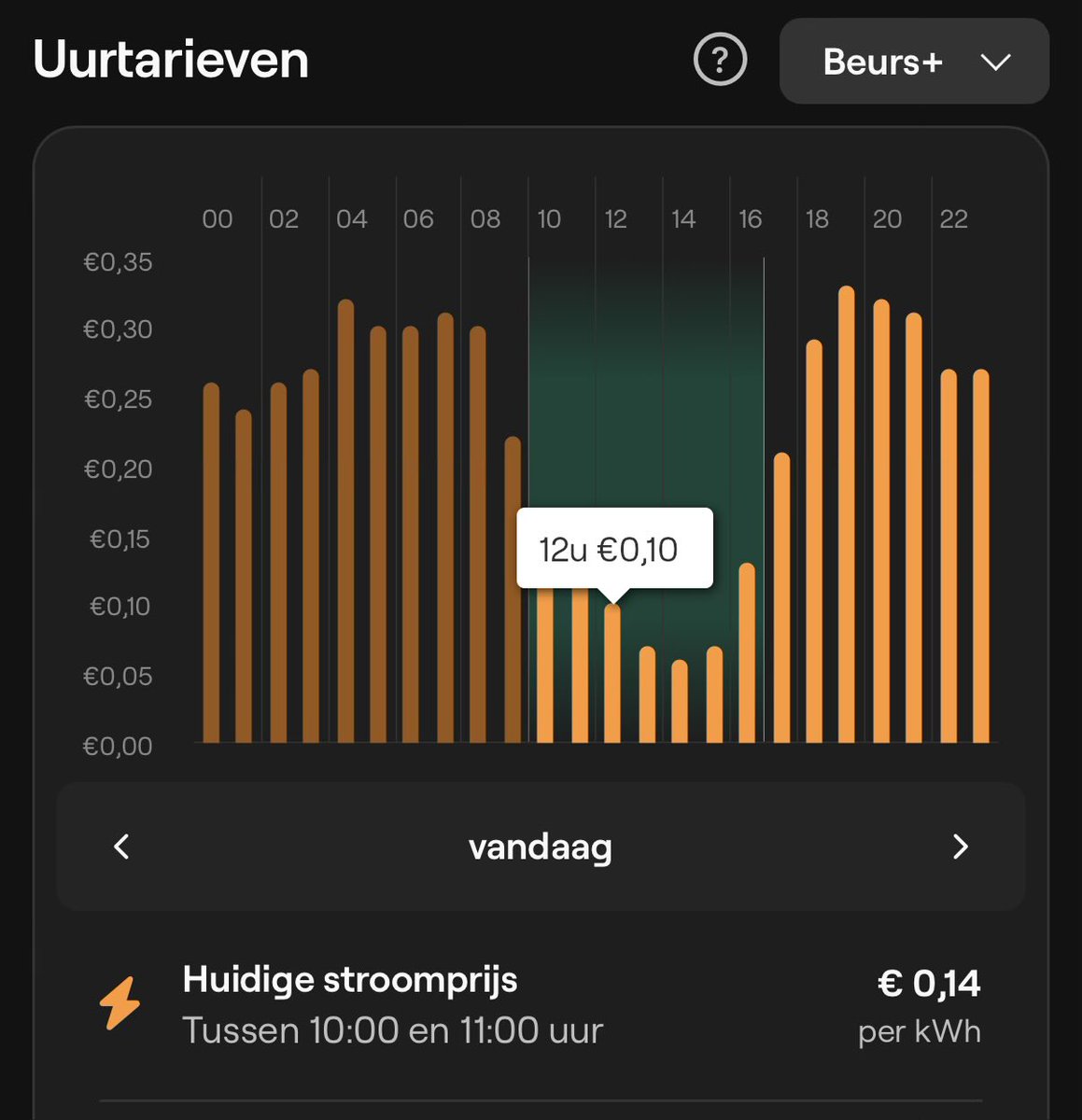
@marcje74 Op je screenshot zijn de uurtarieven niet negatief.
Nederlands
1
0
0
49
☀️ Marc ☀️
☀️ Marc ☀️@marcje74·
Tussen 12:00 en 16:00 duikt de kale elektriciteitsprijs onder nul vandaag. In combinatie met zonnepanelen dus vrijwel gratis laden. Zo zorg ik er voor dat gratis energie waarde krijgt. Het is zo simpel. Veel plezier aan de pomp!
☀️ Marc ☀️ tweet media
Nederlands
50
2
41
3.9K
Maxim W
Maxim W@MaximWi·
@DamienERNST1 Can someone explaine the sharp rise and fall?
Maxim W tweet media
English
0
0
1
273
Maxim W retweetet
Oscar Hammerstein
Oscar Hammerstein@HammersteinO·
Als Duitsland in 2000 bij kernenergie was gebleven, had het volgens berekeningen €600 miljard bespaard en meer CO₂-vrije stroom geproduceerd. Nu heeft het een van de hoogste energieprijzen ter wereld én een van de slechtste CO₂-balansen in de EU. Energiebeleid kan ook een vorm van zelfbeschadiging zijn.
Nederlands
117
759
2.8K
78.5K
daffidj
daffidj@AngryMacarons·
@JurgenGeevels dit kost je 85 euro gedeeld door 12 maanden per jaar. enkel indien je dit elke maand doet dus. Maar je punt staat: voor de rest van de maand maken pieken niet meer uit; het is een dom systeem
Nederlands
3
0
1
1.9K
Jurgen - Minister van Katjes 🇺🇦🍉 🚙⚡️⚛️
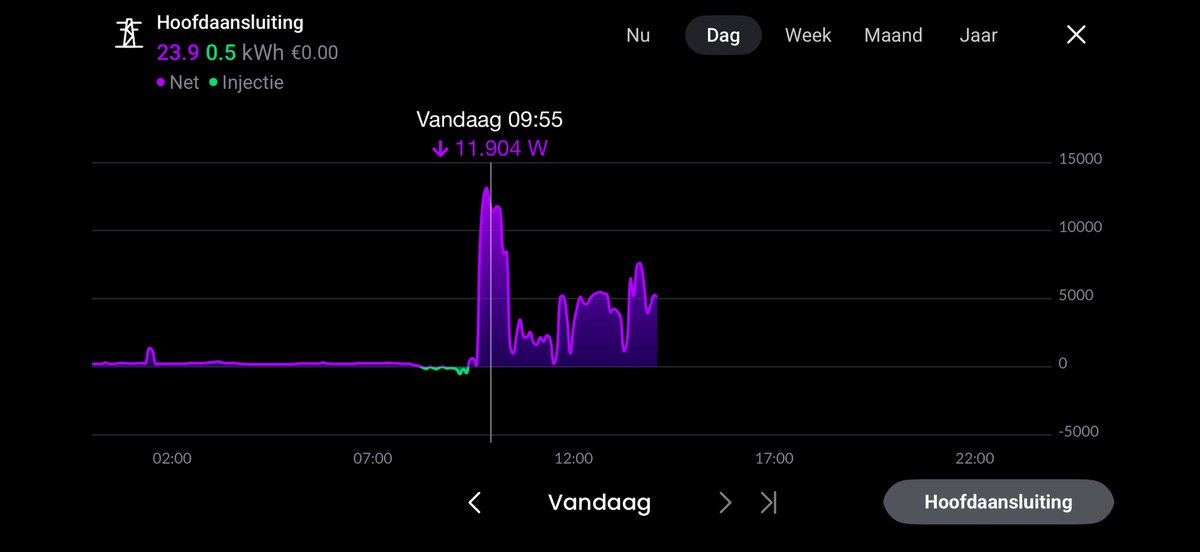
Ik blijf het een belachelijk systeem vinden. Deze ene accidentele piek van 15 minuten kost me zo’n 85 euro aan capaciteitstarief.. De rest van de maand heb ik dus 0,0 redenen om mijn pieken lager te houden.
Jurgen - Minister van Katjes 🇺🇦🍉 🚙⚡️⚛️ tweet media
Nederlands
53
31
335
37.2K
Jan Deschoolmeester
Jan Deschoolmeester@JDSchoolmeester·
Misschien moet de Belgische overheid ook maar eens stoppen met fossiele brandstoffen te oversubsidiëren. Per capita zijn we 1 van de koplopers in Europa. Zo ga je natuurlijk nooit onafhankelijker worden van geopolitieke prijsschokken.
Gert Peersman@GertPeersman

Ook in 2022 werd beweerd dat de overheid verdient aan hogere energieprijzen. Ik heb toen becijferd dat in de praktijk het tegendeel geldt. Bij de huidige prijsschok komt dat neer op een verlies van meerdere miljarden... 👇

Nederlands
10
3
11
3K
Nick Durham
Nick Durham@pnickdurham·
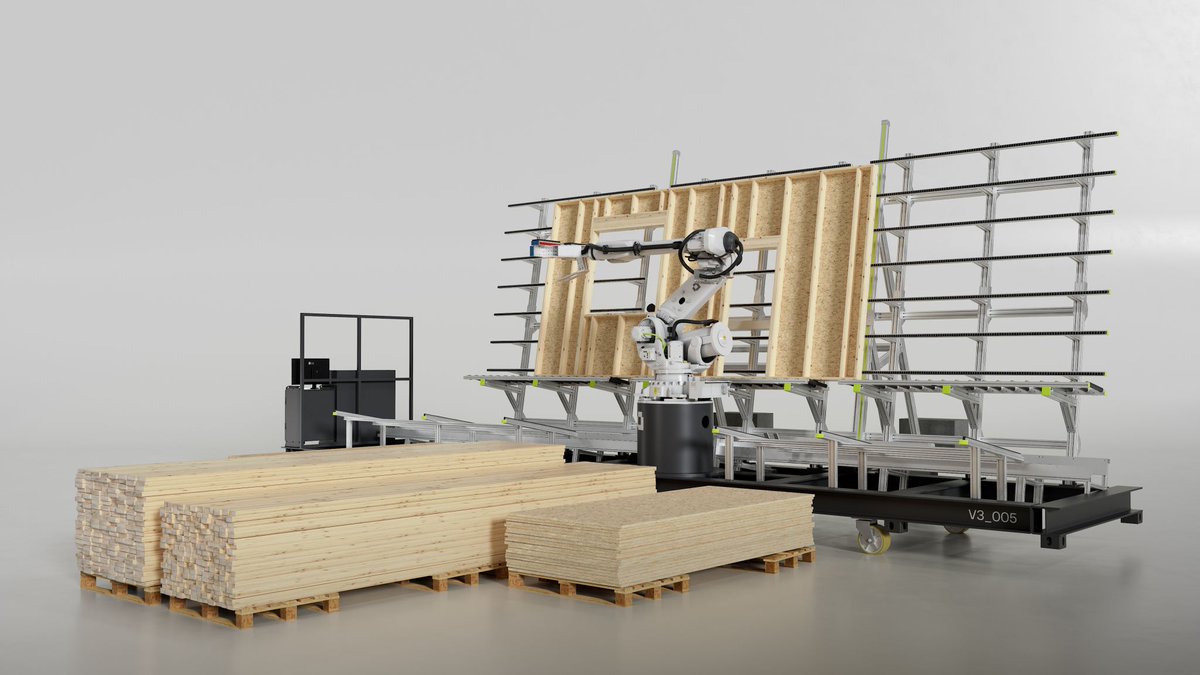
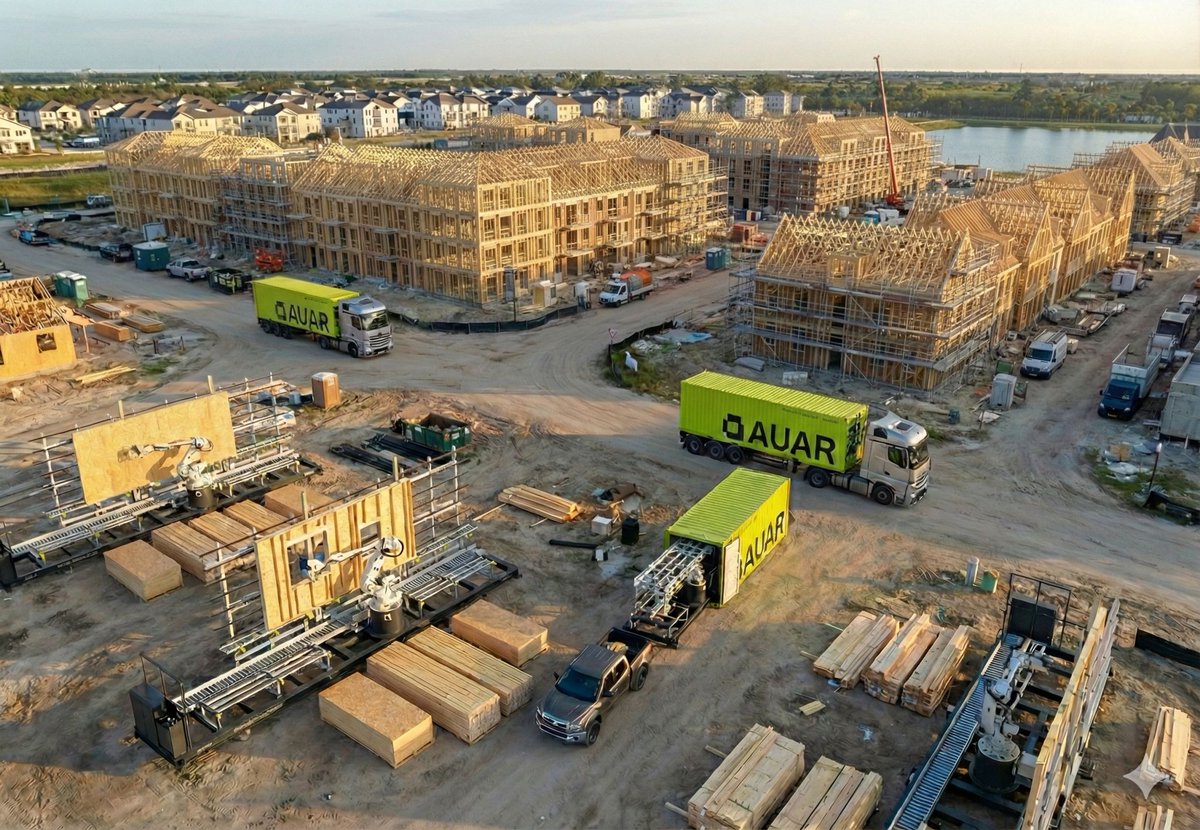
The most expensive way to build a house is in a factory. Prefab housing costs more than building by hand. After centuries of attempts, new technology waves, literal robots working in factories, and billions of dollars, it's crazy that's still true. We've tried vertical integration down to the nail, we've tried automated factories, we've tried reimagining the wall itself, we've tried panel plants from large building product companies. Since the 1970s, we've seen over 30 prefab companies in the US alone take a swing. When they inevitably fail, the value narrative quickly changes to "production capacity" "efficiency" and "quality." Cop out answers, respectfully, because cost has always been the reason one ventures into prefab. What have we learned from the collective trauma of centuries of failure? What assumptions can we question? One common thread is the belief that production must be centralized ala manufacturing environments. Scale comes from centralization, of course. However, in construction, centralized factories run into three huge constraints. 1/ CapEx. A traditional factory can cost $25M+ and needs high utilization for decades to amortize. Housing starts can swing 30-40% cycle to cycle so being able to withstand periods when demand slows and fixed costs don't is nonnegotiable. When demand inevitably picks up favorably, the factory is also limited and can't chase it. 2/ Transport. Finished wall panels are bulky, fragile, and expensive to ship. Kitting is promising, however the more finished the product, the bigger the risk. A fixed factory is locked inside a ~150-200 mile delivery radius. Panelizers, for example, need ~180 plants just to serve a fraction of the US market. 3/ Capacity mismatch. Builders need flexible, local capacity that flexes their pipeline. Factories need standardization and steady volume. These needs are always at odds. As a result of these constraints, 85% of US residential construction buys manual stick-frames. A shippable microfactory is an attempt to try something new in prefab. Instead of shipping bulky wall panels from a distant plant, you ship the factory itself and do construction on-site. The factory is located on or near the job site, so transport costs for finished components drop to nearly zero. And when the project ends, the factory moves to the next one or the next builder. Need 50 homes? Deploy one unit. Need 500? Deploy a fleet. Capacity matches the pipeline, not the other way around. Seems promising enough, right? A few companies are running with this concept. @GillesRetsin and AUAR sell structural framing capacity. They ship a containerized robotic cell to your jobsite, integrate with your design process, and fabricate a full home's structural shell in under 8 hours (roughly 80% less framing labor than a manual crew). The builder never owns the factory. AUAR owns and deploys it, and the builder pays per unit of output. CapEx goes to literal zero. @AGampel1 and Cuby Technologies are doing shippable microfactories but taking a full vertical integration approach. They JV with a developer and deploy a ~$10M microfactory that produces a complete kit of parts, foundation through finishes. Their first US factory is launching in Nevada tied to a 3000+ home pipeline. (the 3DP companies are also an example of this, shipping printers to jobsites, but we'll leave them in a separate category for now)
Nick Durham tweet mediaNick Durham tweet mediaNick Durham tweet media
English
72
62
608
80.5K
jean boostermans™
jean boostermans™@Luchtbakker·
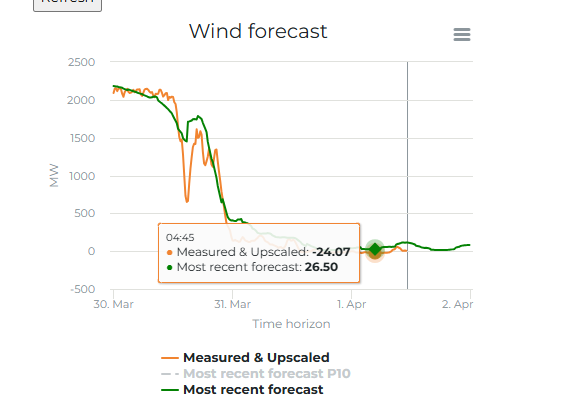
Leuk weetje: Onze kerncentrale-op-zee produceert nu - (min!) 24 megawatt. 🤔 Helaas zal de negatieve kost niet in rekening gebracht worden in de "Offshore toeslag" en "Bijdrage GSC" op jullie elektriciteitsfactuur.
jean boostermans™ tweet media
Nederlands
3
7
54
1.5K
Maxim W retweetet
Adam Johnson
Adam Johnson@adamjohnsonCHI·
Did anyone ever see a shred of evidence for the supposed Iranian attack on Diego Garcia that was used to try and draw Europe into the war, or was it just quick hit stenography and now everyone has moved on
English
69
424
3.6K
59.8K