

Rêya Azadîe
677 posts
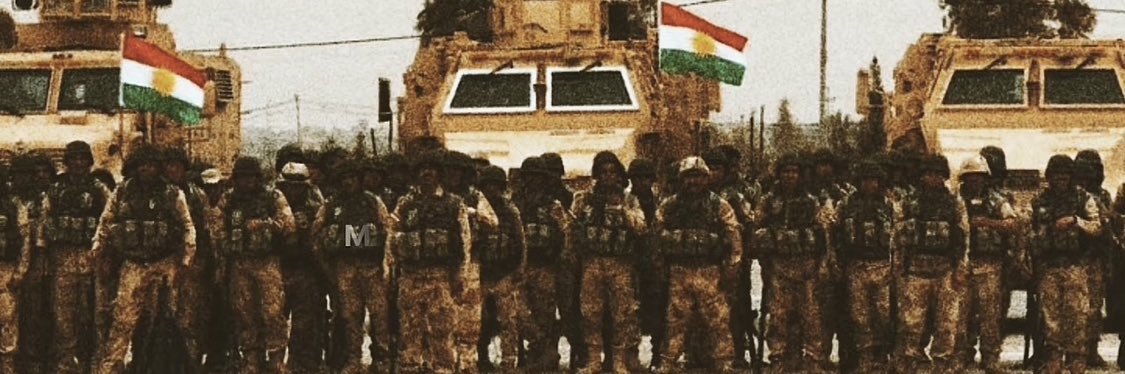


كل هذه القوات التي يرسلها البارازاني ليس لها أي قيمة عسكرية.
كلهم عبارة عن جنود جالسين في الثكنات منذ أعوام طويلة يكشون الذباب ولم يشاركوا بأي حرب أو معركة تذكر.
هؤلاء بالنسبة للجيش السوري مجرد أطفال حضانة وسيهربون عند أول طلقة...
العربية
@gavzhsnzb @EhmedeXani رح تنفينا من السعودية ؟ سكر كاريز تمك احسن ما اجي اقطع راس اختك قدام
العربية

@EhmedeXani حضرو حالكم ولله ولله لنفنيكم عن بكرت أبيكم يا صهاينه
العربية


الاكراد في الجزيرة السورية ليسوا اهل أرض بل هم لاجئيين جاؤوا من تركيا بين عام 1925 وعام 1990 بعد فشل ثورتهم في جنوب تركيا وسكنوا في المدن والقرى الحدودية القامشلي والدرباسية وعمودا وعين العرب وفي هذه المدن والقرى لا يوجد قبر كردي عمره اكثر من 100 سنة
العربية

جائزة كبيرة لكل من يدلي بمعلومات عن مكان تواجد هذا الحقير
العربية
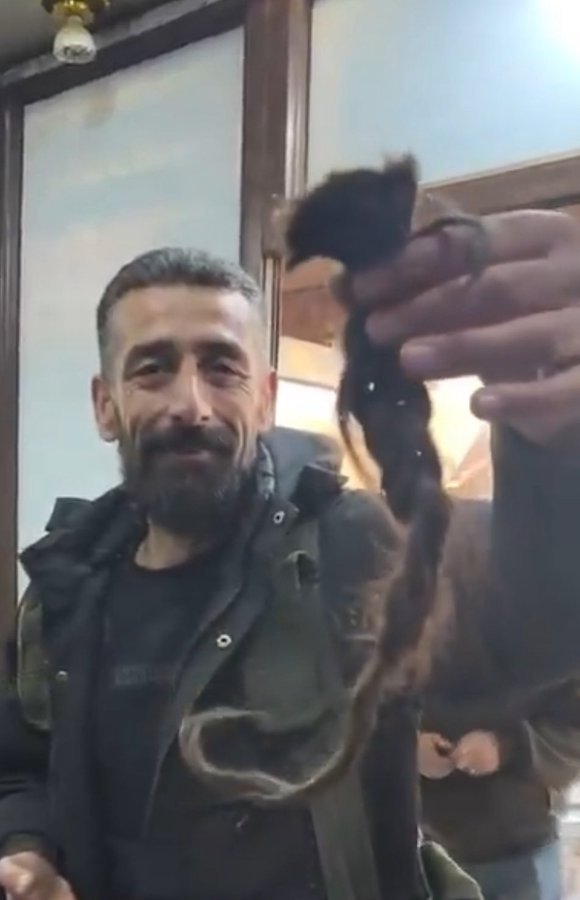
@ramealbjaree @Jamil_Alhasaan يا رامي ، مثل ما علقت شعر بنت كردية ب ايدك وعد شرف ل علق راس بناتك ب باب بيتك ازا أوصلك. عيش لحتى يجي وقت الحساب.
العربية

#تل_ابيض
الجيش العربي السوري يصد محاولة تسلل لعناصر تنظيم قسد بريف تل ابيض شمال الرقة
@Jamil_Alhasaan
العربية

This man is a former ISIS member who is currently Syrian Arab Army member.


English
@tmrrah9 انتم اجبن من ان تضلون من دون المظلة الأمريكية. بس يخلص الفلوس والنفط وقتها منو يحميكم
العربية

تقرير:
السعودية 🇸🇦 هي من الدول القليلة في العالم التي لا يوجد بها اي قاعدة عسكرية امريكية او وجود امريكي دائم🇺🇸 ، وتحمي نفسها معتمدة على ابناء شعبها و قدراتها العسكرية الخاصة
العربية
@GreatIsrael0 مااعرف من وين جابو هل قادات النا لا سياسة ولا تكتيات حربية، ما خرب بيتنا غير اخوة الشعوب وفكر القائد الخريني. تحت اسمها سلب اتاتورك كردستان وتحت أسمها قتلونا العرب
العربية
الأكراد من أغبى شعوب منطقة الشرق الأوسط من ناحية القومية والدينية.
قتلهم العرب ويقولون لهم إخواننا.
سبّوا نساءهم باسم الدين، كانوا أكثر عشقًا لتلك الدين.
خطفوا أطفالهم باسم غنائم الحرب، اعتبروا العرب جيرانهم.
إنهم ليسوا مظلومين بل ليس لديهم هدف قومي حقيقي وهم متشتتون.
العربية
💯
Nebil Youssef@NebilYousif
� يجب ألا يُرفع علم قوات سوريا الديمقراطية (SDF) بعد الآن في روجافا كُرد روجافا ليسوا سوريين؛ إنهم كُرد من كردستان الغربية (روجافا)، التي تحتلها عصابات تدّعي التعايش بينما تحاول تدمير شعبنا. قواتنا ليست من أجل سوريا؛ قواتنا كردية، ومن أجل كردستان. لن نقبل إلا بعلم كردستان في جميع مدن روجافا. هذا أبسط حقوقنا، وعلى قادتنا احترام إرادة الشعب. عاش الكُرد، عاشت كردستان! @Yasser_Kobani #DefendRojava #KobanêUnderAttack #StopKurdishGenocide
ART
@RD_turk تحت اسم الدين اتاتورك خدع الشعب الكردي ب اخوة الشعوب وضم كردستان إلى تركيا الحديثة وخنتم الأكراد وقمعتوهم عندما رسمت الحدود ، لا ترضون ب لافتة كردية في تركيا. اين اخوة الشعوب والإسلام من هذا ؟ لا يؤمن احدكم حتى يحب لاخيه ما يحب لنفسه.
العربية
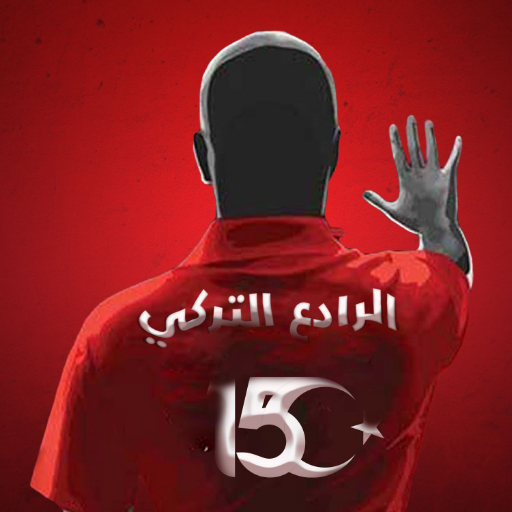
تحيةً لهذا الموقف 👏
شاب كردي:
"أنا كردي مسلم. ديني لا يُشير إلى الهوية الكردية. أنا مسلم قبل كل شيء. نبيي يتحدث عن الأمة الإسلامية. إسرائيل وأمريكا تستغلان الأكراد منذ سنوات."
العربية
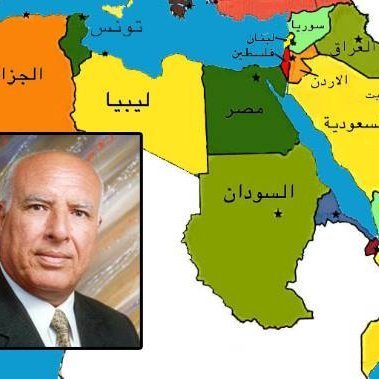
منظمة قسد الكردية شمال شرق سوريا أقوى من المقاومة الفلسطينية في غزة بشكل لا يقاس!
والجيش السوري أضعف ألف مرة من الجيش الإسرائيلي والأمريكي.
ومع ذلك، غزة صمدت سنتين، وقسد لم تصمد يومين،
فلماذا؟
العربية

يجب السيطرة على الحدود السورية العراقية وبشكل عاجل... حتى يجب إغلاق الحدود مع العراق تماما ذاك بلد لم يأتينا منه إلا الشر !! بالأمس شيعة واليوم ملاحدة قنديل ...
العربية
@AJArabic للامانة ماشفت على هاي القناة العاهرة اي من الاعتداءات التركية ع سوريين ، الكردي نايج نسوان القطريين ومو دافعين لهم يعني ؟
العربية

بث ناشطون مقاطع فيديو توثق هجومًا على مطعم سوري في مدينة دورتموند الألمانية، ووفق الناشطين فإن الهجوم وقع خلال مظاهرة مؤيدة للأكراد، حيث قام المشاركون بتكسير المحل والاعتداء على العاملين فيه
#فيديو
العربية
@Imaqak شو منشان الأتراك الي دعسو ع راسكم بتركيا ونتفو شواربكم وكسرو محلاتكم وعلى مر التاريخ ايضا ؟ اعتبرنا تركي ياخي وخلي يفوت فيكم بدون صوت
العربية

التهمة : عربي سوري
مؤيدي pkk/قسد الهمج القرباط يهاجمون السوريين في مانشستر - بريطانيا وشتائم لجميع العرب بدون استثناء
رسالة لأكثر من 400 مليون عربي
@UK
العربية
@omar_alharir شوف يا مستعرب رح قلك الفرق بينا :
الكرد لبو نداء اهلهم وهمة عارفين أنها معركة خاسرة لانهم رجال. فلسطين تدمرت بل كامل وسنين ينادون العرب أمة ال 30 دولة ولا كلب منكم تجراء وذهب لمساعدتهم.
العربية

فيديوهات جديدة توثق وصول مقاتلين من حزب العمال الكردستاني من باشور بإقليم كردستان العراق للحسكة بسوريا
العربية
@ali_alhasan_SY إذا هيك ليش رئيسك صار كلب ل نيتناهو ، وانت مثل الكلب مو قادر تشم هواء الجنوب السوري ! منافق ويستعلي ع ناس لعنة الله عليك وعلى ذريتك كلها.
العربية

نحن أمة محمد عليه الصلاة والسلام كالجسد الواحد، شيء أكبر من أن يفهمه عقل الخونة والأقزام أمثالك

العربية
@ROJAVA_NEWS0 ابعتولنا ياها ع أربيل خلي شباب يسولنا مثلها أعجبني جدا
العربية

🟡 #عاجل
المركز الإعلامي لوحدات حماية المرأة ينشر مشاهد لسيطرة المقـ.ـاتلات على عربة عسكرية تركية
العربية
عاجل | محتجون أكراد من مناصري حزب العمال الكردستاني الإرهابي يُنزلون العلم التركي من على معبر نصيبين الحدودي.
العربية
@Omar_Madaniah شخينا ع امير الدواعش اردوغان مارح يكون صعب علينا نشخ عليكم كمان ، خريها انت وأردوغان . تموت ع خازوق الثماني
العربية
Do not speak about the Kurds, because you and Trump betrayed the Kurds and betrayed the people who sacrificed thousands of their youth to eliminate terrorism. This is not strange coming from you, because you are traitors to your own people, to the world, and to your allies as well. From now on, the Kurdish people will not submit, nor will they relinquish a single meter of their historical land. We are a thousand years older than the Arabs.”
English

The greatest opportunity for the Kurds in Syria right now lies in the post-Assad transition under the new government led by President Ahmed al-Sharaa. This moment offers a pathway to full integration into a unified Syrian state with citizenship rights, cultural protections, and political participation— long denied under Bashar al-Assad’s regime, where many Kurds faced statelessness, language restrictions, and systemic discrimination.
Historically, the US military presence in northeastern Syria was justified primarily as a counter-ISIS partnership. The Syrian Democratic Forces (SDF), led by Kurds, proved the most effective ground partner in defeating ISIS’s territorial caliphate by 2019, detaining thousands of ISIS fighters and family members in prisons and camps like al-Hol and al-Shaddadi. At that time, there was no functioning central Syrian state to partner with—the Assad regime was weakened, contested, and not a viable partner against ISIS due to its alliances with Iran and Russia.
Today, the situation has fundamentally changed. Syria now has an acknowledged central government that has joined the Global Coalition to Defeat ISIS (as its 90th member in late 2025), signaling a westward pivot and cooperation with the US on counterterrorism. This shifts the rationale for the US-SDF partnership: the original purpose of the SDF as the primary anti-ISIS force on the ground has largely expired, as Damascus is now both willing and positioned to take over security responsibilities, including control of ISIS detention facilities and camps.
Recent developments show the US actively facilitating this transition, rather than prolonging a separate SDF role:
• We have engaged extensively with the Syrian Government and SDF leadership to secure an integration agreement, signed on January 18, and to set a clear pathway for timely and peaceful implementation.
• The deal integrates SDF fighters into the national military (as individuals, which remains among the most contentious issues), hand over key infrastructure (oil fields, dams, border crossings), and cede control of ISIS prisons and camps to Damascus.
• The US has no interest in long-term military presence; it prioritizes defeating ISIS remnants, supporting reconciliation, and advancing national unity without endorsing separatism or federalism.
This creates a unique window for the Kurds: integration into the new Syrian state offers full citizenship rights (including for those previously stateless), recognition as an integral part of Syria, constitutional protections for Kurdish language and culture (e.g., teaching in Kurdish, celebrating Nawruz as a national holiday), and participation in governance—far beyond the semi-autonomy the SDF held amid civil war chaos.
While risks remain (e.g., fragile ceasefires, occasional clashes, concerns over hardliners, or the desire of some actors to relitigate past grievances), the United States is pushing for safeguards on Kurdish rights and counter-ISIS cooperation. The alternative—prolonged separation—could invite instability or ISIS resurgence. This integration, backed by US diplomacy, represents the strongest chance yet for Kurds to secure enduring rights and security within a recognized Syrian nation-state.
In Syria, the United States is focused on: 1) ensuring the security of prison facilities holding ISIS prisoners, currently guarded by the SDF; and 2) facilitating talks between the SDF and the Syrian Government to allow for the peaceful integration of the SDF and the political inclusion of Syria’s Kurdish population into a historic full Syrian citizenship.
English