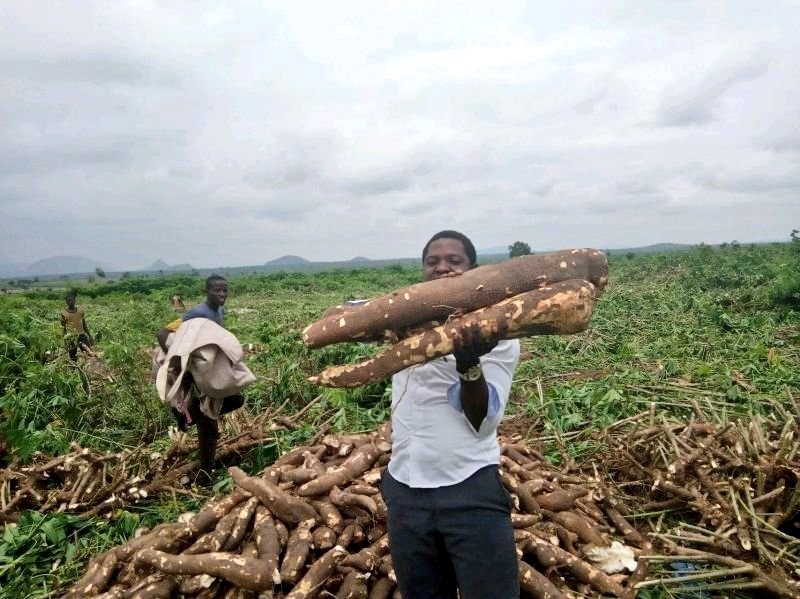
Cassava farming plays a major role in food security and rural livelihoods, especially across regions like Sub-Saharan Africa. It’s a resilient crop that can tolerate poor soils and irregular rainfall, which makes it particularly valuable in areas facing climate uncertainty.
One of cassava’s biggest strengths is its reliability. Even when crops like maize fail due to drought, cassava often survives because of its deep root system. This makes it a “food security buffer” for smallholder farmers. Countries such as Nigeria and Democratic Republic of the Congo rely heavily on cassava as a staple food.
Economically, cassava farming provides income through both fresh root sales and processed products like flour, starch, and chips. There’s also growing industrial demand—for example, cassava starch is used in textiles, paper, and even biofuels. This creates opportunities for farmers to move beyond subsistence into commercial farming.
However, cassava farming is not without challenges. Yields are often low due to limited access to improved planting materials, pests and diseases like cassava mosaic disease, and inadequate farming techniques. Post-harvest losses are another issue because cassava roots spoil quickly if not processed in time.
Improving cassava farming requires investment in better varieties, farmer training, and processing infrastructure. When supported properly, cassava can contribute not just to household food security but also to national economic growth.
If you want, I can focus specifically on cassava farming practices in Rwanda or how to start a cassava farm.
🥬 20 Impressive Health Benefits of Okra 💥You’ve seen it in soups and stews... But do you know how powerful this green veggie really is?
Let’s explore why Okra = Natural Medicine 🧵👇
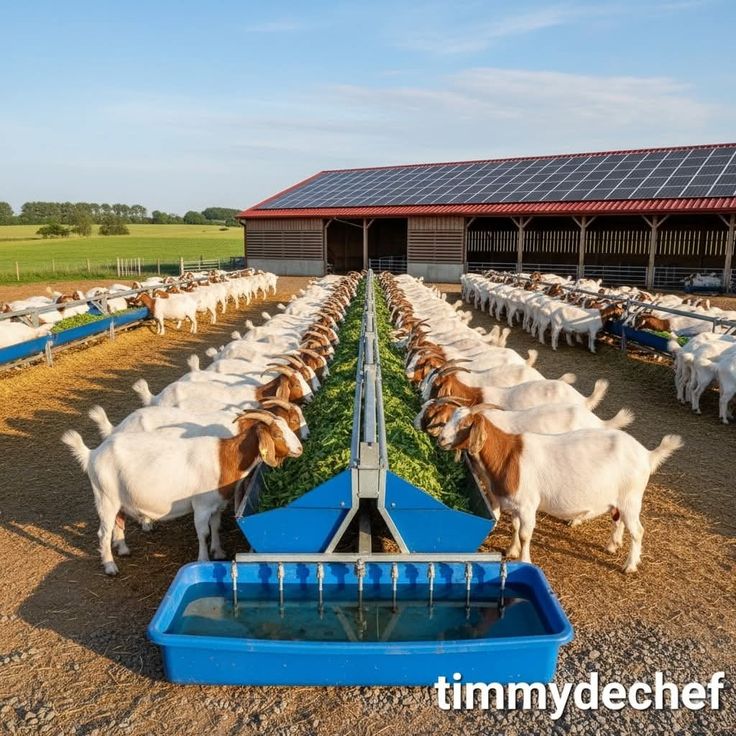
Here’s how you can make your own livestock feed! 🐓🐐
Have you ever thought about making your own livestock feed? This innovation provides a solution to that! With this, you can create a steady supply of your own formulated feed in the comfort of your farm!
This innovation is important because
📌It is cost efficient
📌It saves time
📌Allows farmers to easily adjust feed formula
📌Encourages the use of locally available ingredients, reducing the reliance on imported or commercial feeds.