Zack retweetet

Zack
1.5K posts

@PulseInsightPro
MSc Investment Banking | Former Finance Analyst & Transformation Consultant | Behavioural finance specialist | Covering $BTC & $CLSK strategy




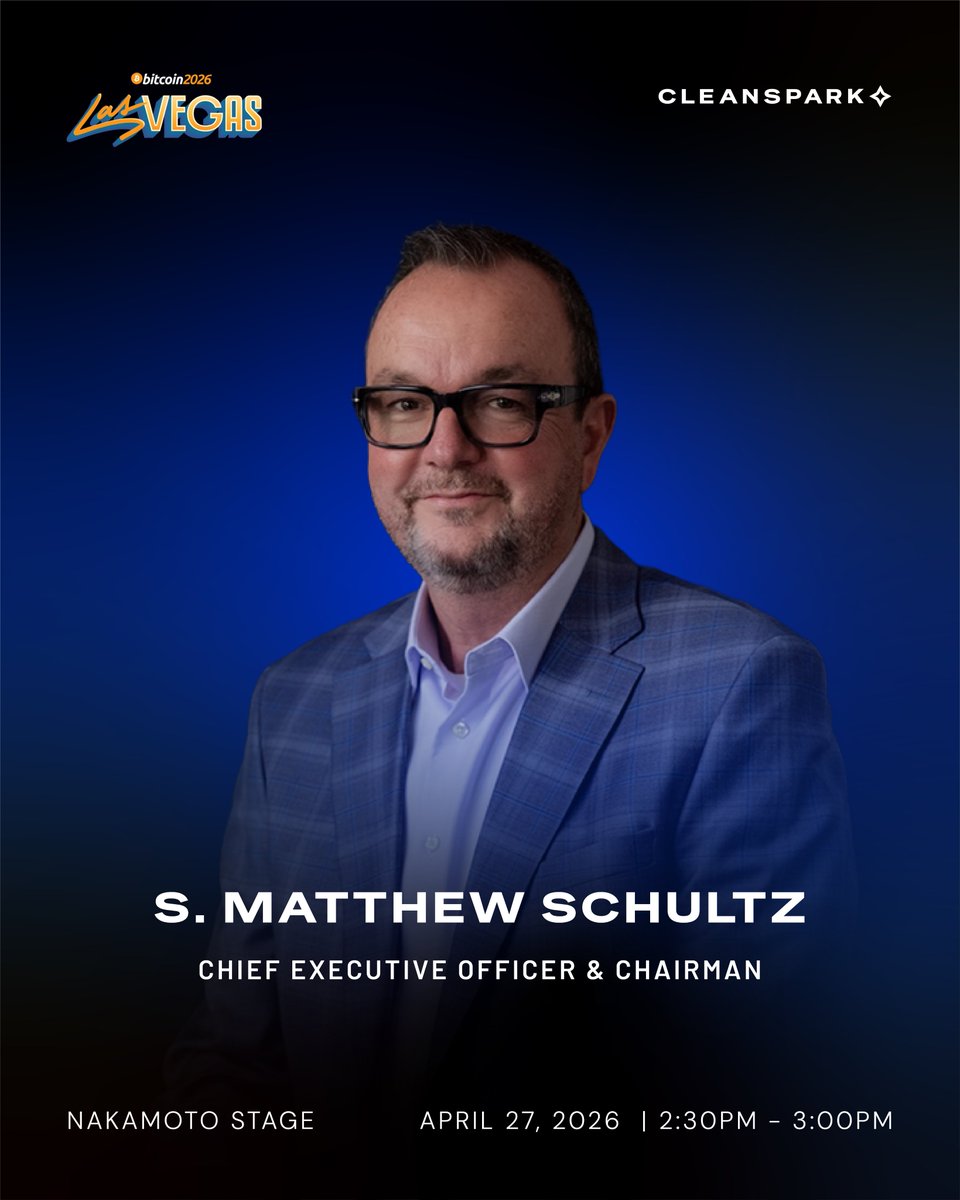


$CLSK Tomorrow I’ll be heading to Vegas for the $BTC conference ✈️ My main focus will be networking with the @CleanSpark_Inc team and holding one-on-one interviews with @smatthewschultz, @GaryVec, @taylorbmonnig, @harry_sudock, @sprainhill, and @Rex_Finance. I’ll be asking about each aspect of the company from overall BTC and HPC strategy, financial strategy, technology innovation, land and power strategies, derivative trading, and how they plan to grow the business and market cap. If you have any questions, drop them in the comments.
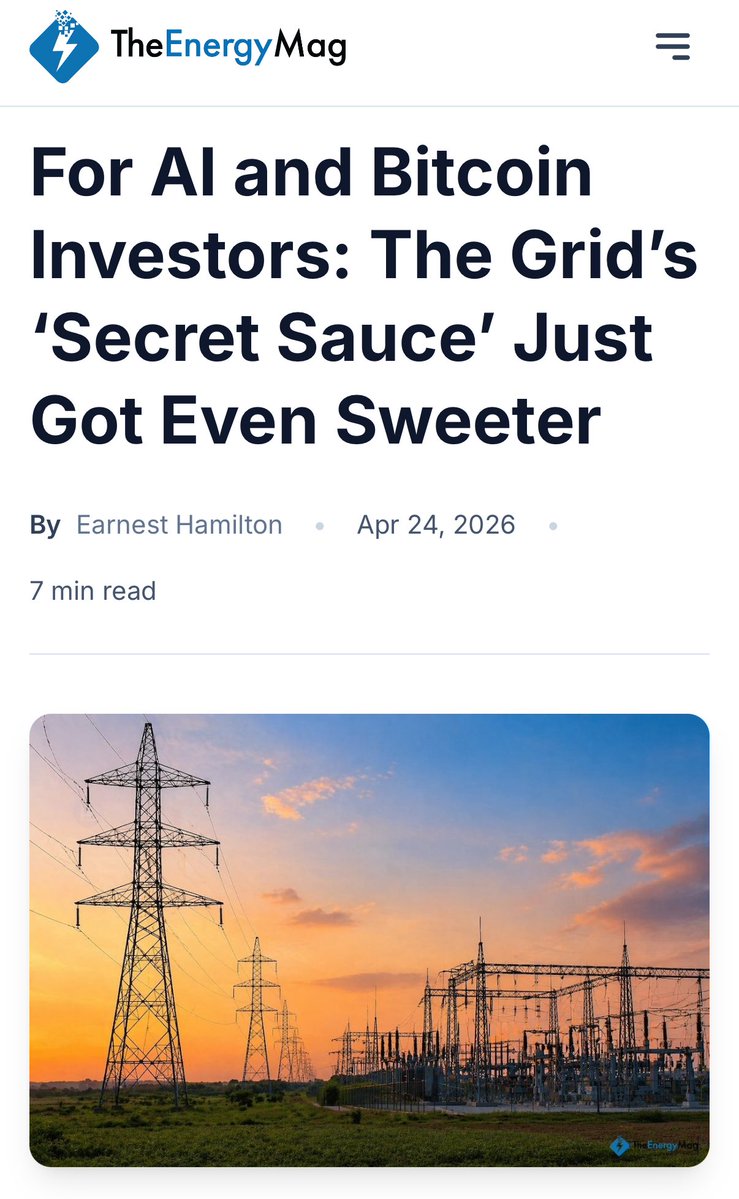
I do not believe that the vast majority of folks are aware of this…. Additionally, if you understand the ‘interrupt-ability’ of bitcoin mining, pairing mining with AI/HPC is an absolute no brainer. I asked @grok to summarize the Duke University study on grid headroom. @CleanSpark_Inc isn’t guessing. We’re building, and we’re intentionally maximizing the value of every single megawatt. I can’t wait to share. In the meantime. Please enjoy: The Duke University study from the Nicholas Institute, published in February 2025, shows the existing U.S. power grid has a ton of untapped headroom for big new loads like data centers and factories—if those loads can be a little flexible. The key finding: Across the 22 biggest balancing areas that cover 95% of U.S. electricity use, the grid could handle 76 to 126 gigawatts of new flexible load. That’s roughly 100 GW on average. It only requires those loads to cut back power for about 0.25% to 1% of the time during peak stress—basically just a few hours a year. The idea is the grid’s already built to handle rare extreme peaks, so instead of rushing to build tons of new power plants and lines, we can let these big users dial down briefly when needed. That speeds up connections, saves money on infrastructure, and keeps things reliable without slowing down AI growth or electrification.