BTC is improving structurally, but the real test is still ahead.
Glassnode highlights that Bitcoin reclaimed the True Market Mean (~$78.1k), which is an important regime shift.
But the bigger level is $80.1k the Short-Term Holder Cost Basis.
That’s where a lot of recent buyers get back to breakeven, which often creates sell pressure.
What makes this setup interesting:
ETF flows are turning positive again
spot demand is recovering
funding stays negative, so shorts are still leaning the wrong way
Still, caution matters here.
Short-term holder realized profit has surged to $4.4M/hour, far above the level that marked local tops earlier this year.
So the takeaway is simple:
Market structure is improving, but BTC still needs a clean break above $80k to confirm this rally.
source: @glassnode
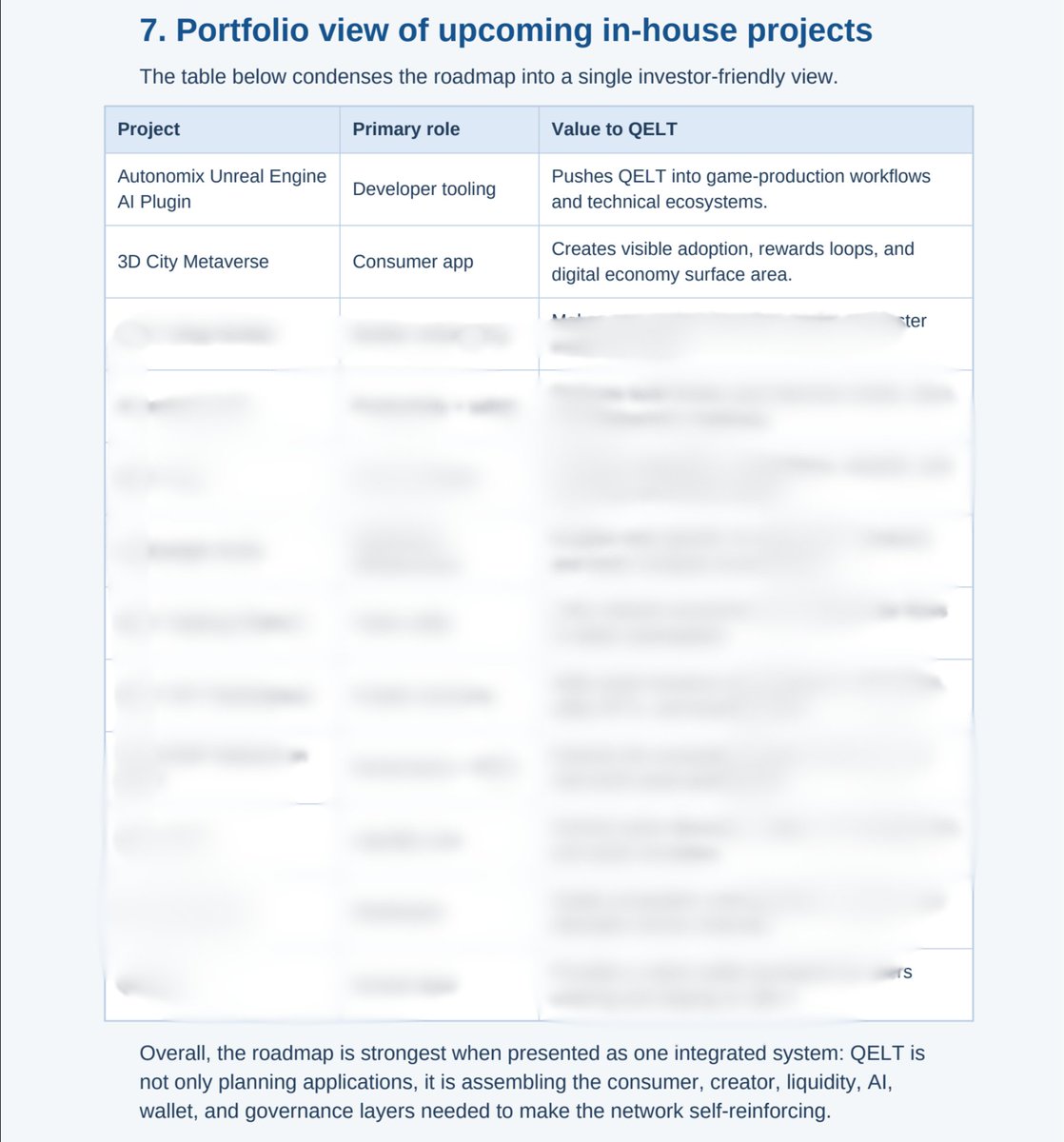
A valuable asset is not the same thing as a scalable market structure.
What makes the difference is the system around it: how it is prepared, how it is represented, how it is governed, and whether the surrounding infrastructure can support depth instead of just attention.
That is the harder layer. It is also the one that matters more.
More: sto.qelt.ai
New episode of Just Talk Crypto is live 🎙️
💡Watch here:
youtu.be/eFXtWAMSKAU
In this one I talk about why people keep repeating the same mistakes in every crypto cycle.
The video is in Hungarian, but English subtitles are available just turn them on.
I also share more thoughts on my Telegram channel.
QELT™ is the utility token of the network.
It is not a stablecoin, and it is not the reserve side of the system.
🚨This short video explains the difference between QELT™ and QXMP Reserve Stable.
Watch it🤝
@QXMP_Labsyoutube.com/watch?v=U1mwAG…
The easiest way to misunderstand a network token is to turn it into a story.
QELT™ makes more sense when viewed as a role inside the protocol: a utility layer tied to how the system operates, rather than something designed to carry every meaning people project onto it.
The point is not simply to represent an asset on-chain.
The point is to create structured flow around it where execution, reserve logic, and market depth begin to align inside a broader real-world asset framework.
BTC has bounced, but the bigger picture hasn’t changed much.
The 74–75K zone still looks like the key resistance, while the rising trendline below remains the structure to watch.
No clean breakout yet.
And until that changes, downside risk is still on the table.
More chart-based insights on my Telegram.
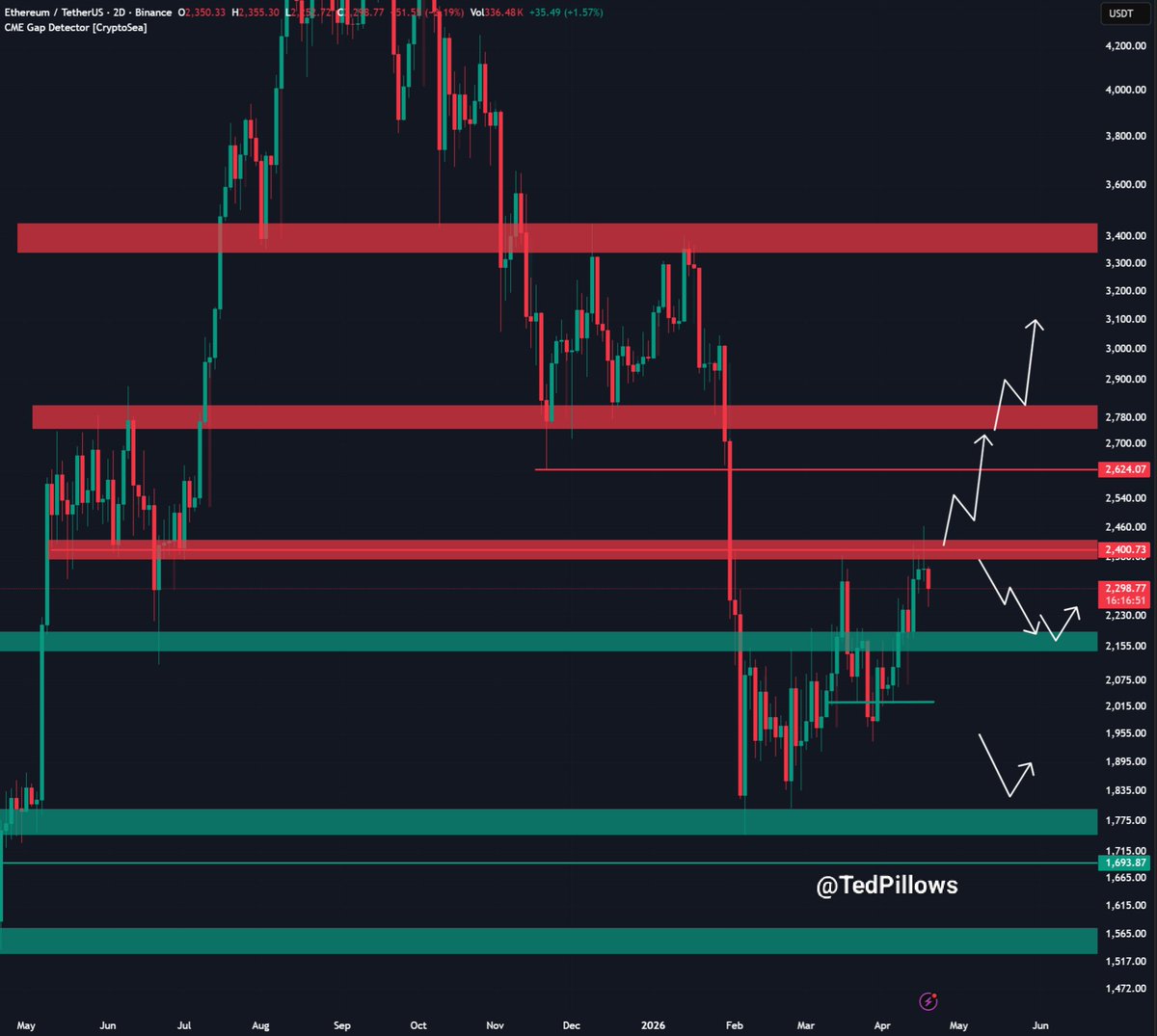
$ETH failed to hold above the $2,400 level.
This is due to US-Iran escalation, which is bad for risk-on assets.
The next key level for Ethereum is the $2,150-$2,200 level, and if ETH loses this, it'll drop below $2,000.