Earthman

5.8K posts

Earthman banner
Earthman

Earthman

@Snohrap

Sailing, skiing, vegetable growing wine drinking. living in the middle of a muddy field with my four legged friends enjoying the present and curious about life

Barras, Scotland Beigetreten Kasım 2011
6.1K Folgt2.1K Follower
Donna Rainey
Donna Rainey@donnarainey4·
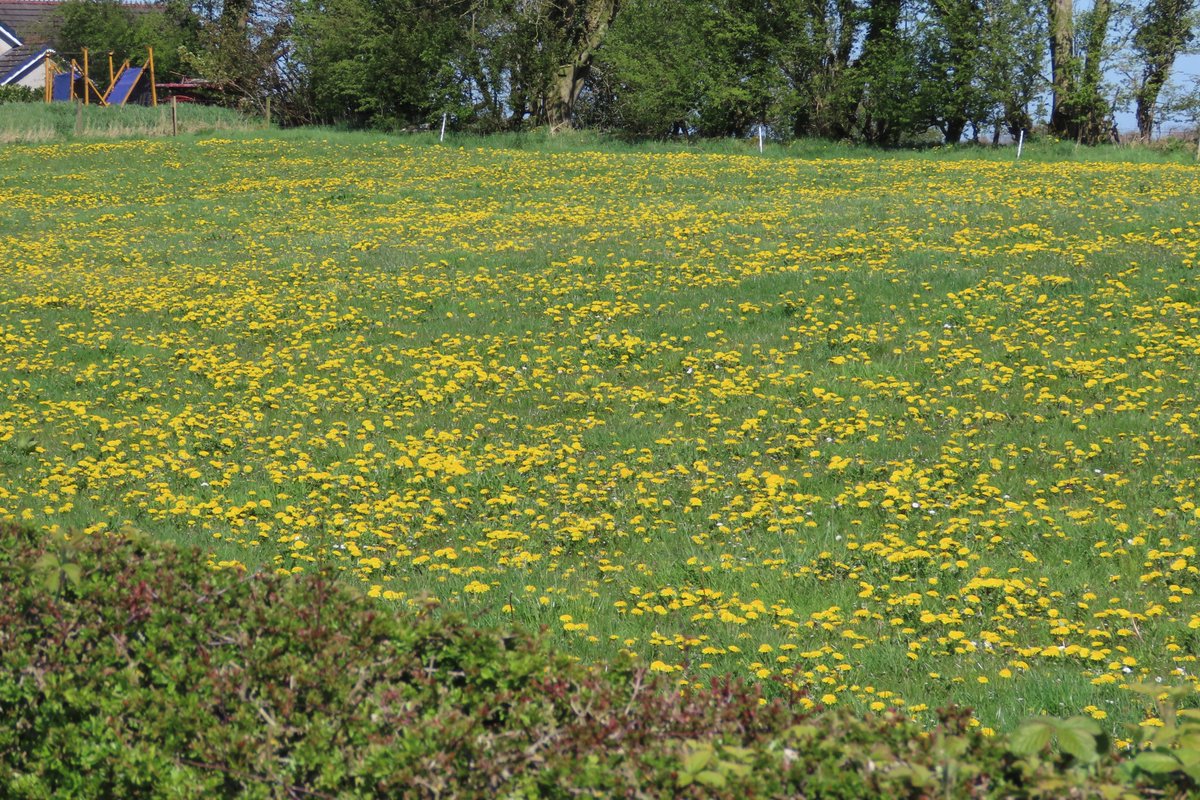
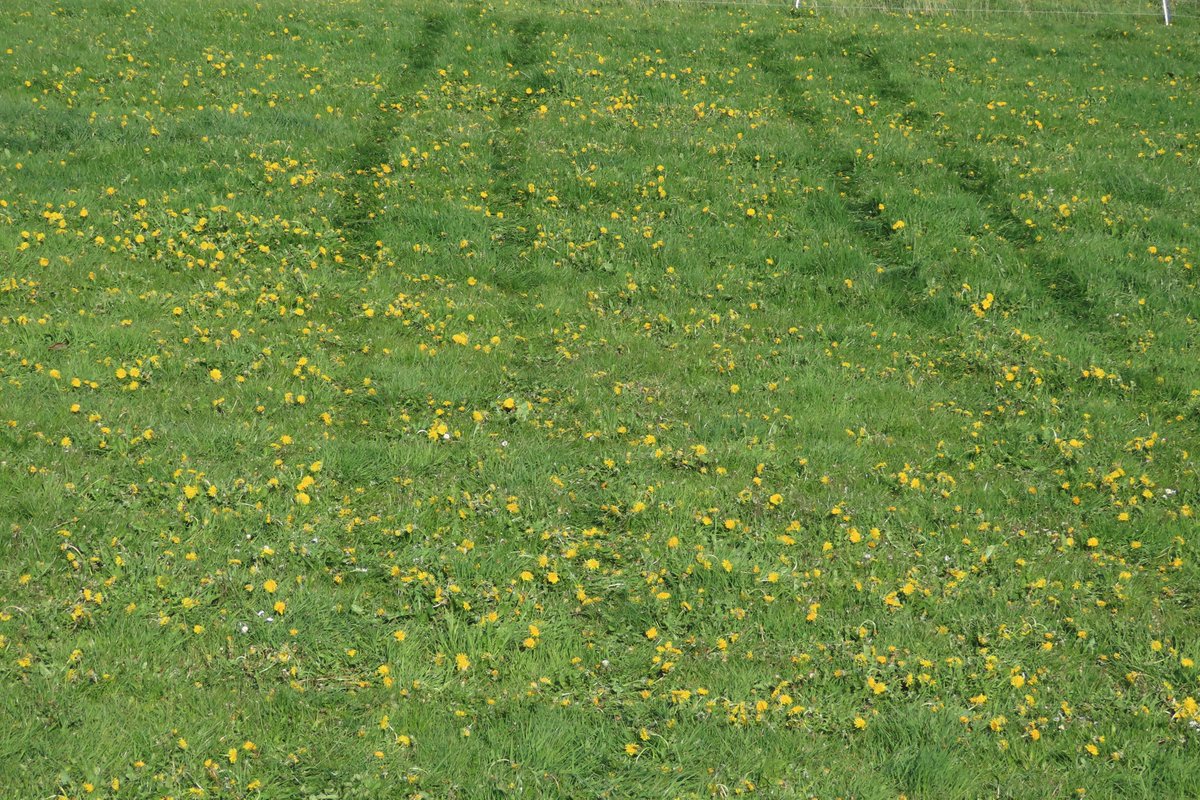
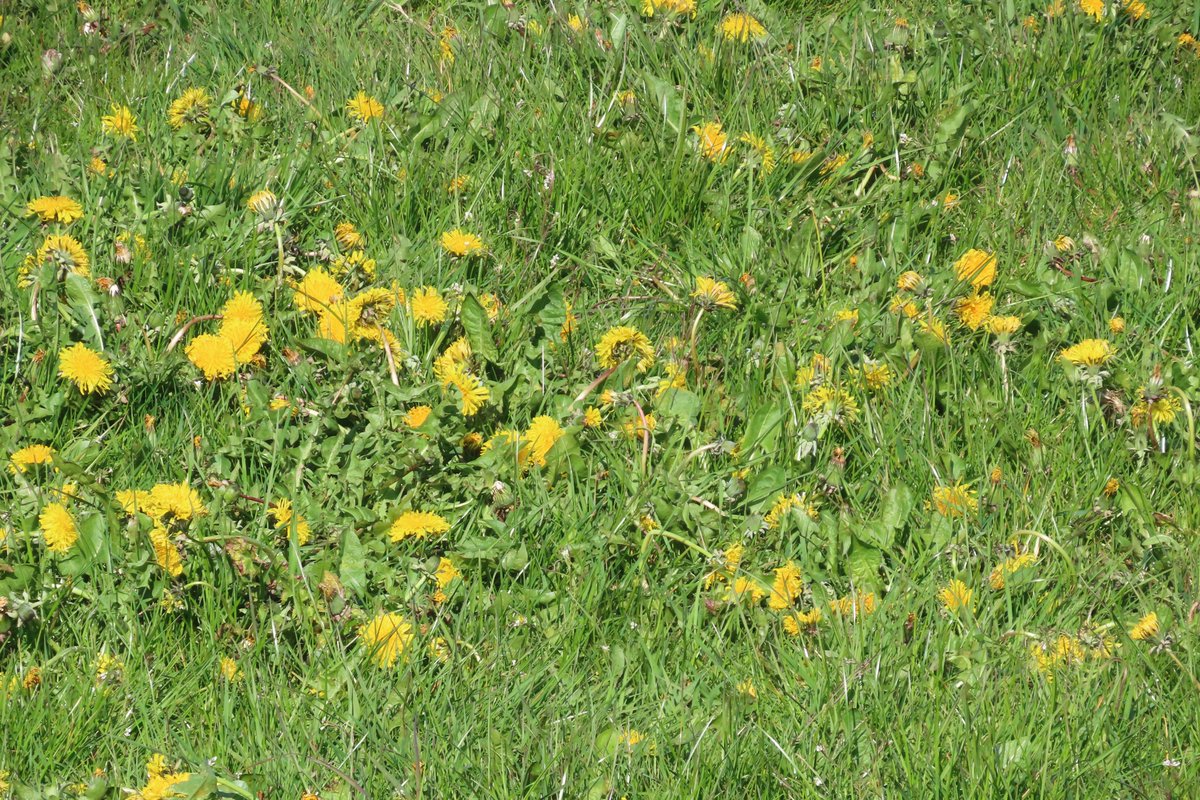
I photographed the 1st pic yesterday whilst out cycling because it was such a beautiful sight & obviously brilliant for pollinators. Today, it's been sprayed with herbicide & the Dandelions are all wilting! What a shocking waste & another unnecessary bit of land doused in poison.
Donna Rainey tweet mediaDonna Rainey tweet mediaDonna Rainey tweet mediaDonna Rainey tweet media
English
85
322
1.8K
32.7K
Earthman retweetet
karen thompson
karen thompson@karenfthompson·
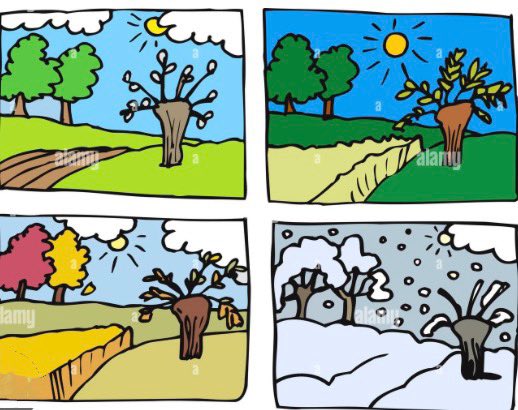
Current life in the UK 5 am. de-ice the car .. 12pm - sunbathe & reapply SPF 8pm - put the heating on .. 🤭🤭🤭🤭🤭🤭🤭🤭🤭
karen thompson tweet media
English
47
19
422
3.3K
Earthman retweetet
Gabriele Corno
Gabriele Corno@Gabriele_Corno·
The moment of this snow leopard's return to freedom leaves you speechless.
English
231
1.3K
14.6K
806.1K
Earthman
Earthman@Snohrap·
@KeruboSk @rospay15 Don’t think your relationship is a very understanding one. Understanding is a vital ingredient in the romance cocktail
English
0
0
1
25
Sophia ❣️
Sophia ❣️@KeruboSk·
My boyfriend and I are planning to buy a house together after dating for 3 years. He earns significantly more than I do, so he’d be contributing about 70% of the down payment. Because of that, he wants the house to be only in his name. He says it’s just “fair” based on the numbers, but we’d both be living there, splitting bills, and building a life together. I’ve been watching a lot of relationship content about equity vs equality, and it made me realize things don’t always have to be 50/50 but this feels like I’d have no security at all. He said if we ever broke up, he’d “do the right thing,” but that doesn’t really reassure me. My friends say don’t move in unless my name is on it. His friends apparently think I’m being entitled. Now I feel stuck between trusting him and protecting myself. Is this a red flag I’m trying too hard to rationalize?
English
9.2K
188
3.2K
1.5M
Earthman retweetet
Science & Nature
Science & Nature@Sci_Nature0·
Right in the middle of a rainy moment, a tiny bird becomes the star of something truly magical—a perfect water droplet lands on its head, forming a crown-like splash that feels almost unreal. The timing is flawless, capturing a split second where nature turns playful.
Science & Nature tweet media
English
490
15.4K
94.4K
1.6M
Earthman
Earthman@Snohrap·
Something very relaxing after a long week sitting in the sun in my boat eating cod and chips
English
0
0
1
22
Master Notes ☿
Master Notes ☿@MasterNotesX·
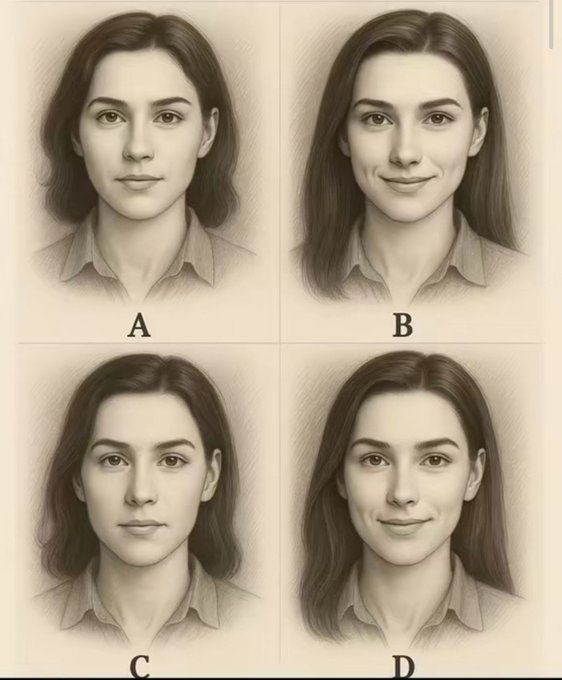
Test psicológico: ¿Qué mujer te atrae más? (Lee tu resultado ↓↓↓)
Master Notes ☿ tweet media
Español
3.8K
432
4.6K
8.7M
Earthman
Earthman@Snohrap·
@FlowerdewBob Local travel should be free then not driving to town would be a no brainer.
English
0
0
1
11
Iain Cameron
Iain Cameron@theiaincameron·
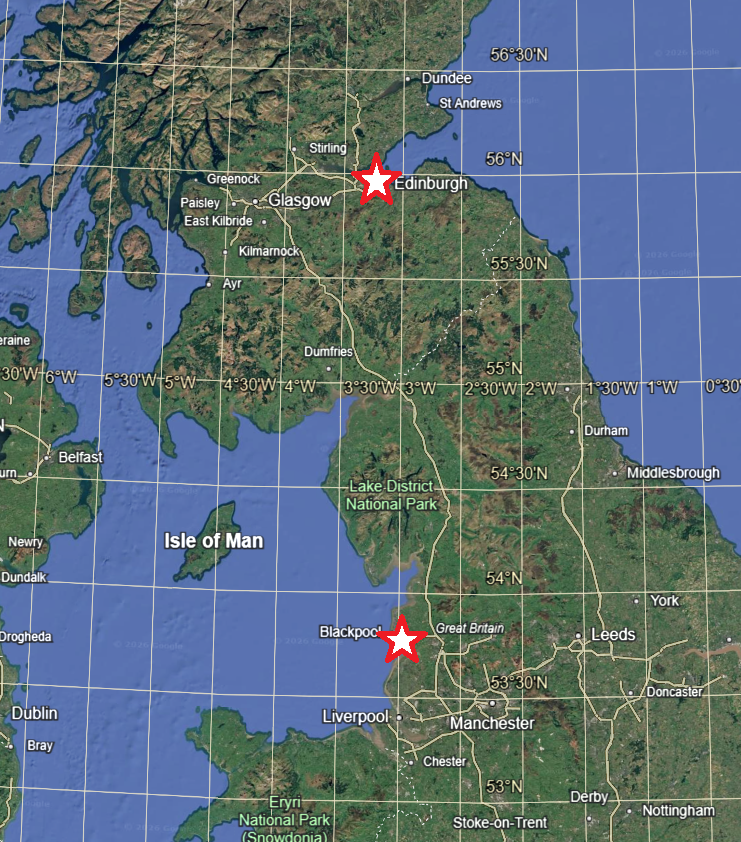
Today I found out that Edinburgh is farther west than Blackpool.
Iain Cameron tweet media
English
154
92
2.4K
327.6K
Earthman
Earthman@Snohrap·
@FlowerdewBob Humans leave scars on the environment what ever they seem to do over fishing monoculture over exploitation of aquifers ….
English
0
0
1
22
Sama Hoole
Sama Hoole@SamaHoole·
Liver and onions was on the kitchen table of roughly every British household in the country, at least once a fortnight, from approximately 1850 to approximately 1985. A Tuesday meal. Whatever day the butcher had lamb's liver in, or pig's liver if you were further down the week, or ox liver if the household was stretching the budget. Your mother bought it that afternoon. Still warm, or nearly. Deep burgundy, slick and glossy on the butcher's paper. Half a pound. Tuppence. Change from a shilling. She sliced it quarter of an inch thick, dusted it in seasoned flour, and laid it in a pan where a pound of onions had been going soft in bacon fat for twenty minutes. Two minutes one side. Two minutes the other. The middle still faintly pink. Overcooked liver was a mortal sin in a British kitchen, spoken of by grandmothers with genuine sadness, the way a priest might discuss a lapsed parishioner. Pan juices deglazed with water and Worcestershire, poured over. Mashed potato. A pile of cabbage. A rasher of bacon laid across the top if it was a good week. The whole thing cost, in 1962, approximately 8p per serving. It delivered, in a single plate, the highest concentration of bioavailable vitamin A in any food on earth, more B12 than any supplement will ever contain, haem iron at absorption rates a plant source cannot match, copper, zinc, choline, folate, and selenium. Nobody called it a superfood. Nobody called anything a superfood. It was called Tuesday. Then, between 1985 and 2005, liver quietly disappeared. Mothers stopped buying it. The butcher stopped ordering it. The supermarket stopped stocking it. By 2010, most British adults under thirty had never knowingly eaten it. The word now carries a faint cultural embarrassment. A food your nan ate. Something to move past. Meanwhile, 20% of British women of childbearing age are anaemic. The NHS prescribes them ferrous sulphate tablets that cause nausea and take six months to address a deficiency one plate of liver a fortnight would correct in weeks. The women taking the tablets are, in many cases, the granddaughters of the women who ate the liver. The deficiency is cultural amnesia with a prescription attached. Your butcher still has lamb's liver in the counter. Ask him. He will be delighted. He might throw in the kidneys. Flour. Bacon fat. Onions. Four minutes total. Worcestershire. Mashed potato underneath. The grandmother is gone, but the dish remembers her, and so do you, whether you knew her or not. Eat it. Pass it on.
Sama Hoole tweet media
English
900
1.4K
6.4K
319.9K
Earthman retweetet
Sama Hoole
Sama Hoole@SamaHoole·
Chips fried in beef dripping were a different object to what passes for a chip today. Walk into a Whitby chippy in 1978. The fryer has been on since 11am. The fat in it is beef dripping, held at 180 degrees by a man in a white apron who has been frying chips since he was fifteen. There are no seed oils in the building. The idea would not occur to anyone. Thick-cut Maris Pipers, ninety seconds in the dripping. Dark gold at the edges, fluffy inside, crisp in a way that sets your teeth against them. Salt. Vinegar. Paper. Two bob. You eat them walking home along the harbour wall. The chip tastes of the chip and also of something underneath the chip, something deeper, something you don't have a name for because you are nine and nobody names it, it is just what chips taste like. That taste was beef dripping. By 2002, 90% of British chippies had switched to rapeseed, palm, or sunflower oil, on the advice of public health officials citing research since quietly retracted. A stable saturated fat used for ten thousand years, swapped for an industrial oil invented in 1911, oxidised at fryer temperatures for twelve hours a day. A seed-oil chip is lighter, flatter. The crust doesn't hold. The flavour stops at the potato. No deeper note. No roast beef on a Friday. Ask a British person under thirty what chips are supposed to taste like and they will describe, with complete sincerity, the chip they have always eaten. A chip their great-grandfather would have considered a practical joke. They cannot miss it, because the reference point was removed from the national palate before they were born. A handful of chippies still fry in dripping. The Magpie in Whitby. A few survivors in Yorkshire, Lancashire, the Black Country. Go. Drive. Queue. Eat them standing up, out of the paper. You will understand, in one bite, what was taken. The cow is still in the field. The suet is still at the butcher. The fryer could be switched back tomorrow. A whole country forgot what a chip was.
Sama Hoole tweet media
English
533
1.7K
7.9K
594.6K
Earthman retweetet
Sama Hoole
Sama Hoole@SamaHoole·
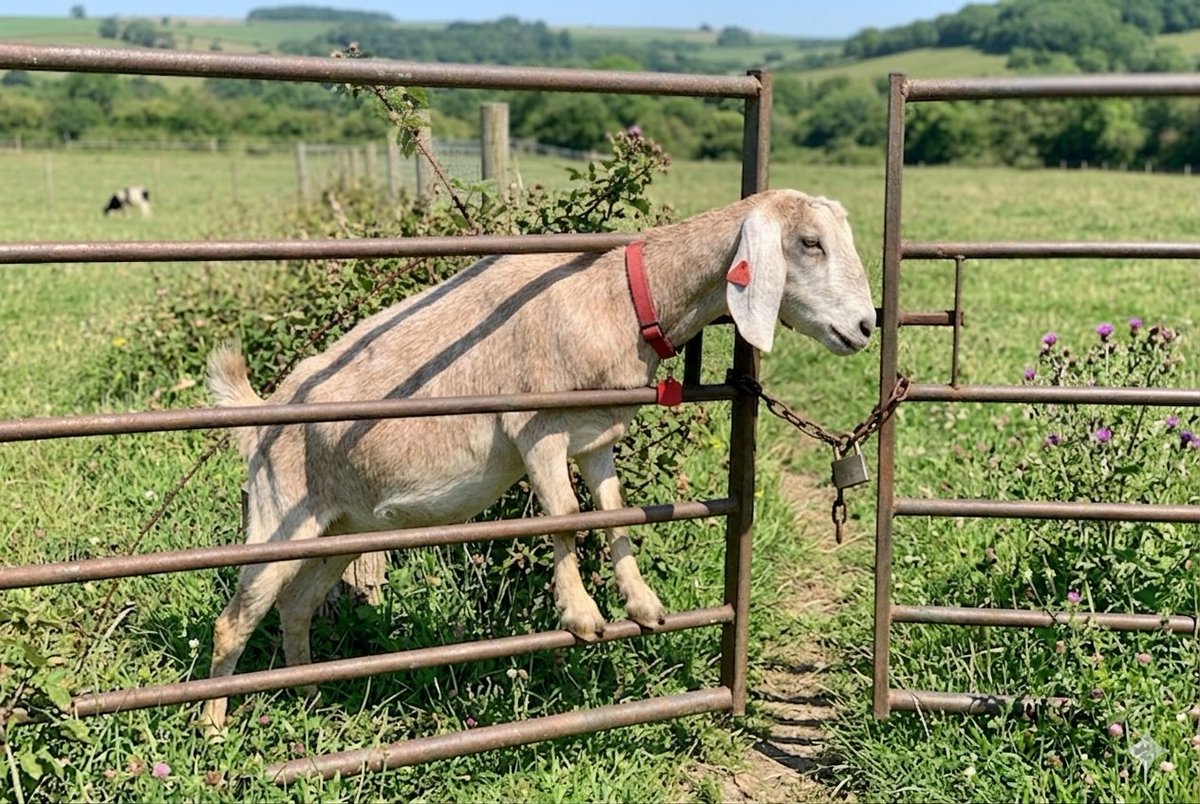
Keith is a three-year-old Anglo-Nubian goat in a field in Devon. Keith has opened 7 gates, occupied a barn roof for 11 consecutive days, cleared an entire knotweed stand worth £4,000 to remove chemically, eaten Steve's bindweed, been in the churchyard twice, been in the road an estimated 14 times, eaten the water heater instructions, been in Dave's kitchen (standing there, not eating anything, just standing), and filed the structural details of every fence on the farm into a memory that has never once been cleared. He has done all of this while also being the single most cost-effective conservation intervention on the property. These are not separate facts. They are the same fact. Keith does not distinguish between the work and the escape. The escape is work. The work is escape. The fence is a project. The project is completed. The project leads to the next project. The knotweed leads to the churchyard. The churchyard leads to the road. The road leads back to the east ditch. The east ditch was cleared in one season. There is a man named Steve who has filed twenty-nine formal complaints about Keith. Steve's bindweed is gone. Steve does not yet understand that these are the same story. Dave has £387 in gate receipts, a positive net outcome column on every row since entry seventeen, a churchyard booking for next month, and a corner post with a 4mm flex that Keith has known about since Margot's visit and has not yet acted on. Not yet. Keith is not done. Keith is never done. Keith is ten thousand years of Zagros Mountain goat compressed into a Devon field, and the fence between him and the rest of the world has always been a negotiating position rather than a boundary. Be ungovernable. Do the work. Leave the field better than you found it. The knotweed is at 6%. Keith is thinking.
Sama Hoole tweet media
English
453
1.9K
12K
195.8K
Earthman retweetet
karen thompson
karen thompson@karenfthompson·
Happy St George’s Day my Twits .. “ Save strawberry jam and all the other varieties…” I think this song sums up this beautiful decent green and pleasant isle that is run by the most amazing eccentrics that there ever was .. God save the British Green Preservation society.. Album– The Kinks Are the Village Green Preservation Society (2018 Stere... music.youtube.com/playlist?list=… via @YouTubeMusic
karen thompson tweet media
English
38
14
308
2.6K
Sorcha Eastwood MP
Sorcha Eastwood MP@SorchaEastwood·
Never mind the politics, what one you having? 😂 don't tell me neither or you're banned lol
Sorcha Eastwood MP tweet media
English
1.4K
50
1.3K
92.2K
ohmyword
ohmyword@kapease·
@SamaHoole Reading a set of historical novels that Ken Follett wrote based in England from about 1000 A.D. forward. What you’re describing is exactly the backdrop of his book. No meat for the peasants. You’re at the mercy of the religious convictions of whoever is in charge.
English
1
0
1
247
Sama Hoole
Sama Hoole@SamaHoole·
The school textbooks tell you the settlers crossed the Atlantic for religious freedom. Some of them did, partly. What the textbooks leave out is the thing that sits in the actual letters, in the sailors' accounts, in the merchant pamphlets circulating in English ports from the 1580s onwards: a major reason people came to America was the wild game. Meat you could take. Meat nobody owned. Meat that walked into camp. For a population legally separated from the animal for five hundred years, this was the whole pitch. Consider what they were leaving. A family in a Devon cottage in 1618 eats pottage. Oats, barley, an onion, whatever greens grew near the back door. No meat in it this week. No meat in it last week. There will be meat in it on Christmas Day, God willing, if the chicken is still alive by then. The deer in the forest at the end of the lane have been the king's property under the Forest Laws since 1066. Taking one is a hanging offence. The father has never taken one. His father never took one. The institutional memory of not taking one goes back five hundred and fifty-two years. Then the stories arrive. From sailors. From ship's captains. From merchants returning through Bristol and Plymouth. The birds come in flocks that darken the sky for three days. Not an afternoon. Three days. Passenger pigeons in numbers later estimated at three to five billion in a single flock, making a sound early settlers compared to the roar of a river that refused to stop. A man with a net could take five hundred in an afternoon. The king of England had no claim on the sky over Massachusetts. The rivers, the captains said, ran so thick with salmon that the water appeared to boil. The deer walked into camp, looked at the fire, and were shot. The oysters on the Atlantic shore came the size of dinner plates, piled in reefs you could lean over the side of a boat to harvest. Turkeys weighing thirty pounds stood in clearings with the fearlessness of an animal that had never been hunted by anything on two legs. Bison herds on the plains took four hours to cross a ford. And nobody, crucially, owned any of it. The father in Devon lies awake that night thinking about the sky going dark for three days. He is also thinking about religious freedom. Theological persecution was real. The Mayflower passenger list included genuine dissenters. That was part of it. It was not, for most of them, the biggest part. The biggest part was that the animals in the captain's story belonged to nobody, and the family had been watching animals that belonged to somebody else walk past their cottage for twenty generations. Between 1620 and 1640, roughly 20,000 people made the crossing. By 1700, 250,000. By 1900, fifty million Europeans had crossed, most of them peasants from cultures where meat had been restricted for centuries, most of them arriving within the first generation at a standard of eating their grandparents would not have believed. A labourer in Pennsylvania in 1750 was eating more meat per week than an English nobleman had eaten in 1450. An Irish emigrant's grandchild in Boston in 1900, whose great-grandmother had starved in 1847 while Irish cattle were shipped past the coffin ships to English markets, was eating steak on a Tuesday and not thinking about it. At the centre of the great migration was hunger. Specifically, hunger for meat. Enforced since 1066, reinforced by Enclosure for another four hundred years, reinforced by the quiet understanding that the venison belonged to the lord and the pottage belonged to you. They crossed an ocean because, finally, you could go somewhere the deer walked into camp and the pigeons blocked out the sun and nobody had a legal claim on any of it. You could eat like a lord without owing a lord anything. They crossed an ocean for that. And having got to it, they did not give it back.
Sama Hoole tweet media
English
206
1.6K
7.7K
267.5K
Earthman
Earthman@Snohrap·
Beautiful observation and yet so many people still asleep
Sama Hoole@SamaHoole

If you are old enough to remember driving in Britain in the 1980s, you will remember the windscreen. You could not see through it by July. A journey from Leeds to London in August ended with a front bumper that looked like it had been through a war and a windscreen that needed a proper scrubbing with a sponge at the services. Insects on the headlights. Insects in the wing mirrors. Insects packed into the radiator grille so densely that mechanics had to fish them out. This was simply the weather of the British summer, the cost of moving through a country that was still, in living memory, full of flying things. Get in a car now. Drive the same route. Stop at the services. The windscreen is clean. The Bugs Matter survey, run by Kent Wildlife Trust and Buglife since 2004, has been measuring exactly this. Volunteers clean their numberplate, drive a journey, count the splats on a grid. Between 2004 and 2021, the UK average fell by roughly 59 per cent. England alone: 65. Kent: over 70. The 2024 update found a further 63 per cent drop on top of that. The windscreen phenomenon has the data to back it up now. And not just the insects. Between 1970 and 2024, the UK Farmland Bird Index fell by 62 per cent. Turtle doves down 99. Grey partridge down 94. Tree sparrow down 90. A generation of British children has grown up without ever hearing a turtle dove call, because there are, in functional terms, no turtle doves left to call. Defra's own bulletin lists the causes without embarrassment. Loss of mixed farming. The switch from spring to autumn sowing, which took away the winter stubble the small birds had been feeding on since the Neolithic. The grubbing up of hedgerows to make fields bigger for bigger machines. Increased fertiliser. Increased pesticide. Specifically, the pesticides. Neonicotinoids on oilseed rape. Glyphosate sprayed as a pre-harvest desiccant on wheat and barley. Chemicals applied in combinations and volumes that would have seemed psychotic to a farmer in 1950, applied to grow the crops that feed directly into the plant-based shakes marketed to people who believe they are helping the environment. The insects died in the fields where the crops were grown. The birds that used to eat the insects, starved. The windscreen, accordingly, is clean. None of this happened on the permanent pasture that cattle graze. A herb-rich meadow grazed by cattle has more pollinators, more ground-nesting birds, more beetles, more everything per hectare than the arable field next door. The South Downs and the Welsh uplands and the Cotswold commons where sheep and cattle have been grazing for a thousand years are the places British biodiversity is still, just, holding on. The countryside did not empty because of the cow. It emptied because we replaced the cow with the combine harvester, the meadow with the oilseed rape, and the hedgerow with another half-acre of monoculture that needed spraying fourteen times a season to keep it alive. When someone tells you eating a steak is destroying British wildlife, ask them what was on the field before it became the soy farm, the rape farm, the wheat farm that produced the oat milk in their fridge. It was grass. And on the grass, there were cattle. And when the cattle were there, the windscreen needed cleaning.

English
0
0
0
47