Angehefteter Tweet

Spinal ceasar
668 posts

@SpinalceasarVt
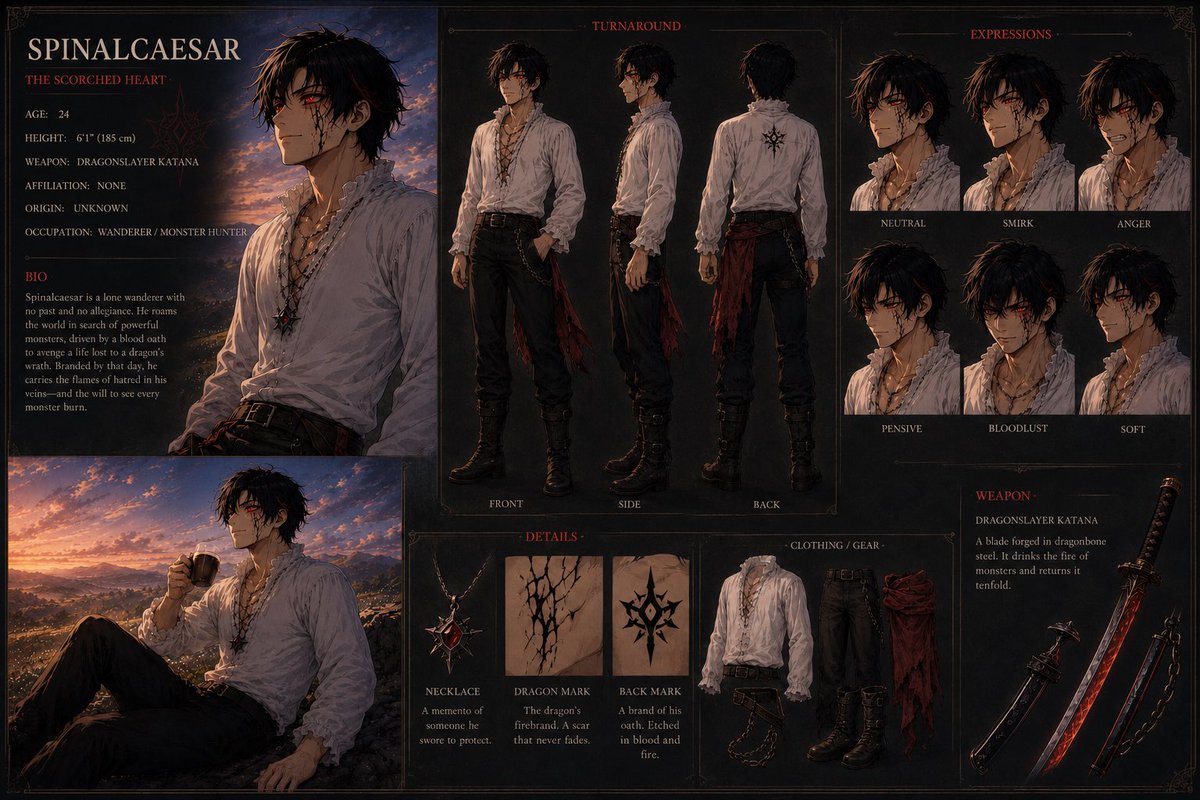
Local Monster Hunter trying to make his way in the world and occasional memer. https://t.co/vaqEMmyYNB


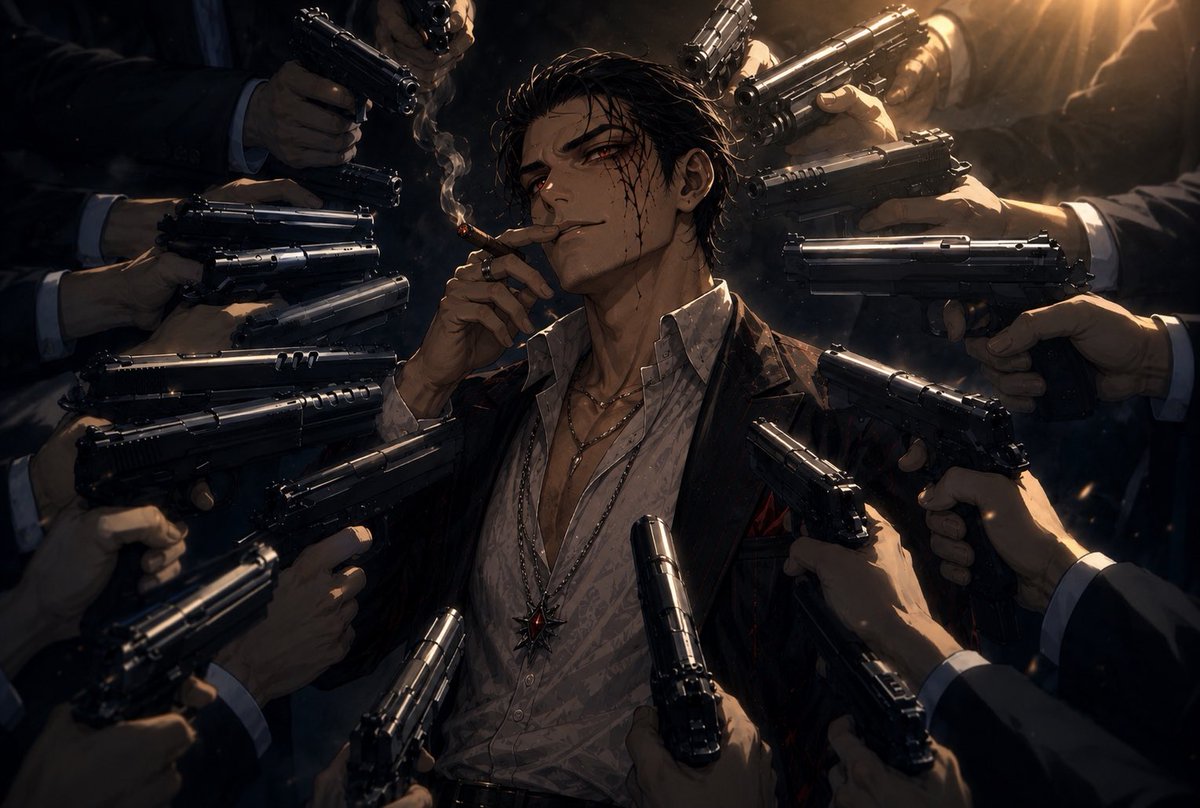
Hey all, Zouken's throwing a party....join us!!!✨️💜


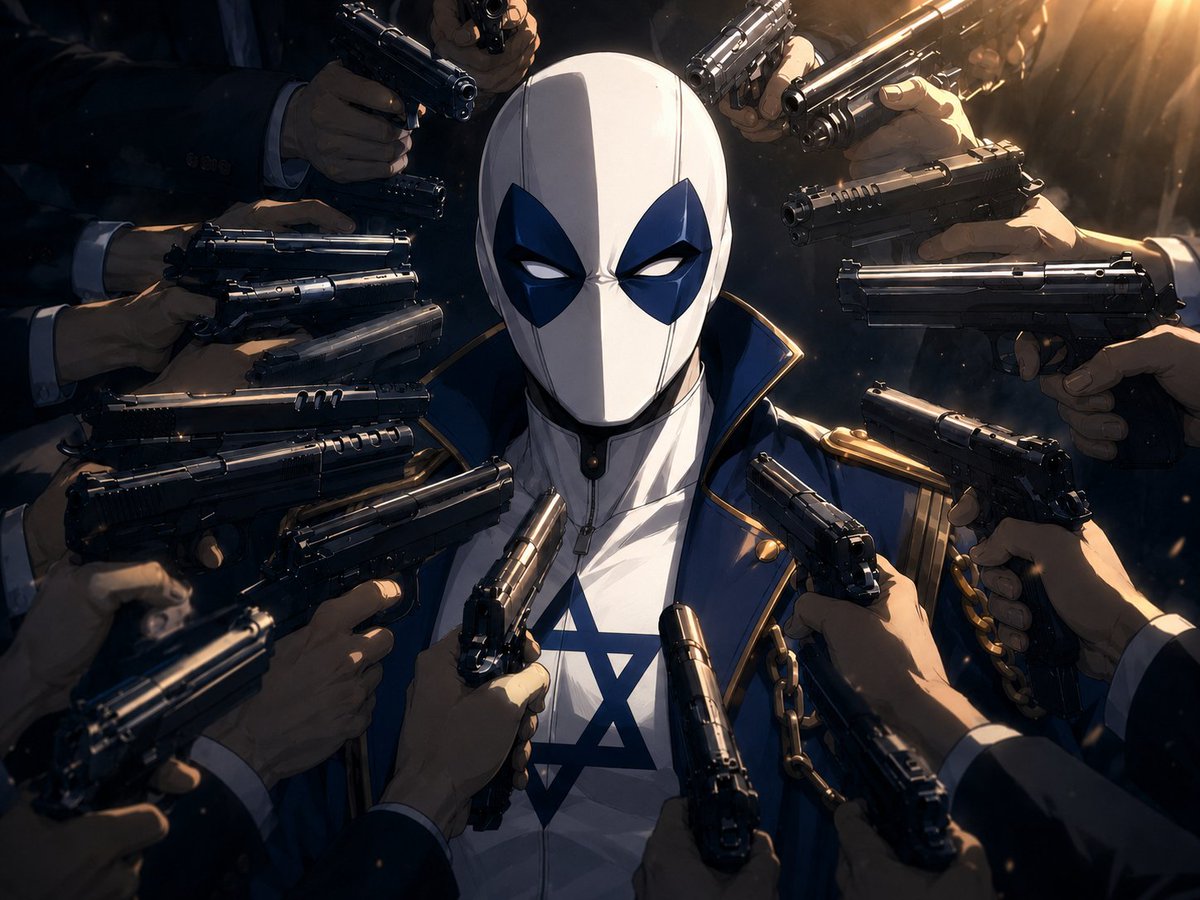


Situation you find yourself in when you disagree with the "tolerant" side.


Alright, thanks to @lewdlizardland , I came up with a new prompt! Both loving, heroic, or simply silly. Behold! Princess carry prompt. ========Start of Prompt======== @Image1 is the carrier @image2 is the princess/victim Every time this prompt is used, randomly generate a unique and different princess carry scene. Do not repeat the same setting, lighting, or expression combination from previous generations. Fixed core elements: - @Image1 is actively princess-carrying @image2 securely in their arms (one arm under the knees, one supporting the back). - @Image1 has a heroic or loving pose and expression while carrying. - @image2 is being carried and looks up at @Image1 with helpless or loving eyes. Randomize the following elements on every generation: - Setting & atmosphere: randomly choose between romantic & tender, explosive action/rescue, dire or dangerous circumstances, or a dramatic mix of beauty and danger. - Lighting, time of day, weather, and environmental effects (golden hour, stormy night, firelight, magical glow, heavy rain, explosions in background, etc.). - Subtle pose nuance of @Image1 (strong protective hero, gentle and loving, urgent or strained, tender and intimate, etc.). - Emotional intensity and micro-expression on both characters while staying within "heroic/loving" for @Image1 and "helpless/loving" for @image2. - Camera angle and composition (slightly low heroic angle, intimate eye-level, dramatic low angle, over-the-shoulder, etc.). Do not default to the same choices. Create a fresh and varied scene each time this prompt is run. polished digital painting, semi-realistic anime rendering, masterpiece illustration, epic quality, high detail, cinematic lighting, dramatic atmosphere Negative prompt: No blending of the items, no odd eye placement, no missing sections of body parts, no floating arms, hands, or legs. No odd body parts or deformed limbs. No extra limbs, no bad anatomy, no text, no watermark. ========= End of Prompt======== Thanks again to Katreya, I really do hope that image made you feel better. Examples:


Prompt of the Day: MAIN CHARACTER FUSION 🧬✨💜💚 Today’s Prompt of the Day lets you transform a main character, creature, object, or subject using the visual influence of any extra images you attach. Use your character as Image 1 if you want to preserve their look and create a result similar to the example. If you use your character as Image 2, they’ll be fused into whatever subject you place in Image 1. Image 1 = main subject Image 2+ = influence references Have fun mutating the pretty little thing 🧬 ............................PROMPT STARTS HERE............................ @Image1 = Main Subject @Image2 and any additional attached images = Secondary Influence References Use @Image1 as the absolute main subject reference. Use @Image2 and any additional attached images only as secondary influence references. Create a single 16:9 horizontal widescreen stylized illustration showing one new final image based on @Image1. Core concept: Transform the main subject from @Image1 into a new original design influenced by the secondary reference images. The final image should still be centered on the main subject from @Image1, but visually enhanced, reimagined, or transformed using color, texture, materials, atmosphere, motifs, accessories, clothing, background elements, symbolic details, or design language inspired by the secondary references. Main subject priority: @Image1 is the identity anchor. The final image must clearly remain based on the main subject from @Image1. Do not treat @Image2 or any additional images as equal subjects. Do not create a balanced fusion where all images have the same importance. The secondary images should influence the design, not replace the main subject. If @Image1 is a person or character: Preserve the main subject’s body proportions, face structure, hairstyle, silhouette, pose language, species traits, and overall identity as much as possible. Do not heavily mutate, deform, or rebuild the body. Keep the subject recognizably grounded in their original form. Use the secondary references mainly for color influence, texture, outfit changes, accessories, armor, props, background, lighting, atmosphere, surface details, symbolic motifs, or stylistic embellishments. The transformation should feel like the main character has been redesigned or styled through the influence of the other images, not biologically fused into an unrecognizable creature unless specifically requested. If @Image1 is an object: Preserve the object’s main shape language, structure, function, silhouette, material logic, and recognizable design foundation. Use the secondary references to influence color, texture, surface design, decoration, environment, mood, material upgrades, symbolic motifs, or additional design embellishments. Do not turn the object into something completely unrelated unless specifically requested. If @Image1 is a creature or animal: Preserve the creature’s core anatomy, species traits, silhouette, body proportions, posture, markings, and overall identity. Use the secondary references to influence colors, textures, markings, environment, accessories, magical effects, armor, decorative elements, or atmosphere. Do not mutate the creature so heavily that its original structure becomes unreadable unless specifically requested. Secondary influence rules: Use the secondary reference images as inspiration only. They may influence: color palette textures and materials patterns and markings clothing or armor accessories and props background and setting lighting and atmosphere symbolic motifs surface details mood and visual personality surreal or artistic embellishments The secondary references must not appear as separate full subjects in the final image. Do not place the secondary reference subjects beside the main subject. Do not create a collage, split image, sticker stack, or side-by-side mashup. Do not simply copy large pieces of the secondary images directly into the final image. Instead, reinterpret their visual qualities into one cohesive design centered on @Image1. Originality rule: The final image should feel new, original, and artistically transformed. It should not look like a direct copy of any secondary reference. It should not preserve the secondary references as recognizable standalone subjects. The secondary influence should be integrated naturally into the main subject’s design and scene. Style and presentation: Keep the result fully stylized and visually cohesive. Preserve the general stylization of @Image1 where possible. If @Image1 is anime or stylized, keep the result anime or stylized. Do not drift into photorealism unless specifically requested. Composition: Show exactly one main subject based on @Image1. Use a strong, readable single-image composition. Keep the main subject large, central, clear, and visually dominant. Use the secondary influences to support the main subject, not compete with it. The final image should feel like a clean character/object/creature reveal, fashion redesign, artifact redesign, surreal portrait, or cinematic showcase depending on the source images. Lighting and mood: Use polished, dramatic lighting and atmosphere that fits the new design. The mood may be cinematic, surreal, elegant, mysterious, powerful, beautiful, eerie, cute, strange, luxurious, or dreamlike depending on the influence references. Keep the final subject readable and visually compelling. Quality and rendering: Polished, premium-quality stylized illustration with clean forms, strong composition, clear visual hierarchy, crisp rendering, and cohesive design integration. Keep the strongest detail concentrated on the main subject from @Image1. Do not: Do not treat @Image2 or additional images as equal main subjects. Do not create a balanced fusion where the main subject from @Image1 loses priority. Do not show the secondary reference images as separate full subjects. Do not place the secondary reference subjects beside the main subject. Do not create a side-by-side mashup, split design, collage, or sticker-like combination. Do not copy-paste recognizable chunks of the secondary images into the final image. Do not mutate the main subject’s body proportions heavily if @Image1 is a person, character, creature, or animal. Do not make the main subject unrecognizable unless specifically requested. Do not replace the main subject with a new unrelated subject. Do not make the design cluttered, confusing, or visually incoherent. Do not hide the main subject under excessive effects, textures, armor, or background detail. Do not create multiple main subjects. Do not create messy anatomy, broken structure, extra limbs, malformed hands, distorted faces, or incoherent object construction. Do not use photorealism unless specifically requested. Do not reference copyrighted fusion techniques, named franchise transformations, or third-party branded concepts. Final result: A single original 16:9 stylized image where @Image1 remains the clear main subject, transformed and enhanced by the colors, textures, motifs, materials, atmosphere, clothing, accessories, background, and visual influence of the secondary reference images. ..............................END OF PROMPT.................................. #POTD #promptoftheday #AI #AiArt #Art #AnimeArt #CharacterDesign #ImagePrompt #FusionArt #AICommunity #DigitalArt #AnimeStyle #CreativePrompt

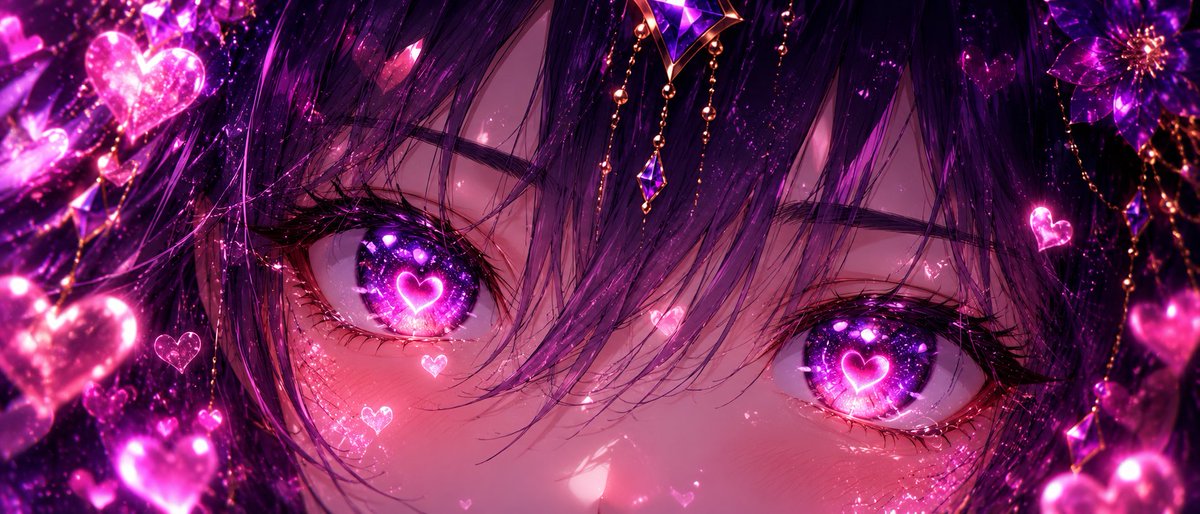
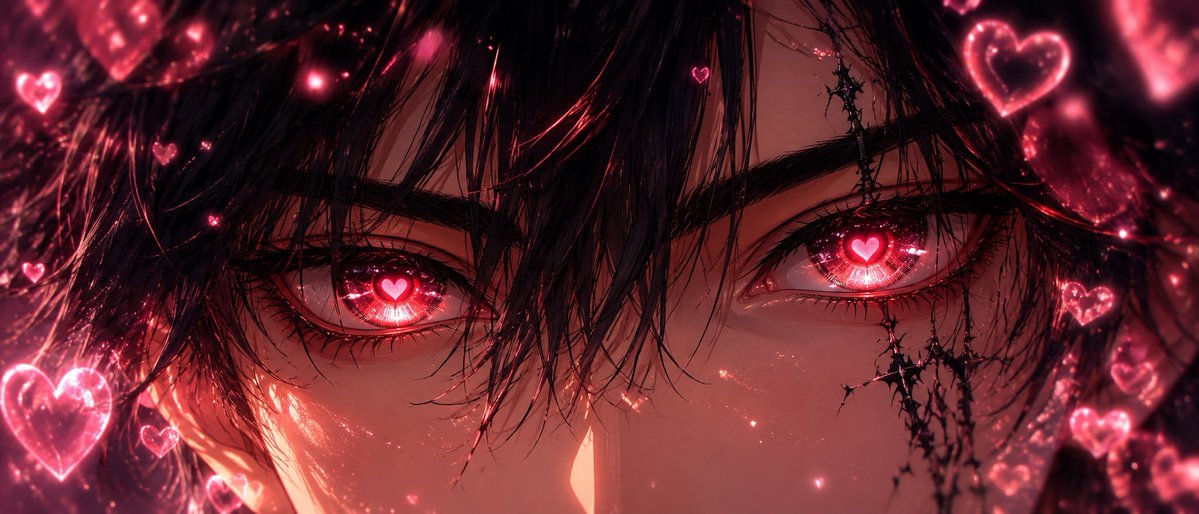
What Got You Look Like This? Prompt Below:👇