Souzana Choussein, M.D.

1.2K posts

Souzana Choussein, M.D. banner
Souzana Choussein, M.D.

Souzana Choussein, M.D.

@SusanChoussein

An experiment in progress. سوزانا

Beigetreten Ekim 2022
482 Folgt67 Follower
Angehefteter Tweet
Souzana Choussein, M.D.
Souzana Choussein, M.D.@SusanChoussein·
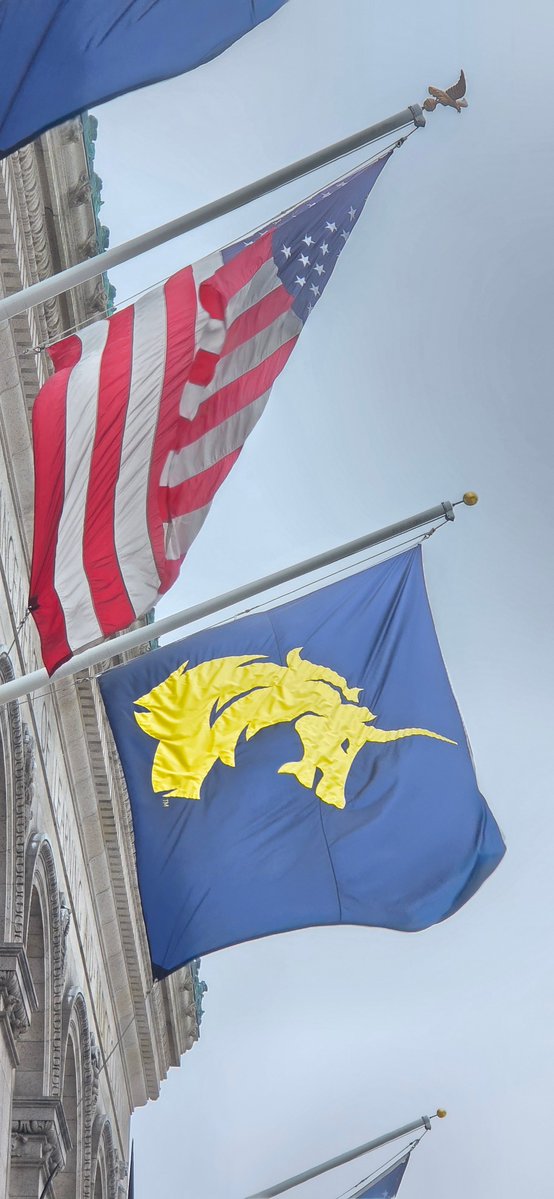
I know it takes complicated but intuitive je ne sais quoi /“bee’s knees” figures/comments for a tweet to gain traction.. But that’s all I have.. 🙃😜 #Boston #firsttweet

Souzana Choussein, M.D. tweet media
English
2
0
6
0
Souzana Choussein, M.D. retweetet
Only In Boston
Only In Boston@OnlyInBOS·
The Boston Marathon’s unicorn symbolizes something to chase but never catch. It was inspired by the coat of arms of one of the Boston Athletic Association’s founding families. 💛
Only In Boston tweet media
English
1
17
145
8.8K
Souzana Choussein, M.D. retweetet
BBC News (World)
BBC News (World)@BBCWorld·
Back to books - Sweden's schools give up digital learning bbc.in/41CvrFS
English
187
3.2K
7.6K
896.4K
Souzana Choussein, M.D. retweetet
Barchart
Barchart@Barchart·
U.S. Fertility Rate has fallen to the lowest level in history and is significantly below replacement level 🚨🤯👀
Barchart tweet media
English
59
143
635
54.7K
Souzana Choussein, M.D. retweetet
Boston 25 News
Boston 25 News@boston25·
HAPPENING TODAY: The ban would be "among the most restrictive" in the country and also prohibit student cellphone use in schools.
Boston 25 News tweet media
English
58
12
97
18.1K
Souzana Choussein, M.D. retweetet
Ross Douthat
Ross Douthat@DouthatNYT·
Put it on a bumper sticker: "Two things are important now, deep learning and fertility." x.com/JesusFerna7026…
Jesús Fernández-Villaverde@JesusFerna7026

I concluded my Henry Family lecture at the University of Miami last Thursday by saying: “Two things are important right now in life: deep learning and fertility. Everything else is noise.” We are only starting to glimpse what these two forces will do to global life over the next fifty years. And they interact: deep learning will reshape demographics, and demographic collapse will reshape automation. Nearly all my posts on X (except some parochial commentary on Spanish economic policy) revolve around these two facts. So does most of my current research. Even work that does not seem directly connected turns out to be, once you look carefully. My papers on geoeconomics and international macro are about figuring out some of the consequences of deep learning and fertility. For example, my work on China focuses on its abysmal demographic future and how the U.S. is positioning itself (rightly or wrongly) to address it. And my work on political polarization and the welfare state is about the consequences of decades of low fertility in Western Europe. When people talk about political change in Western Europe, they are talking about low fertility, whether they know it or not. It is not clear that modern representative democracy can survive sustained fertility rates of 1.3. I do not say that with glee. The reason I decided to spend my life on academic work in economics is that I realized, when I was much younger, that daily events are irrelevant. The things that concern the media and 99 percent of commentary on X are largely irrelevant. One political party does better or worse in the next electoral cycle because of internal fights or a good campaign. At a fundamental level, none of it matters: the political outcome 25 years from now will not depend on those accidents. As Alexander Gerschenkron said, Clio is not a tidy housewife. The rise of any political movement is always full of advances and retreats. Social change waxes and wanes. But at the end of the day, as my favorite historian Fernand Braudel put it: “The events of history are merely surface disturbances, crests of foam that the tides of history carry on their strong backs.” or in the much better original: “Les événements de l’histoire ne sont que des agitations de surface, des crêtes d’écume que les marées de l’histoire portent sur leur dos puissant.” The tides of history today are deep learning and fertility.


English
15
35
388
72.1K
Souzana Choussein, M.D. retweetet
AFP News Agency
AFP News Agency@AFP·
BREAKING Greece to ban social media for under 15-year-olds, says prime minister
AFP News Agency tweet media
English
67
557
1.5K
655.7K
Souzana Choussein, M.D. retweetet
Ηellenic Olympic Committee
Ηellenic Olympic Committee@HellenicOlympic·
Η απονομή του 🥇 και ο Εθνικός Υμνος 🇬🇷 για τον μοναδικό Λευτέρη Πετρούνια και την πρώτη θέση στη σειρά αγώνων του Παγκοσμίου Κυπέλλου γυμναστικής, στον αγώνα του Καϊρου!
Ελληνικά
8
345
2K
22.9K
Souzana Choussein, M.D.
Souzana Choussein, M.D.@SusanChoussein·
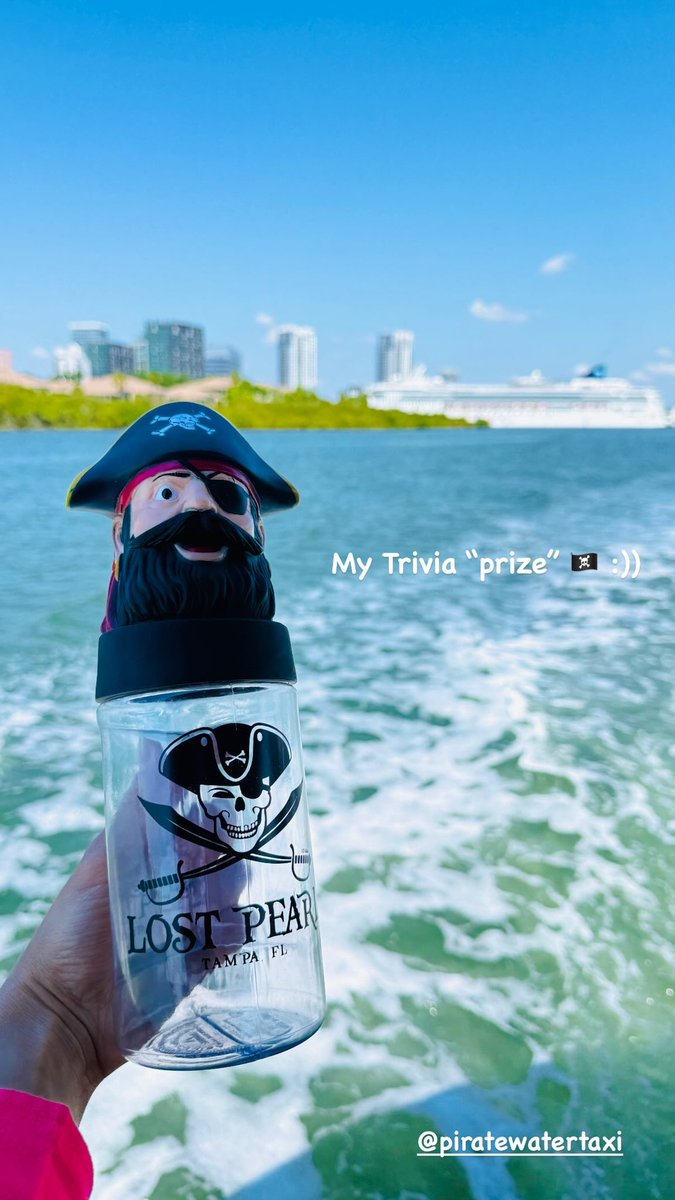
The “nerdy tourist” in me got me this Jolly Roger water bottle and a burst of admiration in my kids’ eyes for knowing the 3 wars the American Victory Ship served in. Wouldn’t trade either for the world 🏴‍☠️ FTR, it’s WWII, the Korean & the Vietnam War. And yes, #TampaBay it is 😉
Souzana Choussein, M.D. tweet mediaSouzana Choussein, M.D. tweet mediaSouzana Choussein, M.D. tweet media
English
0
0
1
167
Souzana Choussein, M.D. retweetet
Katie Notopoulos
Katie Notopoulos@katienotopoulos·
I'm fascinated with Massachusetts' economy bc its so weird. And there's been some interesting chatter here about the problems (housing, biotech leaving, VC trouble). Was very interested to read a long, deeply reported story about the big picture bostonmagazine.com/news/2026/03/2…
English
22
24
291
309.5K
Souzana Choussein, M.D. retweetet
World of Engineering
World of Engineering@engineers_feed·
CEO of America’s largest public hospital system says he’s ready to replace radiologists with AI Mitchell H. Katz, MD, president and CEO of NYC Health + Hospitals, recently spoke during a panel discussion held by Crain’s New York Business. The trained internal medicine specialist noted how AI is increasingly being used to interpret mammograms and X-rays.  “We could replace a great deal of radiologists with AI at this moment, if we are ready to do the regulatory challenge,” Katz said at the forum, held on March 25.
English
26
30
116
39.7K
Souzana Choussein, M.D. retweetet
JAMA
JAMA@JAMA_current·
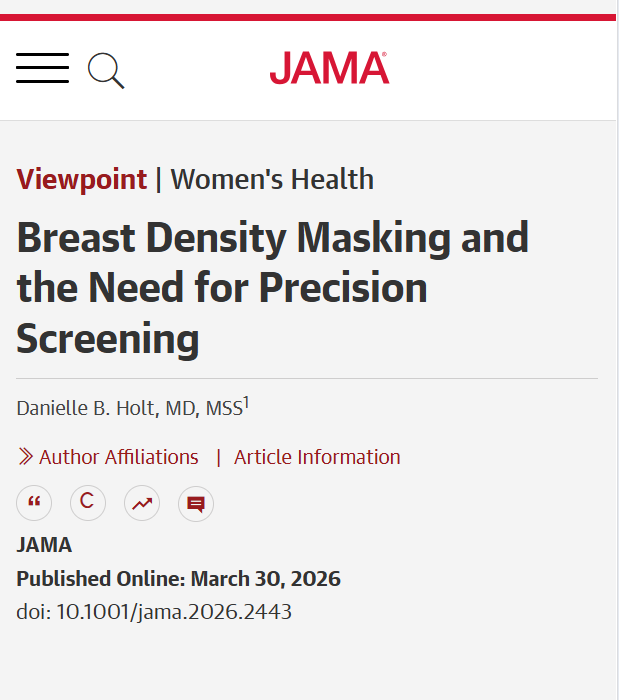
💬 Viewpoint: Breast density increases cancer risk and reduces #Mammography sensitivity, but access to supplemental screening like #MRI and ultrasonography remains limited, creating disparities in early #BreastCancer detection. ja.ma/4tqn3VX
JAMA tweet media
English
2
10
43
4.1K
Souzana Choussein, M.D. retweetet
Steve Magness
Steve Magness@stevemagness·
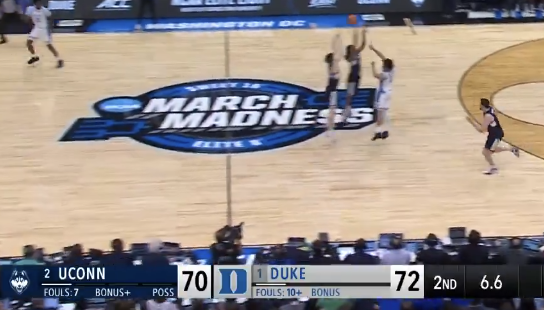
With 10 seconds left, Duke was up 2 with the ball. All they had to do was hold the ball. They passed. And one was deflected. A clutch three and UCONN wins. But...why throw the pass? Under pressure, our brain betrays us. Part of it goes offline. It's one of the cruel things in all of sport: First, some context on how insane this was. Duke led by 19. Number one seeds were 134-0 all time when leading by 15+ at halftime in the NCAA tournament. 134-0. Braylon Mullins, the freshman who hit the 35-footer with 0.4 seconds left, was 0-for-4 from three before that shot. Nothing about what happened should have happened. We tell athletes to "rise to the occasion." That's a lie. Under extreme pressure, you don't rise to anything. You fall to your defaults. The latest neuroscience explains why: When pressure spikes, your prefrontal cortex, the part of the brain responsible for planning, decision-making, and overriding impulse, starts to go offline. Stress hormones like norepinephrine and dopamine flood the system. At moderate levels, they help you focus and lock-in. But past a threshold, the PFC starts to shut down. Attention flips from thoughtful "top-down" control to "bottom-up" control, where whatever stimulus is in front of you captures your attention. It's less thinking and planning and more impulsive reacting. Hartogsveld and colleagues tested this in 2020. They stressed participants out and measured whether they could override trained habits when the situation changed. Stressed participants committed significantly more "slips of action," performing the trained habit even when it was no longer the correct response. Stress made them default to what they'd practiced most. It's the cruel paradox of choking. Your most practiced behaviors take over precisely when the situation demands something different. Duke needed to do nothing. Literally hold the ball. But everything a basketball player has ever practiced is telling them to make a play. In this situation, get past midcourt to avoid the backcourt violation. When our PFC is off-line, we lose that impulse control to tell us, wait a minute, context demands something different! Research shows that we often try to compensate for the pressure by trying harder. We start forcing things or trying to micromanage the situation to deal with losing a bit of control. Inevitably, this backfires. So you get this terrible contradiction. The PFC goes offline and you lose top-down control. But whatever executive resources remain get directed at the wrong thing, overmonitoring your own movements. You start consciously controlling things that should be running on autopilot, and the whole system jams. Don't believe me, try to do simple math when you are moderately stressed or fatigued, such as mile 15 of a marathon or the 6th 400m repeat of the workout? Any runner will tell you, it's hard to do 26 minus 15... Now, add the pressure of millions watching, and see how your brain works. There's no perfect solution. You've got to feel for the Duke kids. This close and have it ripped away. But that's why when preparing for a high pressure situation there are a few solutions. 1. Inoculate Yourself Train in environments that simulate pressure as best you can. Up the ante, use exercise as a stressor to challenge decision making. Visualize it. Michael Phelps visualized a "problem tape" of what to do if it went wrong. Create simple If...Then scenarios. A mental playbook of sorts, like a QB that knows to dump it to the RB if pressure comes. 2. Copy Pilots. They have checklists and slogans for emergencies (Aviate-Navigate-Communicate). It simplifies the priorities directing them what to focus on and what actions to take when their brain isn't working. Tell your brain where to focus and what action to take. Coaches need to make it simple and explicit. When the pressure is on, treat your athletes like a toddler. Because that's how their brain is kind of working...
Steve Magness tweet media
English
28
32
281
58.5K