Jon Harris 🌲@jonharris1989
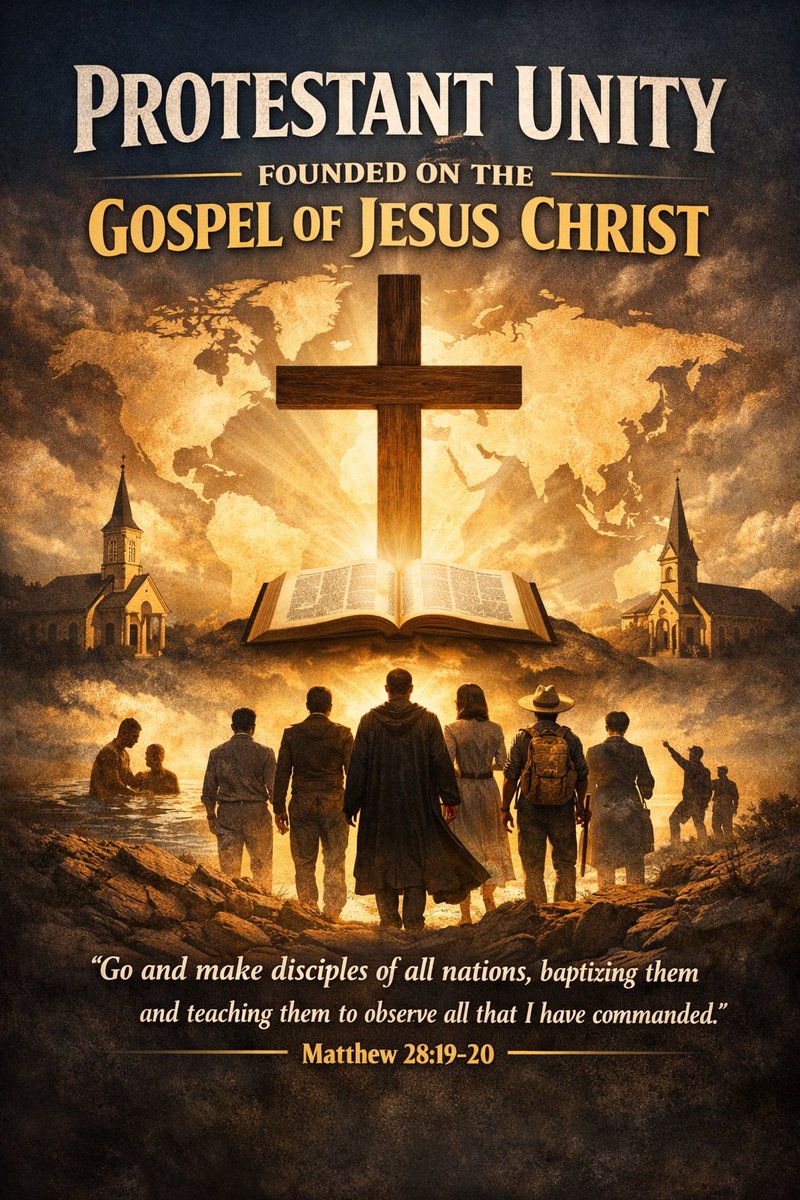
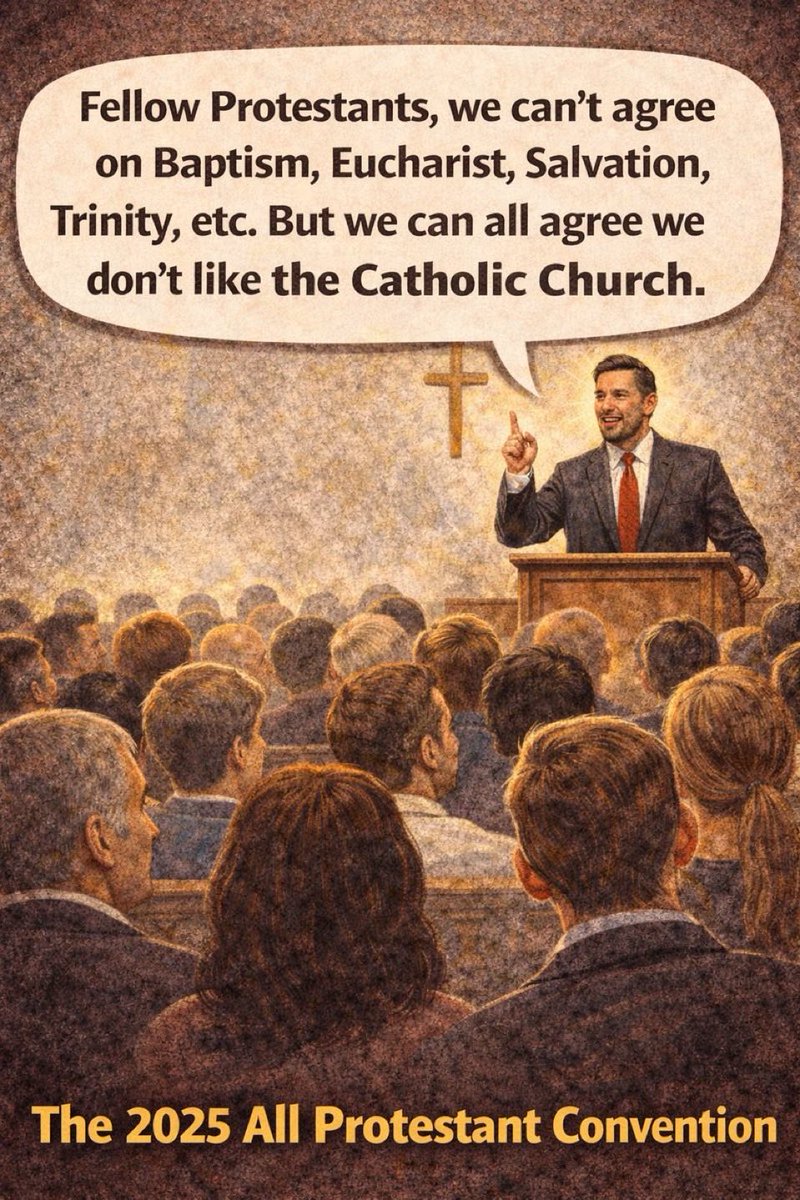
There are three primary reasons for the current attacks on evangelicals.
First, many right-leaning political elites do not clearly distinguish between evangelicals, fundamentalists, dispensationalists, Christian Zionists, or even Protestants in general. They know these labels are unpopular in their social circles, yet they still need evangelical votes. To them, evangelicals are embarrassing because of their strong support for Israel. As elite support for Israel has declined and many young conservatives have turned toward Catholicism, being openly evangelical is no longer seen as sophisticated.
Second, evangelicals remain genuinely conservative, which makes them a natural target for liberals. Any successful attack on evangelicals weakens the broader conservative coalition.
Third, Catholics and Eastern Orthodox Christians see an opportunity to draw former evangelicals into their ranks by recycling long-standing anti-Protestant arguments.
At bottom, evangelicals are the theological rebels of modern Christianity. They are rooted in the frontier revival movements of the South and Midwest. They largely avoided the theological liberalism that swallowed the mainline denominations. They are overwhelmingly middle-class Americans whose vision of the good life closely matches that of ordinary Southerners and Midwesterners. They tend to provide leadership in local churches and often serve in the military. While some smaller Anabaptist-leaning groups avoid power, most evangelicals simply do not aspire to elite status.
Neo-evangelicals tried to reclaim lost cultural ground for Christianity, but they often pursued the wrong strategies.
Fundamentalists, by contrast, adopted a defensive bunker mentality. Many of their critiques of neo-evangelicalism were valid, yet their movement fragmented through excessive purity spiraling and struggled to grow.
Meanwhile, mainline Protestants compromised so thoroughly with secular culture that they became nearly indistinguishable from liberal Catholics or Jews. It is worth noting that until the 1970s, mainline Protestants were among the strongest advocates of Christian Zionism. They only shifted when they began viewing the Palestinian cause as an underdog struggle against Western colonialism.
In the end, evangelicals—the “God said it, I believe it, that settles it” crowd—were left as the last major group holding to traditional views on sexuality, abortion, and the restoration of Israel, positions long embedded in the Anglo-Protestant tradition.
The evangelicals certainly have their grifters, prosperity preachers, and kooks. The nice thing about the rank-and-file though is that they are generally willing to have a conversation about what the Bible itself says.
This is part of what makes them stand apart. Their influence has been diluted, along with Protestants more broadly in the face of immigration policies that mainly benefit Catholics, Jews, and now Muslims and Hindus. But, evangelicals have shown more resilience in growth than any other Christian group over the past few decades.