

Thanks A Movie
4.1K posts
Thanks A Movie
@ThanksAMovie
We propagate tasteful films, their readings, reviews, lists, & posts that make you a proud film watcher! Mail at: [email protected]
India Beigetreten Kasım 2024
70 Folgt257 Follower



@thecinelost Thats y it is an accidental masterpiece!! It might be the quirkiest, adorable film from Wong Kar-wai. It is almost like a playful portfolio of his cinematic personality. We have covered abt themes of the movie:
x.com/ThanksAMovie/s…
Thanks A Movie@ThanksAMovie
LOVE IN CHUNGKING EXPRESS - WHERE EXPIRY DATES ARE PERSONAL, AND RUNWAYS ARE CLEARED FOR NEXT FLIGHTS !! At this point, after watching three films by Wong Kar-wai, I began to understand that his language of love is far more diverse than conventional. It’s not just affection. It’s waiting disguised as false hope for an impossible dream. It’s a memory oscillating between being ditched and being taken to the grave. It’s far more complex than the idea that love lasts forever. In Chungking Express, love takes two shapes. One is about putting an end to longing, and the other is about making way for something new. But it isn’t sad, it’s funny, weird, and refreshing. The common point in both stories is not how they end, but how long it takes to end, and what it takes to finally let go.
English

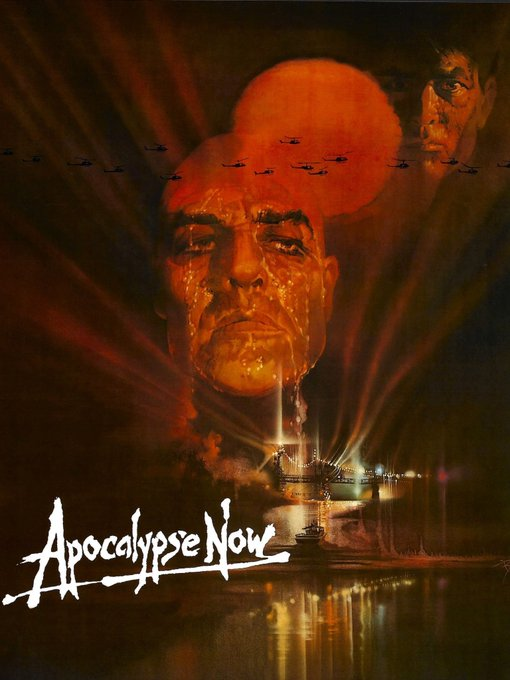
@MovieEndorser Apocalypse Now!, after having watched 800+ films, it was so overwhelming & humbling for me! Idk, why I felt that every other films I've watch was just nothing!
There's no scale for this, but it made me feel like its effects are beyond anything that I've seen previously!
English



@colditioner It indeed is!! Maborosi (1995) is Hirokazu Koreeda is to level it doesn't have a shade of a debut direction. We covered a few interesting aspects of it as well:
x.com/ThanksAMovie/s…
Thanks A Movie@ThanksAMovie
MABOROSI (1995); dir: Hirokazu Kore-eda! 'Maborosi', it’s crazy to think this was Kore-eda’s debut feature. It feels so mature and quiet, but man, it’s heavy. I went into it expecting a typical drama about grief, but it’s so much more true to life than that. From the very start, with Yumiko’s grandmother walking away and never coming back, and the place where her husband, Ikuo, just walks away with a smile, looking completely fine, only to never come home, there’s this lingering sense of dread that follows her and us, the audience the whole time. What’s wild is how the movie pulls off this intense feeling without ever being melodramatic. It’s all in the silence and the ordinary, lived-in details. Kore-eda just trusts us to feel it without giving a solid verbal confrontation. I kept thinking about the title, Maborosi (phantasmic light). It’s such a haunting metaphor for how we try to understand why people leave. By the end, I didn’t feel closure, because that’s not what this movie is about. It’s more about accepting that some things are unanswerable. See replies for film readings: 🧵
English

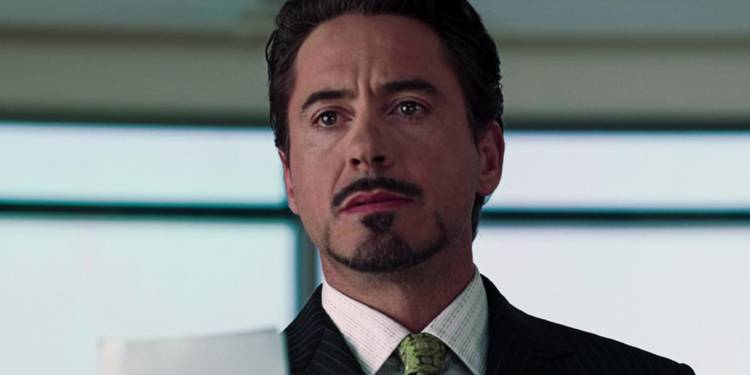
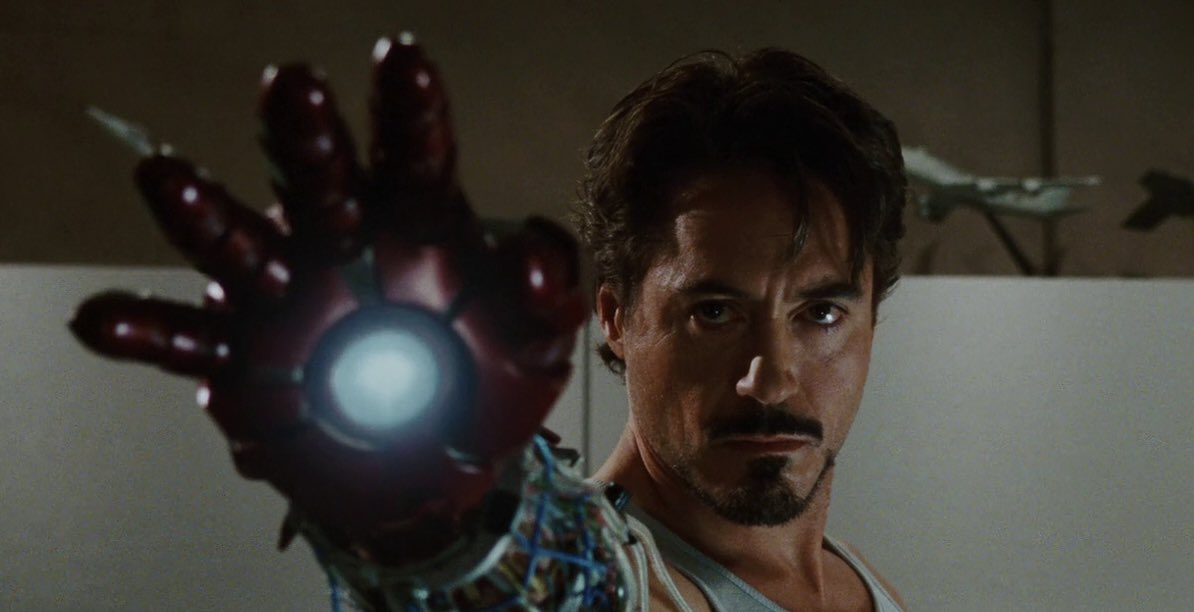
@FilmUpdates 18 years since the suit changed everything. The MCU was born, and cinema was never the same!!
English

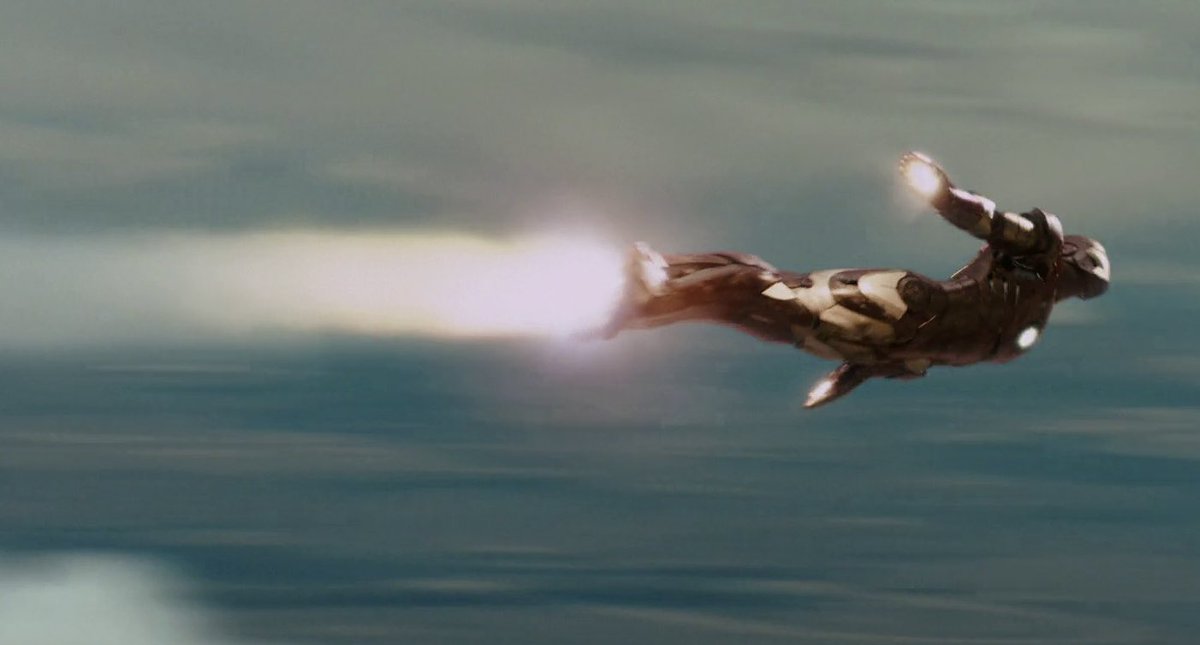

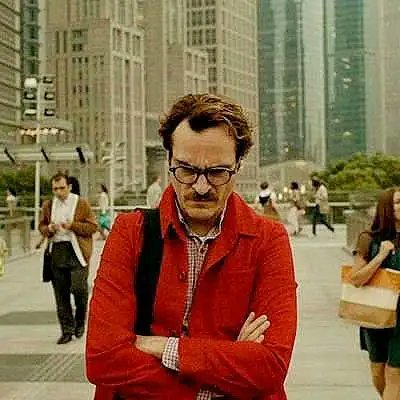
respond to this tweet with an image from a movie that always cheers you up, but don't name the movie. just the image. or gif.
English
EO is a psychedelic fever dream about the world’s most silent observer.
It’s a sensory explosion that swaps human dialogue for the soulful gaze of a donkey wandering through a chaotic Europe.
It’s a poetic reminder to us that innocence is often the first thing we break.
More thoughts on it:
Thanks A Movie@ThanksAMovie
EO, dir: Jerzy Skolimowski! In 1966, Robert Bresson gave us ‘Au Hasard Balthazar’, a film where a donkey walked through human life like a mirror reflecting all our sins and small kindnesses. Decades later comes ‘EO’, a film that takes that old path but turns it into a maze lit with neon, broken glass, and dreamlike sparks. Bresson’s world felt calm, almost like a prayer whispered in a church. EO’s world feels more like a carnival that got lost in the forest a place where football stadium lights roar like monsters, red filters turn the screen into fire, and the donkey’s eyes see fragments of human madness. The story no longer flows in a neat line. It jumps, it cuts, it bends. One moment EO walks through the circus with love from the audience, the next moment he drifts into forests, slaughterhouses, or mansions like a ghost. Where Bresson kept things pure and simple, Skolimowski loads the screen with color, sound, and dizzy movement. The result is not just a retelling but a surreal remix, a dream that sometimes feels gentle, sometimes feels cruel, but always feels alive. ‘EO’ may be inspired by Bresson’s donkey, but he wanders in a much stranger landscape one that turns suffering into a riddle and innocence into a kind of poetry. 🧵:
English
Wes Anderson's "The Wonderful Story of Henry Sugar" presents the ability to "see without eyes" as a pathway to enlightenment. The film utilises a nested, relay-race style of storytelling where a "mystical" feat is filtered through multiple perspectives.
Posted abt it:
Thanks A Movie@ThanksAMovie
THE WONDERFUL STORY OF HENRY SUGAR, dir: Wes Anderson! Imagine ‘Seeing without eyes’ and it feels like the pitch for a new Marvel Superhero story, but here it’s way deeper than just some flashy stunt. Imdad Khan out here not doing any circus tricks rather he’s literally showing what happens when you train your mind through yoga and insane focus. It’s that inner vision, that next-level clarity, where you stop depending on the outside world and start seeing truth from the inside out. Basically enlightenment unlocked. Now here’s where it gets kinda funny (and also messy): the whole story comes filtered through this British doctor, who treats Khan’s ability like he just discovered a shiny Pokémon or something. He writes about it like a scientific curiosity ‘look at this strange Indian mystic who can see without eyes!’ Also, there is a weird clash of vibes on one hand, a beautiful lesson about focus, spirituality, and inner growth. On the other, the colonial gaze turning it into a sideshow act. And maybe that’s the real irony: what the West saw as ‘mystical trickery’ was, for the East, just another pathway to wisdom.”
English
@RuizVidal7 Yi Yi is the film with one of the most intriguing writings I've ever seen. Literally blown out by the movie, by far Yang's last best!! Have posted by heartfelt reading on it!
x.com/ThanksAMovie/s…
Thanks A Movie@ThanksAMovie
“YI YI” (2000) BY EDWARD YANG IS THE "COMPLETE" CINEMA! Almost all films extend beyond their lead, exploring supporting characters and their arcs. However, Yi Yi, makes a fundamental benchmark: supporting characters are not secondary but essential, forming a complex, interconnected tapestry of modern life where no emotional thread is ignored. Edward Yang removes the idea of a singular protagonist altogether; instead of following one arc, we witness an entire collective, where every character holds weight, pushing character exploration far beyond conventional storytelling. With so many characters, the film constantly shifts our perspective. And this feeling doesn’t come just from the writing or the dialogues by Edward Yang, it comes from how the film lets us observe. Mainly by how the film is shot, framing moments through doorways, windows, and reflections. That’s what makes Yi Yi so rare, it makes you wonder how writing can even reach this level, how a film can hold so much without ever feeling overwhelming. See the replies for readings: 🧵
English

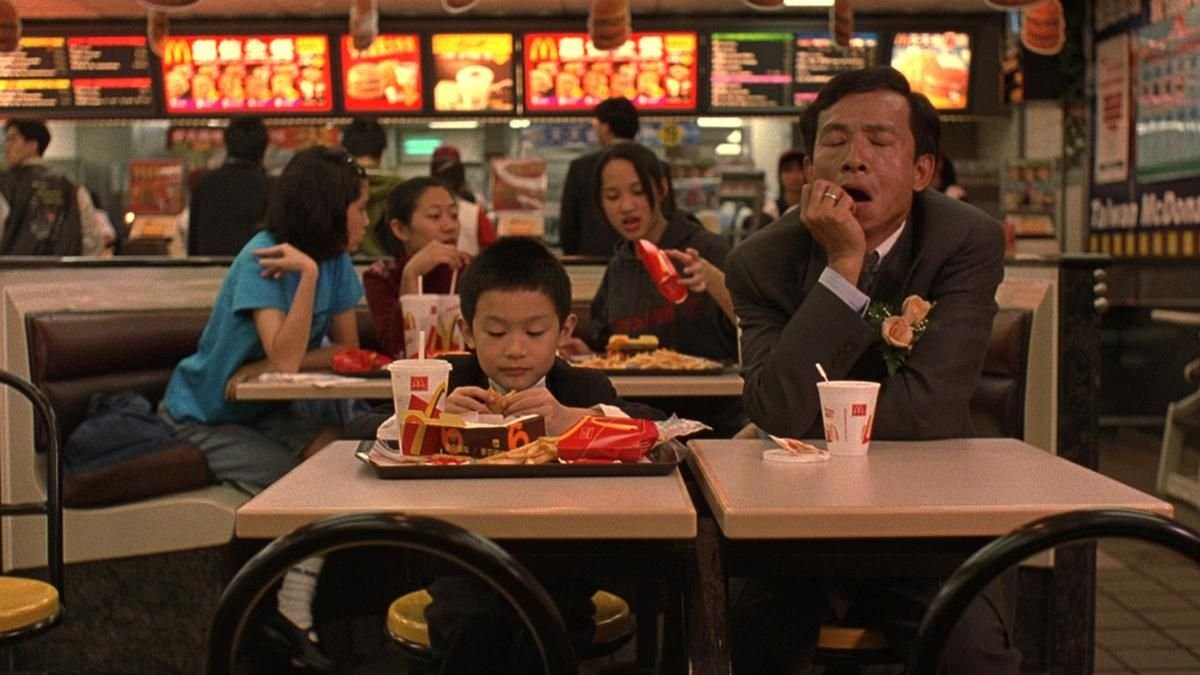


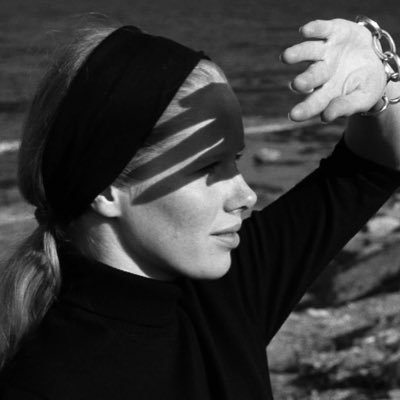
Favorite first watches of April | new movies from 2025
I Swear (UK)
Secret Agent (Brazil)
It Was Just an Accident (Iran)
Homebound (India)
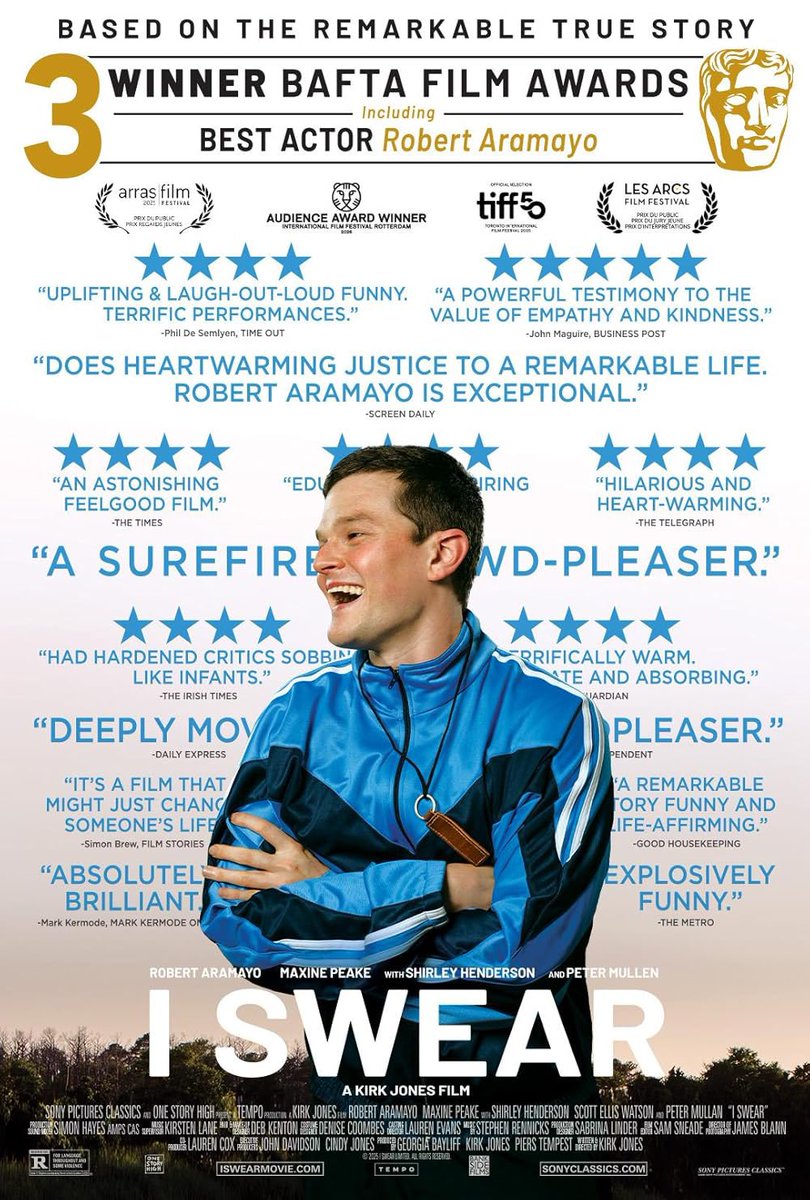
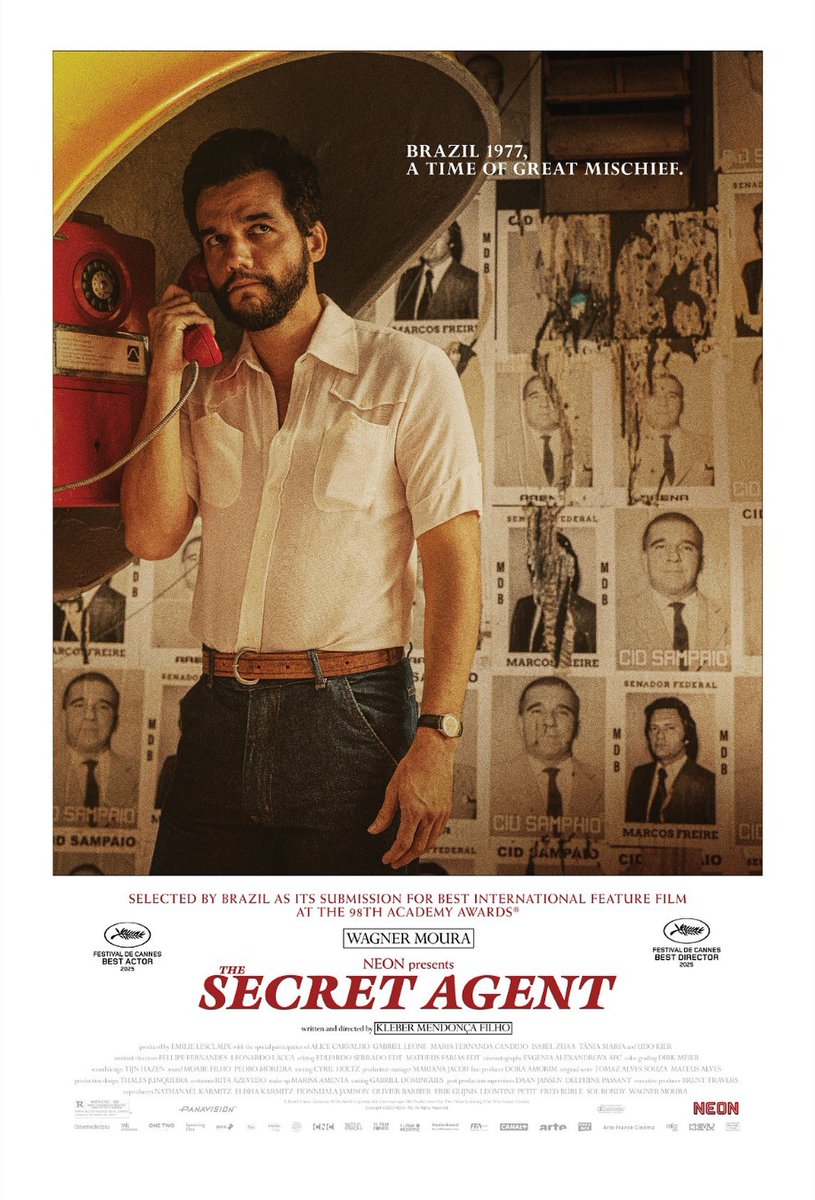
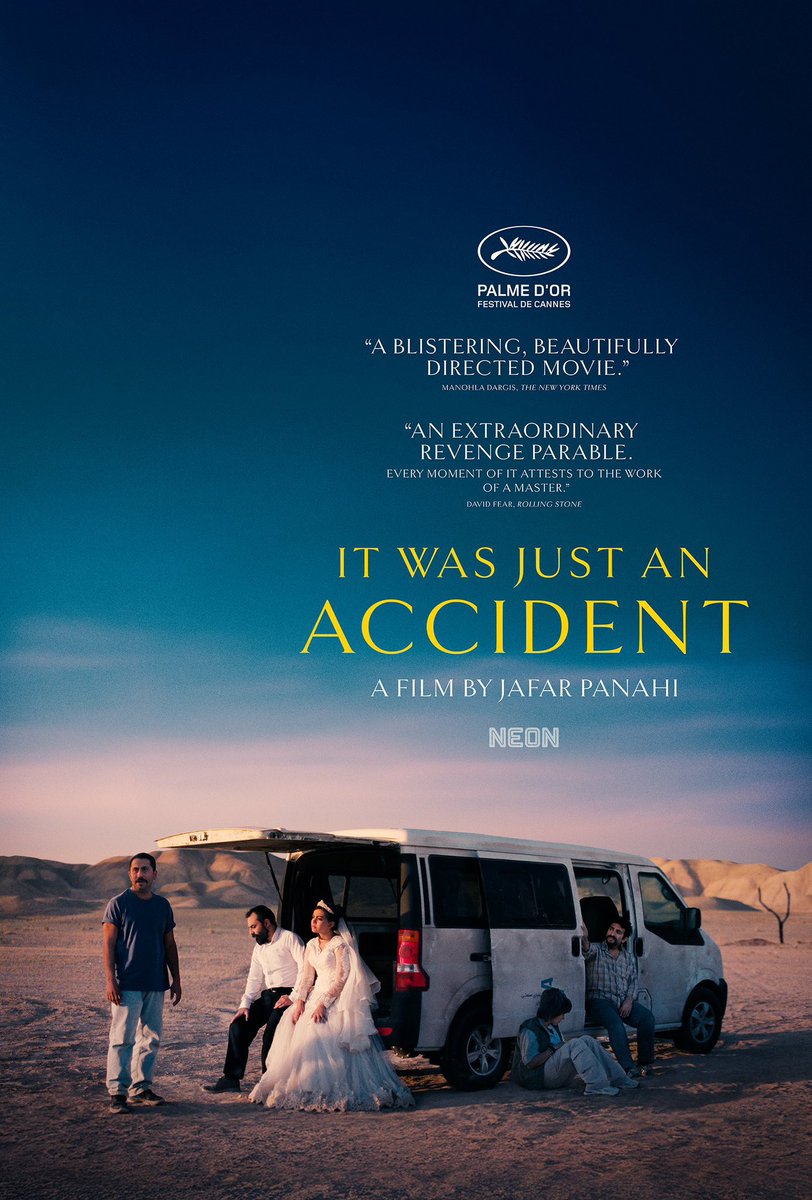
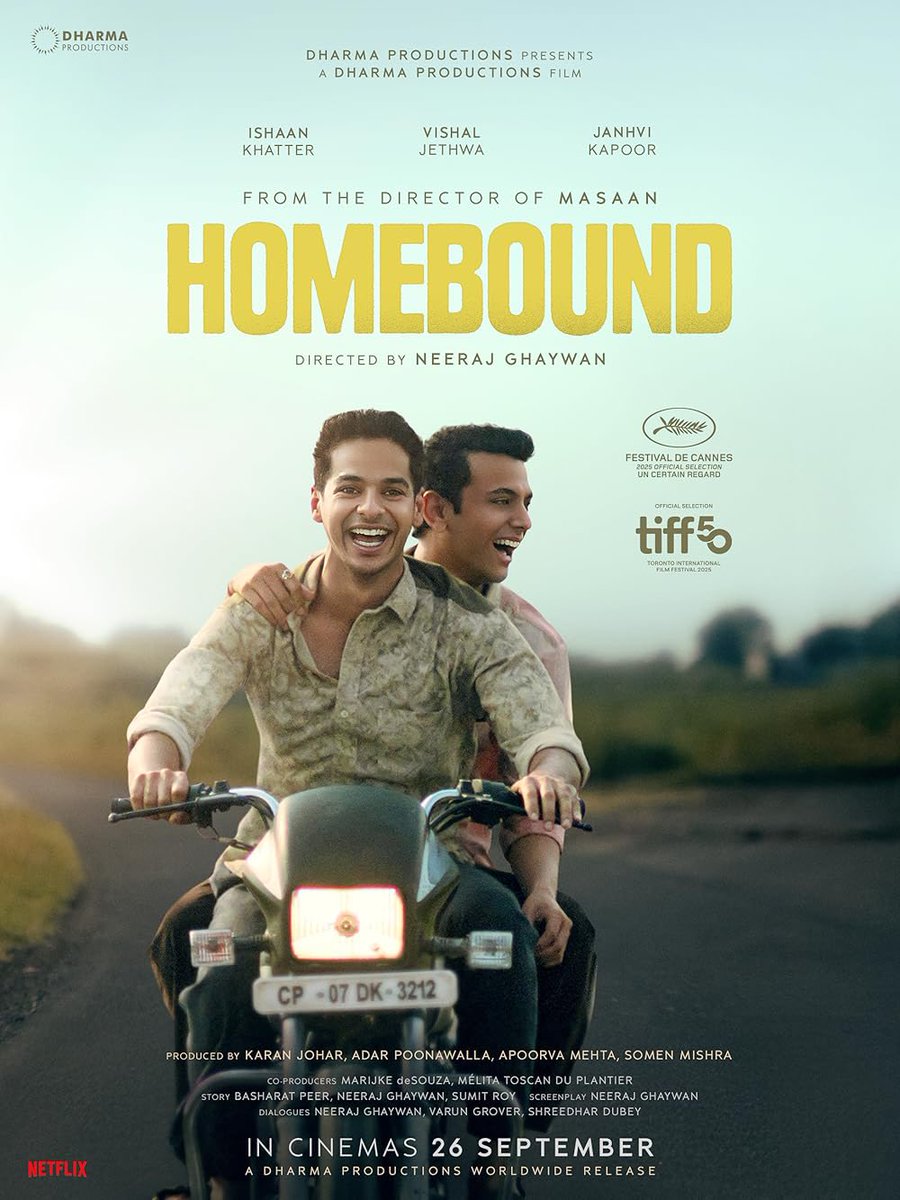
Sangram@Sangram_SHK
Favorite first watches of April Samurai Rebellion (1967) Hobson's Choice (1954) Senso (1954) Léon Morin, Priest (1961)
English
@StockieNewbie @thecinelost But then they made it in a way that even the characters felt that it was not right!!
English

@ThanksAMovie @thecinelost Agree but it showed how a man and a woman can't remain just friends
English

@ATRightMovies "The Wonderful Story of Henry Sugar" is my fav!!
It’s like Wes Anderson took everything we love about his style and made something that feels totally seamless. It’s short & every single frame is a literal painting.
Check out our post on it:
x.com/ThanksAMovie/s…
Thanks A Movie@ThanksAMovie
THE WONDERFUL STORY OF HENRY SUGAR, dir: Wes Anderson! Imagine ‘Seeing without eyes’ and it feels like the pitch for a new Marvel Superhero story, but here it’s way deeper than just some flashy stunt. Imdad Khan out here not doing any circus tricks rather he’s literally showing what happens when you train your mind through yoga and insane focus. It’s that inner vision, that next-level clarity, where you stop depending on the outside world and start seeing truth from the inside out. Basically enlightenment unlocked. Now here’s where it gets kinda funny (and also messy): the whole story comes filtered through this British doctor, who treats Khan’s ability like he just discovered a shiny Pokémon or something. He writes about it like a scientific curiosity ‘look at this strange Indian mystic who can see without eyes!’ Also, there is a weird clash of vibes on one hand, a beautiful lesson about focus, spirituality, and inner growth. On the other, the colonial gaze turning it into a sideshow act. And maybe that’s the real irony: what the West saw as ‘mystical trickery’ was, for the East, just another pathway to wisdom.”
English

What is the first film you think of when you see WES ANDERSON?

English
@ctrlarchive The most heart breaking yet a, charming expiration date of all time... Chungking Express makes you feel that specific kind of "sad-happy", but also totally fall in love with the film.
Posted abt it and trust me, today is the right day to watch it:
x.com/ThanksAMovie/s…
Thanks A Movie@ThanksAMovie
LOVE IN CHUNGKING EXPRESS - WHERE EXPIRY DATES ARE PERSONAL, AND RUNWAYS ARE CLEARED FOR NEXT FLIGHTS !! At this point, after watching three films by Wong Kar-wai, I began to understand that his language of love is far more diverse than conventional. It’s not just affection. It’s waiting disguised as false hope for an impossible dream. It’s a memory oscillating between being ditched and being taken to the grave. It’s far more complex than the idea that love lasts forever. In Chungking Express, love takes two shapes. One is about putting an end to longing, and the other is about making way for something new. But it isn’t sad, it’s funny, weird, and refreshing. The common point in both stories is not how they end, but how long it takes to end, and what it takes to finally let go.
English

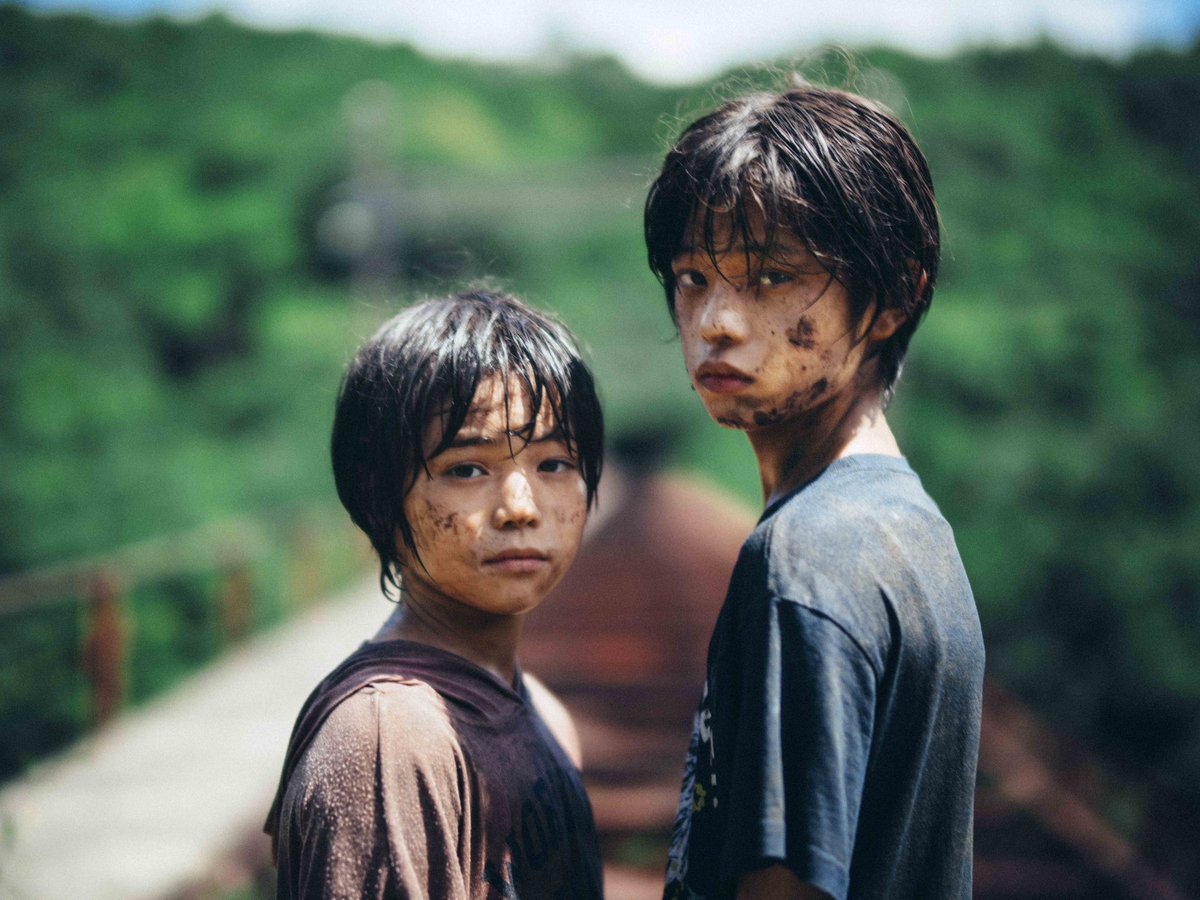
@reelandroll Couldn't agree more, 1st of all, the writing was terrific for those 2 characters & the way they pulled off that raw, confusing transition from innocence to the burden was so heart-crushing. It’s insane that this was their debut.
Our thoughts on Monster:
x.com/ThanksAMovie/s…
Thanks A Movie@ThanksAMovie
MONSTER, dir: Hirokazu Kore-eda! I'm kinda spoiling the film for you, or maybe not, if you’re opinionated and look at things on a black and white scale, this film tells you, you're colorblind, and sometimes things are grey, you know! So, the film gives us easy answers to it and holds up a lens to the world we’ve built, where misunderstanding grows faster than the compassion, and where the line between victim and villain is never as clear as we want it to be. Details on the film 'Monster', and what it’s really trying to say.. 🧵
English

@ElPare89 Watched this few months back!
One of the most skillfully layered satires on the zombie genre cleverly blends humor and horror! It earned 1000x of its budget & became the highest-grossing film in Japan in 2018!
Posted about it:
x.com/ThanksAMovie/s…
Thanks A Movie@ThanksAMovie
DID YOU KNOW “ONE CUT OF THE DEAD” EARNED 1000 TIMES FROM ITS BUDGET AND BECAME THE HIGHEST GROSSING FILM IN 2018. At 1st watch, the film looks like just another low budget zombie flick clumsy acting, awkward silences, shaky camerawork a 37-minute single take that’s more chaotic than impressive. But on the 2nd watch, one can notice that the film itself as one of the most skilled fully layered, and surprisingly heartfelt. Unwrapping the details of those awkward scenes, to the real life story of the struggling director, and the sweet family moment hidden under all the zombie chaos. (1/5)
English

Vamos esta noche con «One Cut of the Dead» (2017), película japonesa de zombis que gustó bastante en su momento a la audiencia.
¿Qué opináis los que ya la habéis visto? 🤔

Español
@ATRightMovies Princess Mononoke is a whole mood!! Ghibli really peaked with this one. It leaves a beautiful experience, even if U loop it forever u'll still find new details to obsess over. Check out our post on it:
x.com/ThanksAMovie/s…
Thanks A Movie@ThanksAMovie
PRINCESS MONONOKE (1997) HAYAO MIYAZAKI!! Ashitaka, a young warrior gets caught in a conflict between humans and the gods of a forest. As humans destroy nature for resources, Ashitaka meets San, a girl raised by wolves, and tries to find a way for both sides to survive. THREAD:
English
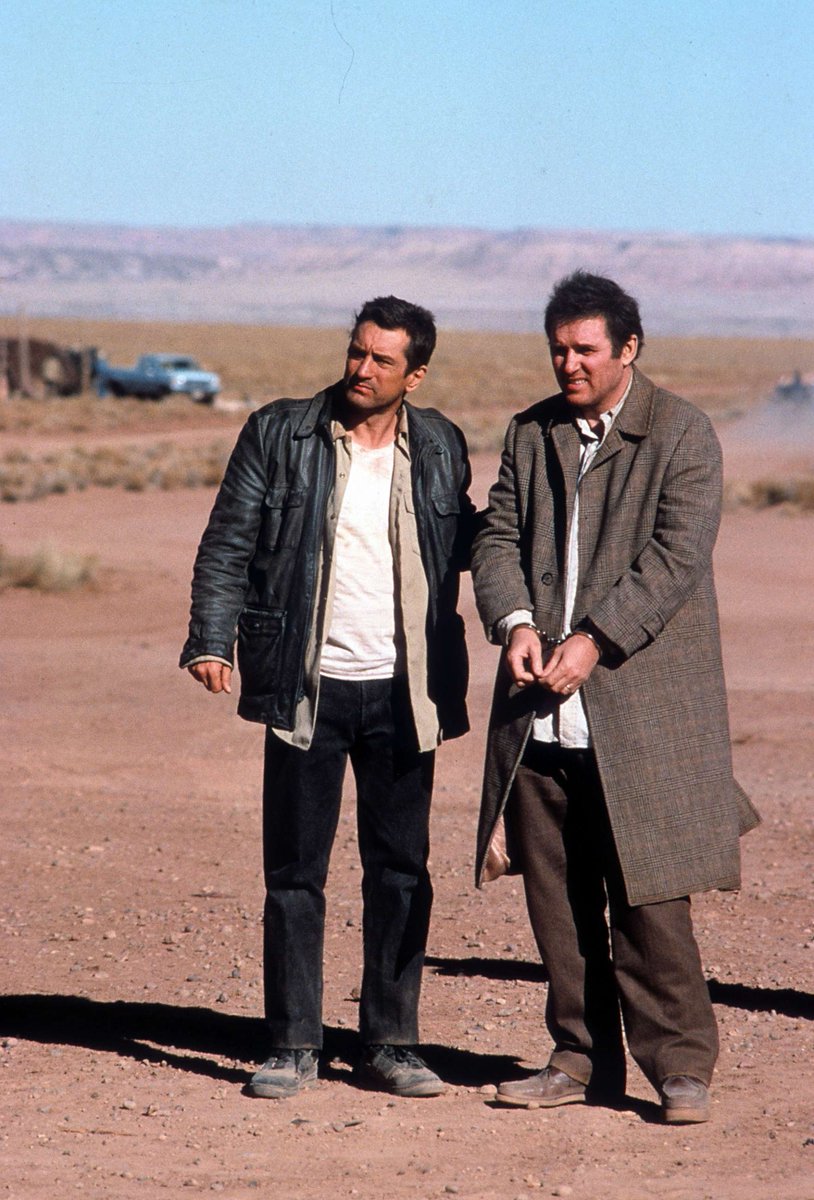
Which movie you can watch over and over without getting bored?
English
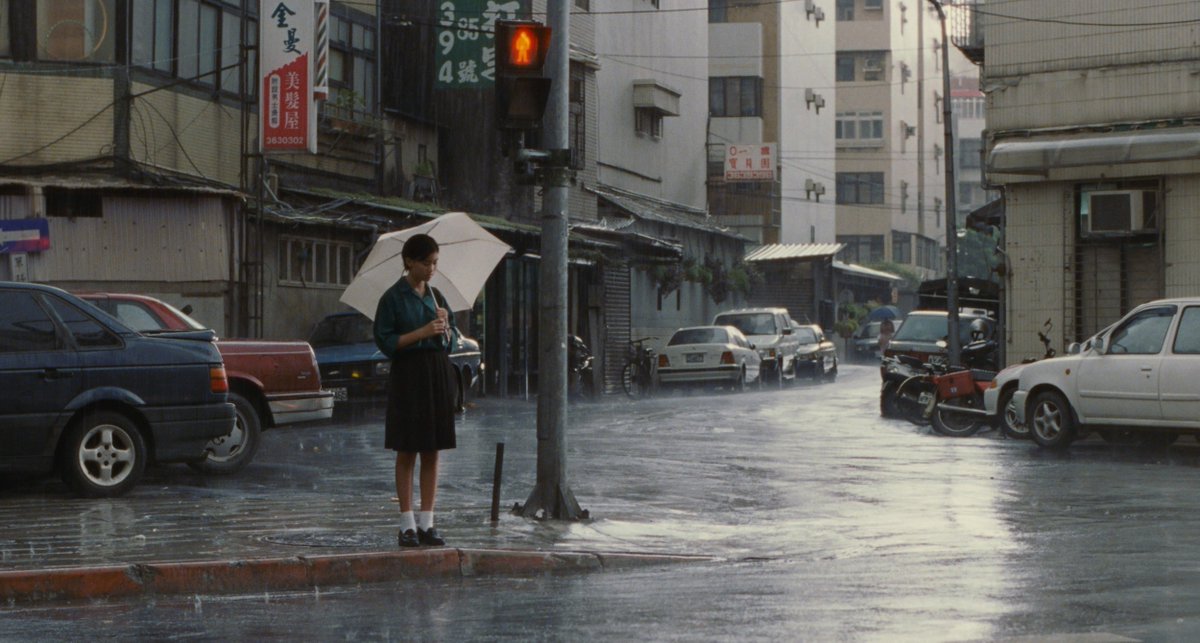
HOW YI YI SHOWS THE OTHER HALF WE NEVER SEE!
Even if we strongly “relate” to one character, the film constantly expands our view, allowing us to step into the emotional spaces of others at the same time. “I can only see what’s in front, not what’s behind… so I only know half the truth.” When Yang-Yang says this to NJ, it quietly becomes the foundation of the entire film. What Edward Yang does is build Yi Yi as a response to that idea, showing us the “other half” we either cannot see or choose to ignore.
Every member of the family exists within similar circumstances, yet each one experiences it differently, shaped by their age, emotional maturity, and the phase of life they are in. The characters themselves are limited; they can only see their own side, their own emotions, their own struggles. But as an audience, we are placed in a unique position to witness everyone.
Without directly stating it, Yang makes us aware of our own limitations in real life, that we often focus only on what is in front of us, missing what others around us are going through. It creates a quiet curiosity, a need to look beyond our own perspective and recognise the unseen halves of other people’s lives.

English
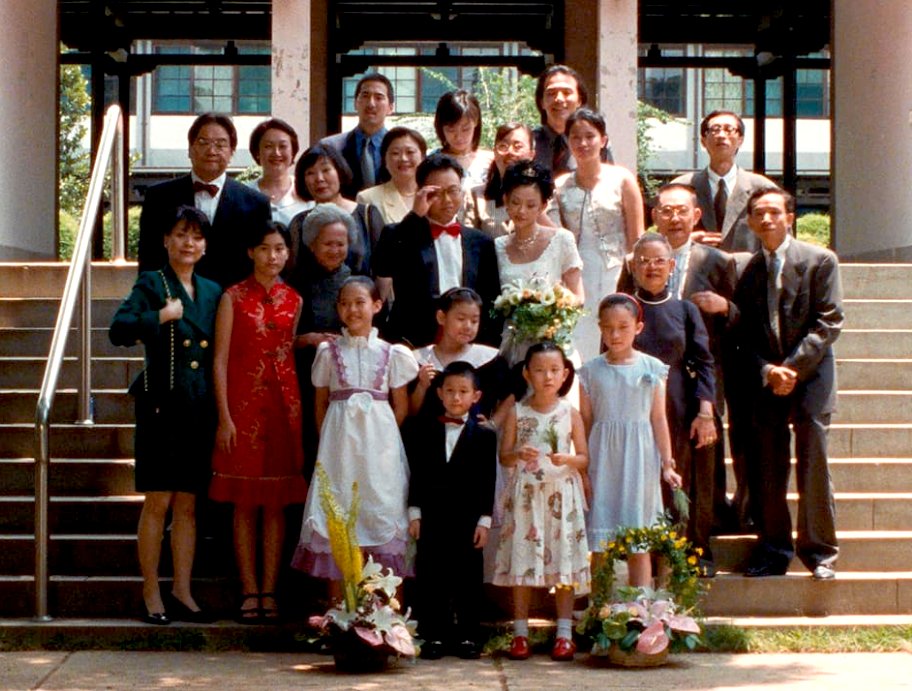
HOW EDWARD YANG STRUCTURE A WHOLE CYCLE OF LIFE IN YI YI!
Edward Yang builds it as a collection of lives rather than a single story. There are multiple characters, each with its own layers, and none of them feels secondary. Every person contributes something not to a “central plot” but to a larger emotional and experiential fabric. Through its writing, framing, and observation, the film makes us feel as if we are simply watching the lives of people around us.
What’s even more striking is the range of lives the film holds together at once. From a “newborn child” to a “dying grandmother”, it spans across generations, placing different phases of life side by side. Each age group carries its own emotional weight: childhood curiosity, teenage confusion, adult responsibility, midlife reflection, and old age nearing its end, it moves across a full spectrum of human experience, making every stage of life feel equally present and significant.
The film moves through a sequence that mirrors life: from a wedding to a birth, from growing up as a child to teenage heartbreak, from marriage to its internal struggles, from revisiting the past in middle age to the eventual loss of a loved one. Along the way, even the smallest contributions of each family member and their absence are shown to have an impact. By carefully placing these moments across different age groups and experiences, Yang creates something that feels like a full cycle of life.

English
“YI YI” (2000) BY EDWARD YANG IS THE "COMPLETE" CINEMA!
Almost all films extend beyond their lead, exploring supporting characters and their arcs. However, Yi Yi, makes a fundamental benchmark: supporting characters are not secondary but essential, forming a complex, interconnected tapestry of modern life where no emotional thread is ignored. Edward Yang removes the idea of a singular protagonist altogether; instead of following one arc, we witness an entire collective, where every character holds weight, pushing character exploration far beyond conventional storytelling.
With so many characters, the film constantly shifts our perspective. And this feeling doesn’t come just from the writing or the dialogues by Edward Yang, it comes from how the film lets us observe. Mainly by how the film is shot, framing moments through doorways, windows, and reflections.
That’s what makes Yi Yi so rare, it makes you wonder how writing can even reach this level, how a film can hold so much without ever feeling overwhelming.
See the replies for readings: 🧵

English