The Human Edge

14.3K posts

The Human Edge banner
The Human Edge

The Human Edge

@TheHumanEdgeOrg

Building thriving organisations one entrepreneur, leader and manager at a time with our EMCC-accredited mentoring curricula.

UK Beigetreten Şubat 2010
2.8K Folgt4.4K Follower
Angehefteter Tweet
The Human Edge
The Human Edge@TheHumanEdgeOrg·
🎉 It’s here! 𝗥𝗘𝗠𝗣 𝗢𝗻𝗹𝗶𝗻𝗲 𝗶𝘀 𝗻𝗼𝘄 𝗹𝗶𝘃𝗲. Our self-paced course is designed to help organisations create mentoring programmes that actually work.
The Human Edge tweet media
English
1
0
0
59
The Human Edge
The Human Edge@TheHumanEdgeOrg·
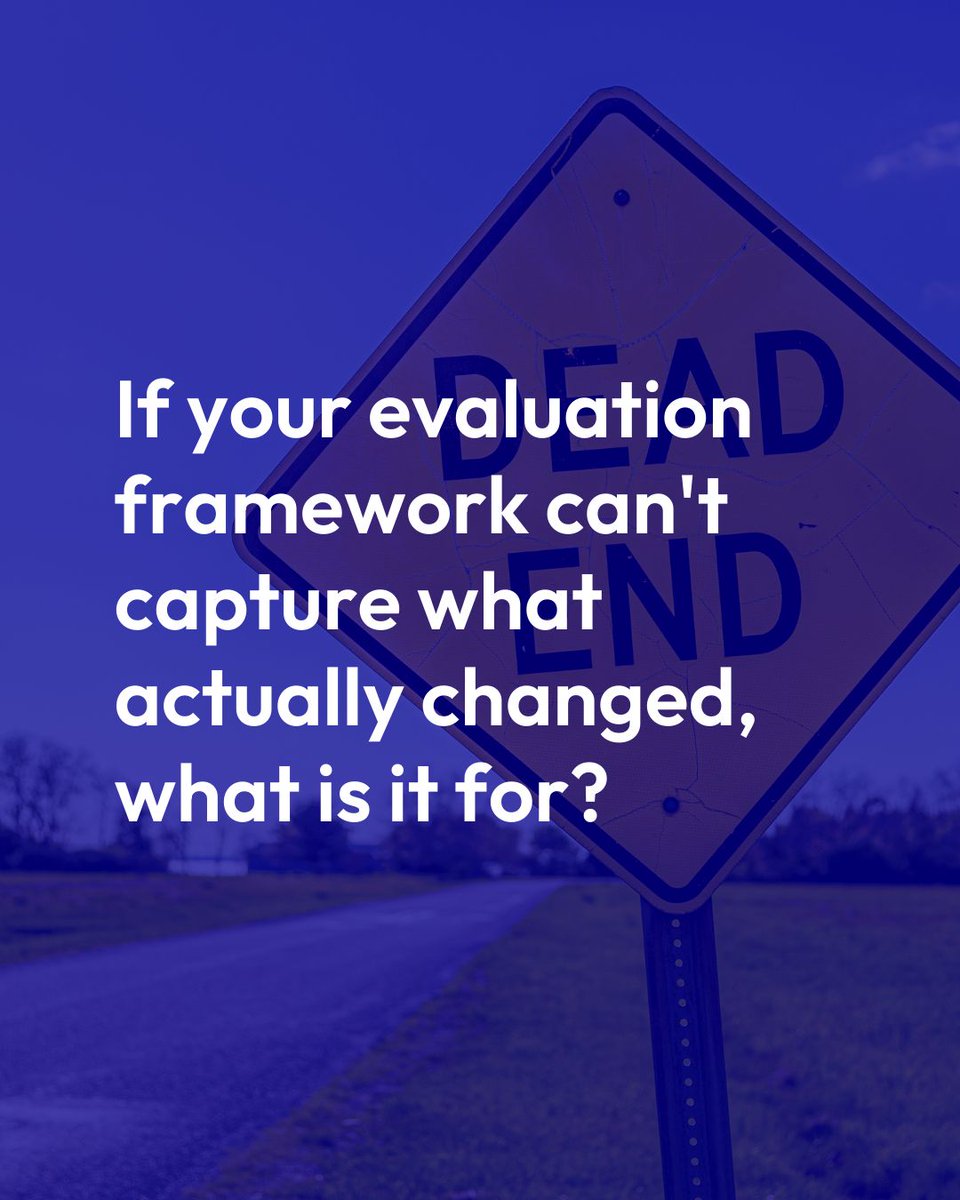
He asked the right questions and she worked it out herself. 2 years later, the business is profitable. That outcome didn't appear in the report. There was no box for it. Which raises the question: if your evaluation framework can't capture what actually changed, what is it for?
English
0
0
0
9
The Human Edge
The Human Edge@TheHumanEdgeOrg·
𝐓𝐡𝐞 𝐨𝐮𝐭𝐜𝐨𝐦𝐞 𝐭𝐡𝐚𝐭 𝐧𝐞𝐯𝐞𝐫 𝐦𝐚𝐤𝐞𝐬 𝐢𝐭 𝐢𝐧𝐭𝐨 𝐚 𝐫𝐞𝐩𝐨𝐫𝐭 An entrepreneur comes into a programme convinced she needs to raise investment. She leaves having realised she needs a different business model entirely. Her mentor didn't give her the answer.
The Human Edge tweet media
English
1
0
0
11
The Human Edge
The Human Edge@TheHumanEdgeOrg·
Not the wrong participants. Design that was rushed, trimmed or cut to bring the headline cost down. The most expensive mistakes are the ones caught late. A design flaw identified before launch costs a fraction of one found six months into delivery.
English
0
0
0
5
The Human Edge
The Human Edge@TheHumanEdgeOrg·
A programme that skips proper design doesn't fail at the end; it fails at the beginning and then spends the rest of its budget trying to compensate. Underinvesting in design is the single most common reason mentoring programmes underperform. Not bad mentors.
English
2
0
1
9
The Human Edge
The Human Edge@TheHumanEdgeOrg·
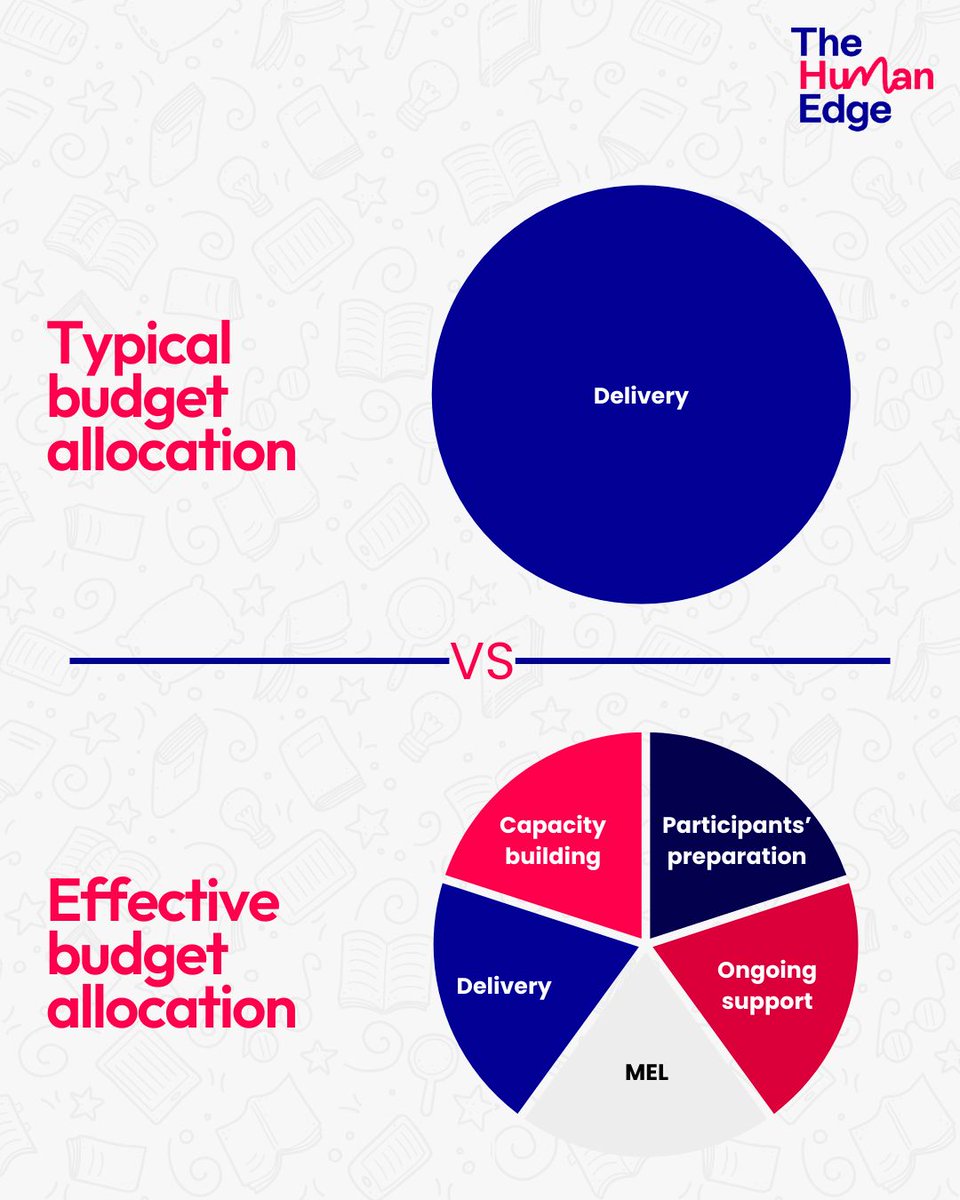
𝐖𝐡𝐞𝐫𝐞 𝐦𝐞𝐧𝐭𝐨𝐫𝐢𝐧𝐠 𝐛𝐮𝐝𝐠𝐞𝐭 𝐠𝐨𝐞𝐬 𝐰𝐫𝐨𝐧𝐠 Most mentoring budgets are built around delivery: staff time, sessions, events, communications. The things you can point to and say, that's where the money went.
The Human Edge tweet media
English
1
0
0
18
The Human Edge
The Human Edge@TheHumanEdgeOrg·
When they're missing, even the most committed people can't make up for it. 👉 We share stuff like this regularly in our newsletter, practical reflections and what we're seeing across different programmes. 👉 buff.ly/p4IzBpx
English
0
0
0
8
The Human Edge
The Human Edge@TheHumanEdgeOrg·
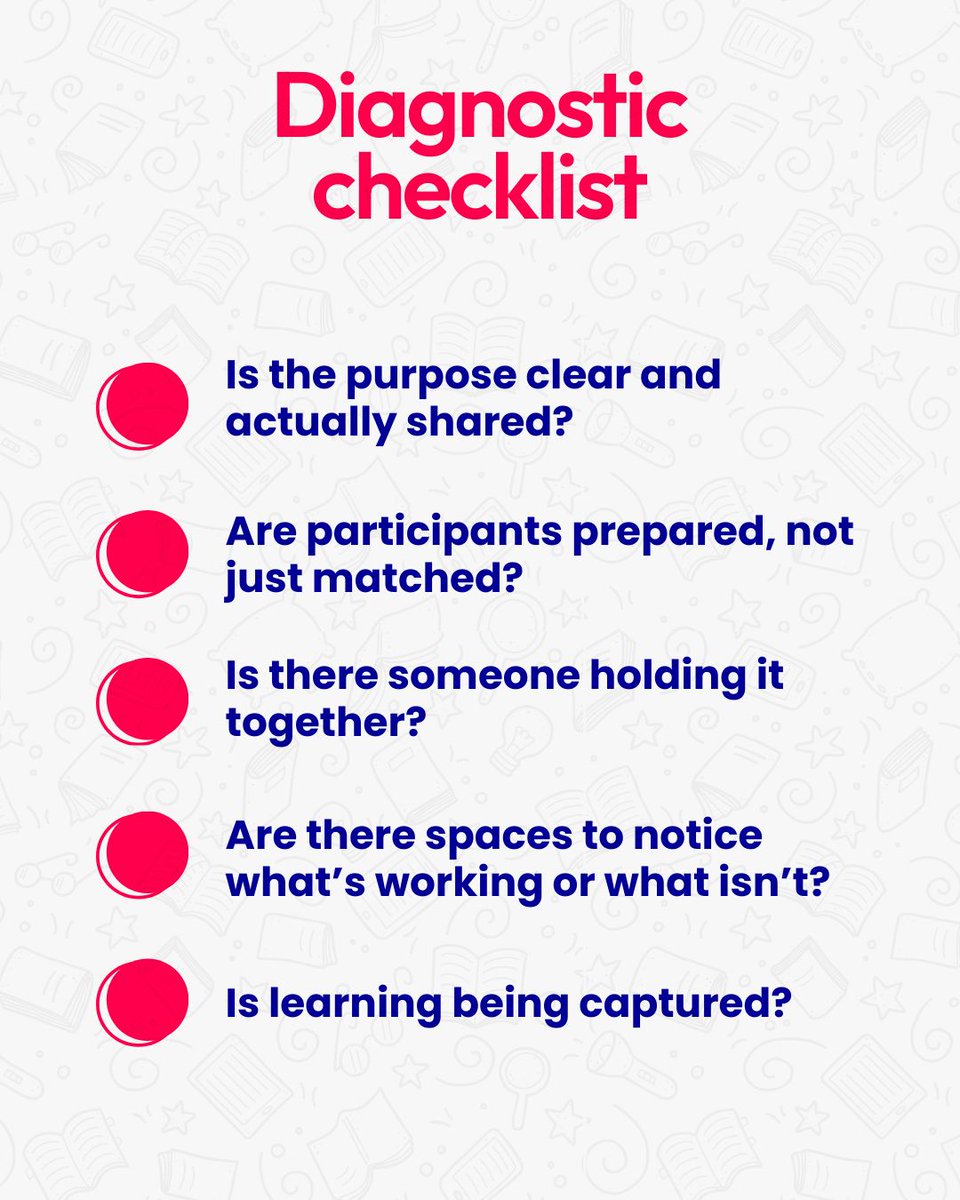
- Is there someone clearly holding the programme together? - Are there proper spaces to notice what's working and what isn't? - Is learning being captured beyond individual stories? When these are in place, mentoring has something solid to build on.
English
1
0
0
12
The Human Edge
The Human Edge@TheHumanEdgeOrg·
A simple way to diagnose mentoring design quality If you're running or funding mentoring, these questions tend to be more useful than outcome metrics, especially early on: - Is the purpose clear and actually shared? - Are participants prepared, not just matched?
The Human Edge tweet media
English
1
0
0
19
The Human Edge
The Human Edge@TheHumanEdgeOrg·
𝐑𝐞𝐚𝐝 𝐭𝐡𝐢𝐬 𝐛𝐞𝐟𝐨𝐫𝐞 𝐲𝐨𝐮𝐫 𝐧𝐞𝐱𝐭 𝐞𝐯𝐚𝐥𝐮𝐚𝐭𝐢𝐨𝐧 𝐫𝐞𝐯𝐢𝐞𝐰 If you've got an evaluation review coming up, the February edition of THEN is worth your time. >>> buff.ly/h84779W
English
0
0
0
22
The Human Edge
The Human Edge@TheHumanEdgeOrg·
5. Multiplier effects (how participants pass on what they've learnt) Internal shifts come first. Multiplier effects come last. Good evaluation design accounts for all five, not just the ones that fit neatly into a report.
English
0
0
0
7
The Human Edge
The Human Edge@TheHumanEdgeOrg·
1. Internal shifts (confidence, self-perception, belief in what's possible) 2. Relational change (how participants approach key relationships) 3. Behavioural shifts (what they actually do differently) 4. Organisational outcomes (business results, decisions, directions taken)
English
1
0
0
12
The Human Edge
The Human Edge@TheHumanEdgeOrg·
When funders ask whether a mentoring programme worked, they usually look at two things: whether participants completed and what the organisational outcomes were. Both matter. But they're missing other critical outcomes:
The Human Edge tweet media
English
1
0
0
24
The Human Edge
The Human Edge@TheHumanEdgeOrg·
👉 In our newsletter, we look at the hidden costs of under designed mentoring and what changes when design is taken seriously. Subscribe here: buff.ly/p4IzBpx
English
0
0
0
6
The Human Edge
The Human Edge@TheHumanEdgeOrg·
In reality, what failed was not mentoring itself, but the conditions around it. Design isn’t an extra. It’s what protects everyone involved.
English
1
0
0
7
The Human Edge
The Human Edge@TheHumanEdgeOrg·
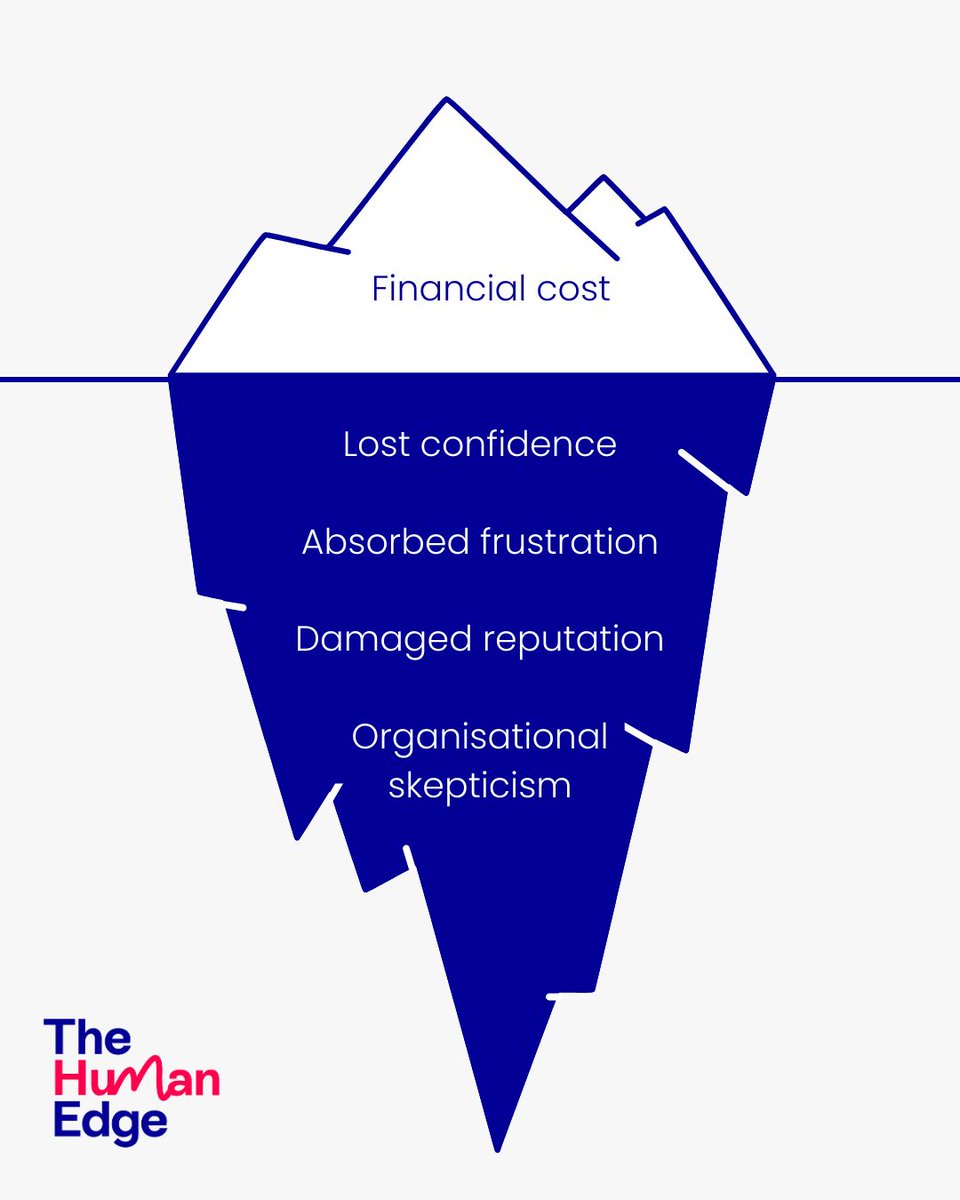
When mentoring underperforms, the cost is rarely just financial. Poorly designed mentoring doesn’t just affect budgets. Participants lose confidence. Programme managers absorb frustration and risk. Organisations conclude that mentoring “doesn’t really work for us”.
The Human Edge tweet media
English
1
0
0
20
The Human Edge
The Human Edge@TheHumanEdgeOrg·
👉 We write about these early signals a lot in our newsletter, the kind of thing that's easier to fix before mentoring gets expensive or demoralising. Subscribe here: buff.ly/p4IzBpx
English
0
0
0
11
The Human Edge
The Human Edge@TheHumanEdgeOrg·
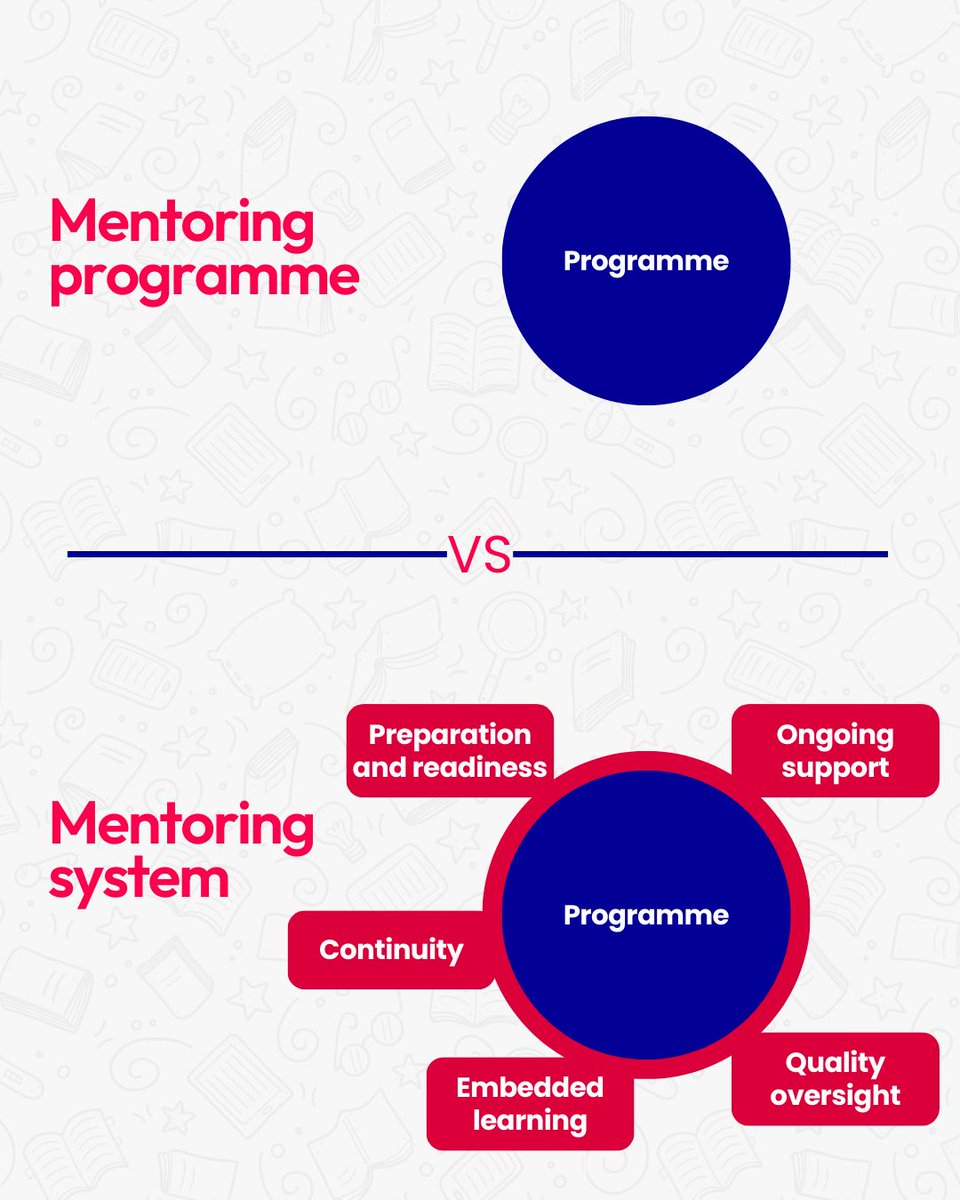
- Continuity beyond a single cohort Without a system, every mentoring relationship has to carry the full weight on its own. With one, mentoring becomes more reliable, more learnable, and easier to sustain.
English
1
0
0
10
The Human Edge
The Human Edge@TheHumanEdgeOrg·
A mentoring programme is not the same thing as a mentoring system A programme is what you run. A system is what holds it together. A system includes: - Preparation and readiness - Ongoing support (not just at the start) - Quality oversight - Ways to learn and adapt as you go
The Human Edge tweet media
English
1
0
0
17
The Human Edge
The Human Edge@TheHumanEdgeOrg·
👉 We write about these early signals a lot in our newsletter, the kind of thing that's easier to fix before mentoring gets expensive or demoralising. Subscribe here: buff.ly/p4IzBpx
English
0
0
0
4
The Human Edge
The Human Edge@TheHumanEdgeOrg·
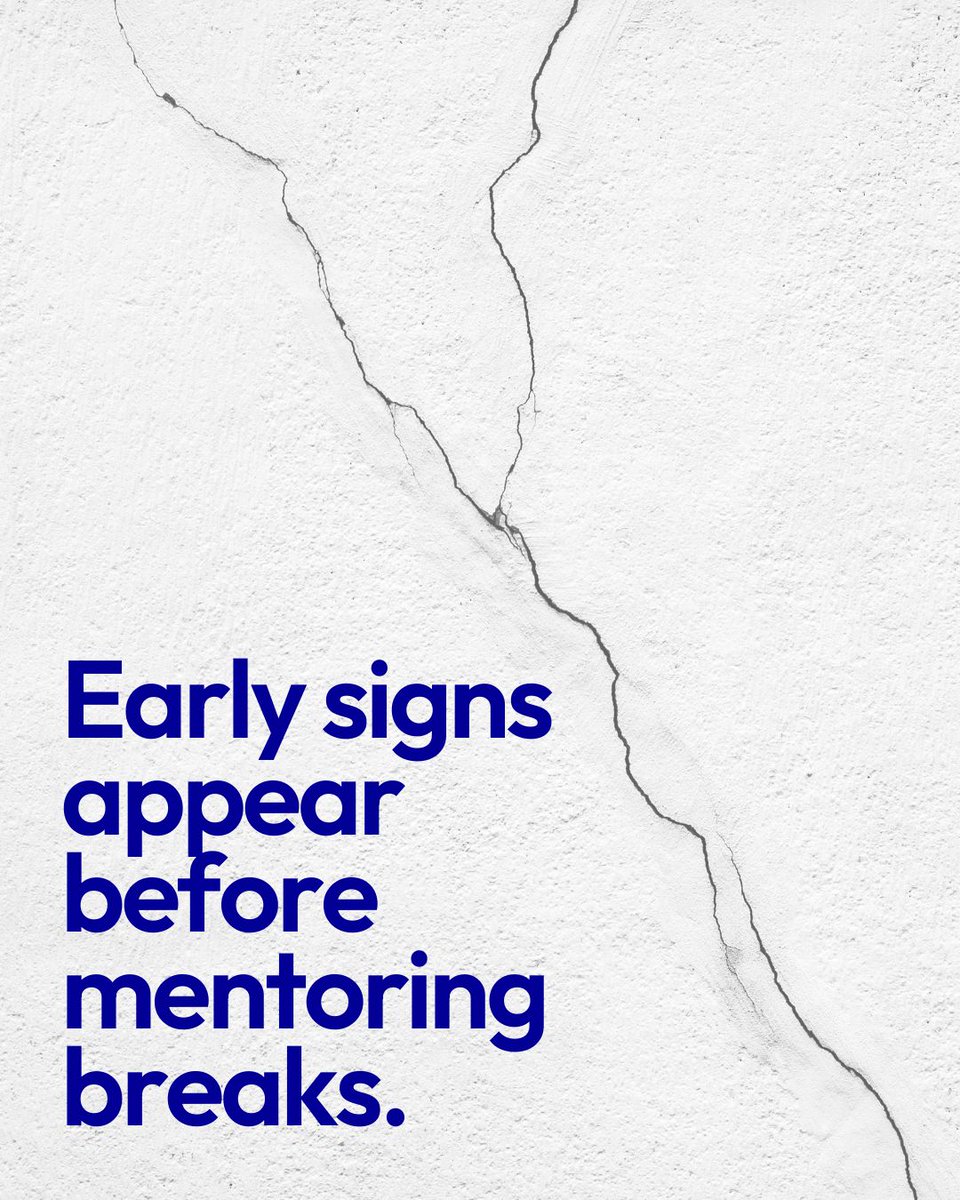
- Programme managers are always firefighting - Learning stays vague and hard to put into words - No one feels comfortable saying what isn't working None of this means the programme's failed. It just means something's missing. Usually it's not enthusiasm or effort, it's design.
English
1
0
0
4
The Human Edge
The Human Edge@TheHumanEdgeOrg·
Most mentoring problems don't announce themselves. They just start showing up... A few early signals worth watching for: - People aren't sure what ""good"" actually looks like - Sessions drift or feel inconsistent week to week
The Human Edge tweet media
English
1
0
0
15